Artwork
Madonna and Child
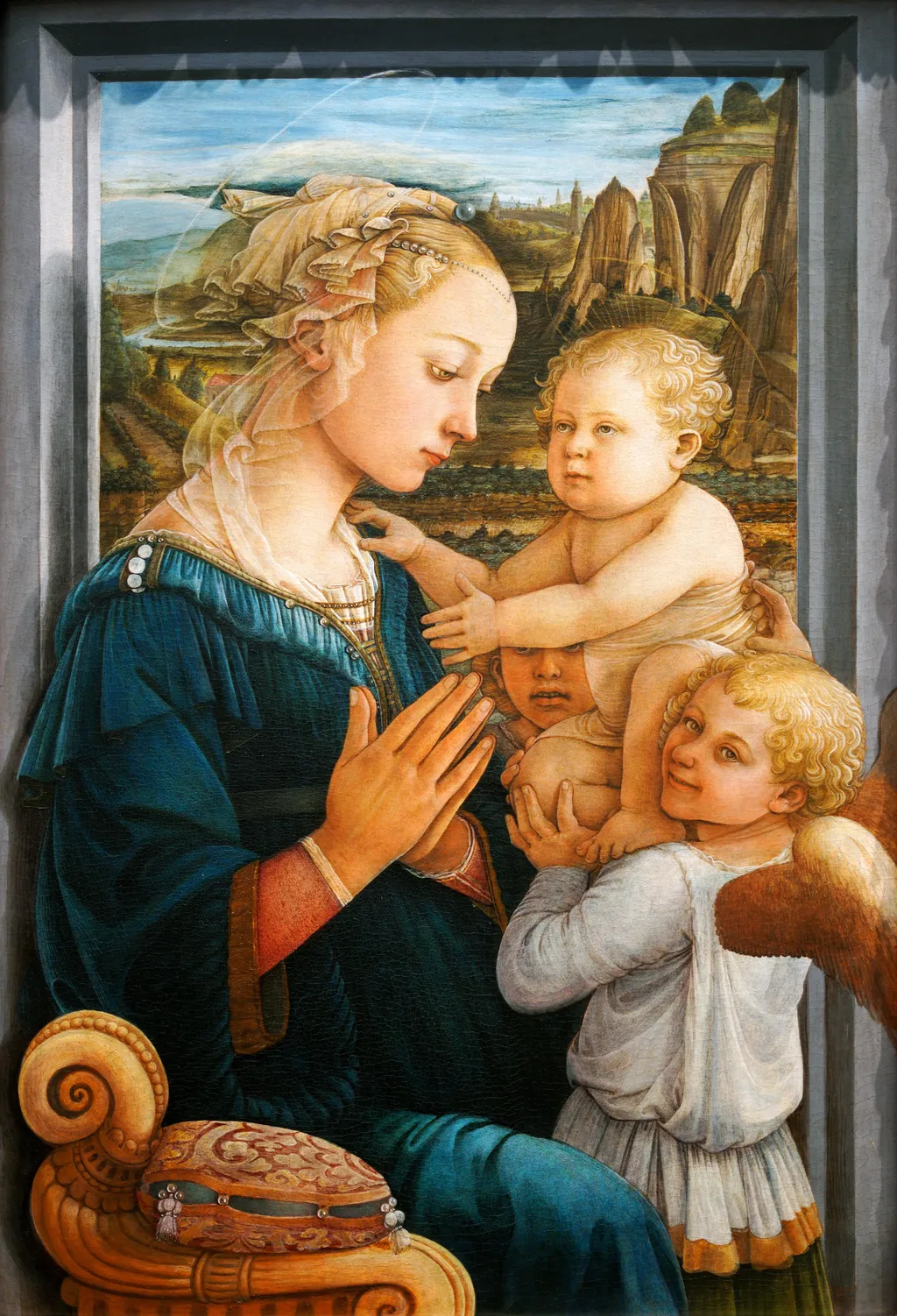
Madonna and Child is a tempera painting by the Early Renaissance artist Filippo Lippi. It dates from 1460 and is held in the collection of the Uffizi Gallery.
About this work
This tempera painting shows a mother and child, a classic subject in Italian art. Filippo Lippi made it around 1460, late in his career. It stands out because Lippi painted it mostly on his own, without helpers from his studio.
Artists later copied its style, including Botticelli. That helped shape how future painters pictured the Madonna and Child.
Look up the technique next: tempera.
Subject & Meaning
The Virgin sits in adoration, hands joined in prayer before the Christ Child, who is held up by two angels rather than by Mary herself, a notable innovation.
The painting depicts the Madonna and Child with two angels, a standard subject in Christian art representing the Virgin Mary with the infant Jesus. The Virgin sits in adoration, hands joined in prayer before the Christ Child, who is held up by two angels rather than by Mary herself, a notable innovation.
The iconography carries layered symbolism. The pearls adorning Mary's coiffure and dress, drawn from the Song of Songs, symbolize purity. The landscape visible through the open window includes rocks and seashore, the latter alluding to Mary's title "star of the sea and port of our salvation."
The angel in the foreground, with his roguish smile and direct gaze toward the viewer, breaks conventional seraphic decorum, creating a striking balance with Mary's pensive gravity.
The work's deeper significance extends to personal and artistic dimensions. The Madonna's face is traditionally identified with Lucrezia Buti, the artist's companion, suggesting a fusion of sacred subject with intimate portraiture. The painting became a foundational model for subsequent Florentine depictions of the Madonna and Child, influencing artists including Botticelli.
Technique & Style
The Uffizi Madonna is executed in tempera on panel, with the Italian-language sources recording dimensions of approximately 92 × 63.5 cm and the Wikidata entry listing 95 × 62 cm. The verso of the panel bears a brush sketch of a female bust, and a preparatory drawing in silverpoint and white lead on yellow-ochre prepared watermarked paper is held by the Uffizi's Gabinetto dei Disegni e delle Stampe. The composition is pyramidal, with figures pressed close to the picture plane and an open window opening onto a bird's-eye landscape inspired by Flemish painting.
Lippi's handling reflects his fresco experience at Prato Cathedral: colors are laid down in bold, independent strokes with little attempt at harmonious blending, producing a blunt execution. Masaccio's earlier chiaroscuro has given way to a soft glow with harsh shadows, reducing volumetric modeling. The palette is clear and luminous, achieving an atmospheric unity that anticipates Leonardo.
Sculptural models from Agostino di Duccio, Desiderio da Settignano, Luca della Robbia, Donatello, and Michelozzo inform the figures, while the foreground angel's wing projects beyond the frame to dilate the space illusionistically. The work is regarded as one of the rare panels executed entirely by Lippi without workshop intervention.
History & Provenance
The painting is housed in the Uffizi Gallery in Florence, where it is displayed in Room A9 alongside works by Paolo Uccello and Piero della Francesca. An 18th-century inscription on the reverse of the panel documents its presence at the Medici Villa del Poggio Imperiale at that time. On 13 May 1796 the work was recorded as entering the Gallerie Granducali, the nucleus from which the Uffizi museum later developed.
The Uffizi's Gabinetto dei Disegni e delle Stampe also preserves a preparatory drawing for the painting, executed in silverpoint and lead white on prepared ochre-yellow paper. The drawing derives from the collection of Cardinal Leopoldo de' Medici and is attributed to Lippi in a 1687 manuscript, meaning it was already at the Uffizi before the finished panel arrived.
Context
Widely regarded as Fra Filippo Lippi's masterpiece, this work is celebrated for being entirely autograph, executed without workshop assistance. Art historians identify it as a pivotal reference for subsequent depictions of the Madonna and Child, particularly influencing Sandro Botticelli. The painting's innovative composition, featuring a landscape visible through an open window inspired by Flemish art, and its clear, atmospheric lighting anticipated techniques later perfected by Leonardo da Vinci.
Scholarly debate regarding its dating centers on potential personal symbolism. While the Virgin's likeness to Lucrezia Buti suggests a date within Lippi's Prato period, the presence of a smiling angel resembling his son Filippino points to circa 1465. Some interpretations propose the artist inserted his own features into the Christ Child.
The work's unusual dimensions and intimate scale have led to hypotheses that it commemorated a private family event rather than a public commission.
Legacy
Widely regarded as Filippo Lippi's most celebrated work, the painting served as a definitive reference point for subsequent depictions of the Madonna and Child throughout the late fifteenth century. Its profound impact is particularly evident in the oeuvre of Sandro Botticelli, who studied the composition closely; copies by the young Botticelli and Andrea del Verrocchio exist, though critics note they failed to fully replicate the original's vivid naturalism. The work's innovative stylistic elements, such as the Virgin's elaborate coiffure adorned with pearls and veils, were directly emulated in later Florentine art, including Andrea della Robbia's Portrait of a Young Girl.
Even Lippi himself produced a later version of the composition, now held in Munich, underscoring the piece's enduring significance as a masterwork executed entirely by the artist's hand without workshop assistance.
Overview
Filippo Lippi’s tempera panel depicting the Virgin and her infant dates from the final decade of his career, roughly between 1450 and 1465. The work is housed in the Uffizi Gallery in Florence and is frequently referenced by scholars as the “Uffizi Madonna.”
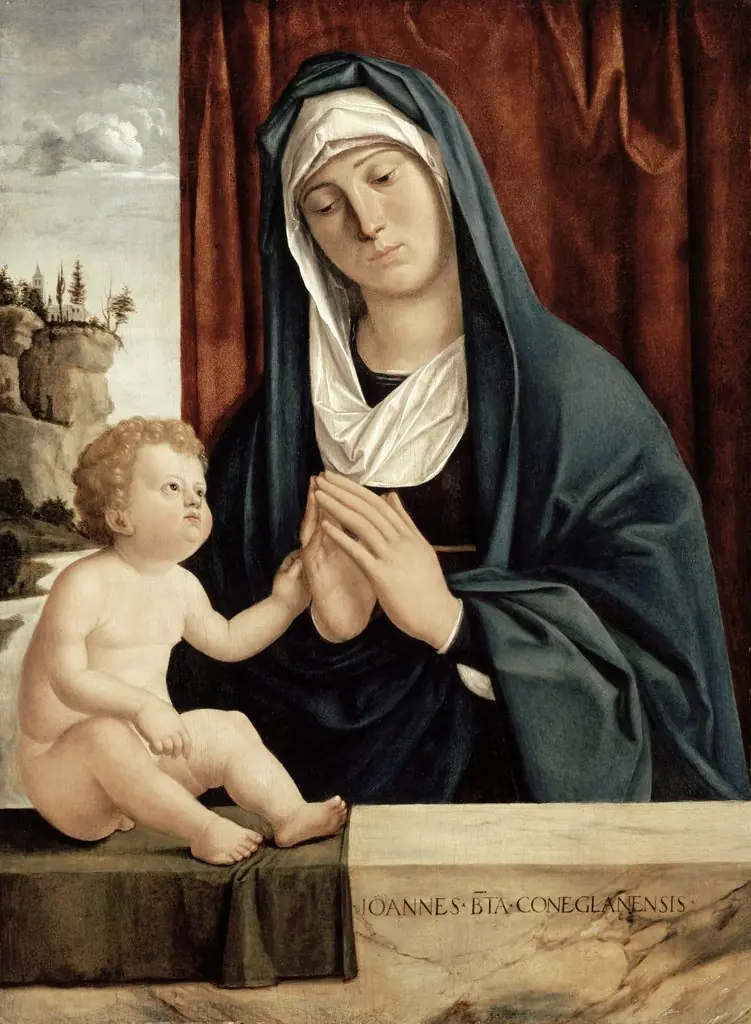
Own this work as a print
Artist & collection
Artist
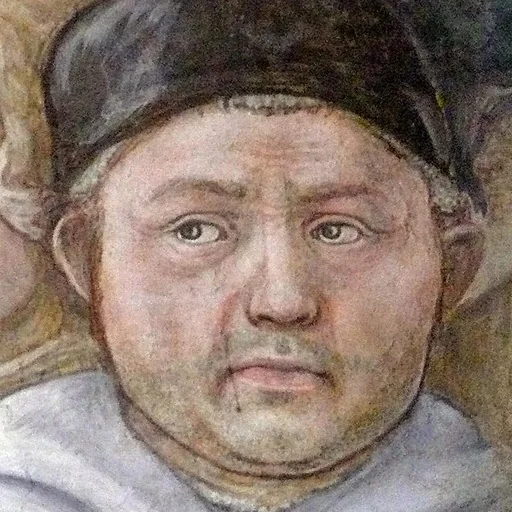
Filippo Lippi (c. 1406 – 8 October 1469), also known as Lippo Lippi, was an Italian Renaissance painter of the Quattrocento (fifteenth century) and a Carmelite priest. He was an early Renaissance master of a painting…

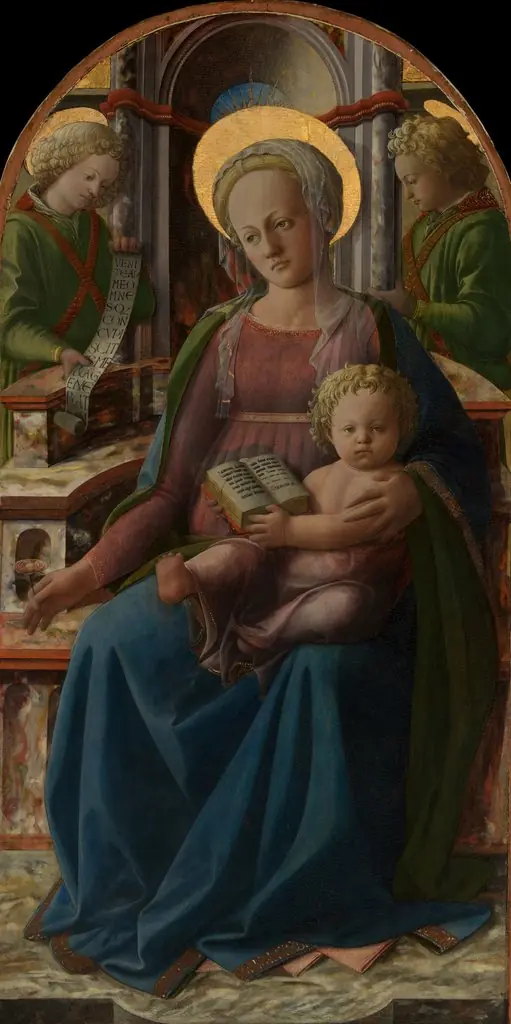
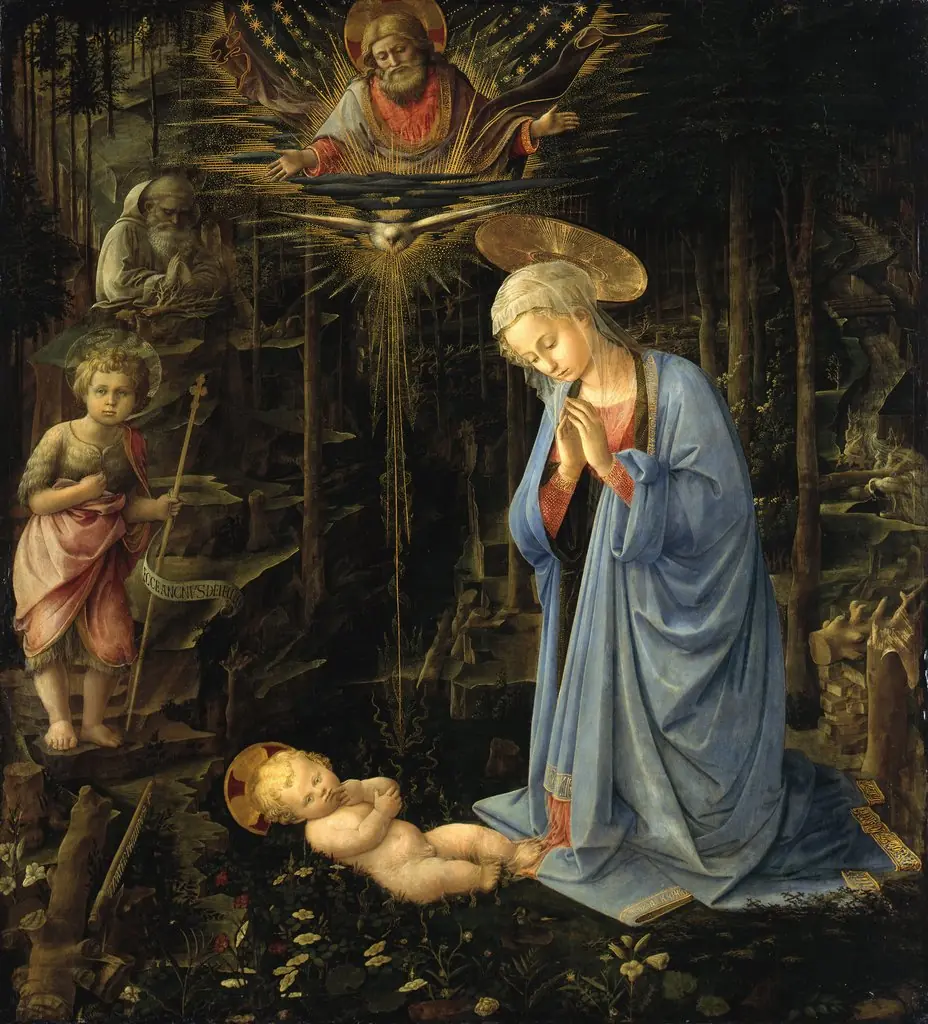
- Madonna and Child
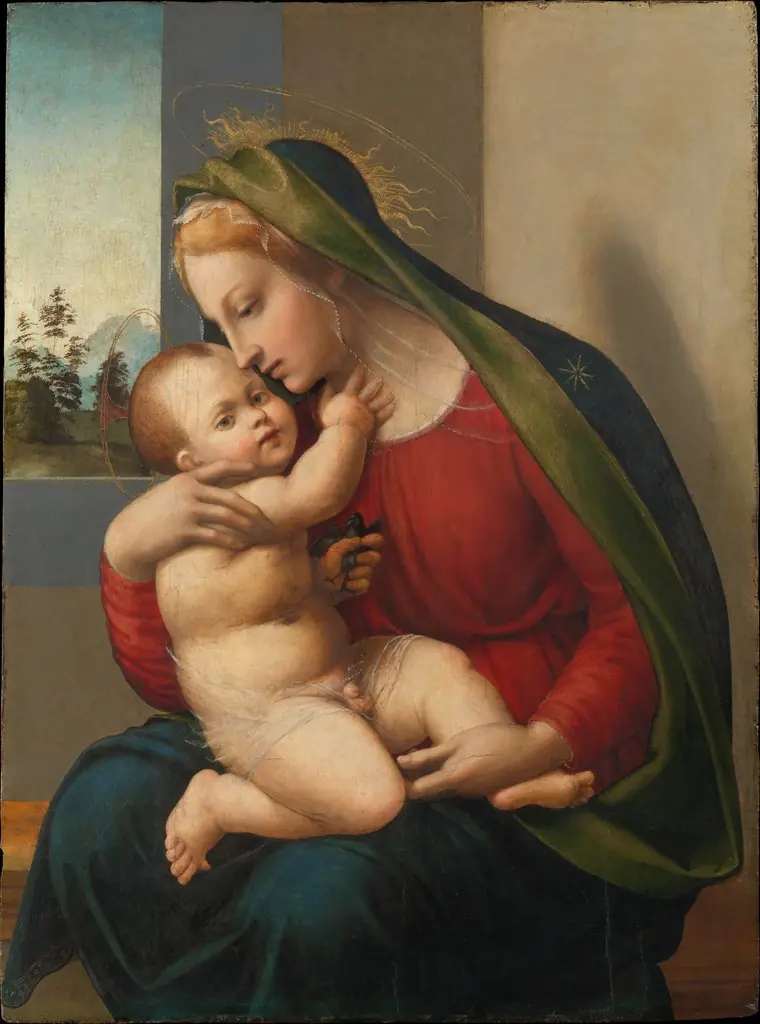 Madonna and Child
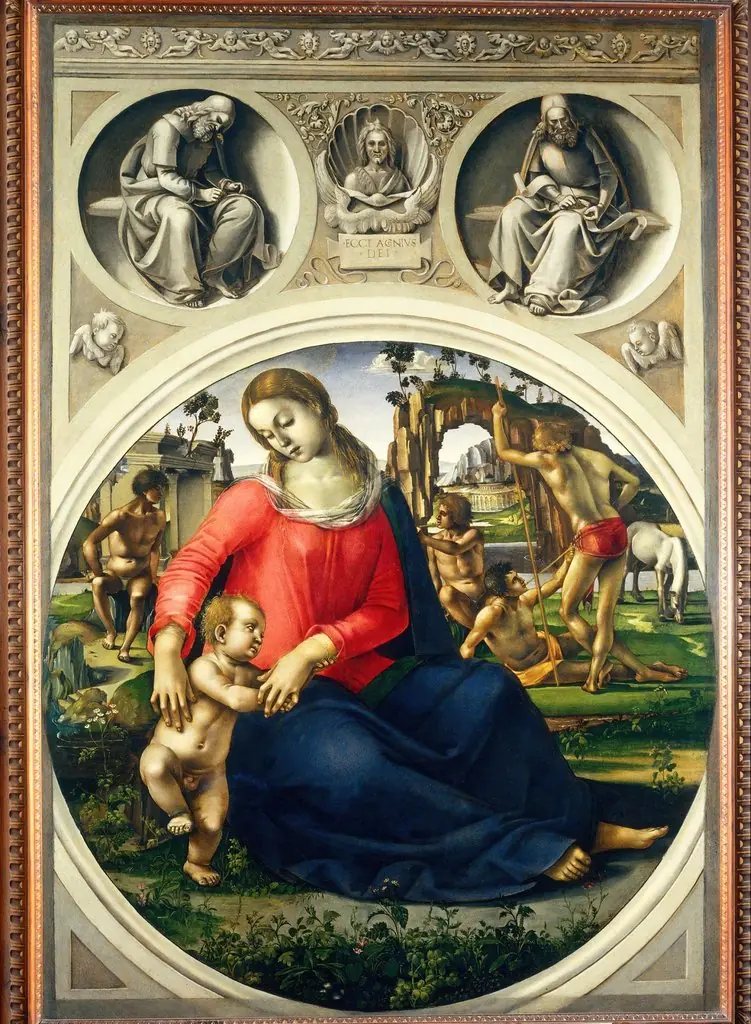 Madonna and Child
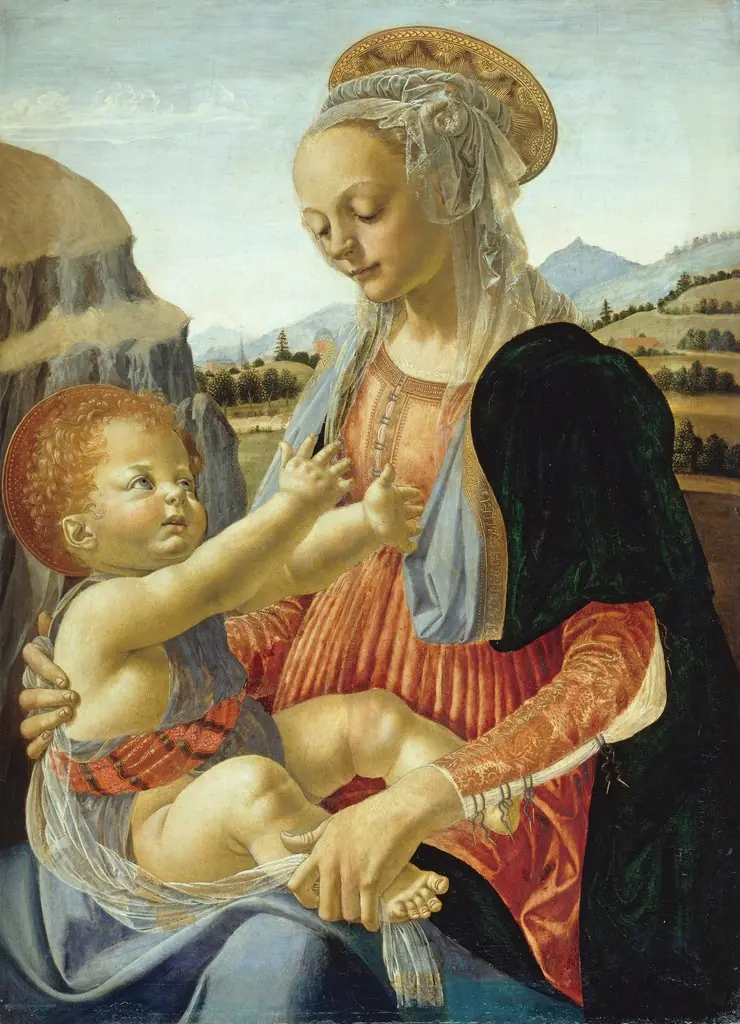 Virgin with the Seated Child
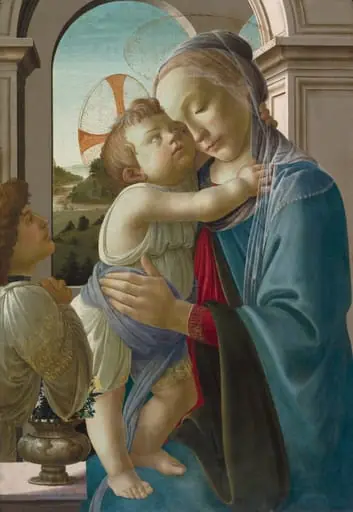 Virgin and Child with an Angel
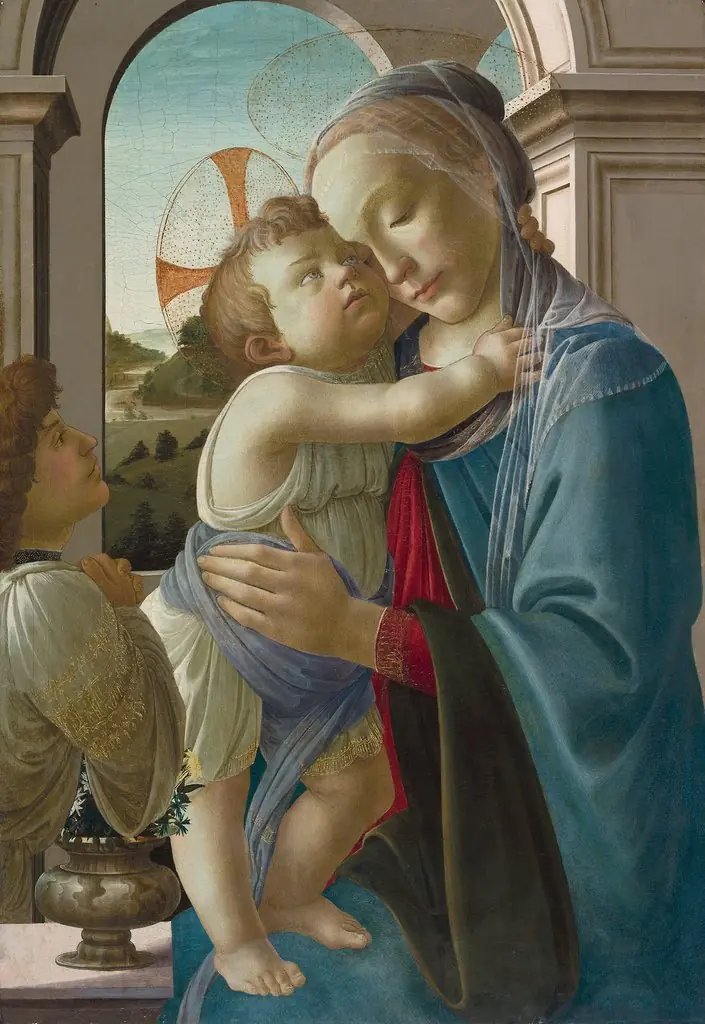 Virgin and Child with an Angel
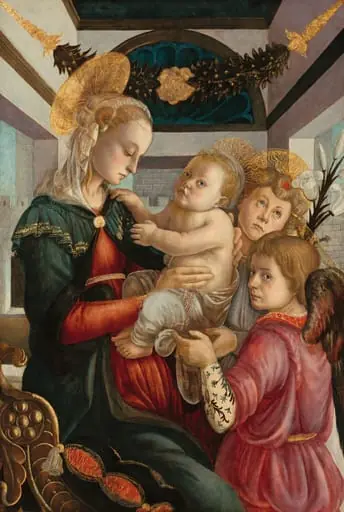 Madonna and Child with Angels
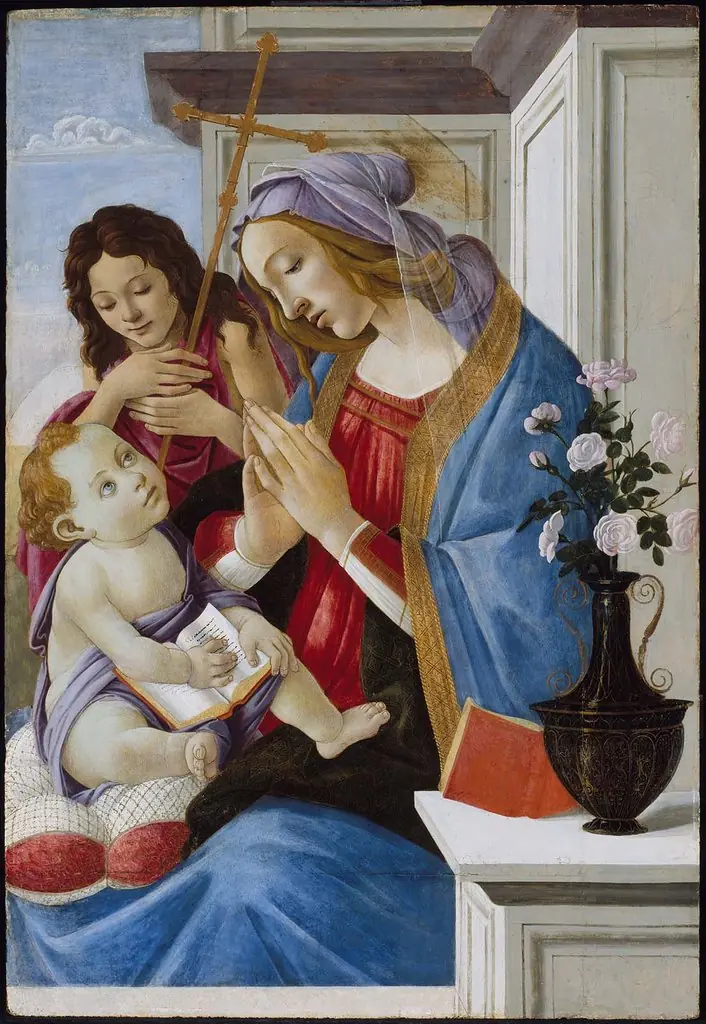 Virgin and Child with Saint John the Baptist
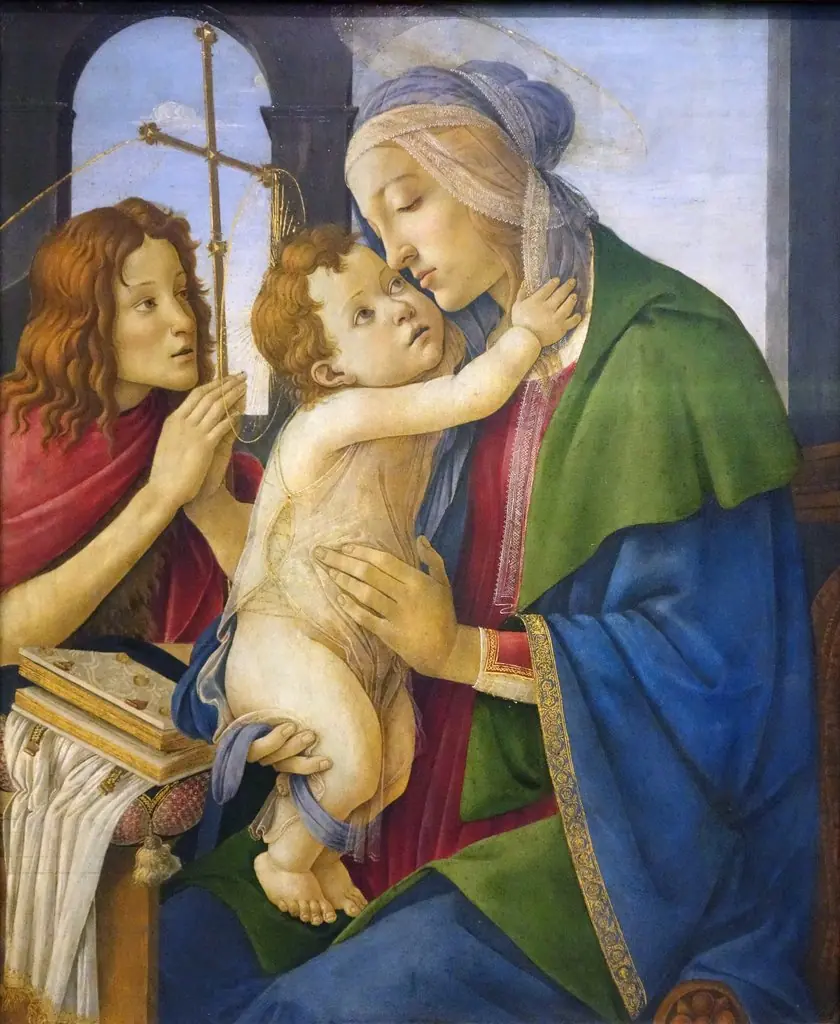 The Virgin and Child with the Young Saint John the Baptist
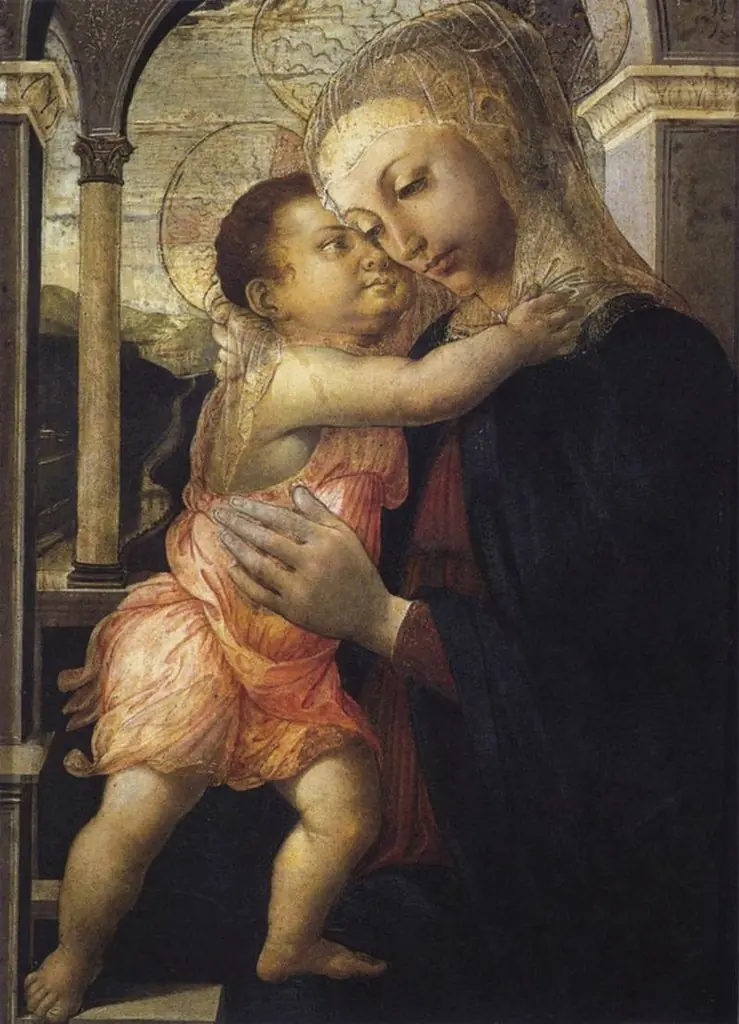 Madonna della Loggia
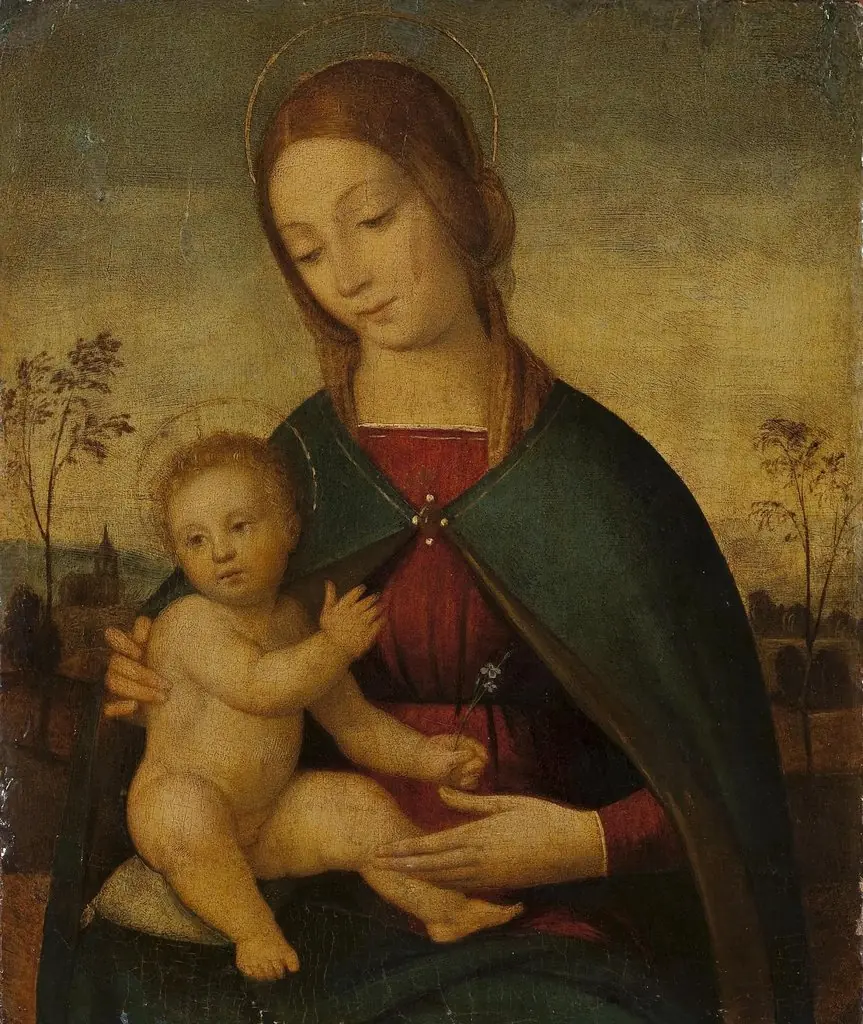 Madonna and Child
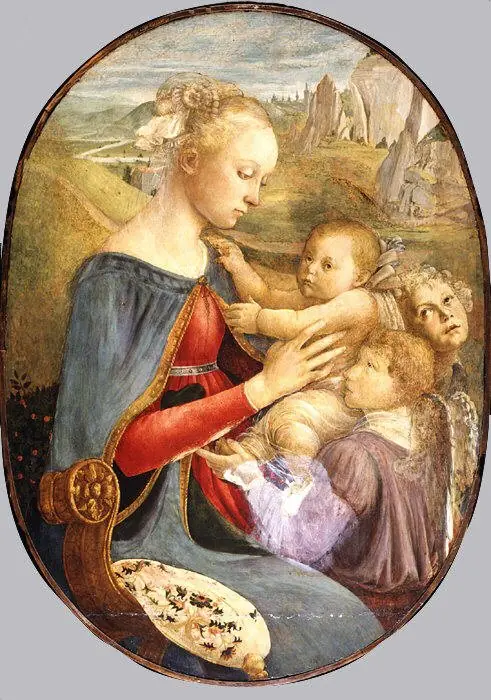 Madonna and Child with Two Angels