Artwork
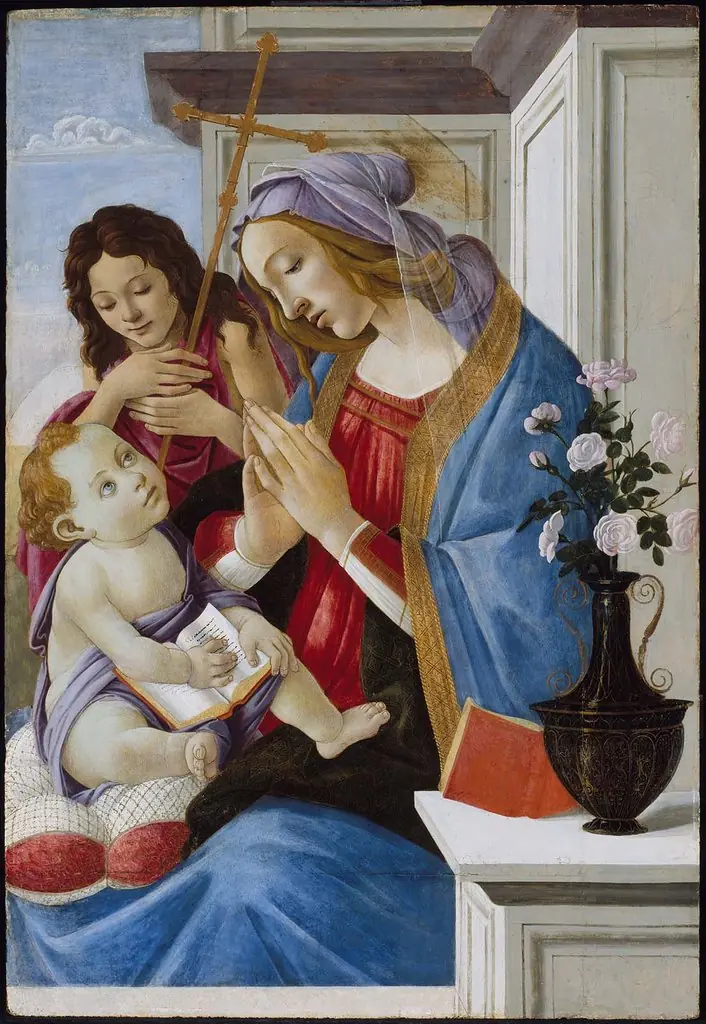
Madonna and Child with Two Angels
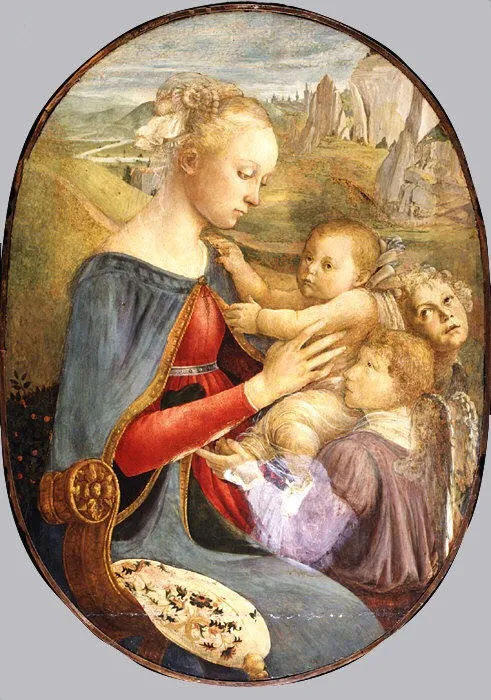
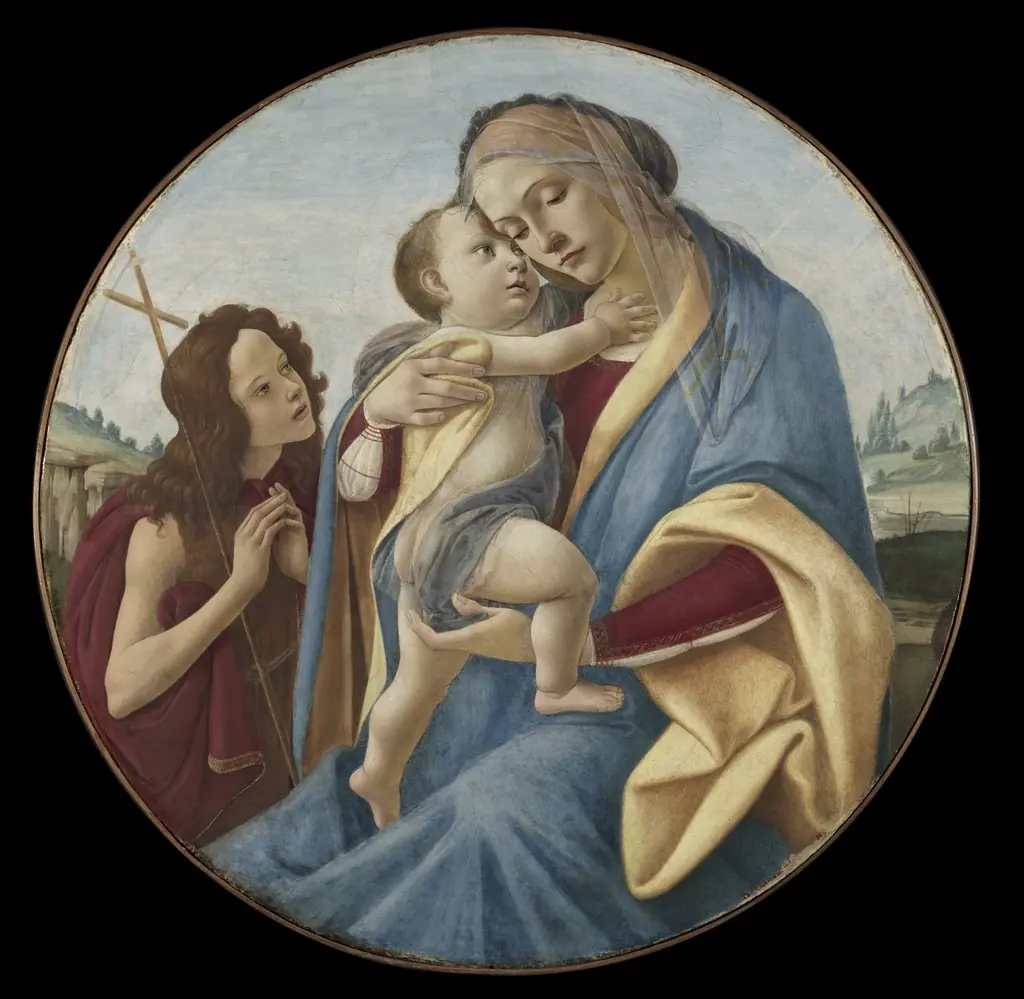
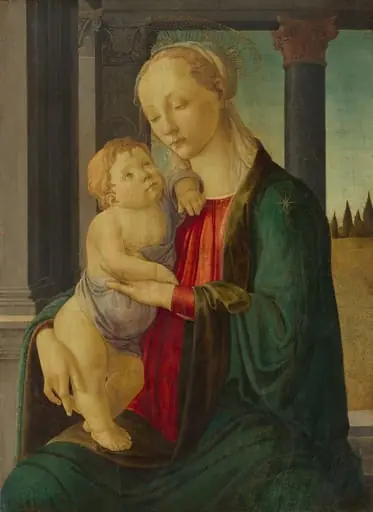
Madonna and Child with Two Angels is a tempera painting by the High Renaissance artist Sandro Botticelli. It dates from 1500 and is held in the collection of the Metropolitan Museum of Art.
About this work
Subject & Meaning
The serene interaction between the figures and the presence of celestial beings underscore the theological significance of the Incarnation.
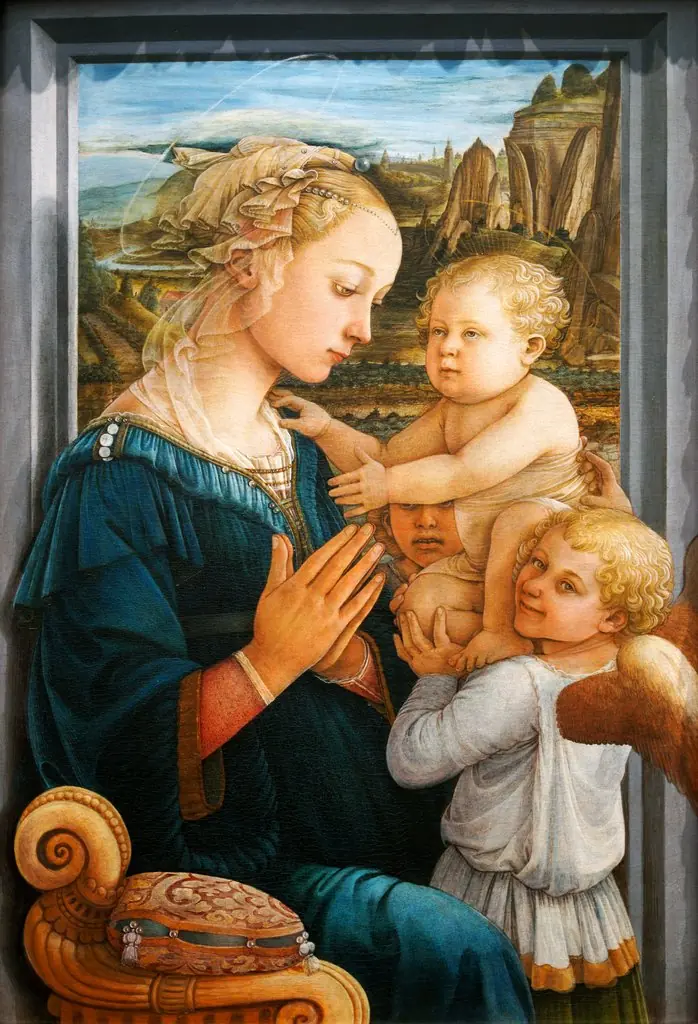
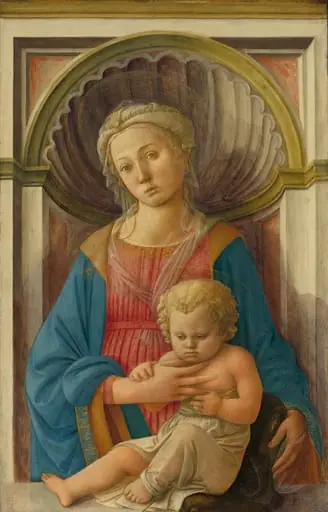
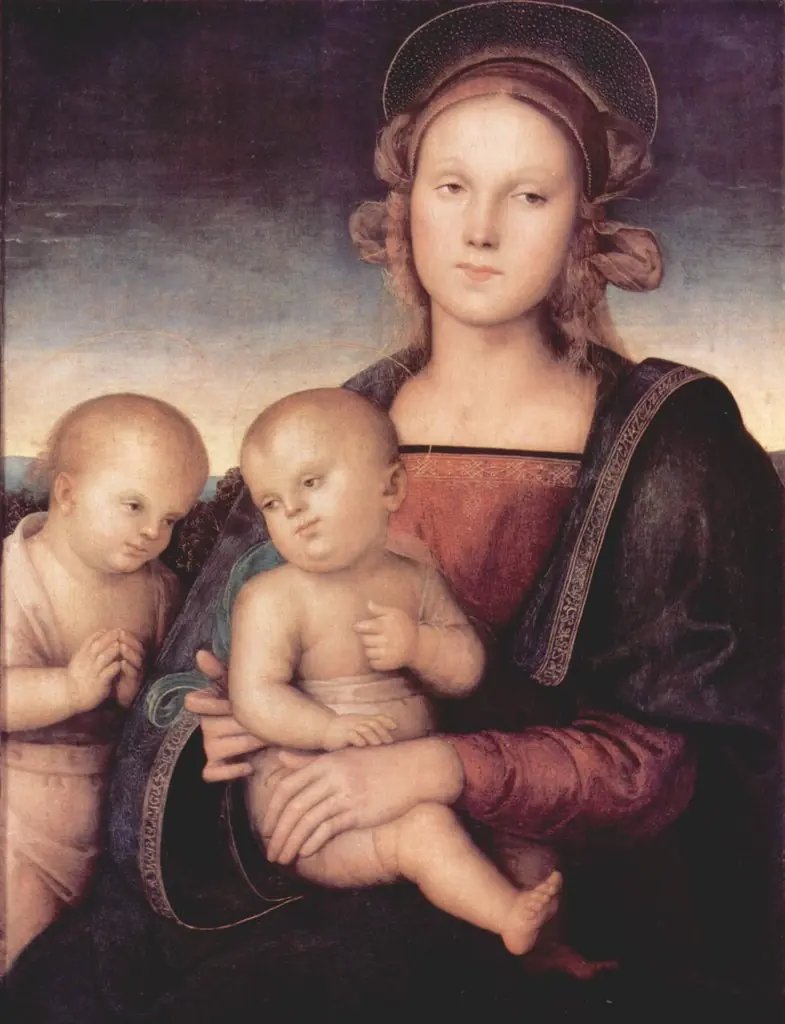
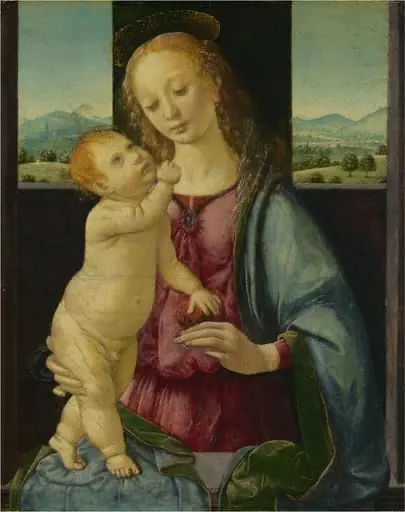
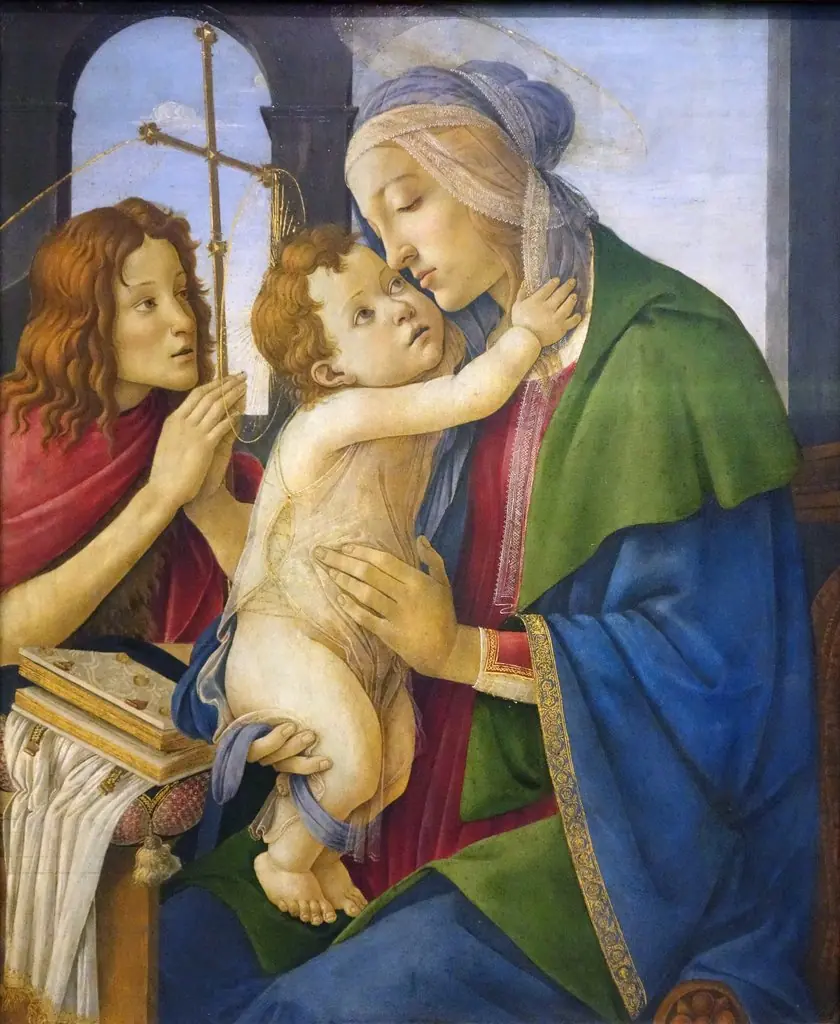
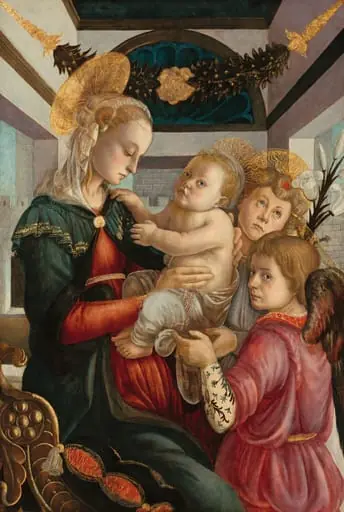
The painting depicts the Virgin Mary holding the Christ Child, accompanied by two angels, a standard arrangement within religious art known as the Madonna and Child. This composition centers on the maternal bond between Mary and Jesus, emphasizing themes of divine love and protection. The inclusion of the two angels serves to frame the holy figures, reinforcing their sacred status and inviting the viewer into a moment of spiritual contemplation.
As a religious work, the piece represents core Christian iconography where Mary is venerated as the Mother of God and the Child is recognized as the future savior. The serene interaction between the figures and the presence of celestial beings underscore the theological significance of the Incarnation.
Technique & Style
The work is executed in tempera on a wooden panel, a technique typical of early fifteenth‑century Florentine devotional painting. Its surface measures approximately 99.7 cm in height by 71.1 cm in width, as recorded in the Metropolitan Museum of Art catalogue. The composition depicts the Virgin Mary cradling the Christ Child, flanked by two angels, rendered with delicate modeling and a muted palette that emphasizes linear contours and subtle chiaroscuro.
The angels’ gestures and the intimate gaze of the Madonna convey a serene, devotional intimacy characteristic of Botticellian style. The panel’s condition is stable, with minimal craquelure, and it remains displayed in the museum’s European paintings wing.
History & Provenance
The tempera-on-panel painting known as Madonna and Child with Two Angels is attributed to Sandro Botticelli and dated to approximately 1500. The work depicts the Virgin Mary, the Christ Child, and two angels within a religious composition. Regarding its ownership history, the piece was formerly held by Louisine Havemeyer before entering the collection of the Metropolitan Museum of Art, where it remains located.
The painting measures 99.7 cm in height and 71.1 cm in width. While specific details regarding the original commission or the precise sequence of its creation are not detailed in the available records, the work is firmly established as a religious artwork from the turn of the sixteenth century associated with the Florentine master.
Overview
This painting, titled Madonna and Child with Two Angels, was created by the Italian Renaissance artist Sandro Botticelli around 1500. Executed in tempera, the work portrays the Virgin Mary holding the infant Christ, flanked by two kneeling angelic figures. The composition is a devotional image, a common theme in Botticelli's oeuvre, and is currently part of the collection at The Metropolitan Museum of Art.
Artist & collection
Artist
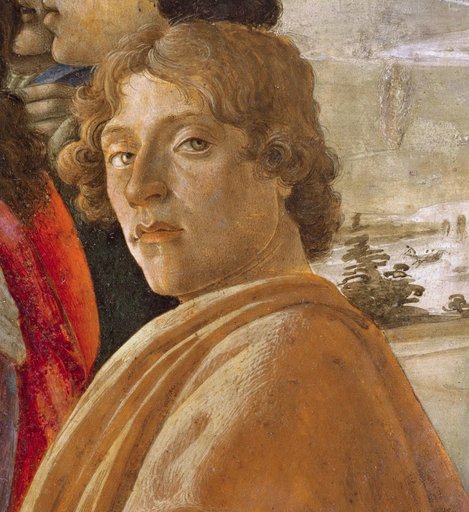
Alessandro di Mariano di Vanni Filipepi, better known as Sandro Botticelli or simply Botticelli, was an Italian painter of the Early Renaissance.