Artwork
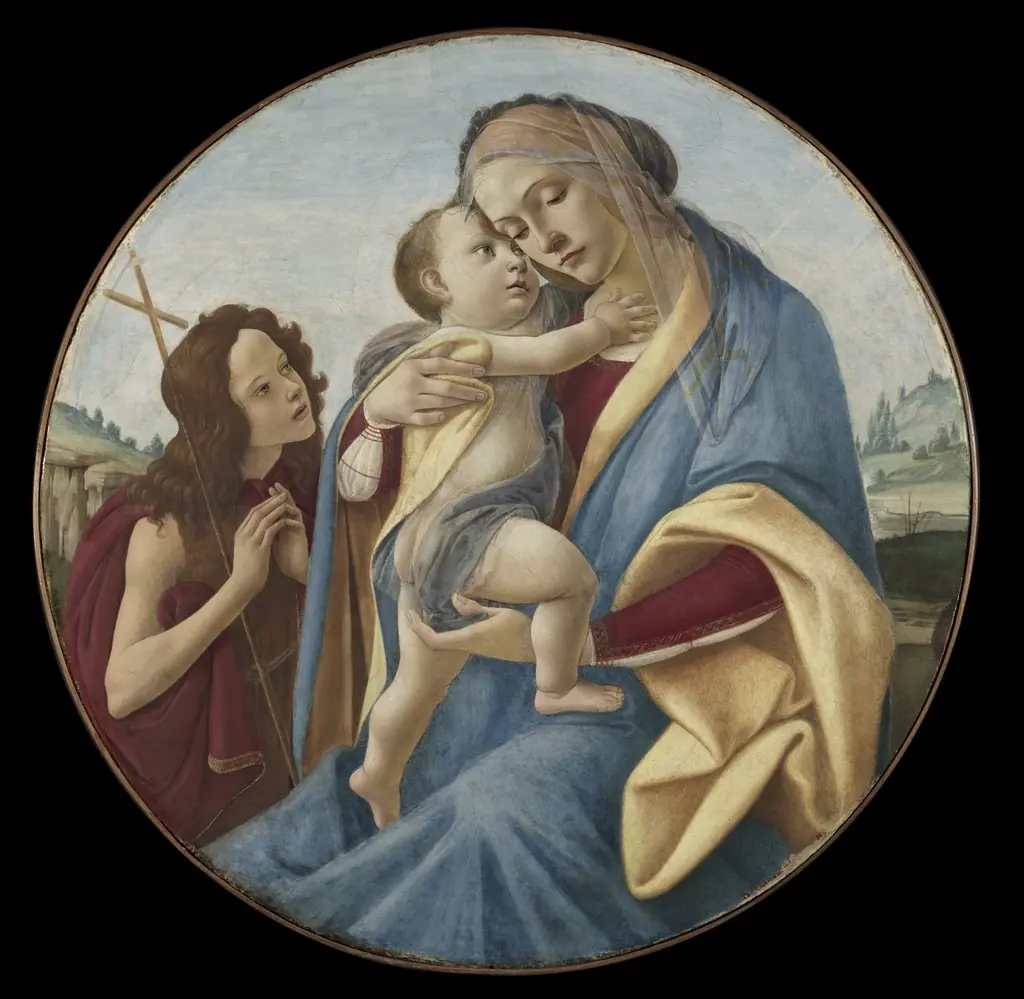
Virgin and Child with an Angel
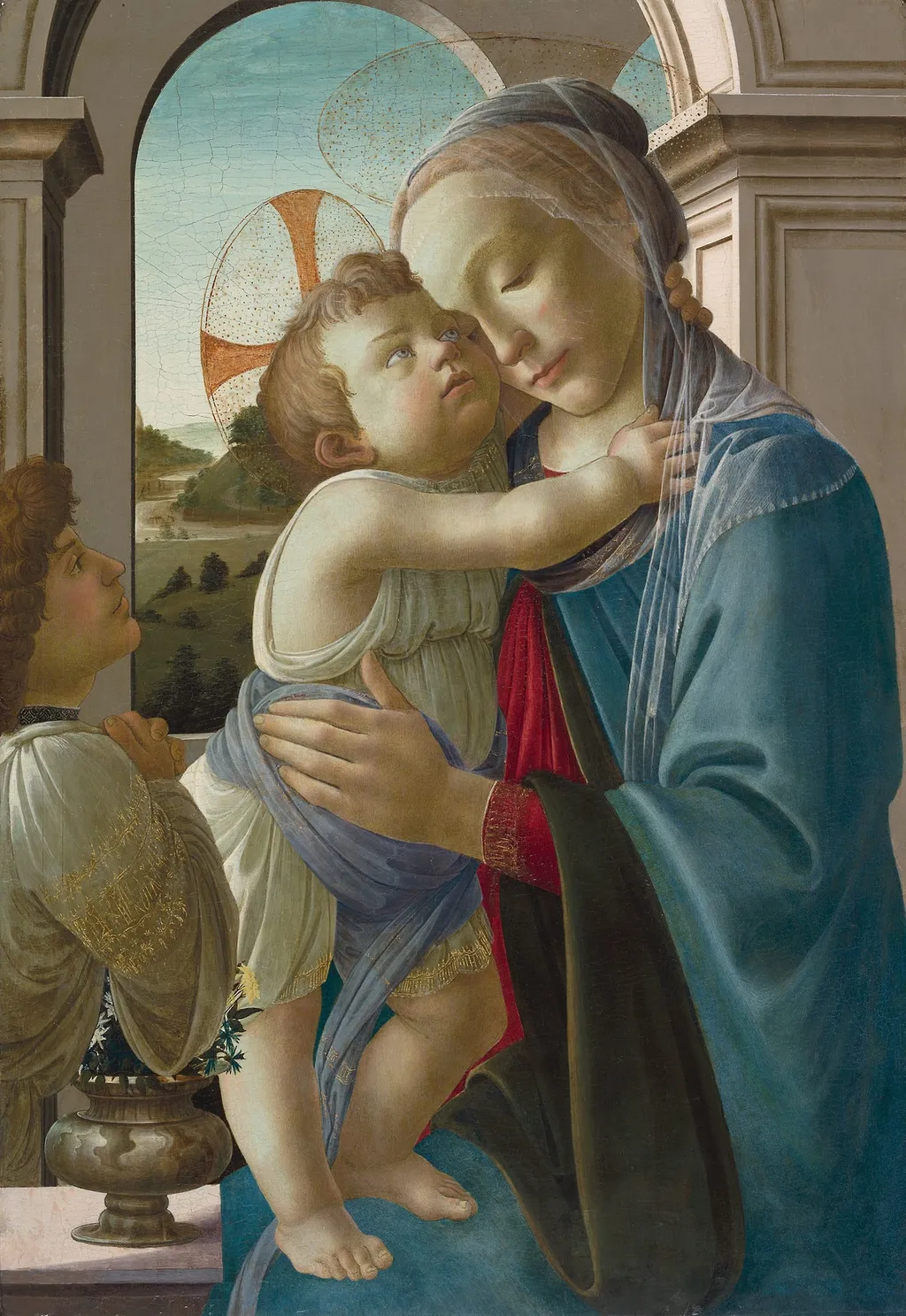
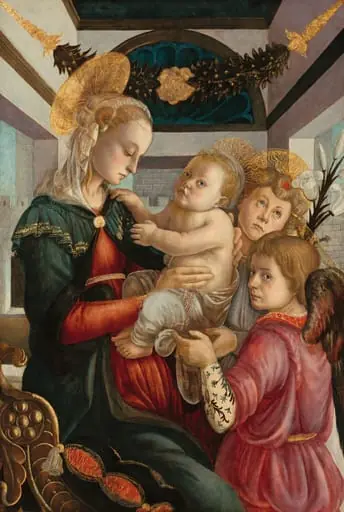
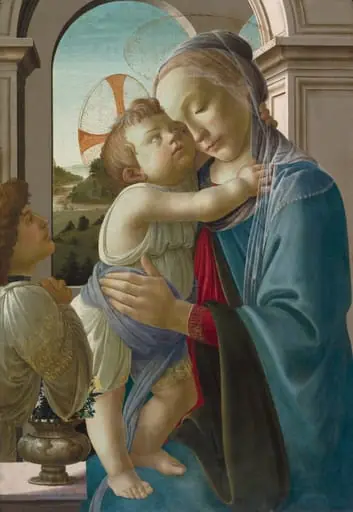
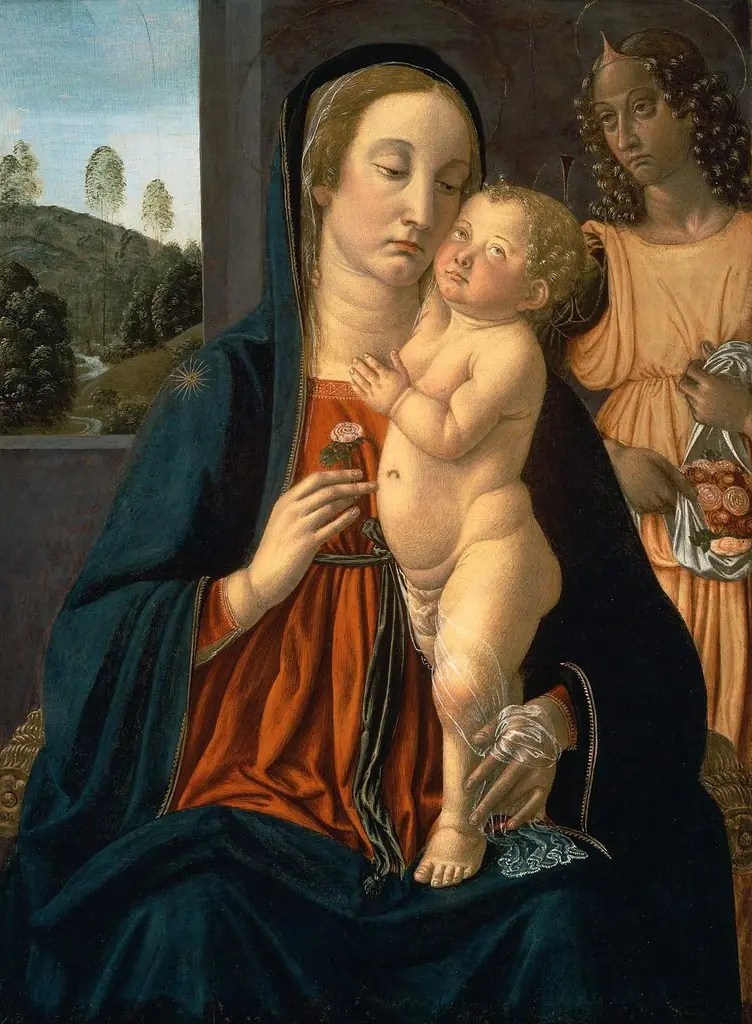
Virgin and Child with an Angel is a tempera painting by the Early Renaissance artist Sandro Botticelli. It dates from 1490 and is held in the collection of the Art Institute of Chicago.
About this work
Subject & Meaning
Created in 1480, the work adheres to the traditional iconography of the Madonna and Child genre, a central theme in religious art.
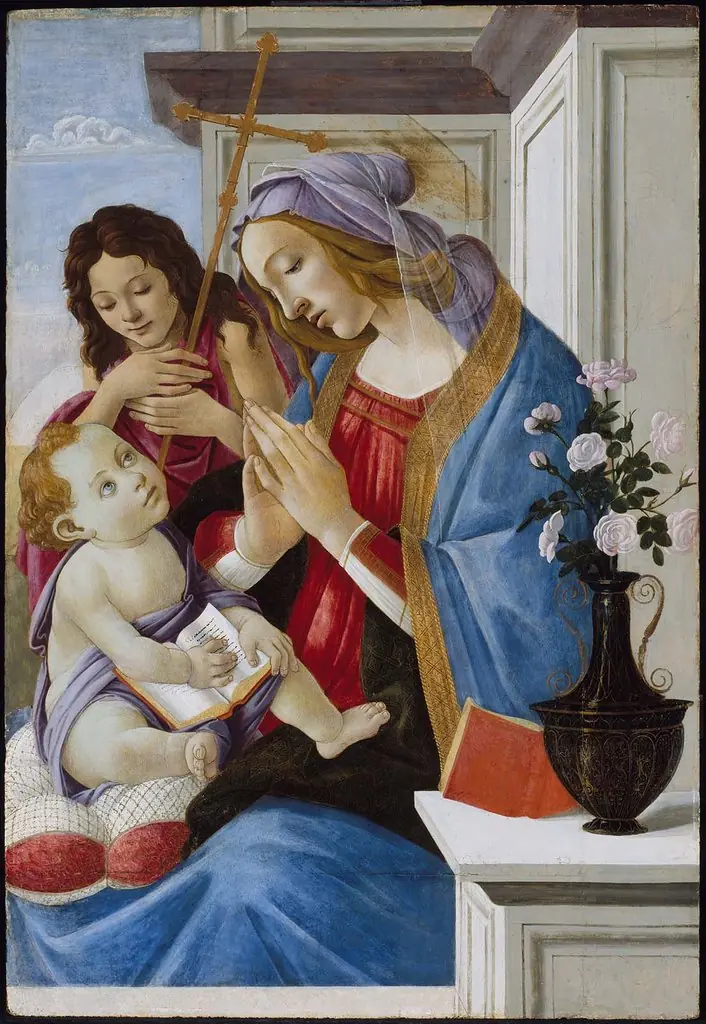
Sandro Botticelli's Virgin and Child with an Angel is a religious painting that depicts the Madonna and Child, specifically identifying the figures as Mary and the Christ Child. Created in 1480, the work adheres to the traditional iconography of the Madonna and Child genre, a central theme in religious art. While the title suggests the presence of an angel, the primary subject matter remains the intimate portrayal of the Virgin Mary with the infant Jesus, reflecting the devotional focus typical of the period.
Technique & Style
The work is executed in tempera on panel, a traditional late-Quattrocento technique consistent with Botticelli's devotional output of the period. The painting is classified as a religious work and takes the Madonna and Child as its main subject, with the medium and panel support documented in the collection record of the Art Institute of Chicago. The panel measures 85.8 cm in height by 59.1 cm in width, a vertically oriented format suited to the intimate Madonna composition.
History & Provenance
Sandro Botticelli created the tempera-on-panel painting Virgin and Child with an Angel in 1480. The work depicts the Virgin Mary and the Christ Child, fitting within the religious art genre. It is currently held in the collection of the Art Institute of Chicago.
The specific commission details, original ownership, and the complete chain of custody prior to its arrival at the museum are not provided in the available records.
The painting Virgin and Child with an Angel by Sandro Botticelli is held in the collection of the Art Institute of Chicago. Created circa 1480, the tempera on panel work measures 85.8 cm in height and 59.1 cm in width. While the artwork is part of the museum's permanent holdings, the available records do not list specific inventory accession numbers or detail a history of exhibitions.
Context
Scholars identify Botticelli's Virgin and Child with an Angel as a pivotal early work reflecting his devotional focus within the Florentine Renaissance. Its tempera medium and composition exemplify Quattrocento religious painting conventions, positioning it at the foundation of his exploration of Marian imagery that later defined his mythological masterpieces. The painting's presence in the Art Institute of Chicago collection underscores its significance in contextualizing Botticelli's artistic trajectory within the broader narrative of European art history.
Overview
This tempera painting, dated to 1490, is a work by Sandro Botticelli, now part of the collection at the Art Institute of Chicago. It portrays a serene, intimate scene of the Virgin Mary with the Christ Child and an accompanying angel.
Legacy
While specific influences or direct artistic legacies of this work are not detailed here, as a Botticelli piece, it contributes to the broader understanding and appreciation of Early Renaissance art, particularly in the depiction of religious themes with harmony and elegance.
Own this work as a print
Artist & collection
Artist
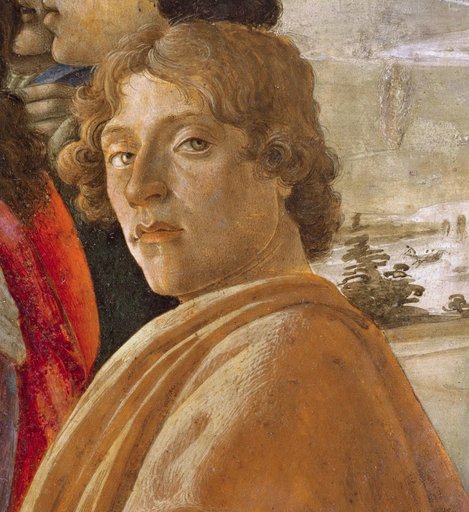
Alessandro di Mariano di Vanni Filipepi, better known as Sandro Botticelli or simply Botticelli, was an Italian painter of the Early Renaissance.