Artwork
Untitled
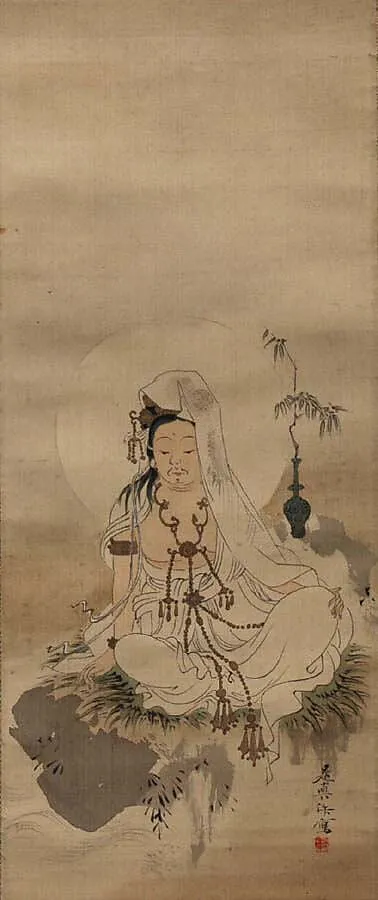
Untitled is a paint painting by the Nihonga artist Shibata Zeshin. It dates from 1849 and is held in the collection of the Metropolitan Museum of Art.
About this work
Subject & Meaning
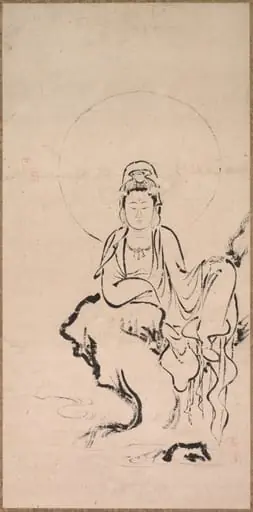
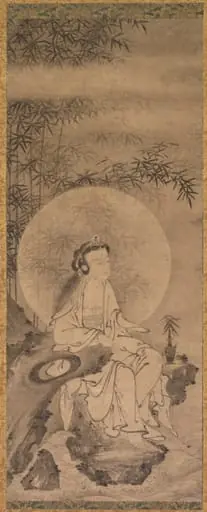
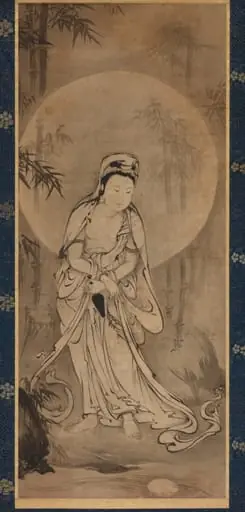
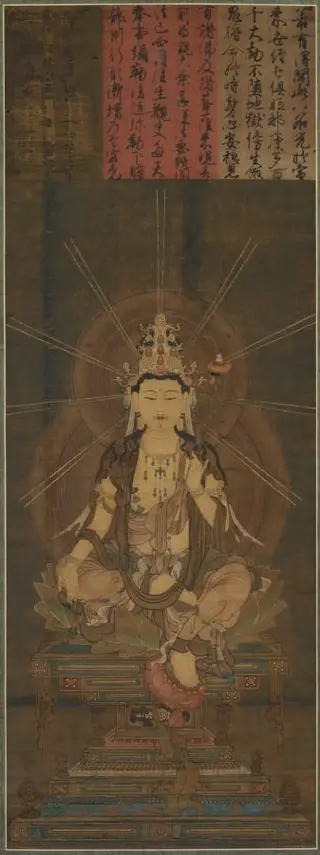
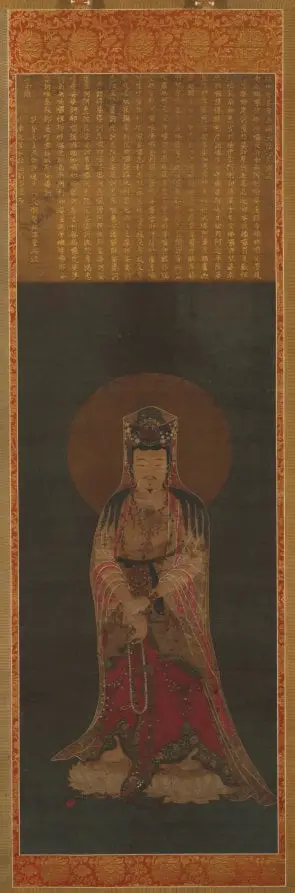
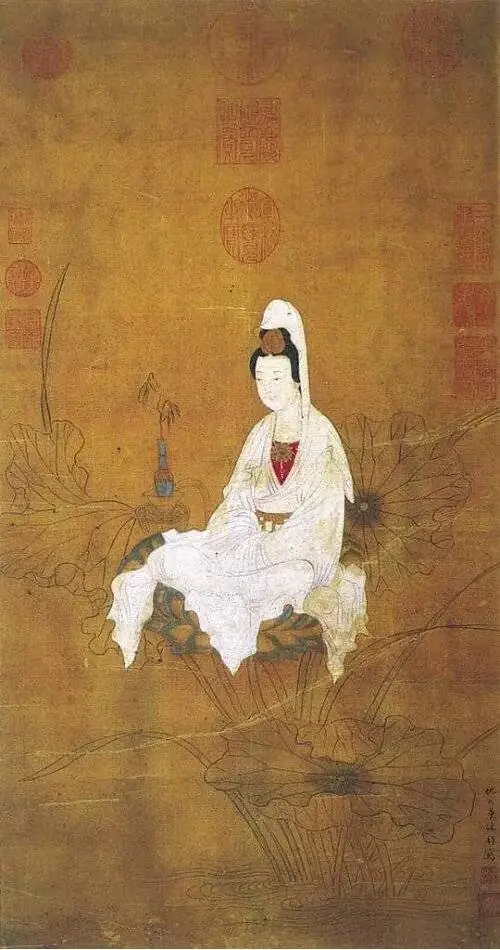
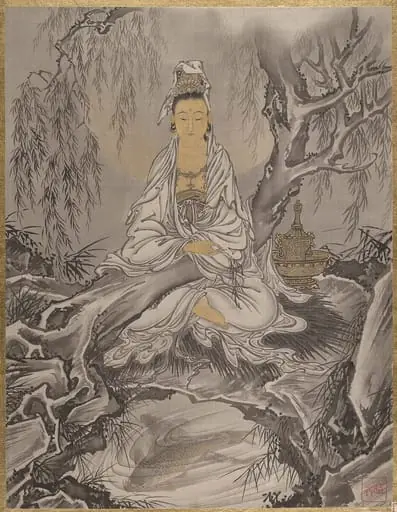
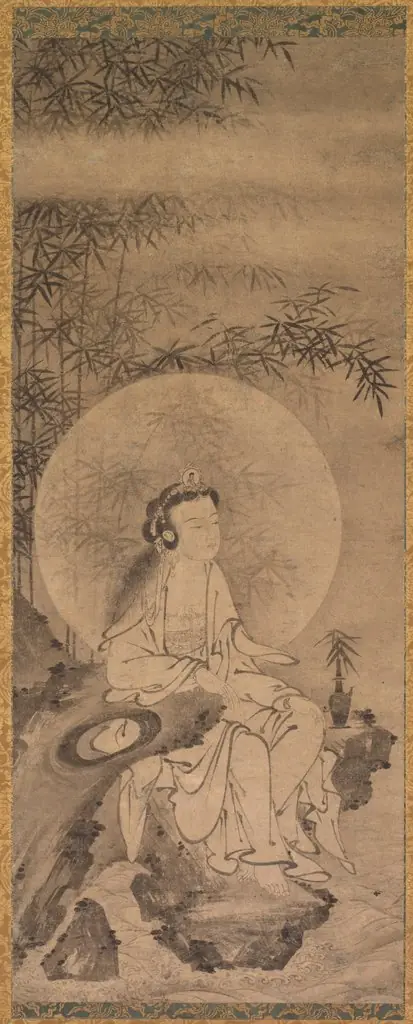
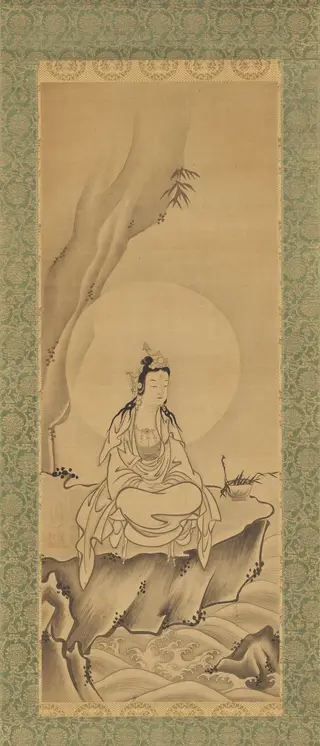
The painting depicts a bodhisattva, a figure in Buddhist tradition who has attained enlightenment but remains in the world to help others achieve salvation. This religious subject aligns with the work's classification as a religious painting. The bodhisattva represents compassion, spiritual guidance, and the postponement of one's own final liberation for the benefit of sentient beings.
Technique & Style
Its composition balances subtle iconography with a restrained decorative border, reflecting the religious genre of the period.
The work is executed as a hanging scroll in color on silk, a format typical of Japanese Buddhist art. Shibata Zeshin painted the piece in 1849, employing a delicate palette and fine brushwork to render a Bodhisattva figure, emphasizing serene expression and flowing drapery. The scroll measures 34.9 cm in height by 12.7 cm in width and was created in Japan before entering the collection of the Metropolitan Museum of Art. Its composition balances subtle iconography with a restrained decorative border, reflecting the religious genre of the period.
History & Provenance
Shibata Zeshin created this hanging scroll, titled Untitled, in 1849. Executed in color on silk, the work depicts a Bodhisattva and was produced in Japan. The painting subsequently entered the collection of the Metropolitan Museum of Art, where it is currently held.
The hanging scroll is held in the collection of the Metropolitan Museum of Art in New York. Created in 1849 by Shibata Zeshin, the work measures 34.9 cm in height and 12.7 cm in width. While the piece is part of the museum's holdings, the available records do not list a specific inventory or accession number for this item. Furthermore, no details regarding its exhibition history are provided in the current documentation.
Context
The painting Untitled (1849) by Shibata Zeshin is a hanging scroll rendered in color on silk, classified within the religious genre and depicted as a Bodhisattva, situating it in the Buddhist visual tradition of early Meiji Japan. Its composition and iconography reflect the artist’s engagement with traditional religious subjects while operating within the broader context of Japanese painting of the period.
Its inclusion in the Metropolitan Museum of Art has contributed to its study within the history of Japanese religious painting, highlighting Zeshin’s role in bridging Edo‑era Buddhist art and modern museum narratives.
Overview
Shibata Zeshin created this untitled religious painting in 1849, rendered in color on a silk hanging scroll. It portrays a Bodhisattva, a figure revered in Buddhist tradition. The artwork features a golden-robed individual depicted floating above swirling clouds, holding a small jar. The serene expression and luminous halo suggest a spiritual presence, characteristic of such devotional imagery.
Artist & collection