Artwork
白衣観音図|White-Robed Kannon
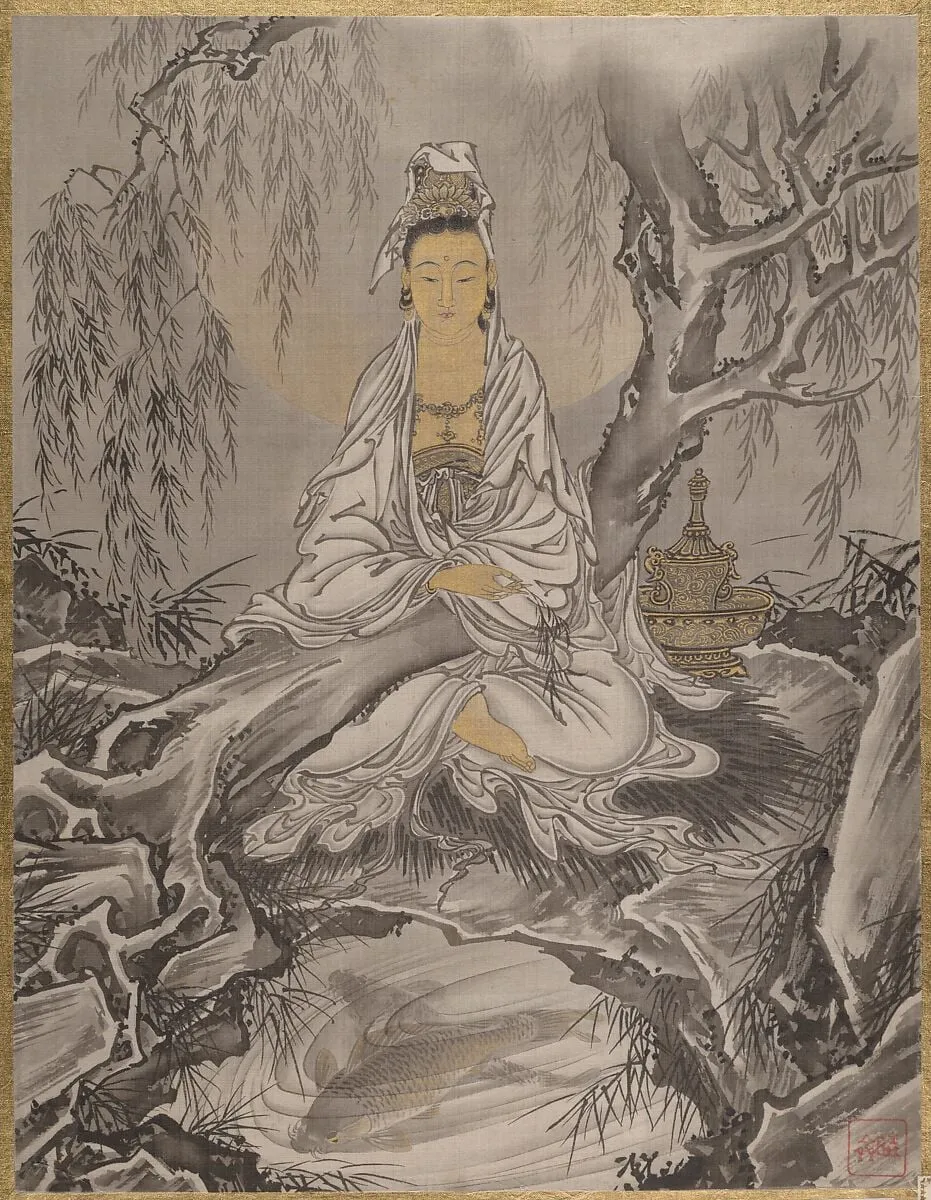
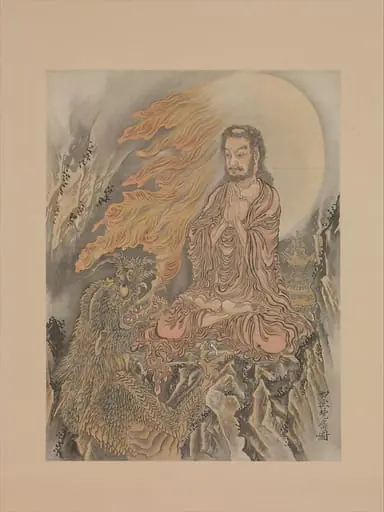
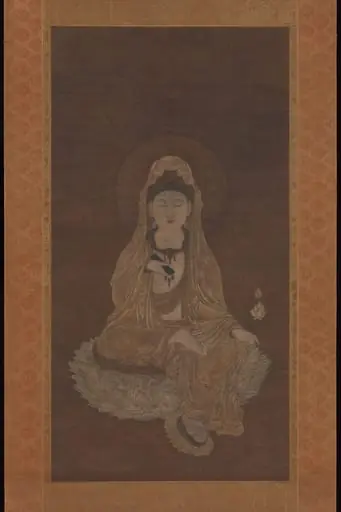
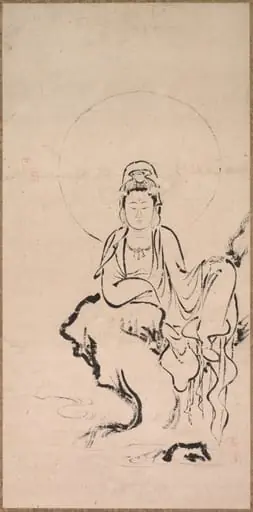
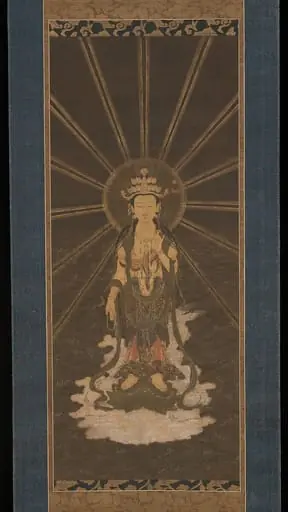
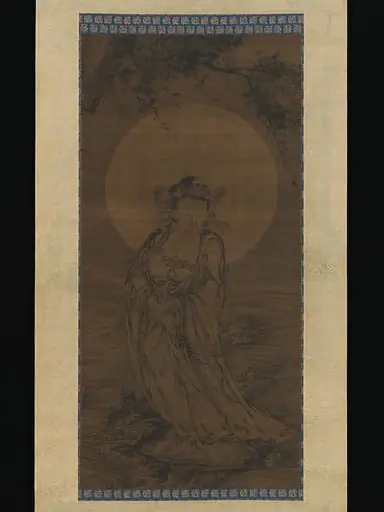
白衣観音図|White-Robed Kannon is an ink painting by the Impressionist artist Kawanabe Kyōsai 河鍋暁斎. It dates from 1887 and is held in the collection of the Metropolitan Museum of Art. Kawanabe Kyōsai's White-Robed Kannon, created around 1887, is an album leaf rendered in ink and color on silk.
About this work
Subject & Meaning
The album leaf depicts Kannon (Avalokiteśvara), the Bodhisattva of Compassion, shown in the distinctive White-Robed (Byakue) form.
The album leaf depicts Kannon (Avalokiteśvara), the Bodhisattva of Compassion, shown in the distinctive White-Robed (Byakue) form. In this manifestation, Kannon is portrayed wearing flowing white garments, a visual convention that became prominent in East Asian Buddhist art as a symbol of purity, mercy, and the bodhisattva's vow to save all sentient beings from suffering.
Kawanabe Kyōsai's 1887 rendering on silk translates this devotional iconography into a refined ink-and-color composition, presenting the figure as an object of religious veneration. The work belongs to the genre of religious painting, and its identification with the Bodhisattva subject underscores its function as a sacred image rooted in Buddhist tradition.
Technique & Style
White-Robed Kannon is an album leaf executed in ink and color on silk, a support and medium combination well suited to the fluid brushwork characteristic of Kawanabe Kyōsai's late-period painting. The work measures 36.5 by 27.9 cm, a modest album-leaf format consistent with its classification as a painting within a bound album rather than a hanging scroll. Classified broadly as a religious painting, it depicts the Bodhisattva Kannon, with the silk ground providing a smooth surface for the layered ink and color washes used to render the deity's white robes.
The album-leaf format and silk support indicate a handling intended for intimate viewing rather than large-scale display, and the medium of ink and color on silk aligns with the traditional East Asian technique Kyōsai inherited and adapted from earlier Kanō-school and Maruyama-school practice.
History & Provenance
Created in 1887 by the Japanese artist Kawanabe Kyōsai, this album leaf depicts the Bodhisattva Kannon dressed in white robes. The work was executed in ink and color on silk within Japan. It currently forms part of the collection held by the Metropolitan Museum of Art.
The album leaf titled White-Robed Kannon, created by Kawanabe Kyōsai in 1887, is held in the collection of the Metropolitan Museum of Art in New York. The work, executed in ink and color on silk, measures 36.5 cm in height and 27.9 cm in width. While the museum's ownership and the artwork's physical dimensions are documented, the provided records do not list a specific accession number or detail any past exhibitions for this piece.
Overview
Kawanabe Kyōsai's White-Robed Kannon, created around 1887, is an album leaf rendered in ink and color on silk. This painting depicts the Bodhisattva Kannon, a revered figure of compassion, presented in a serene and traditional manner. Kyōsai, an artist active during Japan's late Edo and early Meiji periods, was known for his distinctive approach to traditional Japanese painting, often blending technical skill with a unique artistic vision.
Context
This work emerged during the Meiji period, a time of significant modernization and Western influence in Japan. Despite the era's rapid societal changes, Kyōsai opted for a timeless, spiritual subject rooted in Buddhist tradition. His decision to depict the ancient figure of Kannon in a traditional style reflects a connection to established artistic practices amidst a transforming cultural landscape, showcasing his individual artistic path.
Artist & collection
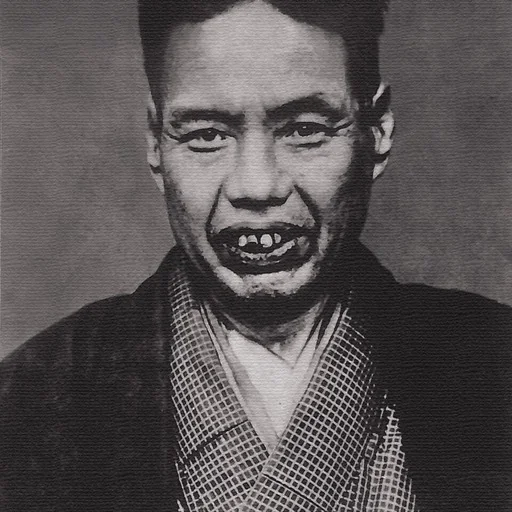
Artist
Kawanabe Kyōsai (河鍋 暁斎; May 18, 1831 – April 26, 1889) was a Japanese painter and caricaturist. In the words of art historian Timothy Clark, "an individualist and an independent, perhaps the last virtuoso in traditional Japanese painting".