Artwork
The Four Seasons
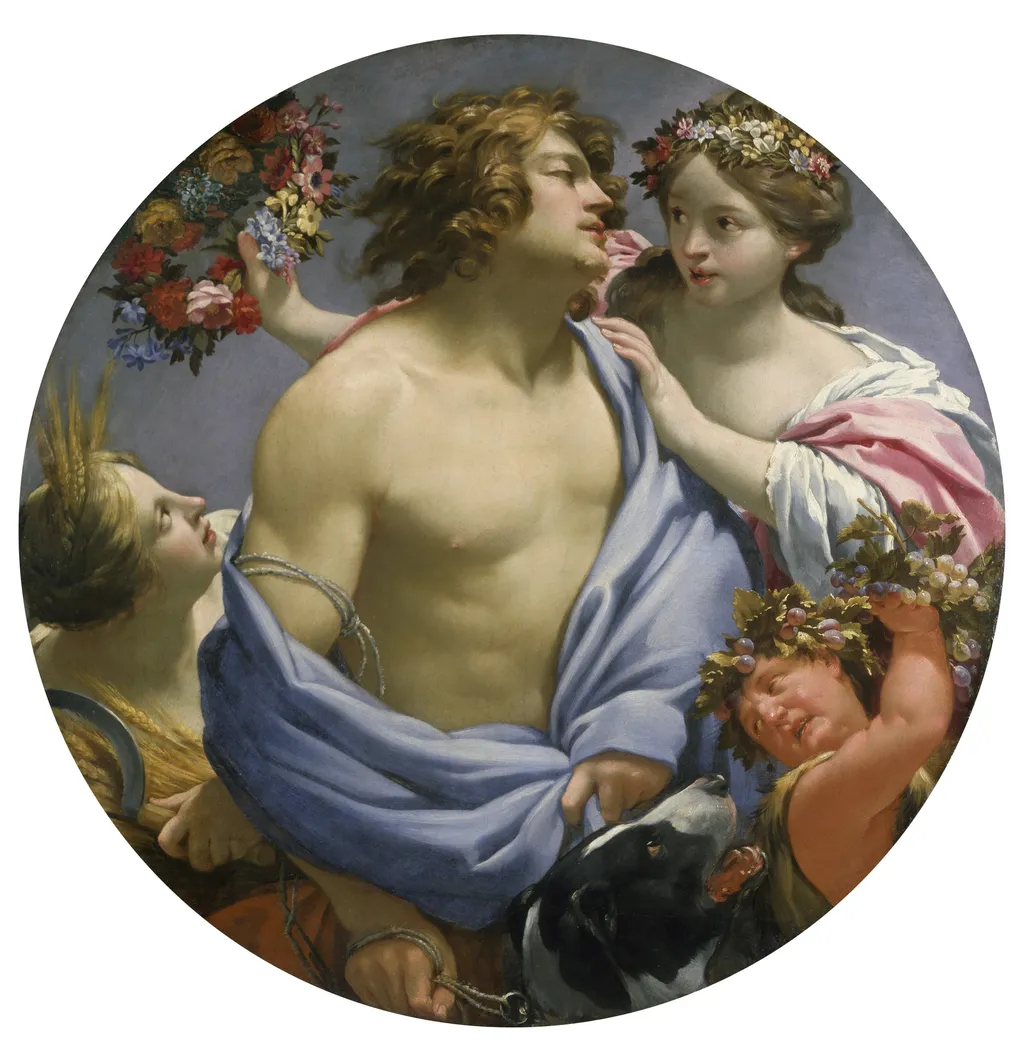
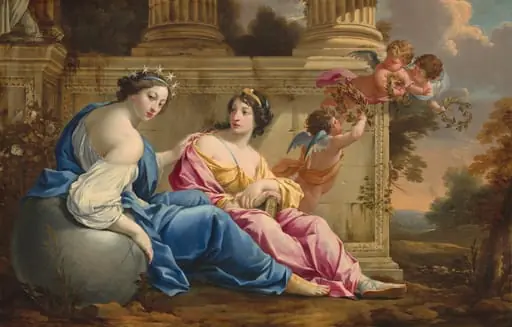
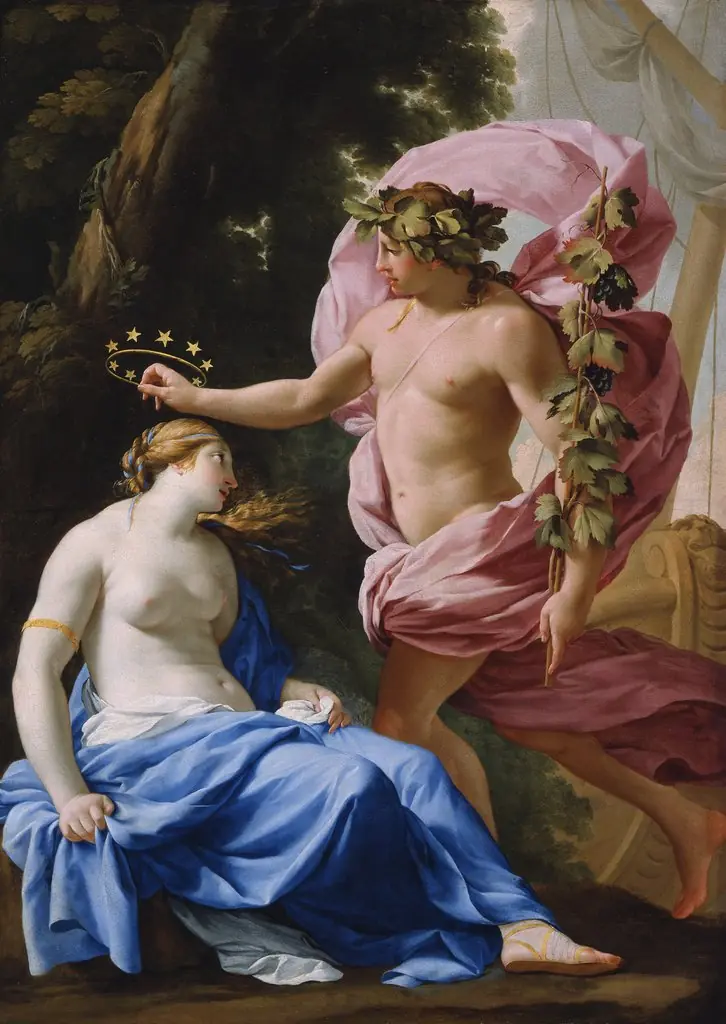
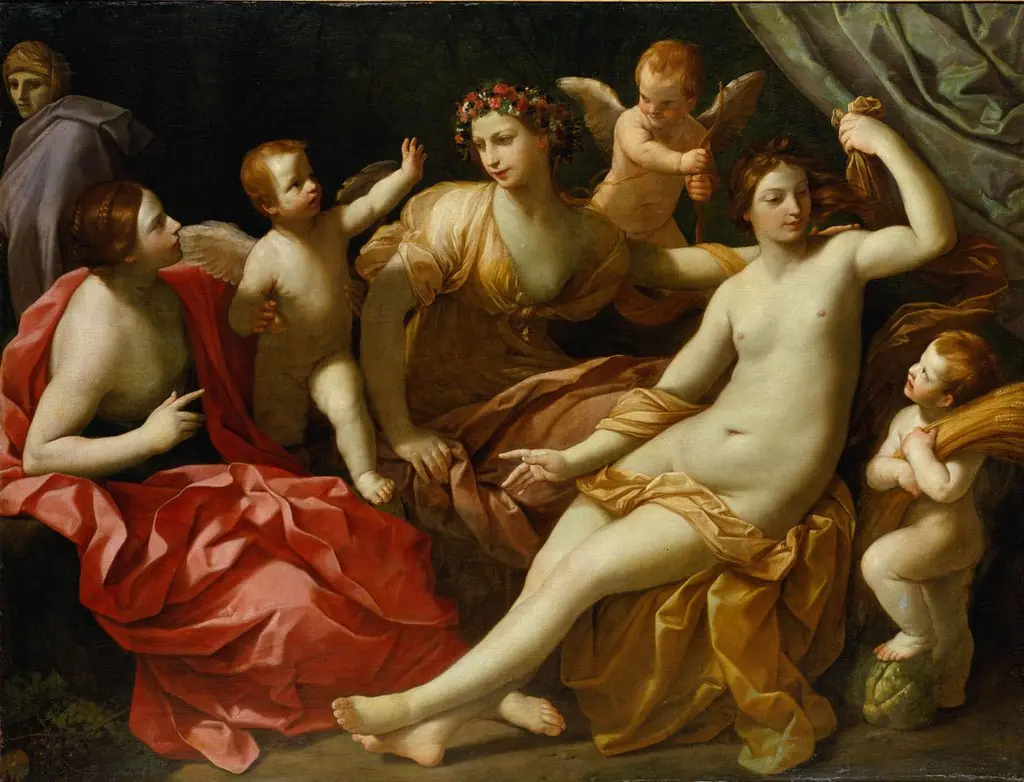
The Four Seasons is an oil painting by the French Classical Baroque artist Simon Vouet. It dates from 1644 and is held in the collection of the National Gallery of Ireland.
About this work
Overview
Painted in 1644, The Four Seasons is an oil on canvas work by Simon Vouet, commissioned during his tenure as Premier peintre du Roi under Louis XIII.
Painted in 1644, The Four Seasons is an oil on canvas work by Simon Vouet, commissioned during his tenure as Premier peintre du Roi under Louis XIII. The painting belongs to a series of allegorical compositions Vouet produced for French royal patrons, blending Italian Baroque influences with French courtly sensibilities. It remains part of the National Gallery of Ireland’s collection, where it exemplifies the artist’s mature style after his return from Italy.
Subject & Meaning
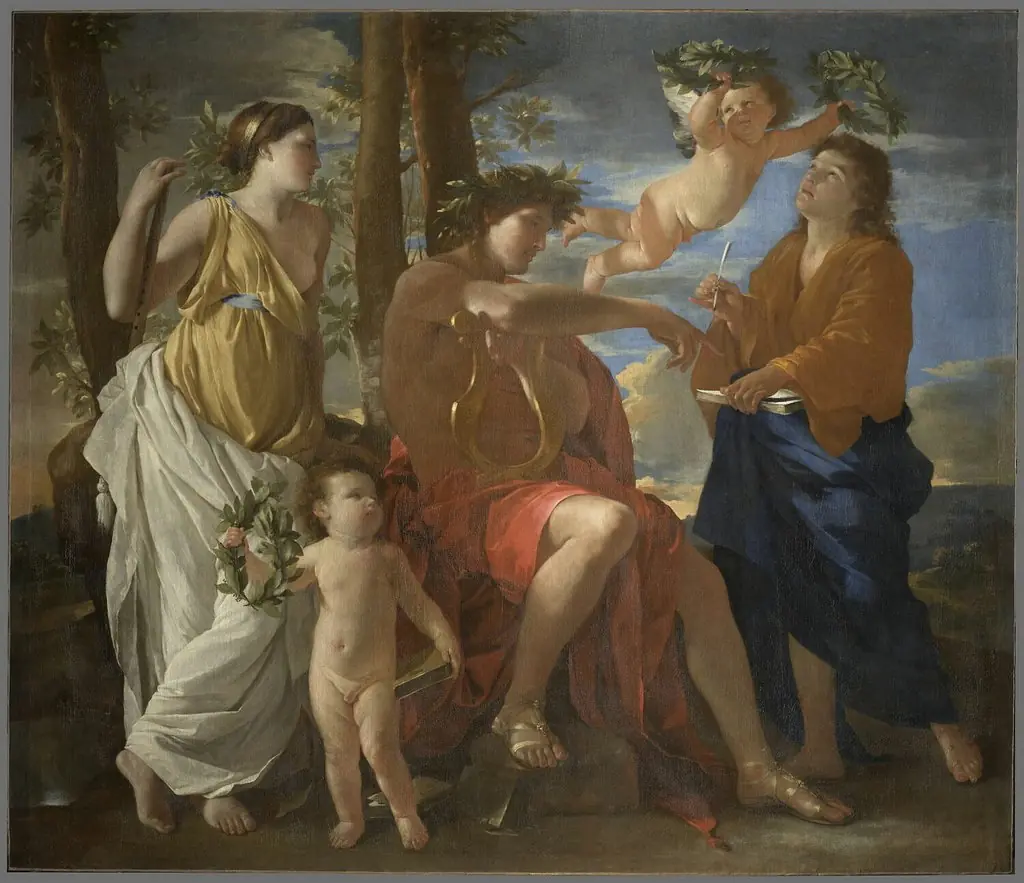
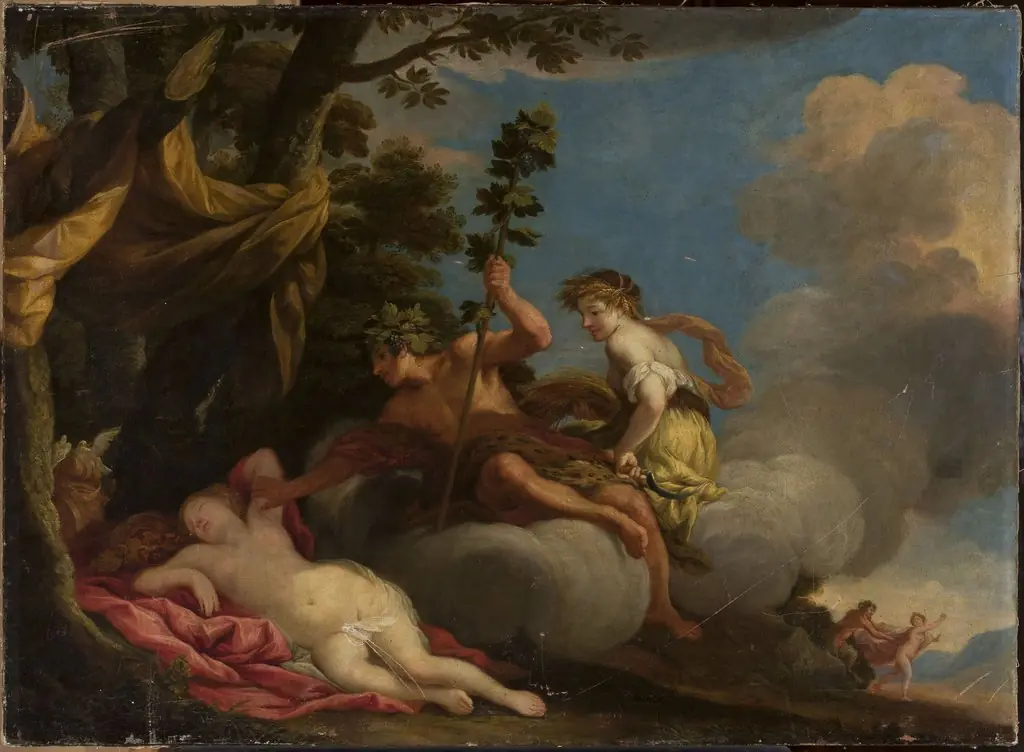
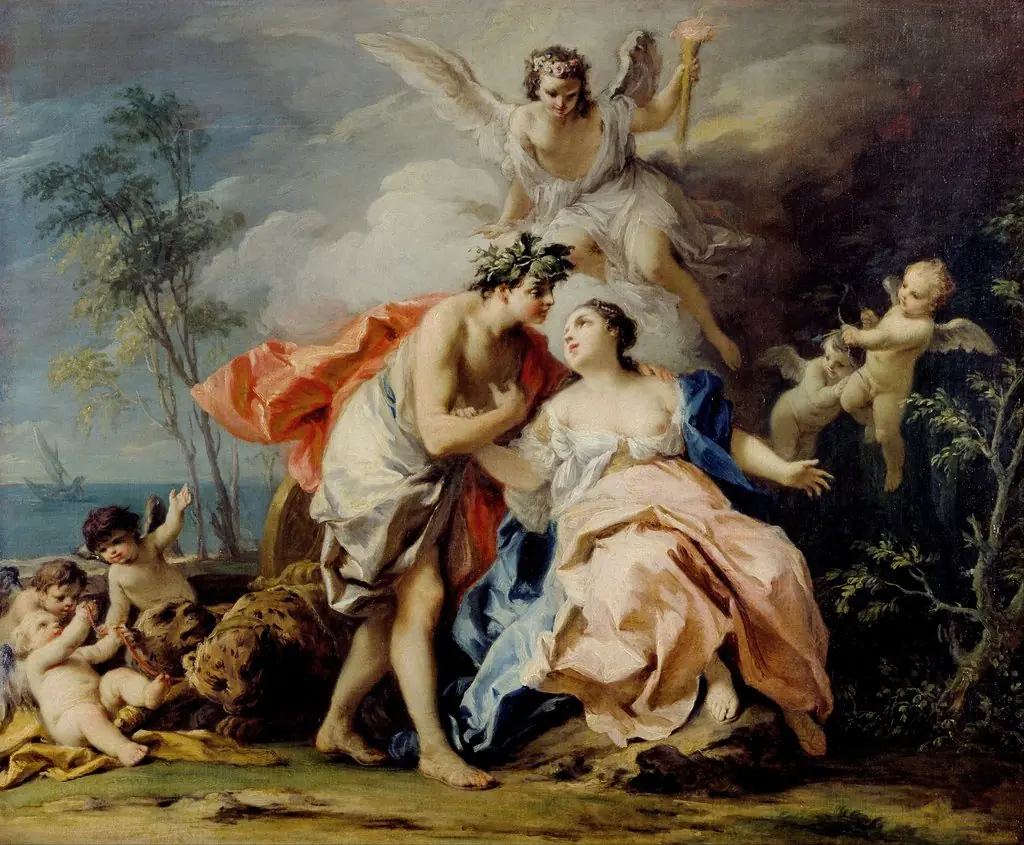
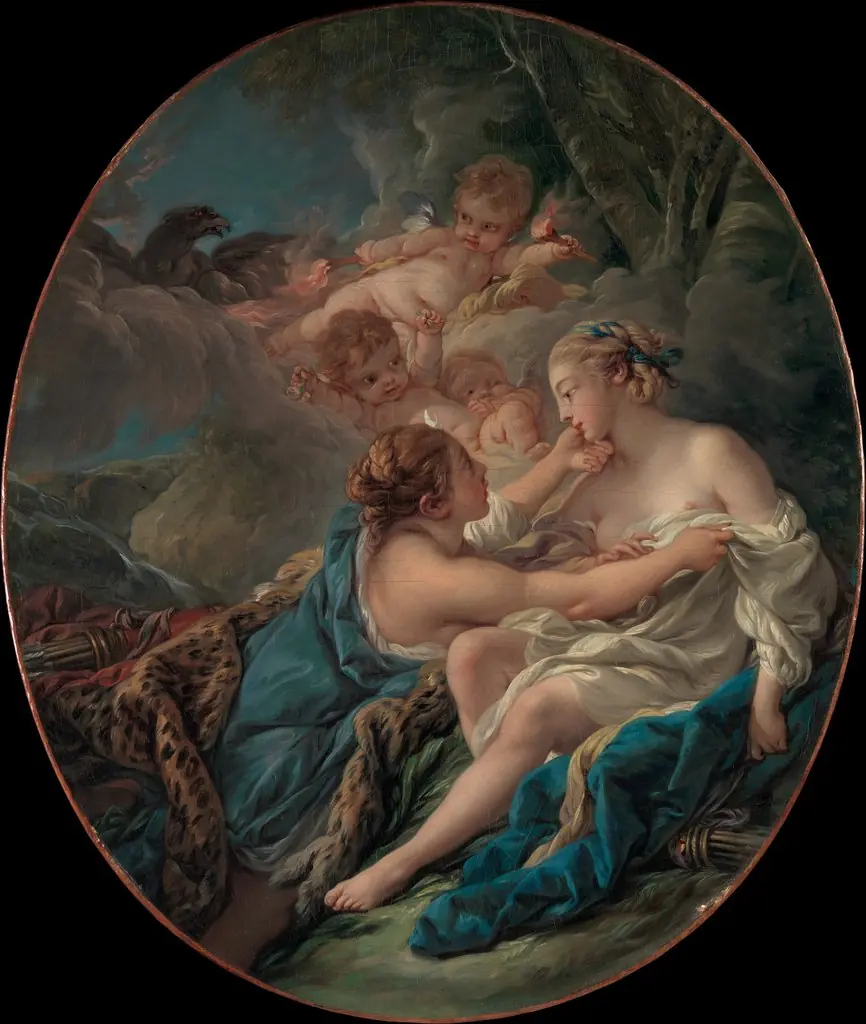
The painting personifies the four seasons through a central male figure, likely representing Time or the Year, surrounded by three female figures symbolizing Spring, Summer, and Autumn. Each woman is adorned with seasonal flora, flowers, leaves, and fruit, while a black-and-white dog, often associated with fidelity or the passage of time, rests nearby. The man’s upward gaze suggests contemplation of cosmic order, reinforcing the allegory of cyclical natural change.
Technique & Style
Vouet employs chiaroscuro to model forms with subtle gradations of light and shadow, enhancing the three-dimensionality of the figures. His brushwork includes areas of impasto, particularly in the drapery and foliage, adding texture and tactile presence. The muted grayish-blue background isolates the figures, directing focus to their gestures and symbolic attributes, while the composition reflects the balanced elegance characteristic of French Classical Baroque.
History & Provenance
Created in 1644, the painting was likely commissioned for a royal or aristocratic residence in Paris, consistent with Vouet’s role as court painter. It remained in French collections until the 19th century, after which it entered the National Gallery of Ireland’s holdings. Its documented history is limited after its creation, but its stylistic coherence with Vouet’s other works from this period supports its attribution and dating.
Context
Vouet’s return to France in 1627 marked a turning point in French art, as he introduced Italian Baroque dynamism to a court still rooted in Mannerist traditions. The Four Seasons reflects this synthesis: its mythological allegory aligns with European courtly taste, while its restrained palette and orderly composition cater to French preferences for clarity and decorum over Italian theatricality.
Legacy
Though overshadowed in later centuries by artists like Poussin and Le Brun, Vouet’s work laid foundational elements for French academic painting. The Four Seasons exemplifies his role in bridging Italian innovation with French classicism, influencing the development of courtly allegory in the 17th century. The painting endures as a testament to the transnational exchange that shaped early modern European art.
Own this work as a print
Artist & collection
Artist
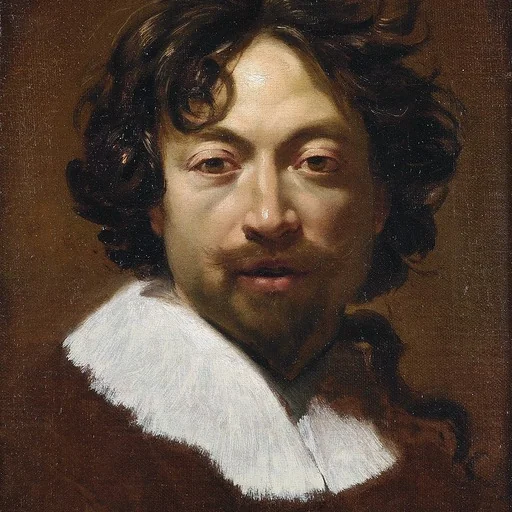
Simon Vouet (French pronunciation:; 9 January 1590 – 30 June 1649) was a French painter who studied and rose to prominence in Italy before being summoned by Louis XIII to serve as Premier peintre du Roi in France.