Artwork
Noli me tangere
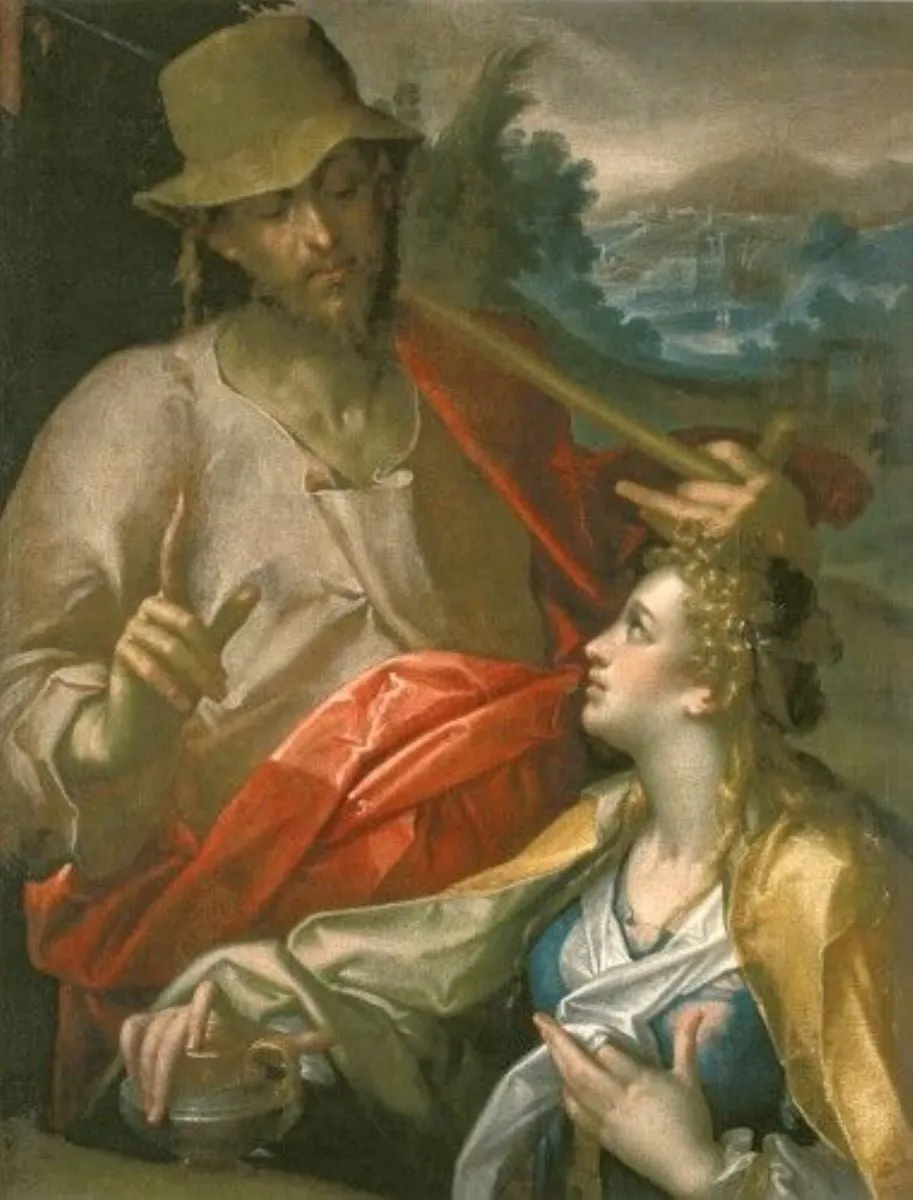
Noli me tangere is an unspecified painting by the Mannerist artist Bartholomeus Spranger. It dates from 1591 and is held in the collection of the National Museum of Art of Romania.
About this work
Overview
The scene captures the instant before Christ gently stops her from touching him, conveying a quiet tension between physical contact and spiritual transcendence.
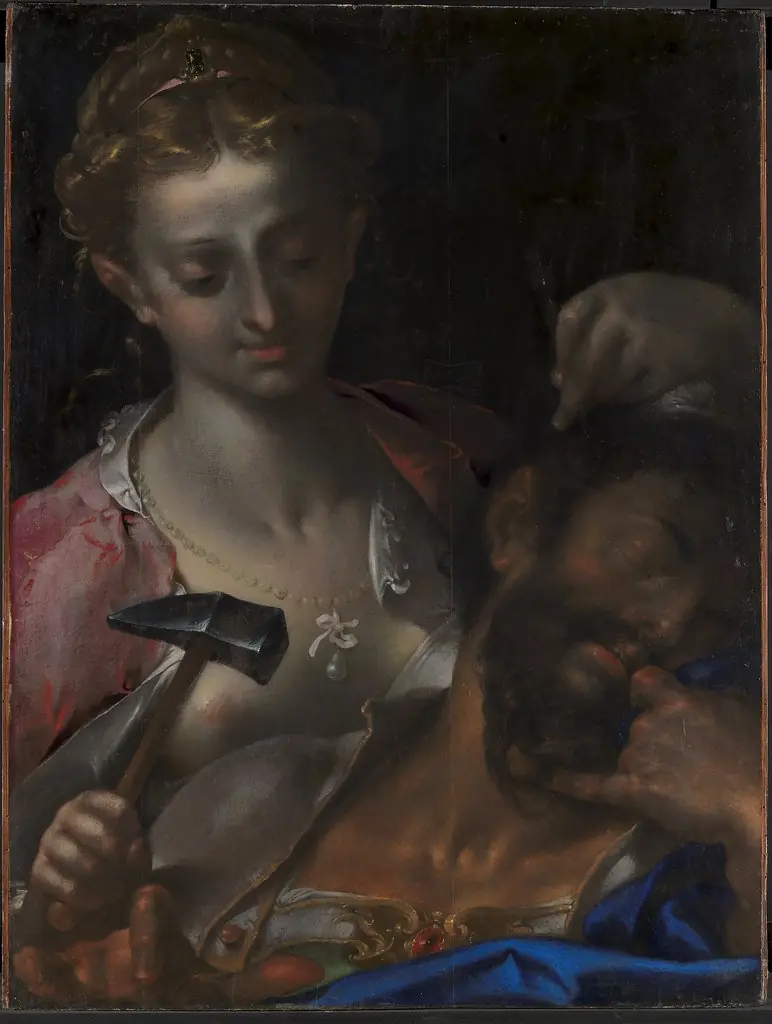
Painted in 1591 by Bartholomeus Spranger, Noli me tangere depicts a moment from the Gospel of John in which the resurrected Christ appears to Mary Magdalene. The scene captures the instant before Christ gently stops her from touching him, conveying a quiet tension between physical contact and spiritual transcendence. The composition is tightly focused, emphasizing the emotional exchange between the two figures.
Subject & Meaning
The painting illustrates the biblical moment when Mary Magdalene, recognizing the risen Christ, reaches out to embrace him, only to be told 'Do not touch me.' This exchange signifies a transition from earthly connection to divine presence. Spranger renders the moment with restraint, avoiding overt drama to highlight the spiritual weight of Christ’s words and Mary’s hesitation.
Technique & Style
Spranger employs chiaroscuro to model the figures with sculptural solidity, using sharp contrasts between light and shadow to define form and depth. The figures emerge from a dim, undefined background, drawing attention to their gestures and expressions. The elongated proportions and refined detail reflect Mannerist tendencies, prioritizing elegance and emotional nuance over naturalism.
History & Provenance
Commissioned during Spranger’s tenure at the court of Emperor Rudolf II in Prague, the work reflects the emperor’s interest in intellectual and allegorical art. It remained in imperial collections until the 18th century, later entering the holdings of the Kunsthistorisches Museum in Vienna, where it is preserved as part of a broader collection of Northern Mannerist works.
Context
Created during the late Renaissance, the painting responds to Counter-Reformation themes that emphasized personal devotion and the mystery of the Resurrection. Spranger’s style, shaped by his time in Italy and his position in Prague, blends Italianate composition with Northern attention to detail, positioning the work within a transnational artistic dialogue of the period.
Legacy
Noli me tangere stands as a refined example of Mannerist religious painting, illustrating how spiritual themes were rendered with psychological subtlety rather than theatricality. Though less widely known than works by his contemporaries, it influenced later court artists in Central Europe who sought to merge emotional depth with formal sophistication.
Artist & collection
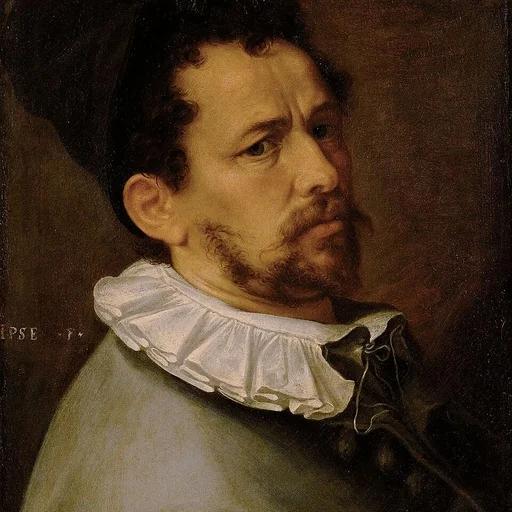
Artist
Bartholomeus Spranger or Bartholomaeus Spranger (21 March 1546 – 27 June 1611) was a Flemish painter, draughtsman, sculptor, and designer of prints.