Artwork
God of Thunder (Raijin)
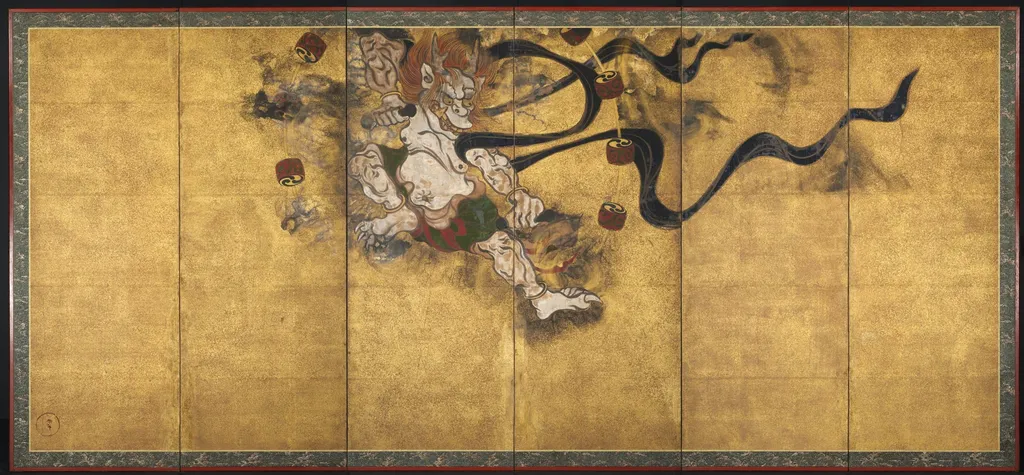
God of Thunder (Raijin) is an unspecified painting by the Baroque artist Tawaraya Sōtatsu. It dates from 1604 and is held in the collection of the Cleveland Museum of Art. The work depicts Raijin, the Japanese deity of thunder, captured in a dynamic leap amid storm clouds.
- Accession no.
- 2004.86
- Credit line
- Andrew R. and Martha Holden Jennings Fund
About this work
This painting shows Raijin, the Japanese thunder god, leaping through storm clouds.
This painting shows Raijin, the Japanese thunder god, leaping through storm clouds. His face is fierce and his drums crash hard. Gold dust covers the paper, making him glow like lightning in the dark.
Sōtatsu’s workshop often used this gold-dust trick. They borrowed older drawings but made them fresh. The artist added his own energy to the old thunder god picture.
Look up Tawaraya Sōtatsu (Japanese, c. 1570–c. 1640) to see more of this style.
Overview
The work depicts Raijin, the Japanese deity of thunder, captured in a dynamic leap amid storm clouds. The figure’s fierce expression and the striking drums he carries convey the power of a thunderstorm, while a layer of gold dust applied to the paper gives the scene a luminous, lightning‑like quality.
Subject & Meaning
Raijin, traditionally associated with the sound of thunder, is presented here as an active force of nature, his drums symbolising the rumbling of storms. The composition emphasizes movement and energy, reflecting the deity’s role in Japanese myth as both a destructive and revitalising presence.
Technique & Style
The painting employs a gold‑dust ground on paper, a method characteristic of the early 17th‑century Sotatsu workshop. While the composition draws on earlier narrative templates, the artist adapts the motif with bold brushwork and a fresh sense of dynamism, distinguishing it from more conventional Sotatsu pieces.
History & Provenance
The screen’s creator remains anonymous, yet the use of the “Inen” seal and the gold‑dust technique link the work to the Sotatsu atelier. It was likely produced for a leisure setting in early Edo Japan, where such mythological subjects were popular decorative themes.
Context
In Edo period visual culture, depictions of Raijin were frequently paired with images of the wind god, Fūjin, creating complementary representations of natural forces. Although the companion screen of Fūjin is now missing, the surviving Raijin panel illustrates the collaborative thematic practice of the time.
Legacy
The thunder god motif continued to be revisited by successive generations of Rimpa artists, who reinterpreted the subject within their own stylistic frameworks. This screen stands as an early example of the theme’s evolution within the broader Rimpa tradition.
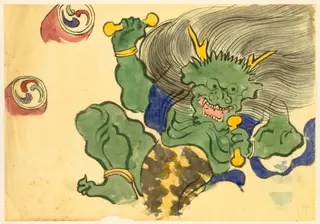
Artist & collection

Artist
Tawaraya Sōtatsu (俵屋 宗達; c. 1570 – c. 1640) was a Japanese furniture designer and painter of the Rinpa school. Sōtatsu is best known for his decorations of calligraphic works by his partner Hon'ami Kōetsu (1558–1637),…

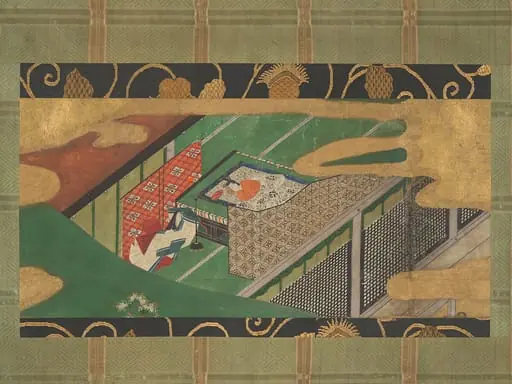 伝俵屋宗達筆 源氏物語図「宿木」 |“Trees Encoiled in Vines of Ivy” (Yadorigi)
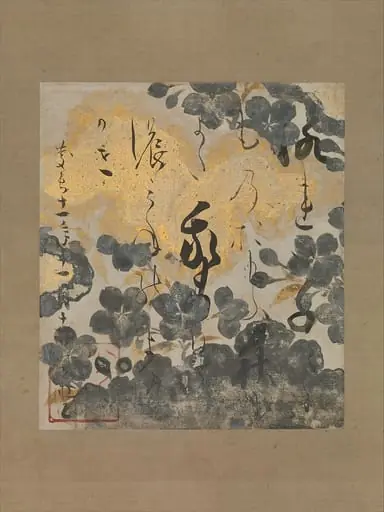 本阿見光悦書・俵屋宗達下絵 桜下絵和歌色紙 鴨長明|Poem by Kamo no Chōmei with Underpainting of Cherry Blossoms
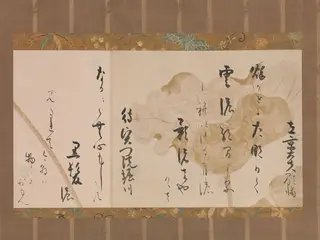 本阿弥光悦書・俵屋宗達下絵 小倉百人一首和歌巻断簡|Two Poems from One Hundred Poems by One Hundred Poets
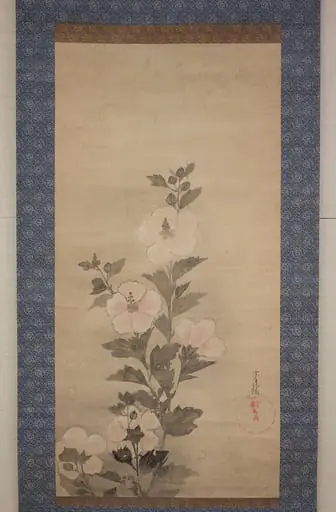 Untitled
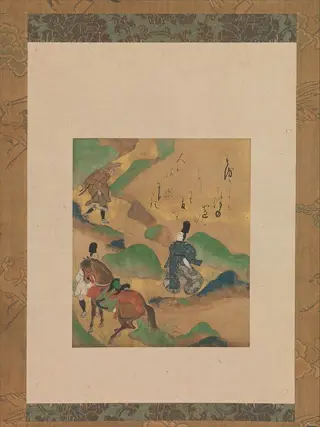 Untitled
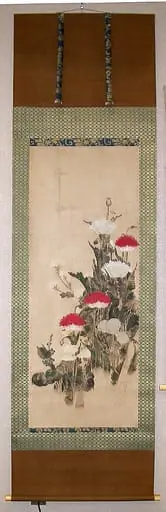 Untitled
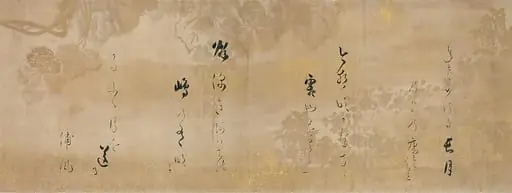 本阿弥光悦書 木版下絵和歌巻断簡|Twelve Poems from the New Collection of Poems Ancient and Modern
 Selections from the New Collection of Japanese Poems from Ancient and Modern Times (Shinkokin wakashū) with Printed Designs of Chinese Lions and Crab Finger Grass
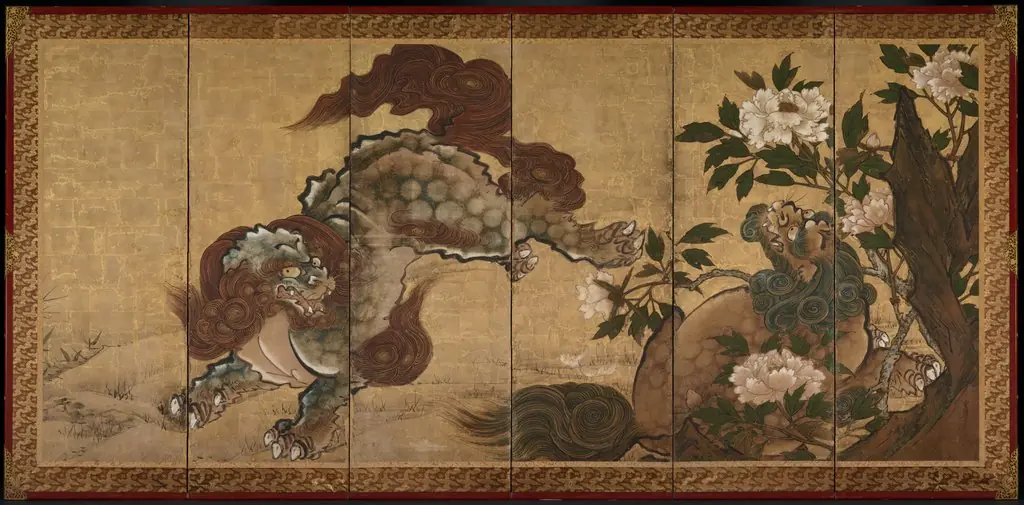 Lions and Tigers in Peony and Bamboo
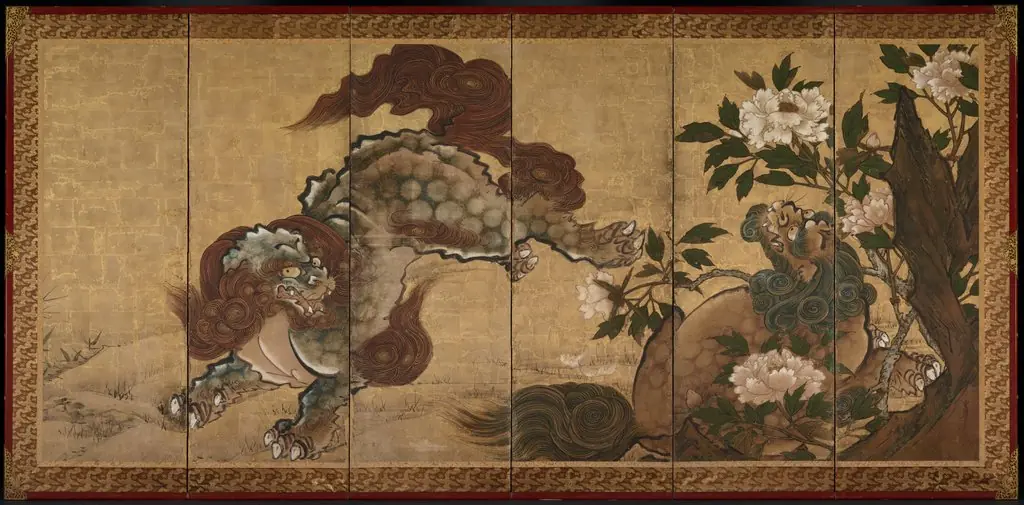 Lions and Tigers in Peony and Bamboo
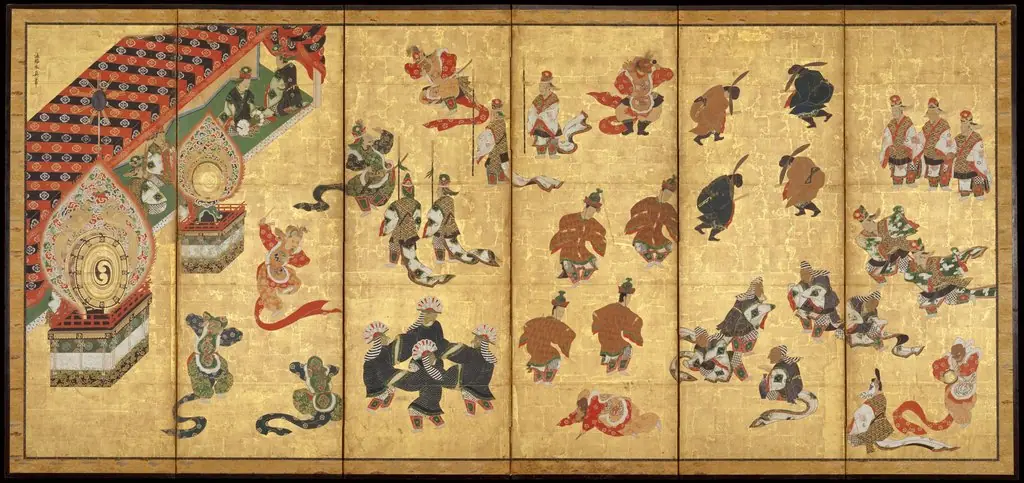 Bugaku Dancers
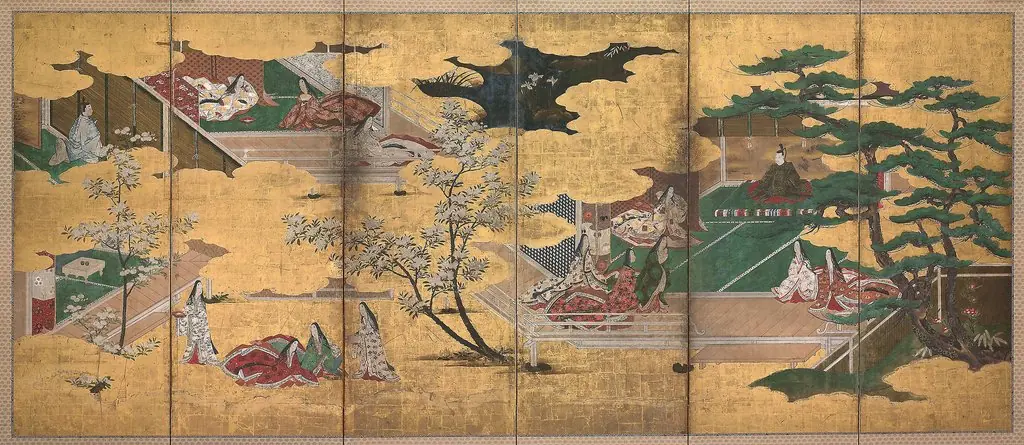 The Tale of Genji
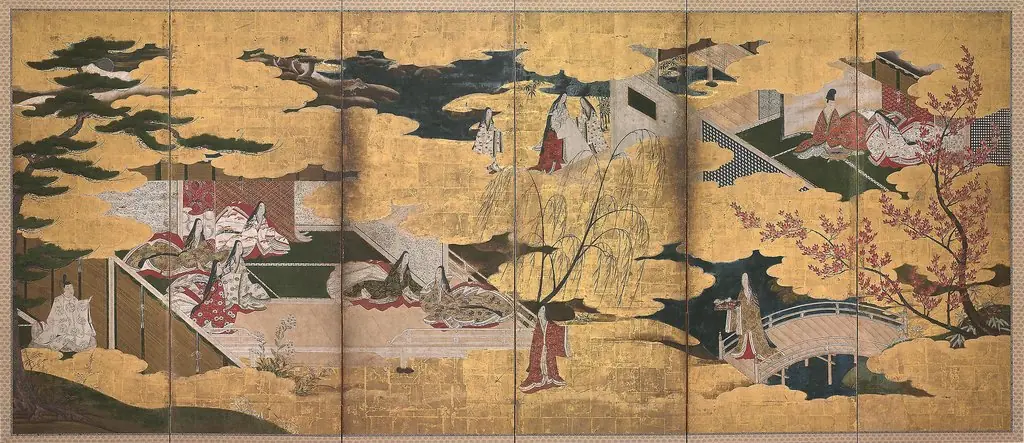 The Tale of Genji
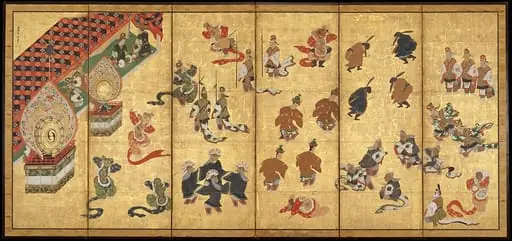 Untitled
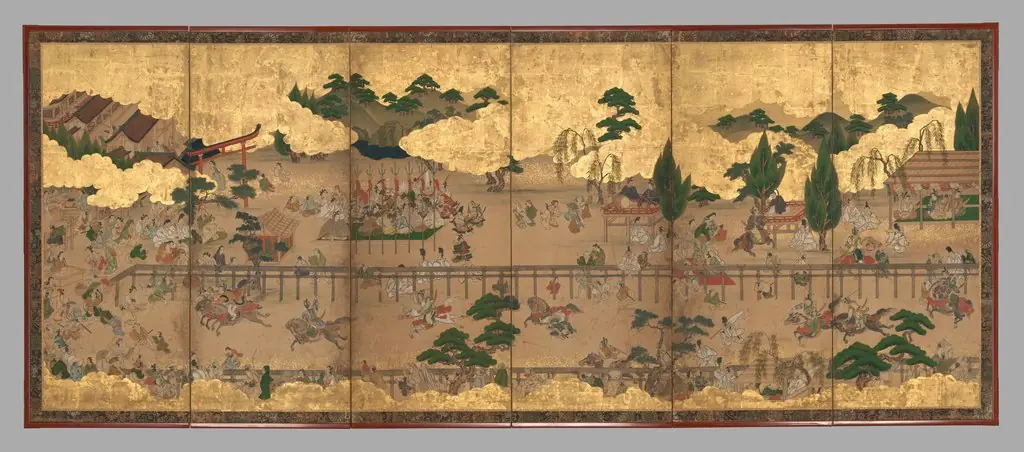 Horse Racing at Kamo Shrine
 Famous Views of Ōmi
 Dragon Amid Waves
 Scenes from the Tales of Ise
 Screens within Screens
- Flowers of a Hundred Worlds (Momoyogusa): God of Thunder (Raijin)