Artwork
Portrait of Fabrizio Salvaresio
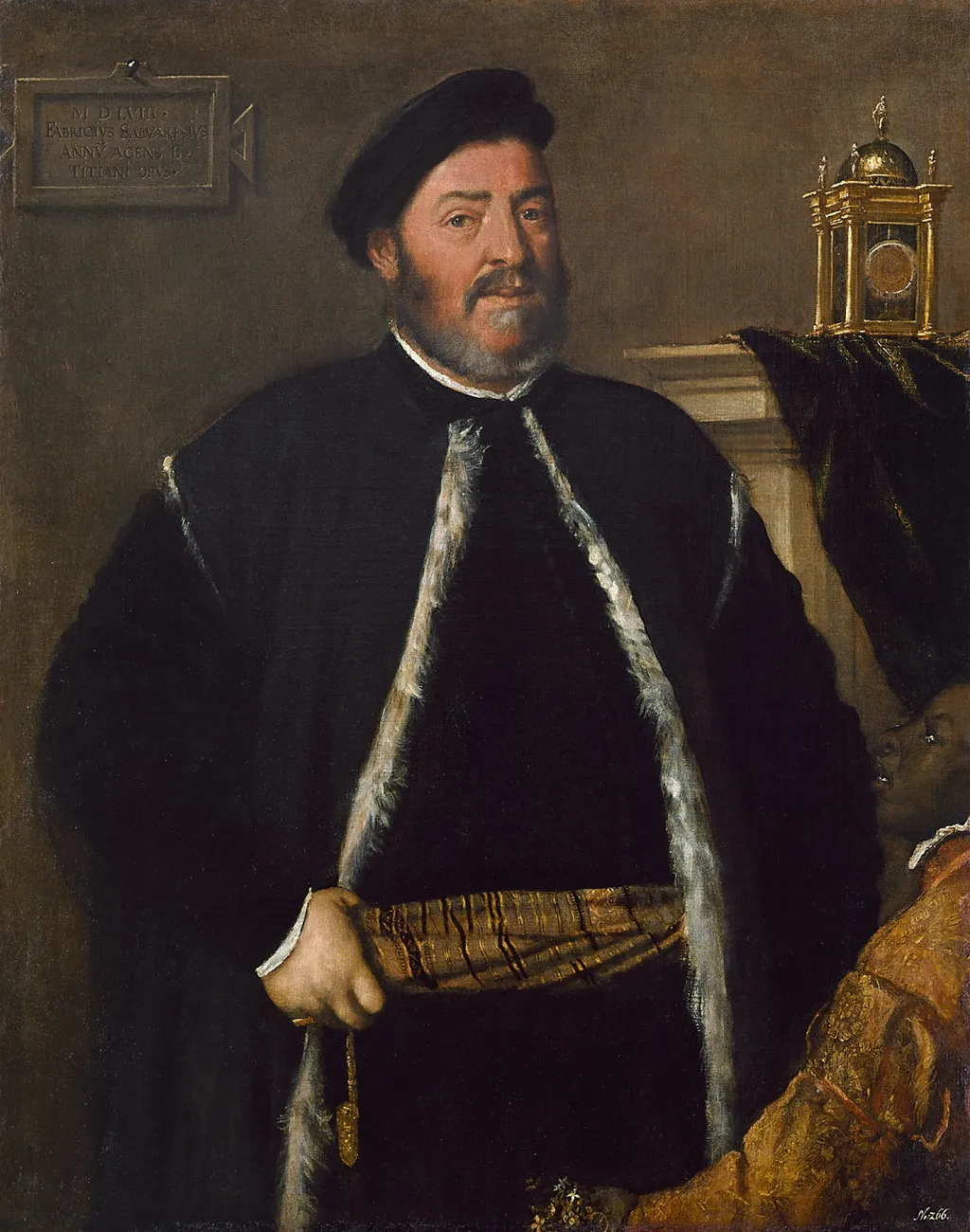
Portrait of Fabrizio Salvaresio is an oil painting by the Mannerist artist Titian. It dates from 1558 and is held in the collection of the Kunsthistorisches Museum.
About this work
Subject & Meaning
The work is inscribed with his name, the artist's name, and the date 1558 on a tabula ansata in the background.
The painting depicts Fabrizio Salvaresio, a wealthy merchant portrayed with an air of self-confidence. The work is inscribed with his name, the artist's name, and the date 1558 on a tabula ansata in the background. A significant iconographic element is the inclusion of a Black boy painted in profile at the bottom right.
This figure is interpreted by scholars as a reference to Salvaresio's potential involvement in the slave trade, adding a layer of social commentary to the portrait of a prosperous trader.
Technique & Style
Executed in oil on canvas, this portrait measures 112 by 88 centimeters. The composition features a tabula ansata in the background bearing an inscription that identifies the sitter, the artist, and the date of 1558. Stylistically, the work portrays a wealthy merchant projecting self-confidence, accompanied by a profile view of a young Black boy at the lower right, a detail potentially alluding to the slave trade.
Critical analysis by Georg Gronau characterizes the painting as an authentic work by Titian, though he notes it suffers from damage and overpainting that detract from its overall quality.
History & Provenance
The Portrait of Fabrizio Salvaresio was created by Titian in 1558. The work is signed and dated on a tabula ansata in the background, which reads "M.DLVIII, Fabricius Salvaresius, Annv̄ Agens ʟ, Titiani Opus". The painting depicts the sitter as a fifty-year-old wealthy merchant.
The documented ownership chain begins with the collection of Bartolomeo della Nave in Venice in 1636. It subsequently entered the collection of the Duke of Hamilton, possibly between 1638 and 1649. The work later became part of the holdings of Archduke Leopold Wilhelm. In 1662, the collection passed to Emperor Leopold, eventually reaching the Kunsthistorisches Museum in Vienna.
The painting is held in the Kunsthistorisches Museum, Vienna, inventoried as 88 × 112 cm oil on canvas (GG_25).
It was exhibited at the Museo Correr, Venice in 1935 as part of the Mostra di Tiziano e dei suoi tempi and traveled to Vienna in 1936 for the Tizian-Ausstellung at the Künstlerhaus.
Context
The painting has been examined within the broader scholarship on Titian's late portraiture. Georg Gronau, writing in his 1904 monograph on the artist, judged the work as a genuine Titian despite damage and later repainting, though he regarded its quality as modest. Charles Ricketts's 1910 study of Titian also takes the portrait into account.
The work is contextualized within Titian's 1558 portrait production and his depiction of affluent sitters, here presenting Salvaresio as a self-assured merchant. The inclusion of a profile portrait of a Black servant at the lower right has been read by scholars as a possible reference to the sitter's involvement in the slave trade, situating the canvas within discussions of commerce, status, and the visual culture of mid-sixteenth-century Venice.
The painting's provenance, from Bartolomeo della Nave's collection in Venice in 1636, possibly through the Duke of Hamilton, and into Archduke Leopold Wilhelm's holdings before entering the imperial collection in 1662, places it within the early modern circulation of Venetian masterpieces into Habsburg collections, now preserved in the Kunsthistorisches Museum.
Overview
Titian's Portrait of Fabrizio Salvaresio, executed in 1558, depicts the Venetian nobleman in a three-quarter view against a somber, dark background. The sitter is dressed in a black robe with a fur-lined cape, a white collar, and a gold chain, while a black hat sits low on his head. To the right, a shelf holds a small clock, and a plaque bearing a Latin inscription is mounted on the wall behind him.
These elements function as memento mori, reflecting the sitter's mortality and the passage of time. The inscription identifies the subject and the date of the portrait, a common practice in Titian's late portraiture to assert the sitter's status and the artist's authority. Painted during the final decade of Titian's life, the work exemplifies his mature style, characterized by loose, expressive brushwork and a profound psychological depth.
The composition balances the rich textures of the fur and fabric with the stark, shadowed void of the background, focusing attention on the sitter's contemplative expression. This portrait stands as a significant example of late Renaissance portraiture, demonstrating Titian's ability to convey both individual character and universal themes of human transience.
Artist & collection

Artist
Tiziano Vecellio (Italian:; c. 1488/1490 – 27 August 1576), Latinized as Titianus, hence known in English as Titian ( TISH-ən), was an Italian Renaissance painter. The most important artist of Renaissance Venetian…

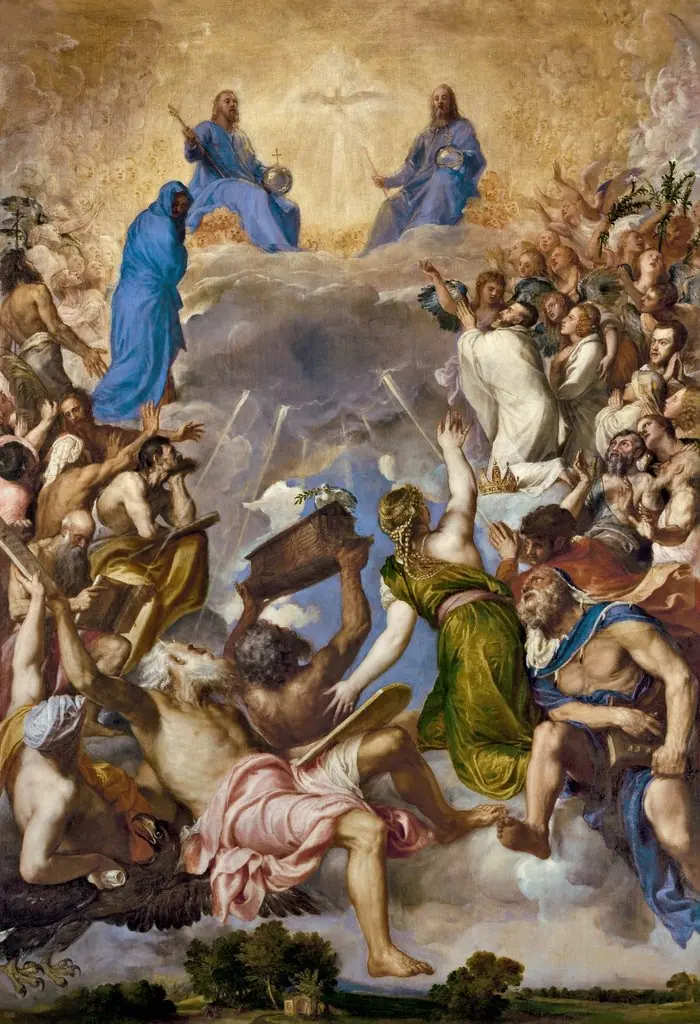
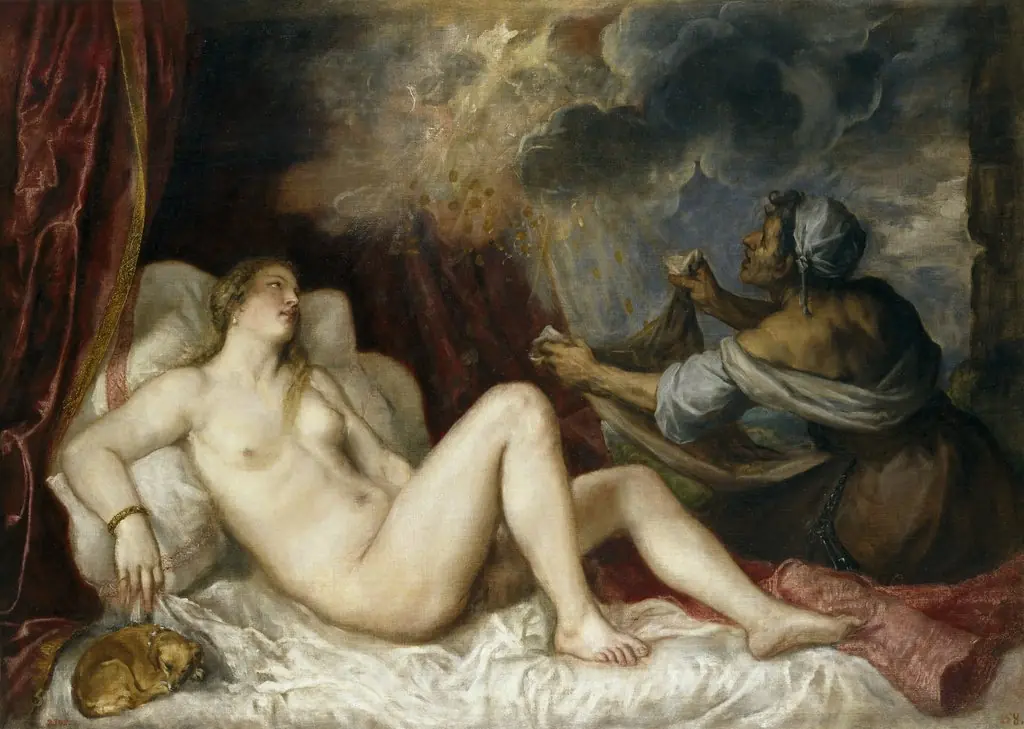
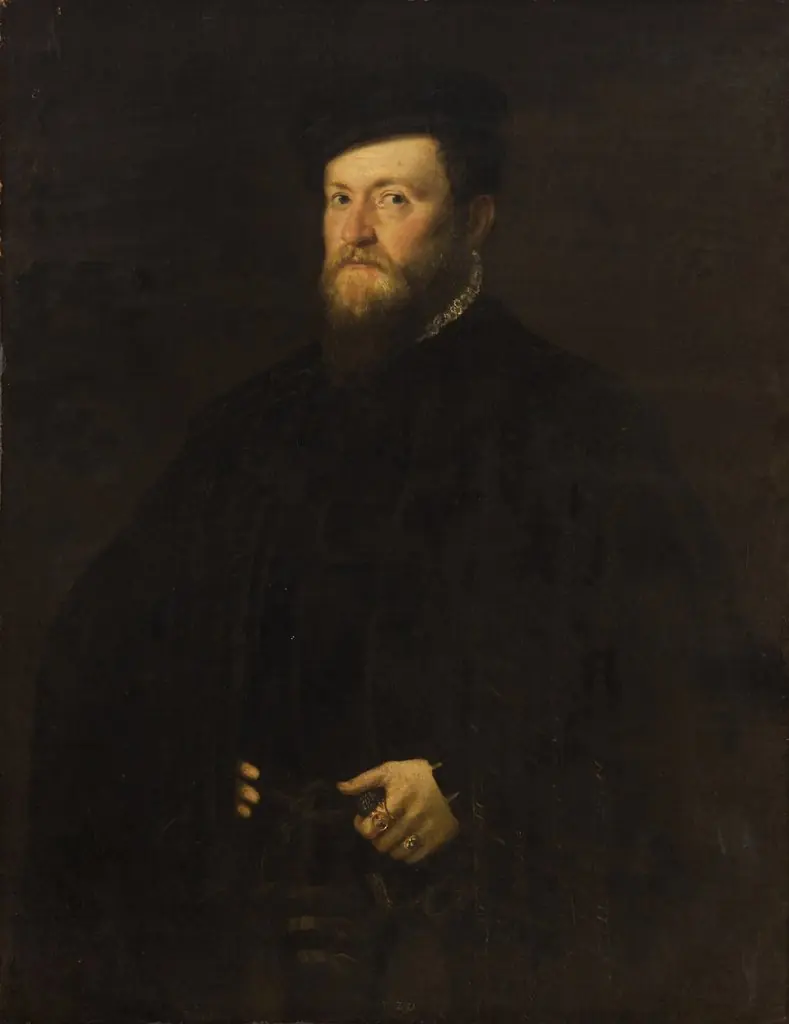 Portrait of a Man in a Cape
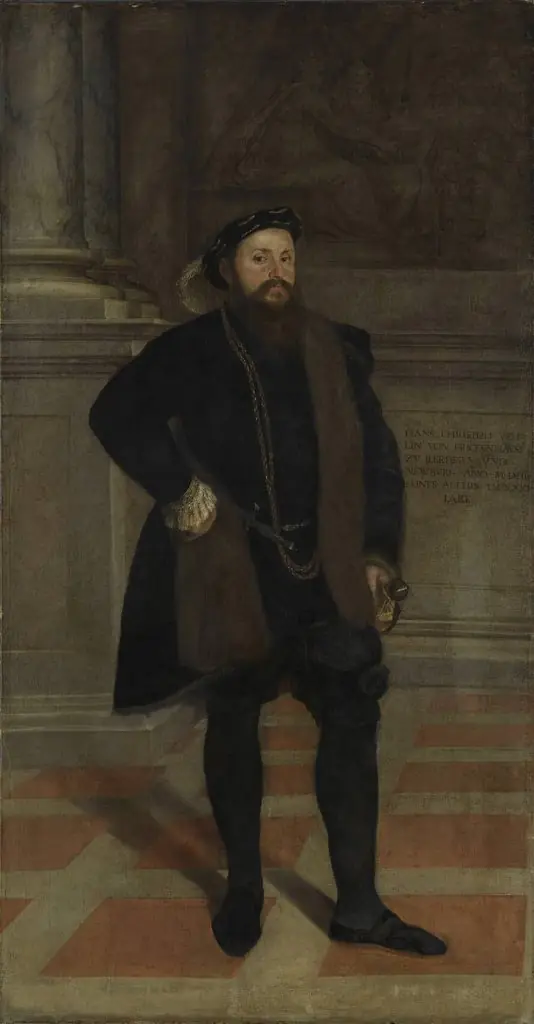 Hans Christoph I. Vöhlin von Frickenhausen (1522-1576)
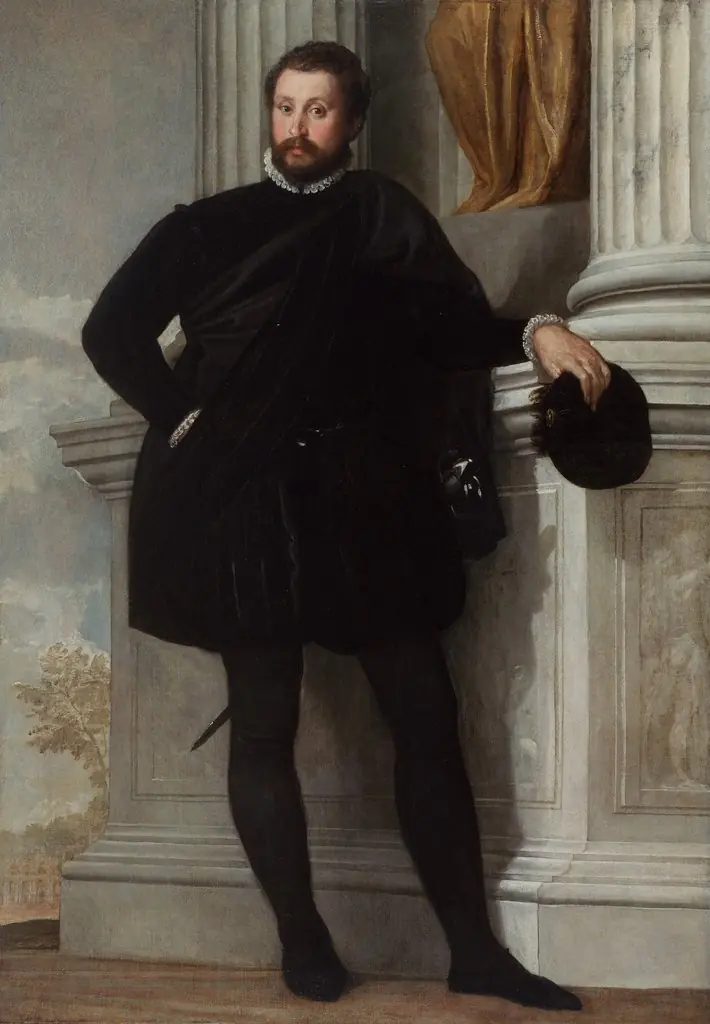 Portrait of a Man
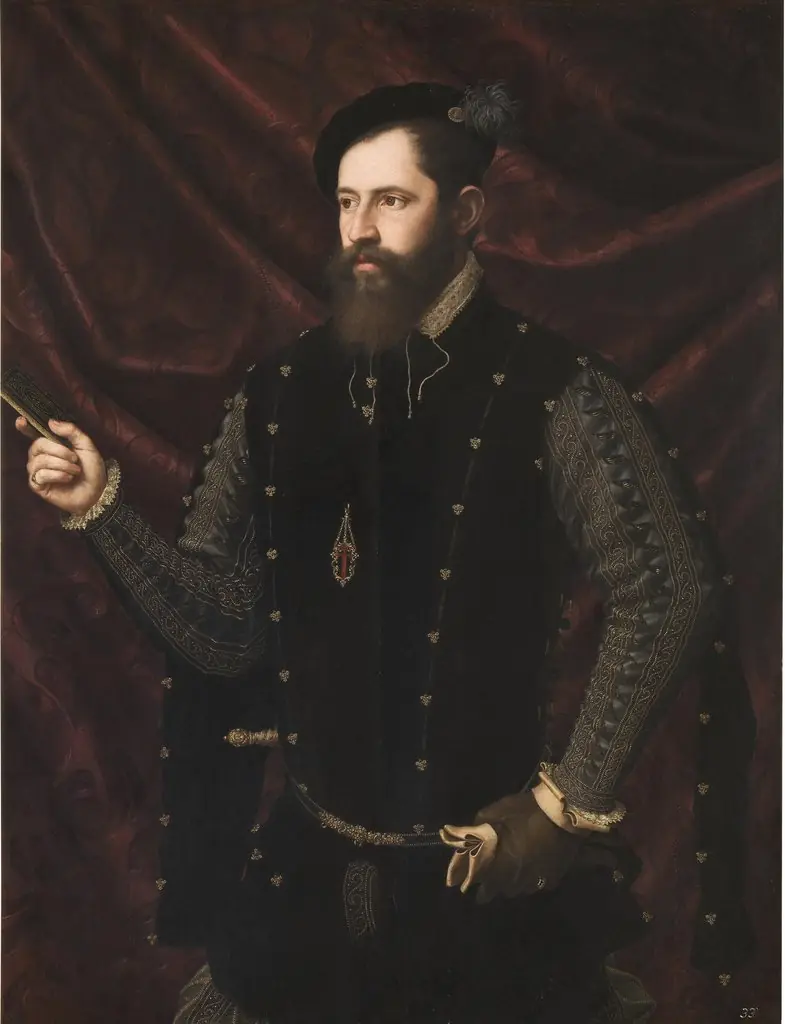 Portrait of a Knight of the Order of Santiago
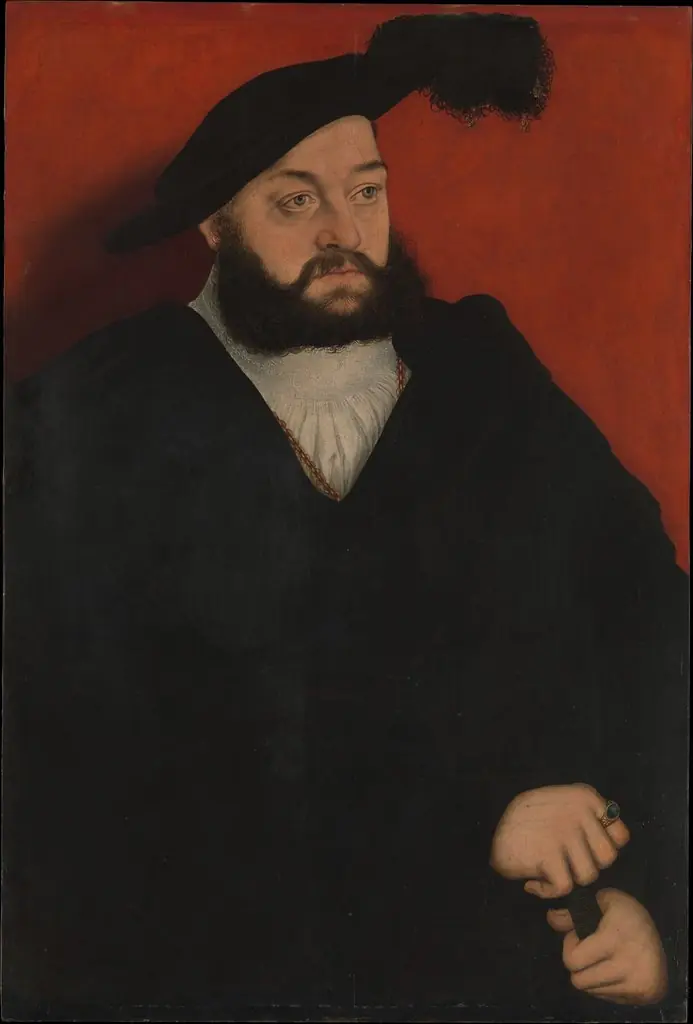 Johann (1498–1537), Duke of Saxony
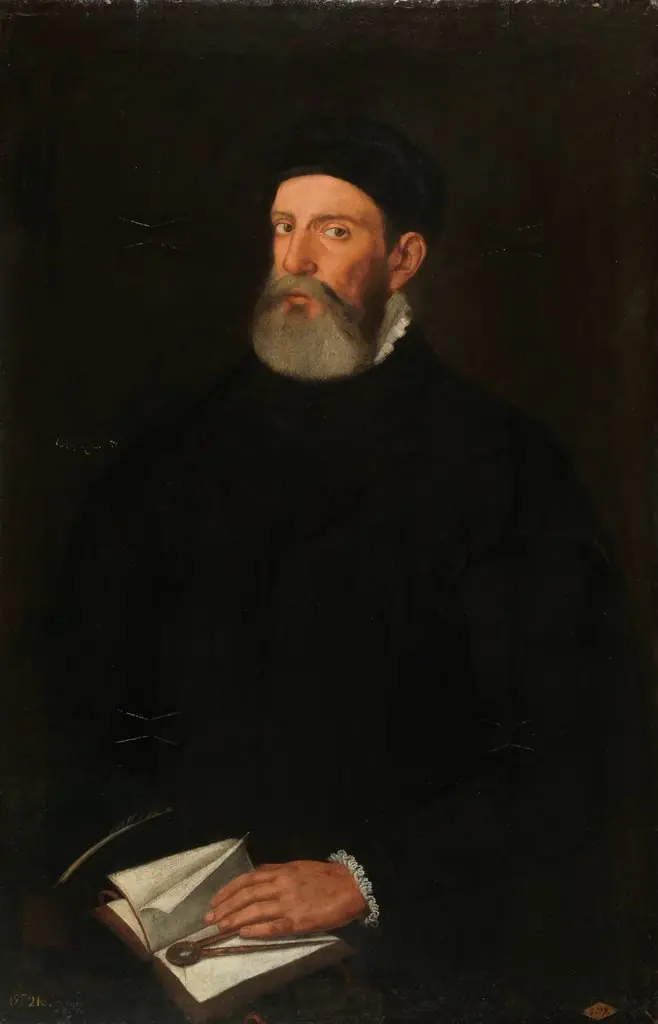 Portrait of an Architect
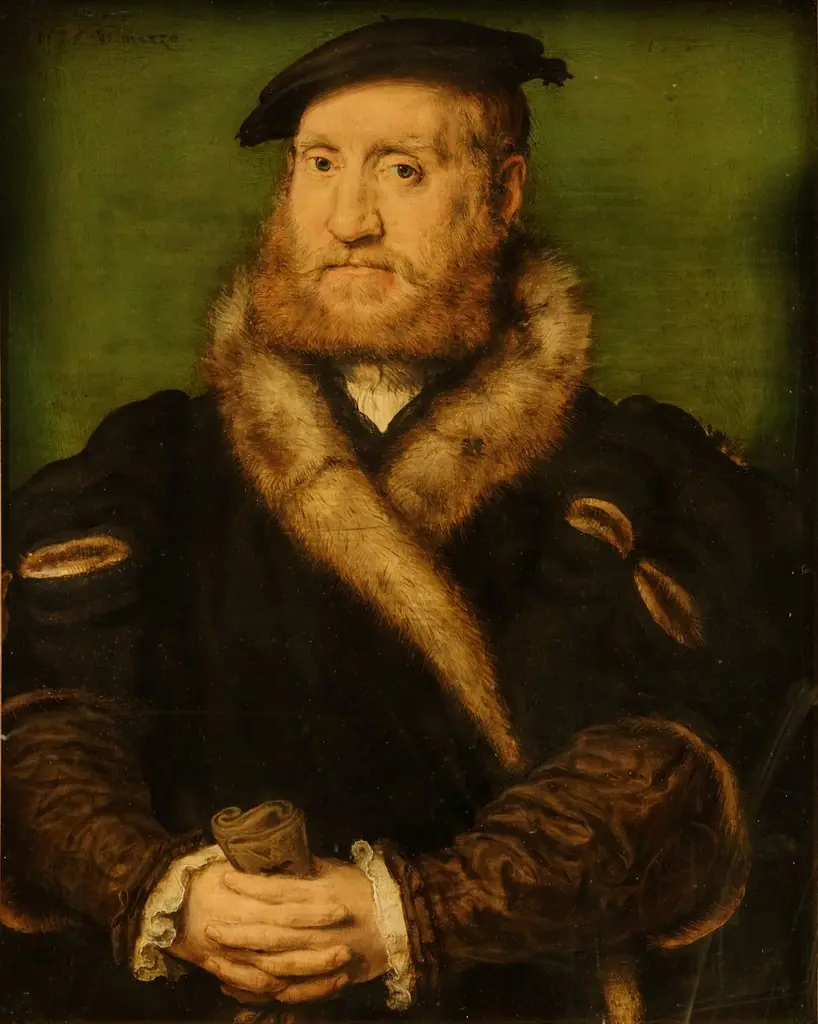 Bearded Man in a Fur Coat
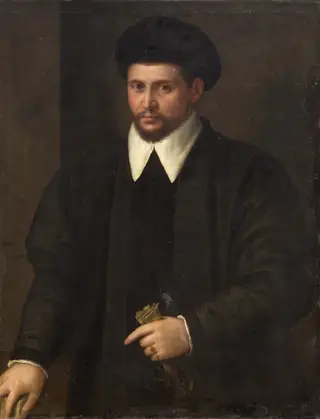 Bildnis eines Mannes mit Barett und Handschuhen
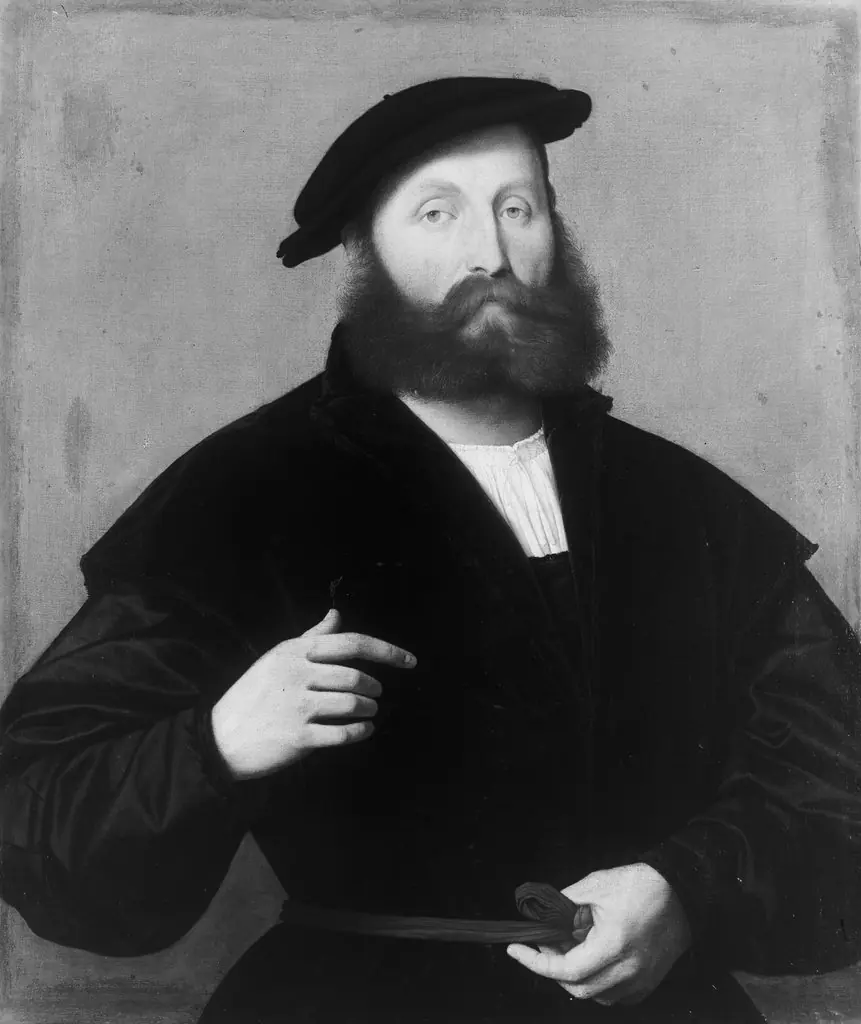 Portrait of Count Raimund Fugger
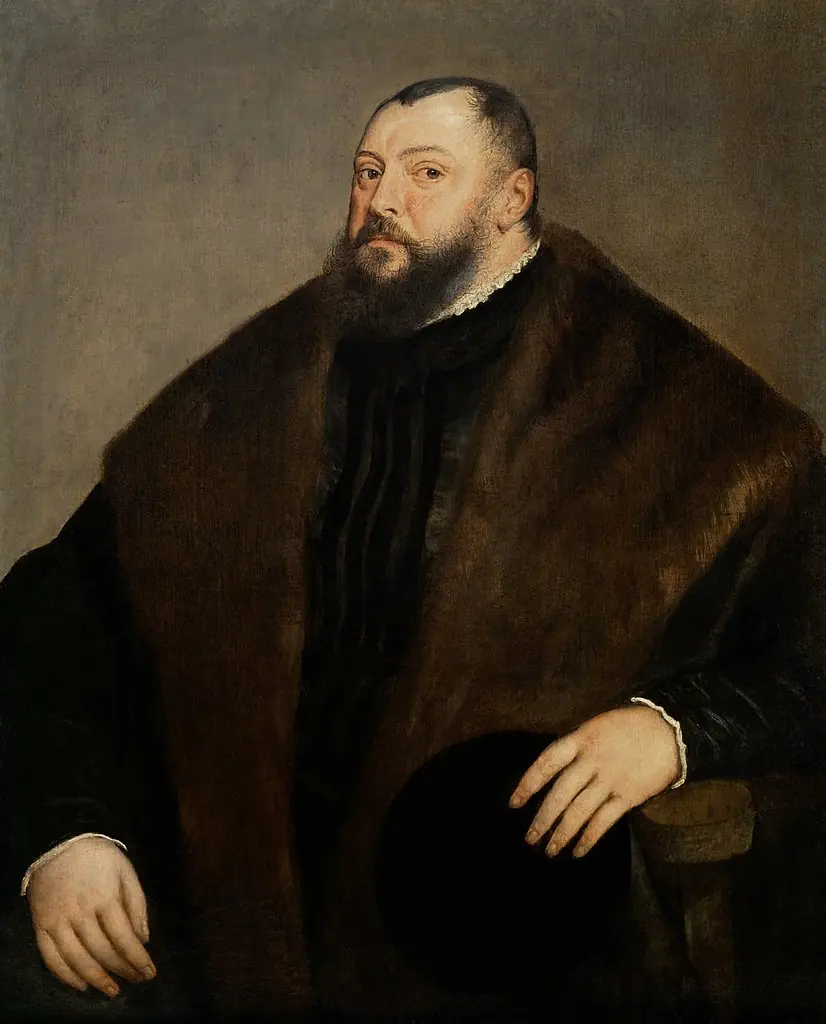 John Frederick, Elector of Saxony
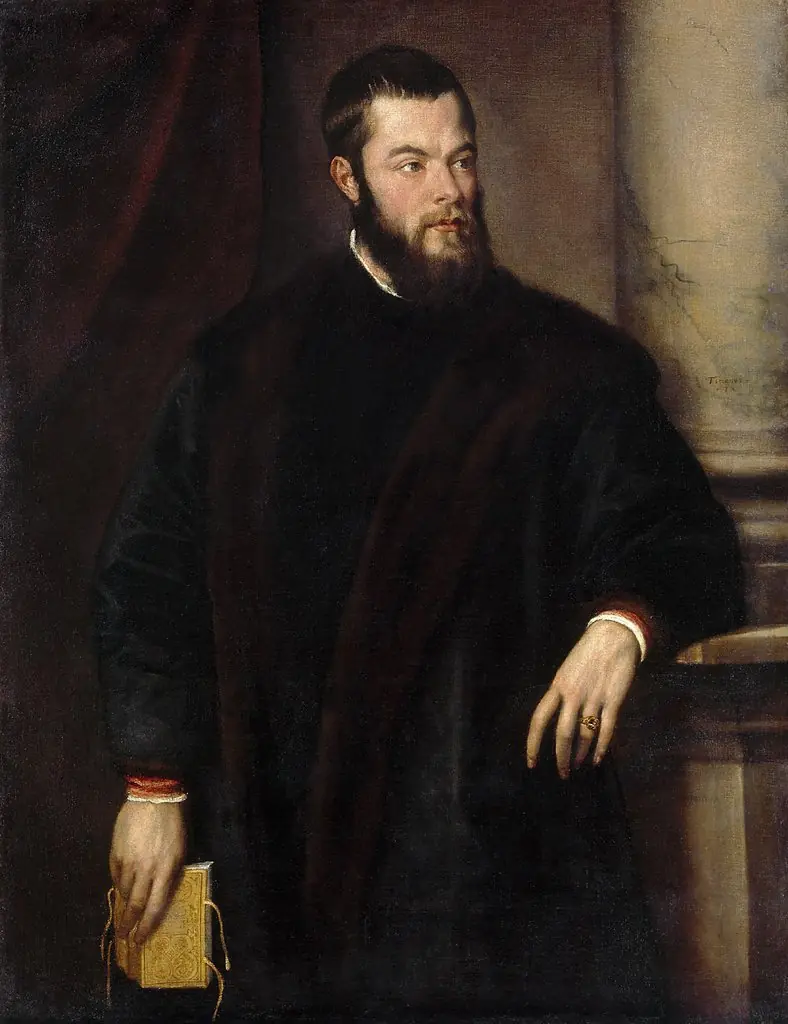 Portrait of Benedetto Varchi
- Portrait of a Venetian Senator