Artwork
The Agony in the Garden
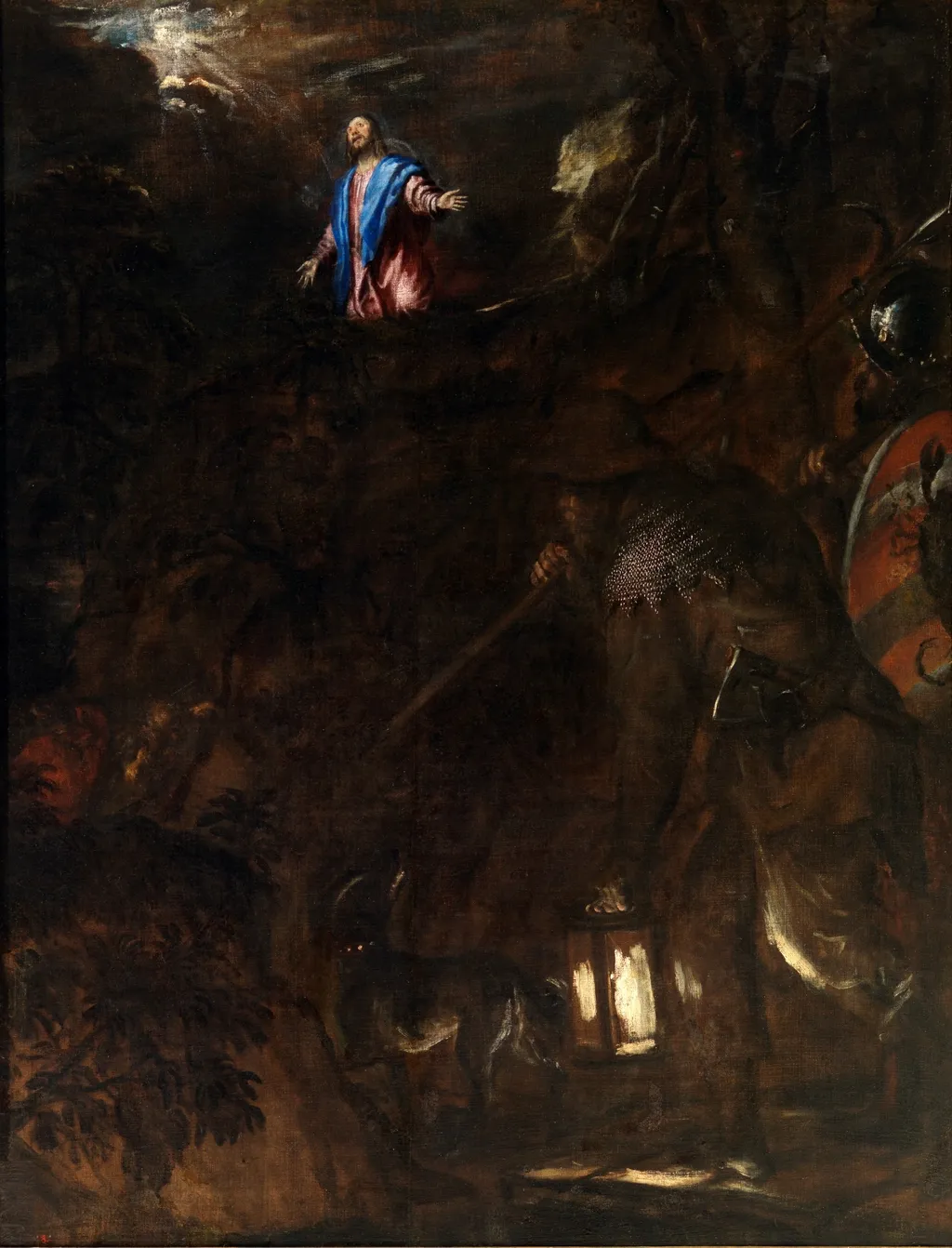
The Agony in the Garden is an oil painting by the Mannerist artist Titian. It dates from 1558 and is held in the collection of the Museo del Prado.
About this work
Subject & Meaning
This divine intervention creates a dramatic contrast between the illuminated figures and the shadows enveloping the sleeping apostles.
The painting depicts the biblical scene of Christ's Agony in the Garden of Gethsemane, moments before his Passion. Central to the composition is Jesus receiving the cup of bitterness from a luminously appearing angel, the main subject. This divine intervention creates a dramatic contrast between the illuminated figures and the shadows enveloping the sleeping apostles.
The work symbolizes Christ's acceptance of his fate and the spiritual weight of his impending sacrifice. Through its evocative lighting and limited palette of red, white, blue, and browns, the piece captures the atmospheric intensity of the moment, representing a pivotal spiritual struggle where the divine and human intersect.
Technique & Style
Executed in oil on canvas, this work exemplifies Titian's late stylistic evolution through a restricted palette of reds, whites, blues, and browns. The artist employed a rapid, sketch-like brushwork that creates a shimmering, atmospheric effect, distinguishing the piece from his earlier methods. Dramatic lighting illuminates Christ receiving the chalice from an angel, while the sleeping apostles recede into a mysterious penumbra, visible only as faint forms.
This handling of light and loose application of paint establishes a bridge to the fugitive pictorial qualities later associated with Tintoretto.
The painting measures 176 cm in height and 136 cm in width. Although some records suggest an inception date of 1562, the canonical date for the work is 1558.
History & Provenance
The Agony in the Garden, painted by Titian in 1558, is an oil on canvas measuring 176 by 136 cm and belongs to the religious genre of the Venetian Renaissance.
The work was sent by Titian to King Philip II of Spain in 1562, alongside The Rape of Europa. It was installed in the Monastery of El Escorial, where monastery inventories record it as early as 1574, describing a depiction of the prayer in the garden with sleeping apostles. The painting remained at El Escorial until 1837, when it was transferred to the Museo del Prado in Madrid, where it has been part of the permanent collection since.
Legacy
The painting has been recognized as an influence on later religious art within the Venetian tradition. Its dramatic treatment of the Agony in the Garden, characterized by rapid brushwork and a limited palette of red, white, blue, and brown tones, established a compositional model later echoed in Tintoretto's work. The handling of light and shadow, with Christ receiving the chalice from an angel amid the sleeping apostles, offered a template for emotional intensity that shaped subsequent depictions of Christ's Passion.
The work remains a frequently cited example in studies of Titian's late style and the evolution of the Venetian school, and is preserved in the Museo del Prado.
Overview
The Agony in the Garden, painted by Titian in 1558, presents the biblical episode of Christ’s prayer in Gethsemane. Executed in oil on canvas, the work belongs to the late Italian Renaissance and reflects the Mannerist tendencies that marked the period’s later developments.
Context
The work reflects Titian’s dual reputation as a master of religious narrative and a leading portraitist in Venice. Its Mannerist qualities, elongated forms and heightened drama, situate it within the transitional phase from High Renaissance harmony to the more expressive styles of the 16th century.
Own this work as a print
Artist & collection
Artist
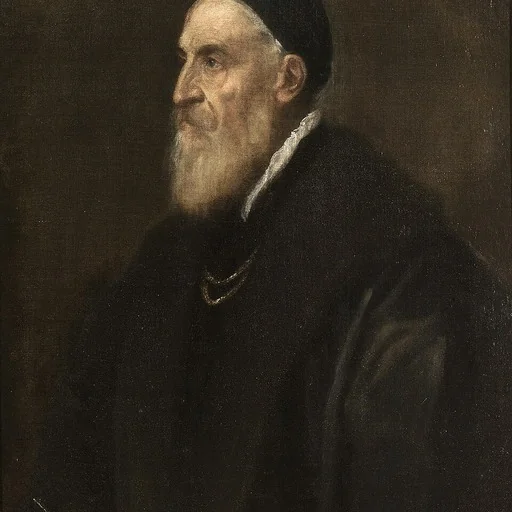
Tiziano Vecellio (Italian:; c. 1488/1490 – 27 August 1576), Latinized as Titianus, hence known in English as Titian ( TISH-ən), was an Italian Renaissance painter. The most important artist of Renaissance Venetian…

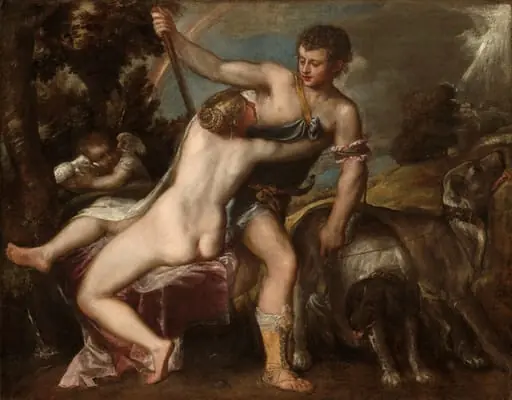
- Pilate Debates Christ's Fate
 Entchantment
 Visions of the Hereafter: Hell
 The Prayers of the Potuans at the Feast of the Unfathomable God
 Christ Carrying the Cross meets with Veronica
 The Prayers of the Potuans at the Feast of the Unfathomable God
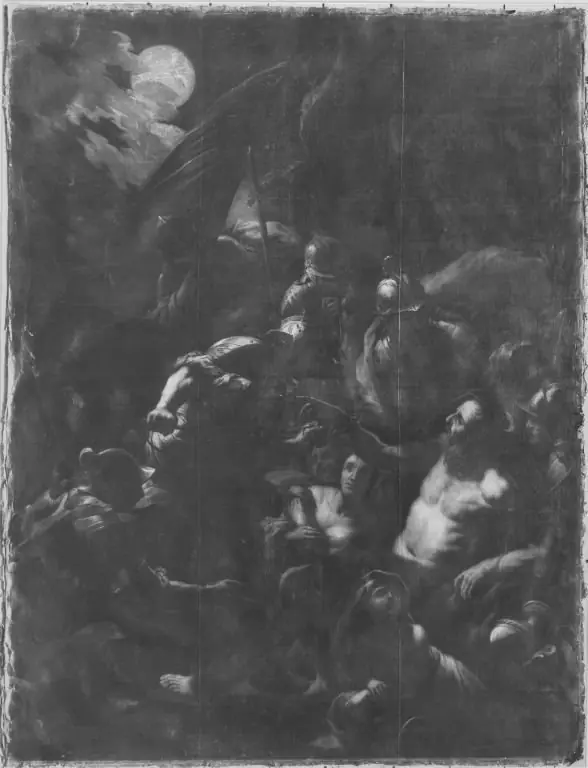 Arrest of Simson
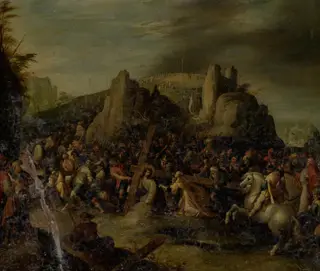 Die Heilige Veronika reicht Christus das Schweißtuch
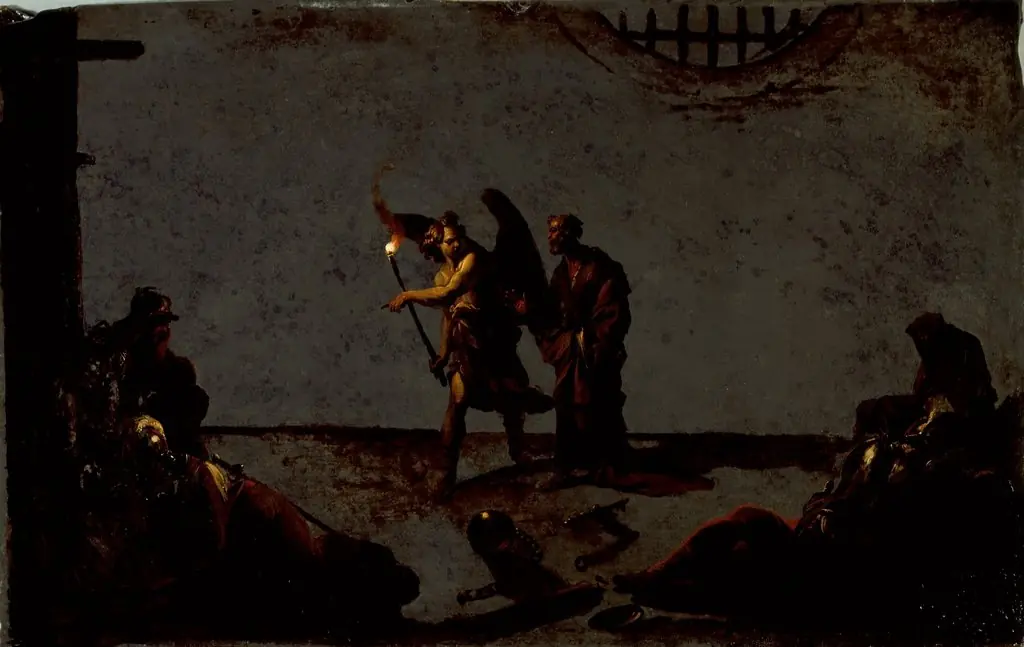 The Liberation of Saint Peter
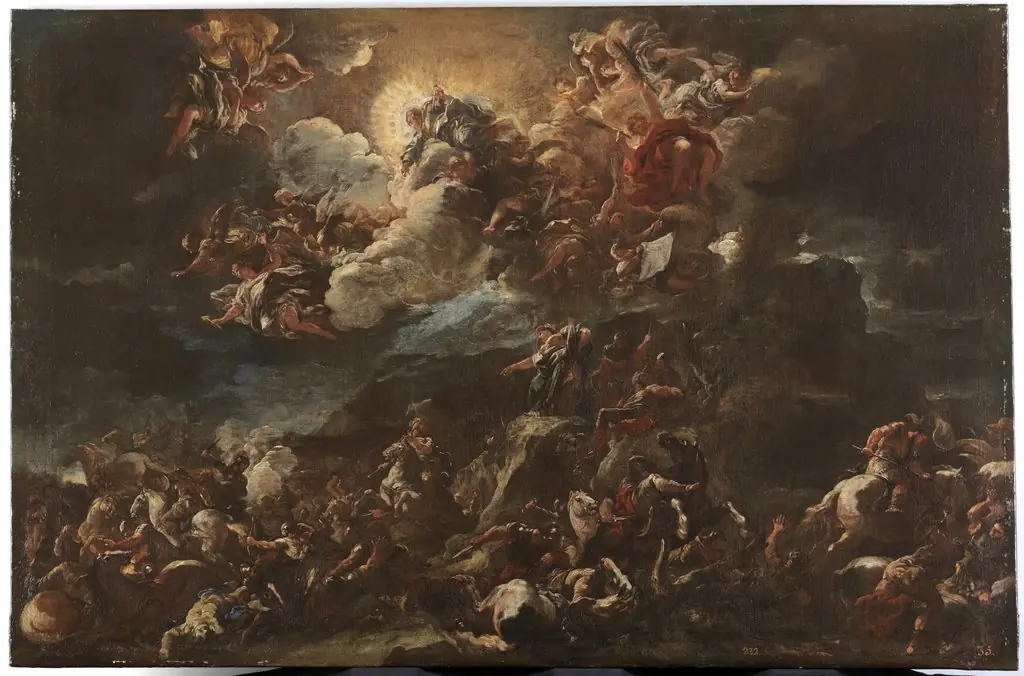 Victoria de los israelitas y cántico de Débora
 Revelația Sf. Eustațiu
 The Capture of St. John of Nepomuk