Artwork
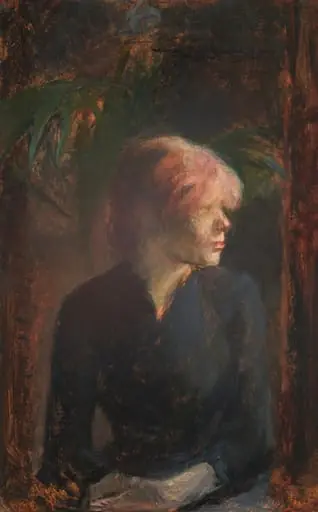
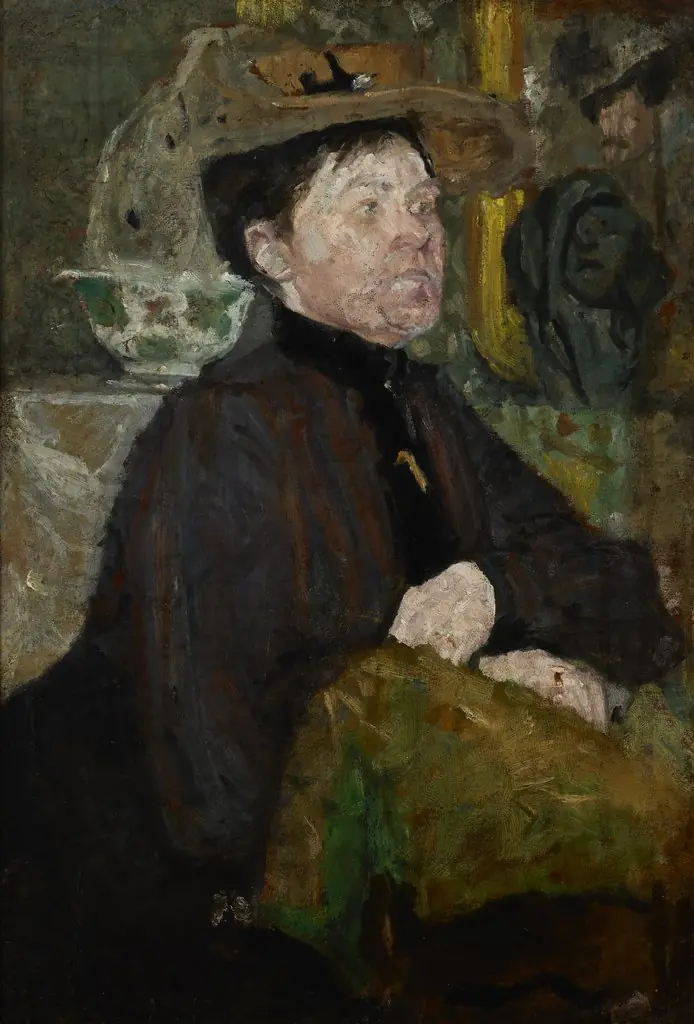
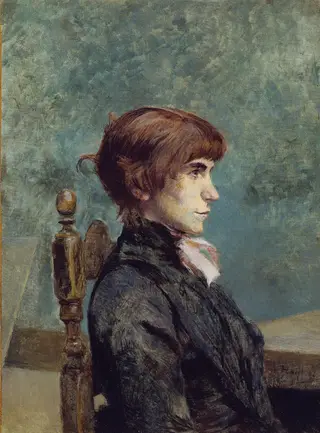
A la Bastille (Jeanne Wenz)
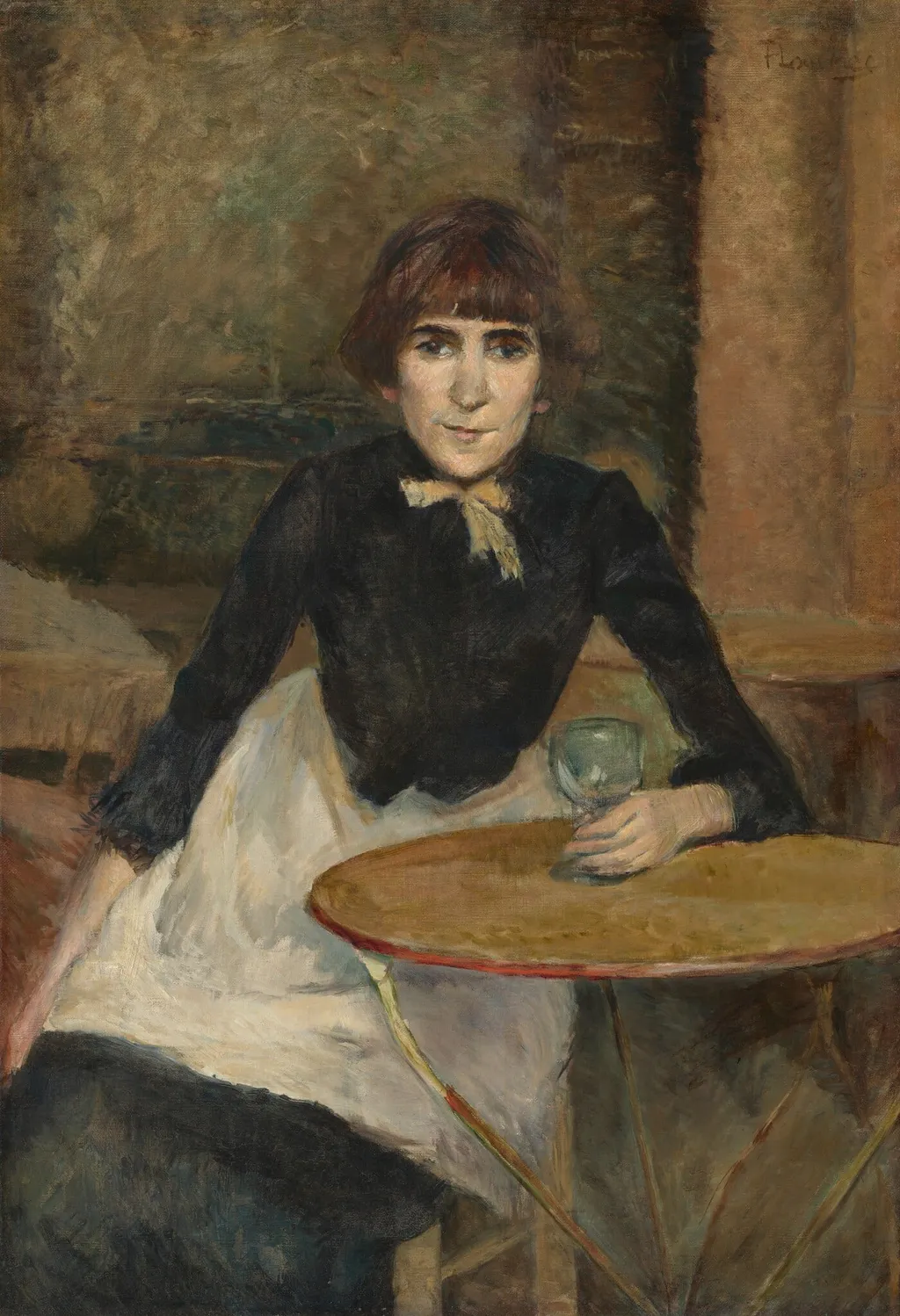
A la Bastille (Jeanne Wenz) is an oil painting by the Impressionist artist Henri de Toulouse-Lautrec. It dates from 1888 and is held in the collection of the National Gallery of Art.
- Inscription
- Inscribed:upper right: ['88?] / initials in monogram followed by rest of last name: THLautrec
About this work
History & Provenance
It first entered the market at the 1905 Hôtel Drouot sale in Paris, where it was purchased by Barthélémy and Mme.
The work was painted in 1888 by Henri de Toulouse-Lautrec. It first entered the market at the 1905 Hôtel Drouot sale in Paris, where it was purchased by Barthélémy and Mme. Casenave after being owned by Aristide Bruant in Paris. By October 1963 it had passed to Wildenstein & Co. in London, New York, and Paris, which sold it to Paul Mellon of Upperville, Virginia. Mellon later gifted the painting to the National Gallery of Art, Washington, D.C., in 1985.
The painting entered the collection of the National Gallery of Art in Washington, D.C., in 1985 as a gift from Paul Mellon. Prior to this acquisition, the work passed through several private hands, including Aristide Bruant and Mme. Casenave, before being sold by Wildenstein & Co. to Mellon in October 1963.
While specific inventory or accession numbers are not detailed in the available records, the work's provenance is well-documented from its sale at Hôtel Drouot in Paris on April 15, 1905. The provided sources do not list any specific public exhibitions where the artwork was displayed.
Context
The portrait A la Bastille, painted by Henri de Toulouse-Lautrec in 1888, measures 72.5 cm by 49.5 cm and is classified as a portrait genre work. It entered the National Gallery of Art, Washington, D.C., through a 1985 gift from Paul Mellon, after previous sales by Wildenstein & Co. and acquisition from the estate of Aristide Bruant. The work’s provenance illustrates a documented chain of high‑profile transactions that reflect its circulation among major collectors. Its presence in a national museum collection situates it within broader narratives of 19th‑century French portraiture.
Overview
Henri de Toulouse-Lautrec painted A la Bastille (Jeanne Wenz) in 1888, an oil on canvas portrait capturing a moment within Parisian nightlife. The work depicts Jeanne Wenz, a woman whose presence is central to the composition. It exemplifies the artist's engagement with the city's vibrant social scene and his distinctive approach to portraiture, aligning with the Post-Impressionist movement's focus on individual expression over strict naturalism.
Subject & Meaning
The painting centers on Jeanne Wenz, shown seated at a small table, a wine glass before her. Dressed in a black top with a white apron and sporting short brown hair, her posture and attire suggest a casual, perhaps public, setting. Her direct gaze outward from the canvas establishes a connection with the viewer, inviting an intimate engagement that transcends a mere observational portrait.
Technique & Style
Toulouse-Lautrec's artistic method in this work reflects the tenets of Post-Impressionism, moving beyond literal representation to convey atmosphere and character. He employs an expressive style, utilizing color and compositional choices to create a sense of intimacy around the sitter. The unidealized depiction of Jeanne Wenz and her surroundings underscores the artist's commitment to portraying the authentic reality of his subjects rather than conventional beauty.
Own this work as a print
Artist & collection
Artist
Comte Henri Marie Raymond de Toulouse-Lautrec-Montfa (24 November 1864 – 9 September 1901), known as Toulouse-Lautrec (French: ), was a French painter, printmaker, draughtsman, caricaturist, and illustrator.