Artwork
元 佚名 牧牛圖 軸|Ox and Herdsman
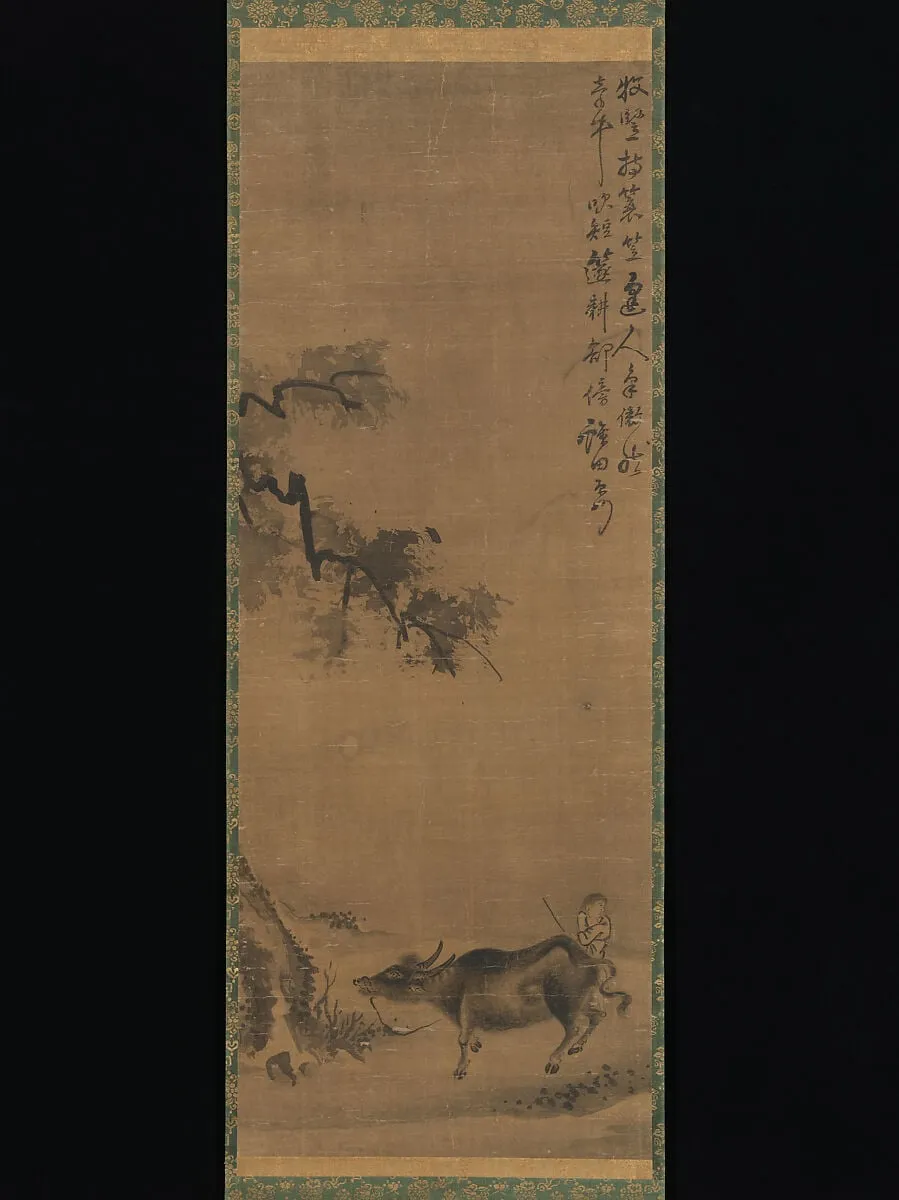
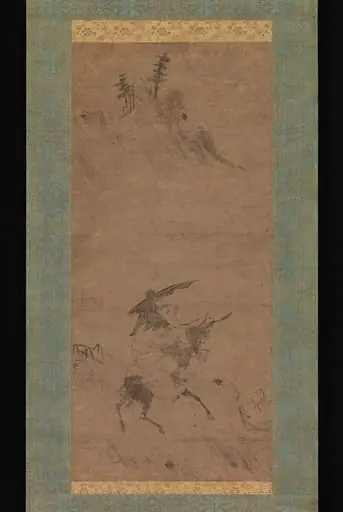
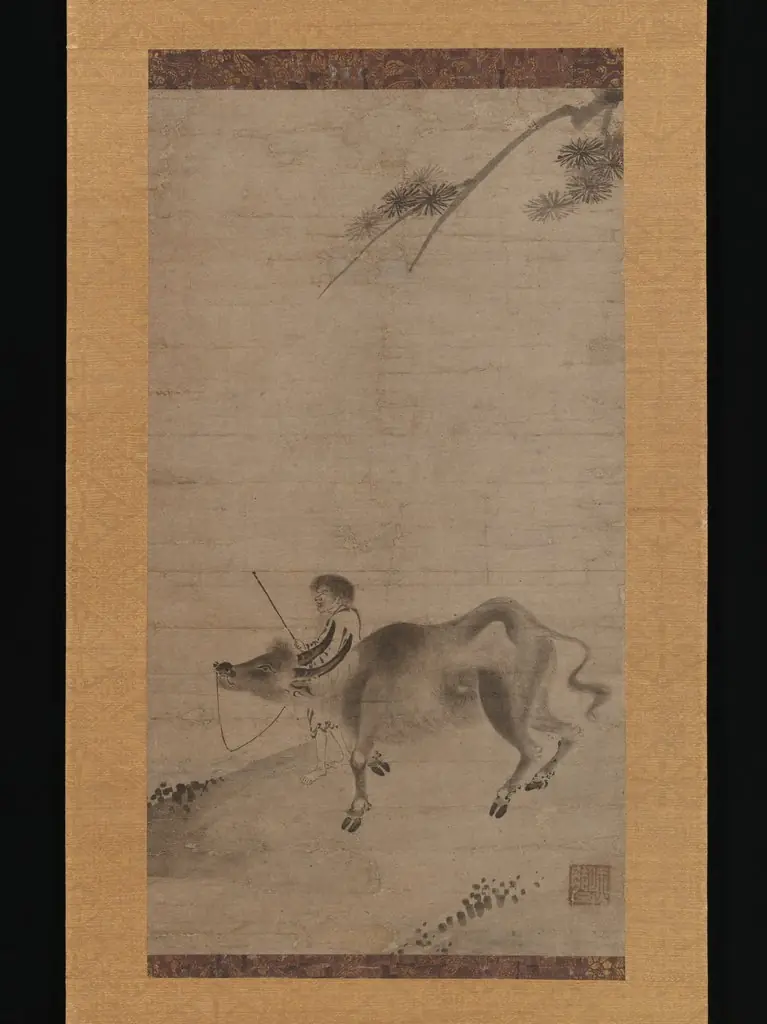
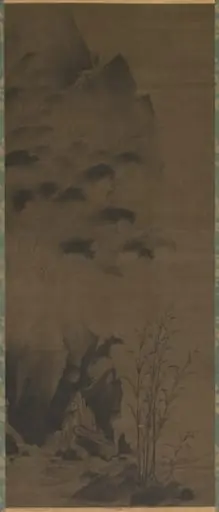
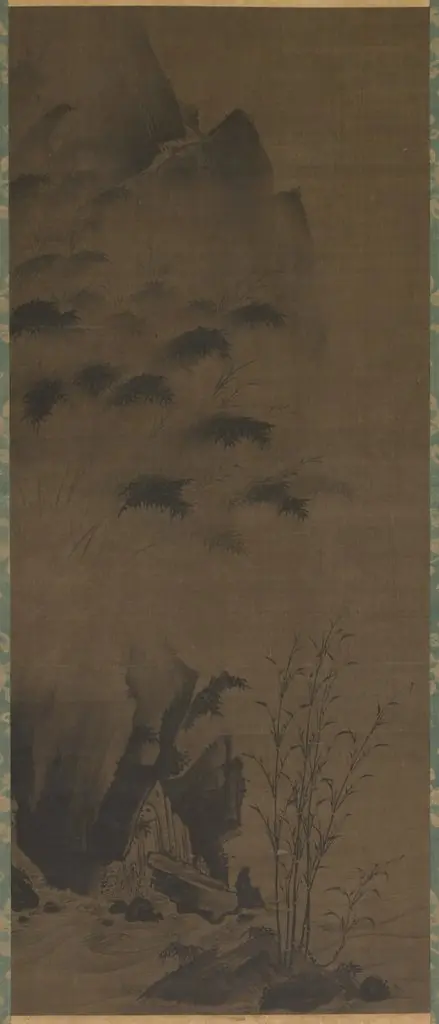
元 佚名 牧牛圖 軸|Ox and Herdsman is an ink painting. It dates from 1283 and is held in the collection of the Metropolitan Museum of Art. This ink-on-silk hanging scroll, titled Ox and Herdsman, dates from the late 13th century.
About this work
Subject & Meaning
The painting’s subject reflects a pastoral theme common in Chinese art, emphasizing a simple human presence alongside domesticated animals.
The hanging scroll titled Ox and Herdsman, dated 1283, portrays an anonymous figure leading an ox, a composition recorded in both sources as depicting a man and oxen. Executed in ink on silk, the work belongs to the genre of genre_scene and was produced in China before entering the Metropolitan Museum of Art, where it remains on display. The painting’s subject reflects a pastoral theme common in Chinese art, emphasizing a simple human presence alongside domesticated animals. Its creation in the thirteenth century aligns with the documented inception date of 1283‑01‑01.
Technique & Style
The Ox and Herdsman is executed as a hanging scroll using ink on silk, a support customary for Chinese painting of the late thirteenth century. The image was created by an anonymous painter in 1283 in China and now resides in the Metropolitan Museum of Art. Its composition belongs to the genre of herding scenes, rendered with a restrained brushstroke that emphasizes the flowing line of the ox and the solitary figure.
The work’s formal qualities reflect the literati aesthetic of economy and spontaneity, while the silk support contributes a subtle translucency that distinguishes it from paper‑based scrolls.
History & Provenance
The hanging scroll titled Ox and Herdsman was created in 1283 by an anonymous artist in China. Executed in ink on silk, this genre scene depicts a man and oxen. The work is currently held in the collection of the Metropolitan Museum of Art.
No specific information regarding the original commission, the chain of ownership prior to the museum, or the detailed history of its creation is provided in the available records.
The hanging scroll titled Ox and Herdsman, attributed to an anonymous Chinese painter, is held by the Metropolitan Museum of Art in New York. The work dates to 1283 and is classified as a painting within the genre‑scene tradition, executed in ink on silk.
It was produced in China and entered the museum’s collection, though the accession number is not specified in the cited records. The sources do not provide details on any exhibition history, so no documented public displays can be attributed to this piece.
Overview
This ink-on-silk hanging scroll, titled Ox and Herdsman, dates from the late 13th century. It depicts a herdsman accompanying a white ox, a common motif in East Asian art. As a rare surviving example from its period, this painting offers insight into artistic practices during a significant historical transition in China. Its composition combines direct observation with an evocative emotional depth.
Context
Created during the late 1200s, this Ox and Herdsman scroll is a significant artifact from a turbulent era. It was produced when China was under the rule of the Mongol Yuan dynasty, a period marked by cultural shifts and artistic developments. Its survival provides valuable documentation of painting traditions from this specific historical juncture, offering a glimpse into the art produced during a time of foreign governance.
Artist & collection