Artwork
A Bishop Saint
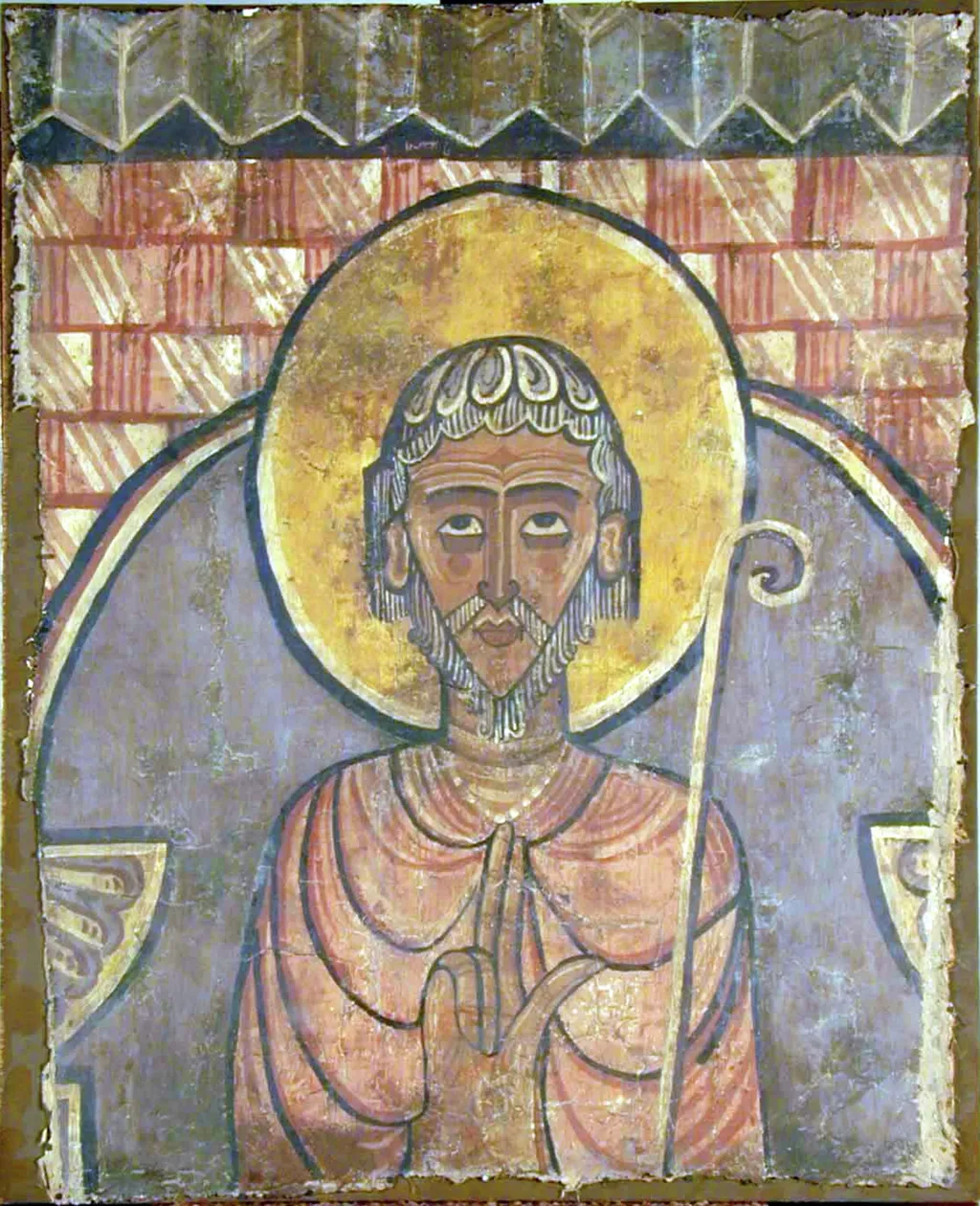
A Bishop Saint is an unspecified painting by the Romanesque artist Unknown. It dates from 1200 and is held in the collection of the Detroit Institute of Arts.
About this work
Overview
Bold outlines and saturated hues emphasize form over realism, reflecting a devotional aesthetic common in medieval and early Renaissance religious art.
This painting depicts a bishop saint in a stylized, two-dimensional format. The figure is centrally positioned, distinguished by a golden halo and rich red garments. Background patterns of red and white geometric shapes frame the figure without depth or perspective.
Bold outlines and saturated hues emphasize form over realism, reflecting a devotional aesthetic common in medieval and early Renaissance religious art.
Subject & Meaning
The figure is identified as a bishop saint through his ecclesiastical attire, staff, and halo, symbols of spiritual authority and sanctity. The absence of narrative context focuses attention on his role as an intercessor. The use of gold and red, traditionally associated with divinity and imperial dignity, reinforces his sacred status and invites veneration rather than storytelling.
Technique & Style
The painting employs flat planes of color with minimal shading, relying on strong contours to define form. Gold leaf highlights the halo and possibly trim, while red pigment dominates the robe and background. Patterns are simplified and repetitive, avoiding naturalism. The technique prioritizes symbolic clarity over spatial illusion, aligning with liturgical art traditions of its time.
History & Provenance
Though specific origins are unrecorded, the style suggests production in a European workshop between the 13th and 15th centuries, likely for private devotion or church use. Its preservation in the Detroit Institute of Arts indicates acquisition through early 20th-century collections of medieval art, though its earlier ownership remains undocumented.
Context
This work belongs to a broader tradition of panel paintings used in domestic altars or chapels, where visual immediacy was more important than realism. Similar figures appear in illuminated manuscripts and altar pieces across Western Europe, where standardized iconography helped convey religious roles to largely illiterate audiences.
Legacy
The painting exemplifies how religious imagery functioned as a visual language before the rise of naturalism. Its enduring presence in museum collections reflects scholarly interest in pre-Renaissance devotional art, not as primitive but as purposefully symbolic. It contributes to understanding how faith was materially expressed in medieval society.
Artist & collection









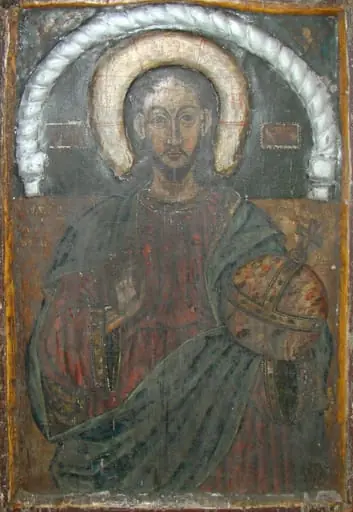
- Isus Hristos Pantocrator
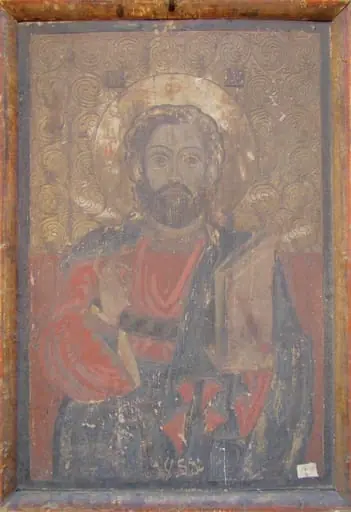 Iisus Hristos Învățător
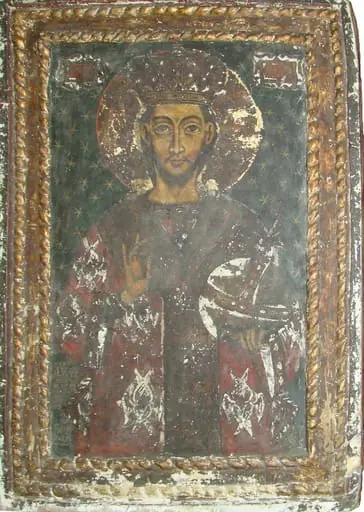 Iisus Hristos Pantocrator
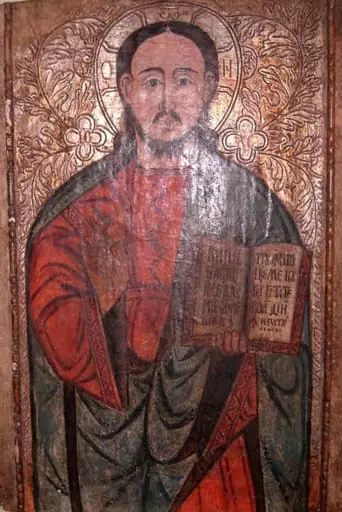 Iisus Invățător
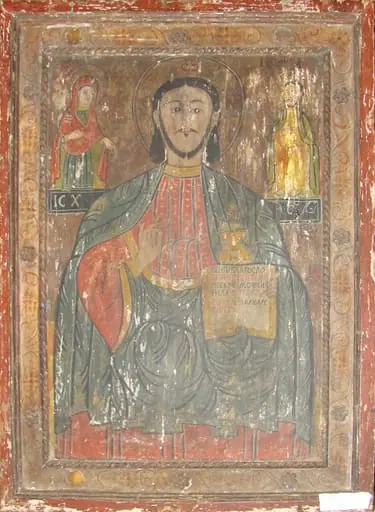 Deisis
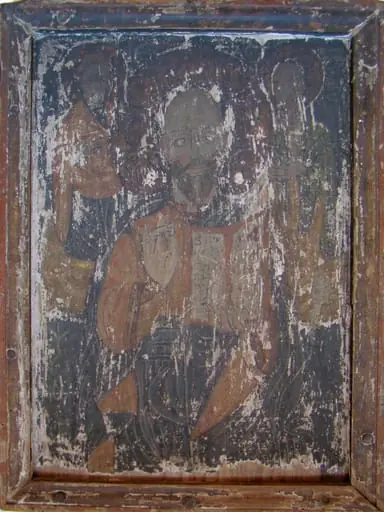 Deisis
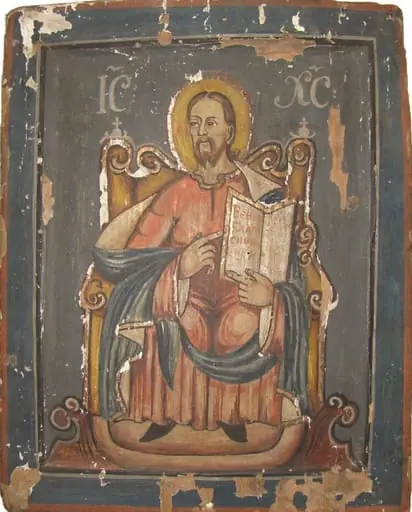 Iisus Hristos Învățător, tronând
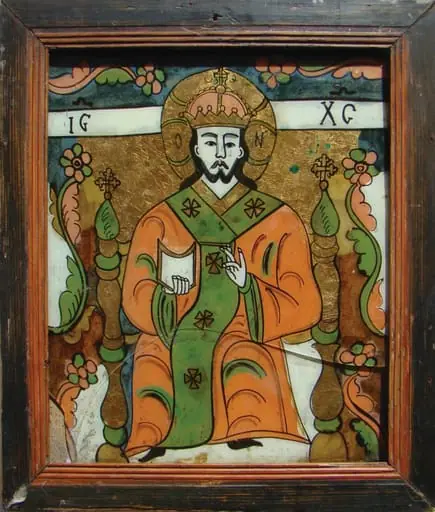 Iisus Hristos Mare Arhiereu și Învățător, tronând
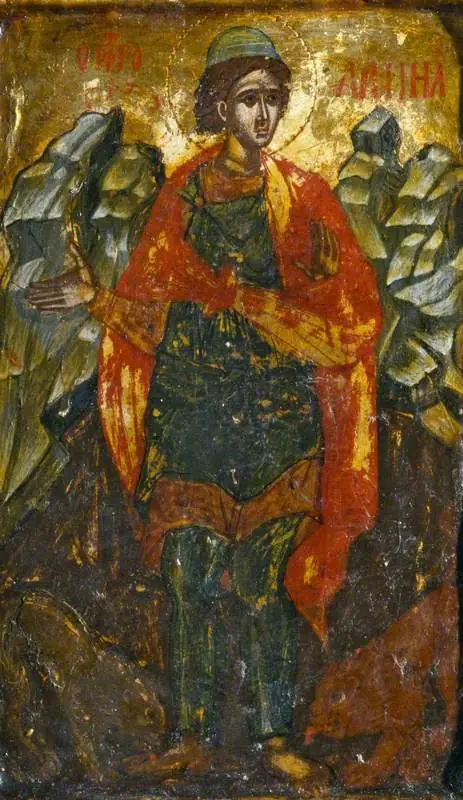 Daniel in the Lion's Den (one side of a two-sided panel)
 Isus binecuvântând
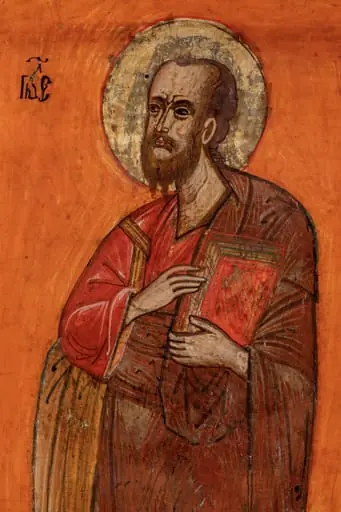 Sfinții apostoli Pavel și Matei
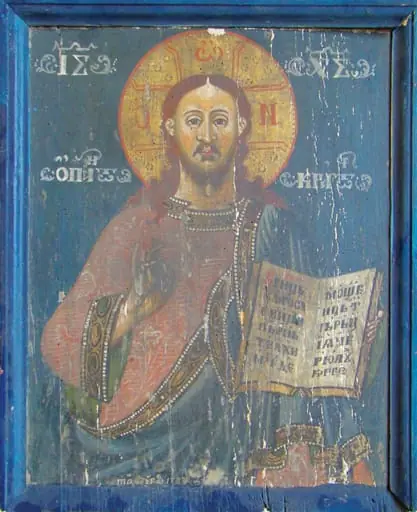 Iisus Hristos Învățător