Artwork
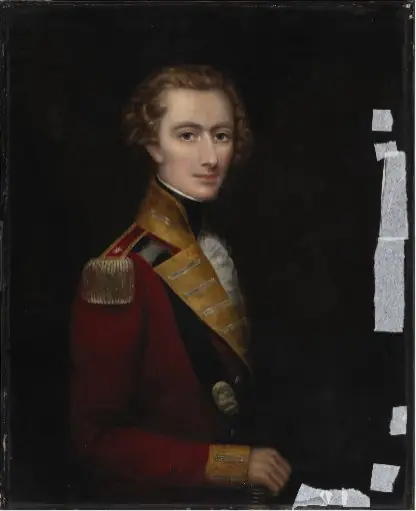
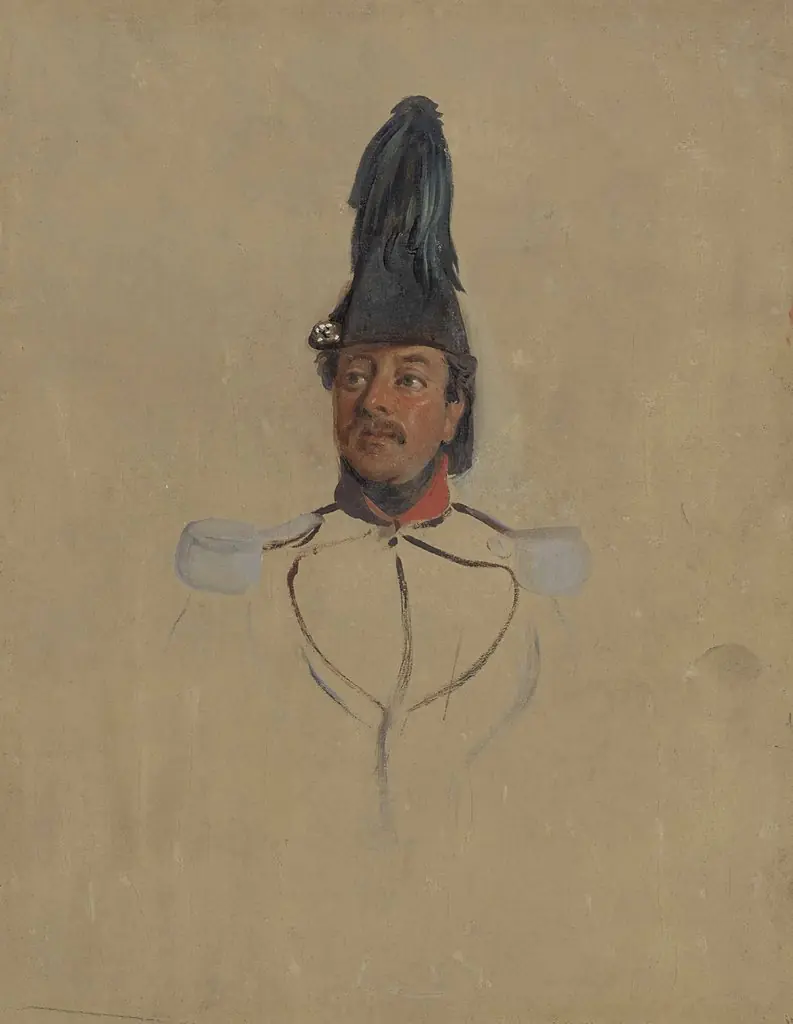
A European soldier in a red uniform wearing a medal.
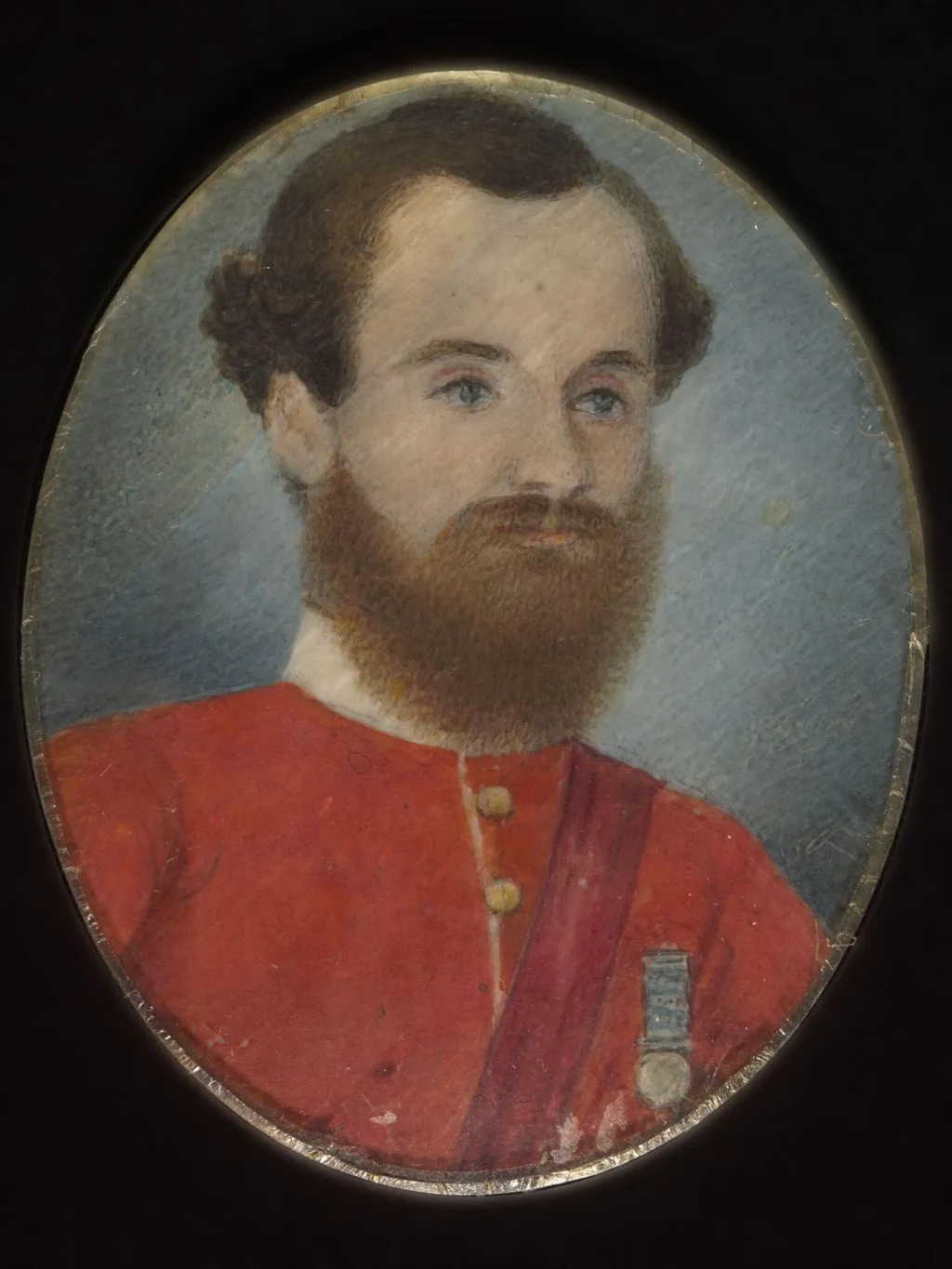
A European soldier in a red uniform wearing a medal. is a paint painting by the Impressionist artist Unknown. It dates from 1860 and is held in the collection of the Victoria and Albert Museum.
About this work
Overview
Painted in 1860, this work is a portrait of a European military officer in a red uniform, rendered with attention to physical detail and subdued tones. The composition centers on the figure against a neutral blue-grey background, emphasizing his presence without distraction. The style aligns with Realism, prioritizing accurate representation over idealization or dramatic flourish.
Subject & Meaning
His direct gaze and solemn expression suggest a quiet dignity, possibly reflecting personal service or sacrifice.
The subject is a bearded man with dark hair, depicted in full military attire, including a medal on his chest. His direct gaze and solemn expression suggest a quiet dignity, possibly reflecting personal service or sacrifice. The medal implies recognition for duty, though no specific campaign or rank is indicated, leaving the narrative open to interpretation grounded in civilian experience of military life.
Technique & Style
The artist employs precise brushwork to render fabric textures, metallic accents on buttons, and the subtle contours of the face. Color is restrained, with the red uniform contrasting softly against the muted backdrop. Lighting is even and naturalistic, avoiding theatrical shadows. These choices reflect Realist principles: clarity, observation, and the absence of romantic embellishment.
History & Provenance
The painting’s origin is tied to mid-19th-century Europe, likely commissioned by the subject or a family member. No documented ownership history or exhibition record is available prior to its current location. Its survival suggests it was preserved within private collections, possibly as a personal memento rather than a public monument.
Context
Created during a period of widespread military reform and colonial expansion, such portraits were common among officers and veterans seeking to document their service. Realism was gaining ground as artists turned from myth and history toward contemporary individuals, reflecting societal interest in ordinary lives, even those shaped by institutional roles like the military.
Legacy
Though not attributed to a major artist, the painting contributes to a broader visual record of 19th-century military personnel. It exemplifies how portraiture served as a quiet form of commemoration outside official state imagery. Its preservation offers insight into civilian perceptions of service, rank, and personal honor during a time of rapid social change.
Artist & collection









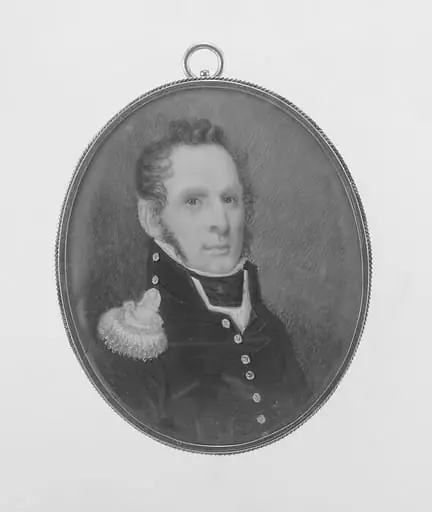
- Portrait of a Gentleman
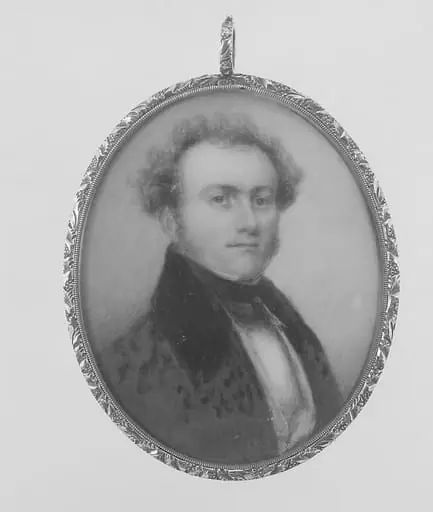 Portrait of a Gentleman
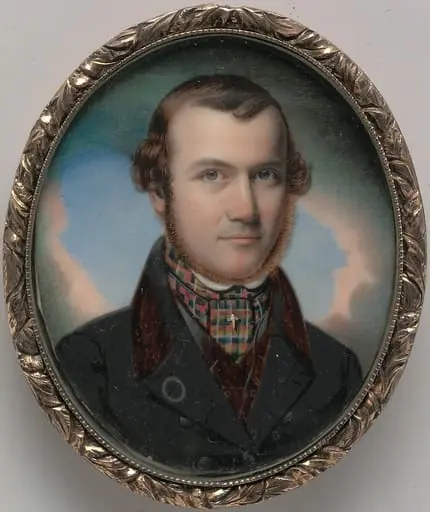 Self-Portrait
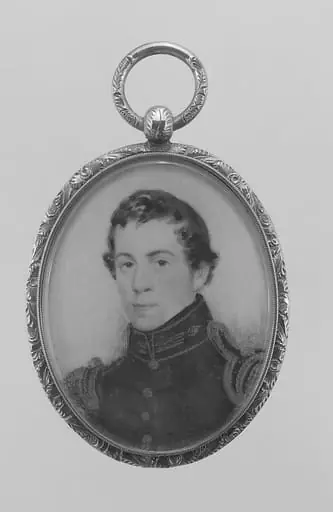 Portrait of a Gentleman
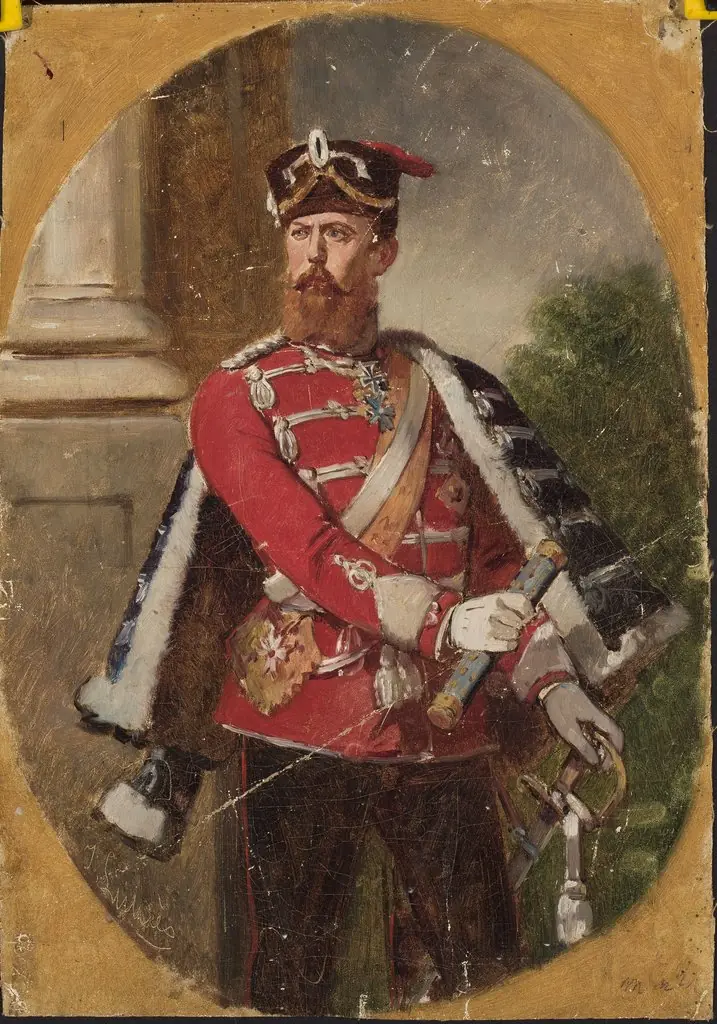 Portrait of a man in the uniform of the Imperial Guard hussar officer
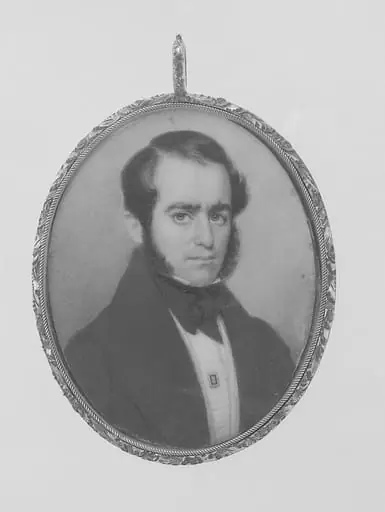 Portrait of a Gentleman
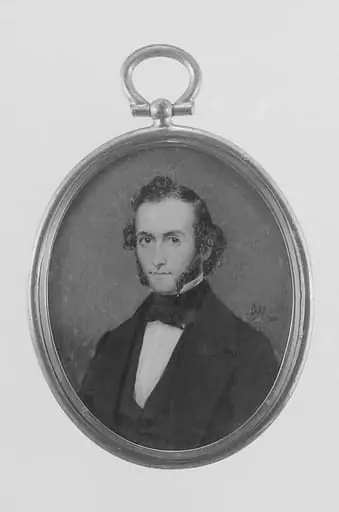 Charles A. Macy
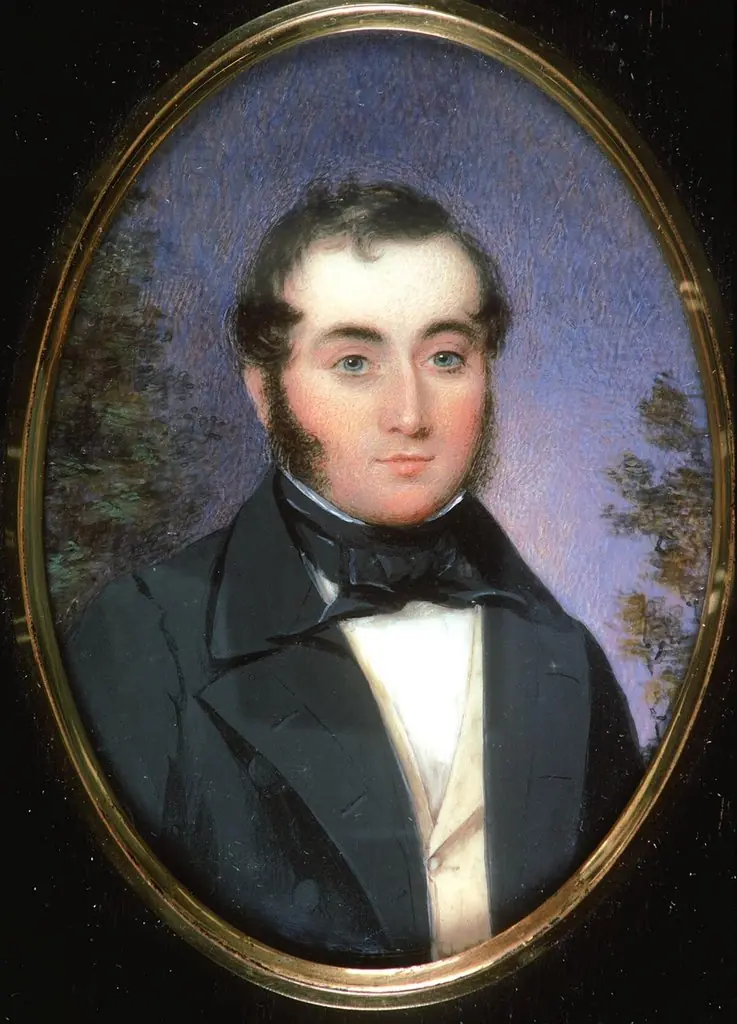 Gentleman in black coat
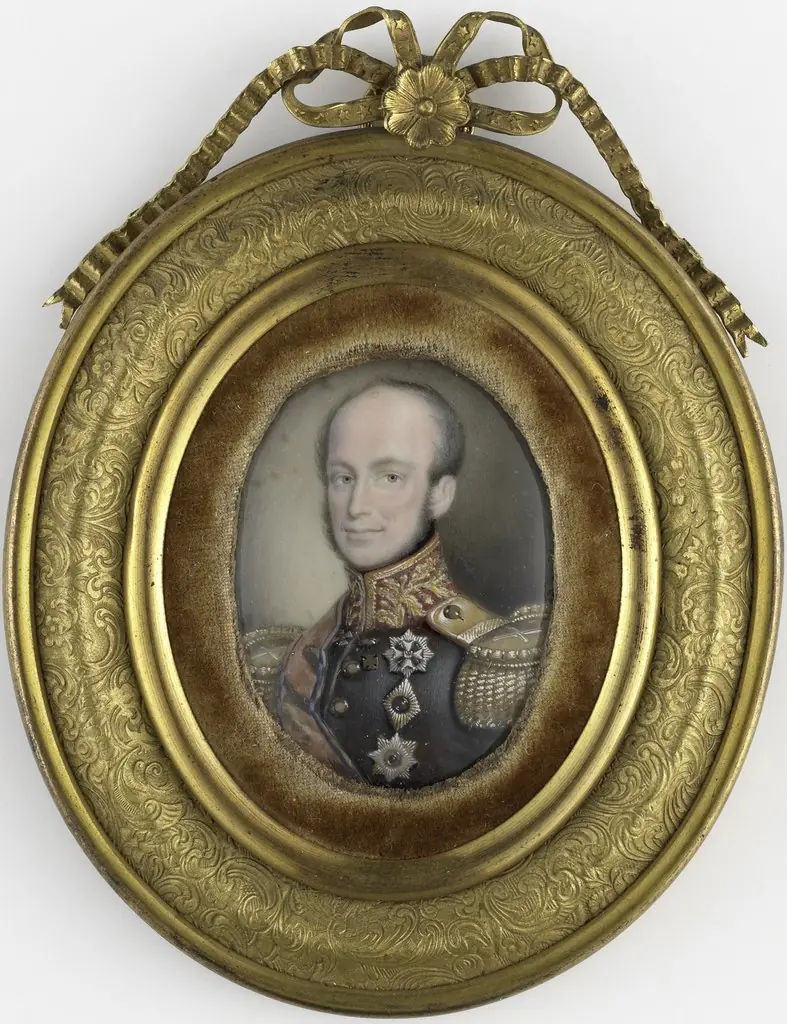 Portrait of Willem II van Oranje- Nassau (1792-1849)
 Portrait of Michael Cormak (1771-1799)
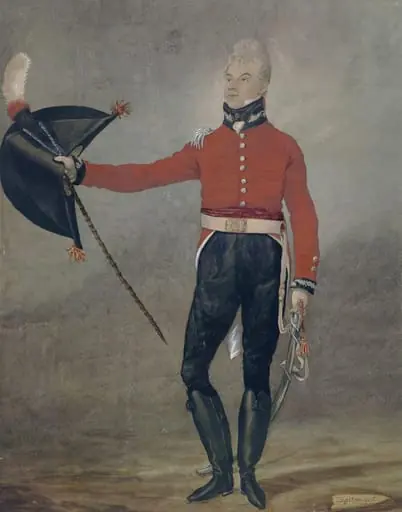 Watercolour portrait of a military officer
 Portretstudie van kapitein T.S. Nabal