Artwork
Altar frontal from Avià
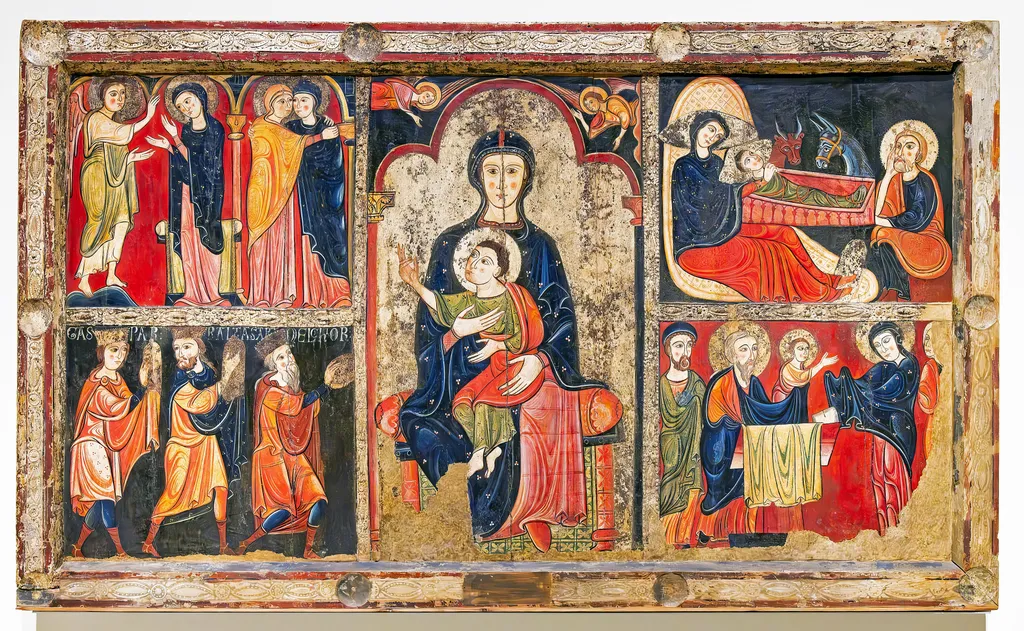
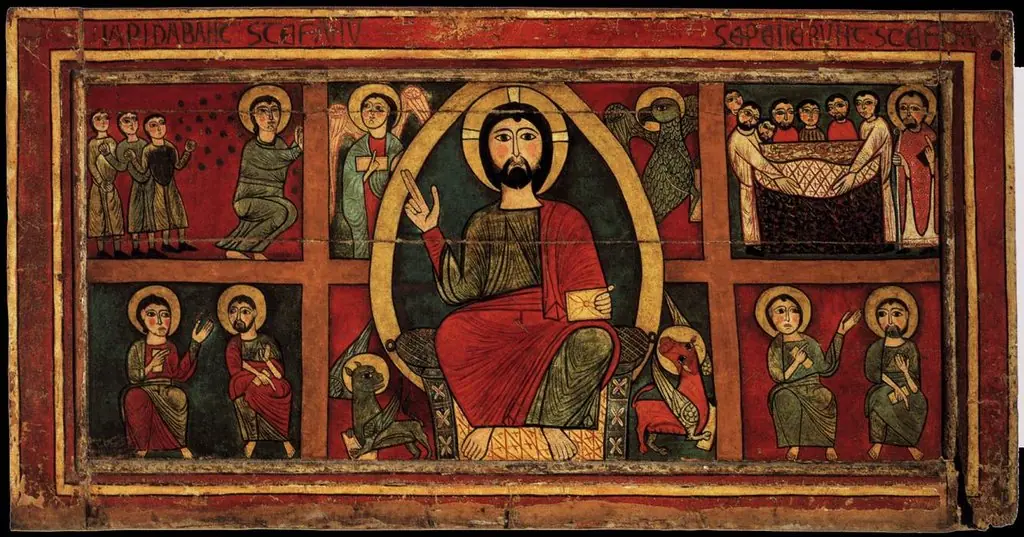
Altar frontal from Avià is a tempera painting by the Gothic painting artist Unknown. It dates from 1200 and is held in the collection of the Museu Nacional d'Art de Catalunya.
About this work
Overview
The Altar frontal from Avià is a Romanesque painting created for the front of an altar, originating from the church of St. Mary of Avià in Berguedà county. It is now housed at the National Art Museum of Catalonia in Barcelona, with a replica in its original location.
Subject & Meaning
As a functional altar frontal, its subject matter and meaning are deeply rooted in religious devotion, though specific depicted themes are not detailed in available information. Its primary purpose was to visually enhance and sanctify the altar space of St. Mary of Avià.
Technique & Style
Executed in tempera, the work exemplifies the characteristic techniques of Romanesque art, known for its flat, two-dimensional representations and often, a focus on religious themes. The artist, however, remains unidentified.
History & Provenance
Dating back to the 13th century or earlier, the frontal was originally part of the church of St. Mary of Avià. It was later relocated to the National Art Museum of Catalonia, with its original site now housing a replica.
Context
Created within the Romanesque period, this work reflects the religious and artistic values of medieval Catalonia, specifically the county of Berguedà. It would have played a central role in the liturgical practices of St. Mary of Avià.
Legacy
While not individually renowned outside specialist circles, the Altar frontal from Avià contributes to the broader understanding and appreciation of Romanesque art in Catalonia, preserved and exhibited for its historical and artistic significance.
Artist & collection









- Altar frontal from Ix
 Altar frontal from Cardet
 Altar frontal from Alós d'Isil
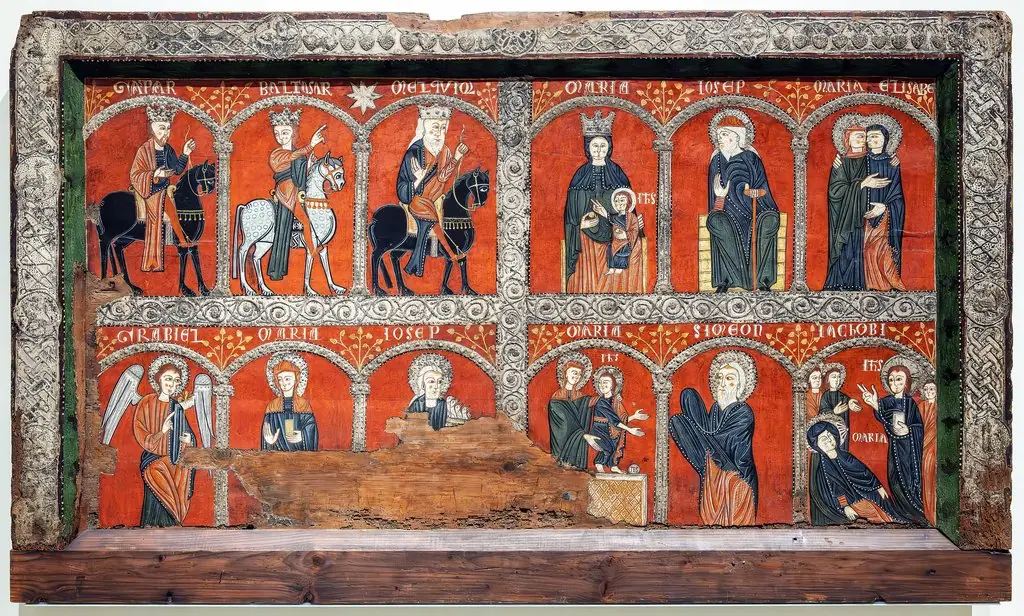 Altar frontal from Mosoll
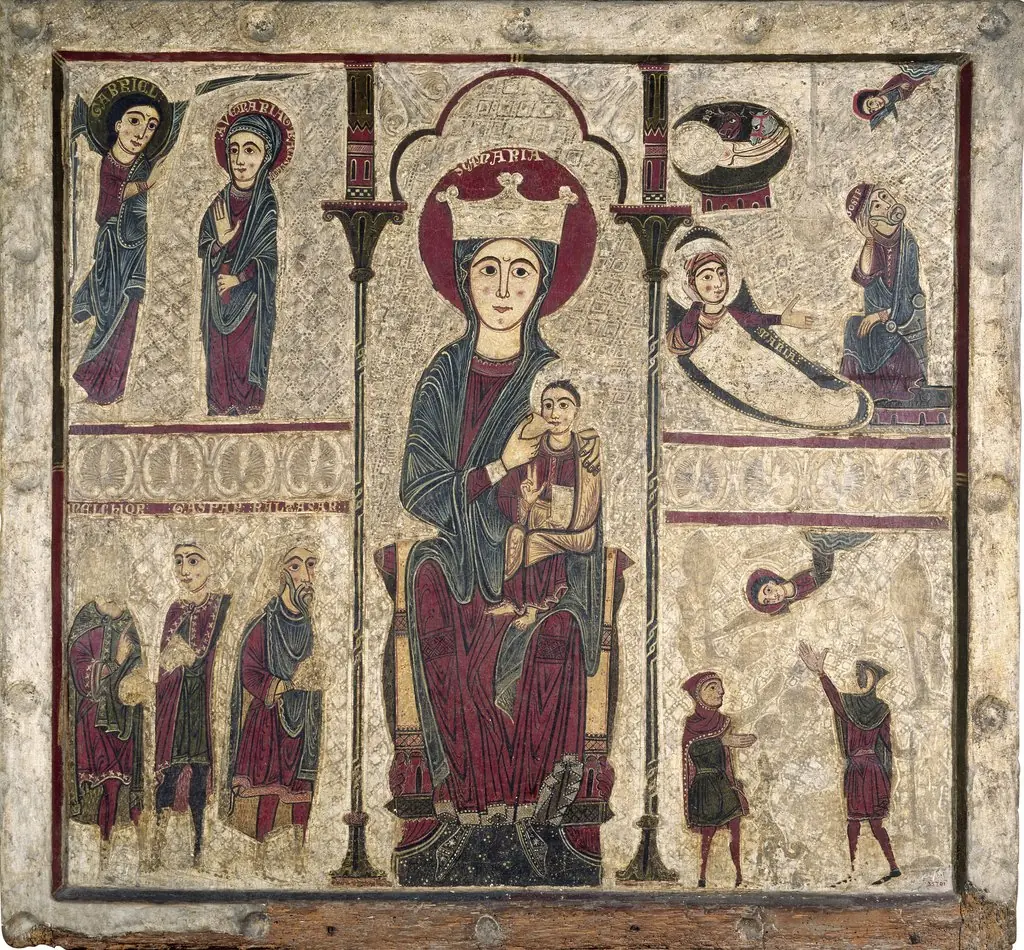 Altar frontal from Rigatell
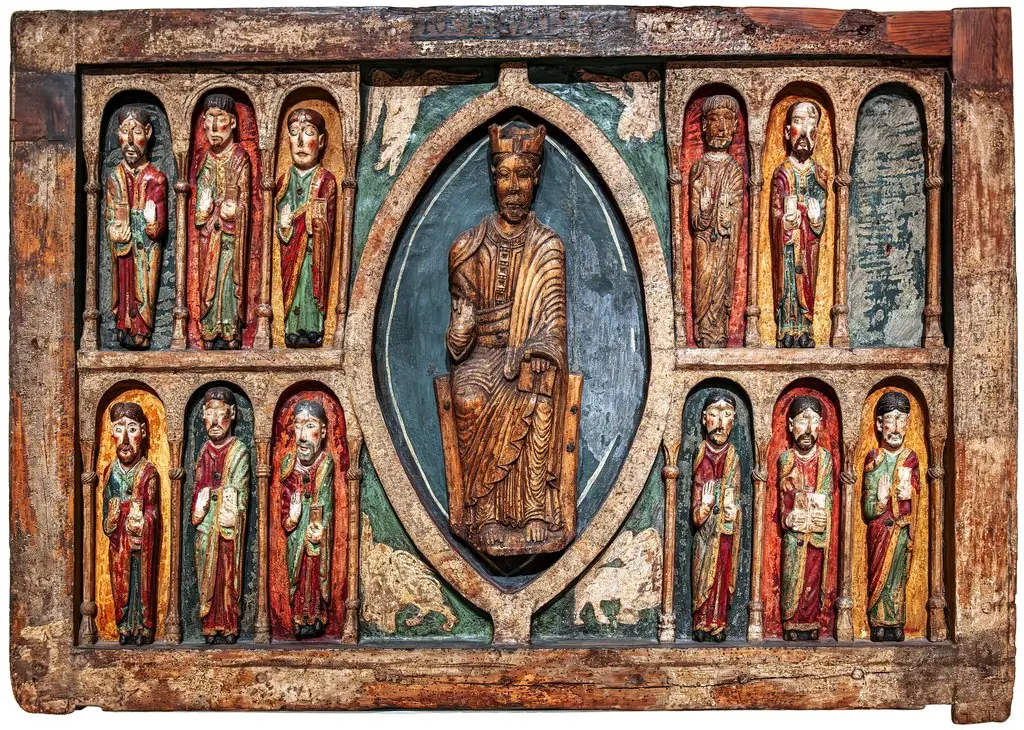 Altar frontal from Santa Maria in Taüll
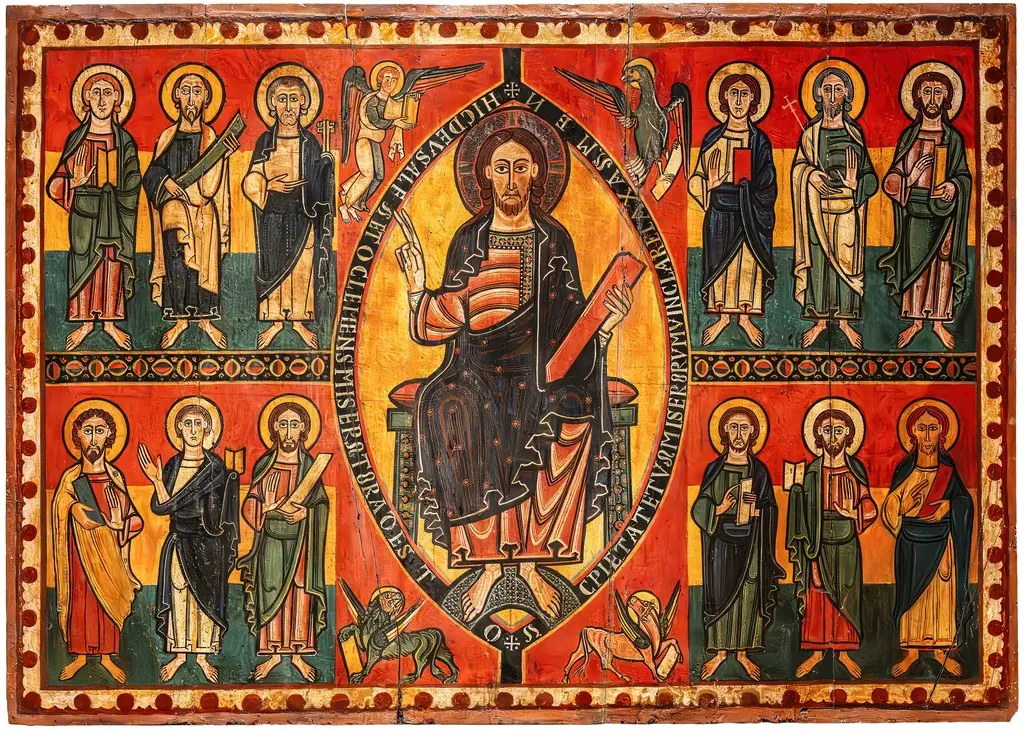 Altar frontal from Esquius
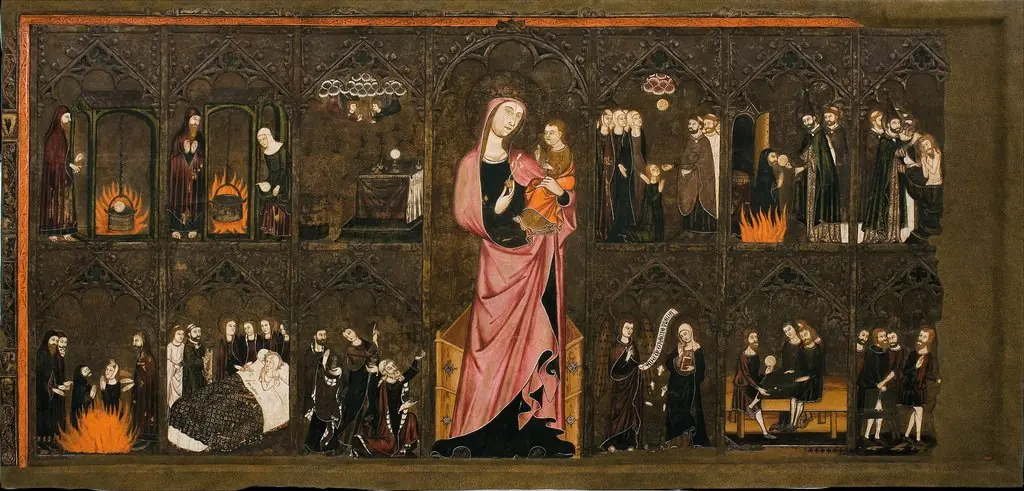 Altar frontal of the Corpus Christi
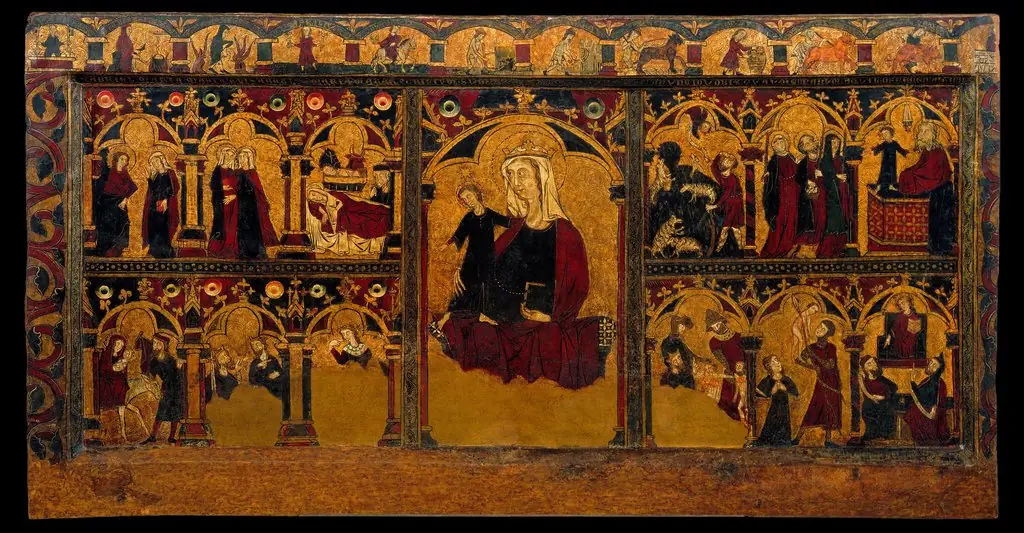 Altar frontal of Jesus' childhood
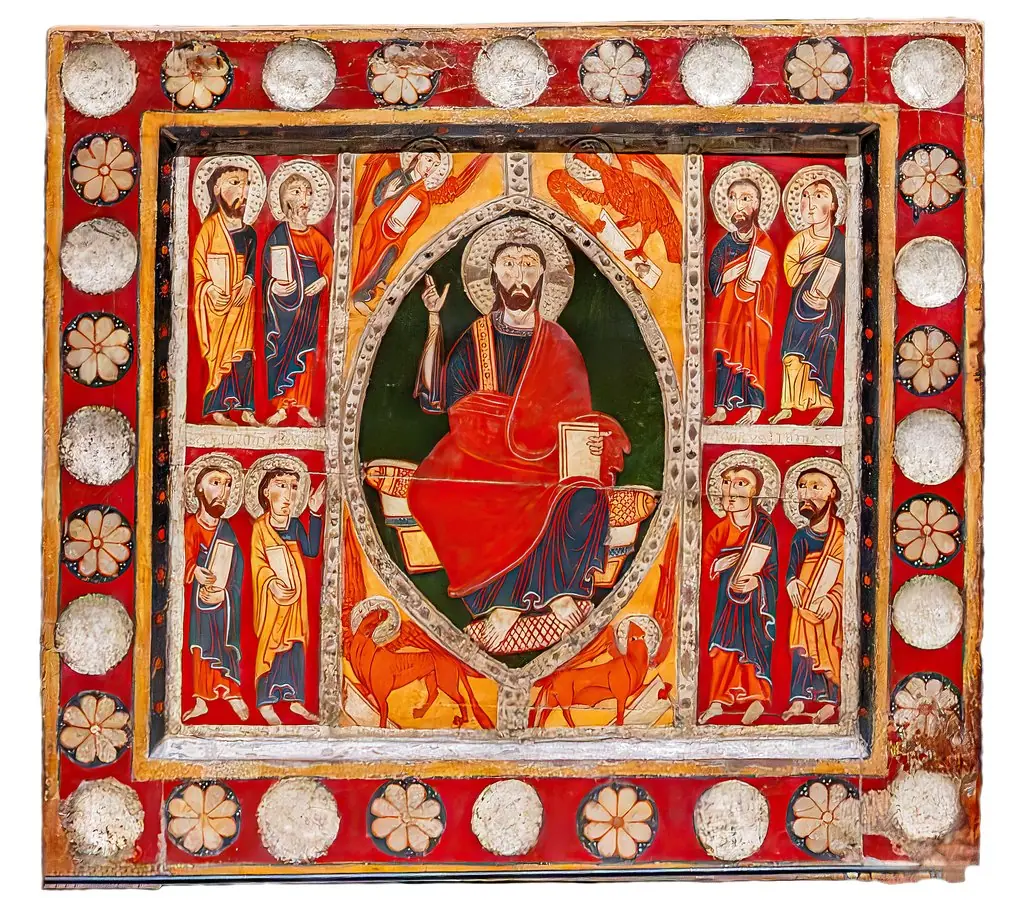 Altar frontal from Sant Romà de Vila
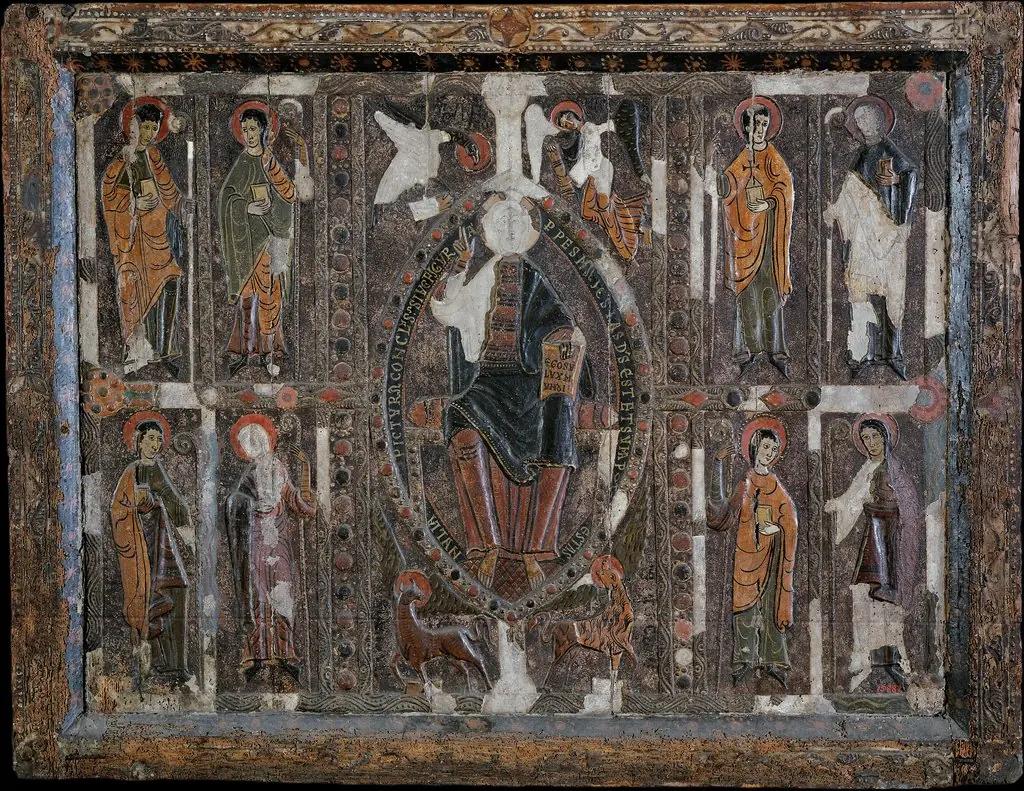 Altar frontal from Planès
 Altar frontal