Artwork
Baroana Sophia Katharina von Brukenthal născută von Klocknern. Pandant: Baronul Samuel von Brukenthal.
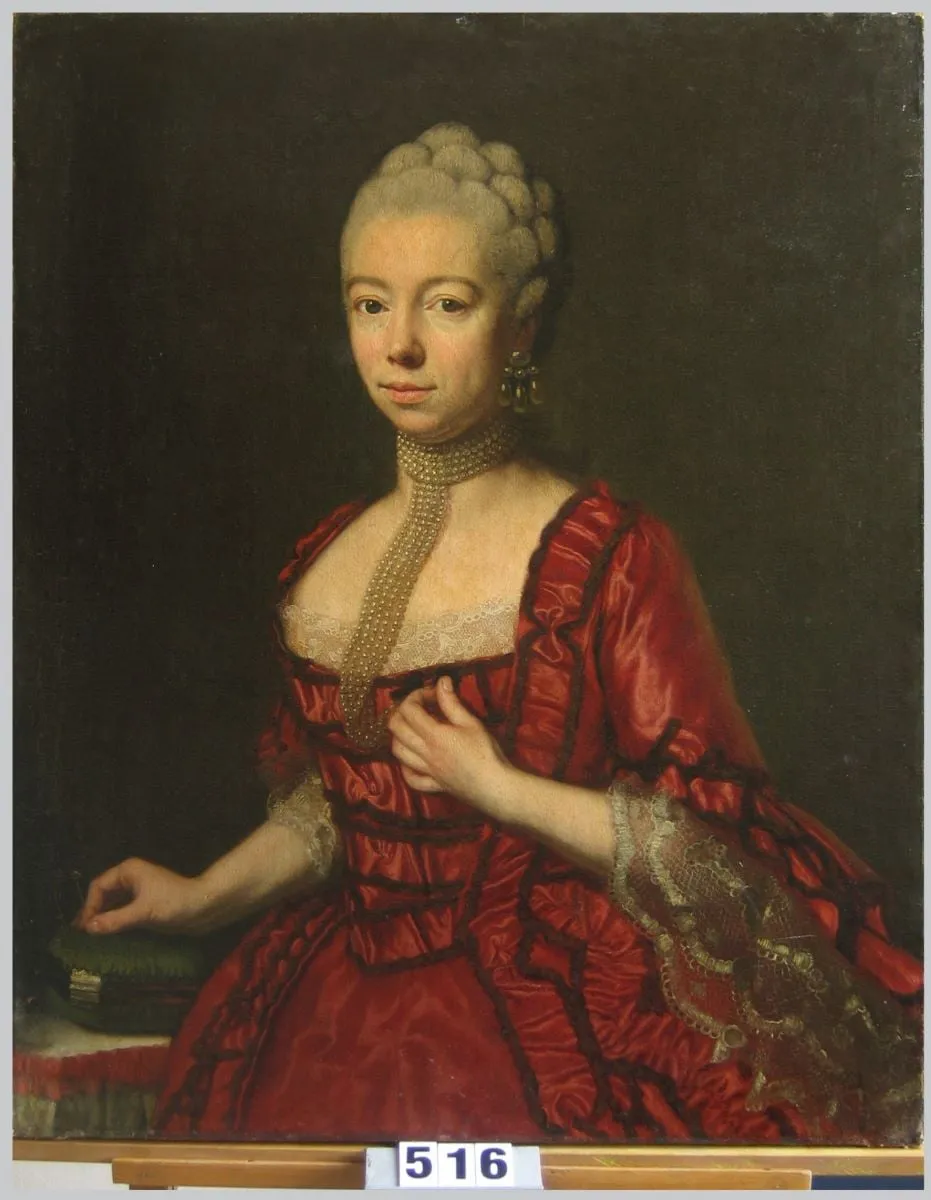
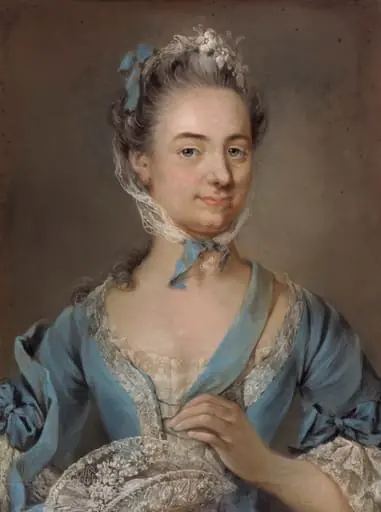
Baroana Sophia Katharina von Brukenthal născută von Klocknern. Pandant: Baronul Samuel von Brukenthal. is a print by the Rococo painting artist Unknown. It dates from 1850 and is held in the collection of the Brukenthal National Museum. This portrait depicts Katharina von Brukenthal, née von Klocknern, wife of Baron Samuel von Brukenthal.
About this work
Overview
Painted in the late 18th century, it captures her in formal aristocratic attire against a dark, unobtrusive background.
This portrait depicts Katharina von Brukenthal, née von Klocknern, wife of Baron Samuel von Brukenthal. Painted in the late 18th century, it captures her in formal aristocratic attire against a dark, unobtrusive background. The composition emphasizes her presence through controlled lighting and rich textile detail, typical of portraiture among Central European nobility during the Enlightenment era.
Subject & Meaning
Katharina is portrayed with poise and dignity, her attire signaling wealth and social standing. The red dress, pearl jewelry, and delicate fan reflect both fashion and status, while her composed posture and direct gaze convey self-assurance. The absence of symbolic objects or settings focuses attention on her identity as a noblewoman, reinforcing familial prestige rather than narrative or allegory.
Technique & Style
The artist employs chiaroscuro to model the face and fabric with subtle gradations of light and shadow, lending volume and realism. The red dress, sharply contrasted against the dark background, draws the eye while the soft rendering of skin and hair adds tactility. Brushwork is precise yet restrained, avoiding excessive ornamentation in favor of refined elegance characteristic of late Baroque portraiture.
History & Provenance
The portrait was likely commissioned by or for the Brukenthal family, prominent Transylvanian nobles with ties to the Habsburg court. Samuel von Brukenthal, a governor and collector, maintained an extensive art collection now housed in the Brukenthal National Museum. This painting, along with its companion portrait of her husband, formed part of their private gallery, preserved through generations.
Context
In late 18th-century Transylvania, portraiture served as a tool for asserting aristocratic identity amid shifting political landscapes. The choice of bold color and minimalist background aligns with trends among Central European elites influenced by Viennese court styles. Such portraits were not merely personal mementos but statements of lineage, taste, and connection to broader imperial culture.
Legacy
The portrait remains part of the Brukenthal Collection, one of the oldest and most significant art holdings in Romania. Its preservation offers insight into the visual culture of Transylvanian nobility and the role of portraiture in sustaining familial legacy. Alongside Samuel’s portrait, it continues to inform scholarly study of regional aristocratic identity in the Habsburg periphery.
Artist & collection









 Ana Maria de Orleans, soția regelui Victor Amedeu al II-lea de Savoia (în registrulinventar: „Soția regelui Emanuel al Sardiniei”); pandant: Victor Amedeu al II-lea, regele Savoiei
 Portrait of Urszula Dembińska née Morsztyn (1746–1825)
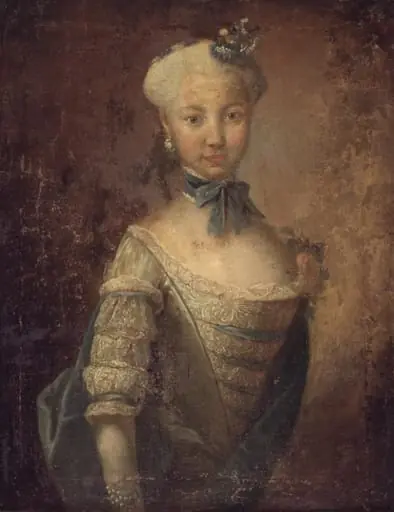 Portræt af en lille pige
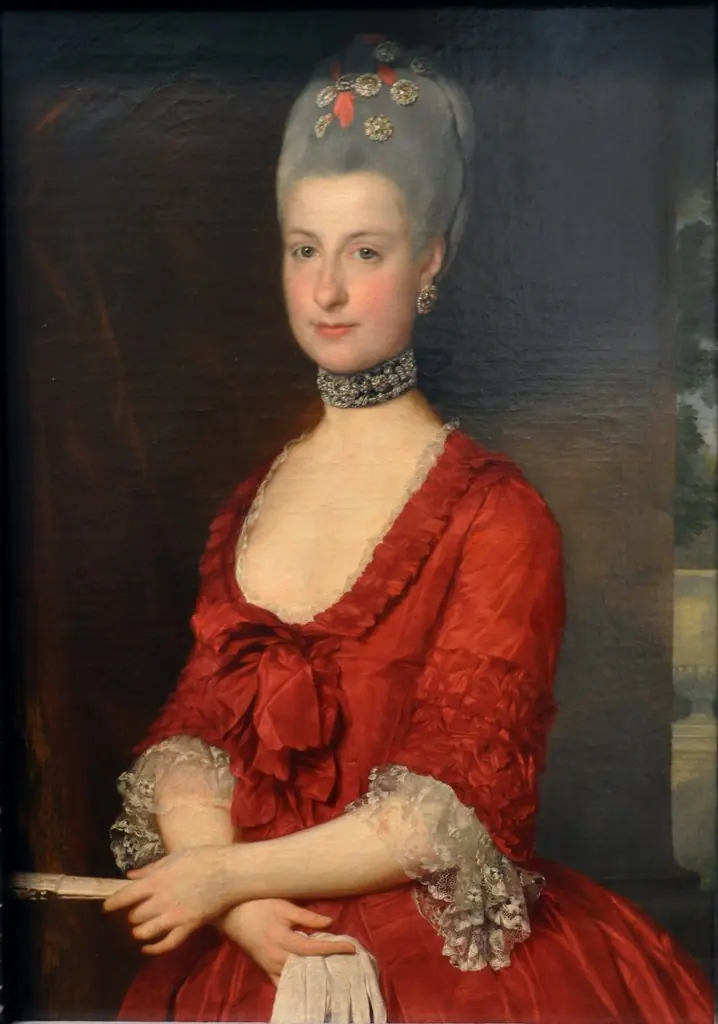 Portrait of Archduchess Maria Christina (1742-1798), Duchess of Teschen
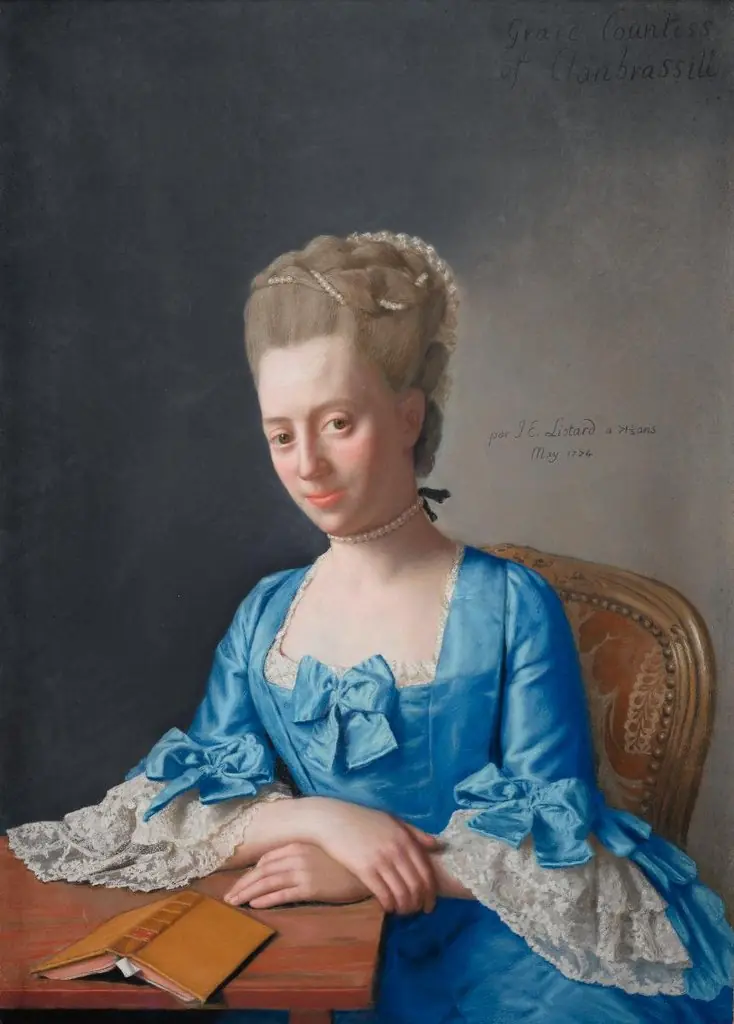 Grace, Countess of Clanbrassil
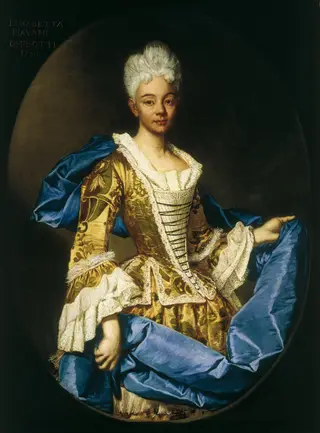 Portrait of Elisabetta Piavani Ghidotti
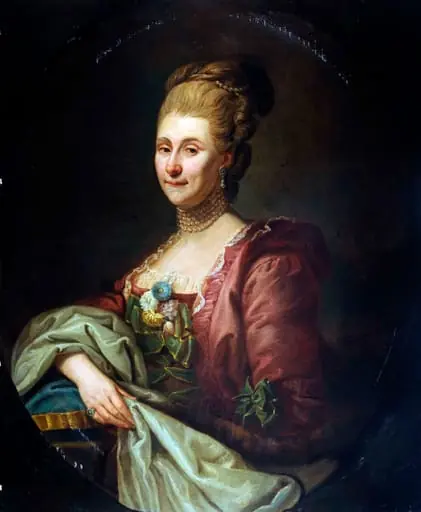 Portretul arhiducesei Maria Christina
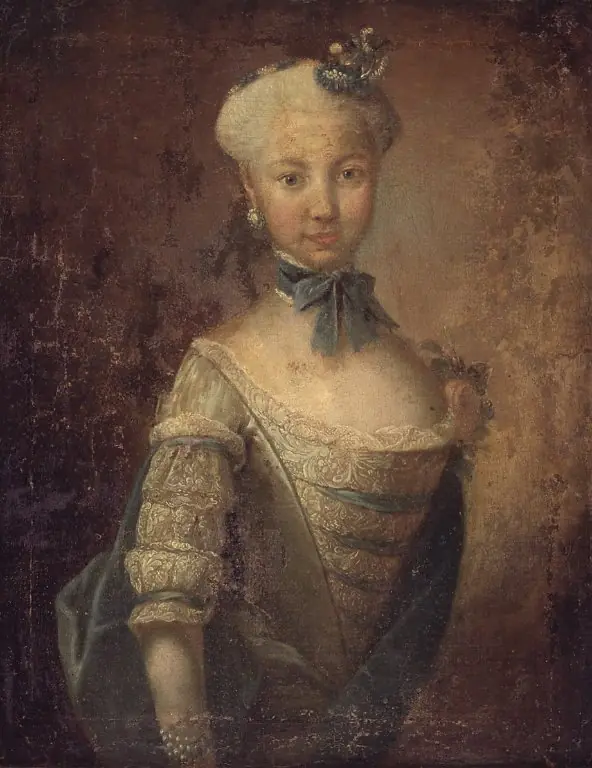 Portræt af en lille pige
 Portrait of M.I. Tatischeva
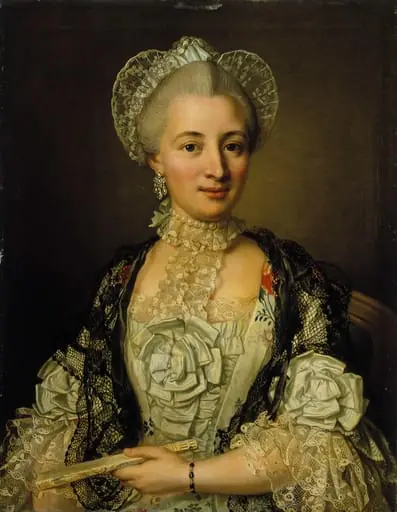 Naisen muotokuva
 Maria Ulrika Dævel
- Maria Theresia, arhiducesă de Austria ; în registrul inventar: Prințesă în haină albastră