Artwork
Bookplate: Ward Cameron
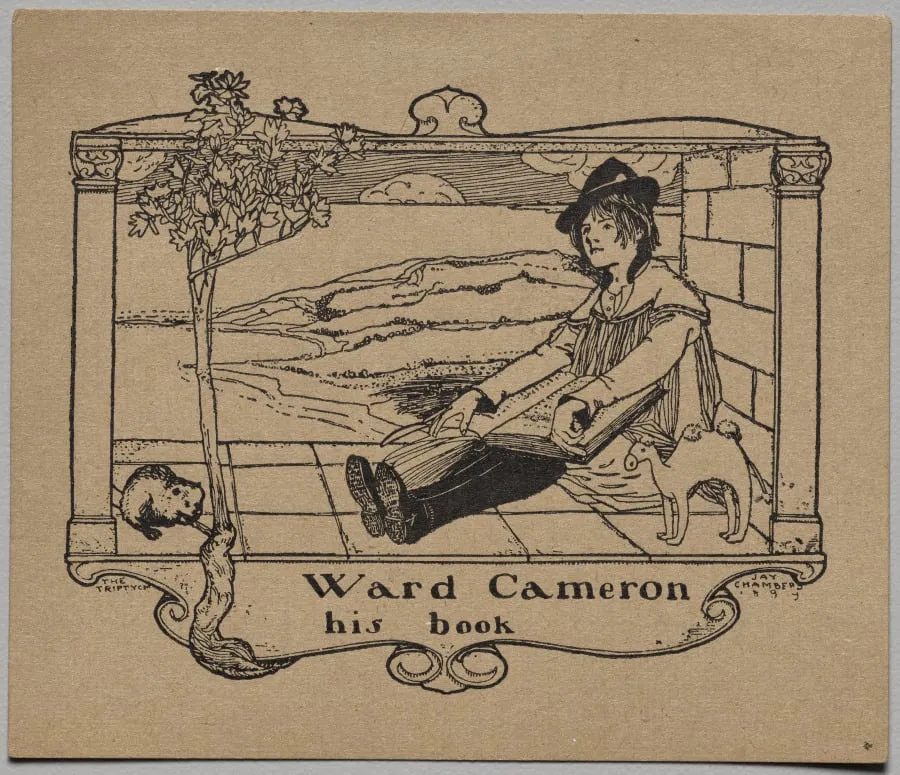
Bookplate: Ward Cameron is a print by the Impressionist artist Unknown. It dates from 1899 and is held in the collection of the Cleveland Museum of Art. This print is a bookplate, a small decorative label once affixed inside books to indicate ownership.
- Accession no.
- 1920.1326
- Credit line
- Gift of Arthur D. Brooks
About this work
Overview
The inscription beneath identifies the owner as Ward Cameron, signaling the plate’s personal function rather than artistic ambition.
This print is a bookplate, a small decorative label once affixed inside books to indicate ownership. It depicts a boy in 19th-century attire seated on a bench, holding a book and wearing a wide-brimmed hat. A stone wall, a leafy tree, and a curled dog form a quiet, domestic backdrop.
The inscription beneath identifies the owner as Ward Cameron, signaling the plate’s personal function rather than artistic ambition.
Subject & Meaning
The image portrays a young boy engaged in quiet reading, suggesting values of literacy and private contemplation. The inclusion of a dog implies companionship and domestic tranquility, reinforcing the idea of the book as a personal sanctuary. The plain inscription, 'Ward Cameron his book,' reflects a common practice of the time: marking ownership with modest, direct language rather than elaborate heraldry.
Technique & Style
Executed in fine linear detail, the plate uses controlled engraving or etching to render textures of fabric, bark, and stone. The composition is compact and balanced, with the boy centered against a simplified natural background. The style is unadorned, favoring clarity and legibility over ornamentation, typical of utilitarian bookplates designed for practical use rather than display.
History & Provenance
Bookplates like this were widely used in the 18th and 19th centuries among private collectors and middle-class families to assert ownership of personal libraries. Ward Cameron’s plate likely dates from this period, though its exact origin remains undocumented. Its survival suggests it was preserved with the book it once marked, possibly within a family collection or later acquired by a museum.
Context
During the 1800s, book ownership became a marker of education and social standing. Bookplates served as both practical identifiers and subtle expressions of identity, often featuring familial symbols, coats of arms, or scenes of learning. This example, with its unpretentious imagery, reflects the tastes of a non-aristocratic owner who valued reading as a private, everyday pursuit.
Legacy
Though modest in scale and detail, such bookplates offer insight into the material culture of reading in earlier centuries. They reveal how individuals personalized their libraries and how print technology enabled widespread access to self-identification through art. Today, they are studied as artifacts of domestic life and the history of the book.
Artist & collection









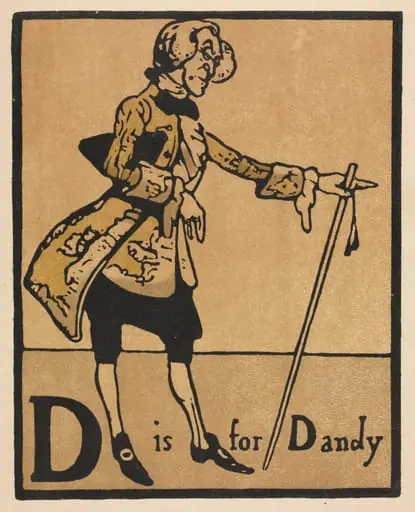
- An Alphabet: D is for Dandy
 Untitled
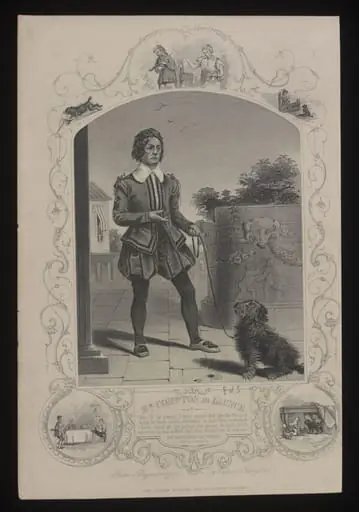 Mr. Compton as Launce
 The House that Jack Built
 Specimens of Polyautography: Boy Seated on a Grassy Bank
 Un léger coup de vent
 Brownies at Home - Twelve Vignettes
 As You Like It
 I'm Perfectly Happy
 Saint Margaret
 H Beard Print Collection
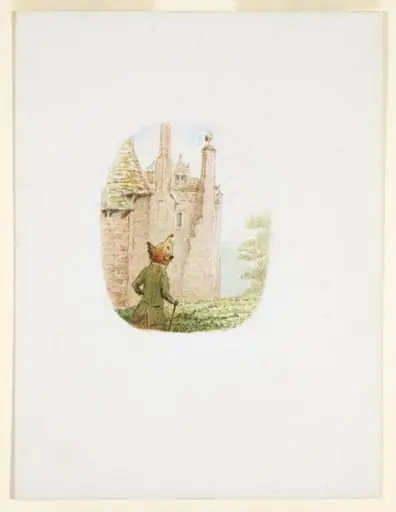 The fox looks up at the stork standing on top of a tower