Artwork
Calvary of Hendrik van Rijn
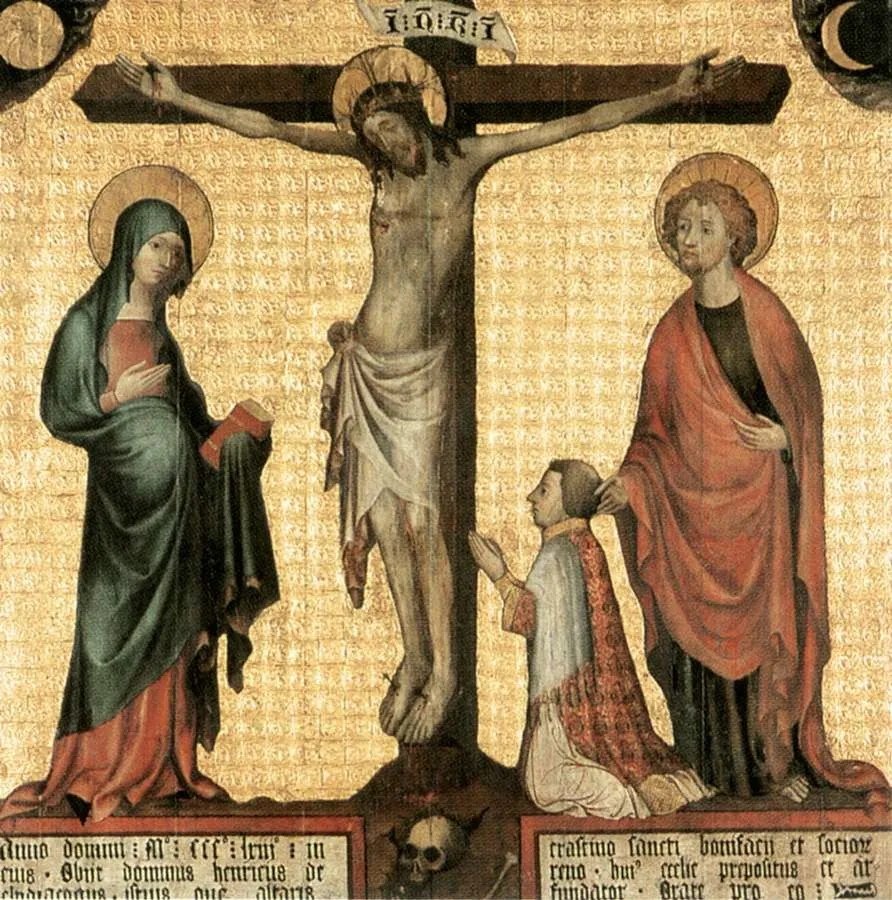
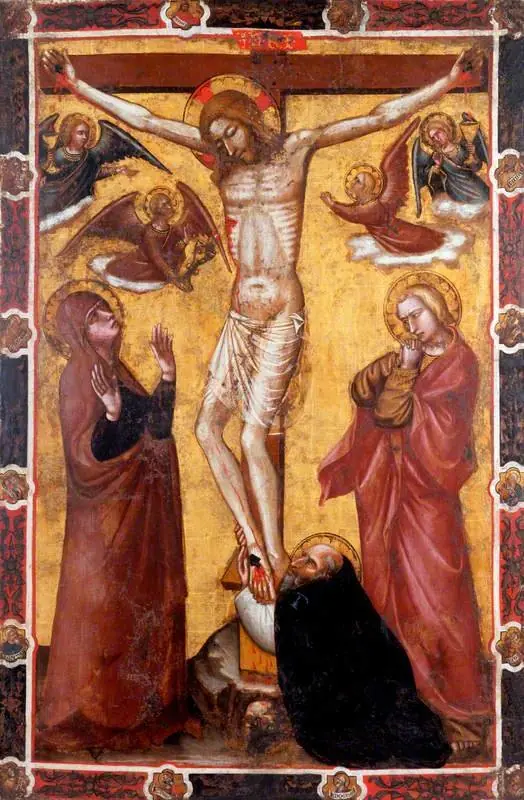
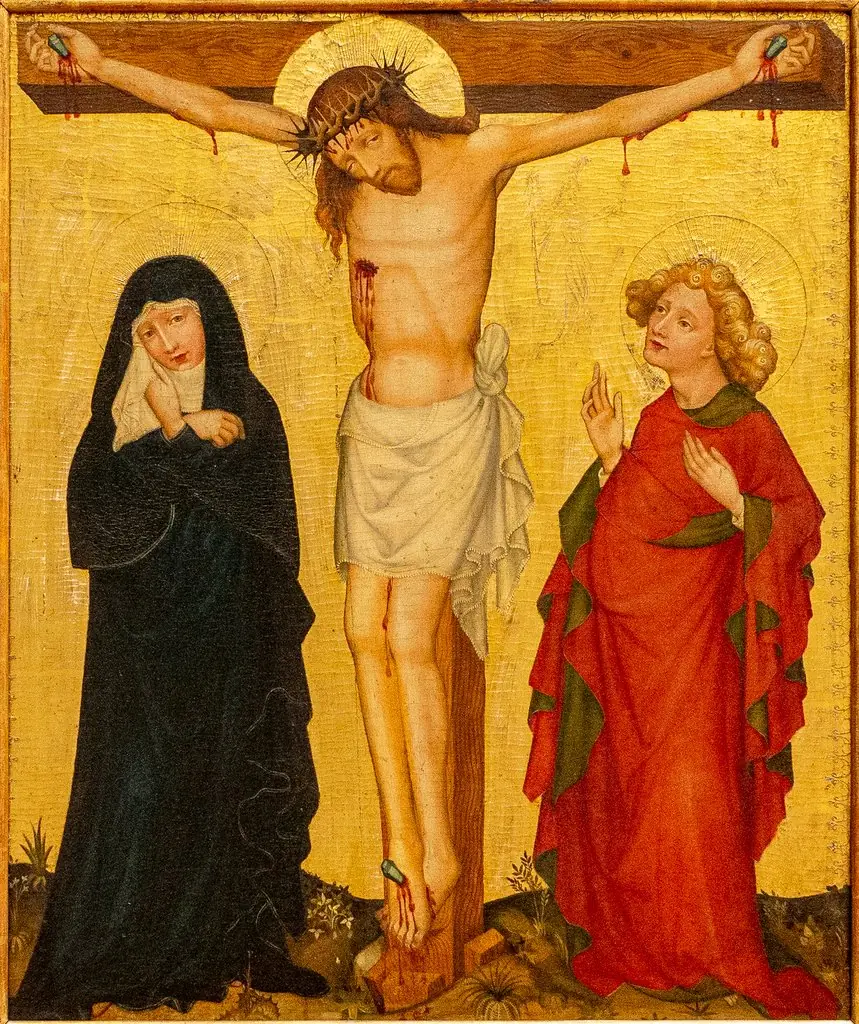
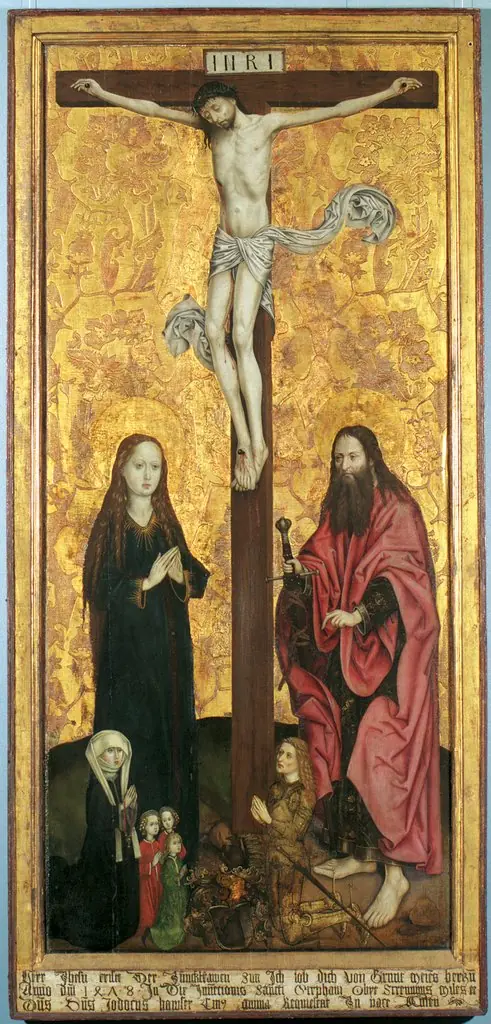
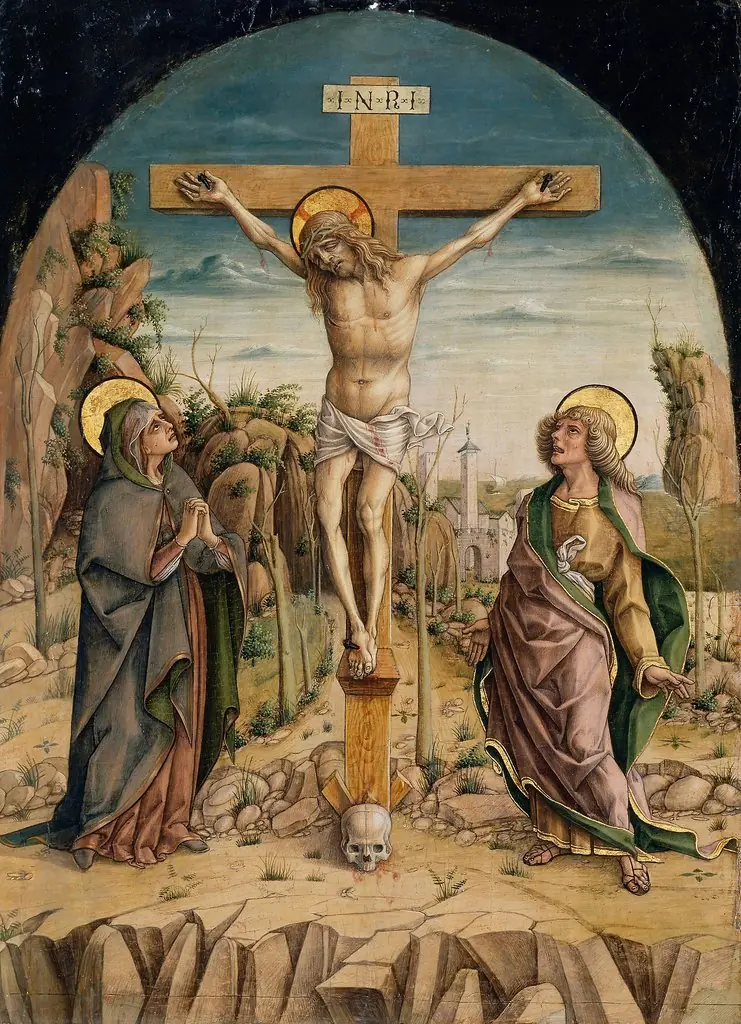
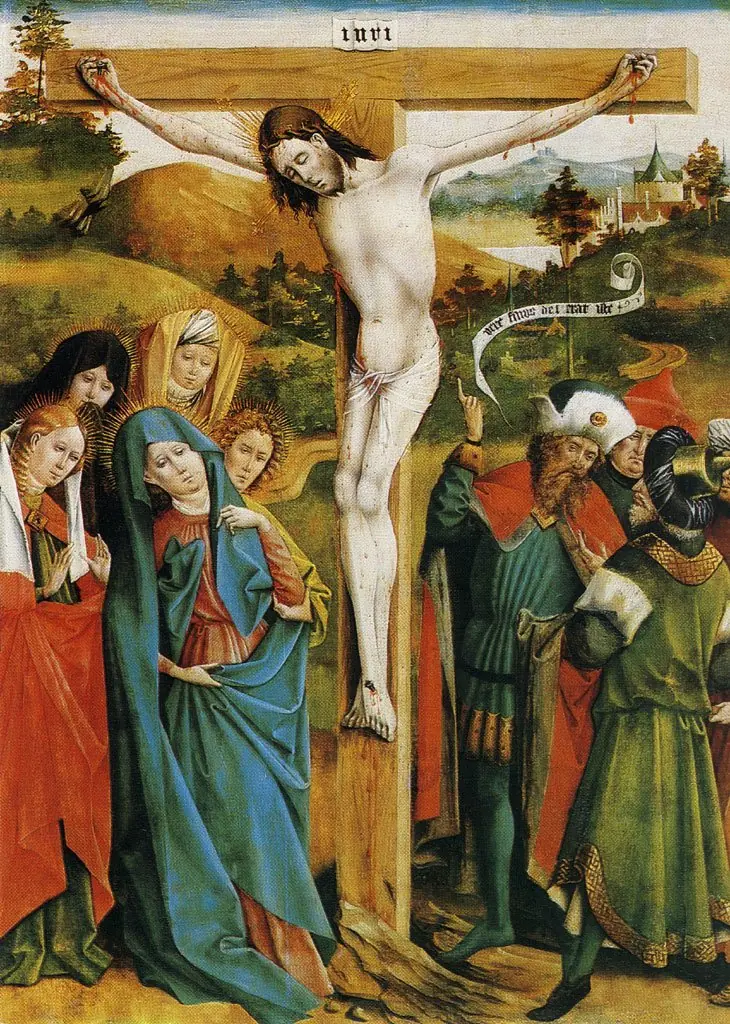
Calvary of Hendrik van Rijn is an oil painting by the Gothic painting artist Unknown. It dates from 1363 and is held in the collection of the Royal Museum of Fine Arts Antwerp.
About this work
The Calvary of Hendrik van Rijn is a panel painting. It was made in 1363. This painting is one of the earliest surviving panel paintings from the Low Countries. It's also known as the Hendrik van Rijn Crucifixion and has a catalog number in the museum where it's held.
Overview
Created in 1363, the Calvary of Hendrik van Rijn is an oil‑on‑panel work that survives as one of the oldest examples of panel painting from the Low Countries. It is presently listed as catalogue number 519 in the Royal Museum of Fine Arts, Antwerp, and is also referred to as the Hendrik van Rijn Crucifixion.
Subject & Meaning
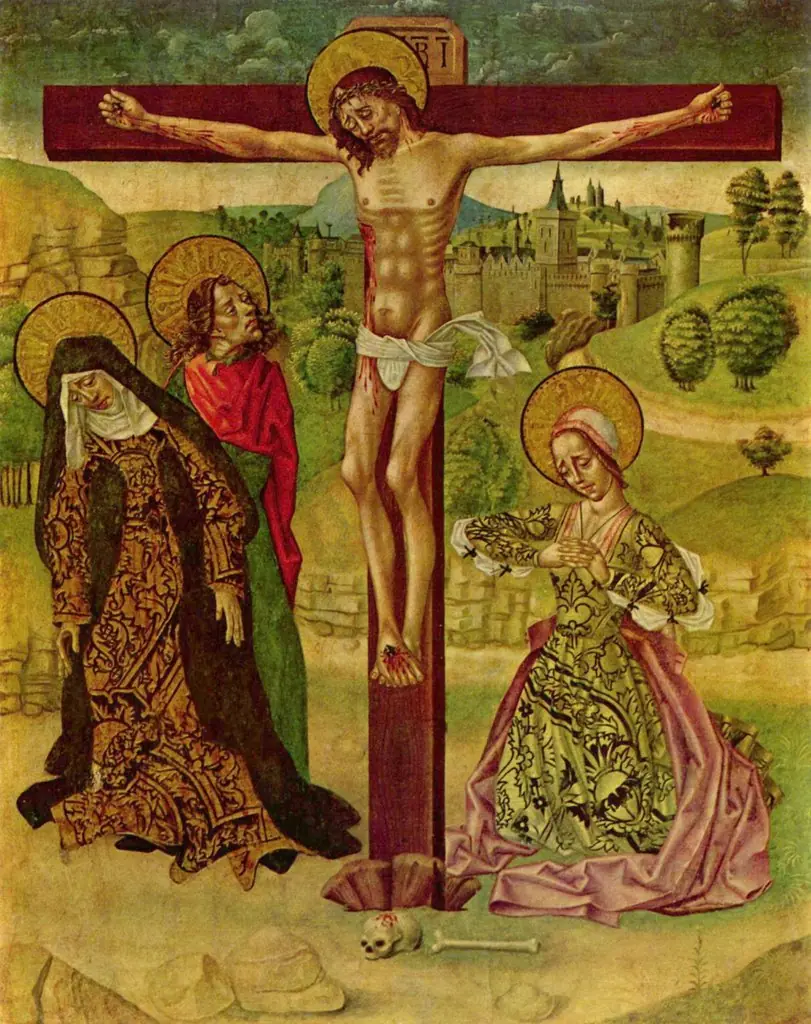
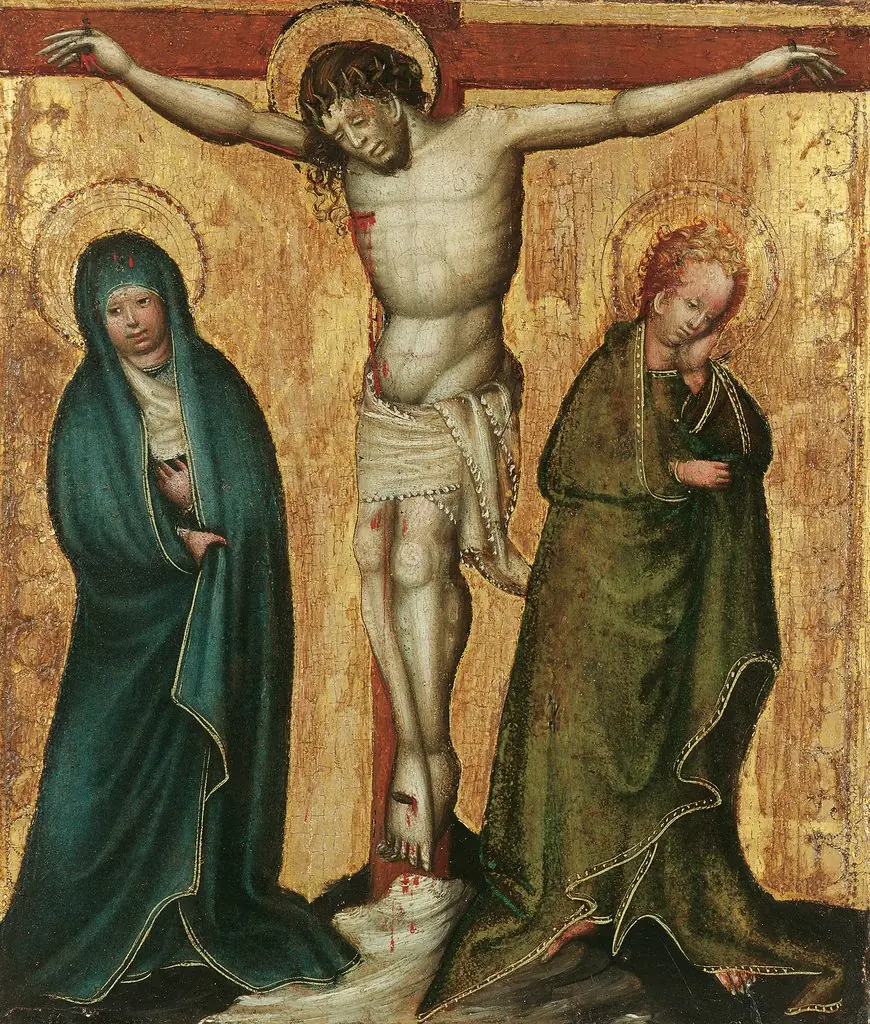
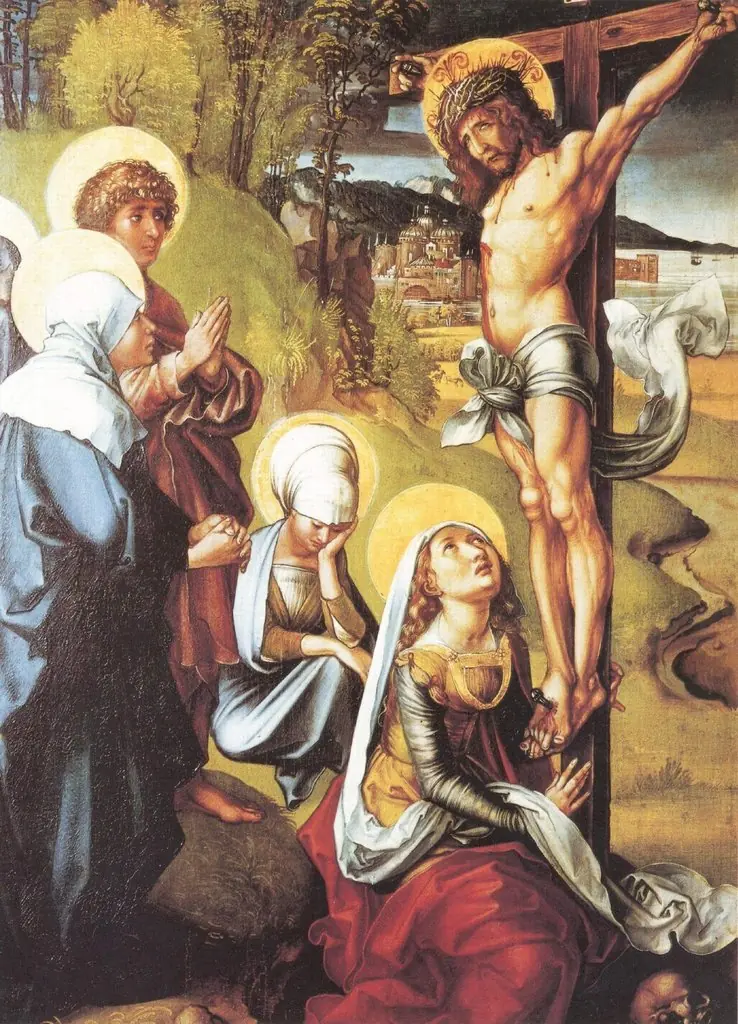
The composition depicts the Crucifixion, serving as a memorial image placed above the tomb of Hendrik van Rijn, the provost and archdeacon of Utrecht. A Latin inscription beneath the scene records the date of his death on Saint Boniface’s feast day and requests prayers for his soul, linking the visual narrative to its funerary function.
Technique & Style
Executed in oil on a wooden panel, the painting shows the early adoption of oil pigments in the region, allowing for subtle modelling of flesh and drapery. The figures are rendered with a relatively flat, linear quality typical of mid‑fourteenth‑century northern art, while the limited colour palette emphasizes the solemnity of the subject.
History & Provenance
Commissioned by the deceased himself, the work was likely painted by a travelling artist from northern France or the southern Netherlands, reflecting cross‑regional artistic exchange. After serving as a memorial in Utrecht’s St. Janskerk, the panel entered the collection of the Royal Museum of Fine Arts, Antwerp, where it remains on display.
Context
The panel belongs to a period when devotional images began to be produced for private and ecclesiastical commemoration rather than solely for liturgical use. Its creation shortly after the Black Death illustrates the heightened concern for intercessory prayer and the role of visual art in mediating remembrance within the medieval church.
Artist & collection