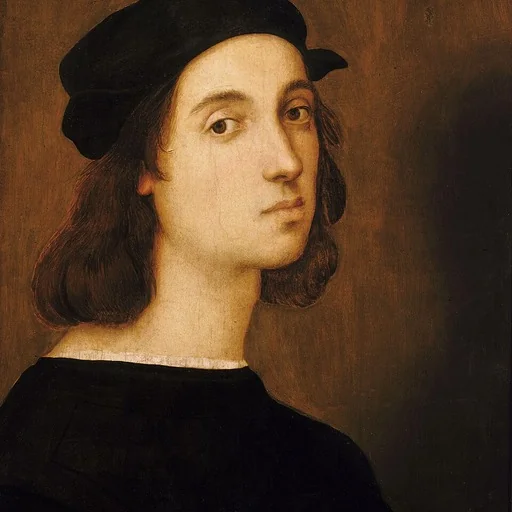
Subject
John the Apostle
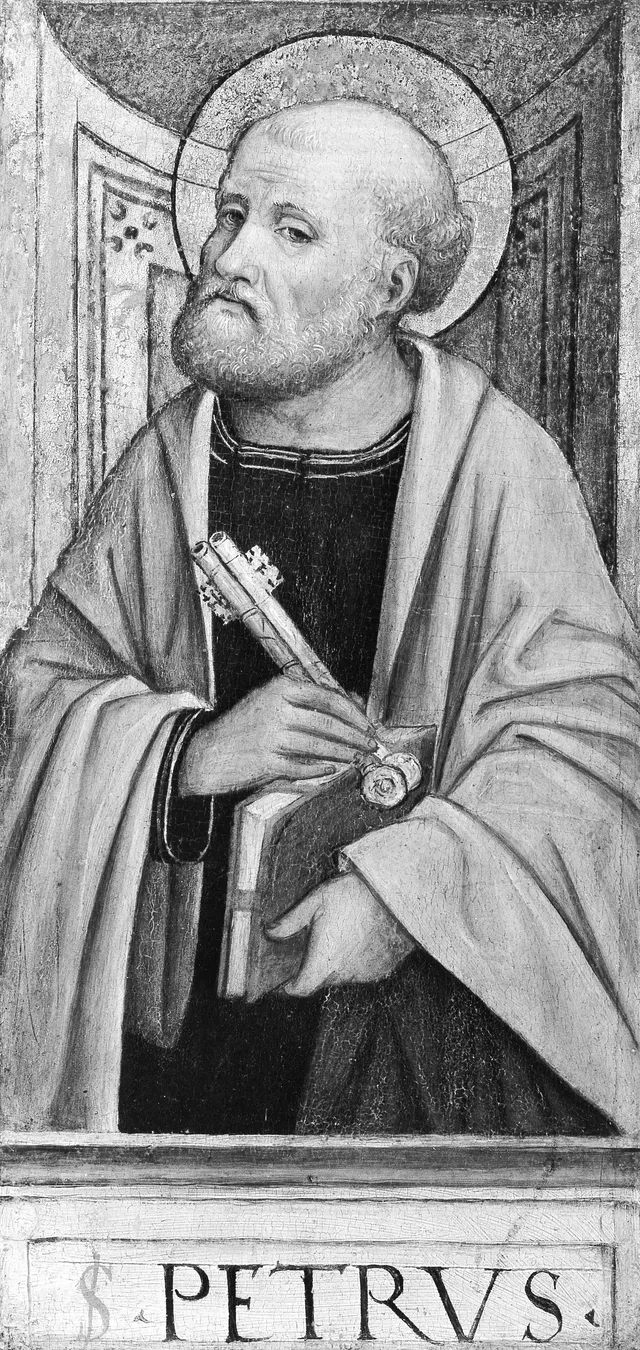
John the Apostle is a subject in art. The gallery holds 34 works in this subject in art, including works by Raphael, Rembrandt van Rijn and Peter Paul Rubens.
John the Apostle (Ancient Greek: Ἰωάννης; Latin: Ioannes; c. 6 AD – c. 100 AD), also known as Saint John the Beloved and, in Eastern Orthodox Christianity, Saint John the Theologian, was one of the Twelve Apostles of Jesus according to the New Testament. Generally listed as the youngest apostle, he was the son of Zebedee and Salome.
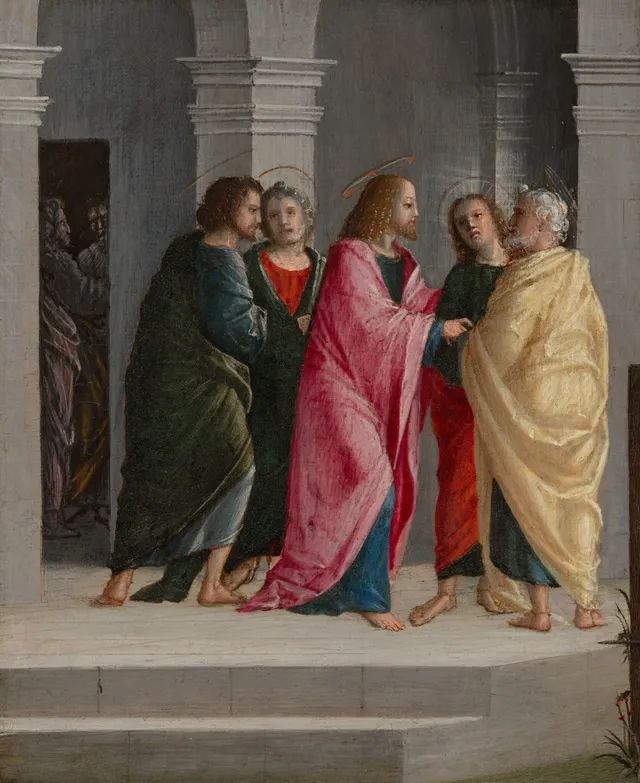
Key artists

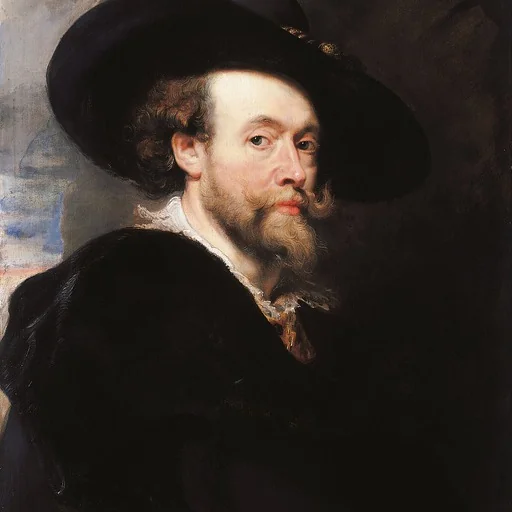
Overview
John the Apostle, also known as Saint John the Beloved and Saint John the Theologian in Eastern Orthodox Christianity, was one of the Twelve Apostles of Jesus according to the New Testament. Born circa 6 AD and dying circa 100 AD, he was the son of Zebedee and Salome and the younger brother of James the Great. A fisherman on the Sea of Galilee, he was called by Jesus alongside his brother and given the Aramaic surname Boanerges, meaning sons of thunder. Church Fathers traditionally identify him as the Beloved Disciple, John the Evangelist, John of Patmos, and John the Elder, claiming he outlived the other apostles and died of natural causes. Modern scholars remain divided on these identifications, with many concluding he wrote none of the Johannine works, though traditional authorship is still affirmed by some.
Iconography & meaning
In Christian art, John the Apostle carries several distinct attributes reflecting his traditional biography and theological contributions. Because he is considered the youngest apostle and lived until the reign of Emperor Trajan, he is uniquely depicted as beardless, contrasting with the bearded older apostles. As an evangelist, his symbol is the eagle, a motif present since the 4th century and part of the tetramorph, representing the lofty theology of his gospel. His most common iconographic attribute is a chalice with a snake, referencing the Golden Legend account where he survived a cup of poison to prove Christian superiority over idolatry. Less frequently, his martyrdom is depicted, showing him seated in a boiling oil cauldron, a tradition commemorated by the Roman church San Giovanni in Oleo.
Across movements & periods
The artistic representation of John has shifted alongside broader changes in Christian theology and ecclesiastical tradition. Early church art and medieval traditions emphasized his role as the contemplative theologian and the Beloved Disciple, often isolating him with the eagle symbol in tetramorphs. During the late medieval and Renaissance periods, narrative cycles from the Golden Legend gained popularity, leading to dramatic depictions of the poisoned chalice and the boiling oil martyrdom, such as those by Albrecht Durer and Hans Fries. These later depictions emphasized miraculous survival and divine protection, contrasting with earlier, more solemn portrayals of his intimate proximity to Christ at the Last Supper and the Crucifixion.
Notable depictions
Notable artistic depictions of John the Apostle often focus on his apocalyptic visions and martyrdom. Albrecht Durer included John in his Apocalypse woodcut cycle, visualizing the visions traditionally attributed to him on Patmos. Hans Fries painted a notable depiction of John in the boiling oil cauldron. Beyond these specific scenes, John is a central figure in depictions of the Last Supper, where he is shown reclining on Jesus, and at the Crucifixion, where he receives Mary as his charge. His partnership with Peter is also a frequent subject, illustrating their joint leadership in the early Church and miracles like the healing of the lame man.
Legacy
The legacy of John the Apostle extends deeply into Christian theology, ecclesiastical tradition, and popular patronage. Traditionally recognized as one of the three Pillars of the Church alongside Peter and James, his influence permeates the Johannine literature. His feast day is celebrated on December 27 in Catholic, Anglican, and many Protestant churches, and on September 26 in the Orthodox Church. He is the patron saint of Asia Minor, Umbria, and various dioceses, as well as numerous guilds including painters, sculptors, booksellers, and glaziers. He is invoked against poison, burns, and hail. His legendary survival of the boiling oil and the poisoned chalice cemented his cultural identity as a figure of divine protection and endurance.
Works
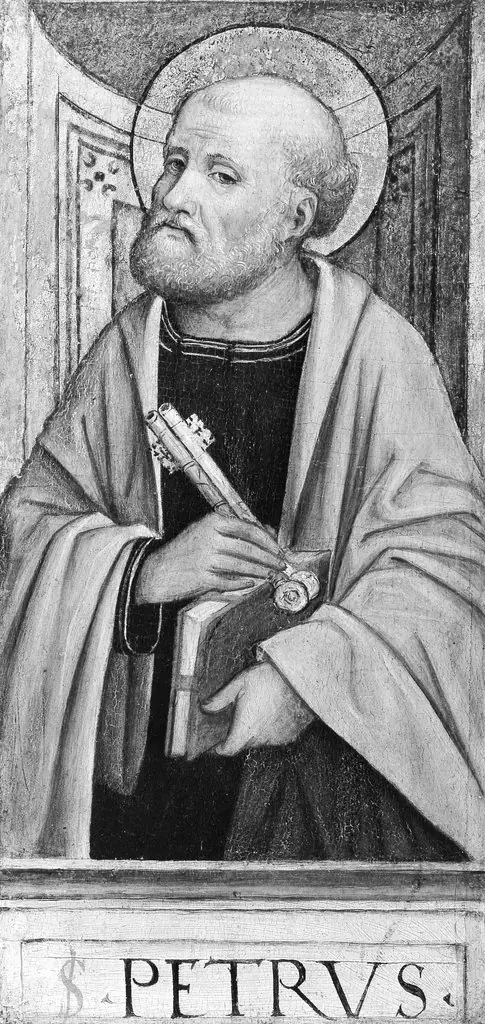 The Twelve Apostles: Saints Bartholomew, Andrew, Matthew, James the Greater, Thaddeus, Philip, James the Lesser, Simon, Peter, Paul, Thomas, and John
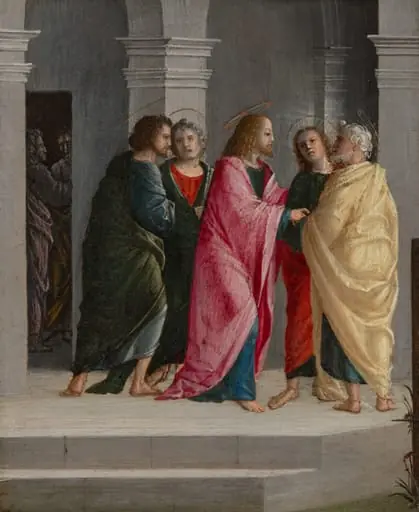 Christ Instructing Peter and John to Prepare for the Passover
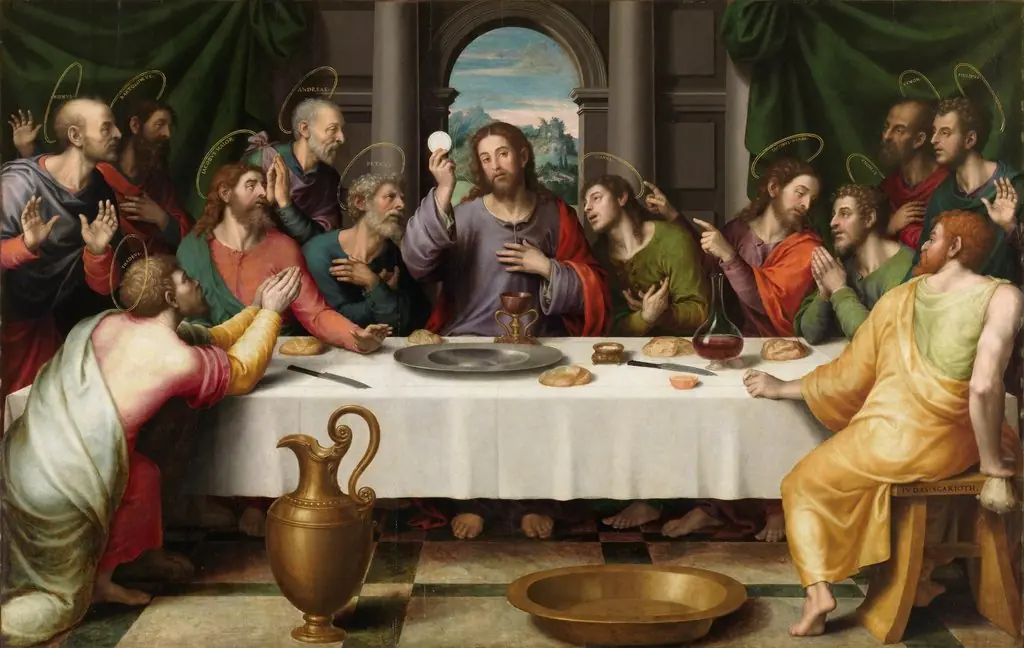 The Last Supper
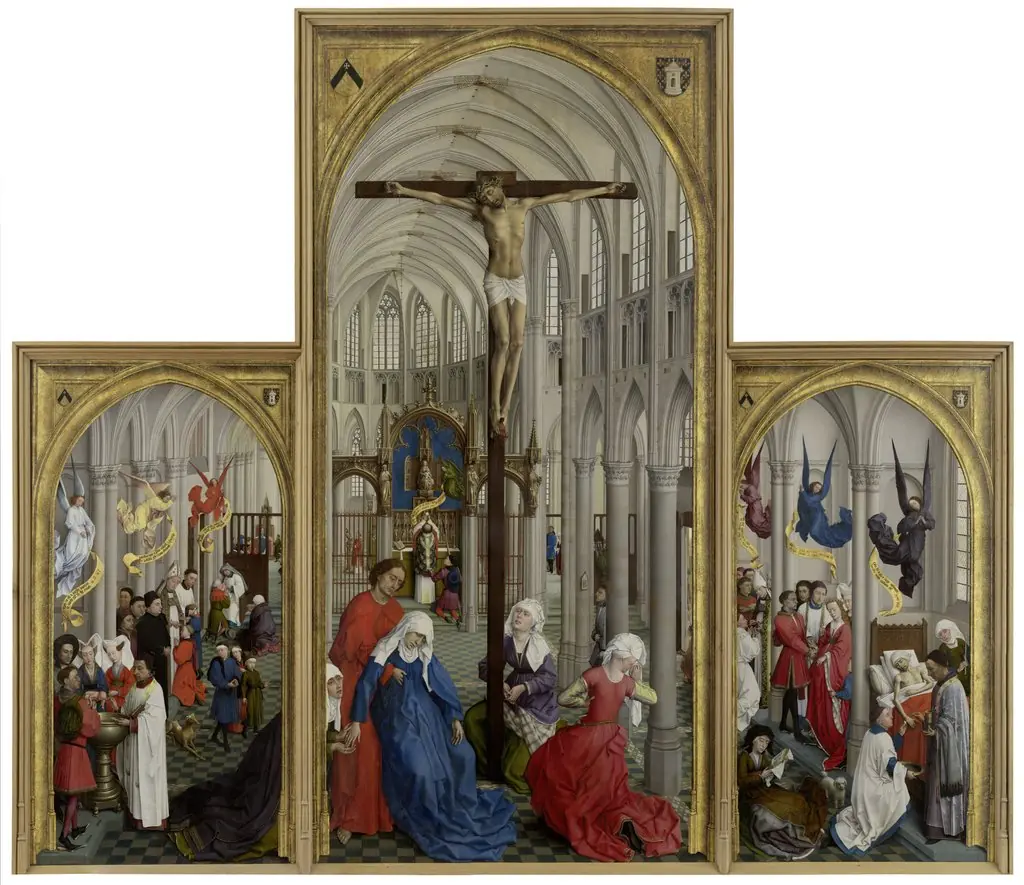 The Seven Sacraments
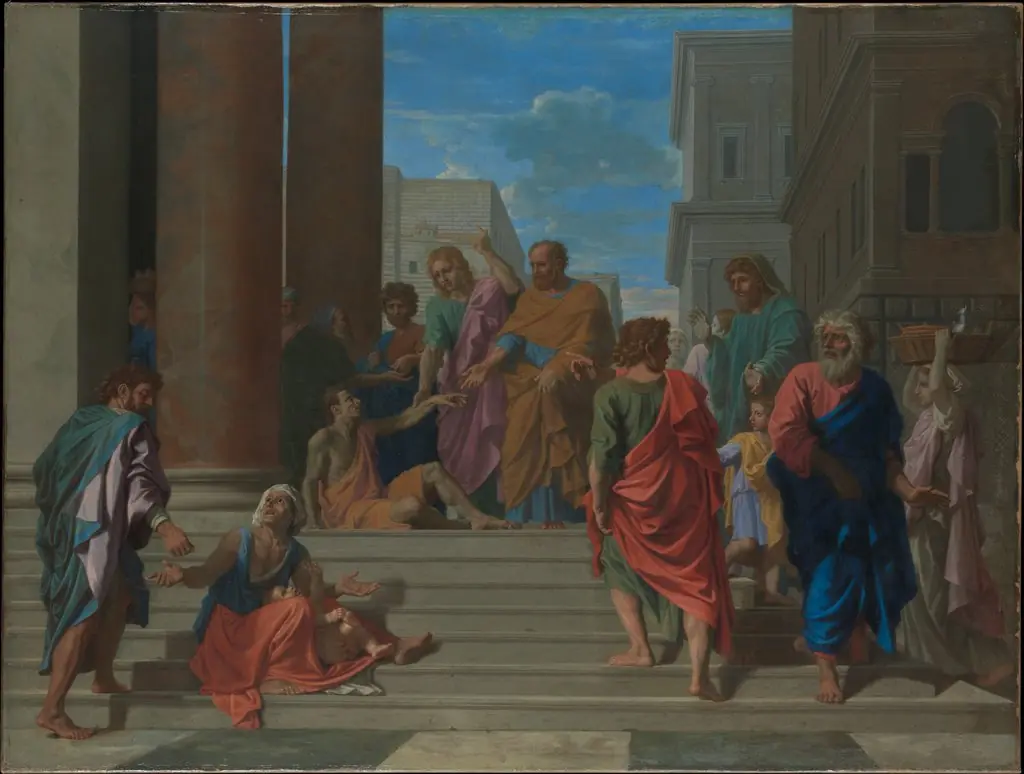 Saints Peter and John Healing the Lame Man
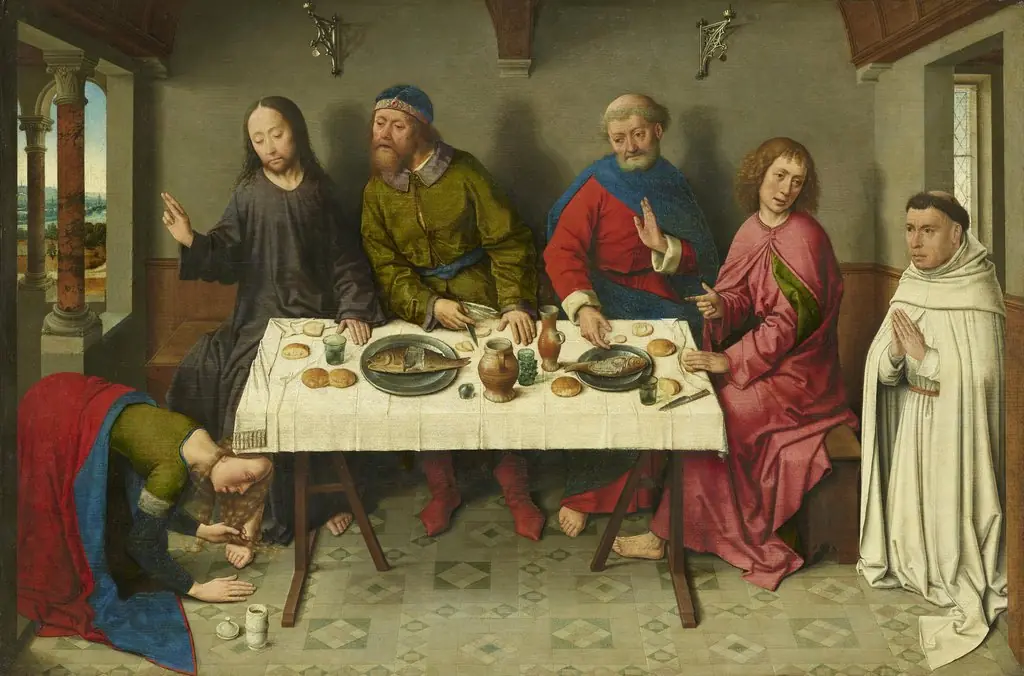 Christ in the house of the Pharisee Simon
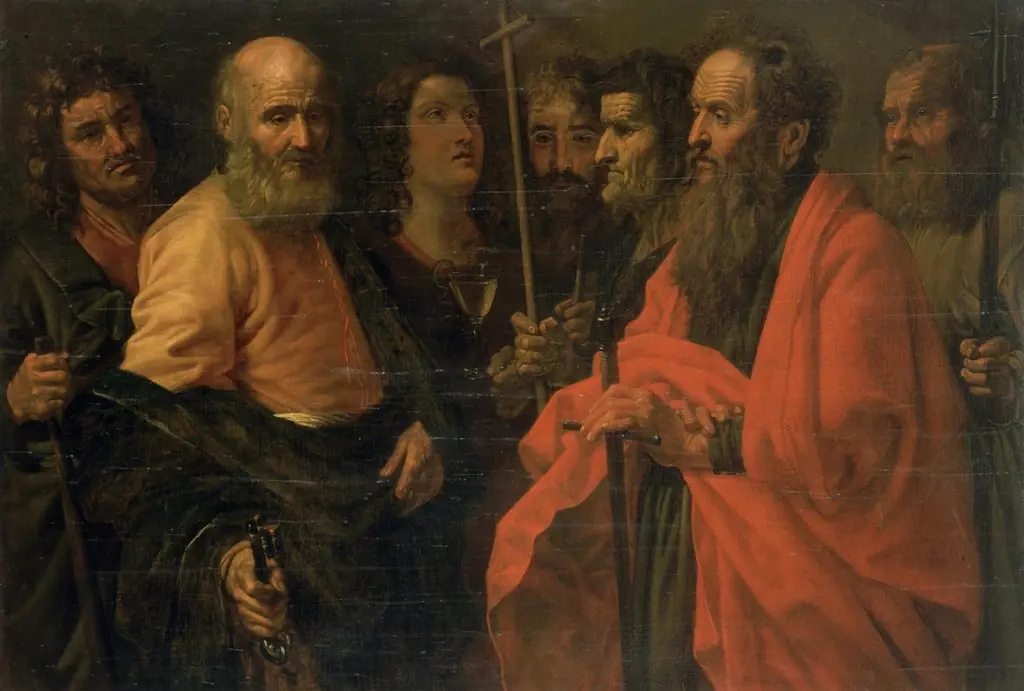 St James the Less, Sts Peter, Paul, John, Thomas, Philip, Judas and Thaddeus the Apostles
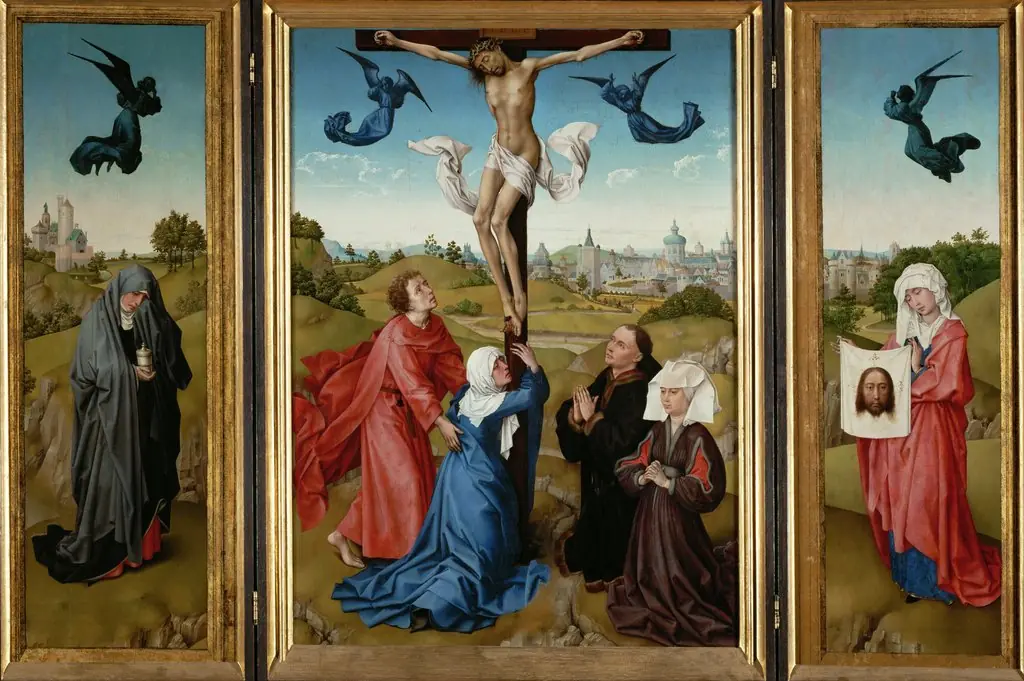 Crucifixion Triptych
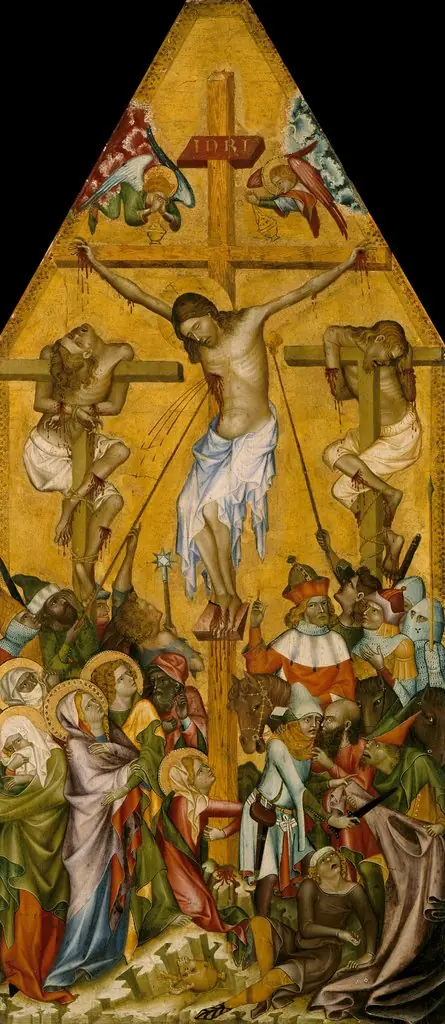 The Crucifixion of Christ
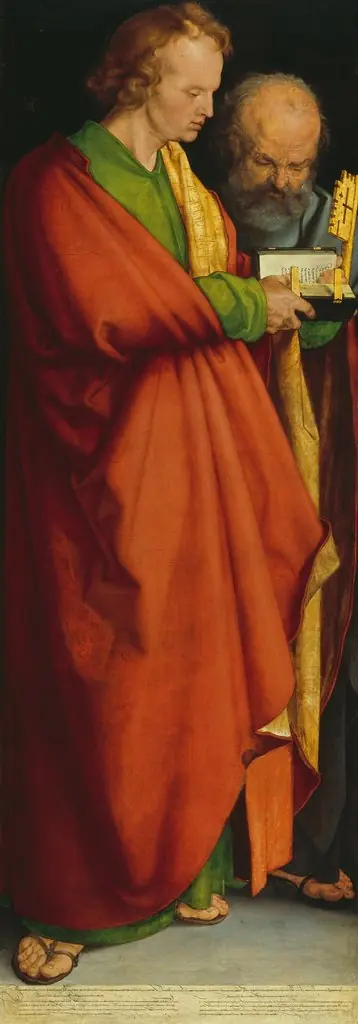 The Four Apostles: Saints John and Peter
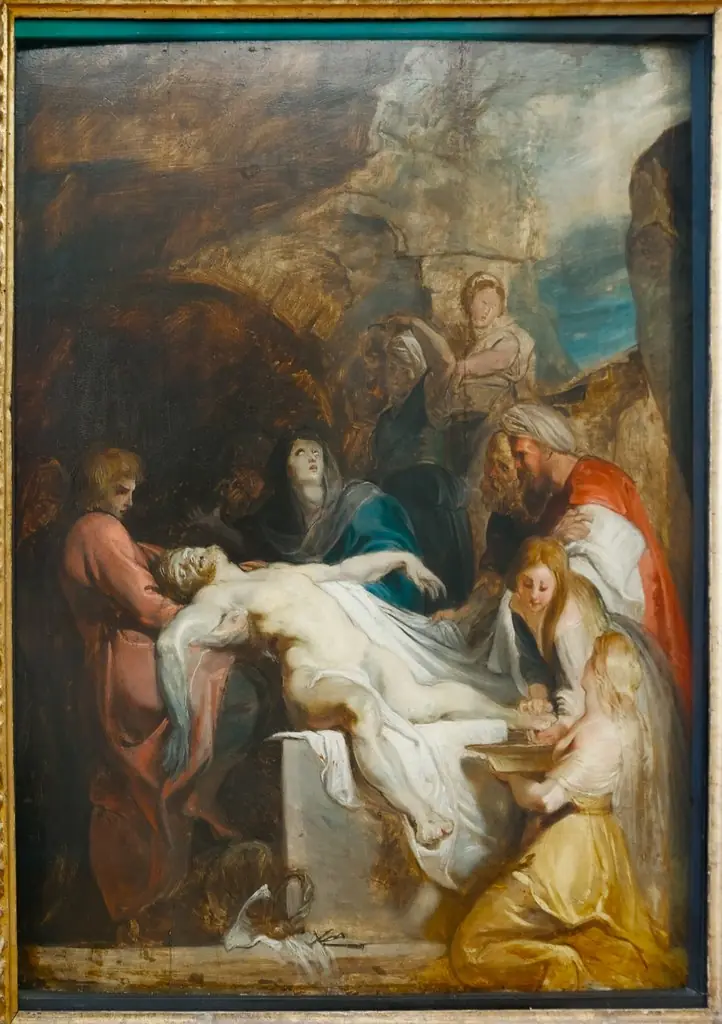 Entombment
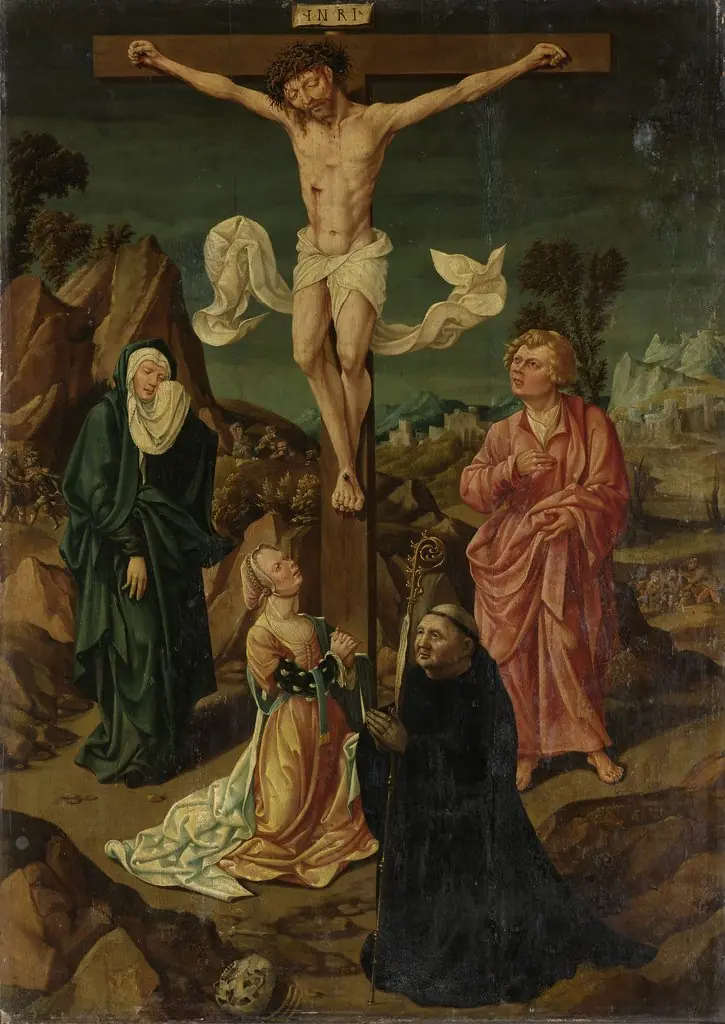 Crucifixion with the Virgin, Saint John, Mary Magdalene, a Donor
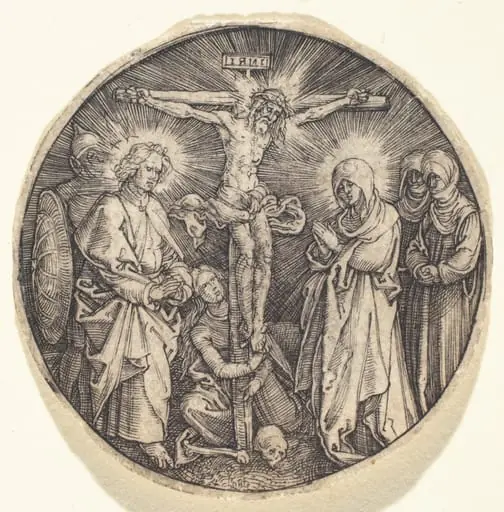 The Crucifixion called the Sword Pommel of Maximilian
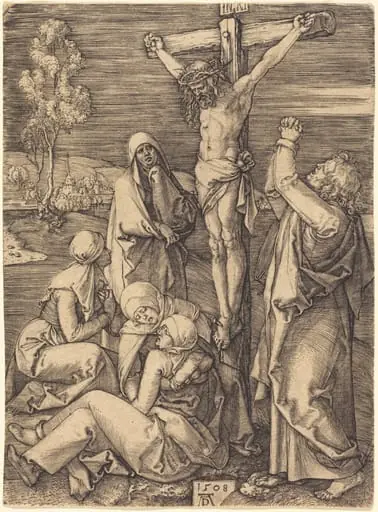 The Crucifixion
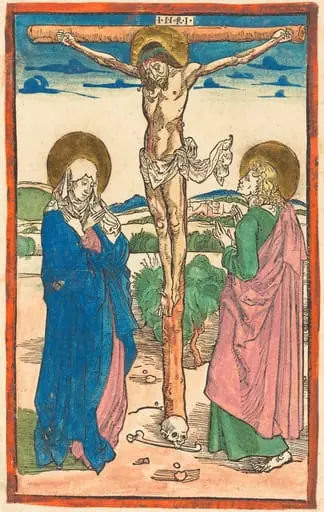 Christ on the Cross Between the Virgin and Saint John
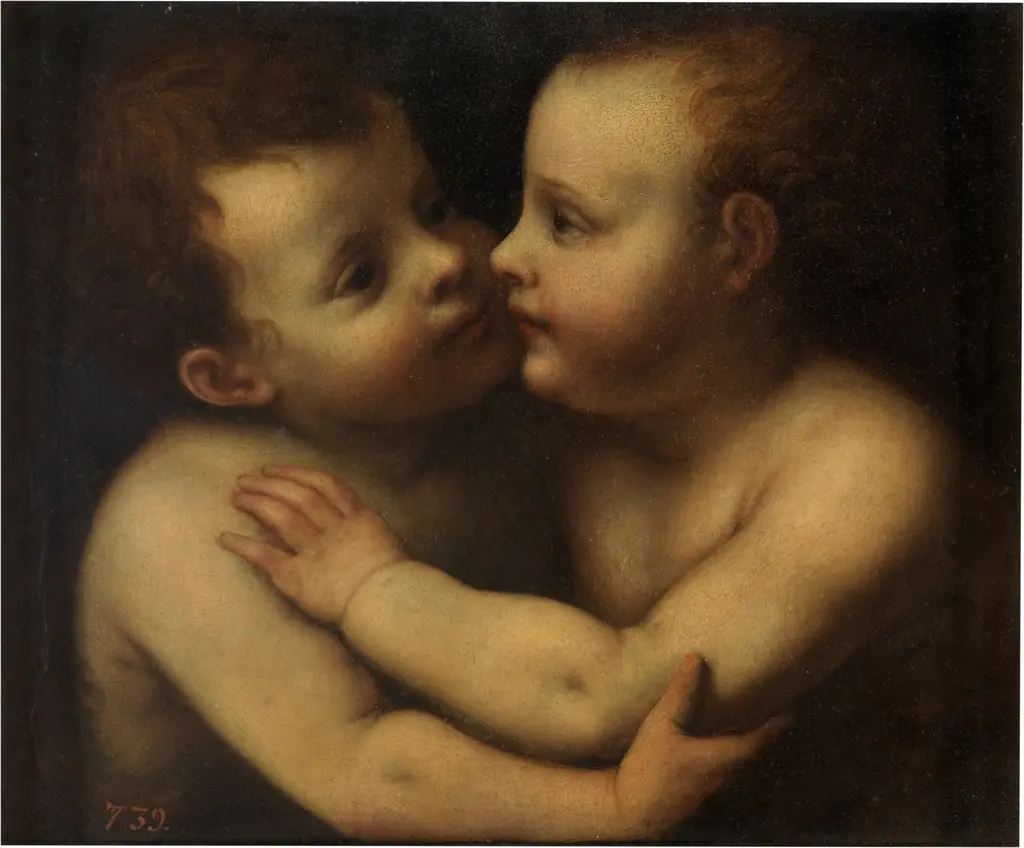 The Infant Christ and St John the Baptist
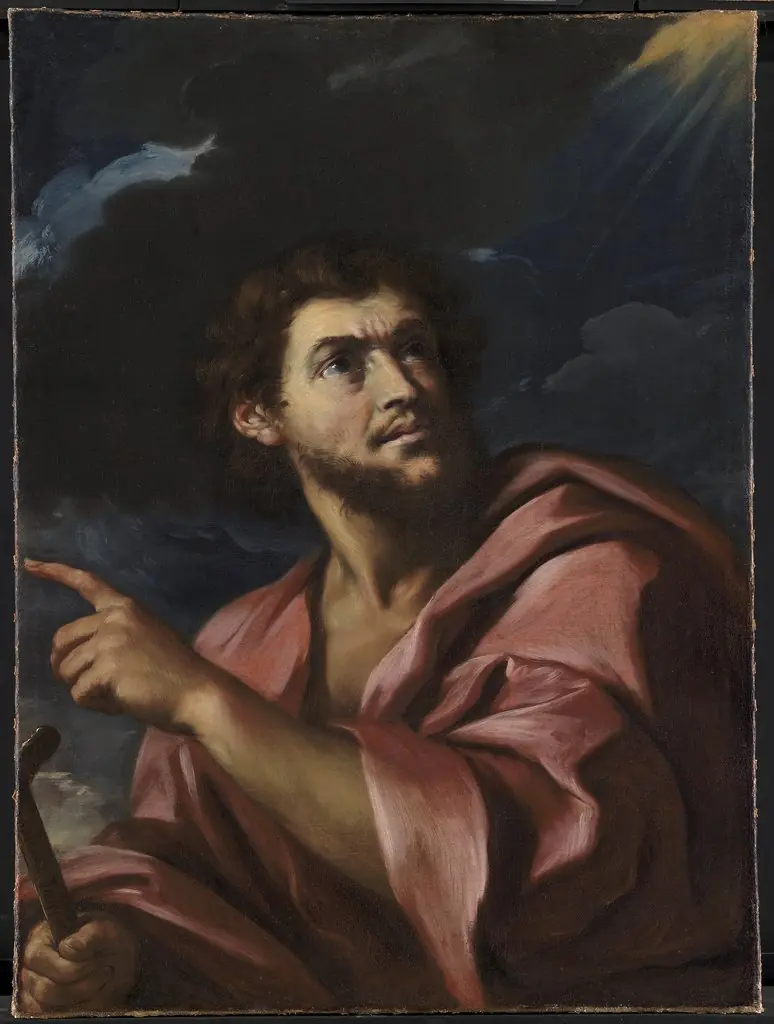 The Apostle John
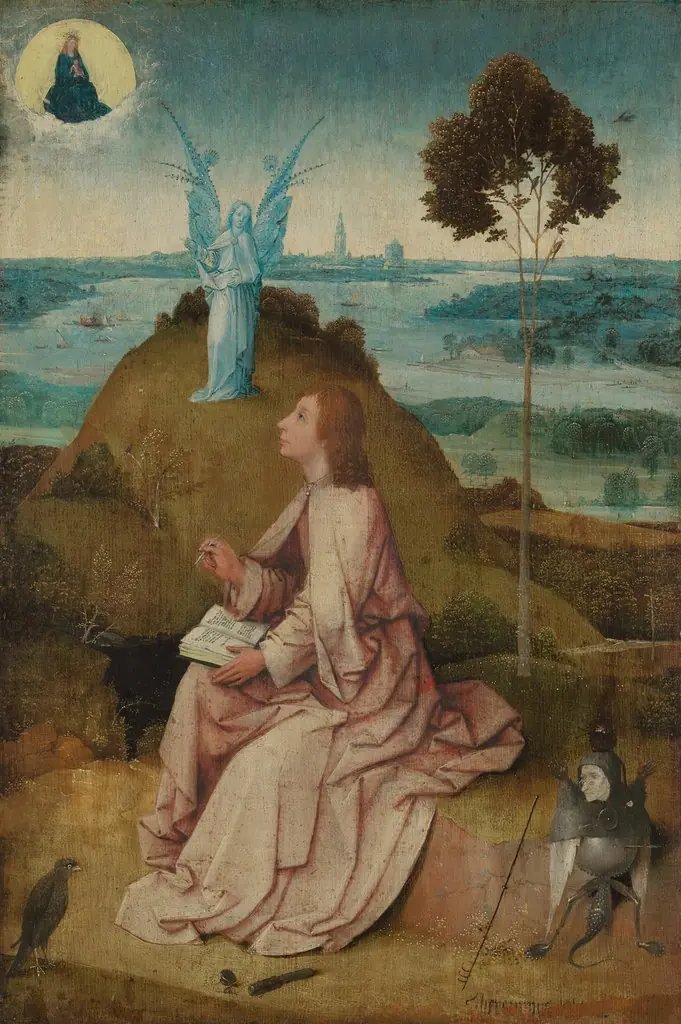 St. John on Patmos
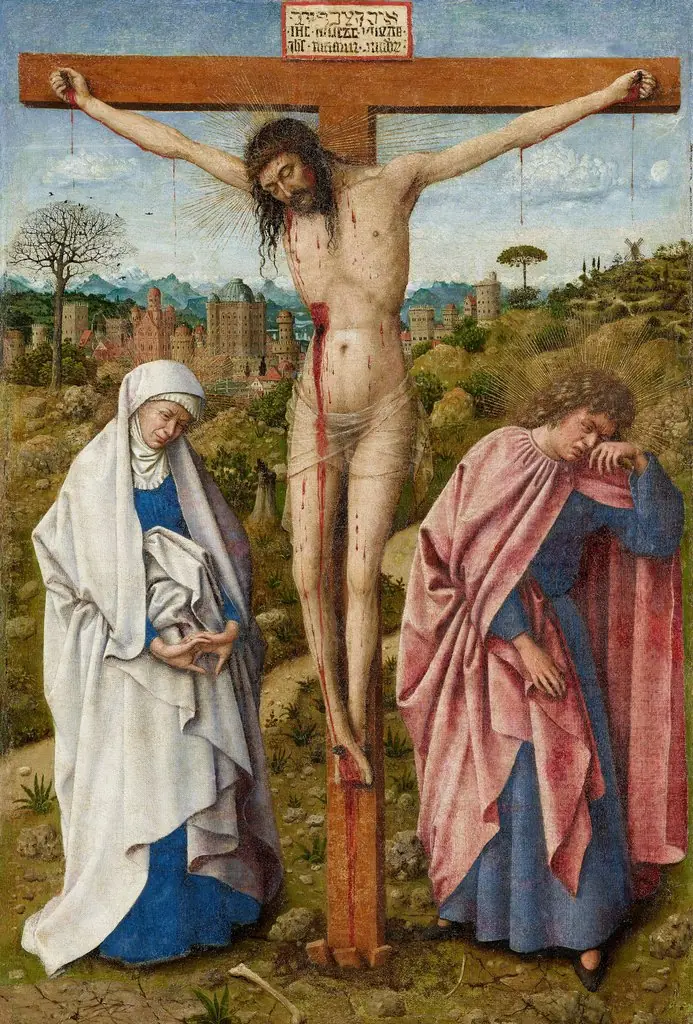 Christ on the Cross with the Virgin and Saint John
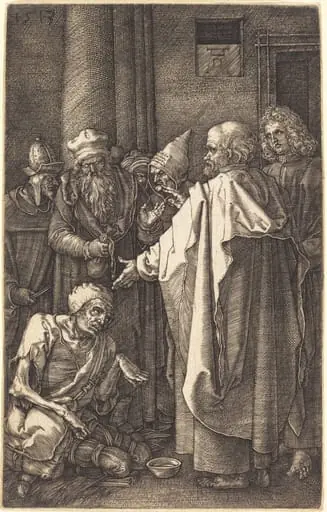 Saint Peter and Saint John Healing a Cripple at the Gate of the Temple
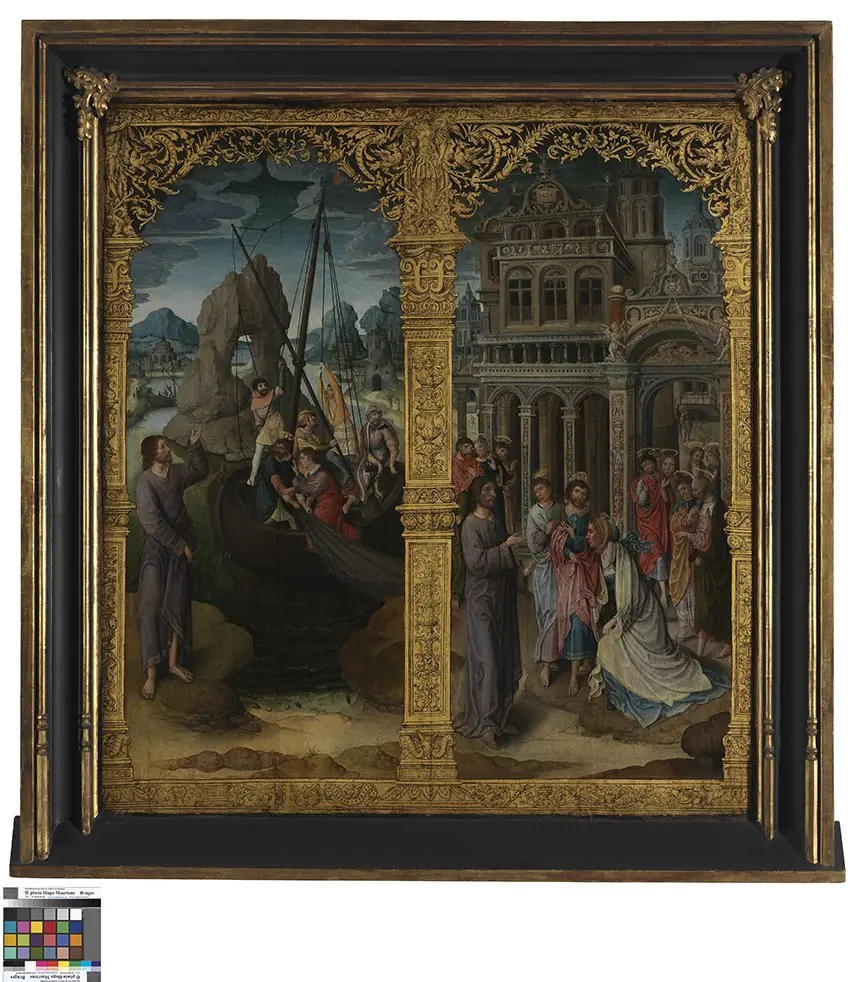 The Calling of James and John
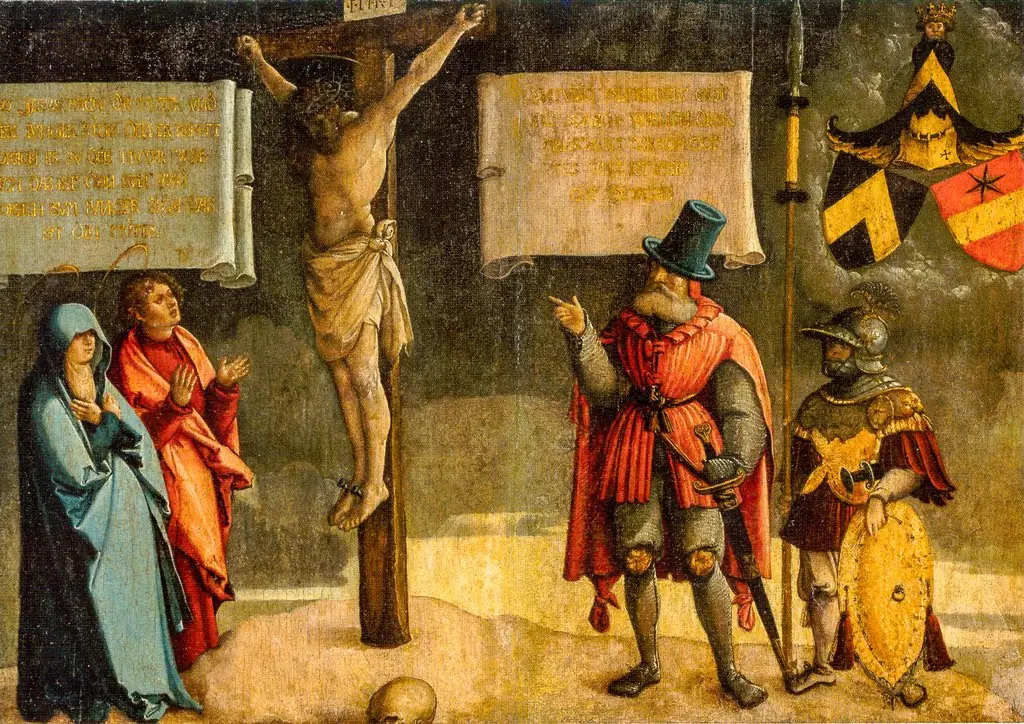 Votivtafel des Johann von Ehingen-Neuneck
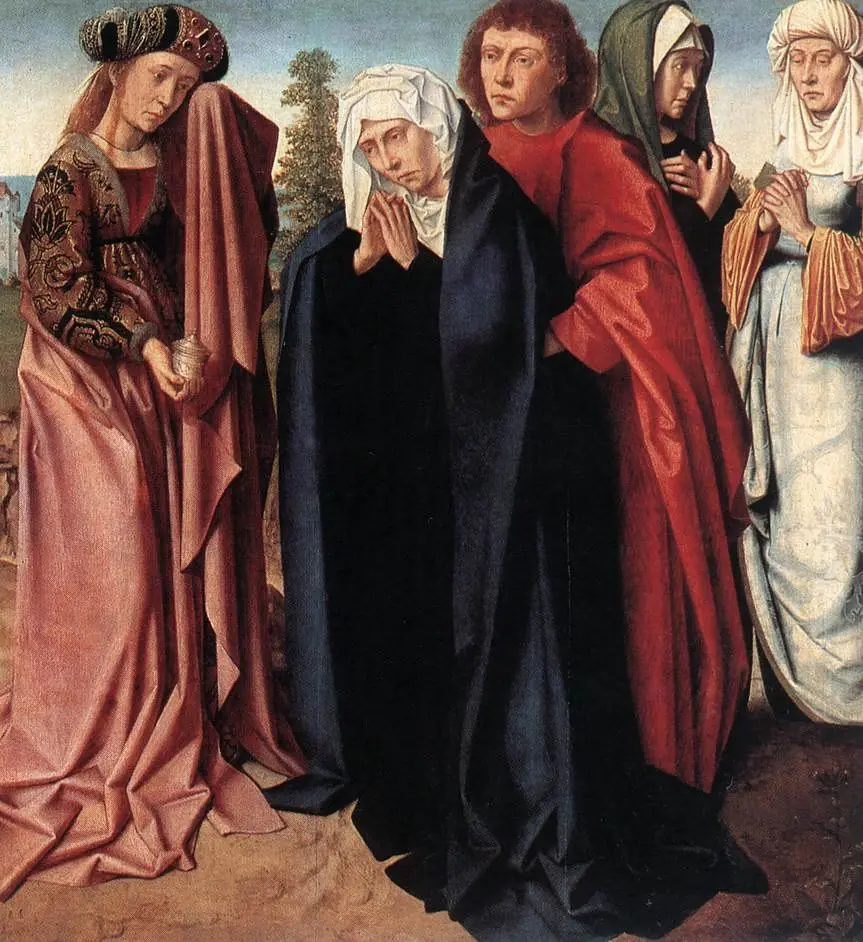 The Holy Women and Saint John at Golgotha
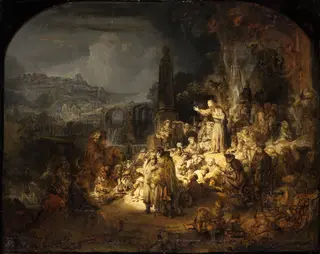 John the Baptist Preaching
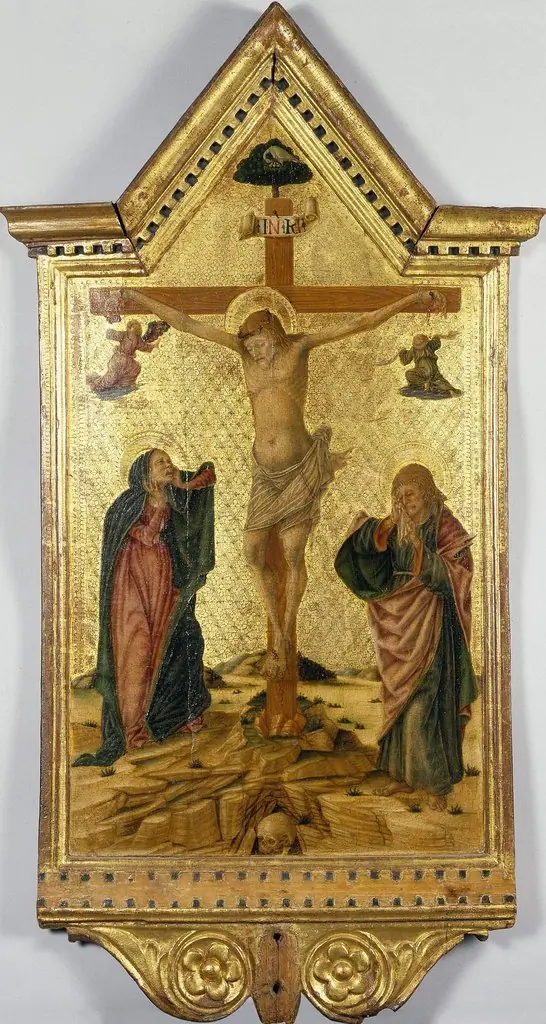 Crucifixion with the Virgin and St John
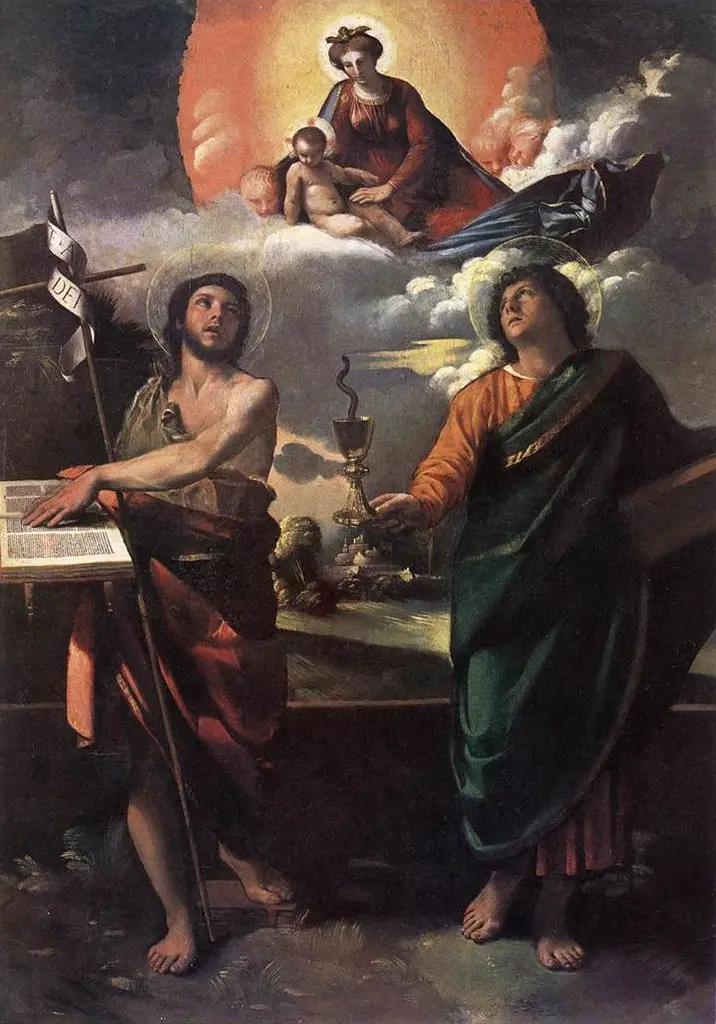 The Virgin Appearing to Sts John the Baptist and John the Evangelist
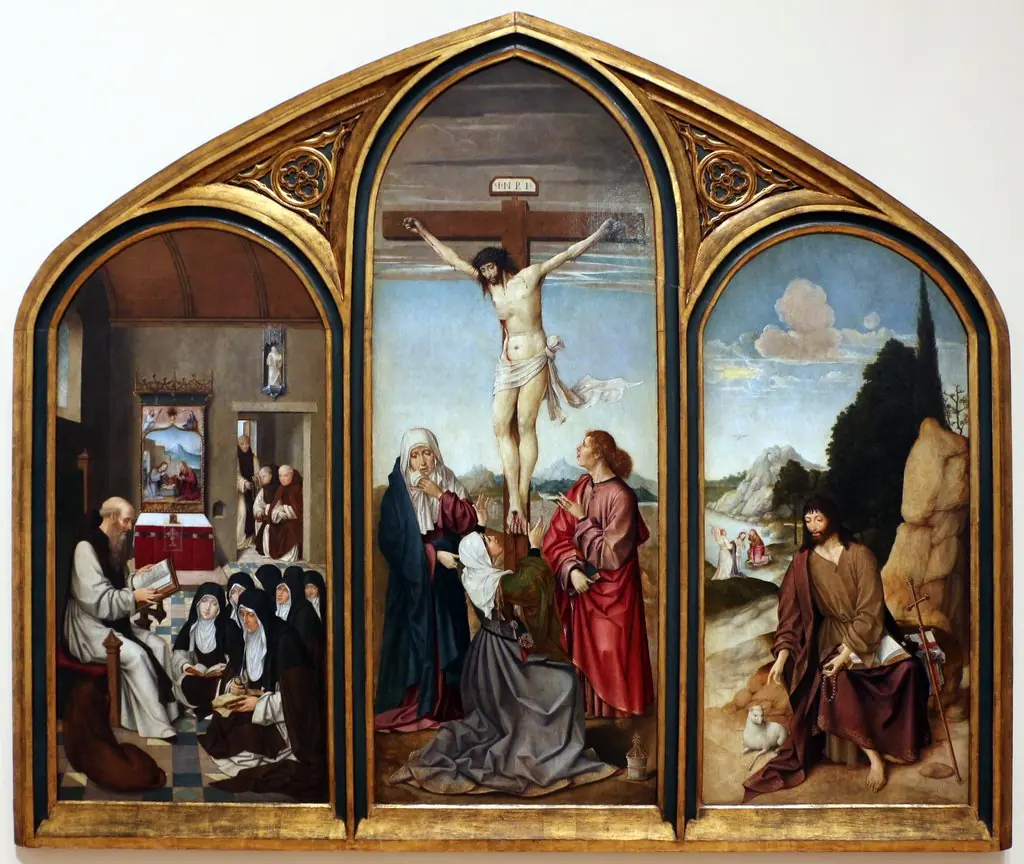 Triptych of Calvary
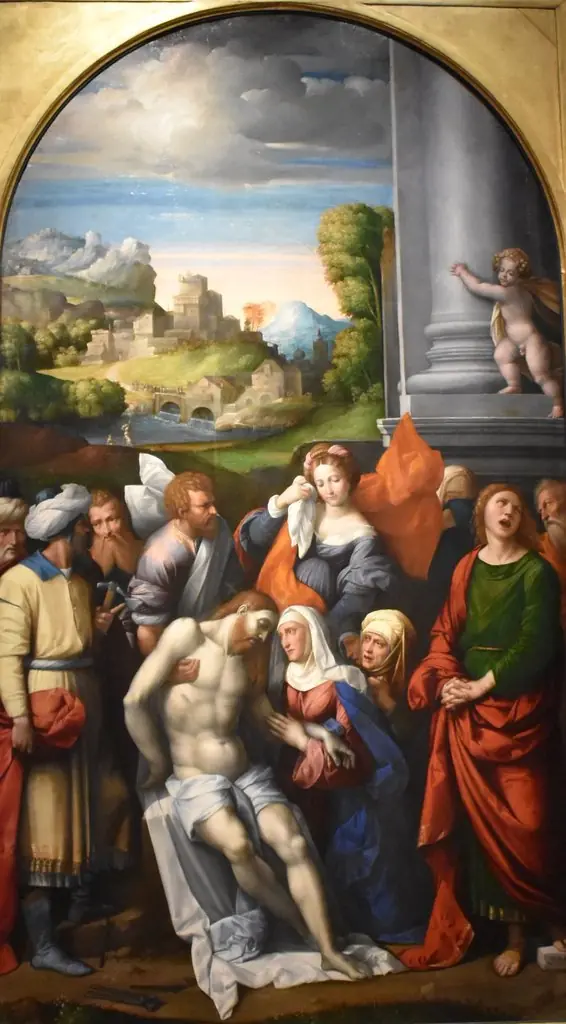 Lamentation over the Dead Christ
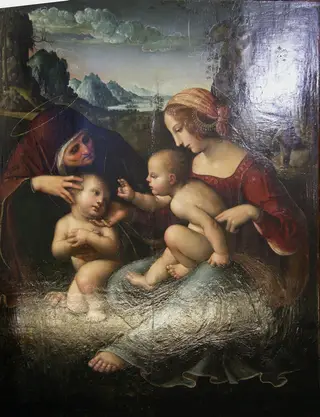 Madonna with Child, Saint Elizabeth and Saint John
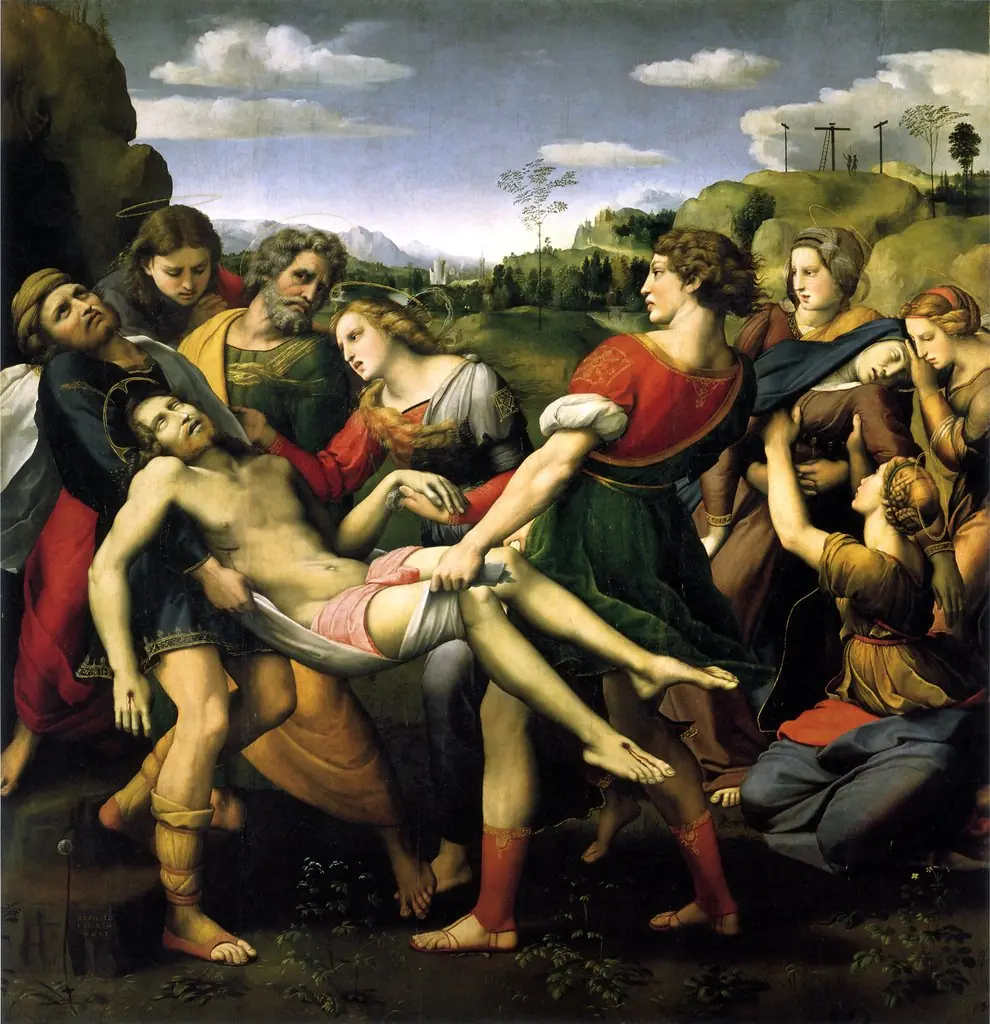 The Deposition
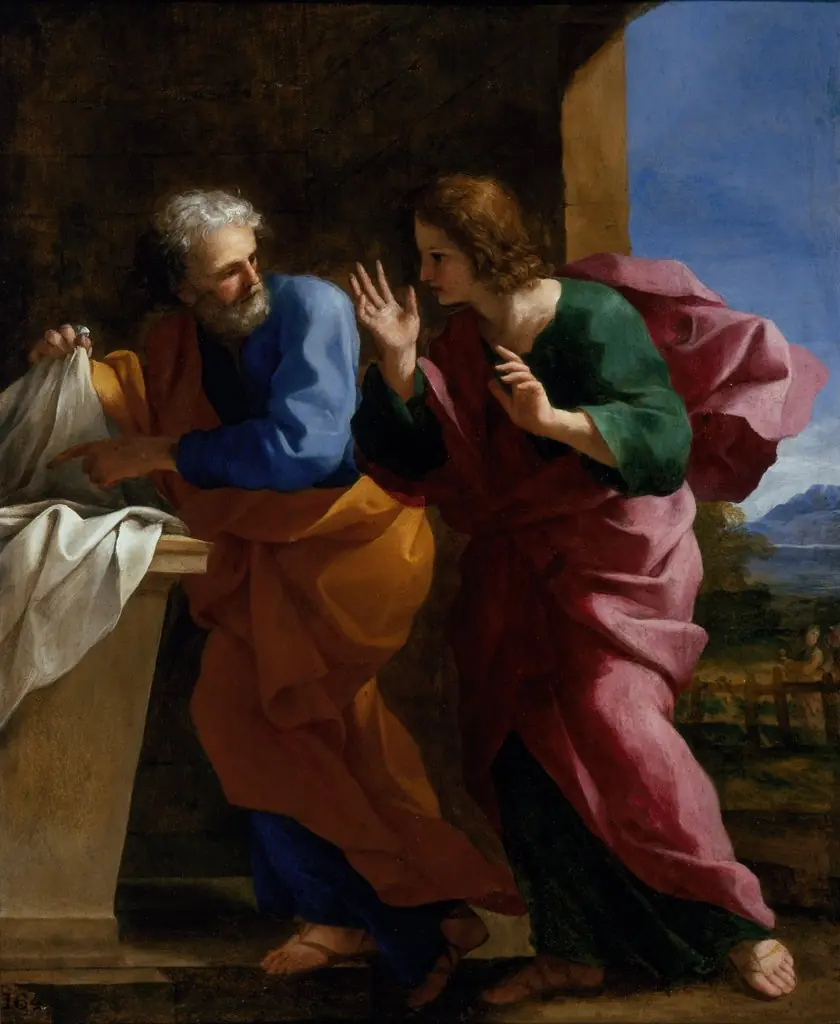 St. John and St. Peter at Christ's Tomb
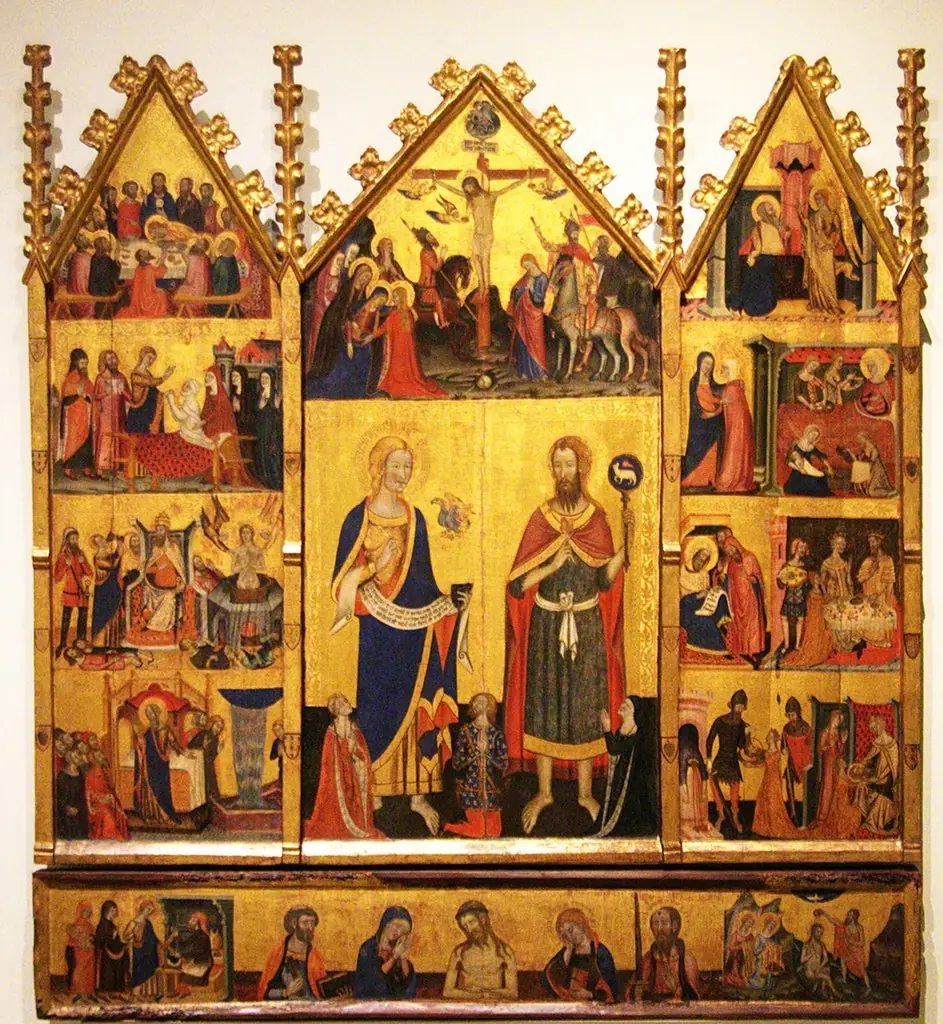 Altarpiece of the Saints John
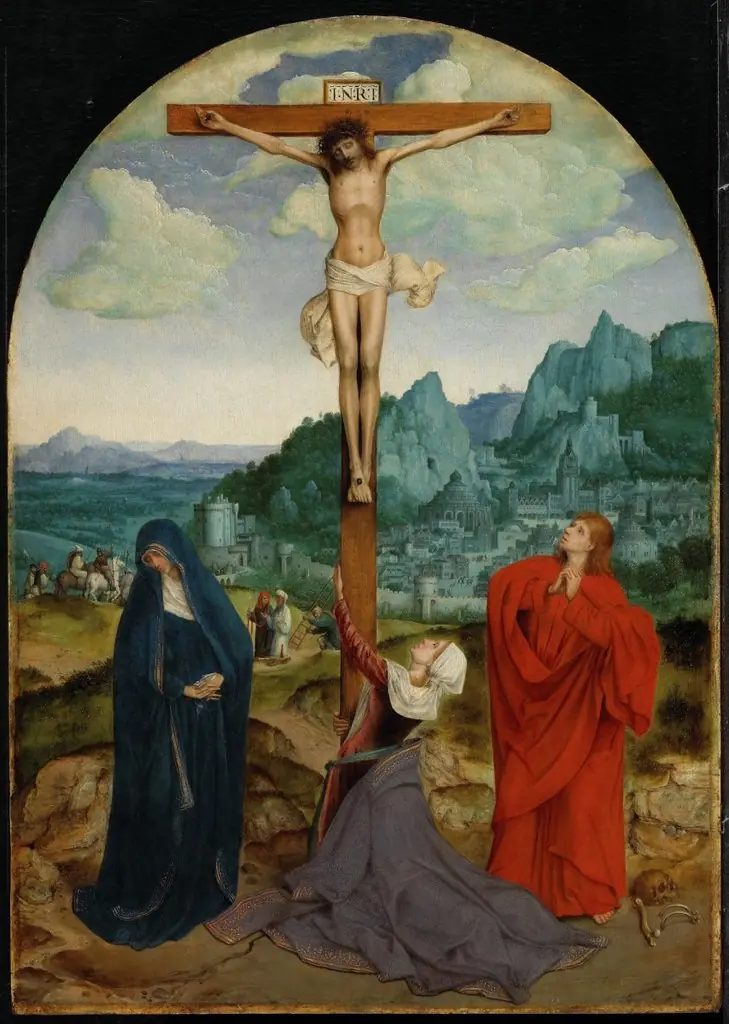 Crucifixion, with the Virgin and Saint John
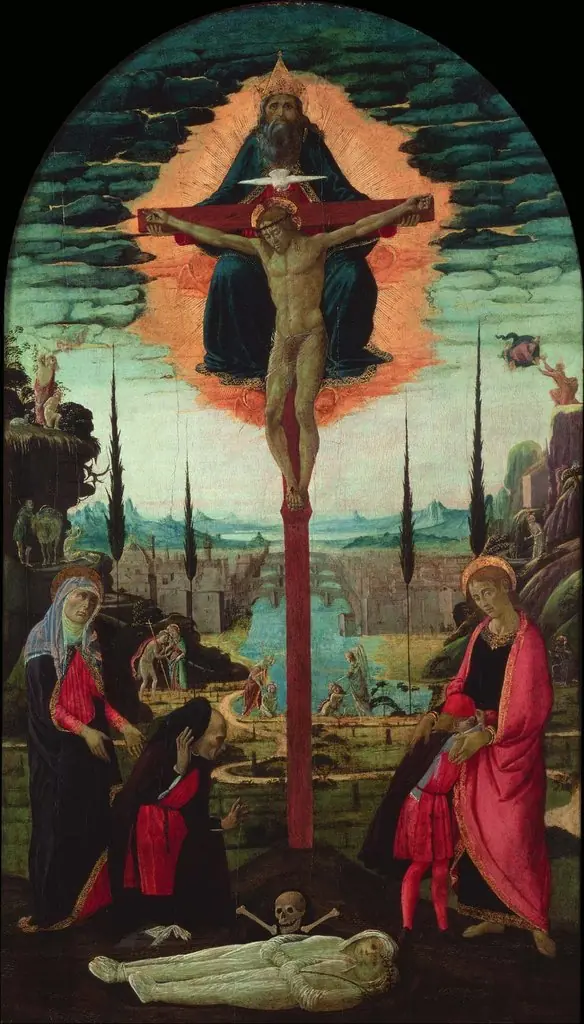 Votive Altarpiece: the Trinity, the Virgin, St. John and Donors
Frequently asked questions
What is John the Apostle?
John the Apostle (Ancient Greek: Ἰωάννης; Latin: Ioannes; c.
How many John the Apostle works does Artifact World Gallery have?
Artifact World Gallery holds 34 public-domain John the Apostle works, all free to view and download.
Who are the key John the Apostle artists?
Key John the Apostle artists in the collection include Raphael, Rembrandt van Rijn and Peter Paul Rubens.
Where can I see John the Apostle works?
John the Apostle works in the collection are held by Gemäldegalerie Berlin, Metropolitan Museum of Art and Bavarian State Painting Collections.