Artwork
Christ Before Pilate
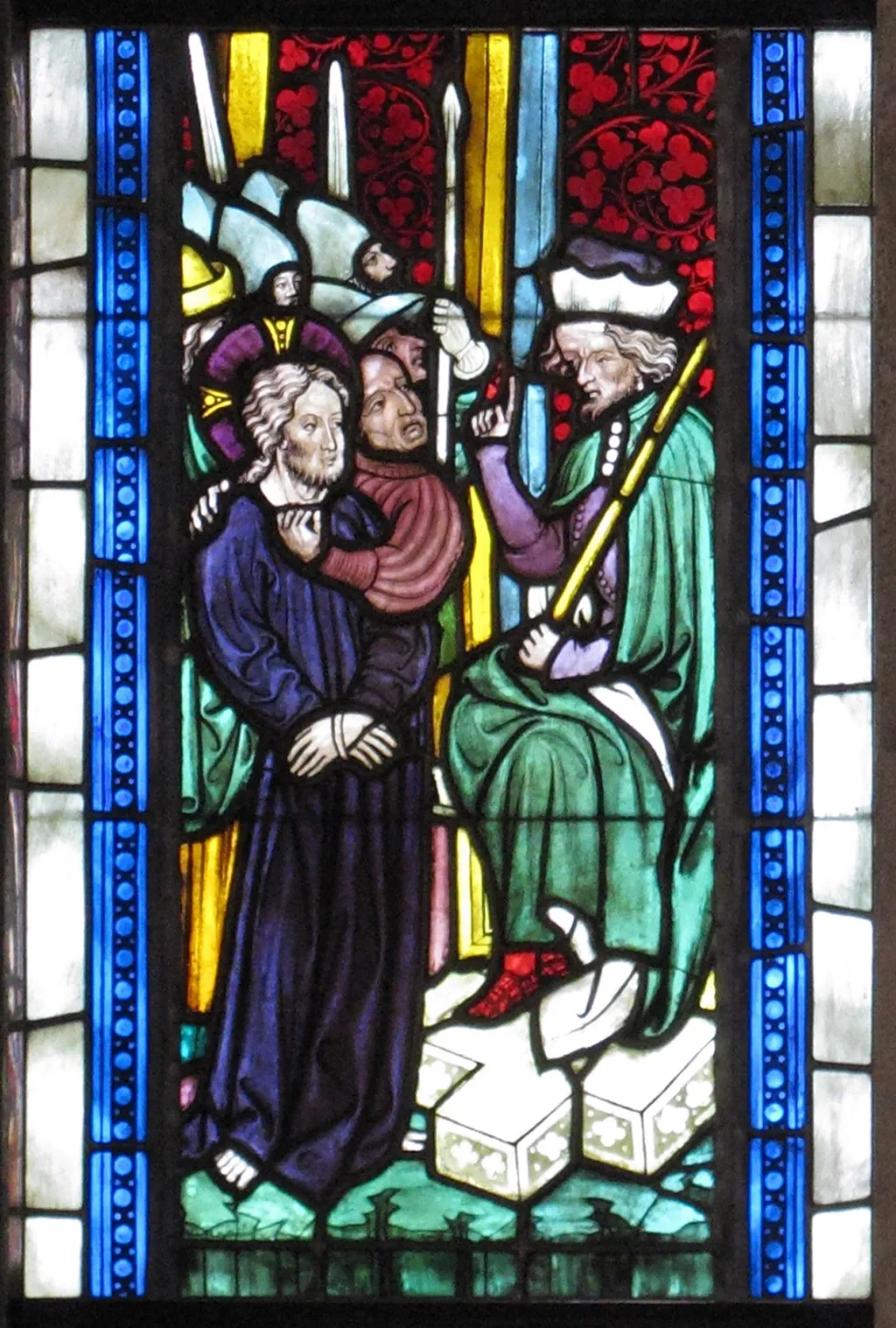
Christ Before Pilate is an unspecified painting. It dates from 1396 and is held in the collection of the Metropolitan Museum of Art.
About this work
Subject & Meaning
Such imagery traditionally carried devotional meaning, meditating on themes of innocence, betrayal, and the fulfillment of salvation history.
The work depicts the episode known as Christ Before Pilate, in which Jesus is presented to the Roman prefect Pontius Pilate for judgment. As a religious painting produced in 1390, it belongs to the long tradition of Passion imagery that visualized the trial of Christ, a subject frequently treated in late medieval art to invite contemplation of his suffering and the injustice of his condemnation.
The scene is identified as Pilate's court, the setting in which the interrogation and sentencing took place, and the composition centers on a male figure, understood within the iconography as Christ, standing before the authority who would pronounce his fate. Such imagery traditionally carried devotional meaning, meditating on themes of innocence, betrayal, and the fulfillment of salvation history.
History & Provenance
The painting Christ Before Pilate was created in 1390 as an anonymous religious work depicting Pilate's court; it is classified as a painting within the religious art genre. The work remained in the possession of its unknown creator until it entered the collection of the Metropolitan Museum of Art, where it has been held since its acquisition. No records indicate a specific commission or patron, and the artist’s identity is not documented.
The painting’s provenance therefore traces from its 14th‑century production to its current ownership by the Metropolitan Museum of Art.
Context
Christ Before Pilate is a 14th‑century religious painting dated 1390 that belongs to the corpus of anonymous medieval art.
The work, classified as a painting depicting Pilate’s court, is part of the Metropolitan Museum of Art’s collection, where it is studied as an example of devotional imagery from the period.
Its creation predates the development of narrative cycles in the late Middle Ages, offering insight into the visual strategies used to illustrate biblical scenes.
Scholars consider such anonymous pieces essential for understanding the transmission of artistic motifs across Central European workshops.
Overview
This painting, titled Christ Before Pilate, depicts a pivotal moment from the New Testament. It features a central figure, identifiable by a purple robe and crown of thorns, surrounded by a crowd of other men. The artwork conveys a sense of dramatic tension, yet the main subject maintains a serene demeanor. It is part of the extensive holdings of The Metropolitan Museum of Art.
Technique & Style
The composition employs a vibrant palette, notably in the background, which features striking red and blue patterns. These elements, combined with the dynamic arrangement of figures, contribute to the painting's overall dramatic impact. The artist uses visual contrasts, such as the calm central figure against the agitated crowd, to heighten the emotional intensity of the scene, drawing the viewer's attention to the narrative's core conflict.
Artist & collection

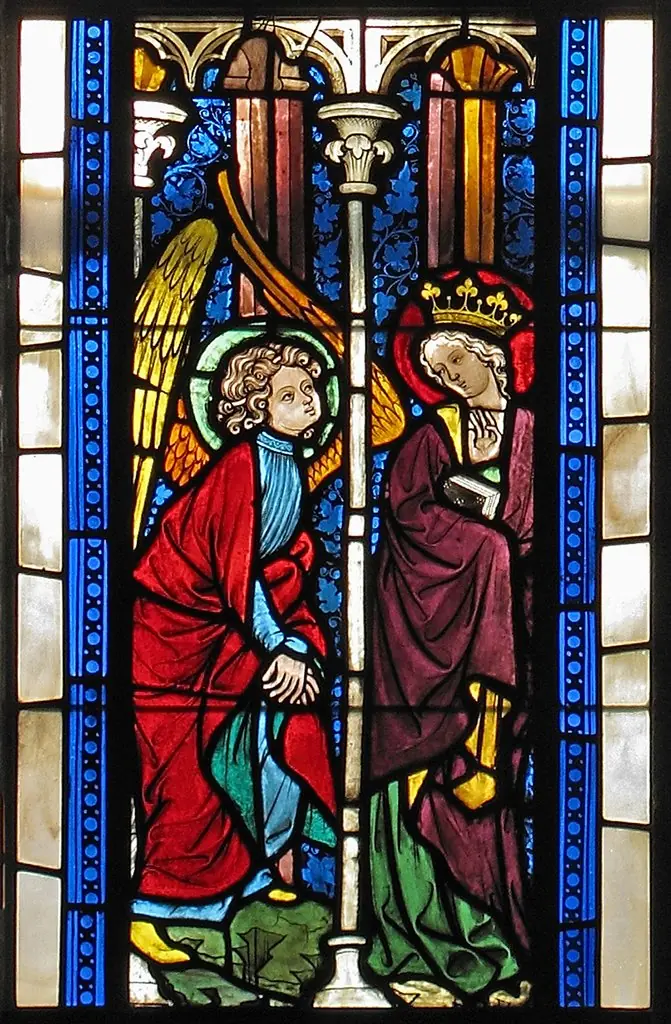
- Panel with the Annunciation
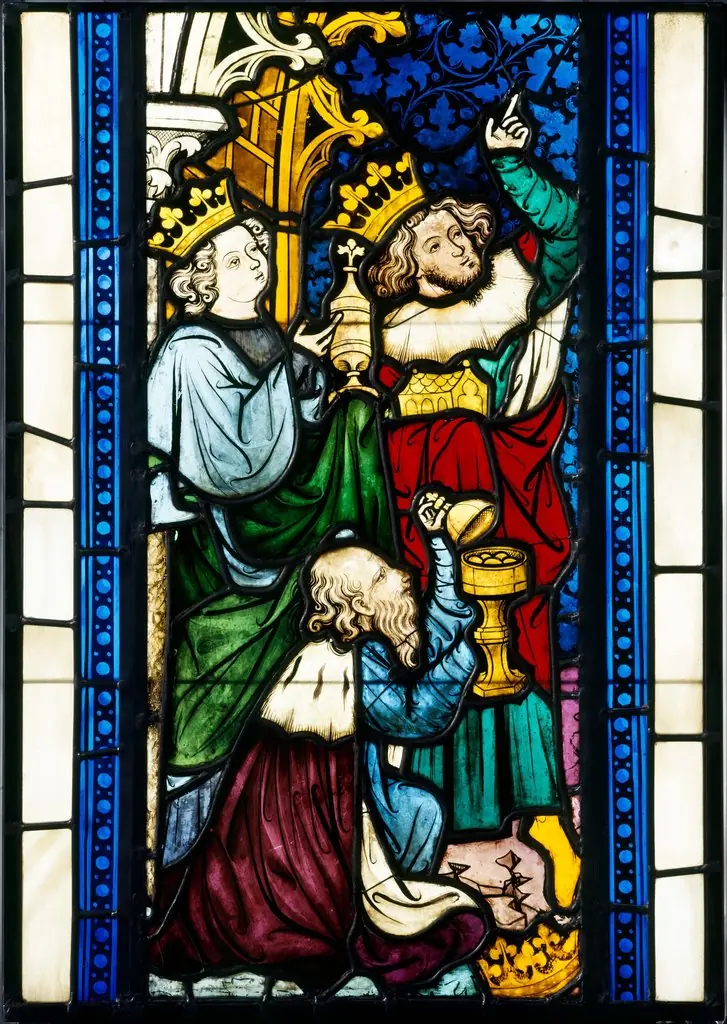 Adoration of the Magi from Seven Scenes from the Life of Christ
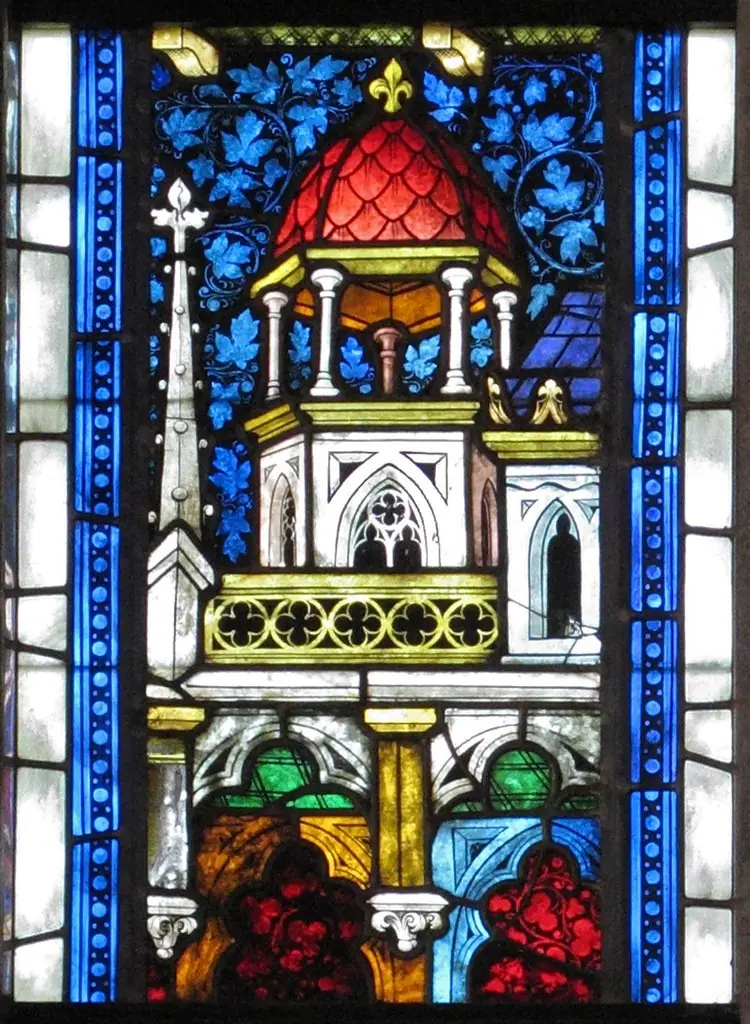 Architectural canopy
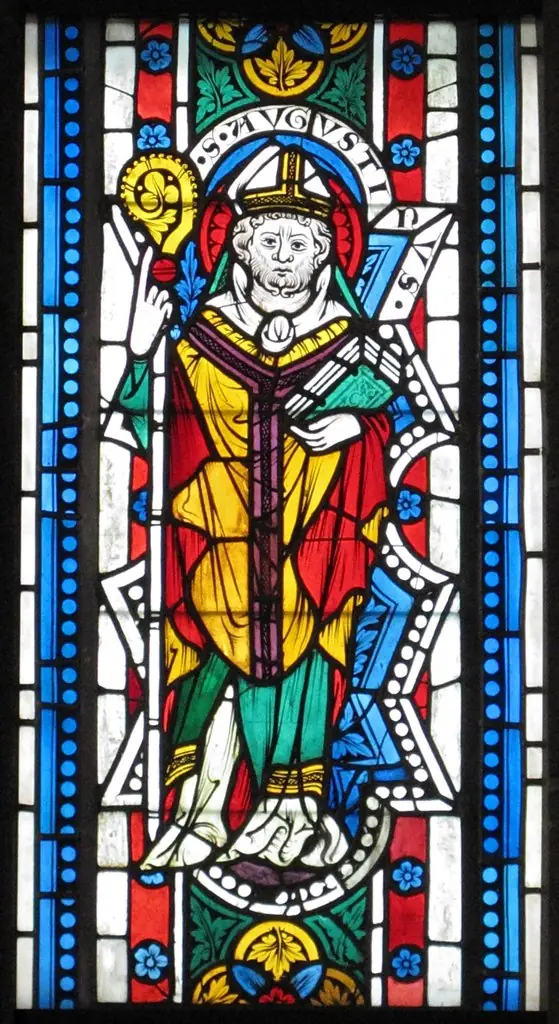 Saint Augustine
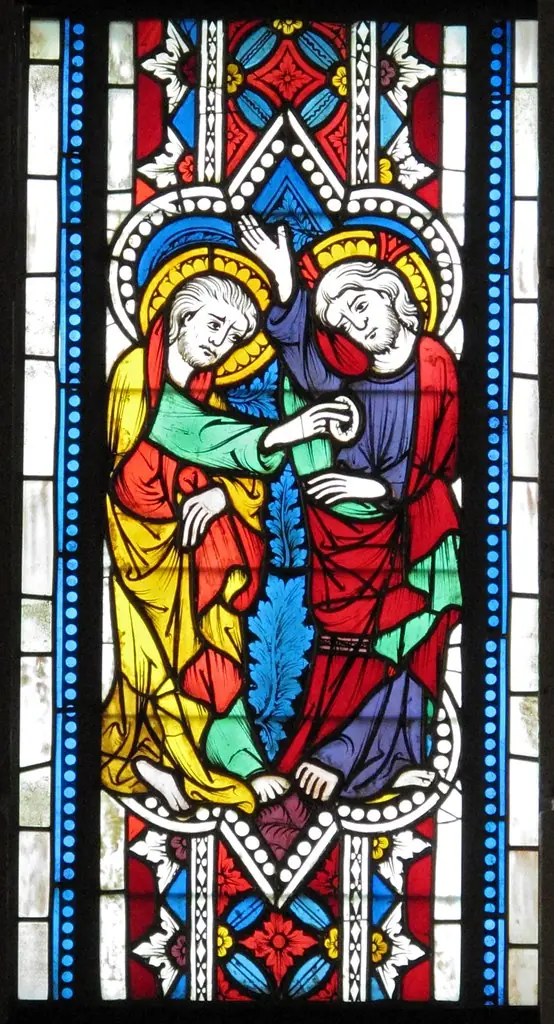 Doubting Thomas
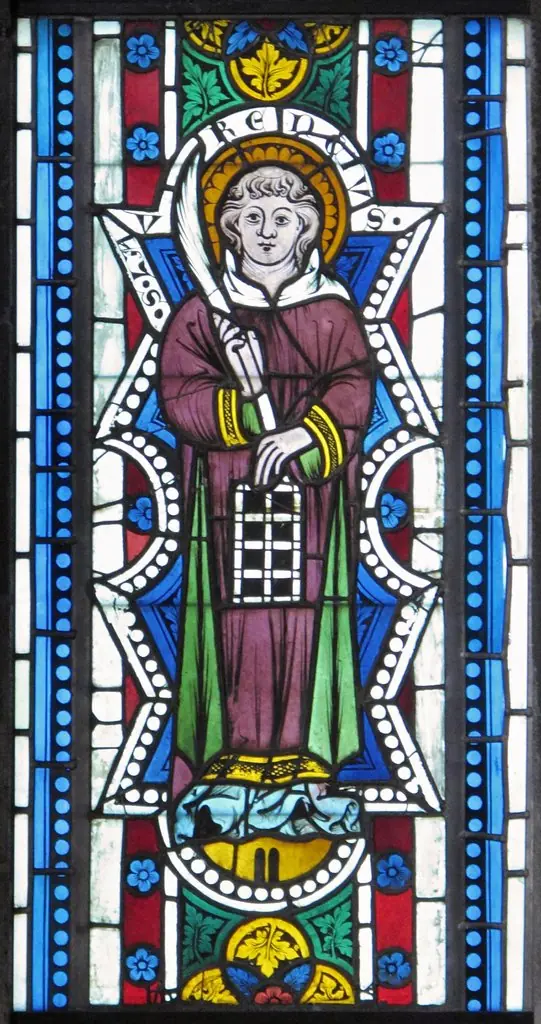 Saint Lawrence
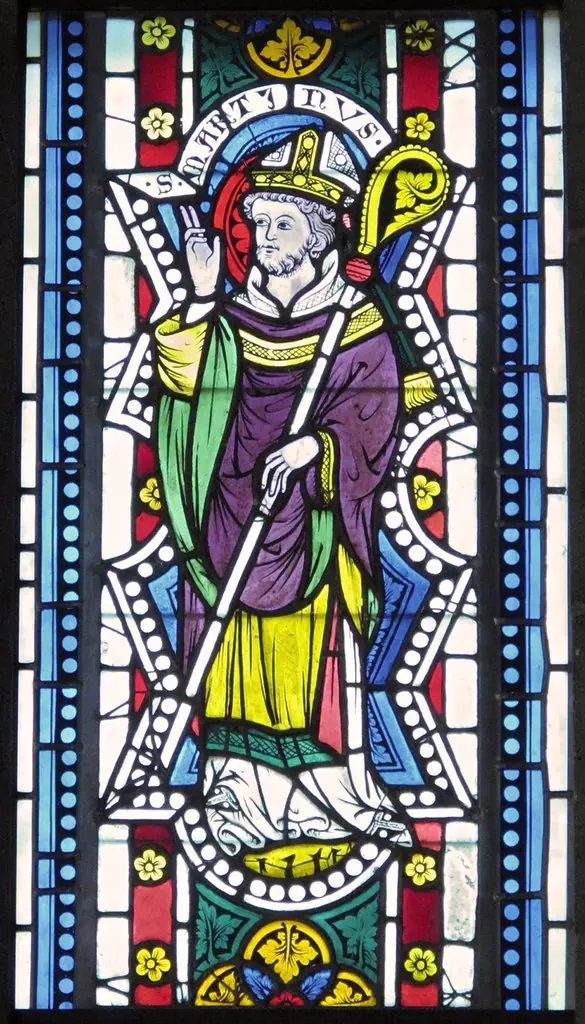 Saint Martin
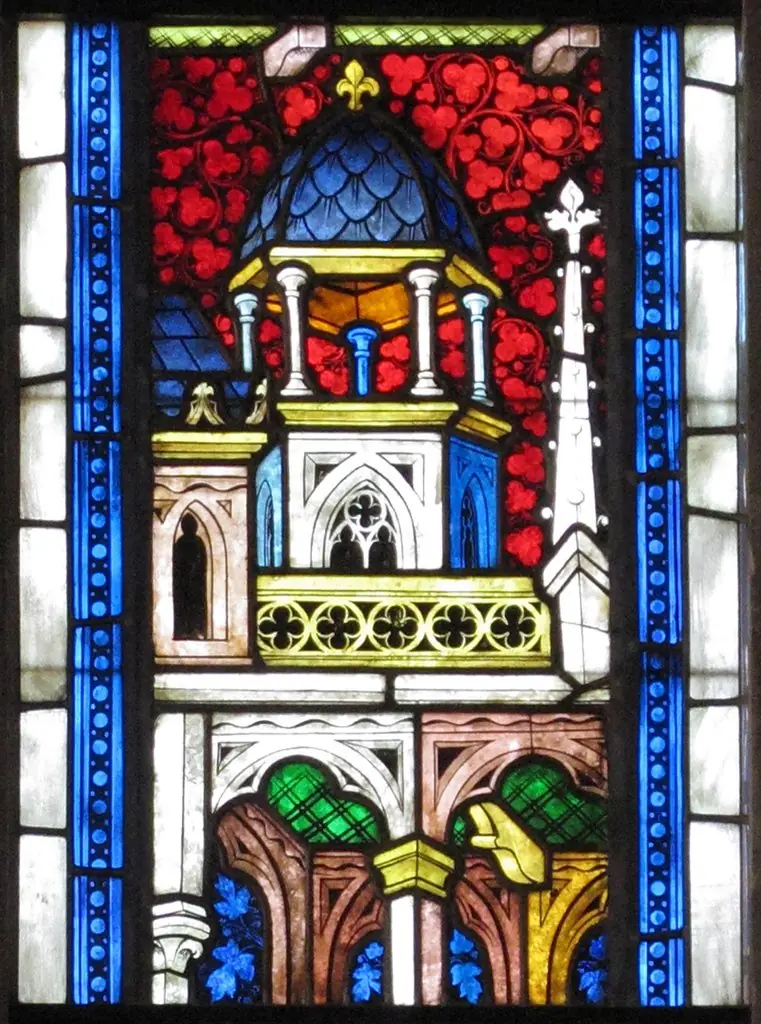 Architectural canopy
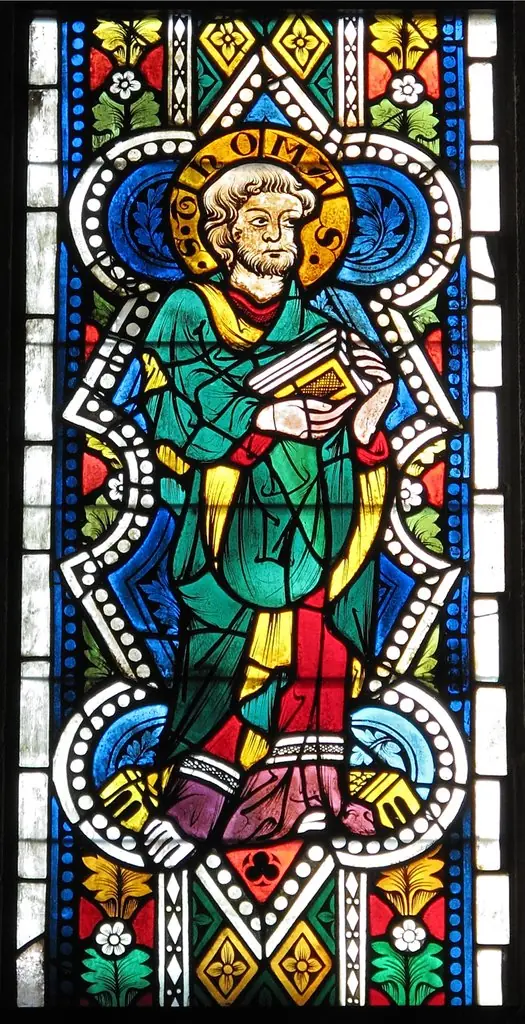 Saint Thomas
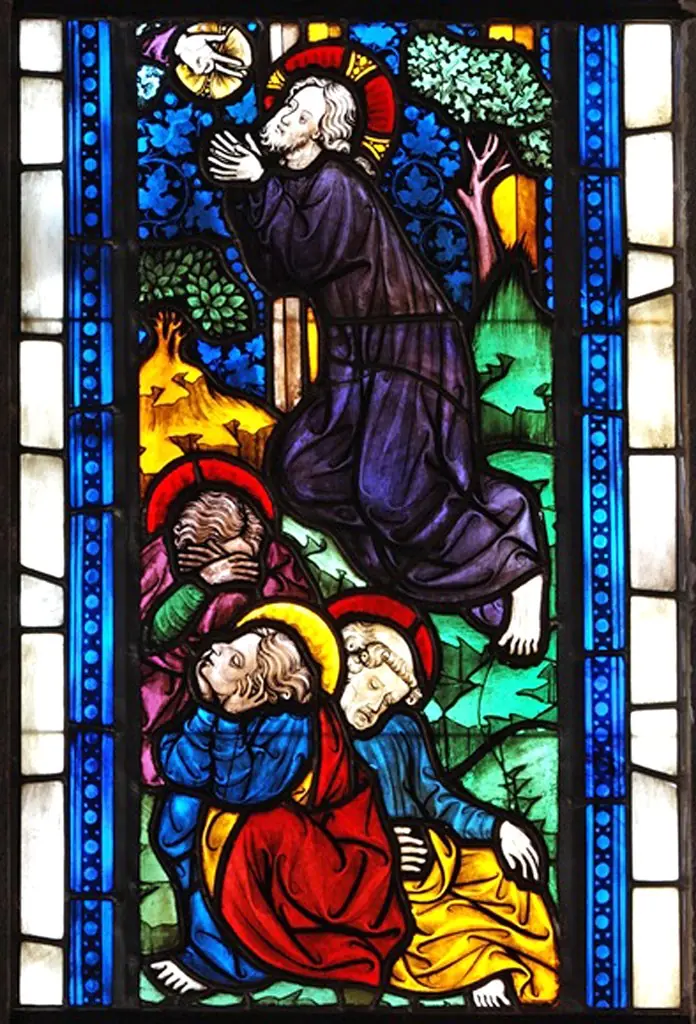 The Agony in the Garden
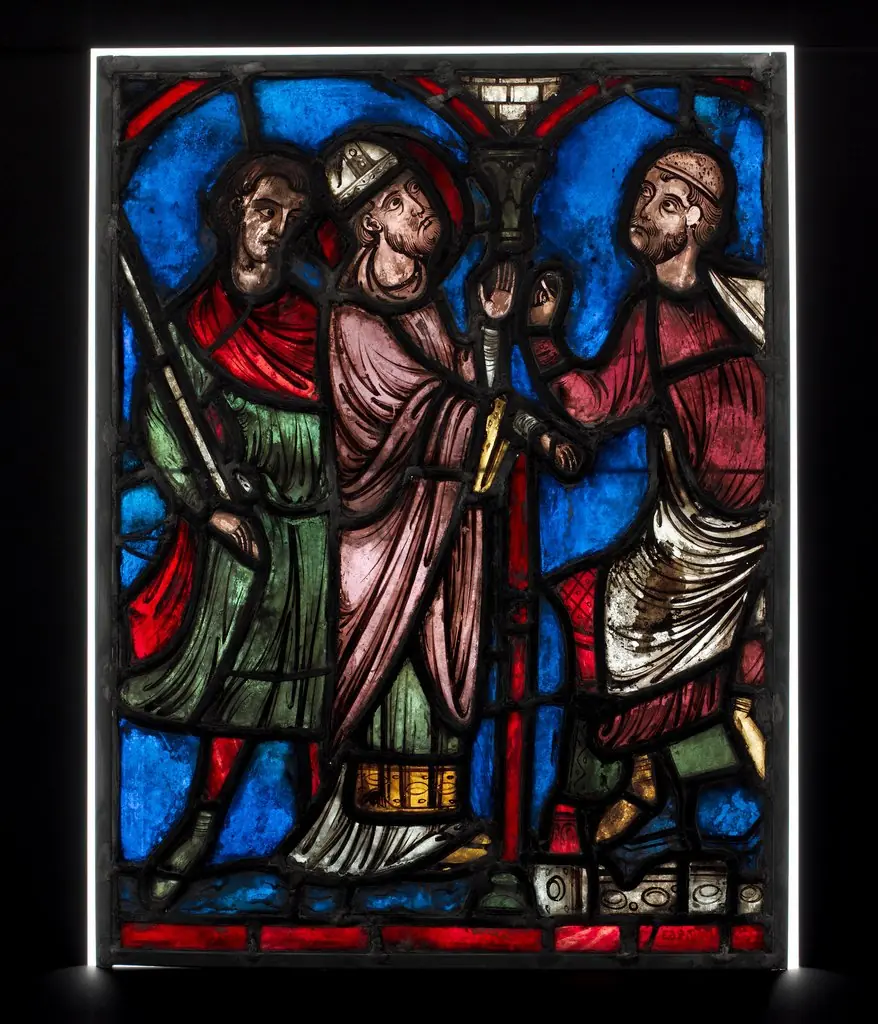 St. Nicholas Accuses the Consul from Scenes from the Life of St. Nicholas
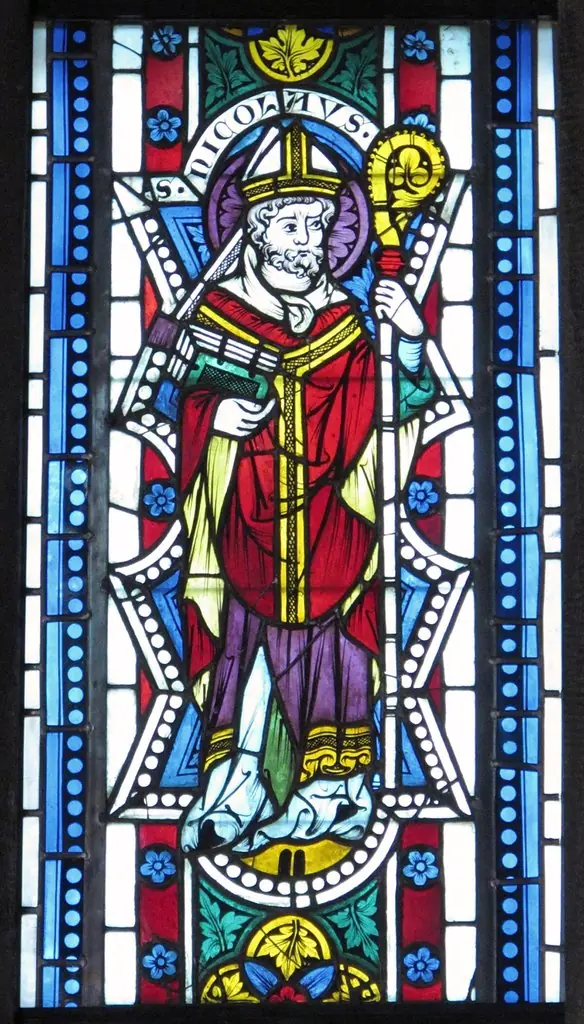 Saint Nicholas