Artwork
Felipe V
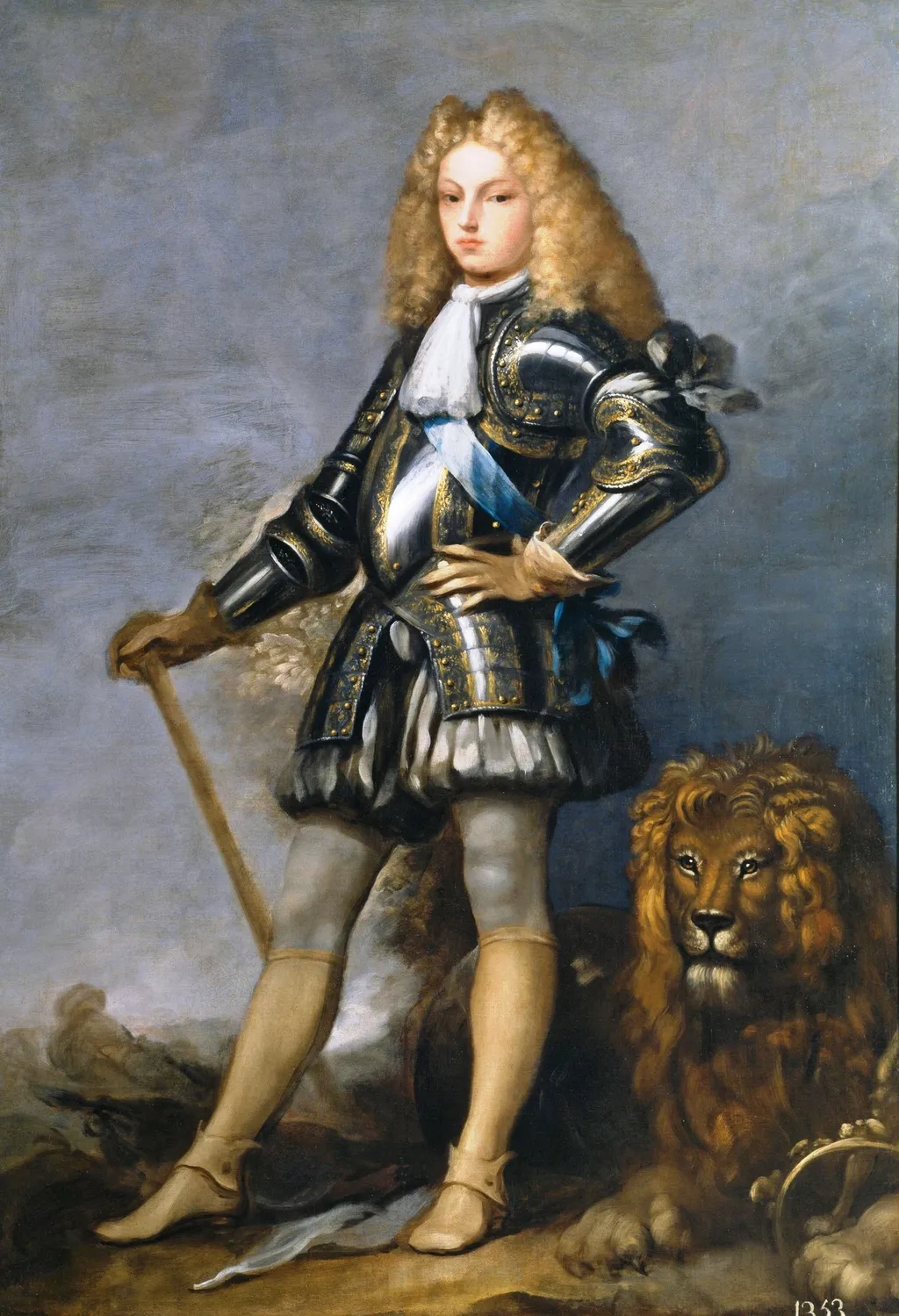
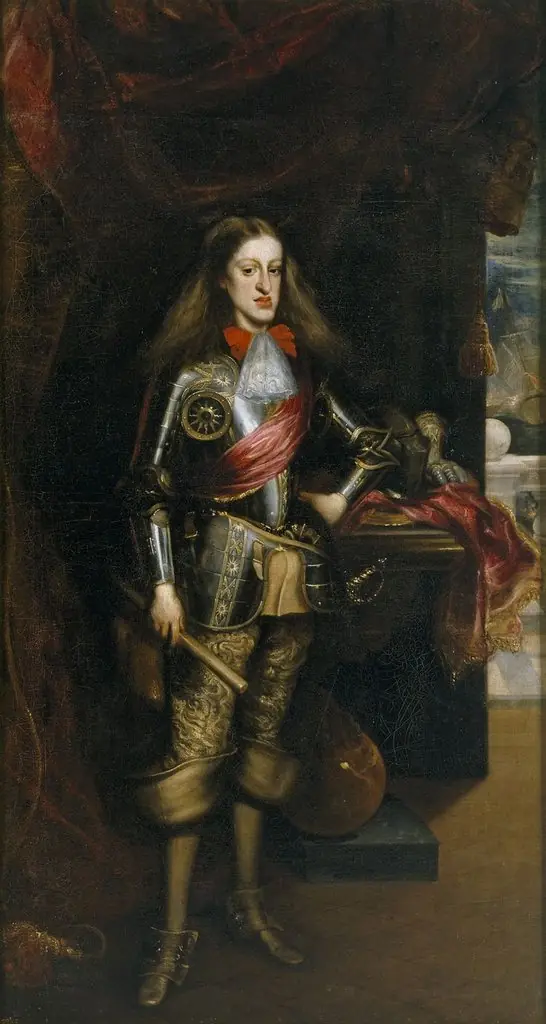
Felipe V is an oil painting. It dates from 1700 and is held in the collection of the Museo del Prado. The canvas presents a formally dressed figure in elaborate armor, holding a staff and framed by a seated lion on a rocky ledge.
About this work
Subject & Meaning
These visual elements underscore the sitter’s status within the court and his role in the political hierarchy of early 18th‑century Spain.
The portrait shows a figure clad in body armor and bearing the insignia of the Order of the Holy Spirit, symbols that reference royal authority and chivalric honor. These visual elements underscore the sitter’s status within the court and his role in the political hierarchy of early 18th‑century Spain. The composition therefore conveys both personal dignity and the broader ideological context of monarchy and honor in the period.
Technique & Style
The portrait of Felipe V is executed in oil paint on canvas, measuring 204 cm by 141 cm. The work depicts the sitter in body armor and wearing the Order of the Holy Spirit, reflecting contemporary royal iconography. Its formal composition emphasizes regal authority through the sitter’s pose and the rich textures of the fabric and armor, characteristic of early 18th‑century portraiture.
History & Provenance
The work entered the collection of the Museo del Prado in Madrid, where it remains today. It is recorded as a portrait of Felipe V from the year 1700, with dimensions of height 204 cm and width 141 cm. The painting is attributed to an anonymous hand and depicts the monarch in armor associated with the Order of the Holy Spirit.
The painting is held in the collection of the Museo del Prado, where it is also located. The work, which depicts a figure in body armor wearing the Order of the Holy Spirit, was created in 1700. It is executed in oil paint on canvas and measures 204 cm in height by 141 cm in width.
The provided sources do not contain specific inventory numbers or details regarding the exhibition history of this portrait.
Legacy
The portrait of Felipe V, painted in 1700, established a visual template for Bourbon monarchs that was widely copied in Spanish colonial contexts. Its depiction of royal regalia, notably the Order of the Holy Spirit, reinforced notions of legitimacy that persisted in later historiographical assessments of early Bourbon rule. Contemporary accounts, such as those recorded by the Museo del Prado, highlight the work’s role in shaping public perception of the monarch’s authority, a reputation that was later referenced by 19th‑century art historians as emblematic of the era’s political iconography.
Overview
The canvas presents a formally dressed figure in elaborate armor, holding a staff and framed by a seated lion on a rocky ledge. The subject’s powdered wig and blue sash contrast with a dark, gold‑trimmed costume, while the animal’s warm brown fur adds a naturalistic counterpoint.
Context
The work reflects the early modern fascination with courtly display and the use of animal symbolism to reinforce status. The inclusion of a lion, a common motif in heraldry, aligns the portrait with contemporary practices of asserting lineage and power through visual allegory.
Artist & collection

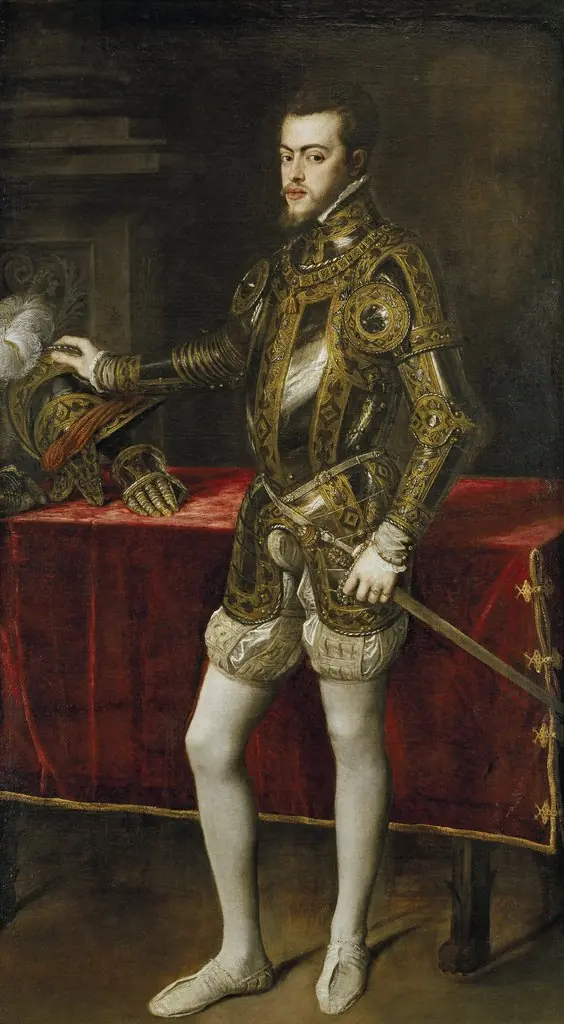
- Philip II in Armour
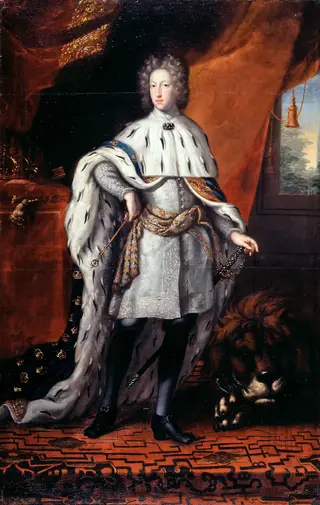 Karl XII
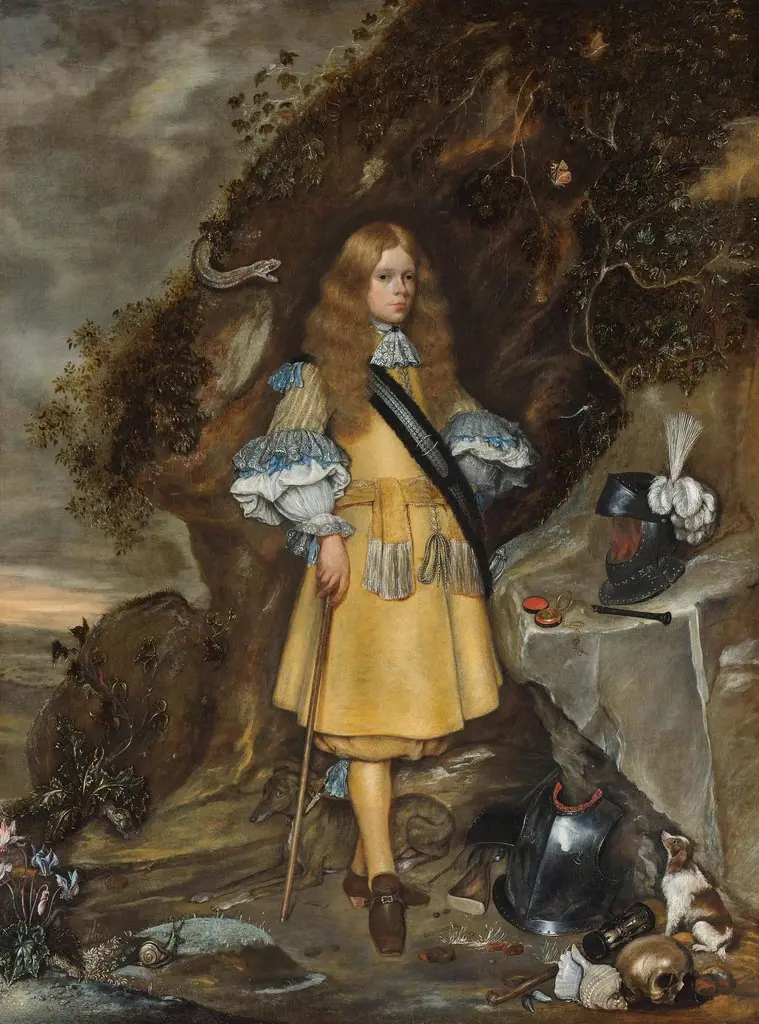 Memorial Portrait of Moses ter Borch
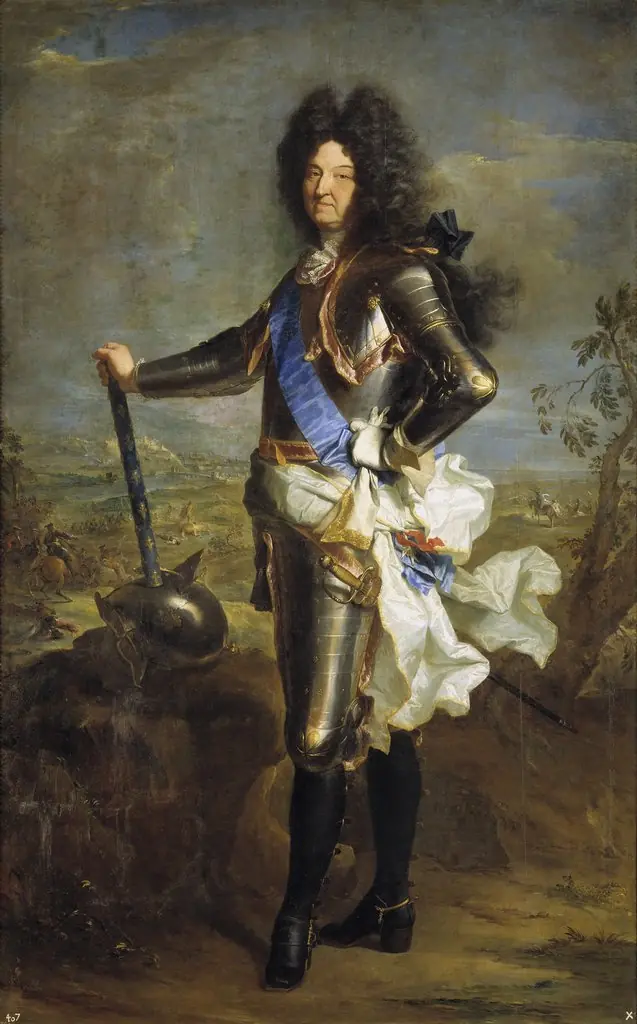 Louis XIV
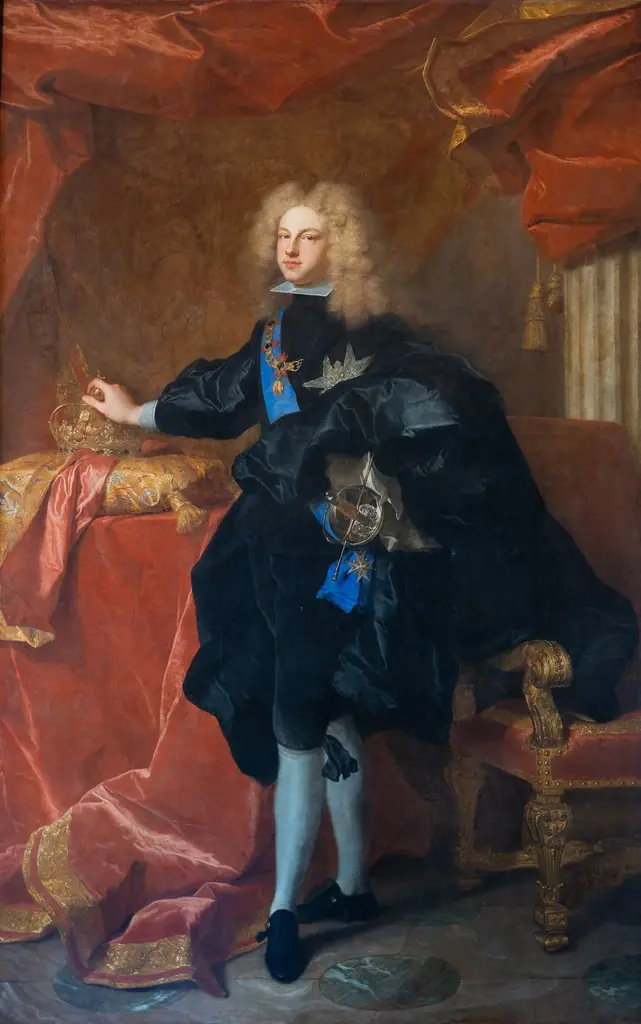 Portrait of Philip V, King of Spain
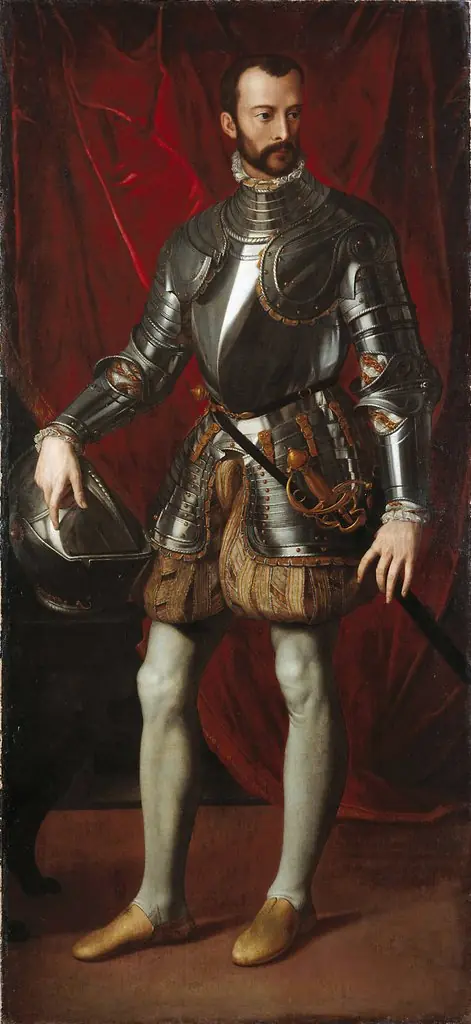 Großherzog Francesco I. (1541-1587) von Toskana
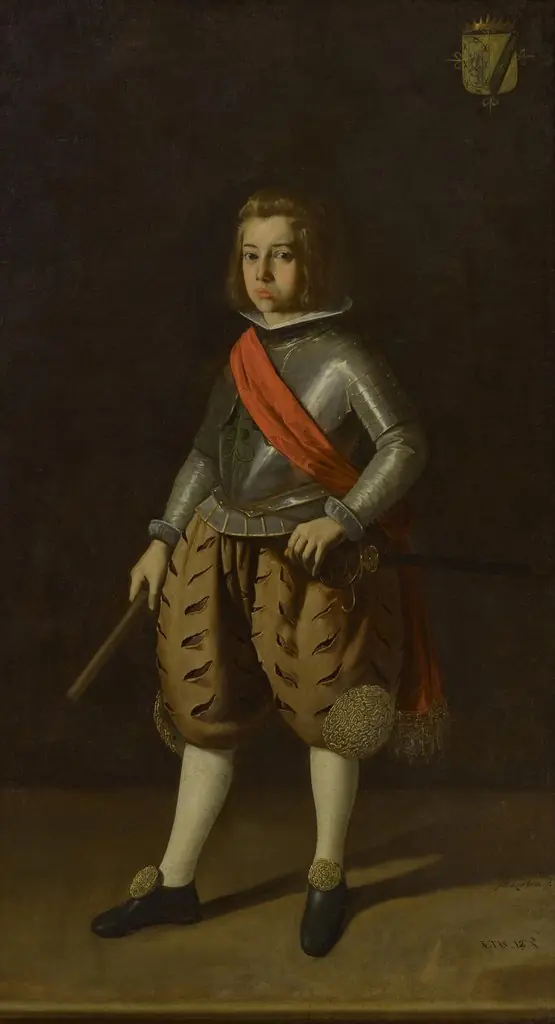 Portrait of Don Alonso Verdugo de Albornoz
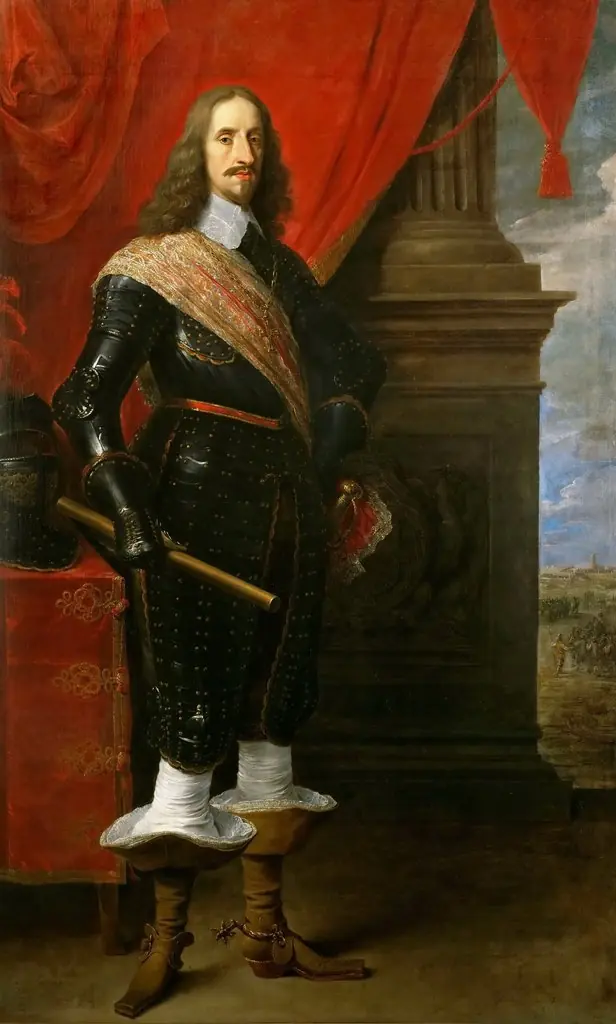 Archduke Leopold Wilhelm, with the Siege of Gravelingen in the background
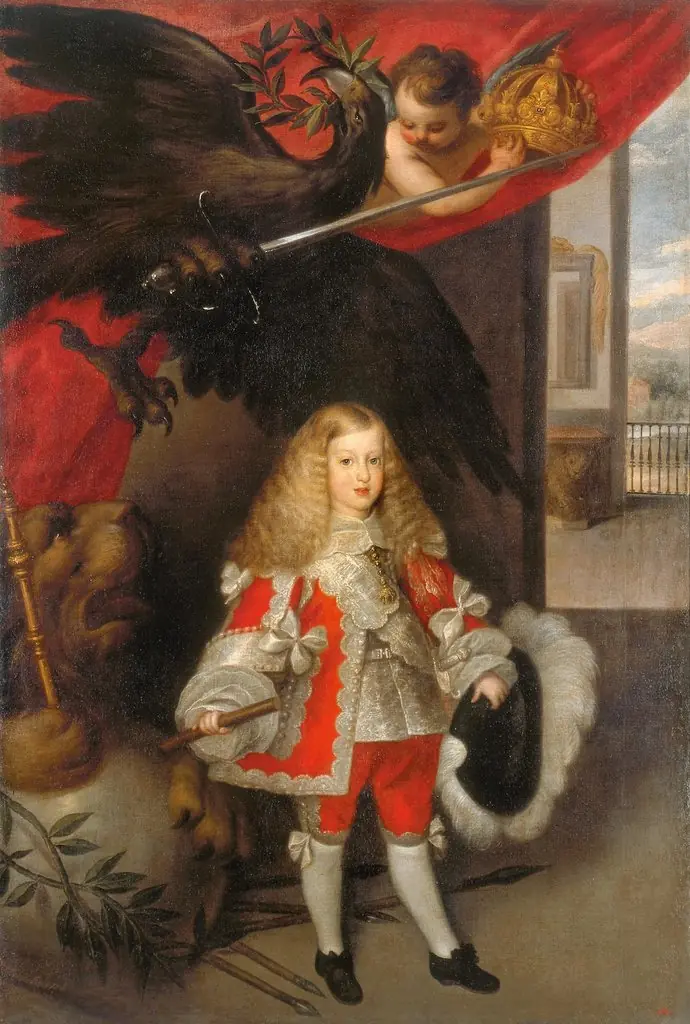 Portrait of Charles II as a Child
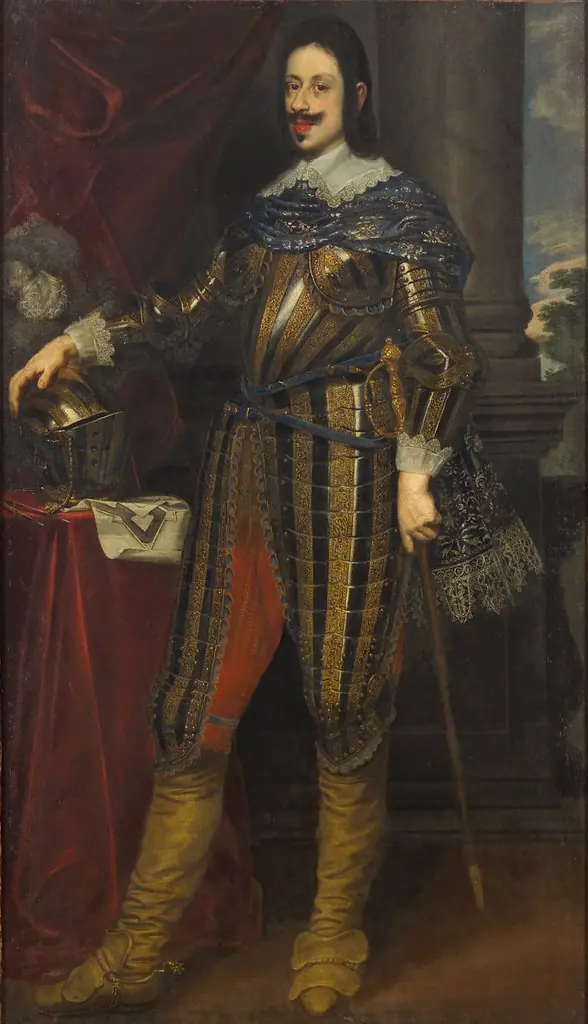 Grand-duke Ferdinand II of Tuscany (1610-1670) in Armour
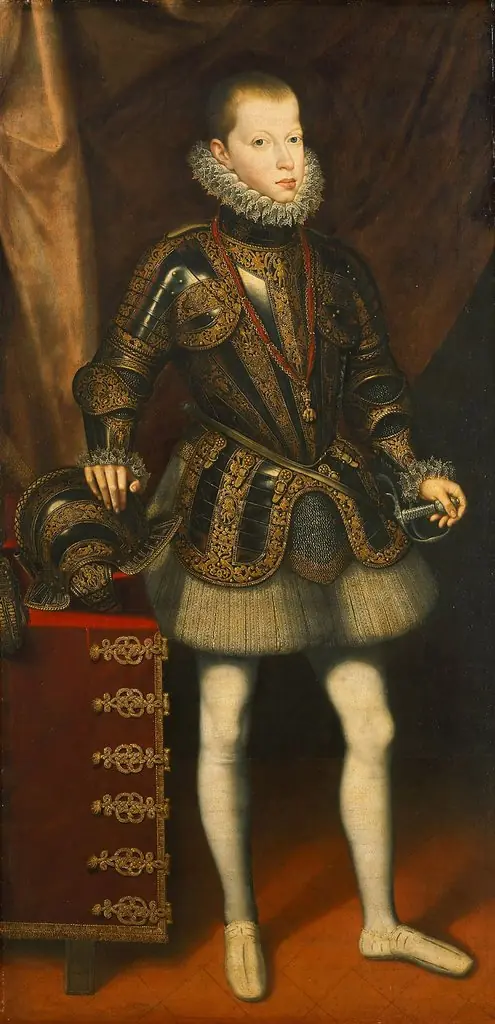 Infant Philipp in einem Harnisch
 Charles II in armour