Artwork
Huldrych Zwingli (1484 - 1531)
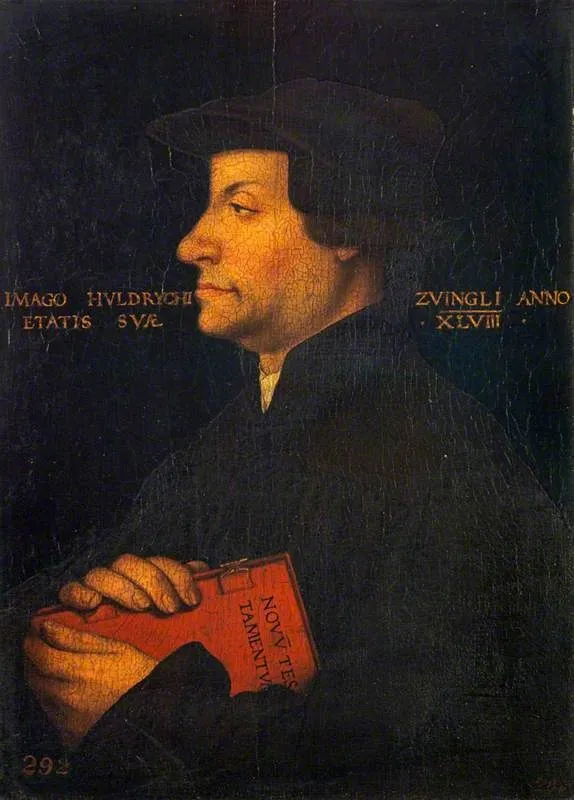
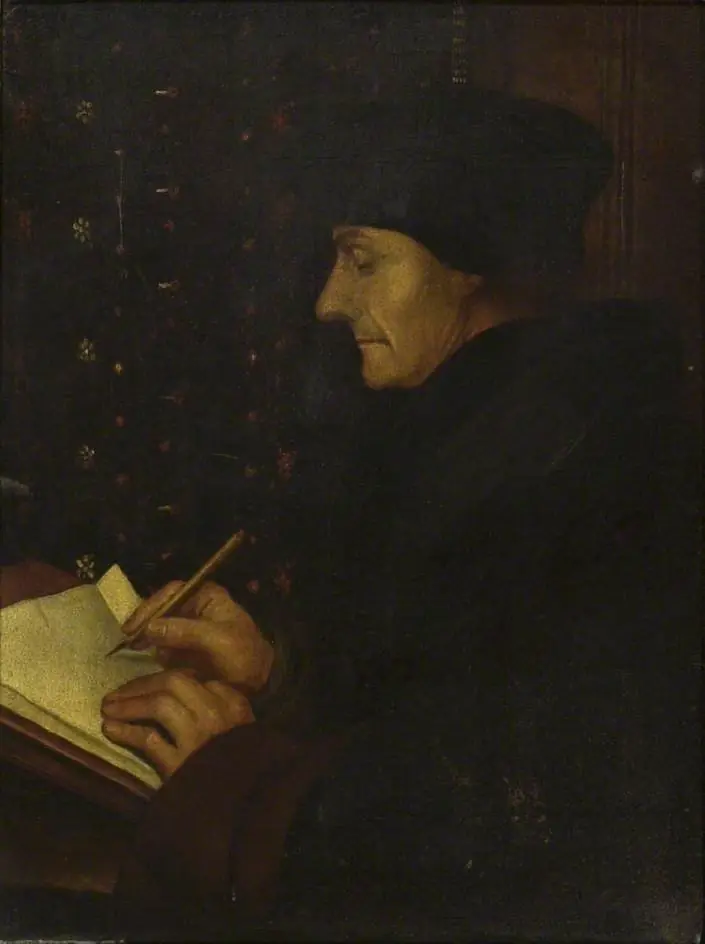
Huldrych Zwingli (1484 - 1531) is an oil painting by the Early Baroque Italian artist Unknown. It dates from 1550 and is held in the collection of the National Galleries Scotland. The oil painting presents a profile portrait of Huldrych Zwingli, the Swiss reformer, rendered in a dark, subdued setting.
About this work
The painting's use of chiaroscuro creates a sense of depth and dimensionality, drawing the viewer's attention to the subject's face and hands.
This portrait depicts a man in profile, facing left. He wears a dark robe and hat, holding an open red book in his hands. The text on the book is not legible. The background of the painting is dark, with some faint, illegible text visible behind the man's head.
The man's attire and hairstyle suggest a formal or professional setting, possibly from the 16th century. The book he holds may indicate his occupation or interests.
The painting's use of chiaroscuro creates a sense of depth and dimensionality, drawing the viewer's attention to the subject's face and hands. To learn more about this technique, explore the topic of chiaroscuro.
Overview
The oil painting presents a profile portrait of Huldrych Zwingli, the Swiss reformer, rendered in a dark, subdued setting. He faces left, dressed in a somber robe and hat, and holds an open red volume whose script cannot be read. The composition relies on strong contrasts of light and shadow to model his face and hands.
Subject & Meaning
Zwingli is shown with a book, a conventional symbol of learning and theological authority, underscoring his role as a religious leader during the Reformation. The red cover may allude to the importance of the text, while the unreadable background script hints at scholarly activity without specifying particular works.
Technique & Style
The artist employs chiaroscuro, using a limited light source to illuminate the figure against a nearly black backdrop. This treatment creates a three‑dimensional effect, emphasizing the contours of the face and the folds of the robe, while the faint, illegible lettering behind him recedes into shadow.
History & Provenance
Created in the early 16th century, the portrait reflects contemporary conventions for depicting reformers and scholars. Its provenance traces back to collections associated with Swiss religious institutions, though specific ownership details remain sparse.
Artist & collection









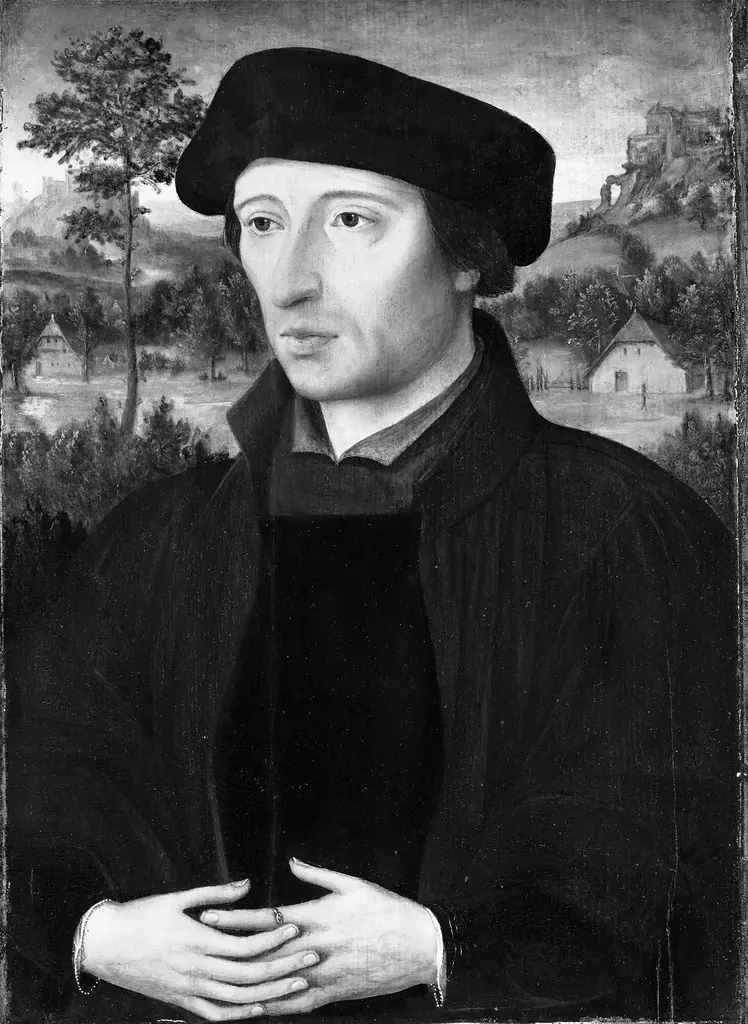
- Portrait of a Man
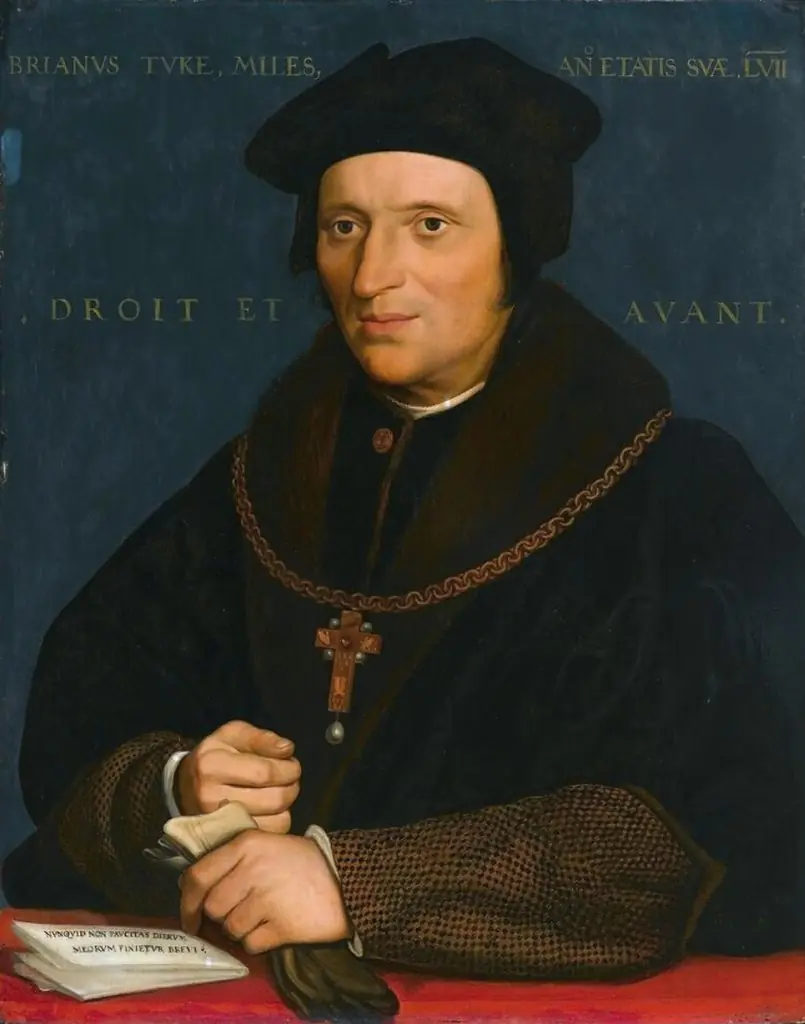 Portrait of Sir Bryan Tuke
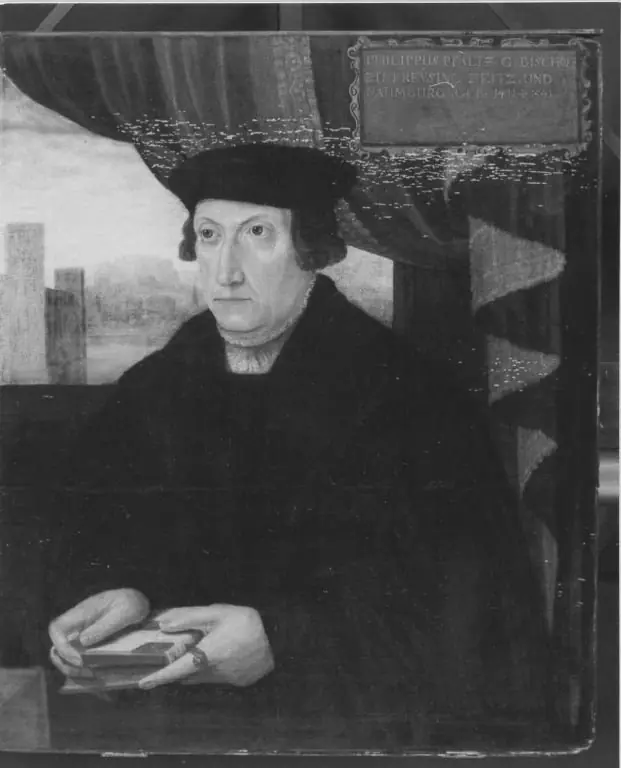 Portrait of Count Palatine Philip, Bishop of Freising
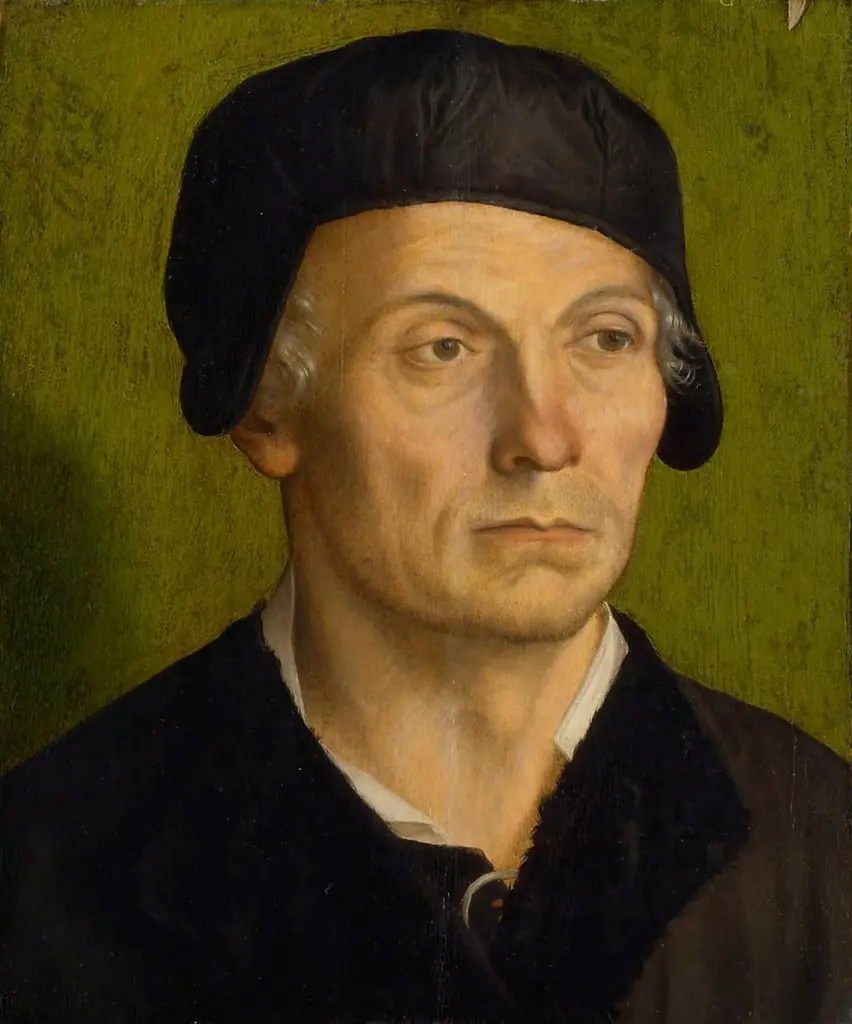 Portrait of a beardless man
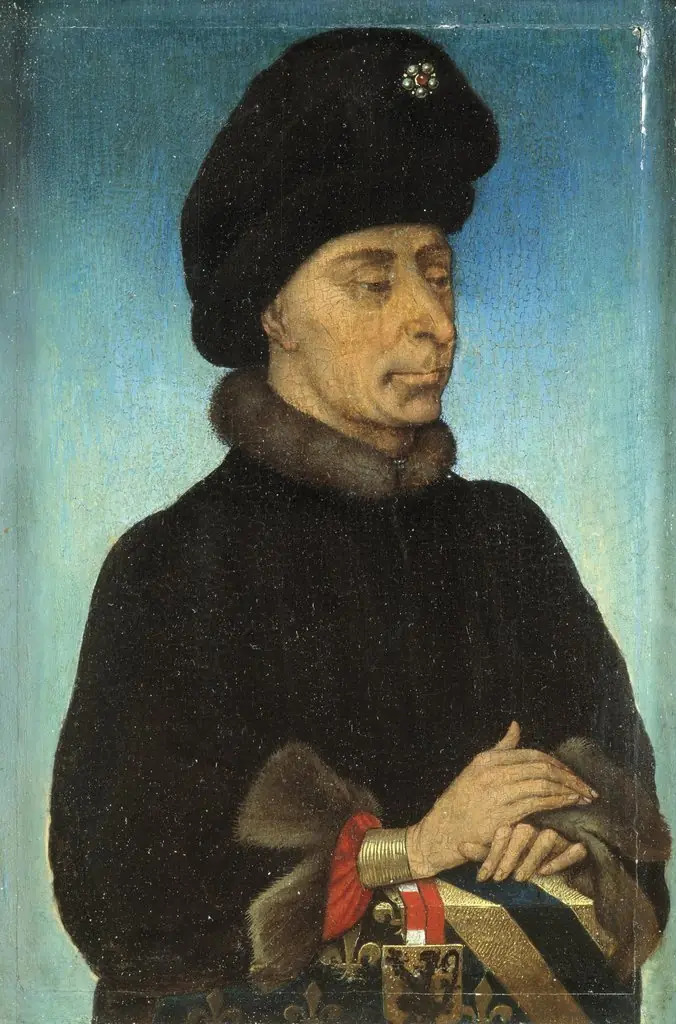 John the Fearless, Duke of Burgundy
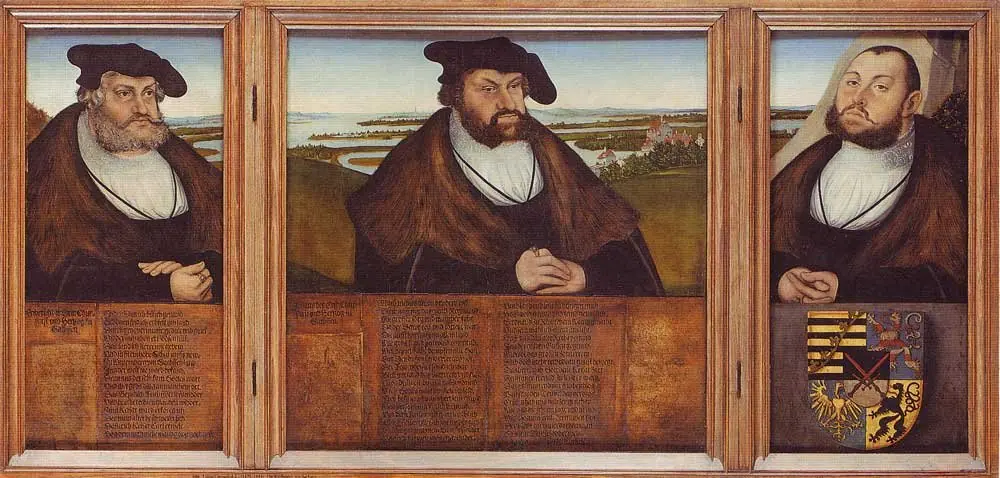 The three Electors of Saxony
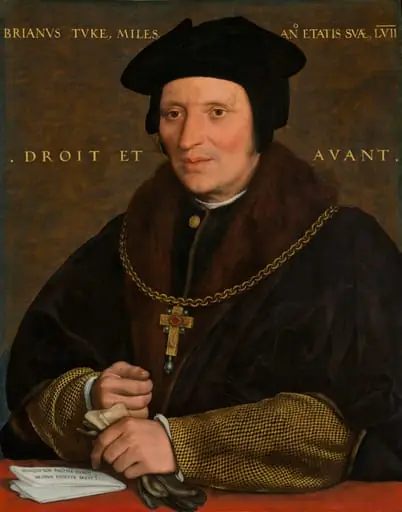 Sir Brian Tuke
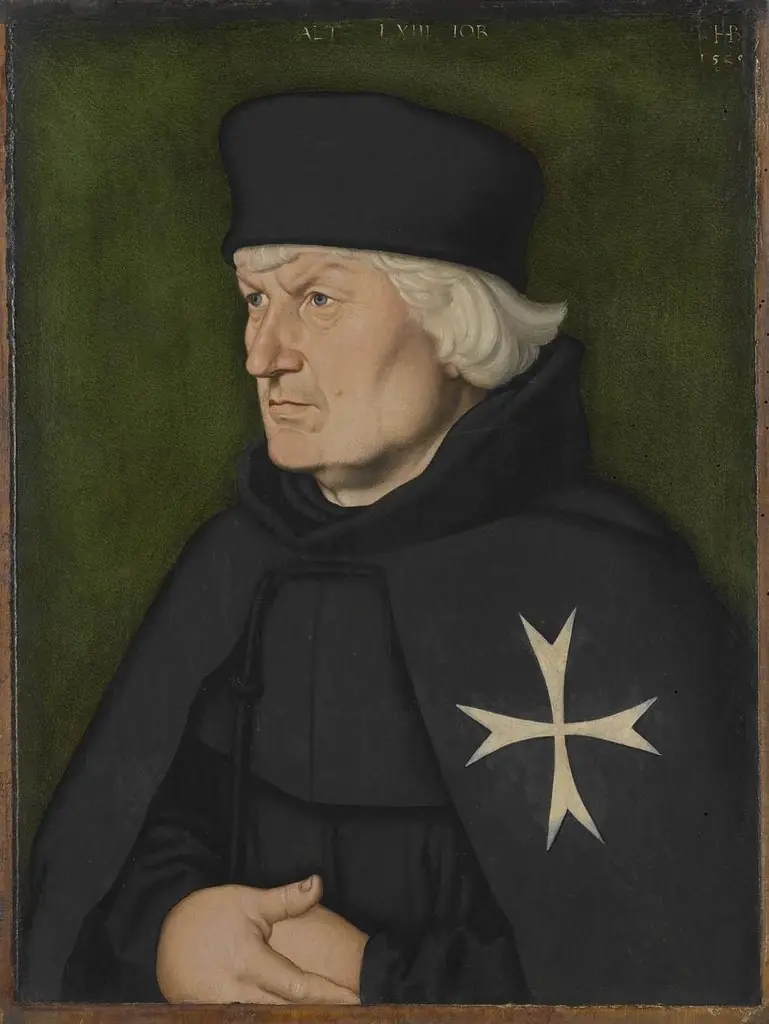 Bildnis des Straßburger Johanniterkomturs Balthasar Gerhardi
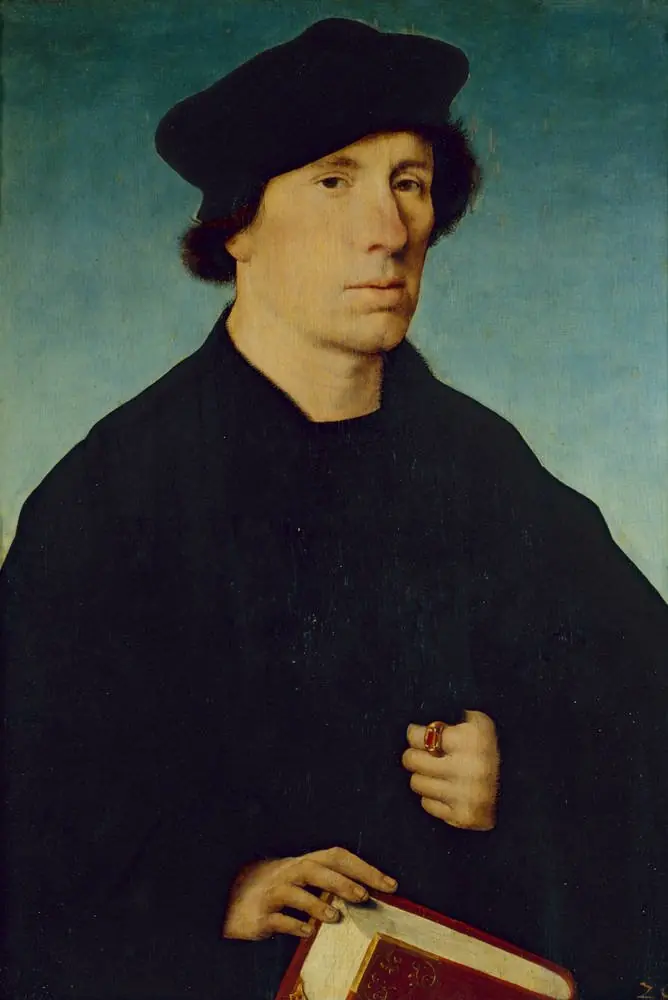 Portrait of a Beardless Man
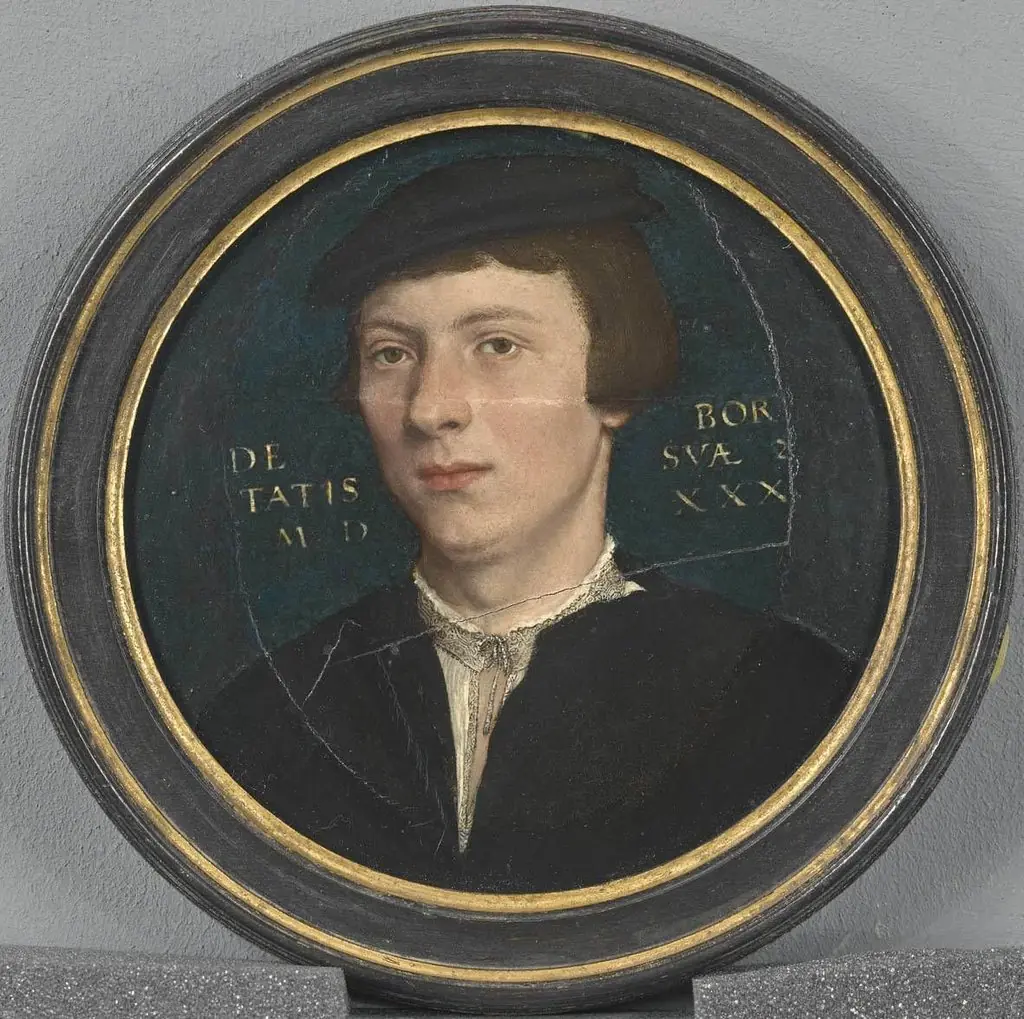 Derich Born
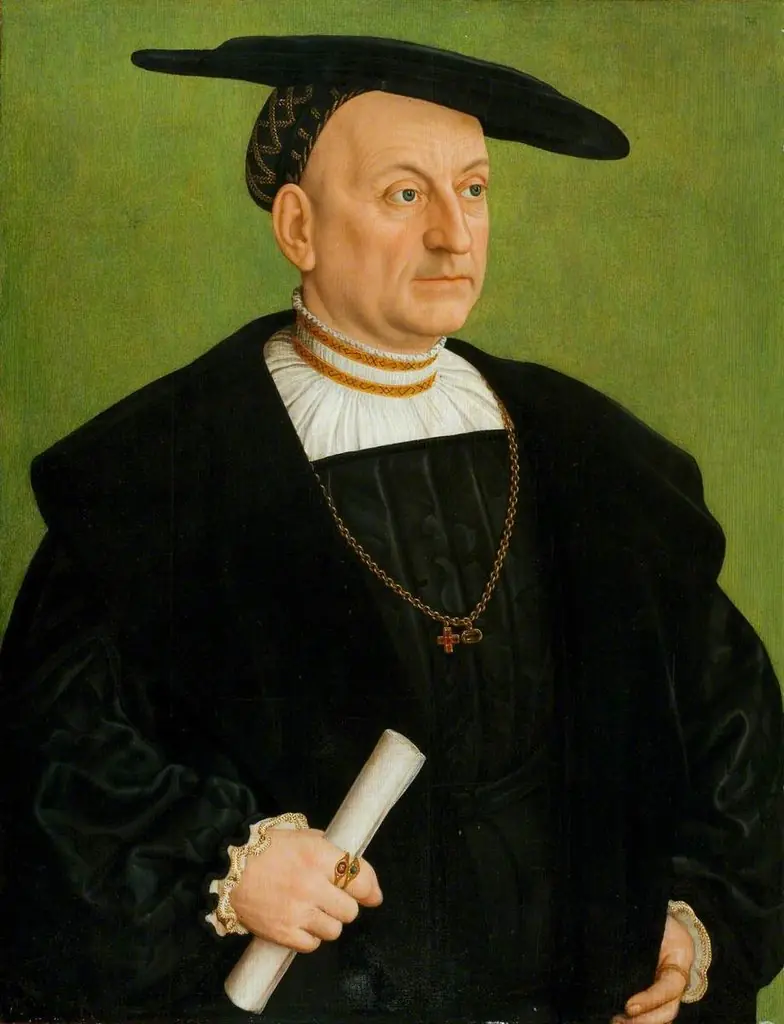 Portrait of Onophrius Scheit
 Desiderius Erasmus