Artwork
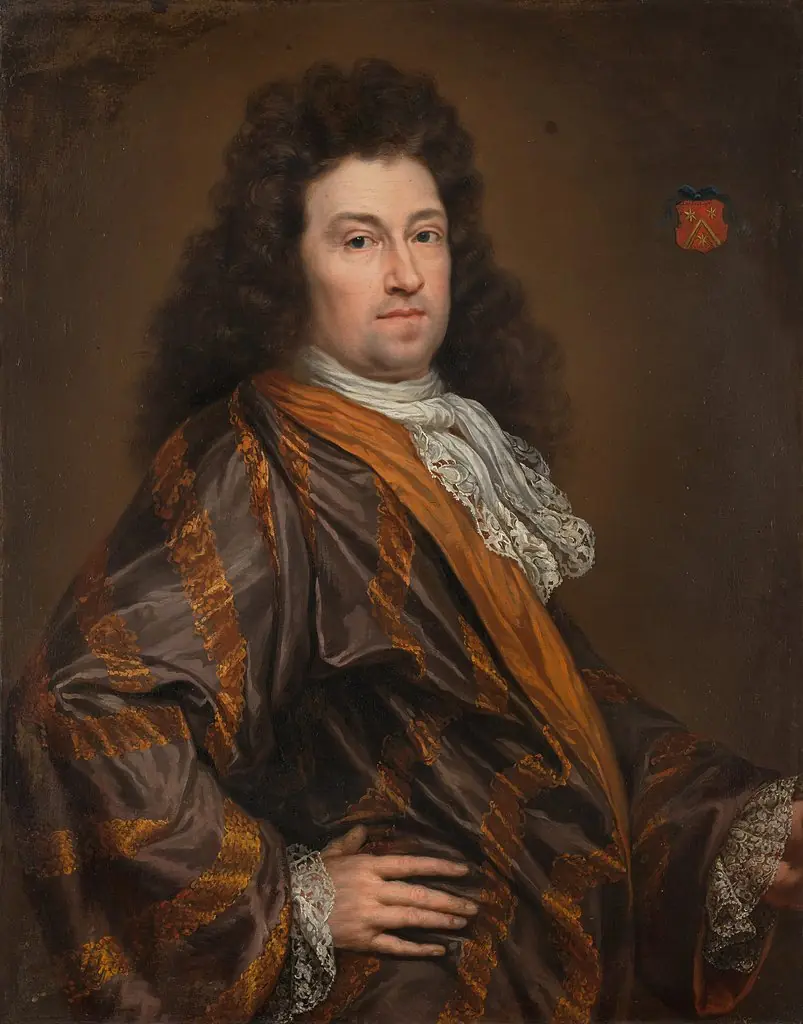
Jan de Hooghe (1650-1731). Anna de Hooghe's Cousin, Dressed for Shooting
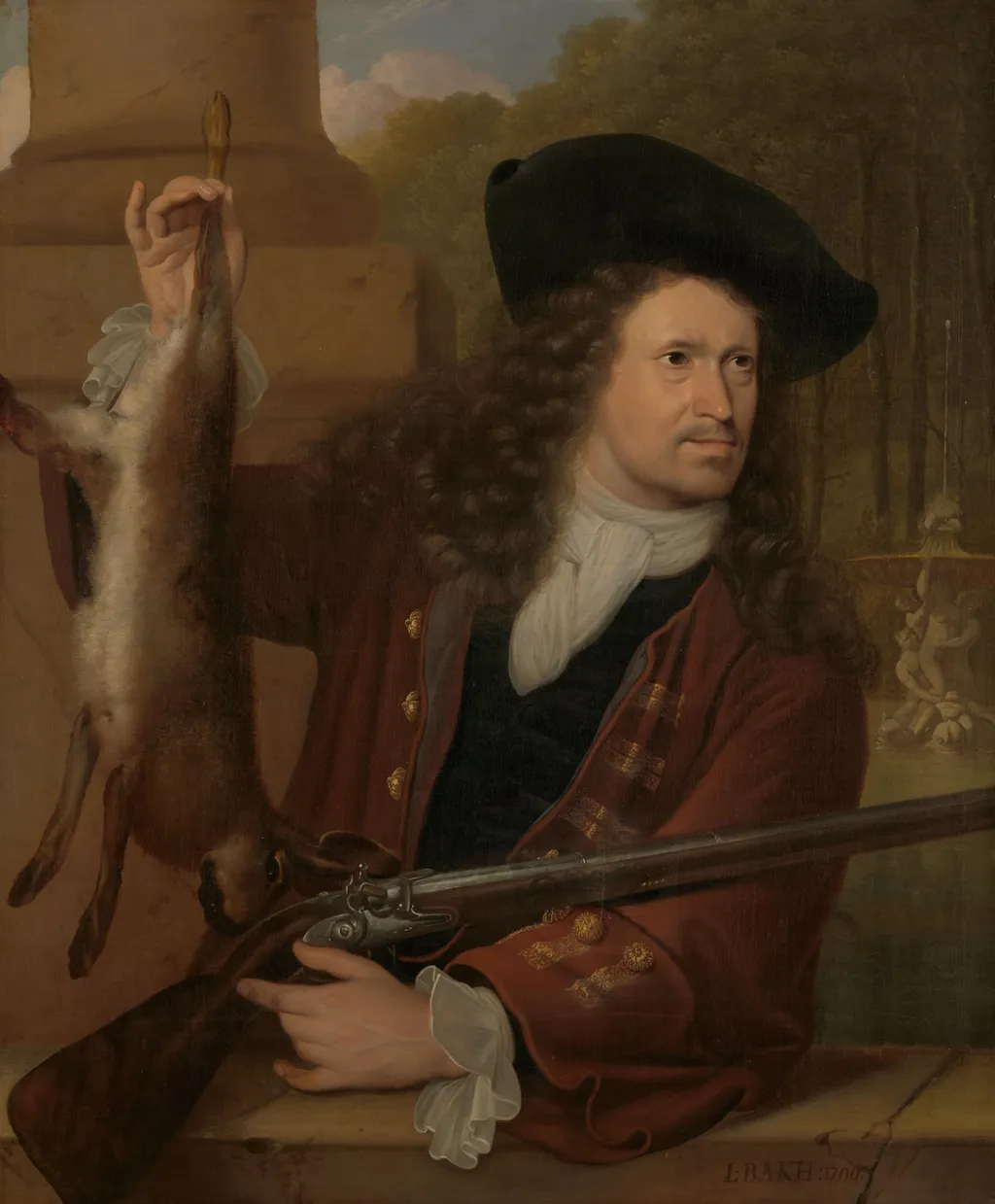
Jan de Hooghe (1650-1731). Anna de Hooghe's Cousin, Dressed for Shooting is an unspecified painting by the Rococo painting artist Unknown. It dates from 1700 and is held in the collection of the Rijksmuseum. This portrait depicts a young man from the de Hooghe family, likely Anna de Hooghe’s cousin, posed in a hunting outfit.
About this work
The artist didn’t sign it, so we don’t know who painted it, just that it was done around 1700.
A young man stands in a dark coat, holding a dead hare in one hand and a gun in the other. His clothes look expensive, with shiny buttons and a wide cuff.
This painting was probably made to show off the family’s wealth and hunting skills. The artist didn’t sign it, so we don’t know who painted it, just that it was done around 1700. The hare looks freshly shot, almost like it was added to prove the hunt was real.
If you like portraits with hidden stories, look up more works at the Rijksmuseum.
Overview
This portrait depicts a young man from the de Hooghe family, likely Anna de Hooghe’s cousin, posed in a hunting outfit. Painted around 1700, it captures him holding a freshly killed hare and a firearm. The artist remains unidentified, though the work reflects the conventions of Dutch portraiture from the period. The composition emphasizes status and leisure, common themes among the urban elite of the time.
Subject & Meaning
The subject is presented not merely as a gentleman but as an active participant in a privileged pastime. The dead hare, held with casual authority, signals successful hunting, a symbol of landownership and social standing. His attire, though practical, is rendered with fine detail, suggesting wealth and taste.
The image functions as a quiet assertion of lineage and economic security, rather than a celebration of violence.
Technique & Style
The painting employs a restrained palette dominated by dark tones, with highlights on metallic buttons and fabric cuffs to draw attention to the sitter’s affluence. The hare is rendered with sharp clarity, contrasting with the softer modeling of the figure’s clothing. Brushwork is precise but unobtrusive, prioritizing realism over dramatic flair. The background remains indistinct, focusing attention entirely on the subject and his trophy.
History & Provenance
The painting’s early ownership is undocumented, but it entered the Rijksmuseum’s collection as part of a broader effort to preserve Dutch Golden Age portraiture. No signature or inscription survives, leaving the artist anonymous. Its survival suggests it remained within the family or was acquired early by a collector interested in regional elite culture. It has been consistently cataloged as a study in status and domestic identity.
Context
In early 18th-century Holland, hunting was more than recreation, it was a marker of nobility and land control, even for wealthy burghers. Portraits featuring game and firearms were common among the urban upper class, blending civic pride with rural tradition. This work aligns with a broader trend of self-representation that emphasized moral virtue through controlled leisure, rather than overt militarism or aristocratic pretense.
Legacy
Though unsigned and modest in scale, the portrait offers insight into how wealth was visually negotiated in post-Golden Age Dutch society. It avoids grandeur, instead relying on subtle cues, fabric, posture, and the presence of game, to convey status. Today, it is valued not for its artistic fame but for its quiet documentation of social norms, offering a window into the everyday rituals of the Dutch elite.
Artist & collection









 Portrait of a Man as a Hunter
 Portrait of a Gentleman as a Hunter
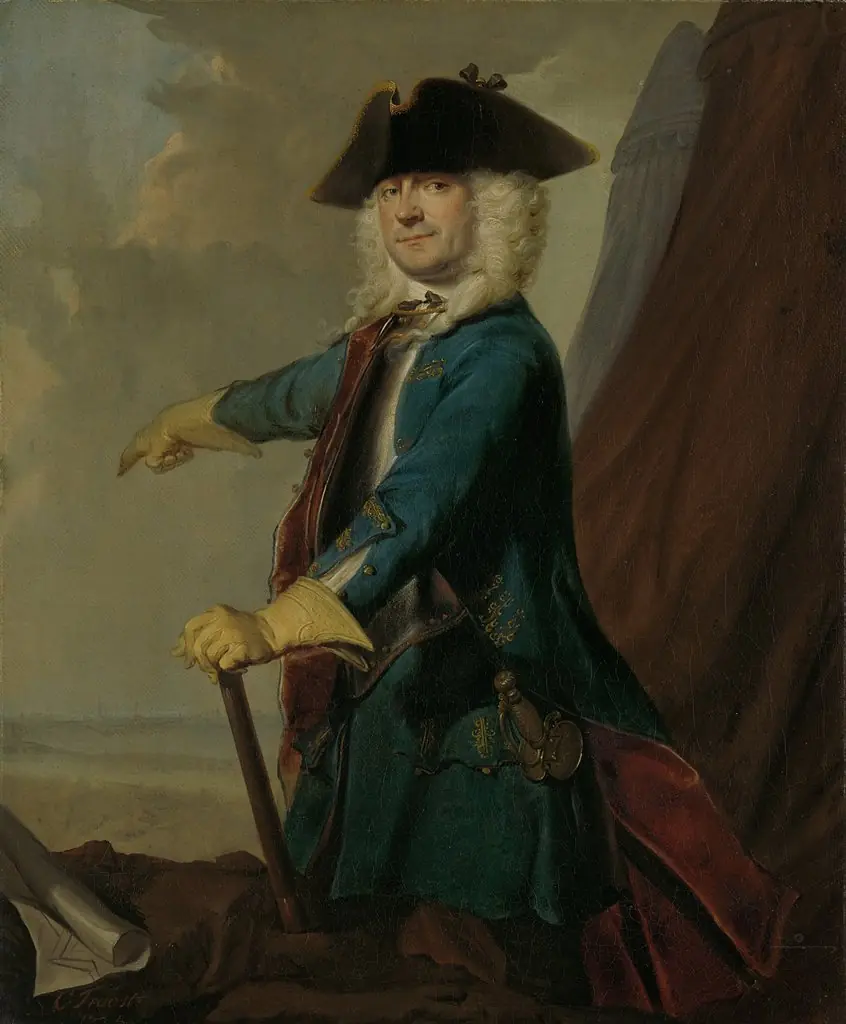 Gerrit Sichterman (1688-1730). Quartermaster-General of the Cavalry, Colonel of the Oranje-Groningen Infantry Regiment, Commandant of Grave
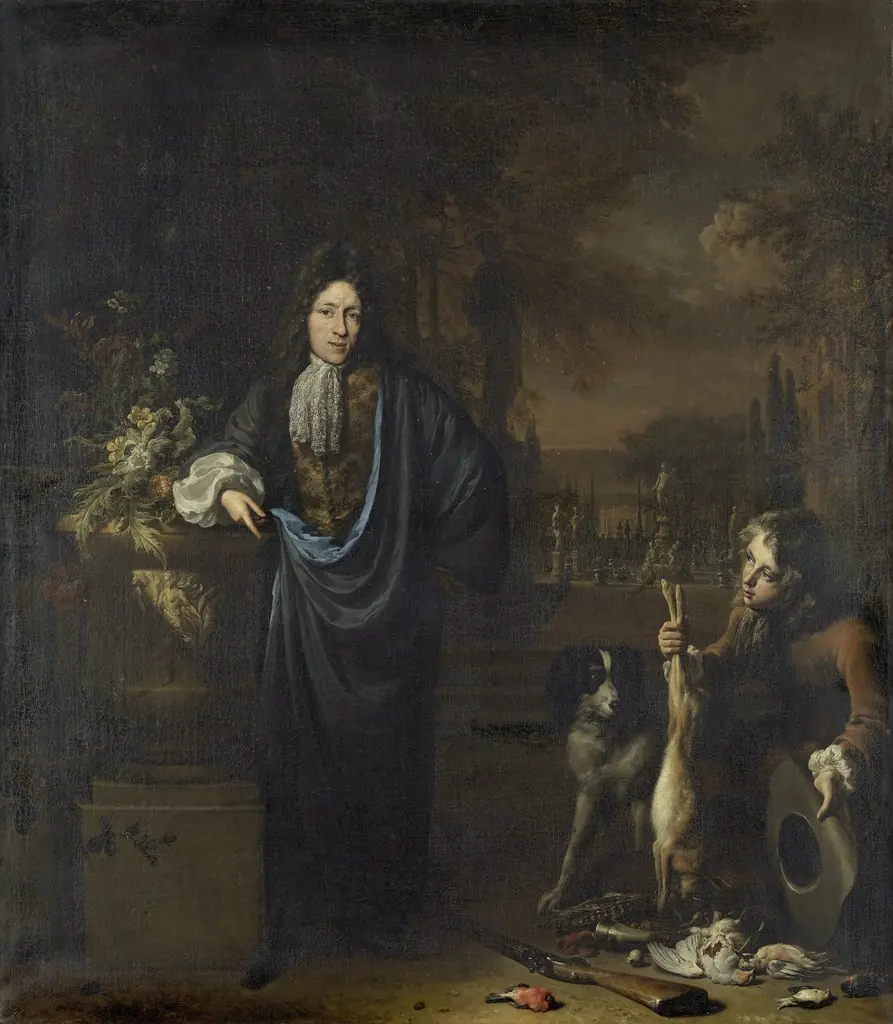 Portrait of Silvester van Tongeren
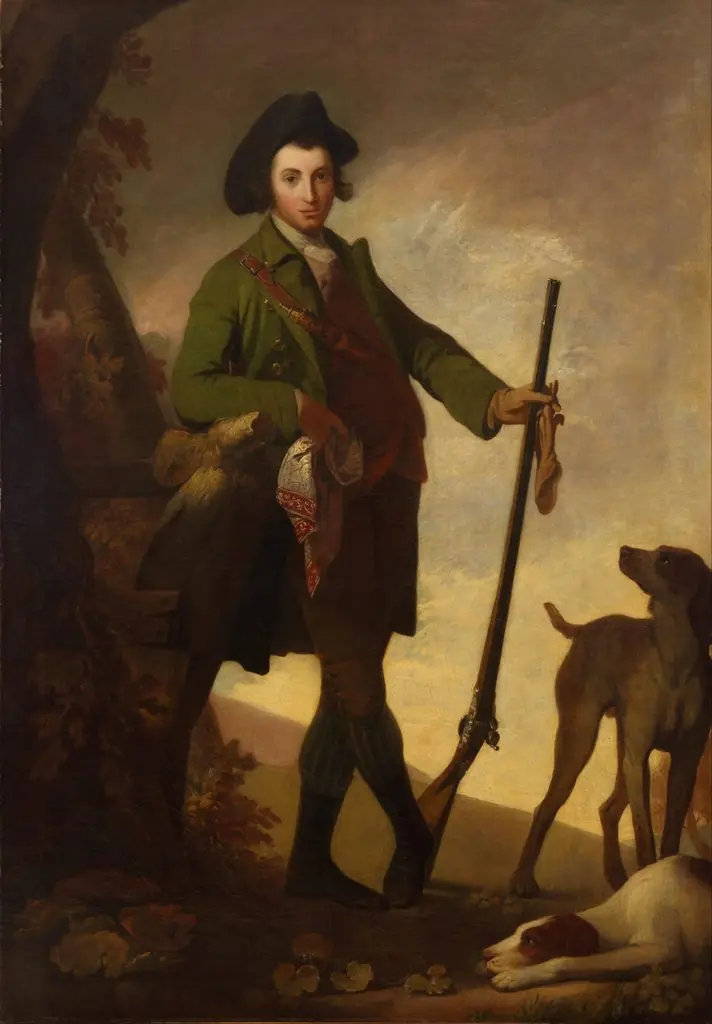 The young sportsman
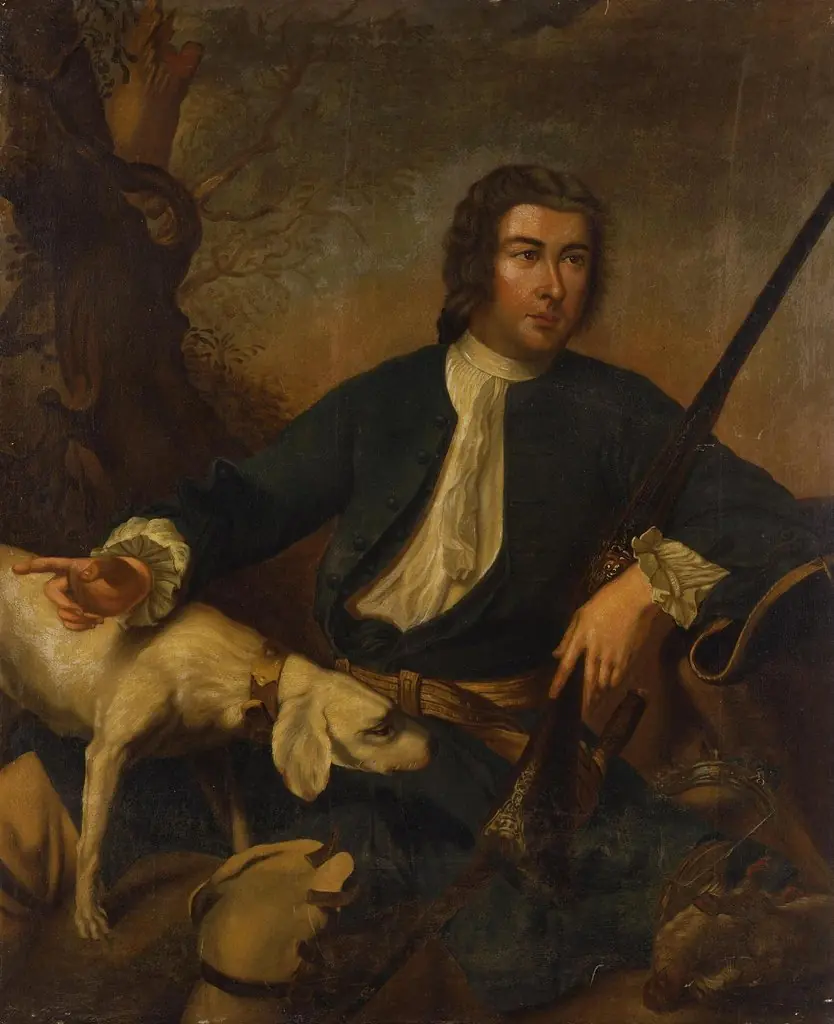 Portrait of Count Nikita Ivanovich Panin
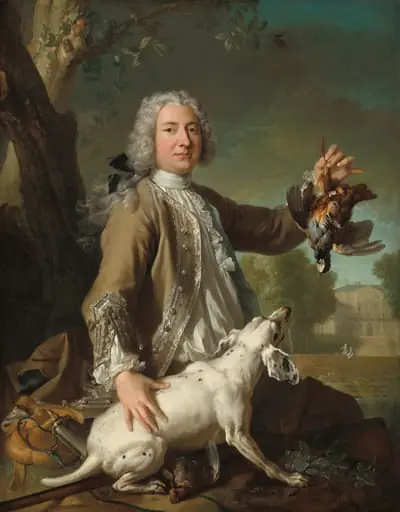 Henri Camille, Chevalier de Beringhen
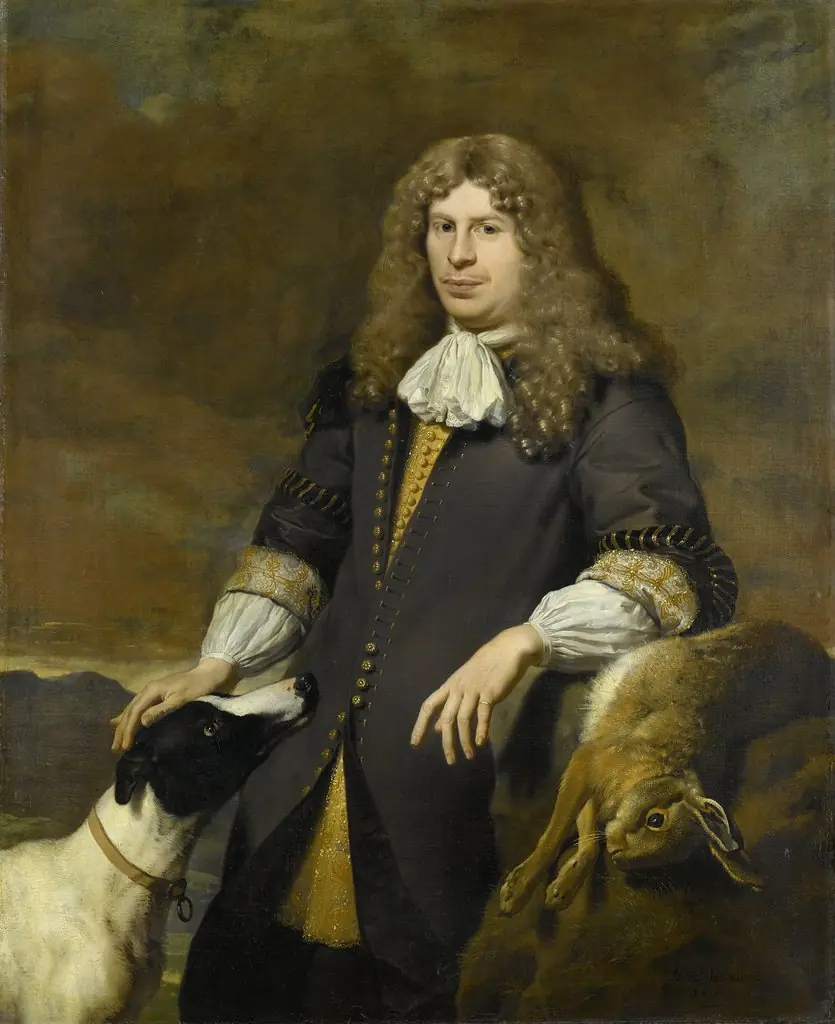 Portrait of a man, possibly Jacob de Graeff, alderman of Amsterdam in 1672
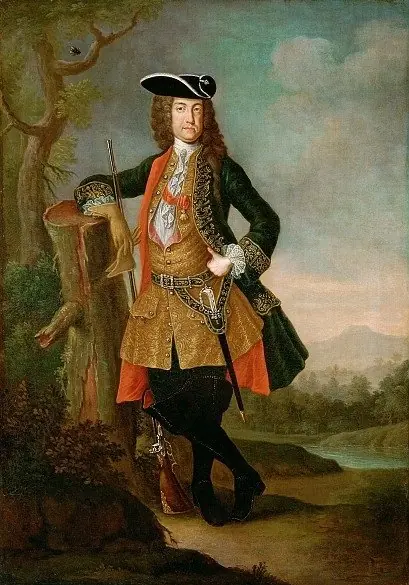 Kaiser Karl VI. (1685-1740) im Jagdkostüm
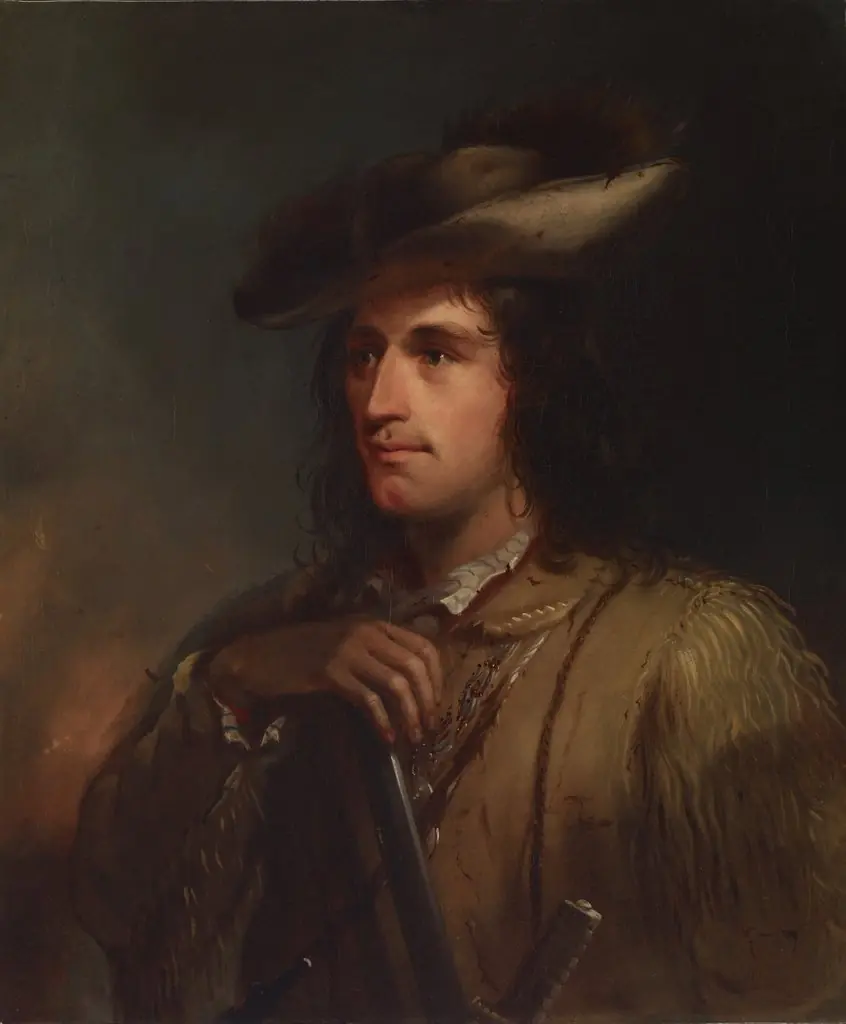 Portrait of Antoine
 Portrait of François Leydecker, Delegate to the Court of Audit for Zeeland
- Portrait of Harmen van de Poll, Son of Jan van de Poll