Artwork
Johann Theodor of Bavaria, son of Maximilian II Emanuel
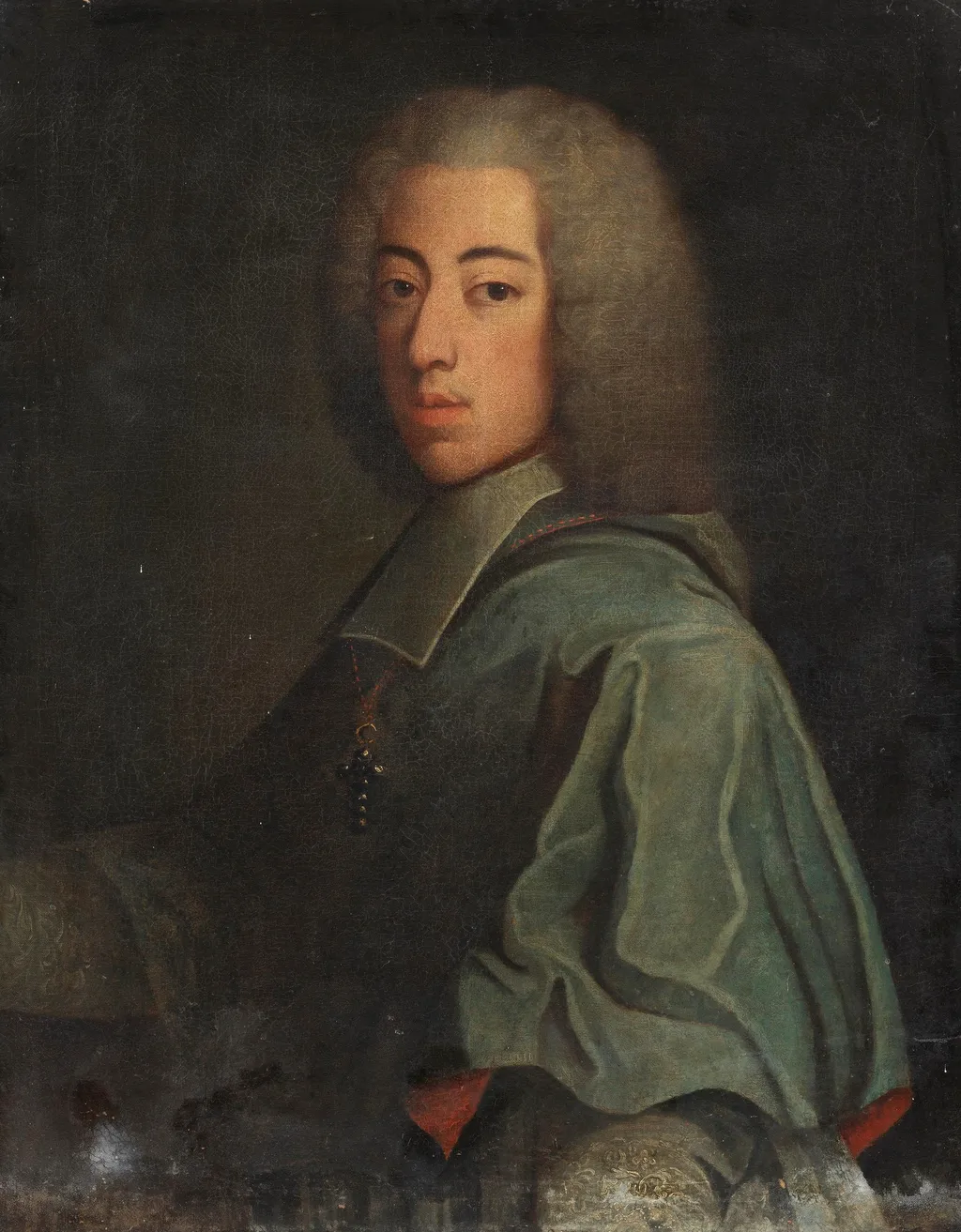
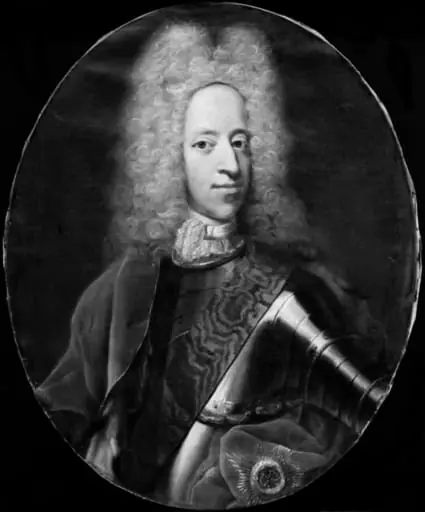
Johann Theodor of Bavaria, son of Maximilian II Emanuel is an unspecified painting by the Rococo painting artist Unknown. It dates from 1724 and is held in the collection of the Bavarian State Painting Collections. The work is a formal portrait of Johann Theodor of Bavaria, the son of Maximilian II Emanuel.
About this work
Subject & Meaning
The work is a portrait depicting John Theodore of Bavaria, who was the son of Maximilian II Emanuel.
The work is a portrait depicting John Theodore of Bavaria, who was the son of Maximilian II Emanuel. Created in 1724, the painting serves as a formal representation of this specific historical figure. As a portrait genre piece, its primary iconographic function is to present the likeness and status of the subject, John Theodore of Bavaria, rather than to illustrate a narrative scene or complex symbolic allegory.
Technique & Style
Created in 1724, this work is classified as a painting and identified as a copy executed after the style of Joseph Vivien. The piece functions as a formal portrait depicting John Theodore of Bavaria, adhering to the conventions of early 18th-century portraiture. While specific details regarding the exact ground preparation or brushwork handling are not detailed in the available records, the work is held within the Bavarian State Painting Collections at the Alte Pinakothek.
The physical support measures 80.9 cm in height and 64.3 cm in width, presenting the subject in a standard portrait format.
History & Provenance
The portrait of Johann Theodor of Bavaria was created in 1724, as established by its canonical dating. It is attributed to the workshop or circle of Joseph Vivien, though not directly to the artist himself. The painting was commissioned to depict Johann Theodor, son of Maximilian II Emanuel, Elector of Bavaria, likely as part of a series of dynastic portraits.
The work has been part of the Bavarian State Painting Collections since at least the early 20th century, where it remains housed in the Alte Pinakothek. No earlier ownership records or intermediary collectors are documented in the available sources, suggesting a continuous institutional provenance tied to the Bavarian royal or state collections.
Context
The portrait of Johann Theodor of Bavaria, painted in 1724, was created within the Bavarian court milieu and reflects the stylistic influence of Joseph Vivien, though it is categorized as a distinct work rather than a direct copy. Its formal qualities and courtly subject matter align with the genre of aristocratic portraiture prevalent in early 18th-century Bavaria, situating it within the broader trajectory of German Rococo portraiture. The work is held in the Bavarian State Painting Collections at the Alte Pinakothek, where it remains part of their permanent holdings.
Scholarly attention to the painting has focused on its role in documenting dynastic identity among the Wittelsbach family, with recent studies contextualizing it within the visual politics of Bavarian electoral power. Art historical surveys of 18th-century German portraiture frequently reference the piece as an example of the transitional style between Baroque opulence and emerging Rococo elegance, particularly in its treatment of drapery and psychological presence.
Legacy
The portrait of Johann Theodor of Bavaria, painted in 1724 and now held by the Bavarian State Painting Collections at the Alte Pinakothek, has been understood as a work after Joseph Vivien, reflecting the court's artistic patronage during the early 18th century. Its depiction of John Theodore of Bavaria contributed to the visual documentation of Bavarian dynastic figures, supporting scholarly assessments of court portraiture in the period. The painting's attribution and stylistic analysis continue to inform studies of German Rococo portraiture and the transmission of artistic influence within royal families.
Overview
The work is a formal portrait of Johann Theodor of Bavaria, the son of Maximilian II Emanuel. Rendered in oil on canvas, the composition centers the sitter against a dark backdrop, emphasizing his features and attire. The painting conveys a sober, dignified presence appropriate to a member of the Bavarian royal family.
Artist & collection









 Nuori soturi
 Hieronymus Josephus Boudaen, Lord of St Laurens and Popkensburg
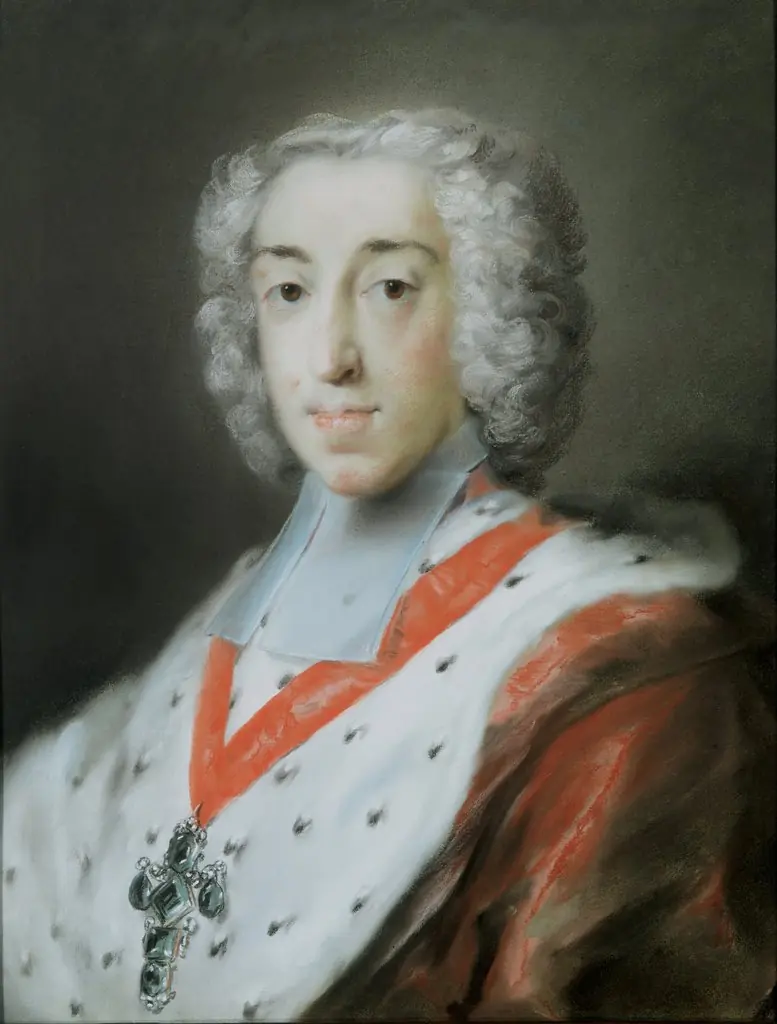 Elector Clemens Augustus of Cologne (1700-1761)
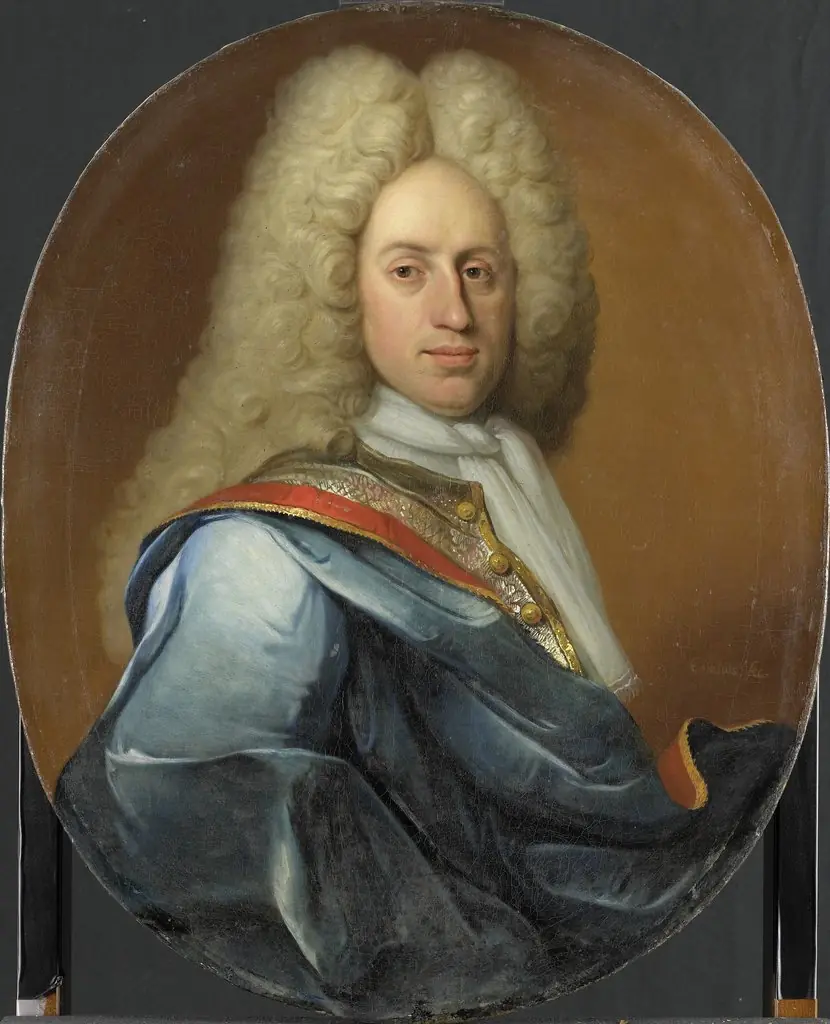 Portrait of Hieronymus Josephus Boudaen, Lord of St Laurens and Popkensburg
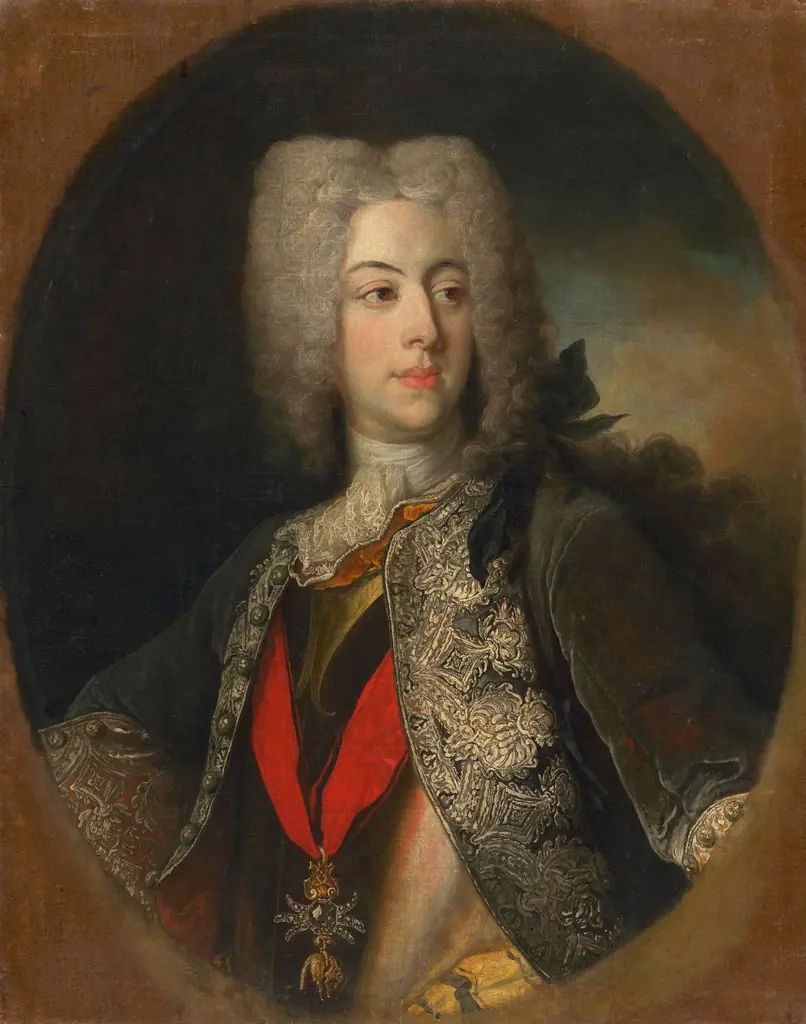 Elector Charles Albert of Baviera
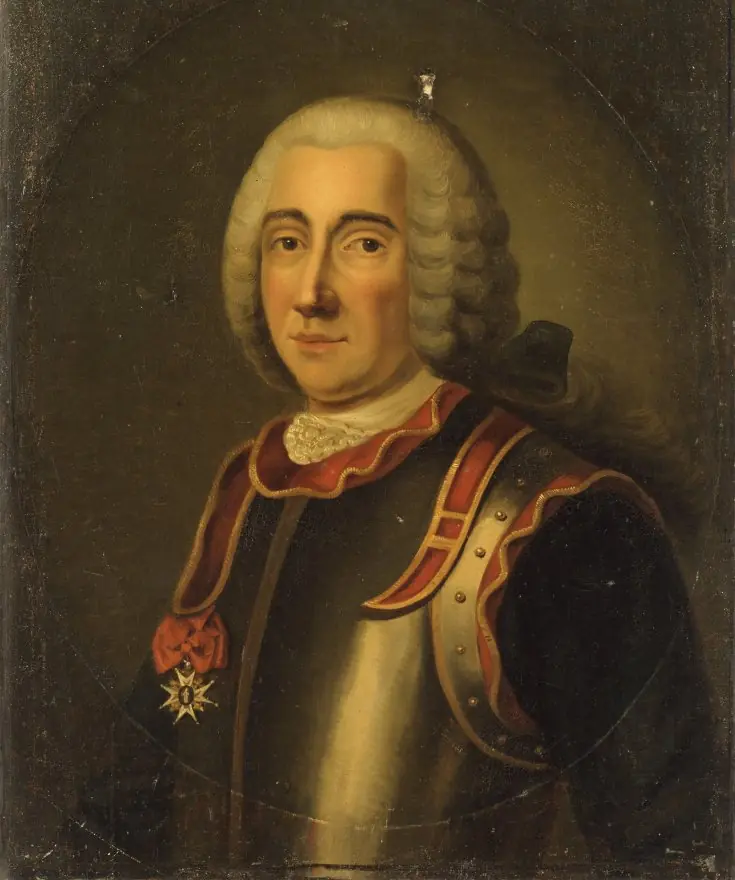 Claude comte de Forbin, chef d'escadre
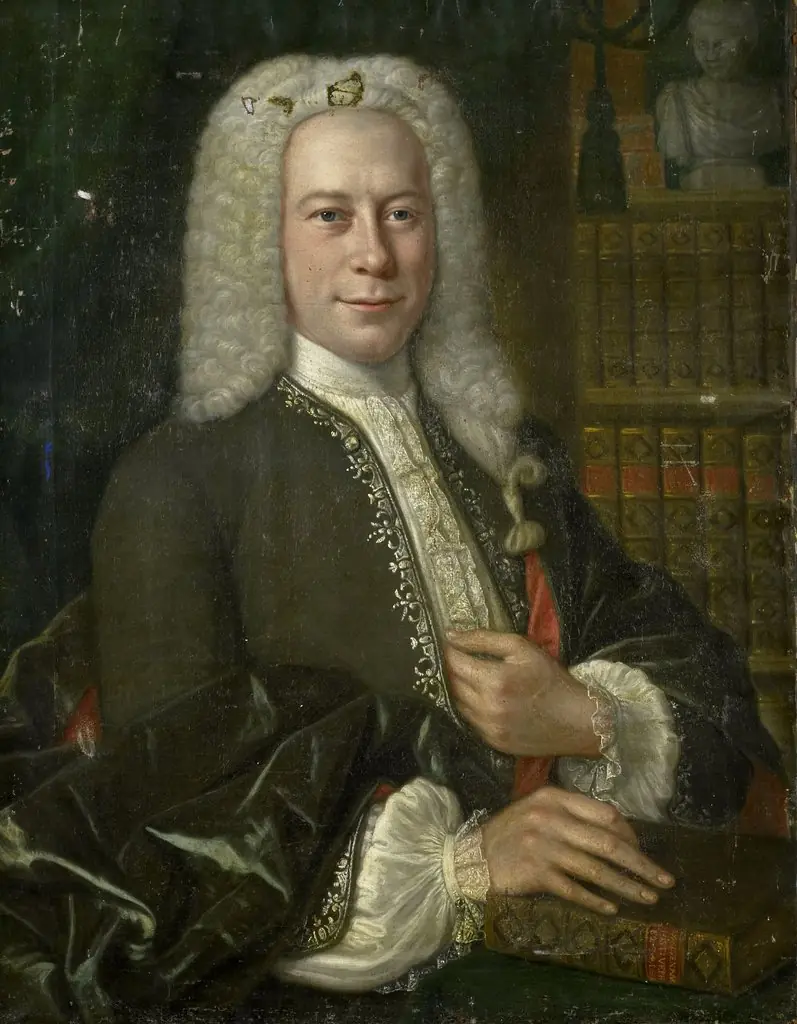 Portrait of an Historian
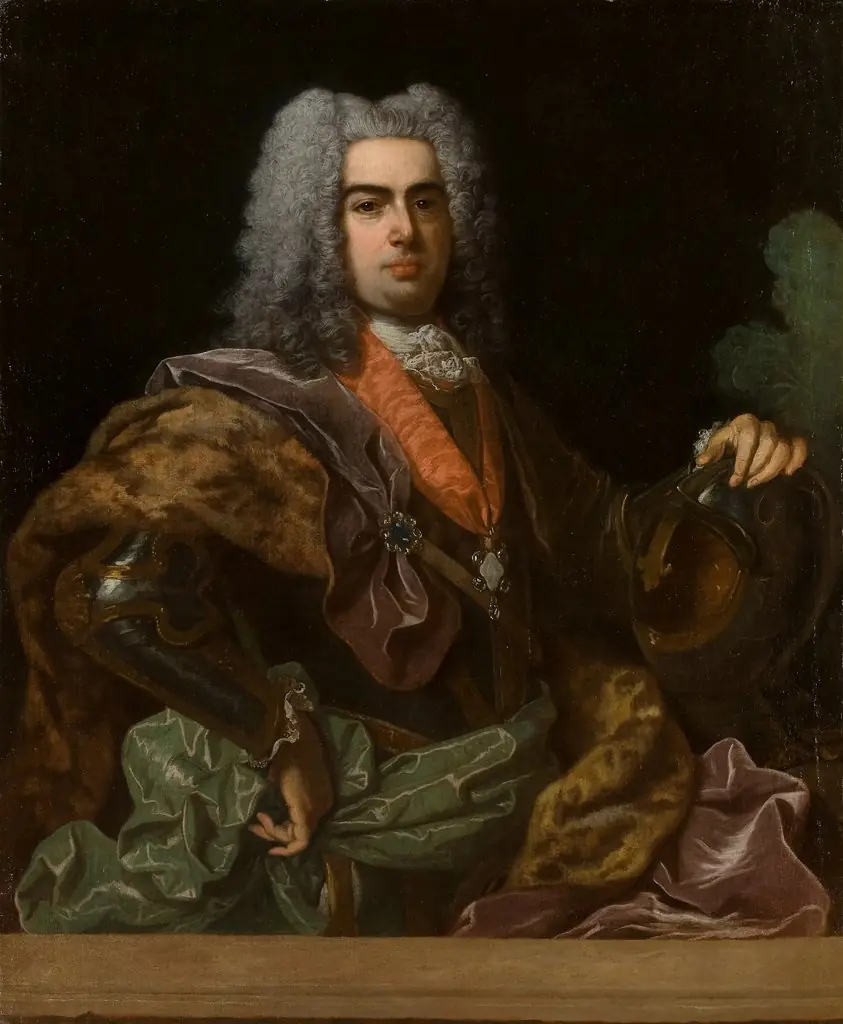 John V, King of Portugal
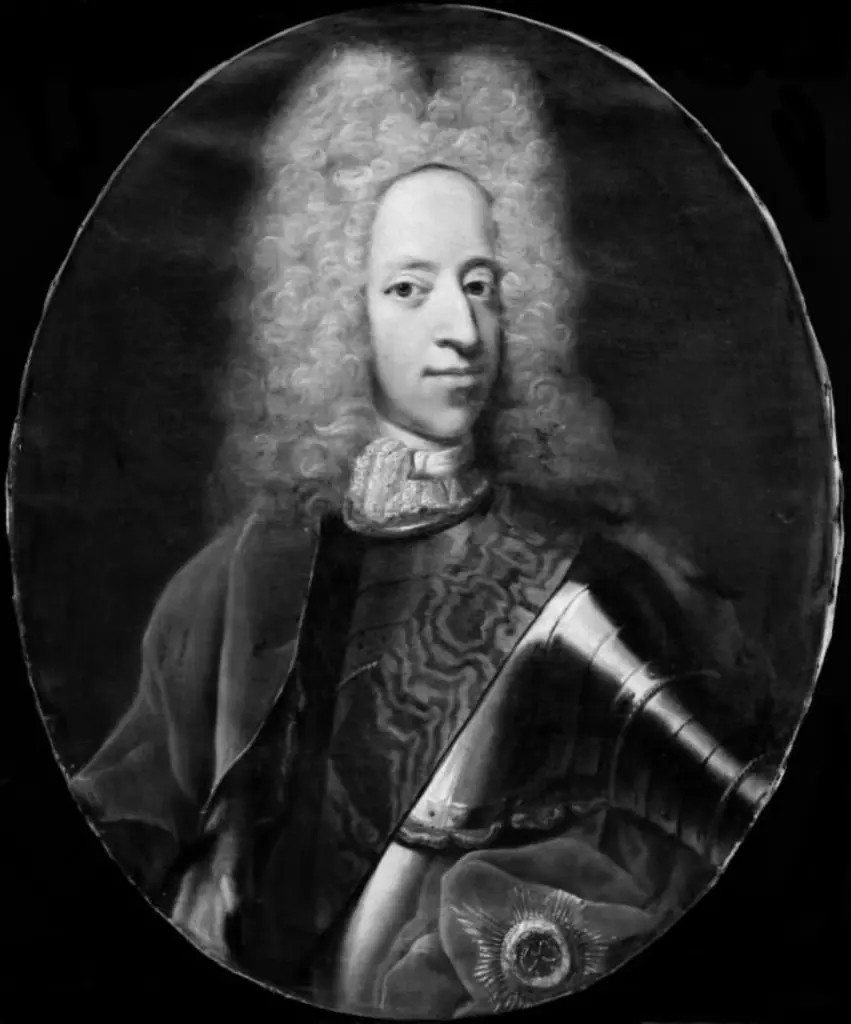 Kong Christian VI som prins
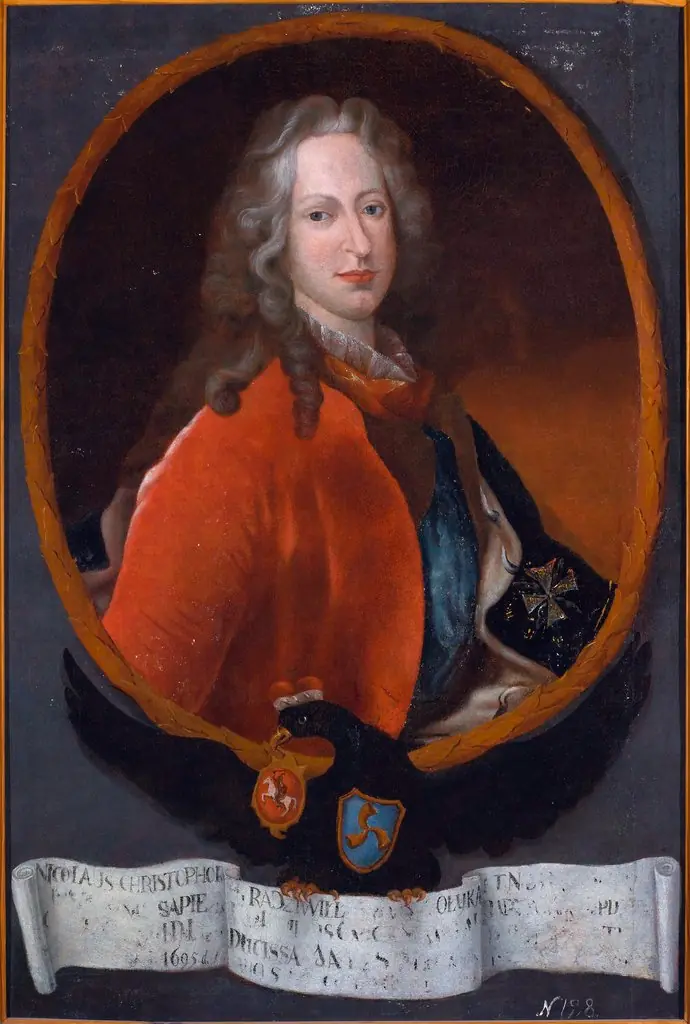 Portrait of Mikołaj XVI Krzysztof Radziwiłł (1695–1715)
 Kong Christian VI som prins
- Clemens August of Bavaria, son of Maximilian II Emanuel