Artwork
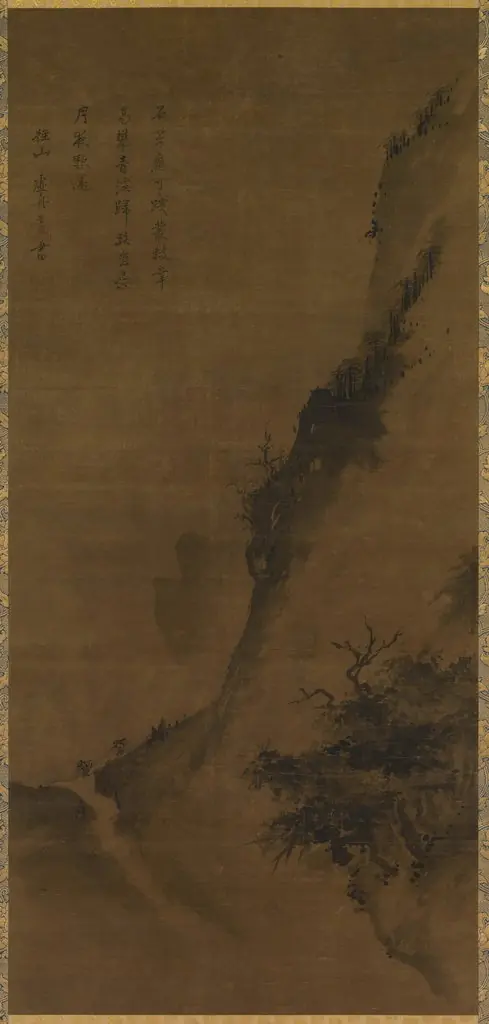
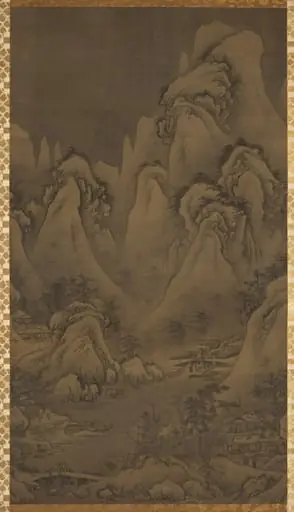
Landscape with Woodcutters Returning Home
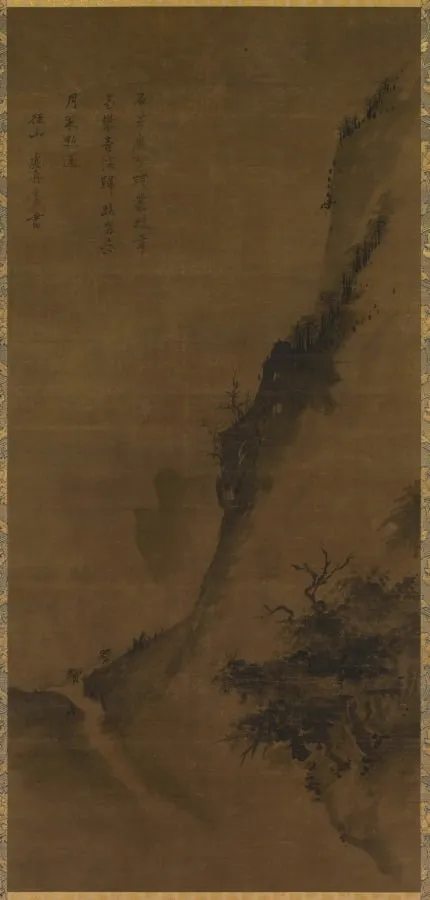
Landscape with Woodcutters Returning Home is an unspecified painting by the Song dynasty landscape artist Unknown. It dates from 1204 and is held in the collection of the Cleveland Museum of Art.
- Accession no.
- 1988.20
- Credit line
- Leonard C. Hanna Jr. Fund
About this work
Look up more paintings from china, southern song dynasty (1127-1279) to see how they turned everyday scenes into quiet moments of meditation.
You see two woodcutters walking down a misty hillside with bundles of sticks on their backs.
This painting hung in a Buddhist temple, not a palace. The monks used it to remind themselves that simple work in nature could be a kind of prayer. The artist worked fast, with loose brushstrokes that almost feel like breath on paper.
Look up more paintings from china, southern song dynasty (1127-1279) to see how they turned everyday scenes into quiet moments of meditation.
Overview
This hanging scroll, painted during the Southern Song period, depicts two woodcutters descending a mist‑shrouded slope, each bearing a bundle of sticks. Rendered in broad, swiftly laid washes punctuated by dark stippled marks, the composition emphasizes the modest rhythm of labor set within a natural landscape.
Subject & Meaning
The scene illustrates the everyday activity of woodcutters, reflecting Chan Buddhist ideals that value simple, manual work as a form of meditation. By presenting a humble, labor‑focused subject instead of divine figures, the painting serves as a visual reminder that spiritual insight can arise from ordinary tasks performed in nature.
Technique & Style
Executed with rapid, expressive brushwork, the artist employs loose washes to suggest atmospheric mist and uses concentrated dark dots and texture strokes to define the figures and foliage. This approach creates a sense of immediacy, as if the viewer is witnessing a fleeting moment captured in a single breath of ink.
History & Provenance
The scroll bears an inscription by Xuzhou Pudu, a priest of Wanshou Temple near the Southern Song capital of Lin’an (present‑day Hangzhou). It was originally displayed in a Buddhist temple rather than a royal court, indicating its devotional function within monastic practice.
Context
During the late Song dynasty, Chan temples often replaced traditional deity imagery with depictions of landscapes, flora, and quotidian life. Such works aligned with the period’s aesthetic shift toward understated, contemplative scenes that encouraged mindfulness and a direct engagement with the natural world.
Artist & collection