Artwork
Louis Morau
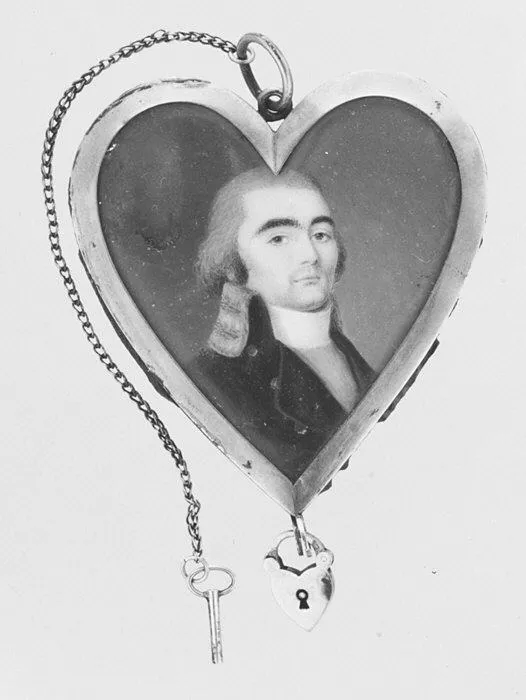
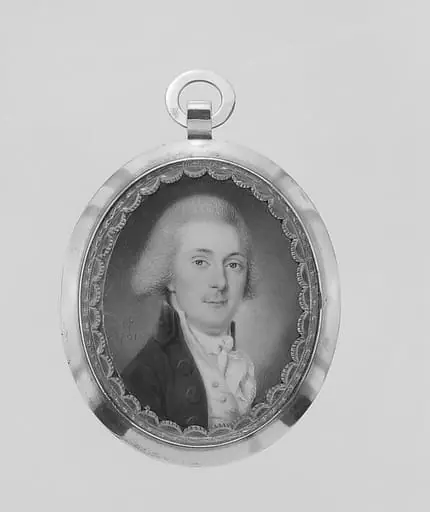
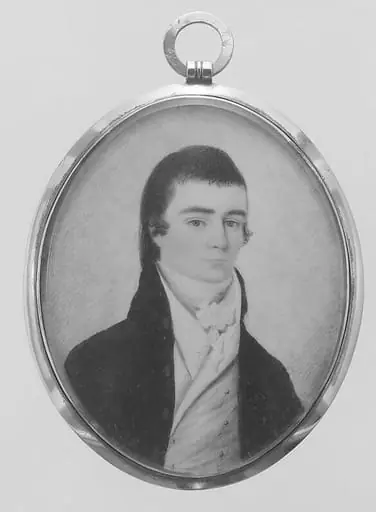
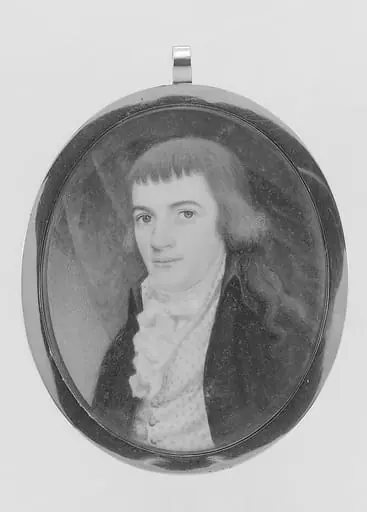
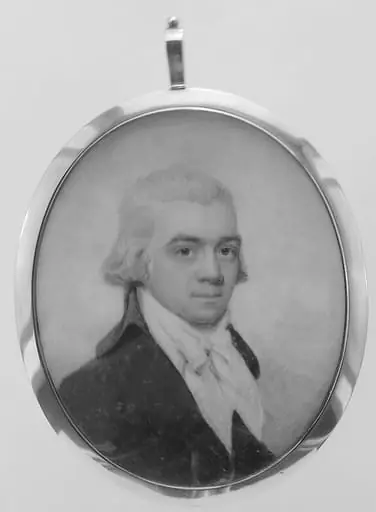
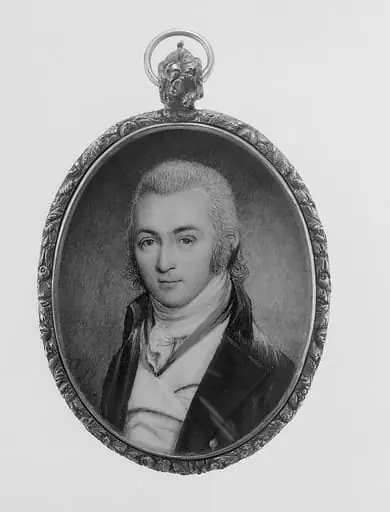
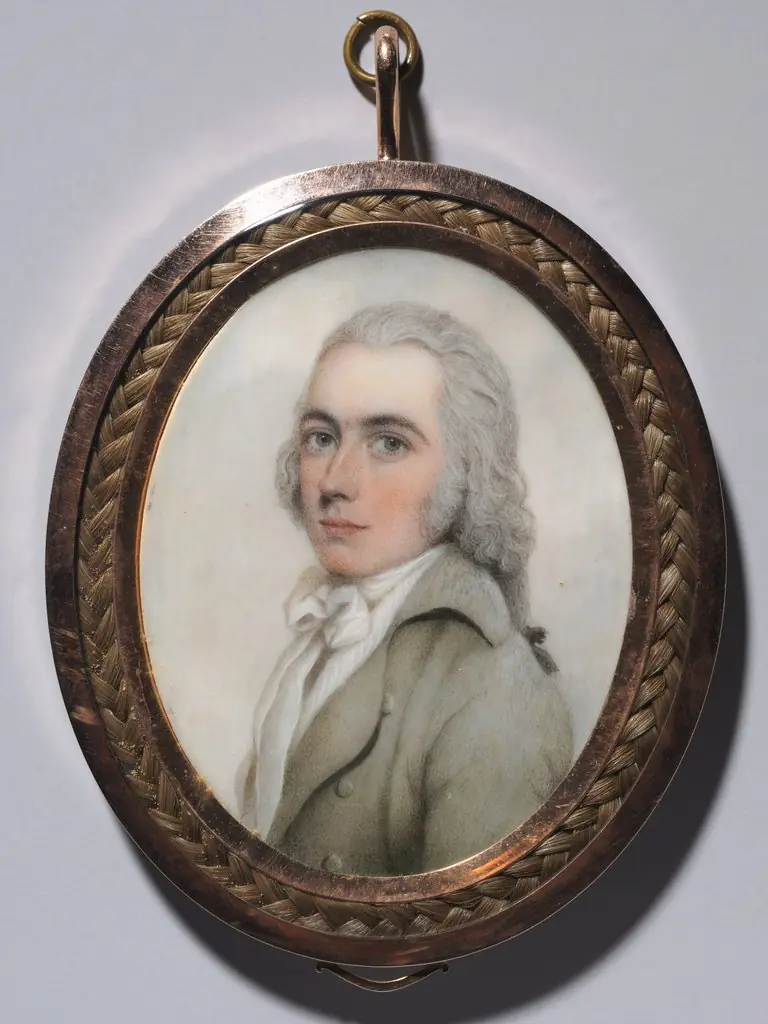
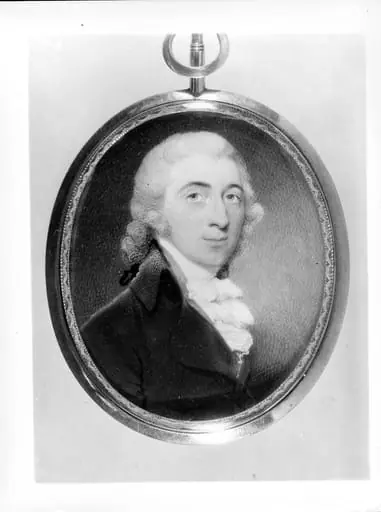
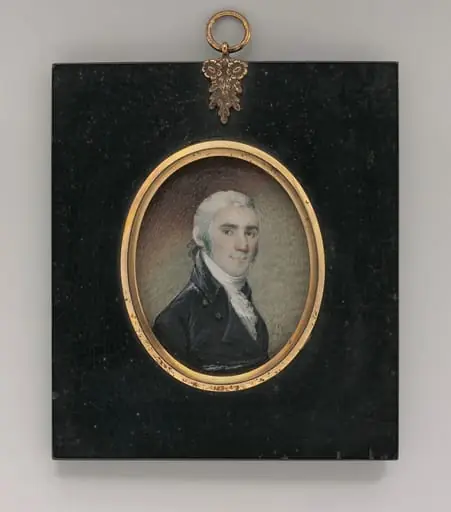
Louis Morau is an unspecified painting. It dates from 1796 and is held in the collection of the Metropolitan Museum of Art.
About this work
Subject & Meaning
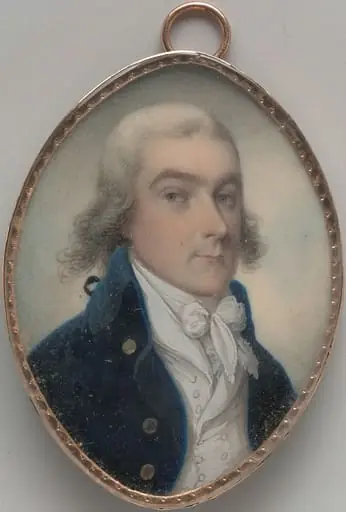
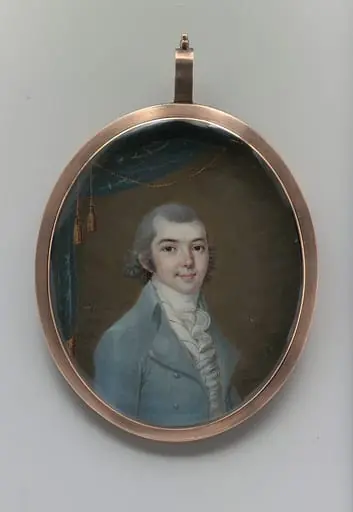
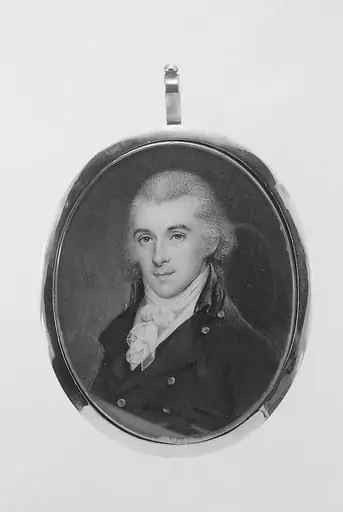
Classified within the portrait genre, the work presents a single male sitter, consistent with late eighteenth-century French portrait conventions.
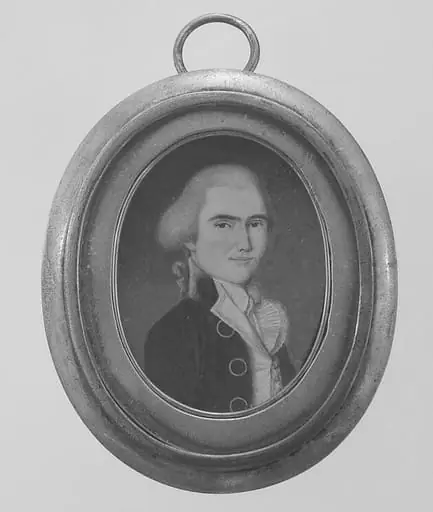
Louis Morau is a portrait painting depicting a man. Classified within the portrait genre, the work presents a single male sitter, consistent with late eighteenth-century French portrait conventions. As a painted likeness rather than a narrative, allegorical, or devotional composition, the image functions primarily as a record of individual identity rather than as an emblem of broader iconographic themes.
The 1790 dating situates the subject within the final years of the Ancien Régime, a period when formal portraiture remained the principal means of preserving the likeness and social standing of sitters in France.
History & Provenance
Louis Morau was created in 1790, a dating firmly established by multiple sources. The work is classified as a portrait and depicts an unidentified man, rendered in the medium of painting.
The painting has been part of the collection of the Metropolitan Museum of Art since its acquisition, though specific details regarding its commission, early ownership, or transfer history prior to the museum's possession are not documented in the available sources.
Overview
The painting titled Louis Morau is a portrait of an unidentified man, rendered in oil. The subject is presented within a distinctive heart-shaped frame, which is visually connected to a chain and a key. This artwork is part of the collection at The Metropolitan Museum of Art, where it offers a glimpse into portraiture that combines realism with symbolic elements.
Technique & Style
The artist employed a realistic style, meticulously rendering the sitter's facial features and the textures of his clothing with precise detail. While the portrait maintains a serious tone in its execution, the inclusion of the heart-shaped frame introduces an unexpected, whimsical quality. This stylistic choice elevates the work beyond a mere likeness, creating a visually engaging and memorable presentation of the subject.
Artist & collection