Artwork
Maria Christina von Österreich
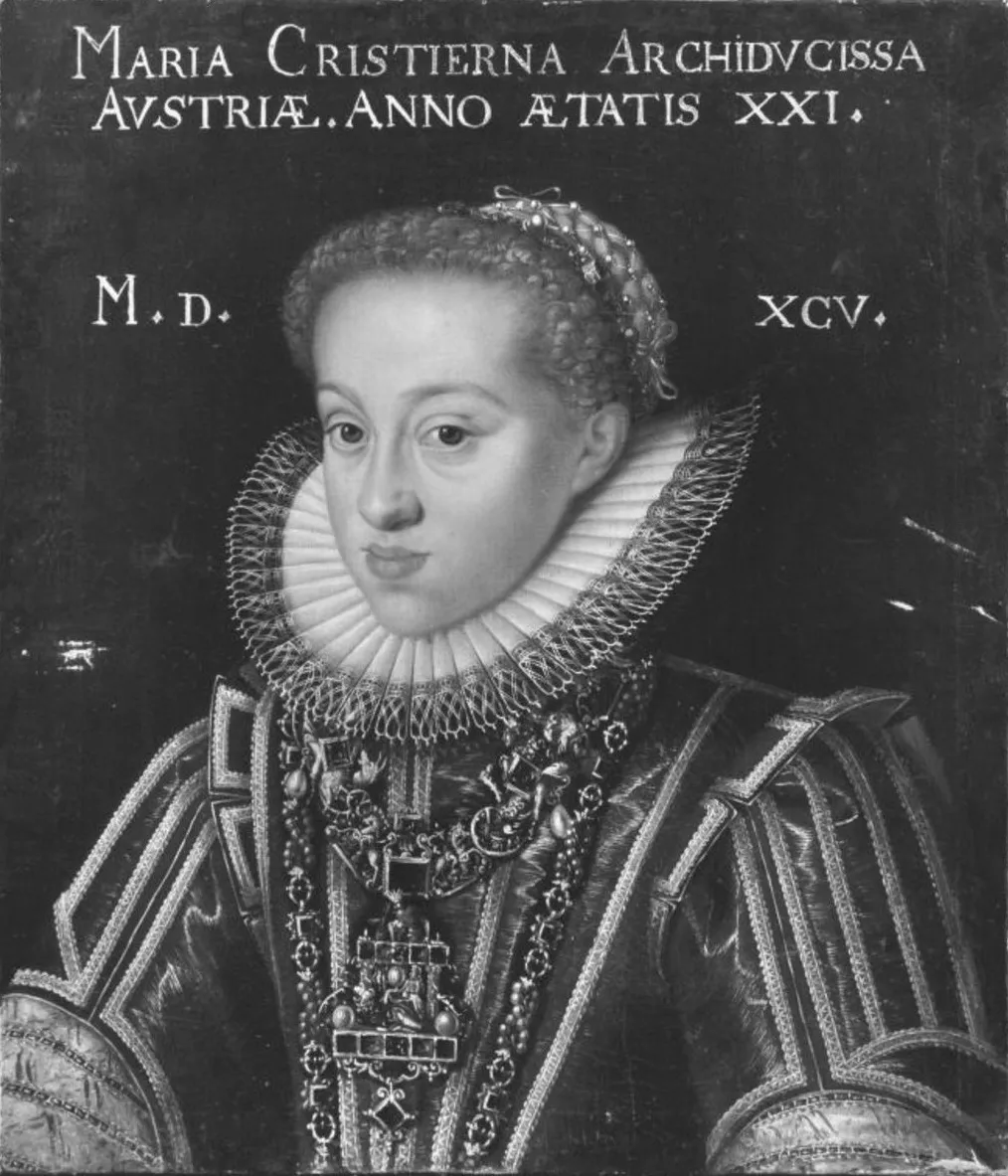
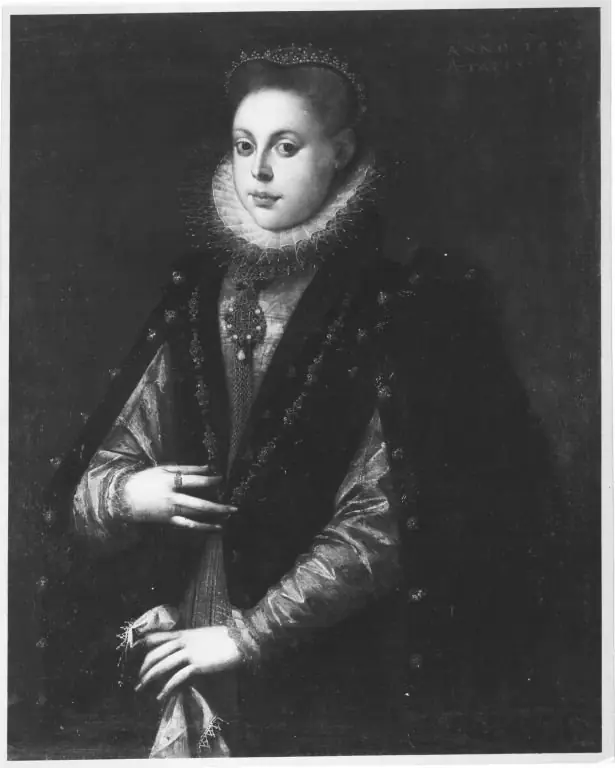
Maria Christina von Österreich is an unspecified painting by the Early Baroque Italian artist Unknown. It dates from 1598 and is held in the collection of the Bavarian State Painting Collections. The work is a monochrome portrait executed in 1595, depicting Maria Christina of Austria.
About this work
This is a black-and-white portrait of a woman wearing a stiff white collar and a dark, ornate dress.
This is a black-and-white portrait of a woman wearing a stiff white collar and a dark, ornate dress. Her hair is pulled back neatly, and she has a serious expression. The background is plain, focusing all attention on her face and jewelry.
The text above her head says her name and age, along with the year 1595. Her outfit looks fancy, with a chain of medals or coins draped across her chest.
If you like this style, check out chiaroscuro.
Overview
The work is a monochrome portrait executed in 1595, depicting Maria Christina of Austria. Rendered in a restrained palette, the composition centers the sitter against an unadorned backdrop, emphasizing her facial features and the intricate detailing of her attire and jewelry.
Subject & Meaning
Maria Christina, a member of the Habsburg dynasty, is presented with a formal white collar and a richly decorated dark dress, her hair neatly gathered. The solemn expression and the display of medals suggest a portrayal of noble status and the responsibilities associated with her rank.
Technique & Style
The artist employs chiaroscuro, using strong contrasts of light and shadow to model the figure’s volume. The limited tonal range accentuates the texture of the fabrics and the gleam of metalwork, while the plain background eliminates distractions, focusing attention on the sitter.
History & Provenance
Created in the late sixteenth century, the portrait was likely commissioned to mark a specific occasion, perhaps a coming‑of‑age or a dynastic alliance. It has remained within collections that document Habsburg portraiture, though its exact ownership trail before the modern era is not fully recorded.
Context
The painting reflects the broader trend of court portraiture in the late Renaissance, where emphasis on lineage, attire, and insignia served both personal commemoration and political propaganda. The austere composition aligns with contemporary conventions that favored clarity over elaborate settings.
Artist & collection









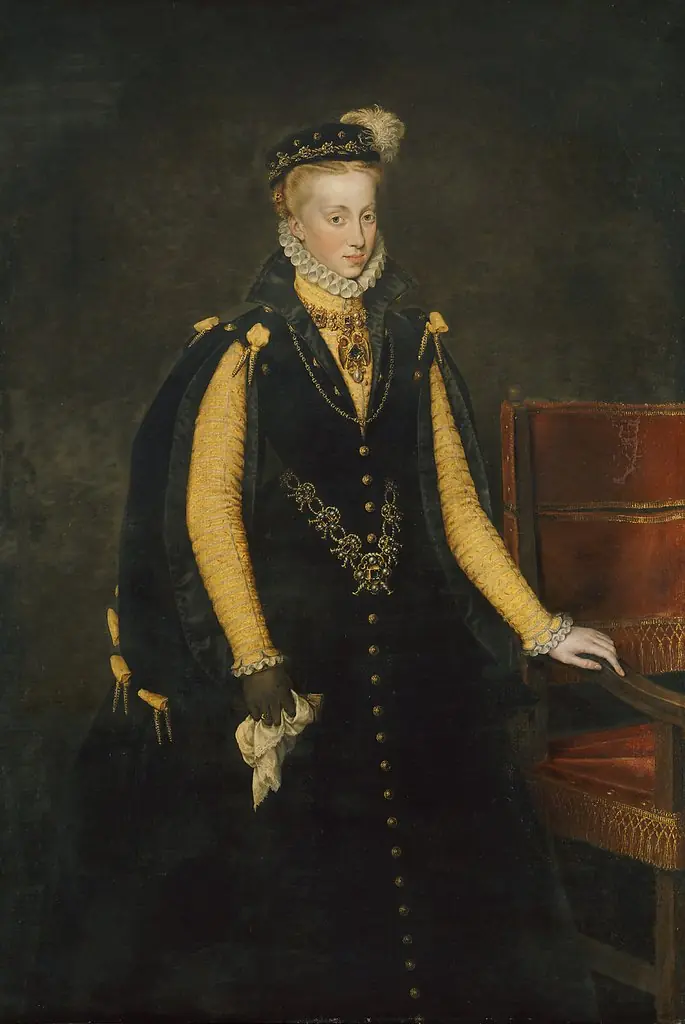
- Anna von Österreich, Königin von Spanien
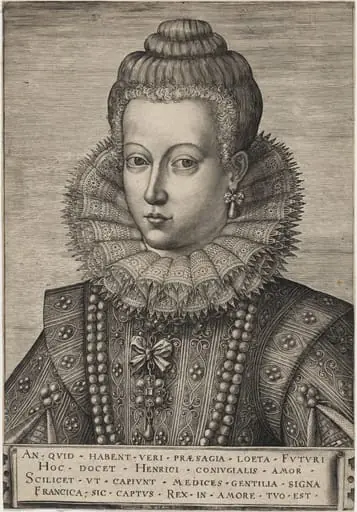 Maria de Medici
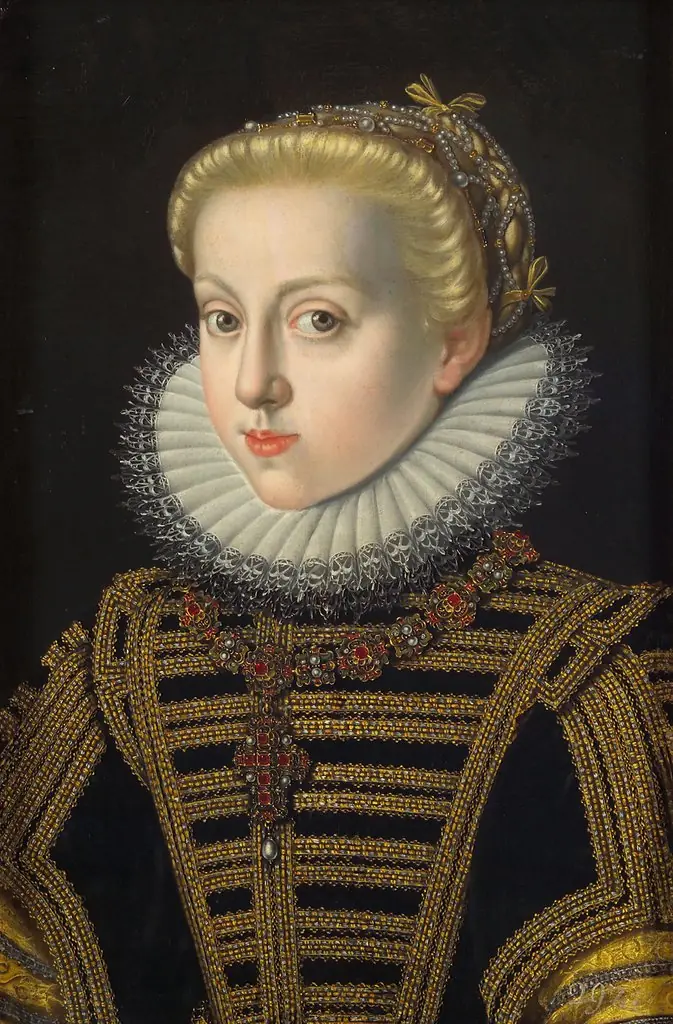 Archduchess Katharina Renea (1576-1595) in black dress
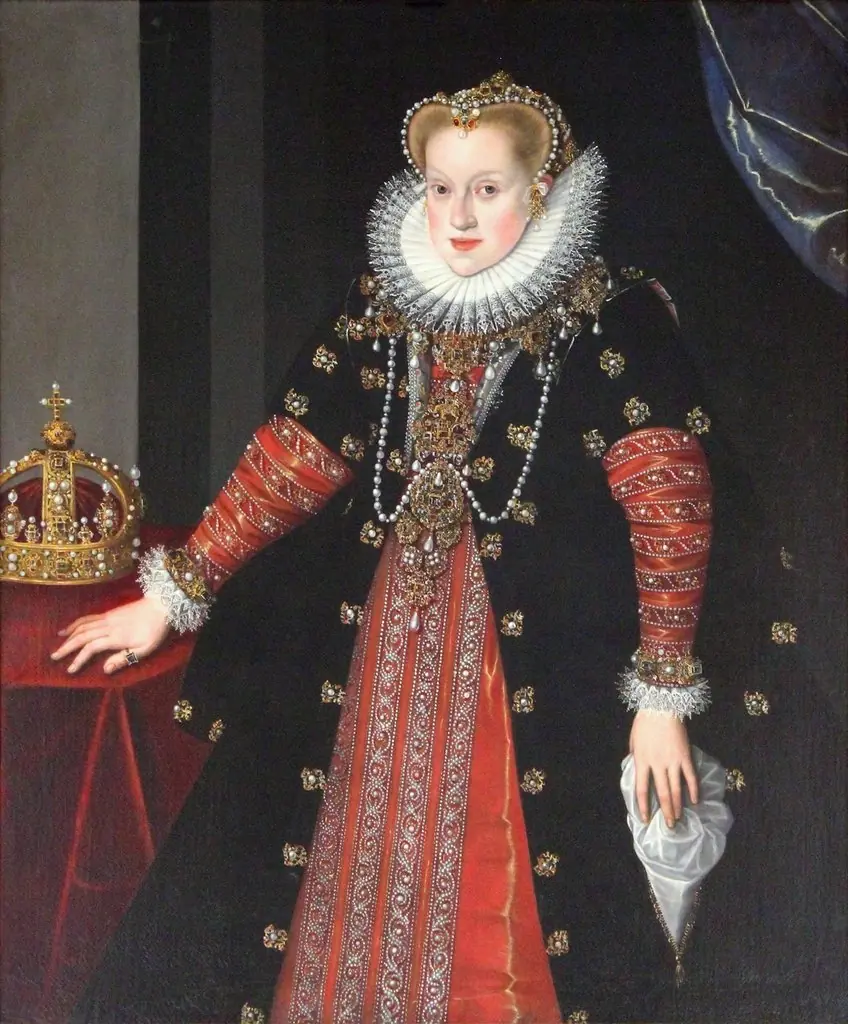 Portrait of Anne of Austria, Queen of Poland (1573-1598)
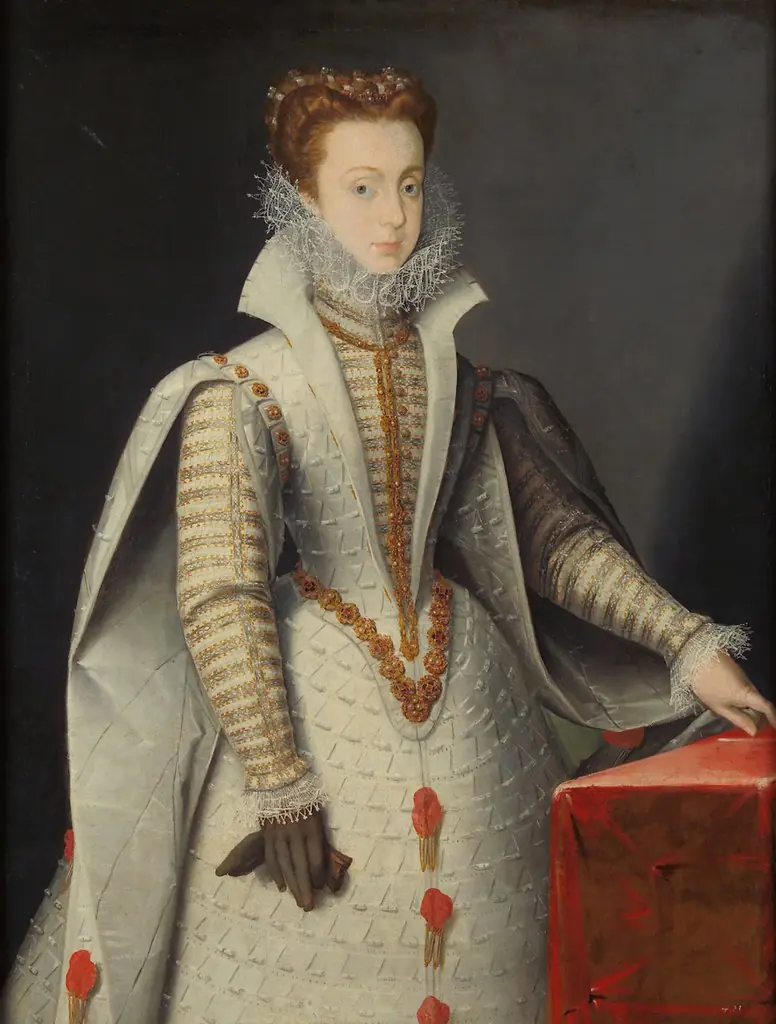 Herzogin Margarete von Joyeuse (1564-1625), Dreiviertelbildnis
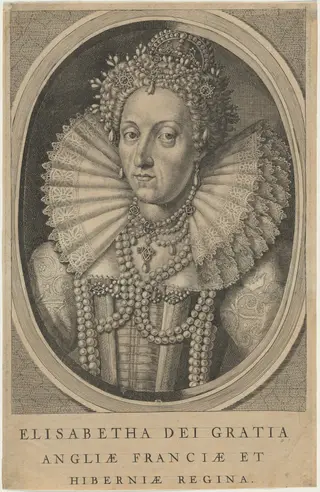 Queen Elizabeth
 Portret de englezoaică aristocrată
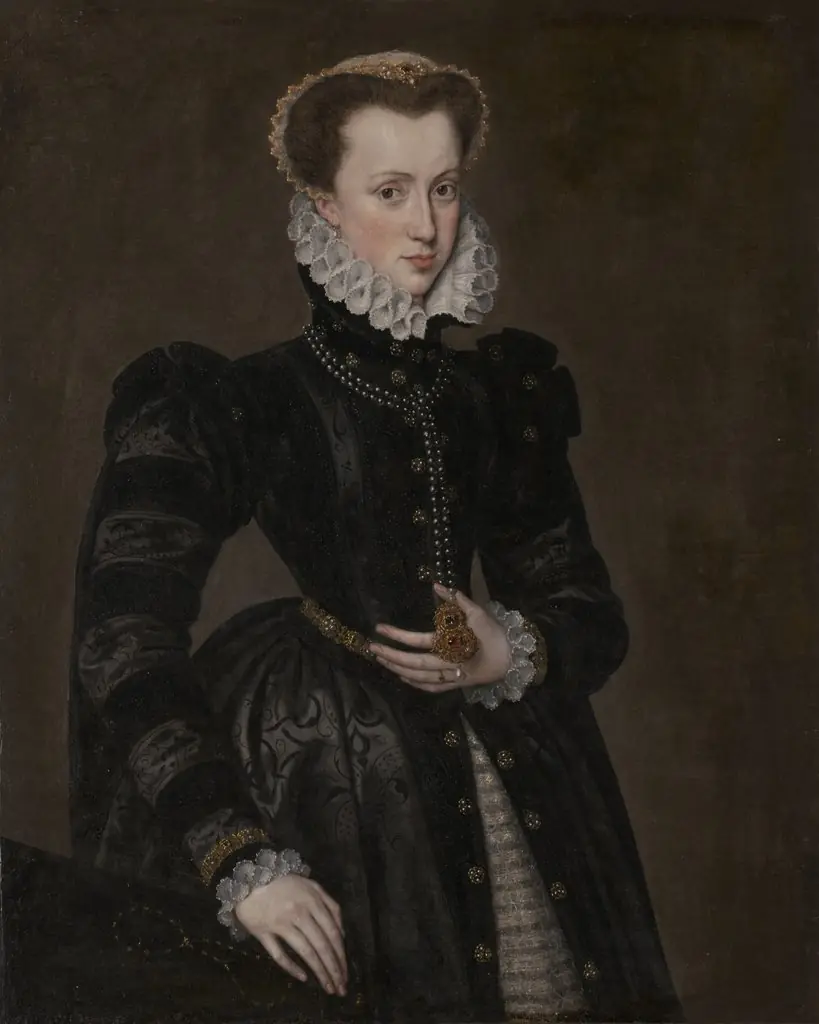 Portrait of a Court Lady
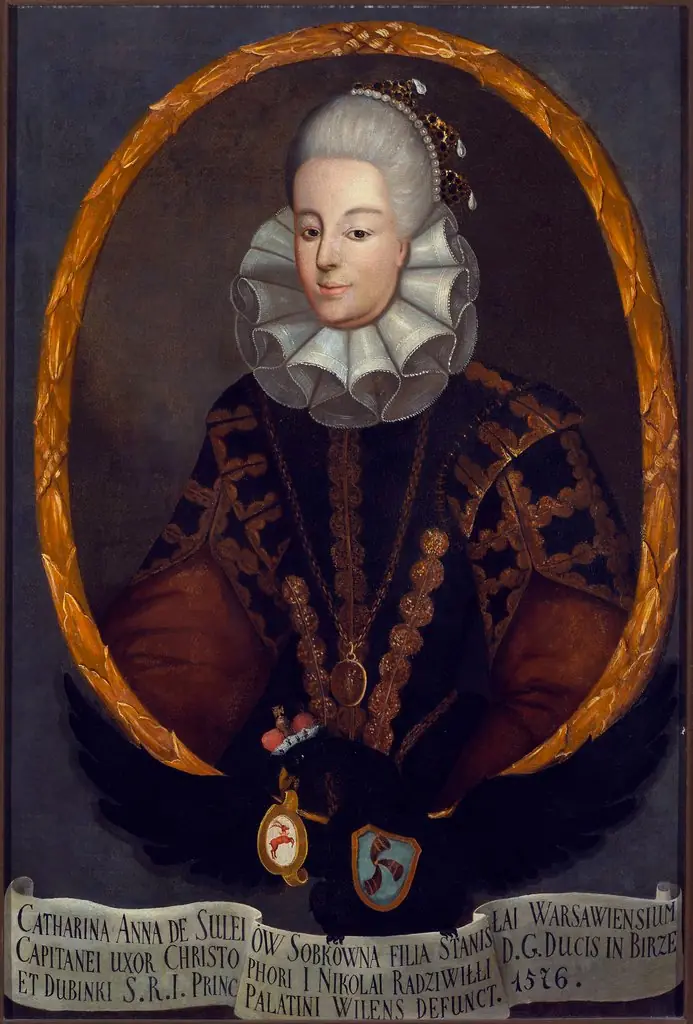 Portrait of Anna Radziwiłł née Sobek (?–1578)
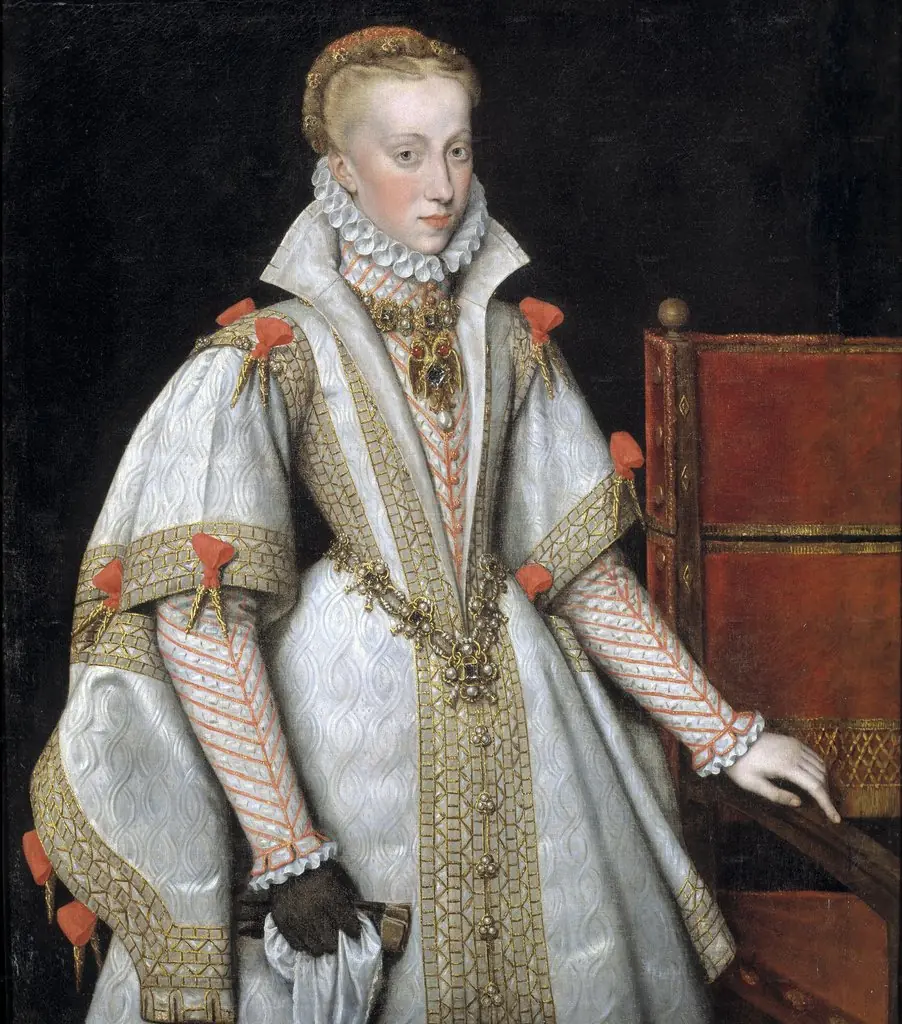 Queen Anne of Austria, fourth Wife of Philip II
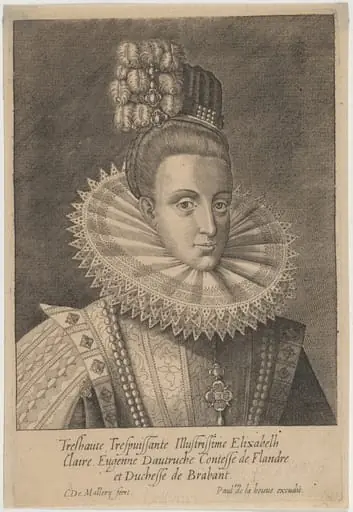 Isabella Clara Eugenie of Austria, Spain and Countess of Flanders
 Bildnis einer unbekannten Frau