Artwork
Panel with the Harrowing of Hell
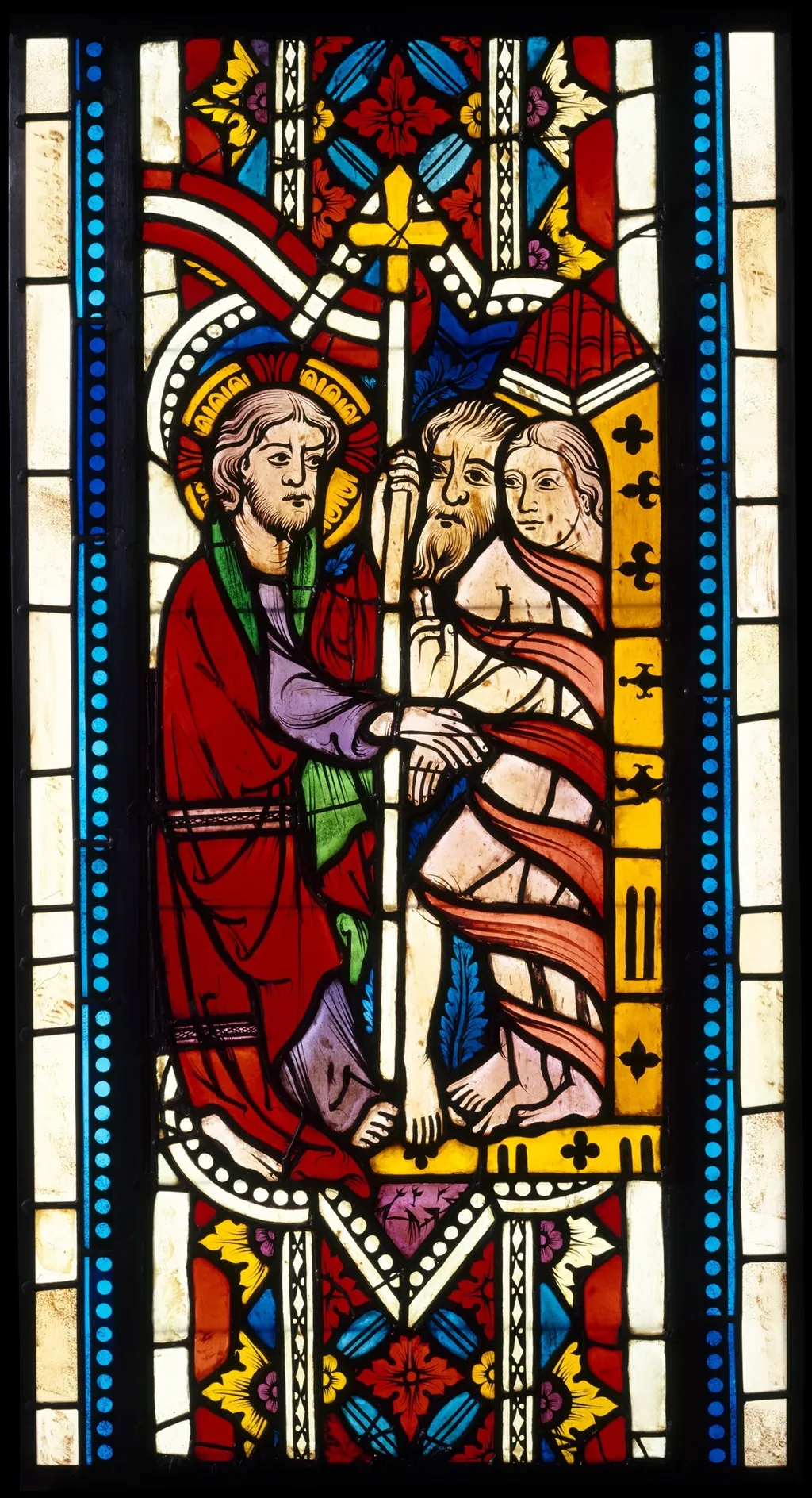
Panel with the Harrowing of Hell is an unspecified painting. It dates from 1350 and is held in the collection of the Metropolitan Museum of Art.
About this work
Subject & Meaning
This specific depiction aligns with the genre of religious art, emphasizing the spiritual significance of the descent rather than a narrative of earthly life.
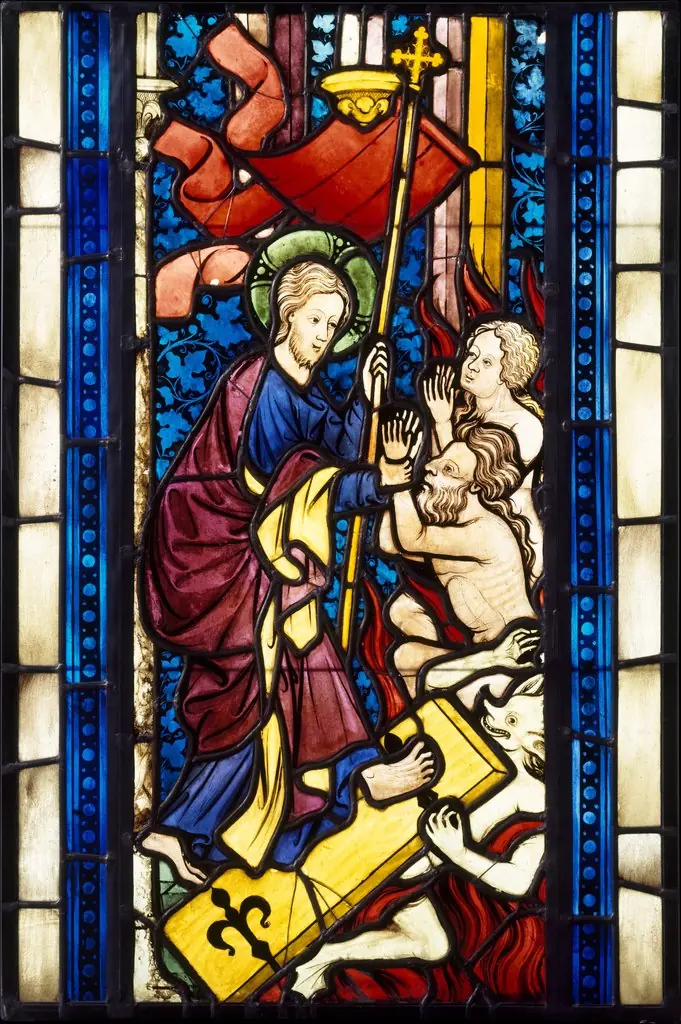
The work depicts the Harrowing of Hell, a religious subject in which Christ descends into the underworld to liberate the righteous souls held there since the beginning of time. As an anonymous religious painting from 1350, the panel focuses on this central theological event, illustrating the moment of triumph over death and the rescue of figures such as Adam and Eve. The imagery represents the Christian doctrine of redemption, where the divine figure breaks the gates of hell to save humanity.
This specific depiction aligns with the genre of religious art, emphasizing the spiritual significance of the descent rather than a narrative of earthly life.
History & Provenance
The Panel with the Harrowing of Hell is an anonymous painting dated to circa 1350. According to the museum record, the work has been part of the Metropolitan Museum of Art’s collection, though earlier ownership, commission, or exhibition history is not documented in the available sources. Its creation is attributed to an unidentified artist active in the mid‑fourteenth century, and the panel’s religious subject reflects the devotional imagery common in that period.
The Panel with the Harrowing of Hell is held in the collection of the Metropolitan Museum of Art, where it is also located. Dated to 1350, the panel is catalogued as an anonymous religious painting whose main subject is the Harrowing of Hell.
No specific inventory or accession number, and no exhibition history, is documented in the available sources for this work.
Context
The panel titled Panel with the Harrowing of Hell, painted circa 1350, is an anonymous work housed in the Metropolitan Museum of Art. It belongs to the religious genre and portrays the biblical scene of Christ’s descent into Hell, a subject that medieval theologians used to illustrate triumph over damnation. Its presence in a major museum collection has allowed scholars to study its iconography and technique, positioning it within the broader development of narrative cycles in early European art.
Overview
This painting, titled Panel with the Harrowing of Hell, presents a scene featuring two distinct figures. The artist employs a vivid palette and strong compositional elements to create a visually impactful work. The piece is characterized by its use of bold outlines and structured forms, contributing to a sense of depth and an engaging aesthetic.
Technique & Style
The artist's approach to this panel emphasizes distinct visual qualities through deliberate choices in form and color. Bold lines and geometric shapes are prominently featured, contributing to the painting's sense of three-dimensionality and surface variation. This considered application of color and structure results in a dynamic and visually compelling experience for the viewer.
Artist & collection

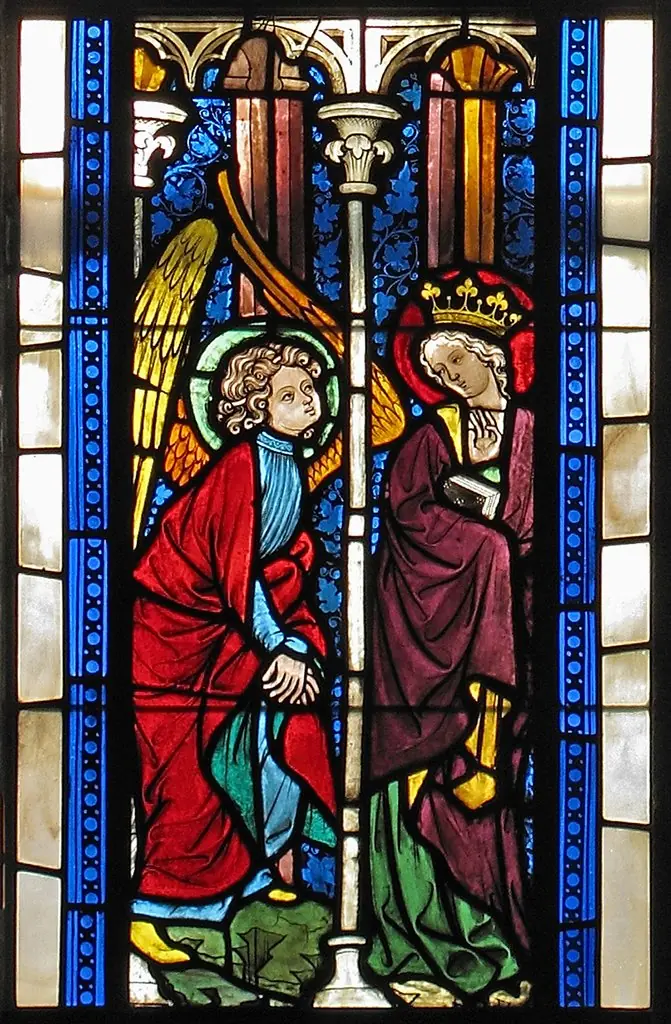 Panel with the Annunciation
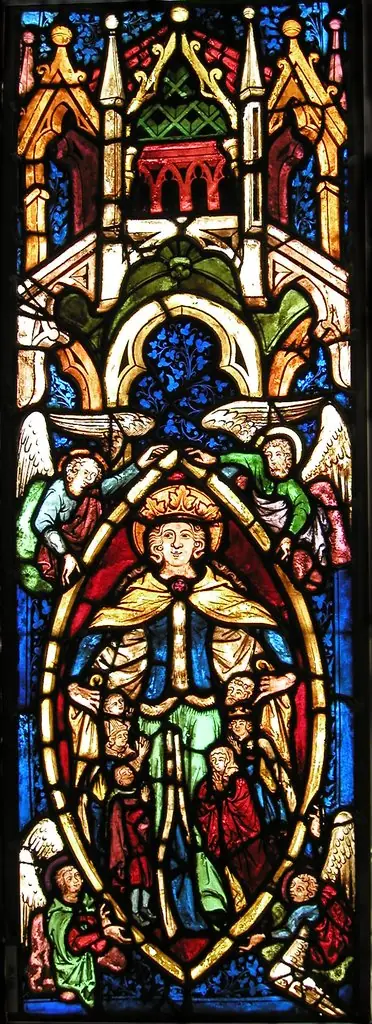 Madonna of Mercy
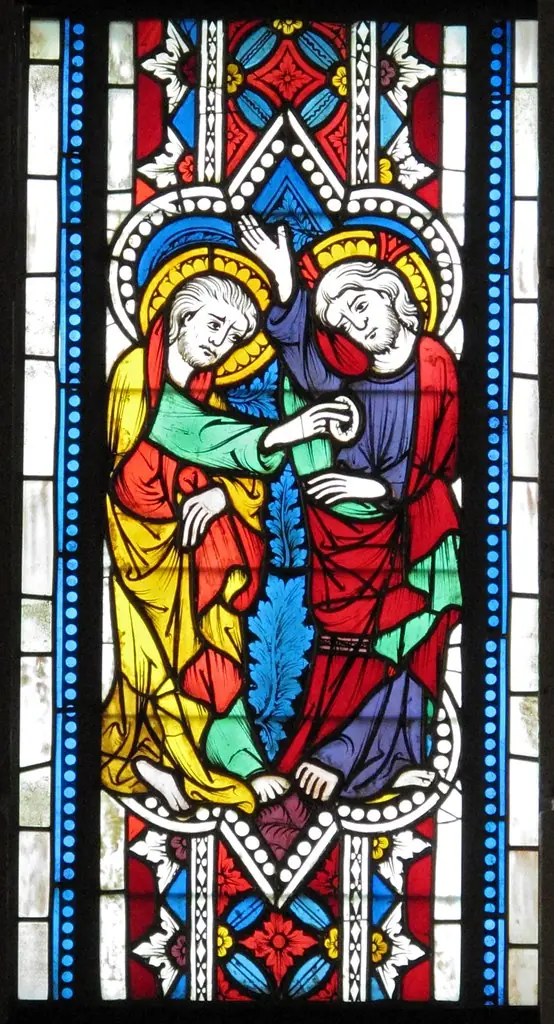 Doubting Thomas
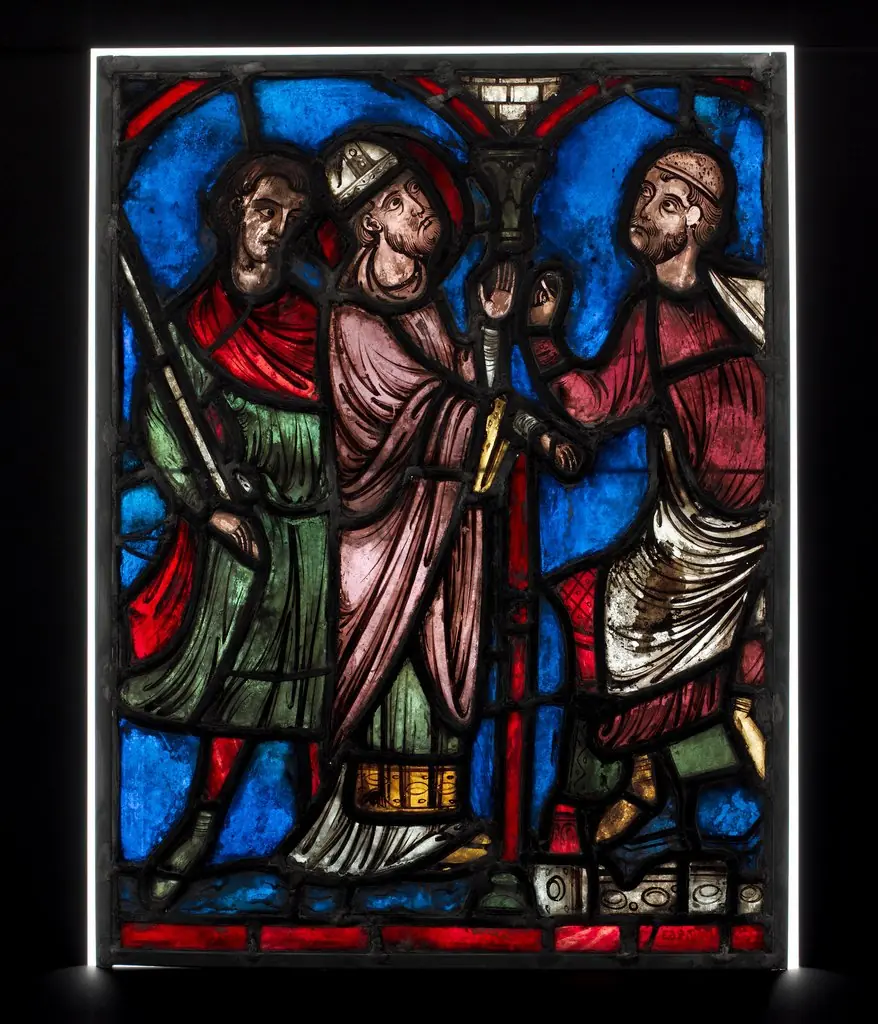 St. Nicholas Accuses the Consul from Scenes from the Life of St. Nicholas
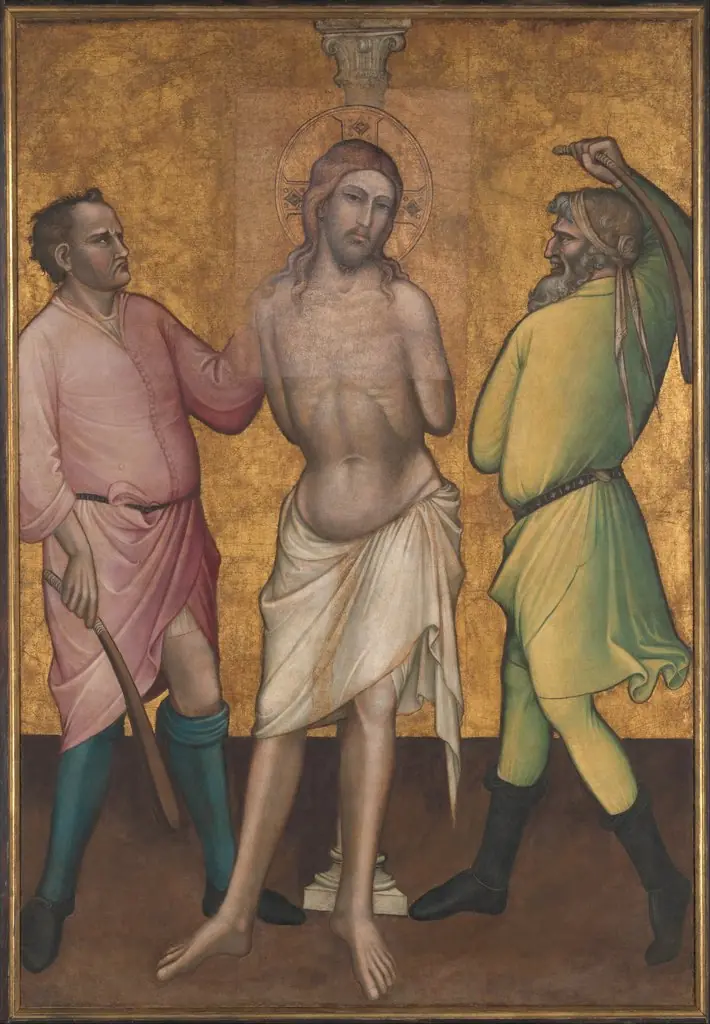 Saint Mary Magdalen Holding a Crucifix; (reverse) The Flagellation
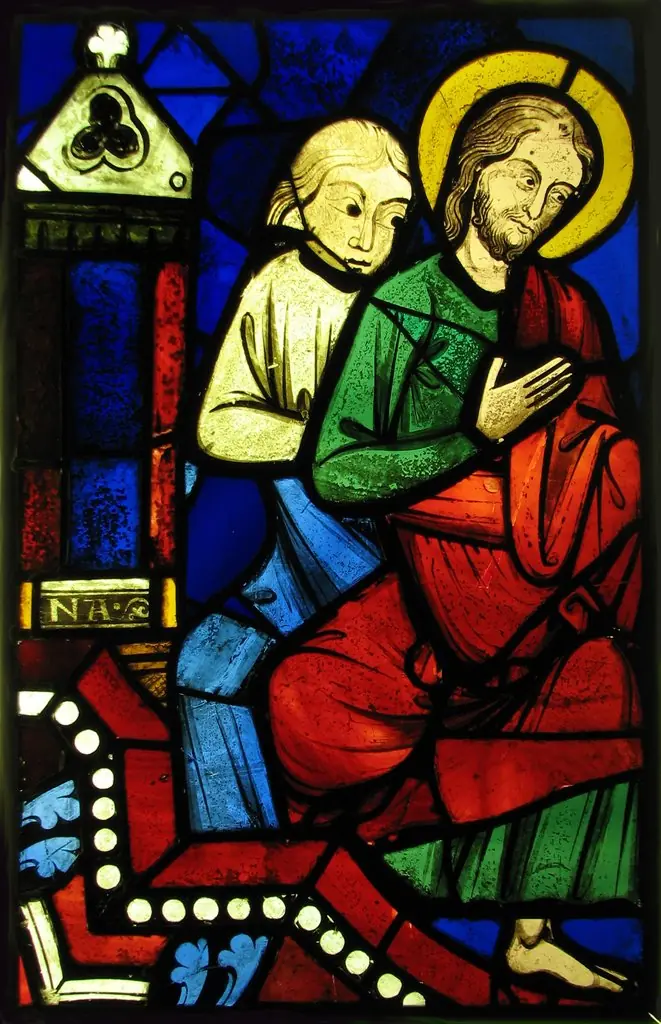 Two Seated Apostles from a Pentecost Scene
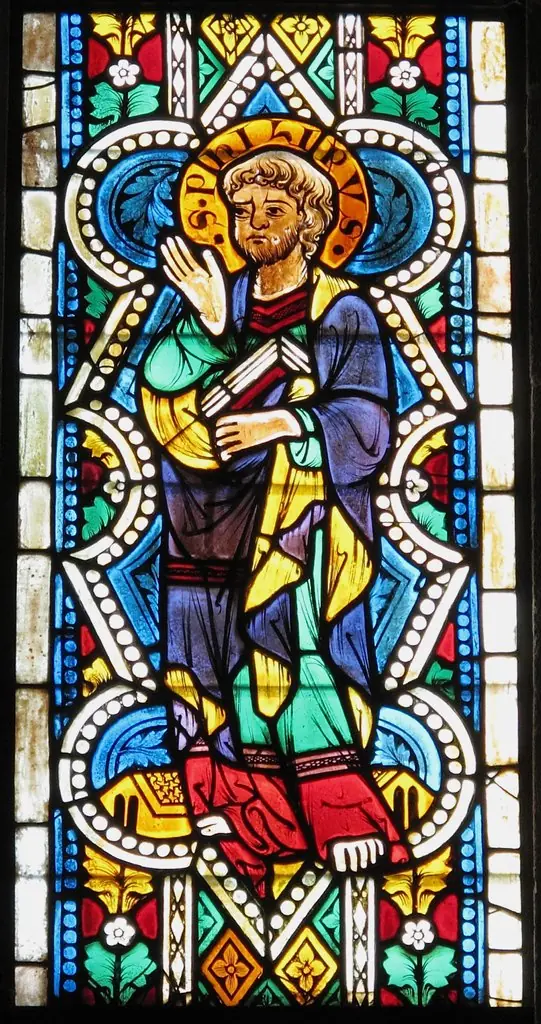 Saint Philip
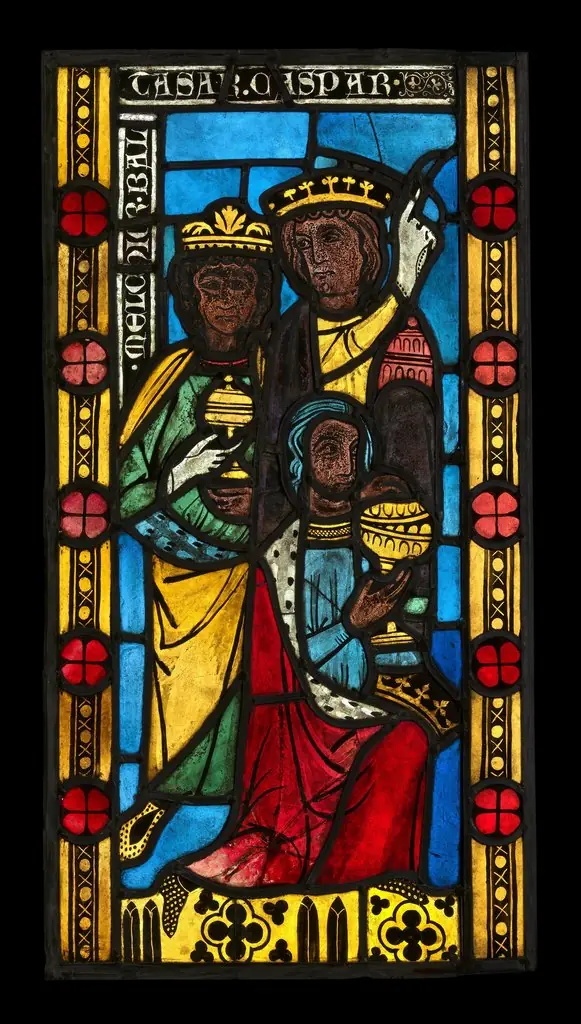 The Adoration of the Magi
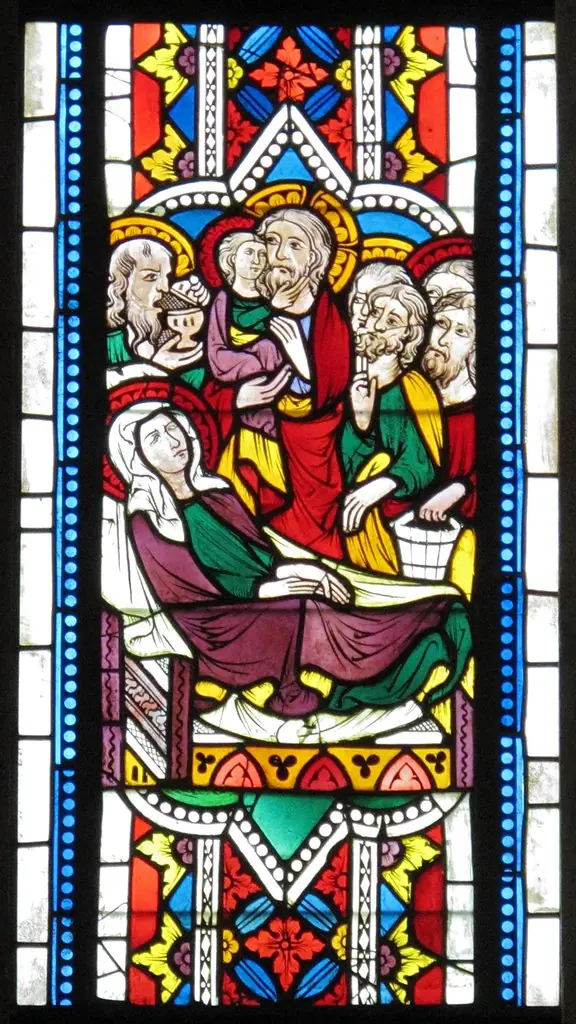 Dormition of the Virgin
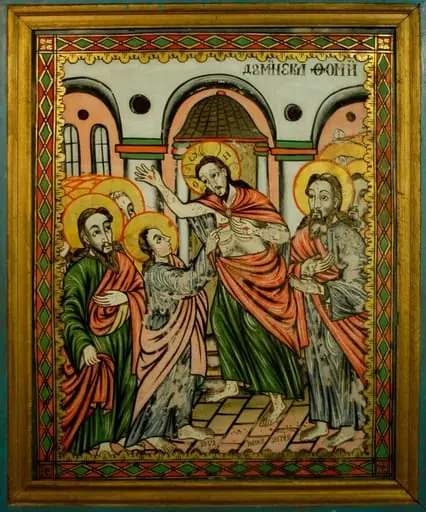 Duminica Tomii
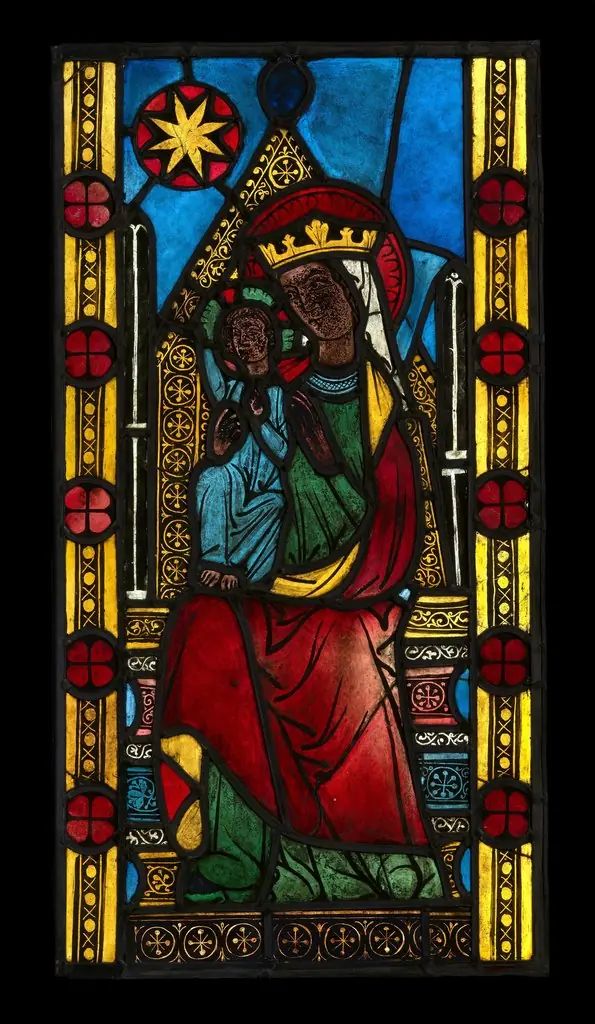 The Adoration of the Magi
- The Harrowing of Hell