Artwork
Portrait of a Gentleman
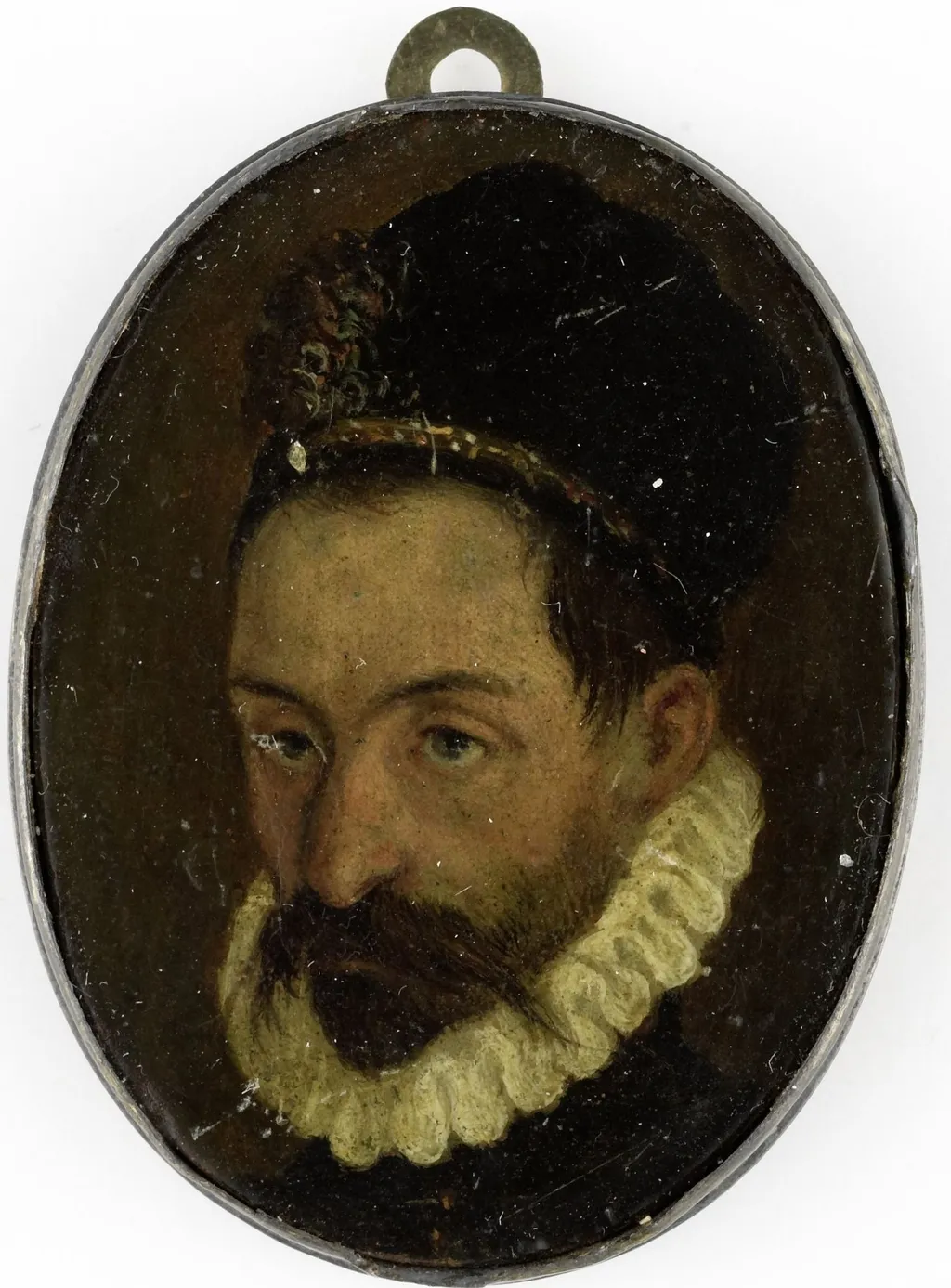
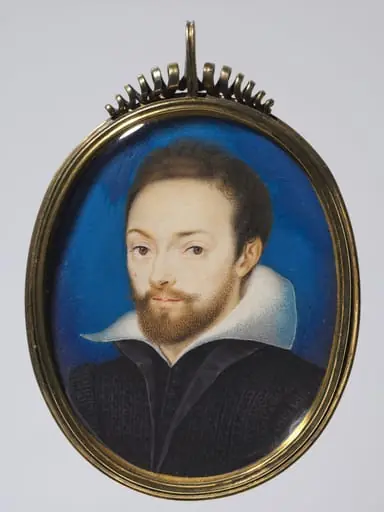
Portrait of a Gentleman is an oil painting by the Mannerist artist Unknown. It dates from 1575 and is held in the collection of the Rijksmuseum. An oval portrait on copper, depicting a bearded gentleman in formal attire, is characterized by dramatic lighting and a dark background.
About this work
The use of chiaroscuro, a technique that uses strong contrasts between light and dark, adds depth and volume to the portrait.
This oval portrait is painted on copper and depicts a gentleman with a dark beard and mustache. He wears a black hat, a black doublet with a high collar, and a white ruff. The background is dark and the lighting is dramatic.
The gentleman's face is the focus of the painting, with his eyes cast downward. His attire and the style of the painting suggest a formal portrait from the 16th century.
The use of chiaroscuro, a technique that uses strong contrasts between light and dark, adds depth and volume to the portrait. You can learn more about this technique by exploring the works of artists who mastered it, such as Caravaggio.
Technique & Style
Created in 1575 within the Low Countries, this work is a portrait miniature executed in oil paint on a copper support. The painting measures 4.6 cm in height and 3.4 cm in width, reflecting the intimate scale characteristic of the genre. The use of copper as a ground suggests a technique valued for its smooth surface and durability, allowing for fine detail in the depiction of the gentleman. Currently held by the Rijksmuseum, the piece exemplifies the material practices of sixteenth-century Netherlandish miniature painting.
History & Provenance
The work titled Portrait of a Gentleman is attributed to an unknown artist and was created in 1575 as a portrait miniature on copper. It was produced in the Low Countries and entered the collection of the Rijksmuseum, where it remains accessioned as a work in the institution’s holdings. The piece was first recorded in the museum’s catalogue in 1905, indicating its long‑term presence in the collection.
The painting measures 4.6 cm × 3.4 cm and was executed using oil paint on a copper support. Its creation date aligns with the documented inception of 1575‑01‑01, and it has been displayed in the Rijksmuseum’s portrait gallery since the early 20th century.
The work’s provenance is limited to its acquisition by the Rijksmuseum, with no earlier ownership records cited in the available sources. It is classified within the museum’s collection as a portrait miniature, reflecting both its subject matter and material composition.
The Portrait of a Gentleman is held in the collection of the Rijksmuseum in Amsterdam. This small portrait miniature, executed in oil paint on copper, measures 4.6 cm in height and 3.4 cm in width. The work is attributed to an unknown artist and dates to 1575.
While the painting is part of the museum's permanent holdings, the provided sources do not list a specific inventory or accession number, nor do they record any exhibition history for the piece.
Legacy
The later influence, reputation, and legacy of Portrait of a Gentleman are closely tied to its status as a rare surviving example of a 16th-century Dutch portrait miniature. Its inclusion in the Rijksmuseum collection has ensured continued scholarly attention and public display, reinforcing its significance within the study of early modern portraiture. The work's attribution to an unknown artist has not hindered its recognition but rather highlighted the challenges of authorial identification in this period, contributing to broader discussions on artistic anonymity and workshop practices.
Overview
An oval portrait on copper, depicting a bearded gentleman in formal attire, is characterized by dramatic lighting and a dark background.
Subject & Meaning
The subject, a man with a dark beard and mustache, is shown in a formal pose, wearing 16th-century clothing, including a black hat and white ruff, with his eyes cast downward, suggesting a contemplative or introspective mood.
Artist & collection









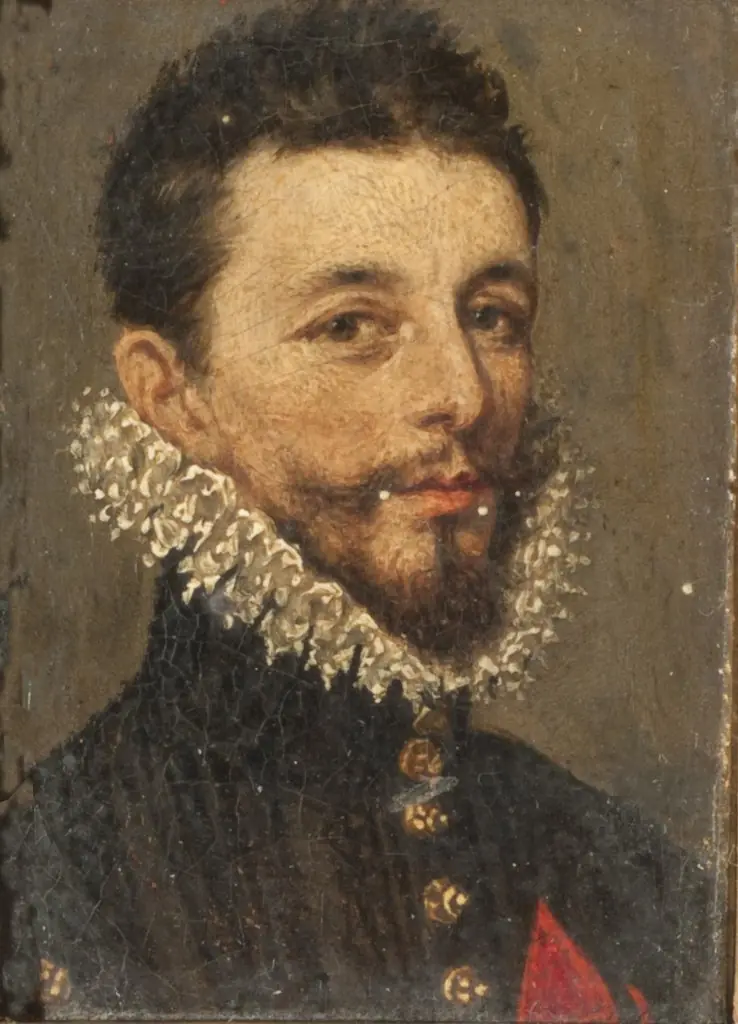
- Portrait of a gentleman
 Portrait of Petrus Bertius, Professor at Leiden
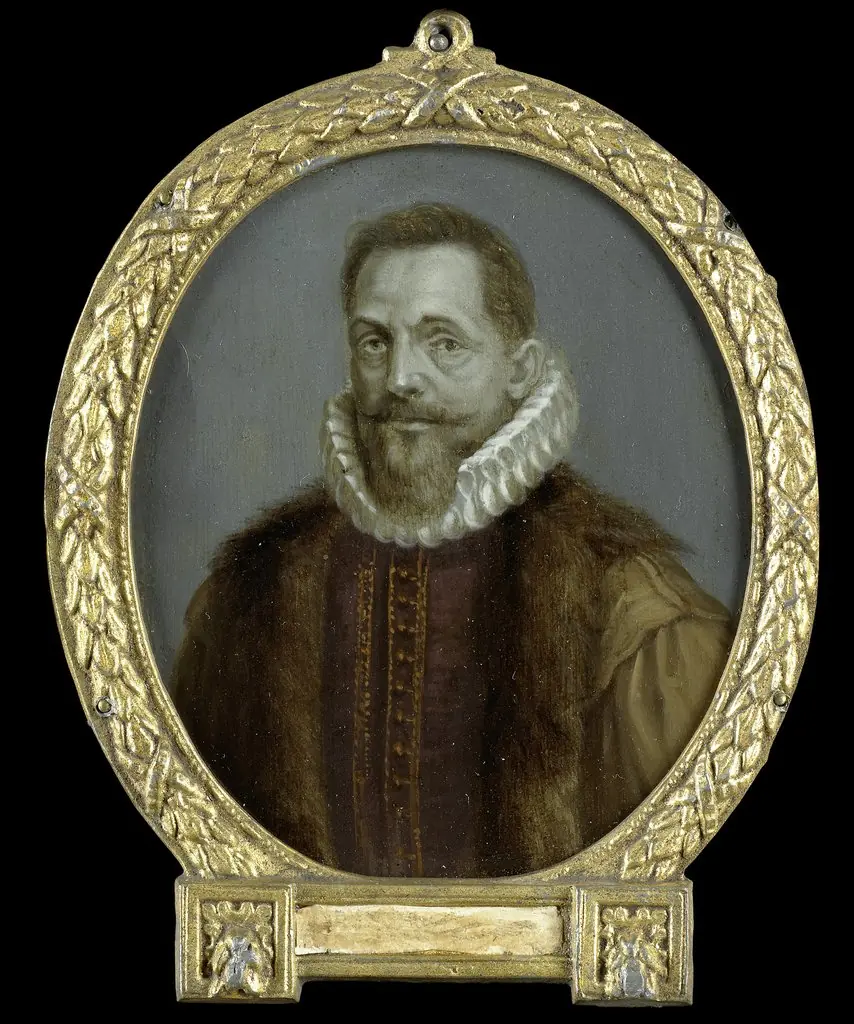 Portrait of Petrus Bertius, Professor at Leiden
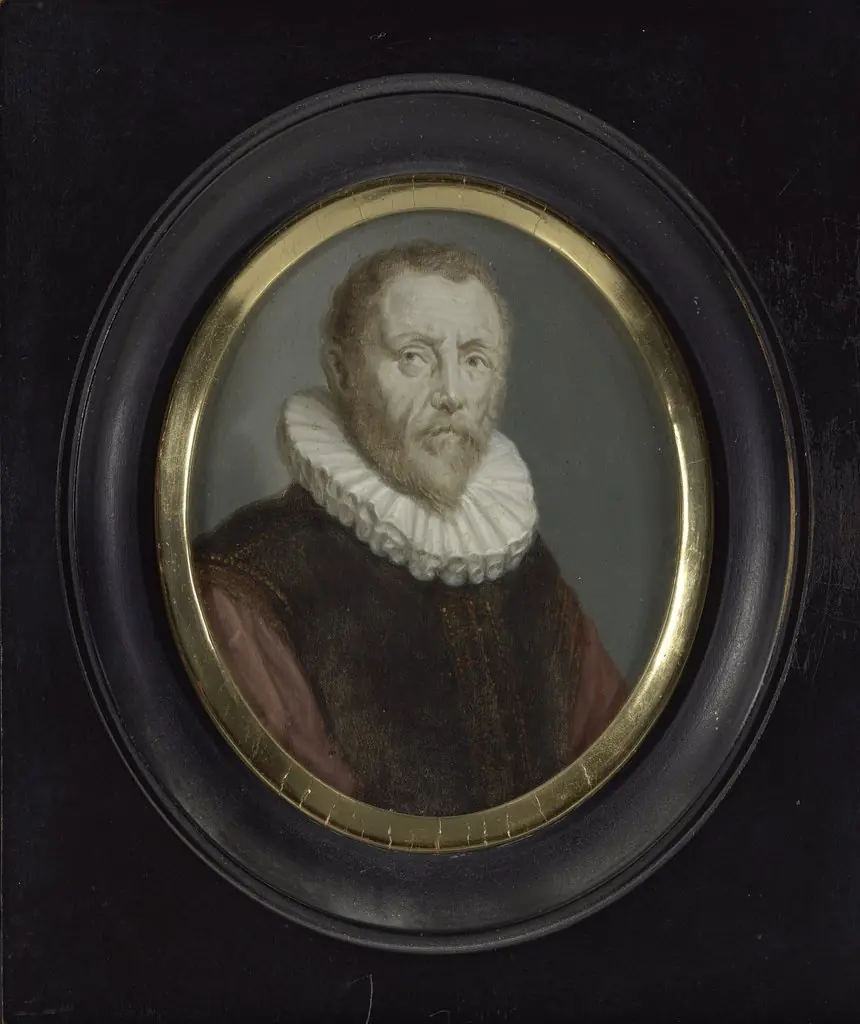 Portret van Petrus Hogerbeets
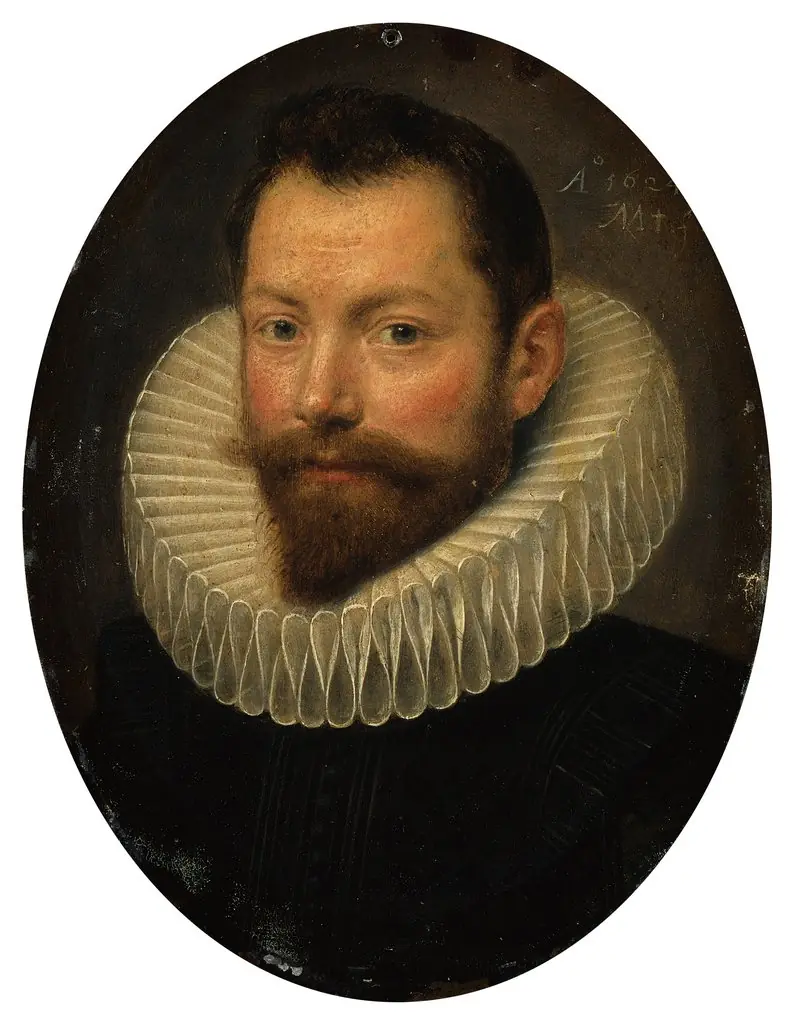 Portrait of young man
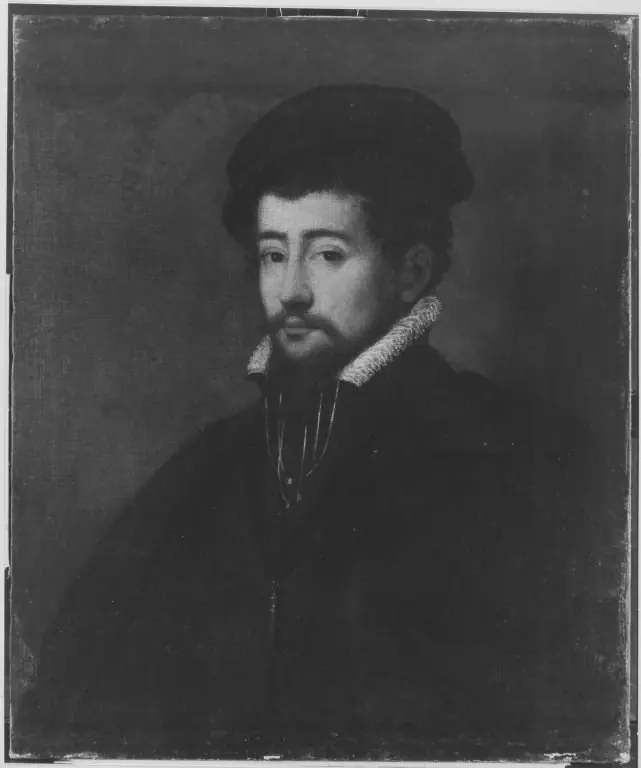 Portrait of young man
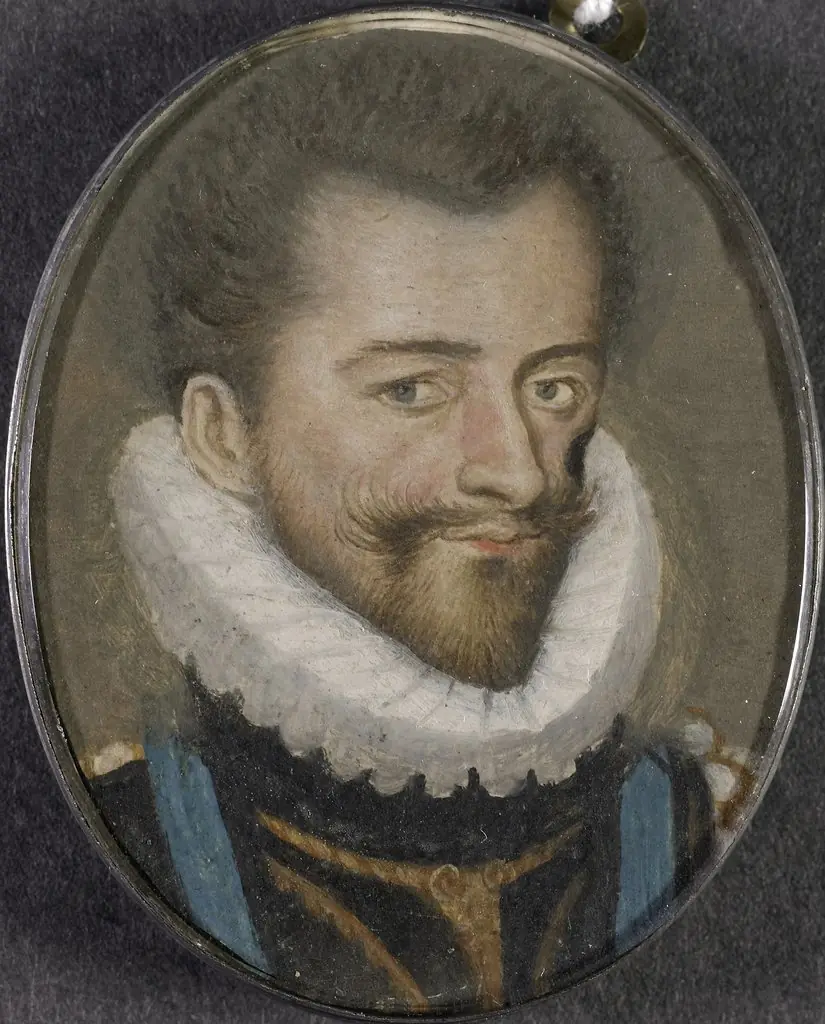 Hendrik I van Lotharingen (1550-88), hertog van Guise
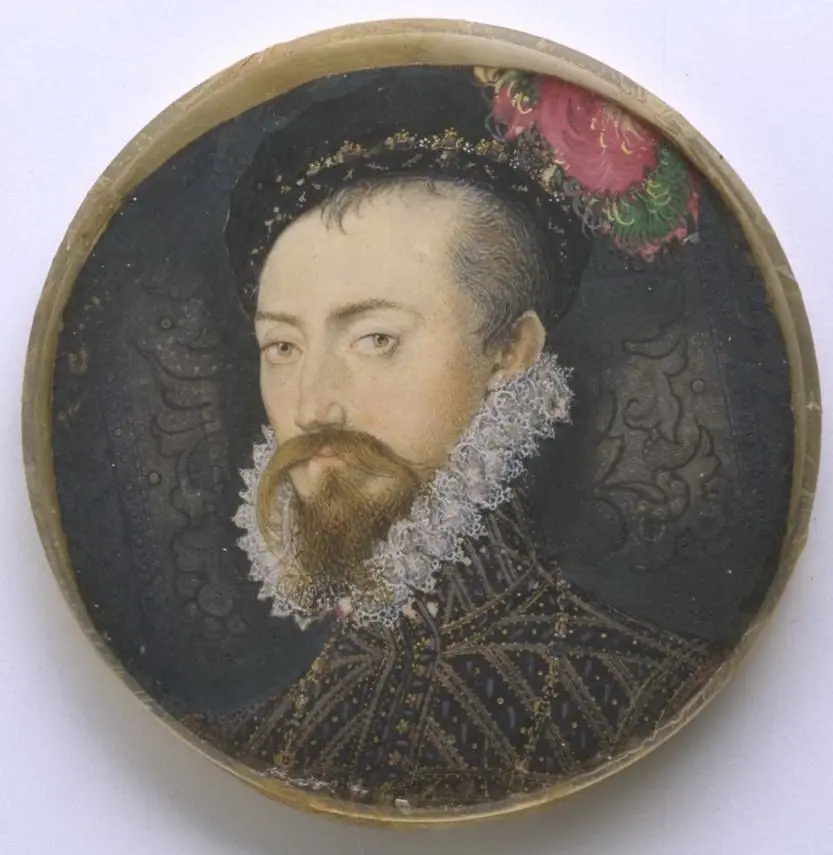 Robert Dudley, Earl of Leicester
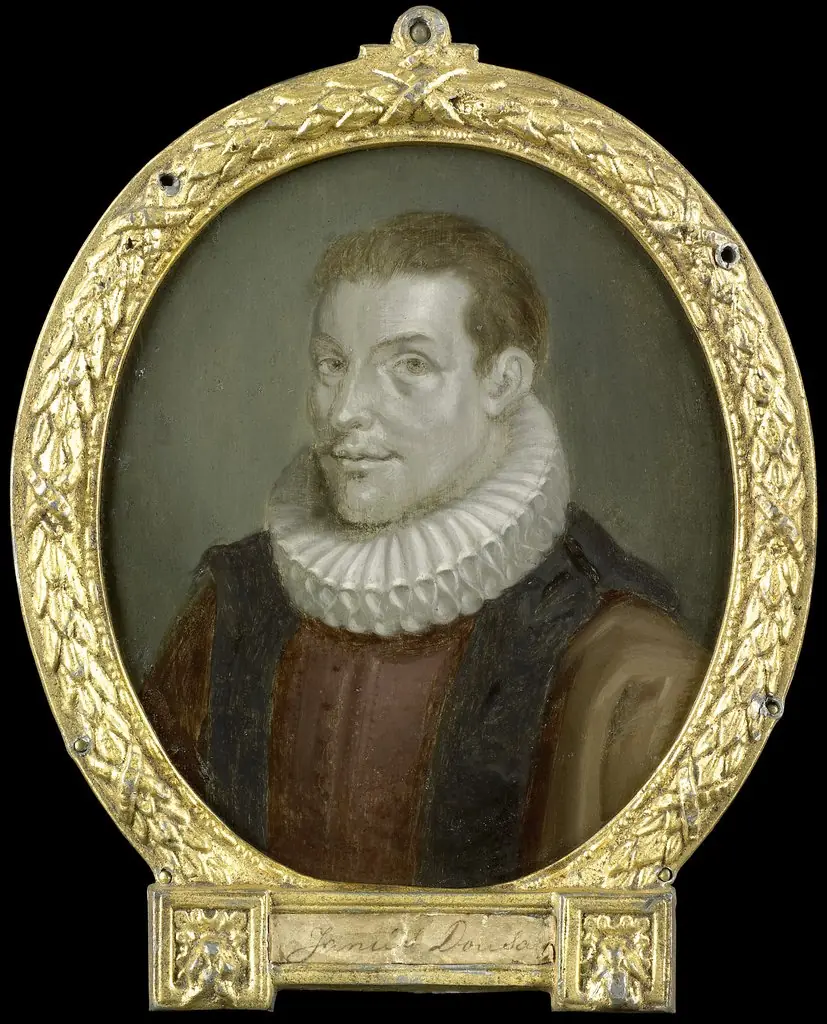 Portrait of Johan van der Does the Younger, Librarian in Leiden
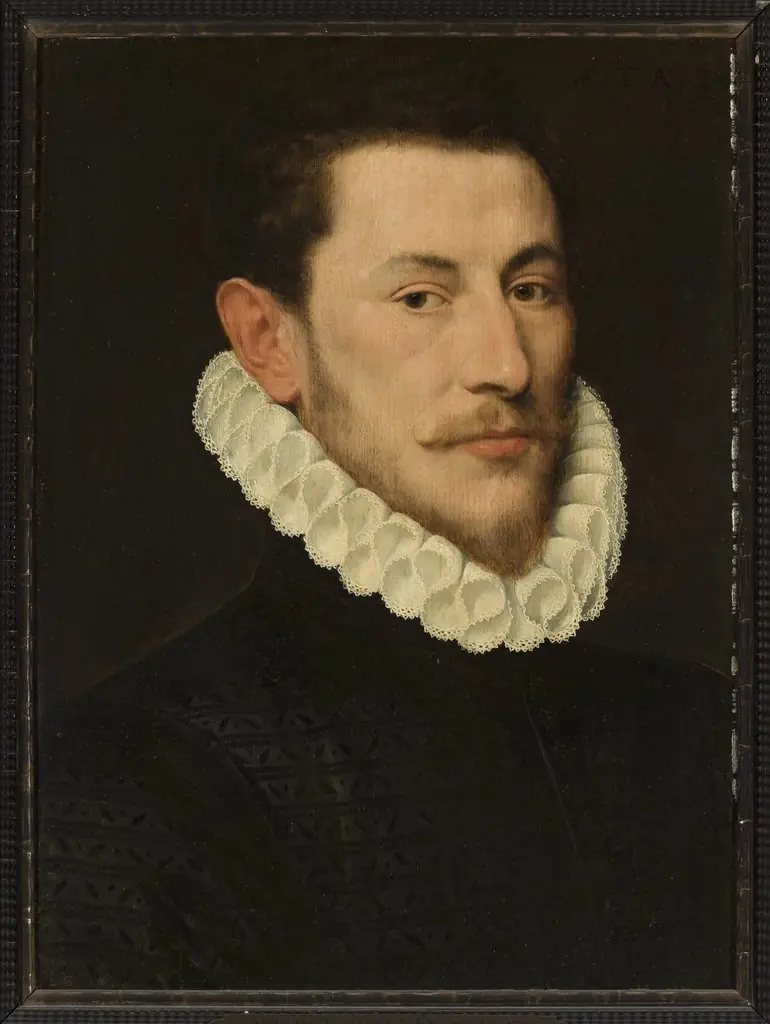 Portrait of a young man
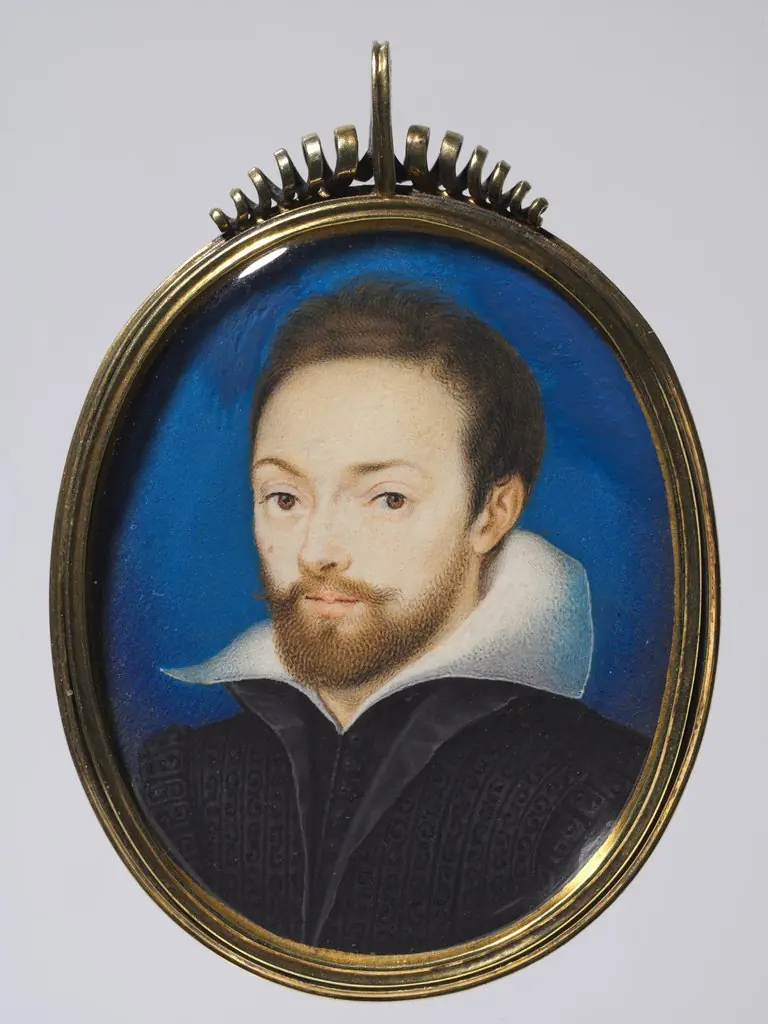 Portrait of a Man
 Portrait of a Man