Artwork
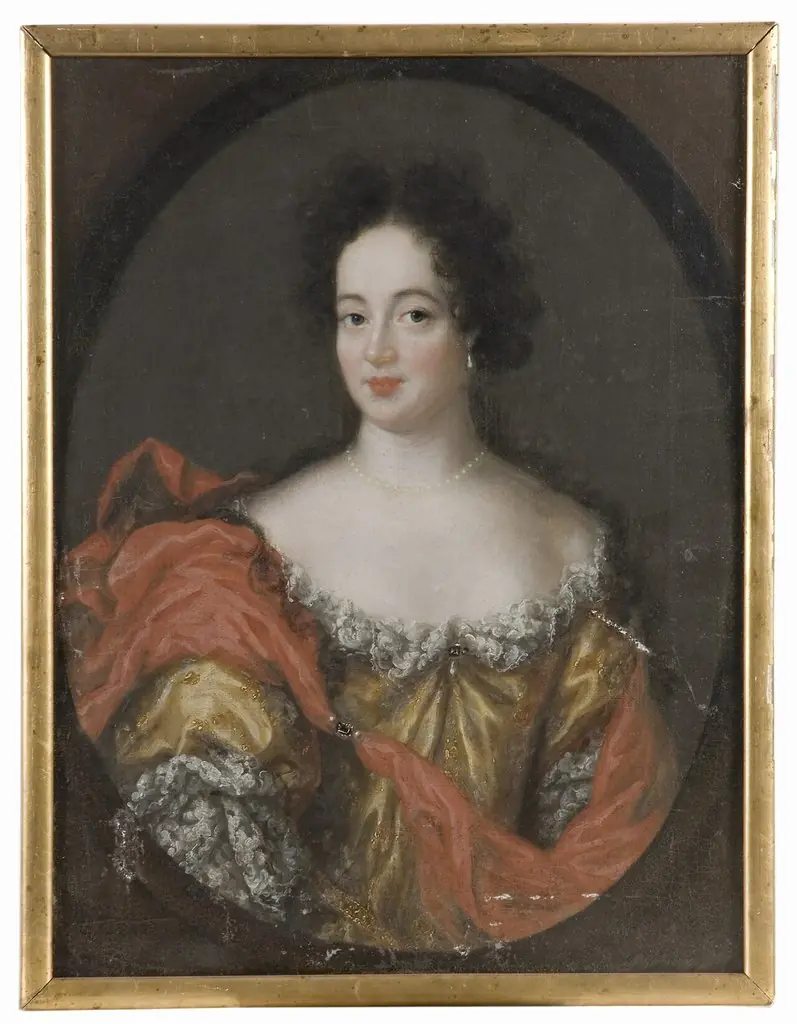
Portrait of a lady, Szreniawa coat of arms, with the letters AŻRM
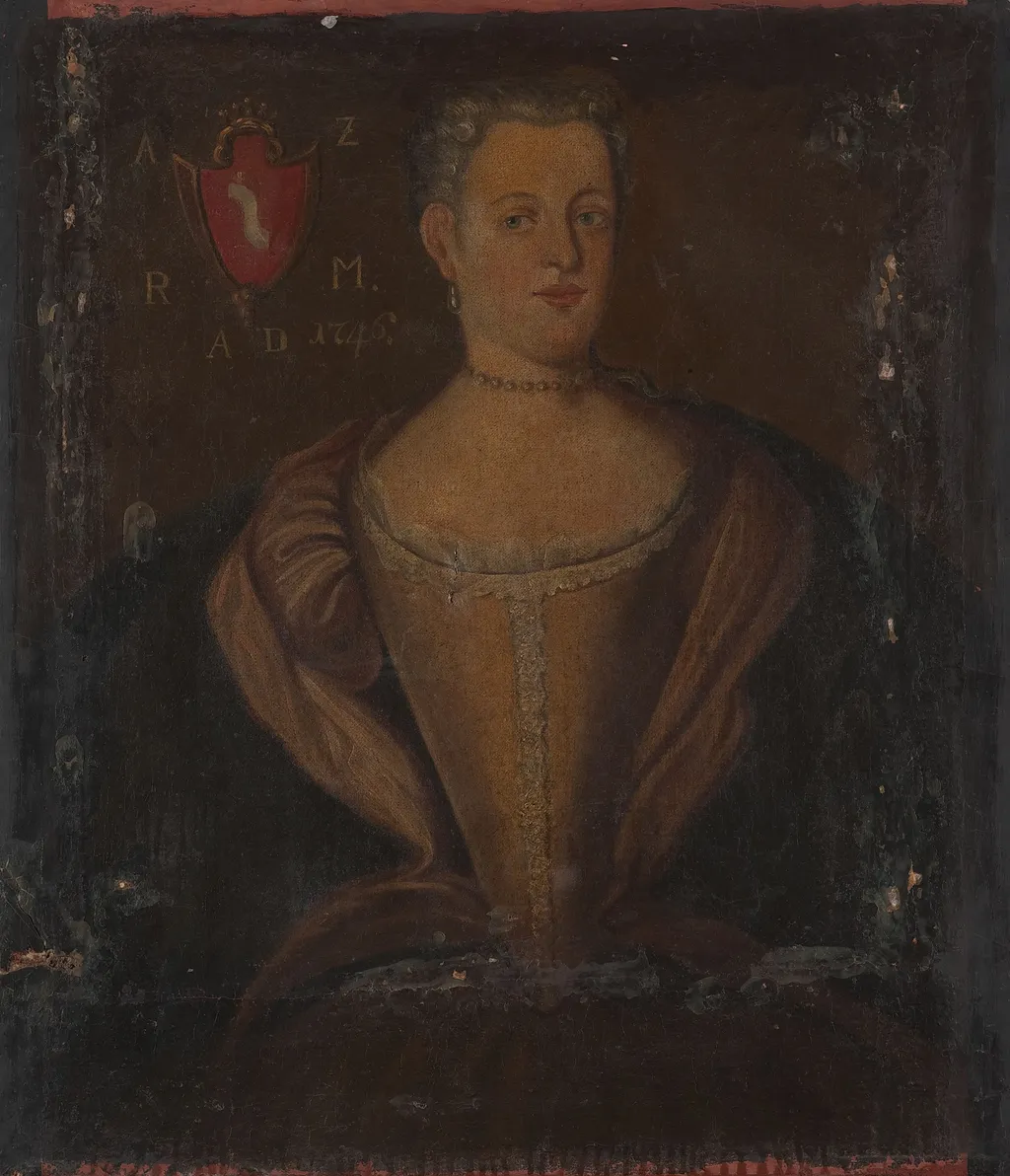
Portrait of a lady, Szreniawa coat of arms, with the letters AŻRM is an oil painting by the Rococo painting artist Unknown. It dates from 1746 and is held in the collection of the National Museum in Warsaw.
About this work
Overview
This oil painting depicts a noblewoman from the Polish-Lithuanian Commonwealth, identified by the Szreniawa coat of arms and the initials AŻRM.
This oil painting depicts a noblewoman from the Polish-Lithuanian Commonwealth, identified by the Szreniawa coat of arms and the initials AŻRM. Rendered against a dark background, the figure is illuminated to emphasize her presence. The work shows signs of age and minor surface damage, yet retains its compositional clarity and formal dignity. It is held in the collection of the National Museum in Warsaw.
Subject & Meaning
The sitter is portrayed with the heraldic emblem of the Szreniawa family, signaling her aristocratic lineage. The inclusion of the coat of arms and initials suggests a deliberate assertion of identity and social status. Her modest attire and direct gaze reflect the restrained elegance typical of noblewomen in the 17th century, where personal expression was channeled through symbolic rather than ornamental means.
Technique & Style
The artist employed chiaroscuro to model the figure against the deep background, enhancing three-dimensionality. Fine brushwork captures the texture of lace and the sheen of a necklace, while the shield is rendered with precise, almost heraldic clarity. The palette is muted, dominated by browns and reds, reinforcing the portrait’s solemnity and adherence to aristocratic conventions of the period.
History & Provenance
The painting’s origins trace to the Polish nobility of the 17th century, likely commissioned to commemorate family lineage. It entered the National Museum in Warsaw’s collection through documented acquisitions, possibly from private estates or ecclesiastical holdings. Its survival through centuries of political upheaval underscores its significance as a material record of noble identity.
Context
In the Polish-Lithuanian Commonwealth, portraits with coats of arms served as visual affirmations of noble status, especially in regions where hereditary titles were central to social structure. Such works were often displayed in family residences or chapels, functioning as both personal mementos and public declarations of lineage, distinct from Western European portraiture’s growing emphasis on individual psychology.
Legacy
The portrait remains a representative example of Polish aristocratic portraiture from the early modern era. Its preservation allows scholars to study heraldic symbolism, textile detail, and the visual language of nobility in Eastern Europe. It contributes to broader understanding of how identity was encoded in art beyond mere likeness, reflecting cultural values tied to lineage and honor.
Artist & collection









- Portrait of a woman
 Portrait of D. Maria Bárbara de Bragança
 Portrait of Teresa Kunegunda Sobieska (1676–1730) /?/ aka Countes Hedwig of Neuburg
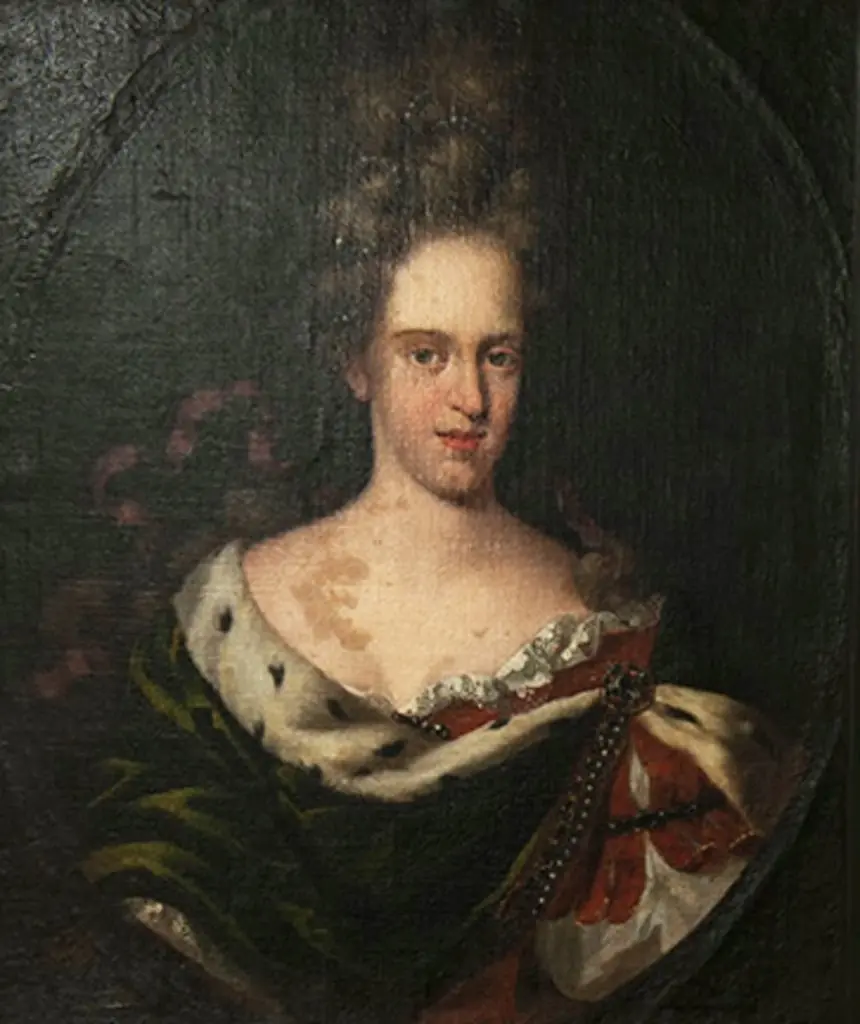 Maria Josepha Anna von Bayern
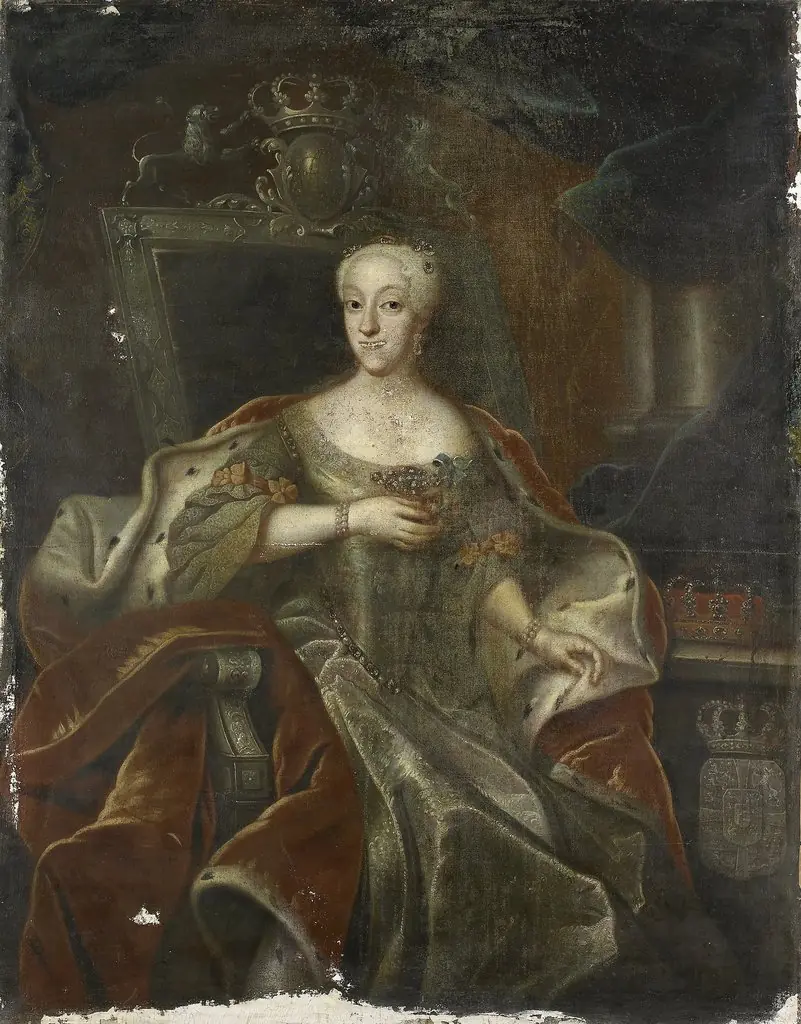 Portrait of Princess Charlotte Amalie, Daughter of Frederick IV, King of Denmark
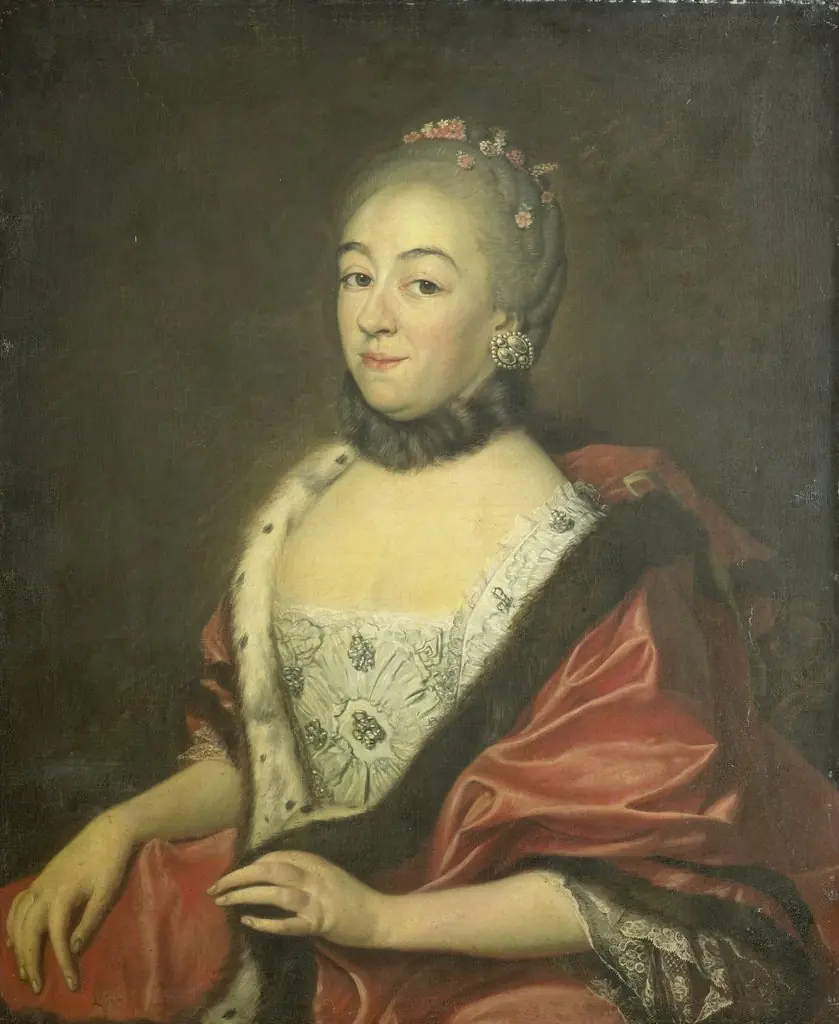 Sandrina van den Broecke, Wife of George Lodewijk Matthes
 Portrait of Princess Charlotte Amalie, Daughter of Frederick IV, King of Denmark
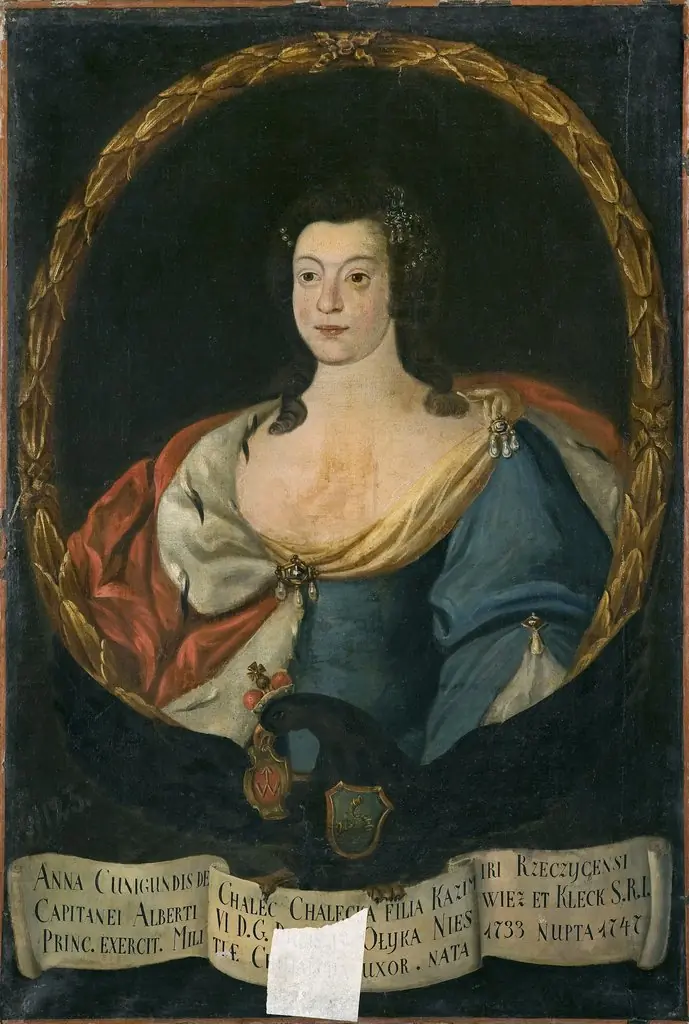 Portrait of Anna Kunegunda Radziwłł née Chalecka (1723–1765)
 Portret van een vrouw
 Anna von Österreich (1601-1666)
 Portrait of Frouck, Barones van Aylva, Wife of Hans Willem van Aylva after 1658
 Agnes Wrangel, levnadsdata okända, möjligen hovfröken hos riksänkedrottning Hedvig Eleonora