Artwork
Portrait of a Man
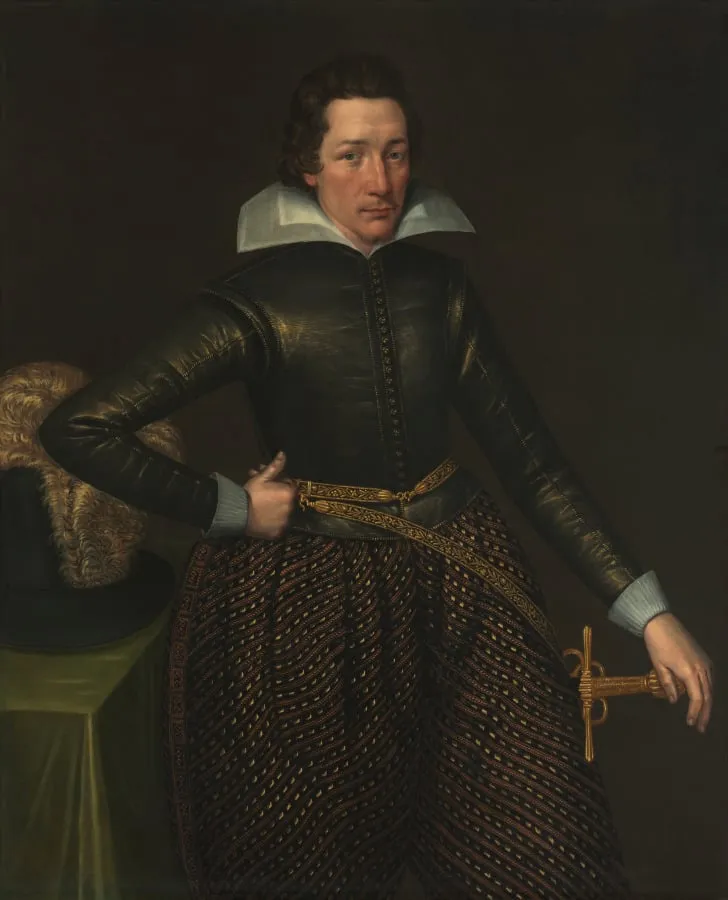
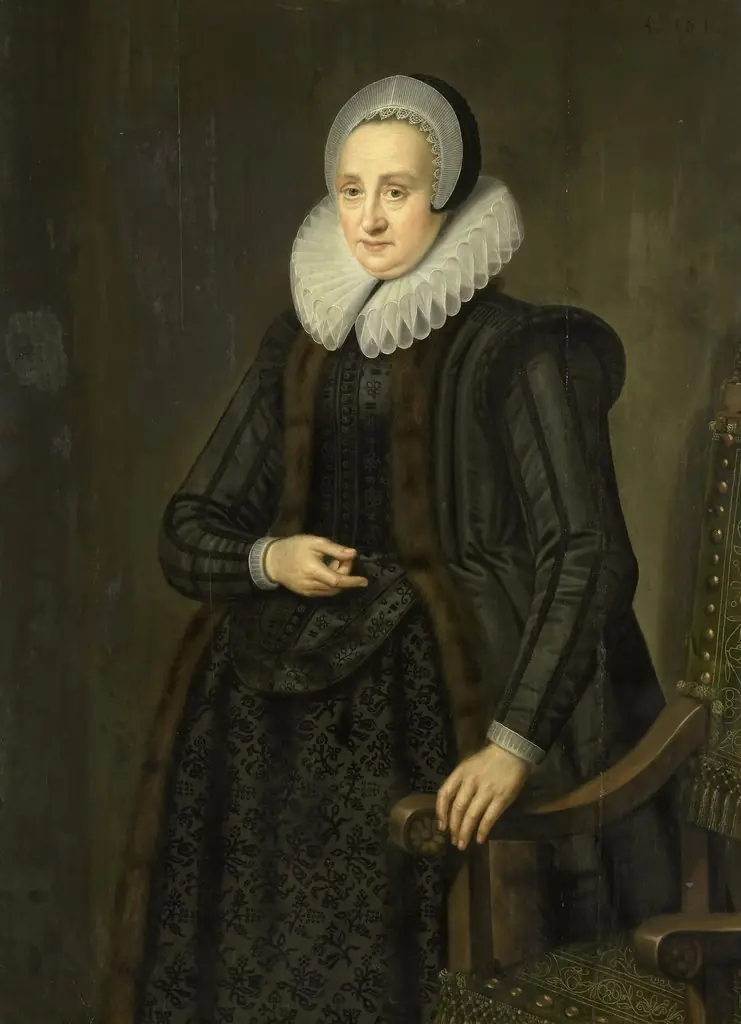
Portrait of a Man is an unspecified painting by the Baroque artist Unknown. It dates from 1610 and is held in the collection of the Cleveland Museum of Art. The work portrays a gentleman dressed in a dark coat and a white ruff, his gaze directed outward.
- Accession no.
- 1946.161
- Credit line
- Gift of Samuel D. Wise
About this work
The painting feels like a snapshot of power, maybe a merchant or minor noble in early 1600s England.
A man in a black coat and white ruff stares straight at you. His right hand rests on a sword hilt, fingers curled just enough to show tension. The background is dark, almost empty.
The painting feels like a snapshot of power, maybe a merchant or minor noble in early 1600s England. The artist likely came from the Netherlands, where portrait painters were in high demand. Tiny details, like the way light catches the sword’s silver, suggest careful work.
Look up other portraits from england (anglo-dutch), 17th century to see how this style spread.
Overview
The work portrays a gentleman dressed in a dark coat and a white ruff, his gaze directed outward. His right hand rests on the hilt of a sword, the fingers subtly tightened, while the surrounding space is rendered in deep, unadorned shadow. The composition conveys a restrained yet authoritative presence typical of early‑seventeenth‑century portraiture.
Subject & Meaning
The sitter appears to be an English figure, possibly a merchant or a lower‑rank noble, suggested by the combination of fashionable attire and the modestly displayed weapon. The direct stare and the poised hand imply confidence and social standing, while the subdued background focuses attention on the individual’s status and personal demeanor.
Technique & Style
The painting exhibits meticulous attention to surface textures: the sheen of the sword’s metal catches light, and the fabric of the coat and ruff is rendered with fine brushwork. The overall palette is restrained, dominated by dark tones and a stark contrast with the white ruff, reflecting the influence of Dutch portraitists active in England during the period.
History & Provenance
Stylistic cues in the costume and the sword’s hilt date the work to roughly 1610–1615. The artist is believed to be of Dutch origin, a common circumstance as many Netherlandish painters were employed by English patrons at that time. The painting’s provenance prior to the modern era remains undocumented.
Context
During the early 1600s, England saw a surge of Dutch portrait painters who introduced a refined realism to local art. This cross‑cultural exchange is evident in the work’s precise rendering and compositional restraint, aligning it with other Anglo‑Dutch portraits that blended English fashion with Netherlandish technique.
Artist & collection









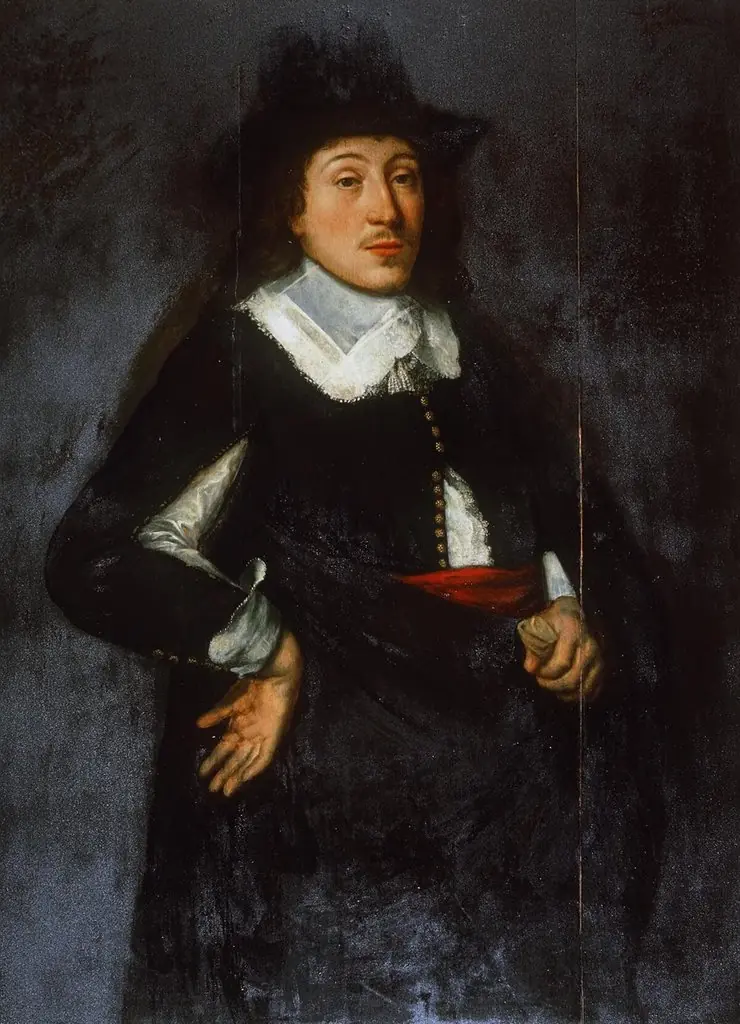
- Portrait of a gentleman
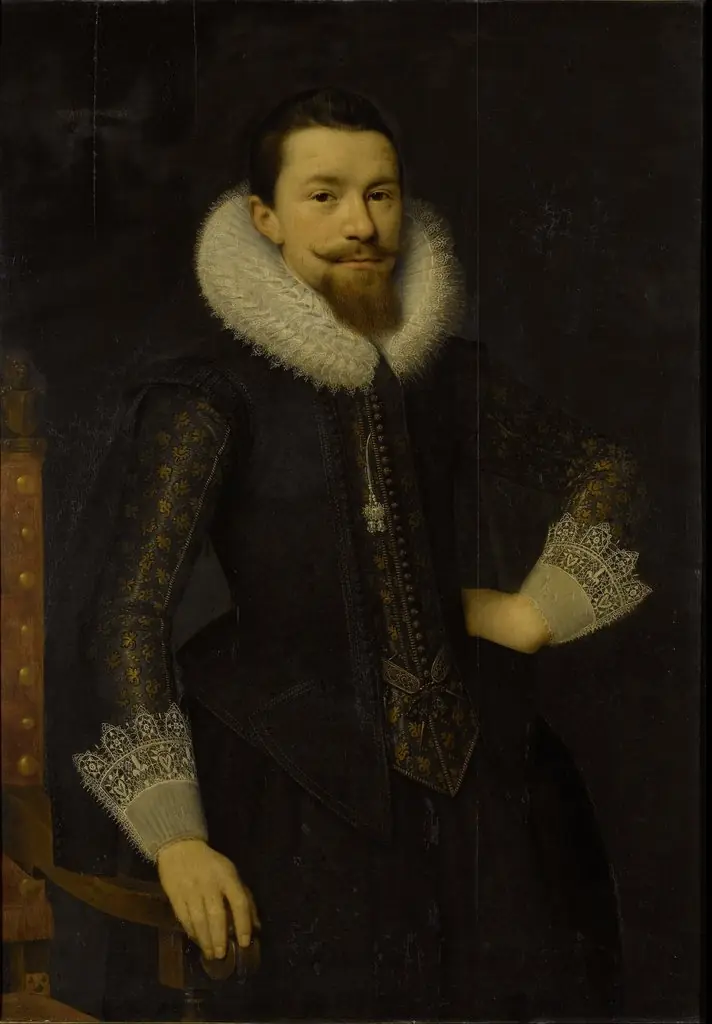 Portrait of Pieter Boudaen Courten (1594-1668)
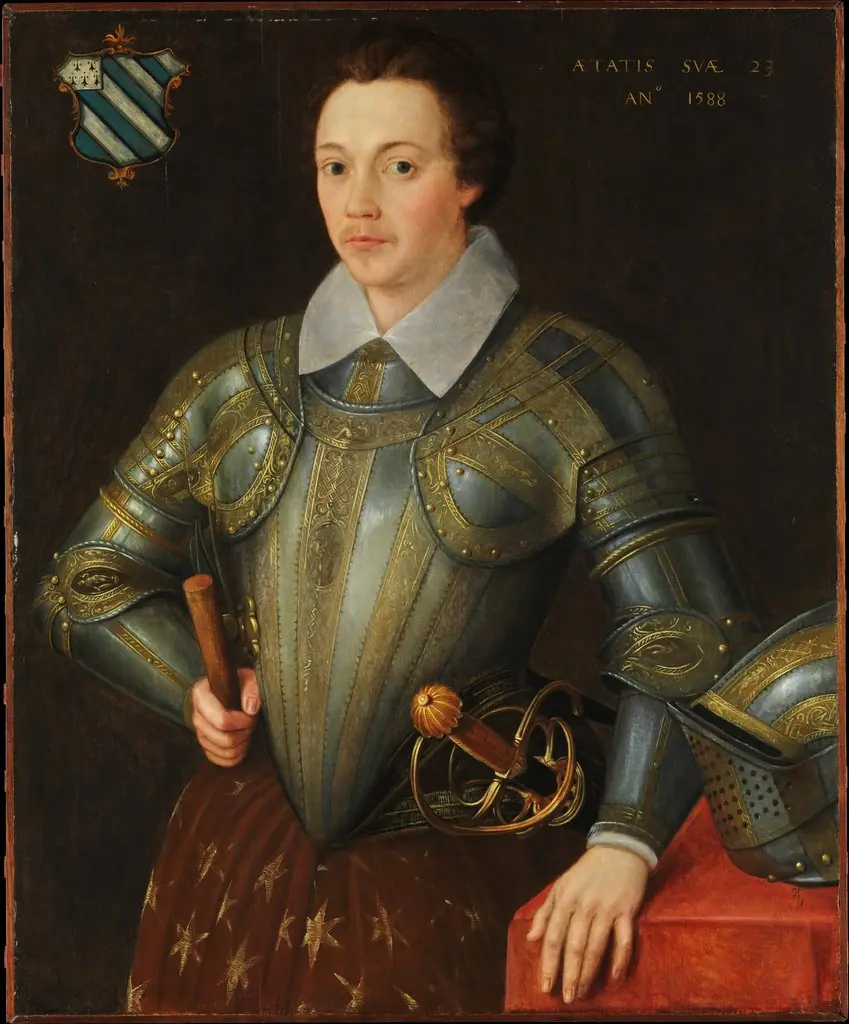 Sir John Shurley of Isfield (1565–1632)
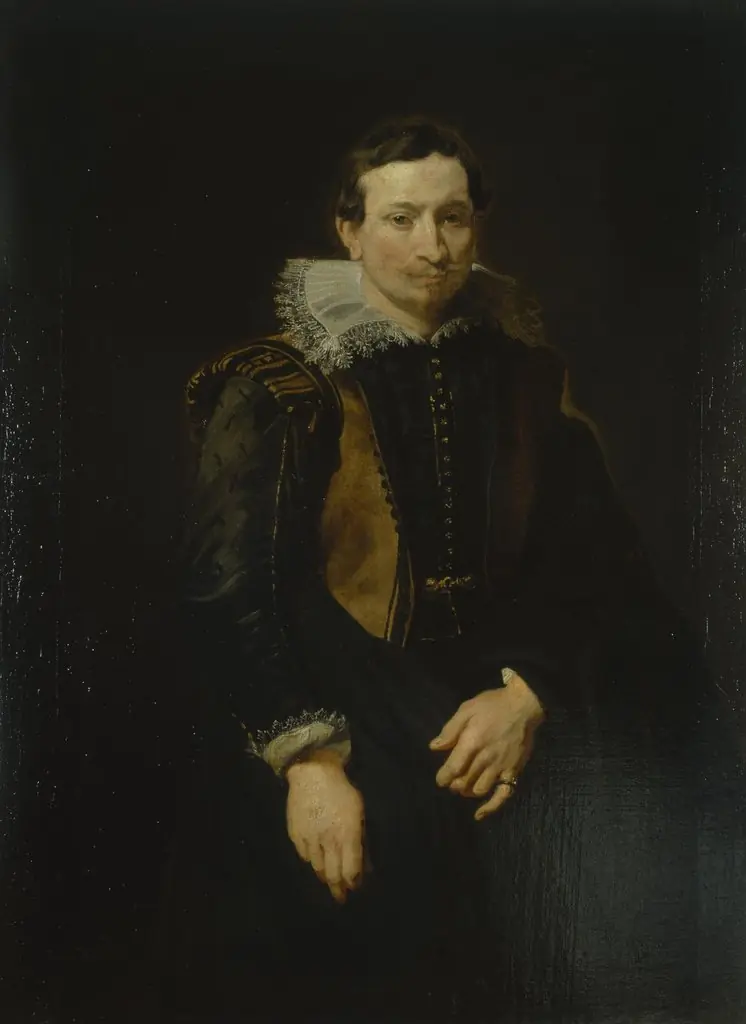 Portrait of a Young Man
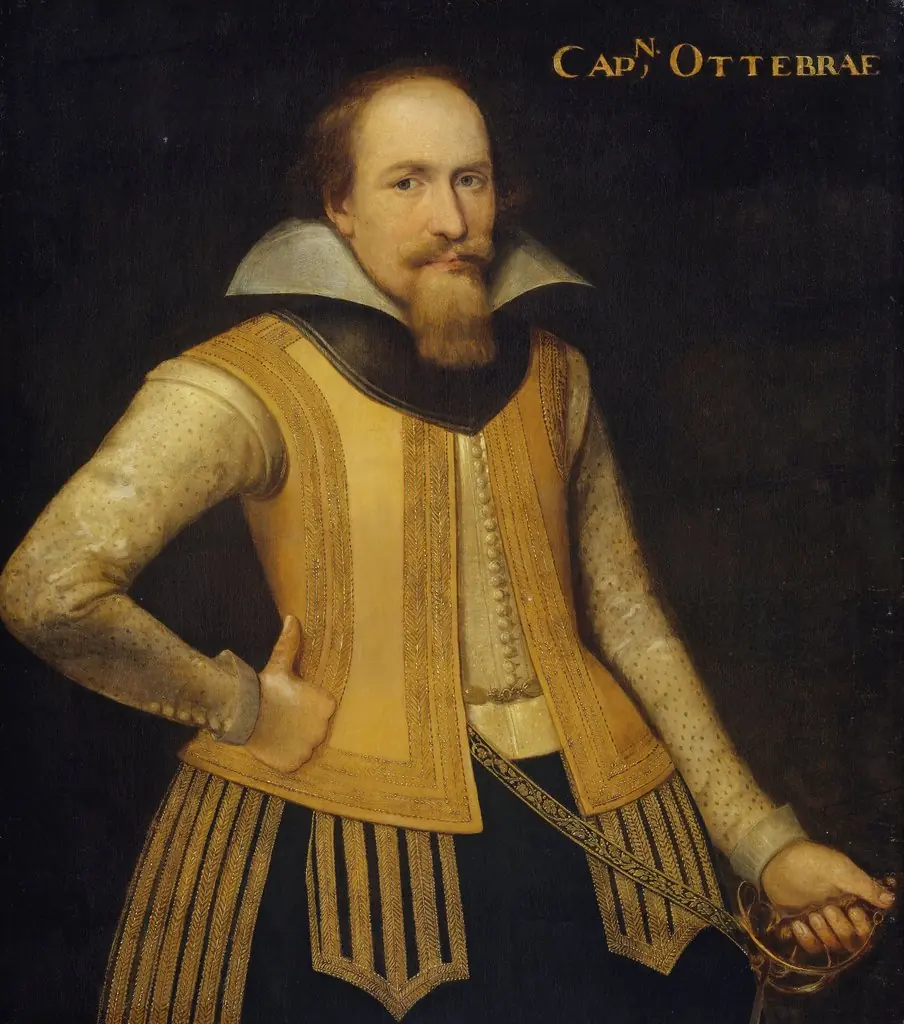 Portrait of Otto Brahe (1578-1652)
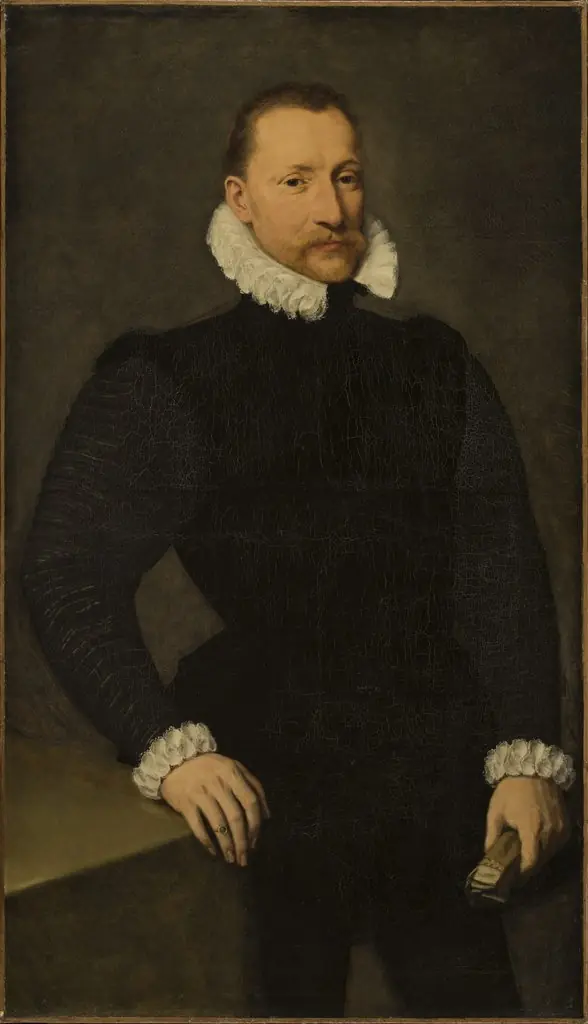 Portrait of a Man
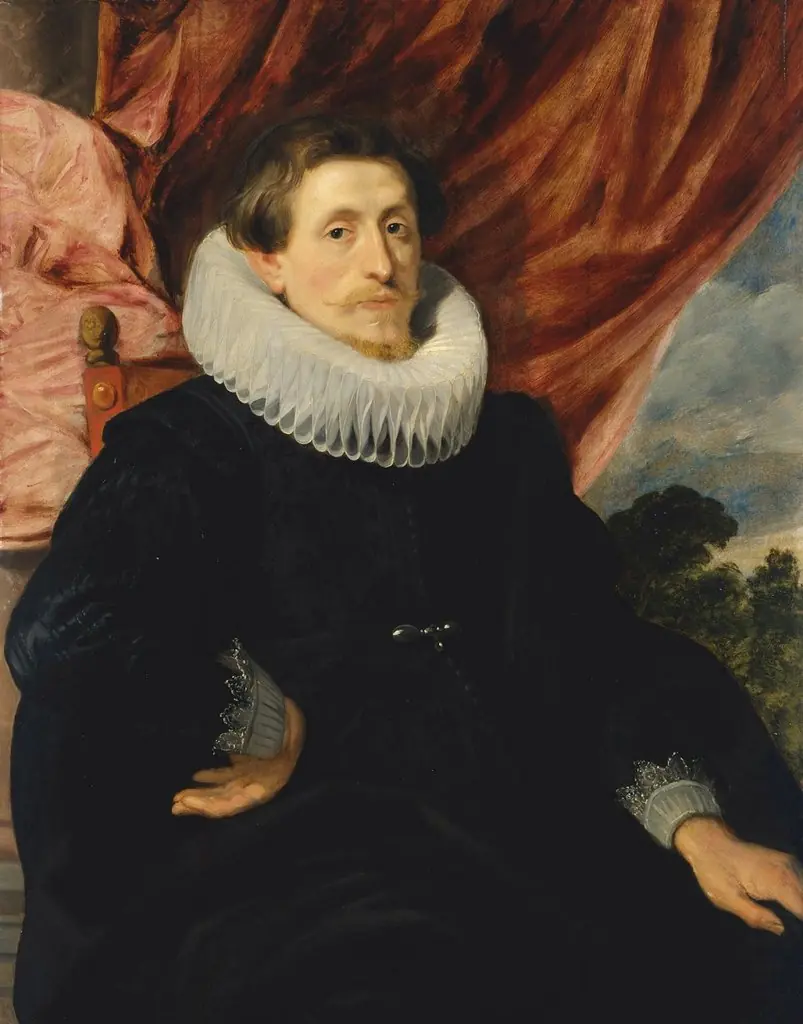 Portrait of a Man, 1618
 Portrait of Pieter van Son (c. 1590-1654)
 Untitled
 Portrait of a Gentleman
 Portrait of Laurens Reael
 Portrait of Margarita Cassier