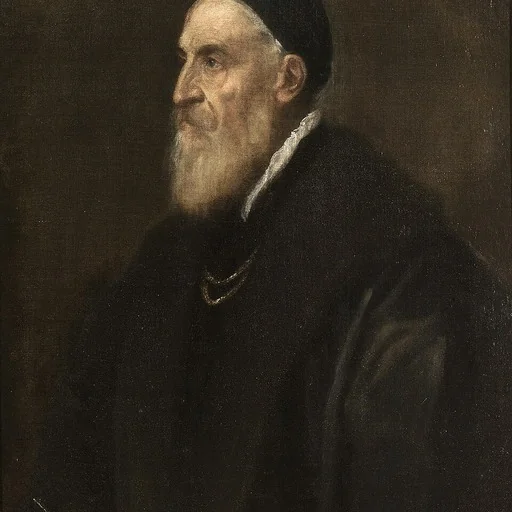
Subject
Rose
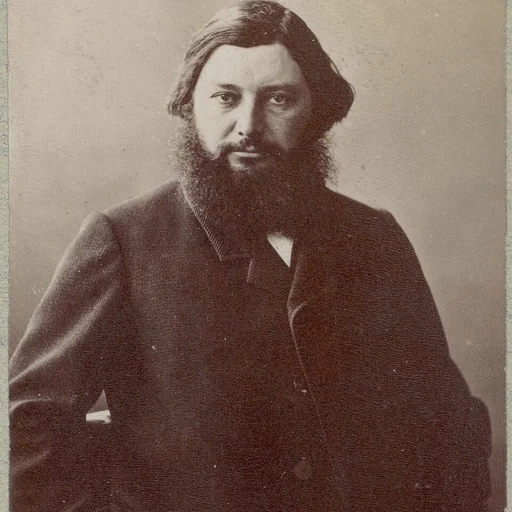
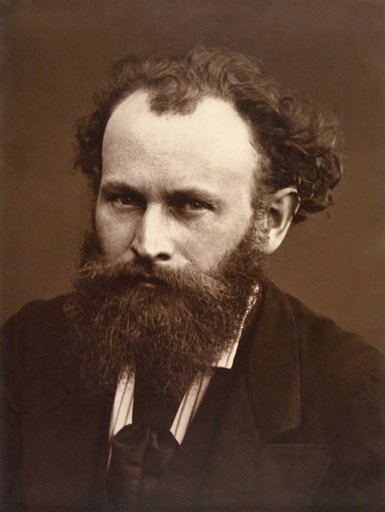
Rose is a subject in art. The gallery holds 111 works in this subject in art, including works by Titian, Lorenzo Lotto and Gustave Courbet.
Few motifs carry as dense a symbolic charge in Western art as the rose, and its meanings reach back to classical antiquity. Among the Greeks the five-petalled rose was sacred to Aphrodite; the Romans linked it to Venus and to the spring goddess Persephone. One myth held that the flower sprang from the goddess's tears and the blood of her slain lover Adonis, binding the rose forever to love, beauty, and mortal longing. The word itself descends from the Latin rosa, the same root that gives the given name Rose.
Early Christian writers redirected this charge from Venus to the Virgin Mary. Ambrose of Milan, in the fourth century, taught that the rose grew thornless in Eden and acquired its thorns only after the Fall, so that Mary could be hailed as the "rose without thorns." Red roses came to signify Christ's blood and the martyrs, white roses the Immaculate Conception. The theme flowered in images of the enclosed garden, such as Michelino da Besozzo's International Gothic Madonna in the Rose Garden and Albrecht Dürer's Feast of the Rosary (1506), in which the Virgin distributes rose garlands to kneeling worshippers.
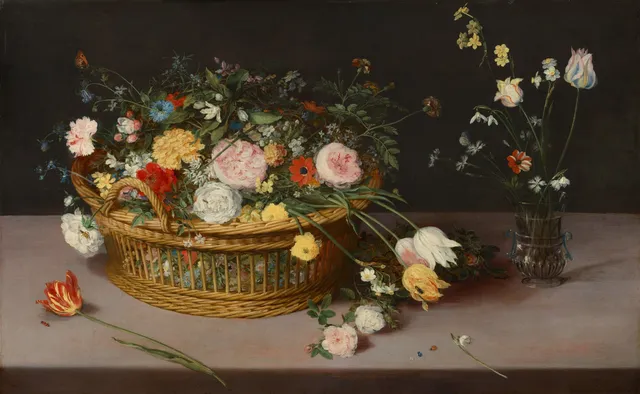
In the seventeenth and eighteenth centuries the rose became a leading subject of the independent flower still life. Jan Brueghel the Elder (1568–1625), the "Velvet Brueghel" and among the first Flemish artists to specialise in floral pieces, massed roses and tulips against dark grounds, as in the catalogue's Flowers in a Basket and a Vase. A century later Jan van Huysum (1682–1749), praised by contemporaries as "the phoenix of all flower painters," worked so faithfully from life that he once delayed a commission a full year for want of a real yellow rose to copy; his manner survives here in Flowers in an Urn. Such bouquets, however lavish, carried a vanitas undertone: petals already loosening, beauty caught at the edge of decay.
Alongside these sacred and meditative strands the rose kept its frankly amorous register, attending Venus in pictures such as Lorenzo Lotto's Venus and Cupid and scenting the boudoir intimacy of Rococo scenes like Jean-Frédéric Schall's Morning Toilet. Across mythology, devotion, and still life, the rose remained Western art's most eloquent emblem of love, transience, and grace.
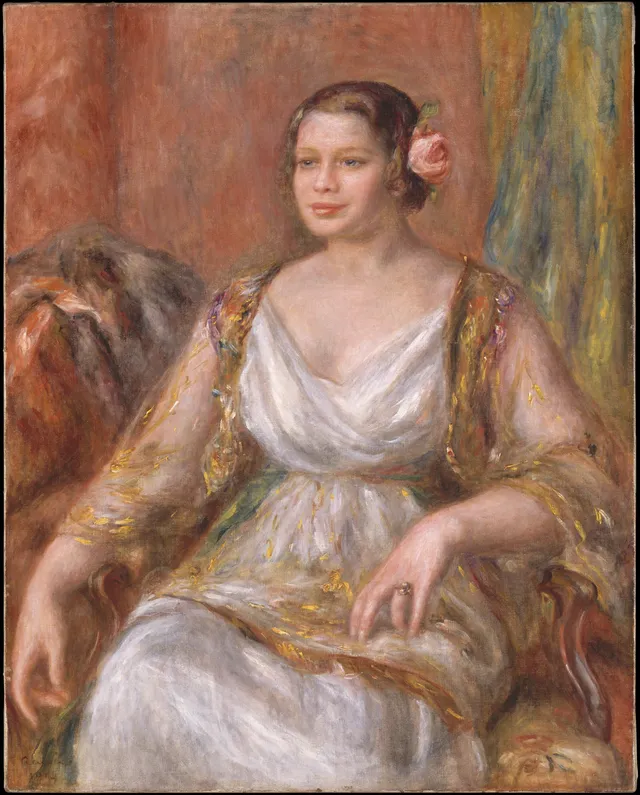
Key artists
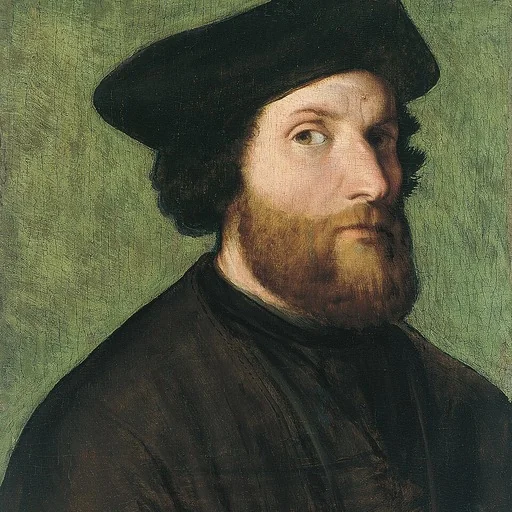
Overview
The rose is a floral motif that has persisted as one of the most popular subjects in art, second only to the human form. Its recurring presence stems from its natural beauty and complex symbolic weight, allowing it to function both as a central subject in still lifes and as a meaningful adornment in portraits and religious scenes. The earliest known depiction of a rose appears in a fresco at Knossos, Crete, dating to circa 1500 BC, which shows a bird next to a wild rose. Following antiquity, the flower appeared in oriental drawings around the 10th century, but it was during the European Middle Ages that the rose became a pervasive artistic element, transitioning from ancient adornment to a heavily coded symbol.
Iconography & meaning
In art, the rose carries layered iconography ranging from divine love to mortal mortality. In classical antiquity, the rose was the symbol of Venus, a motif famously visualized by Sandro Botticelli in his Birth of Venus, where the goddess's sweat turns into roses as it falls into the sea. During the Gothic and Renaissance periods, the flower became inextricably linked to the Virgin Mary, serving as her floral symbol and an emblem of the highest honor the Catholic Church bestows. This Marian association placed roses prominently in religious works, strewn at the feet of angels or enclosing the Virgin in enclosed gardens. Secular meanings also developed, with roses signifying romantic love, as seen in a circa 1420 drawing of lovers meeting under roses. The introduction of thorns into visual representations, such as in Nicholas Hilliard's 1588 A Young Man Among the Roses, added connotations of sorrow and the duality of pleasure and pain, contrasting with earlier medieval depictions that consistently rendered the flower thornless. Later, in 19th-century still lifes, artists like Henri Fantin-Latour utilized wilting and prematurely cut blooms to evoke the transience of life.
Across movements & periods
The treatment of the rose in art has shifted significantly across movements and periods. During the Romanesque and Gothic eras, the flower appeared primarily as a religious adornment, culminating in Early and Northern Renaissance works where it featured in the backgrounds of classical portraits and devotional panels by masters like Raphael, Leonardo, and Michelangelo. By 1461, the rose became a heraldic symbol of British royalty, appearing in portraits of queens holding the flower or the royal emblem. The 17th-century Flemish masters subsequently formalized the rose as a central element of the still life genre, a tradition that deeply influenced later French painters like Jean-Baptiste-Siméon Chardin and Henri Fantin-Latour. In the late 19th century, Impressionist painters shifted focus from strict symbolism to the optical effects of light and color on the flower, as seen in the plein air works of Peder Severin Krøyer and the vibrant bouquets of Pierre-Auguste Renoir. The color rose also took on a period-defining role in the early 20th century, lending its name to Pablo Picasso's Rose Period from 1904 to 1906, where cheerful pink and red hues replaced the somber tones of his preceding Blue Period.
Notable depictions
Several canonical depictions define the rose in art history. Stefan Lochner's 1410 Virgin in the Rose Bower and Martin Schongauer's 1473 Virgin in the Rose Arbor established the enclosed rose garden as a Marian sanctuary. Albrecht Dürer's 1506 Festival of Rose Garlands marked a theological shift, depicting the Pope and Maximilian alongside the painter offering rose garlands to the Virgin, an act previously reserved for Mary alone. In the Victorian era, Lawrence Alma-Tadema's 1888 The Roses of Heliogabalus depicted the Roman Emperor drowning his guests in a fatal deluge of rose petals, an illusion constructed using petals imported weekly from the south of France. Vincent van Gogh's late still lifes, including Still Life: Vase with Pink Roses and Pink Roses, both completed in 1890, used the exuberant, overflowing blossoms to express optimism. John Singer Sargent's 1885 Carnation, Lily, Lily, Rose captured children lighting paper lanterns in a twilight garden, while Krøyer's 1891 to 1894 Roses merged Impressionist light with the Skagen landscape, featuring his wife beneath an Alba Maxima rosebush.
Legacy
The rose's legacy in art extends beyond the canvas into broader cultural nomenclature and stylistic terminology. The flower's profound symbolic resonance ensured its continued presence from ancient frescoes to modern galleries. Its cultural weight also influenced language, as the name Rose, derived from the Latin rosa, became a widespread female given name by the Middle Ages and saw a massive surge in popularity during the 19th century when flower names became fashionable. In art history, the color rose itself left a lasting taxonomic mark, permanently defining Pablo Picasso's pivotal 1904 to 1906 transitional phase as the Rose Period. This era marked the beginning of the artist's experiments with primitivism, paving the way for his African Period and the advent of Cubism. The enduring use of the rose in both visual representation and personal naming conventions reflects its deep integration into Western cultural identity.
Works
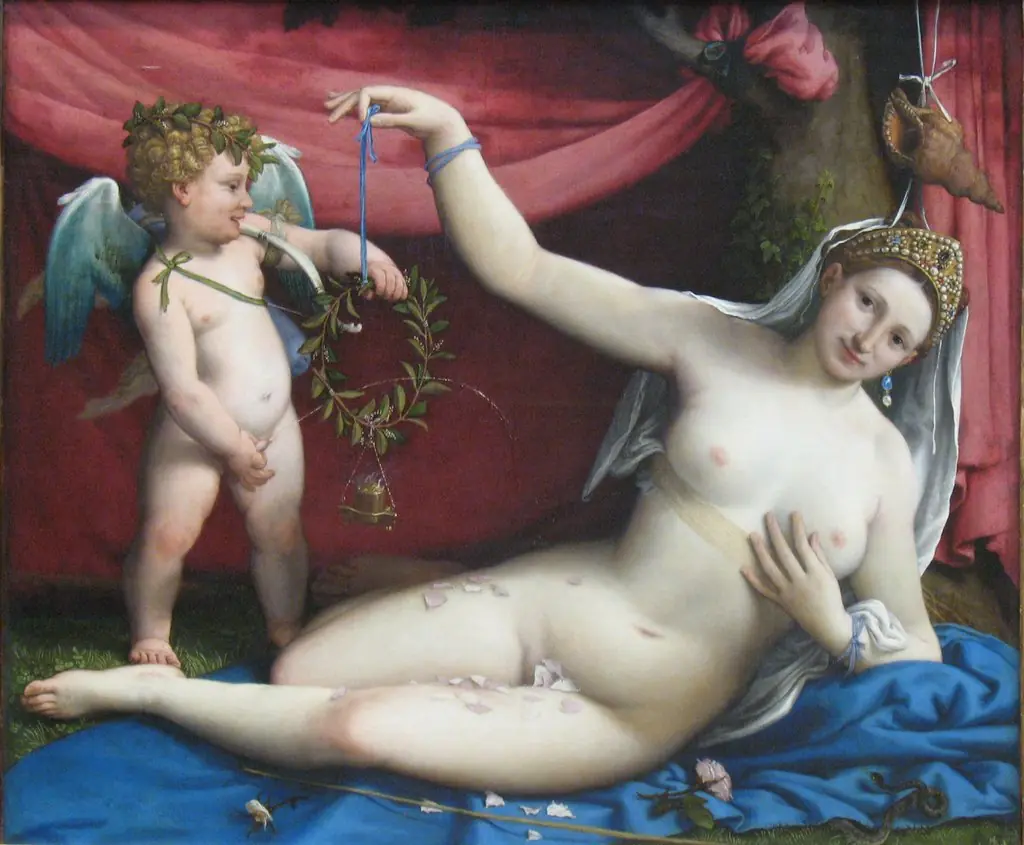 Venus and Cupid
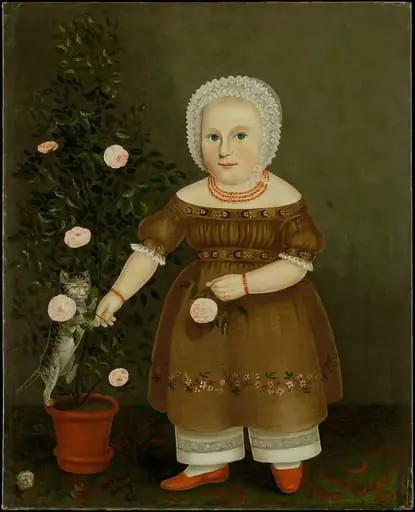 Emma Homan
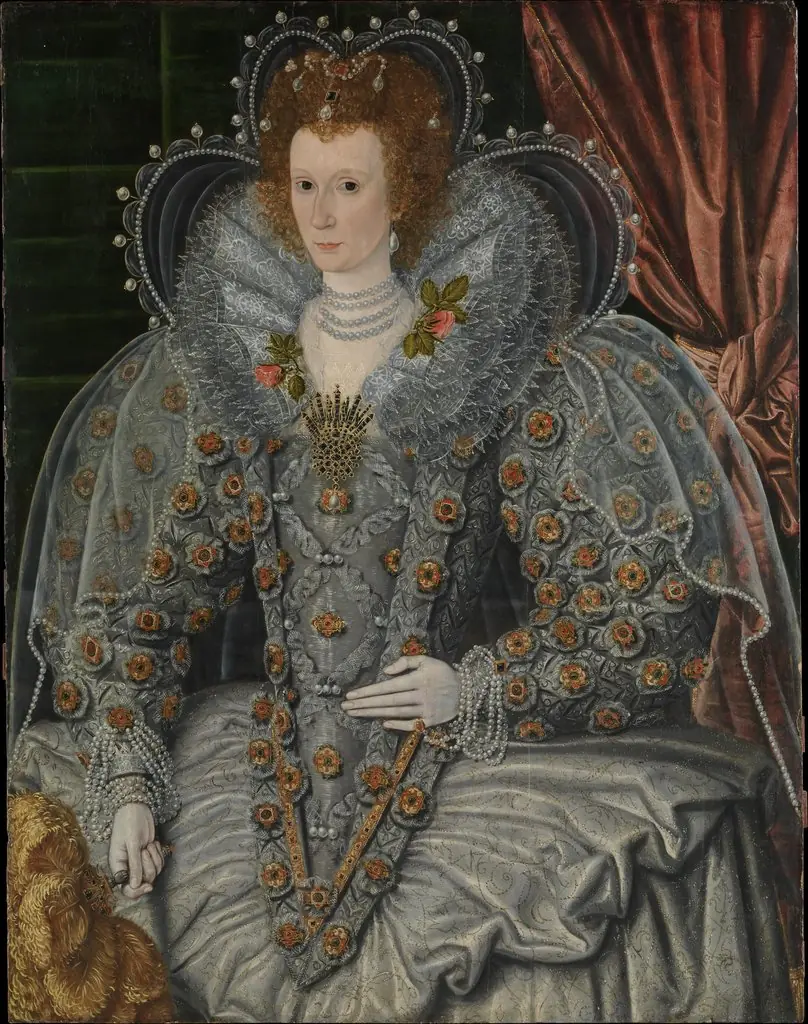 Portrait of a Woman
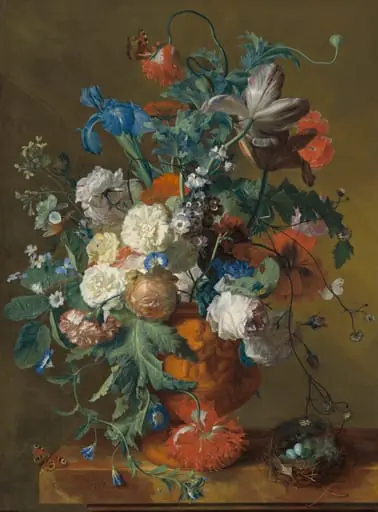 Flowers in an Urn
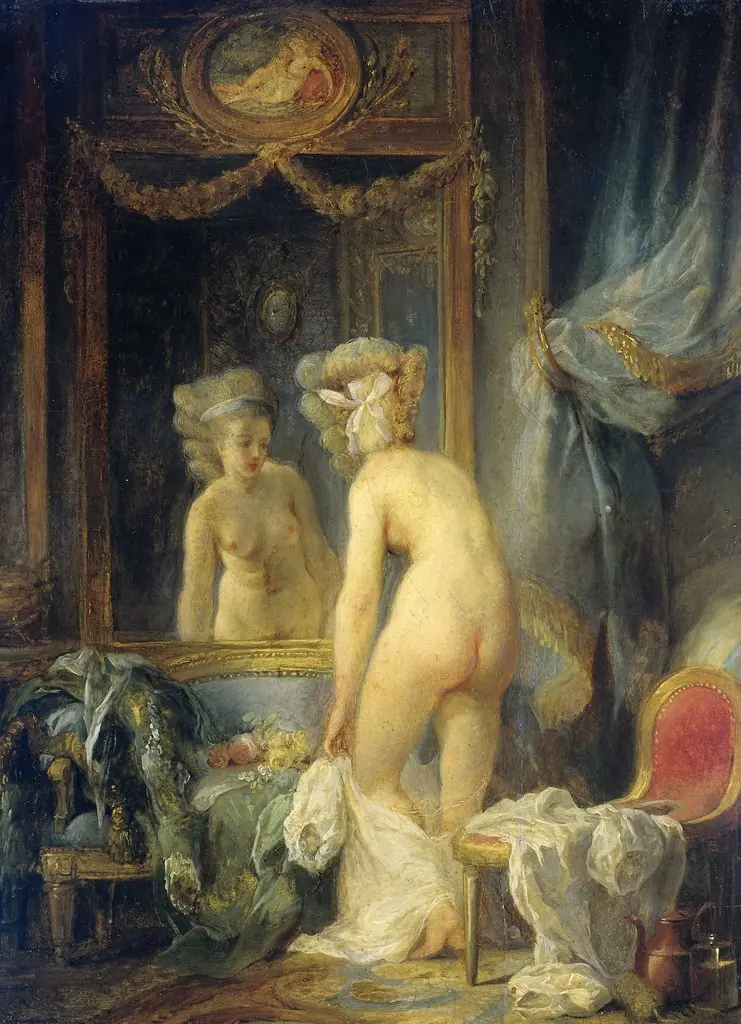 Morning Toilet
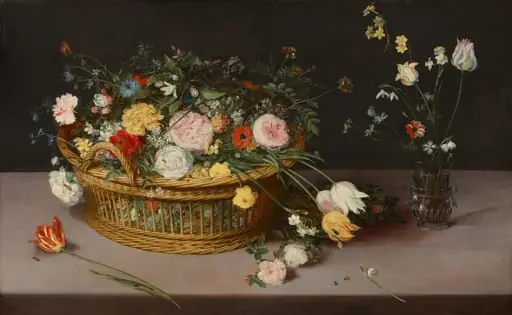 Flowers in a Basket and a Vase
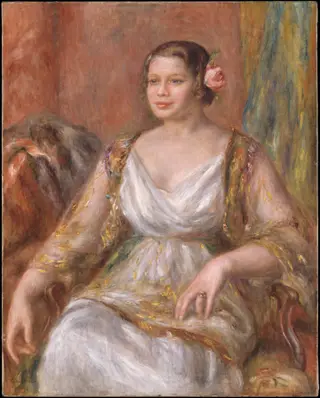 Tilla Durieux
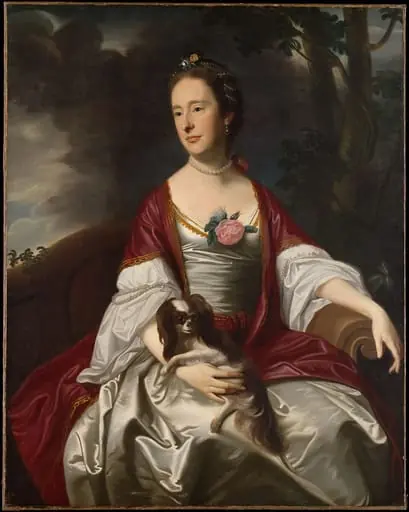 Mrs. Jerathmael Bowers
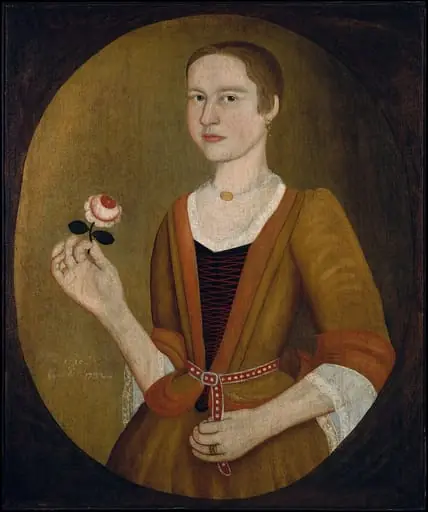 Young Lady with a Rose
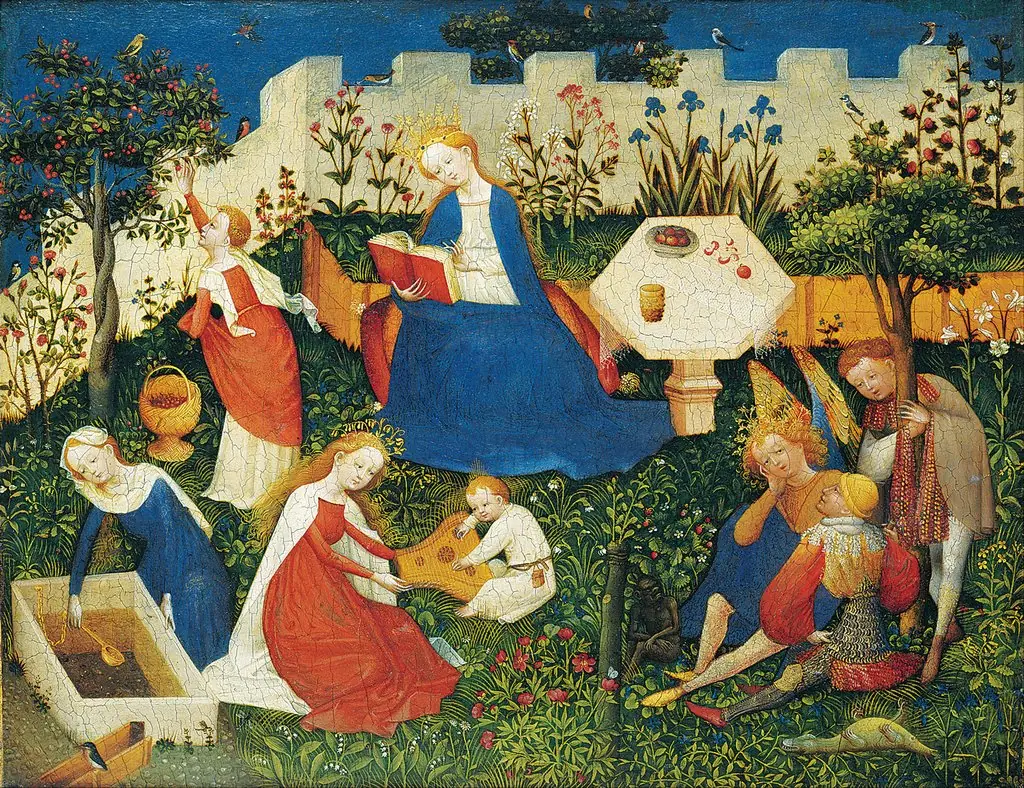 Paradiesgärtlein
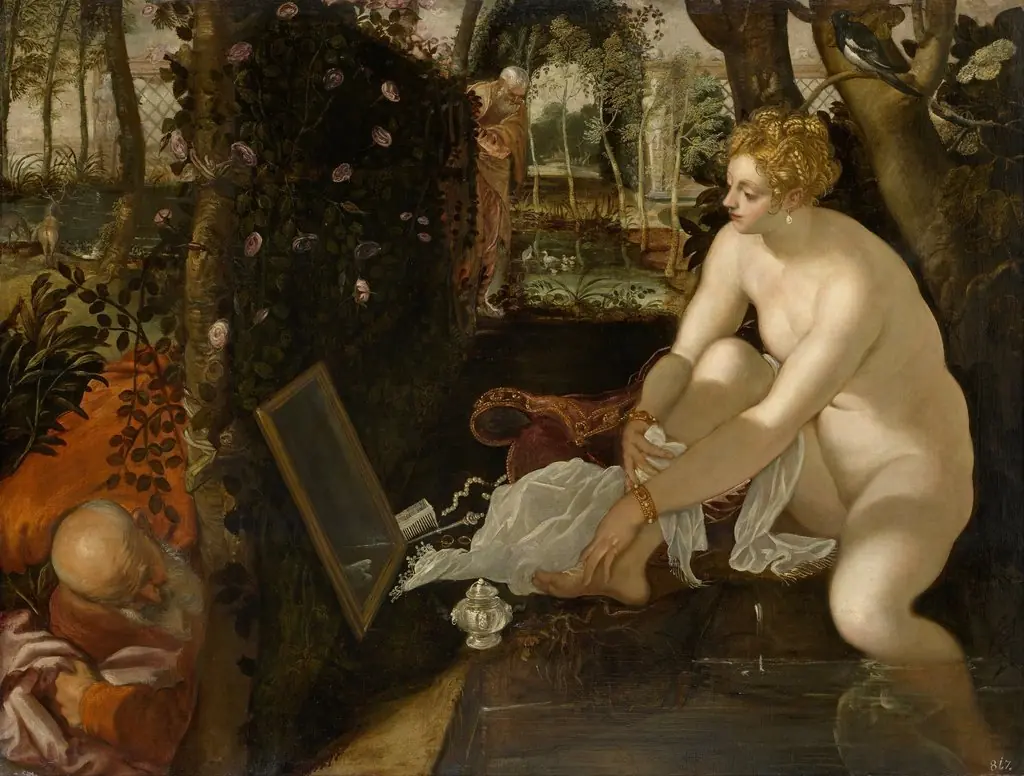 Susanna and the Elders
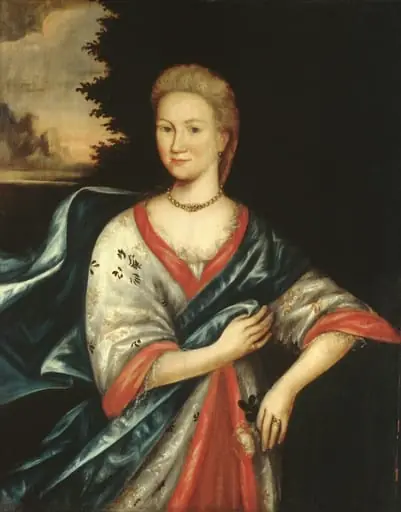 Portrait of a Lady
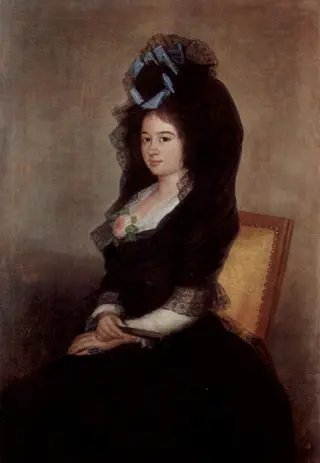 Narcisa Barañana de Goicoechea
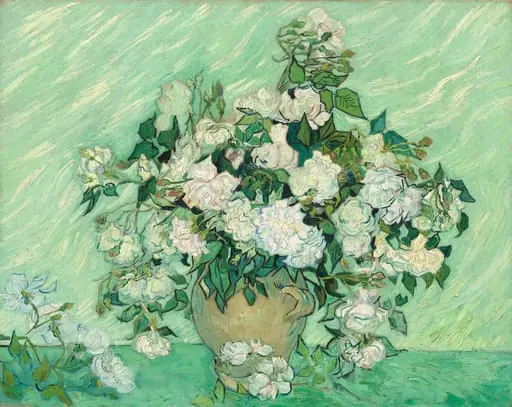 Roses
Roses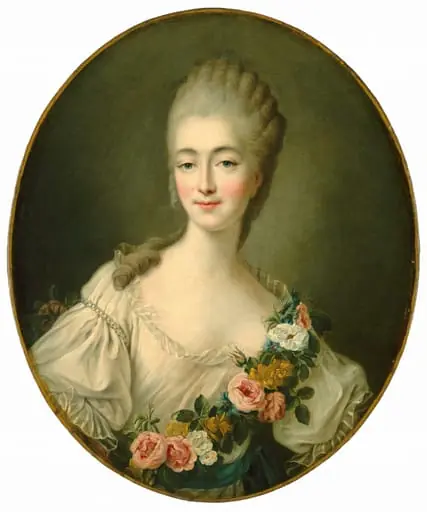 Jeanne Bécu, Comtesse du Barry
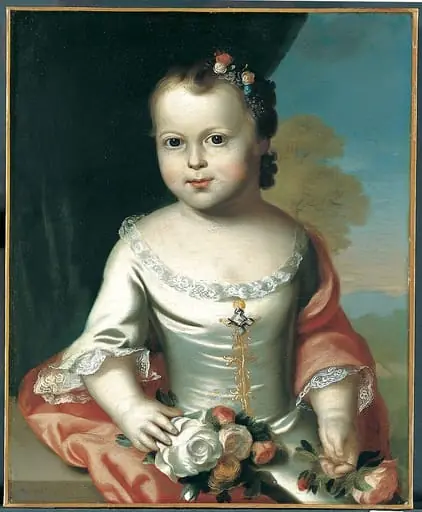 Elizabeth Greenleaf
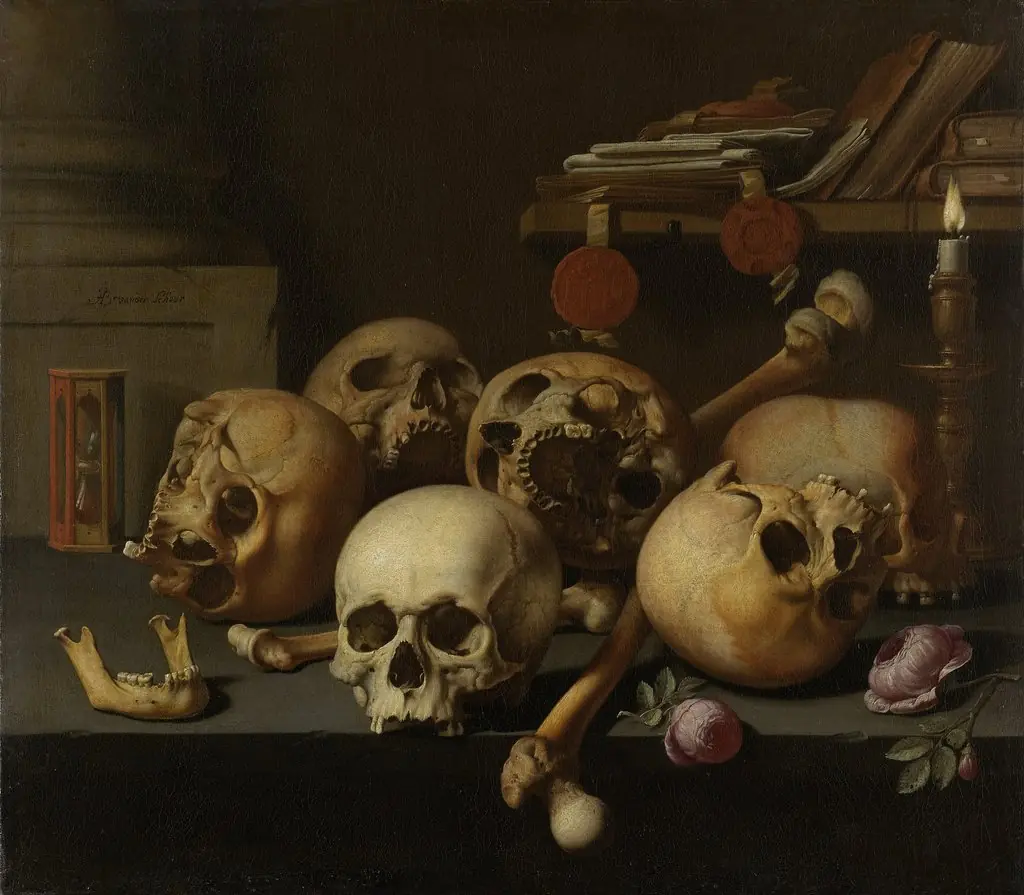 Vanits still life
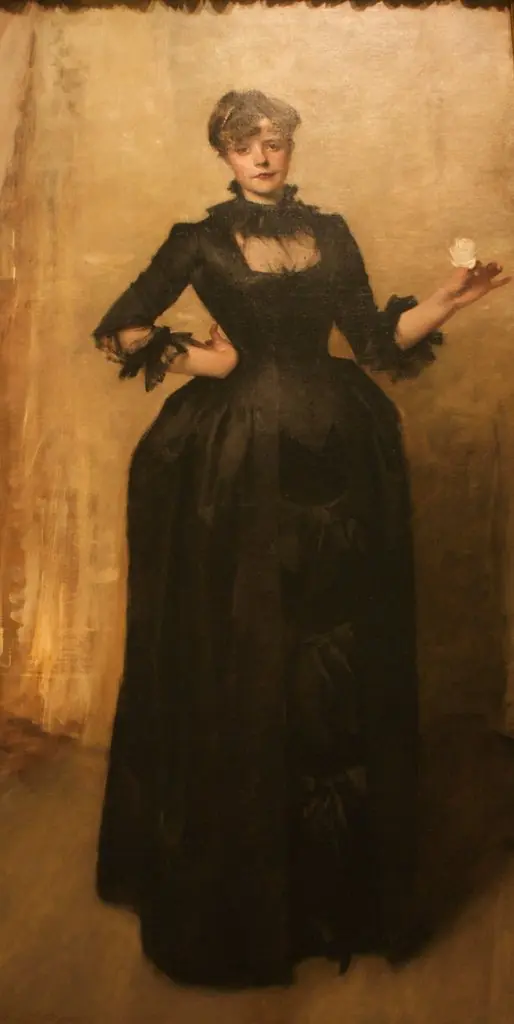 Lady with the Rose
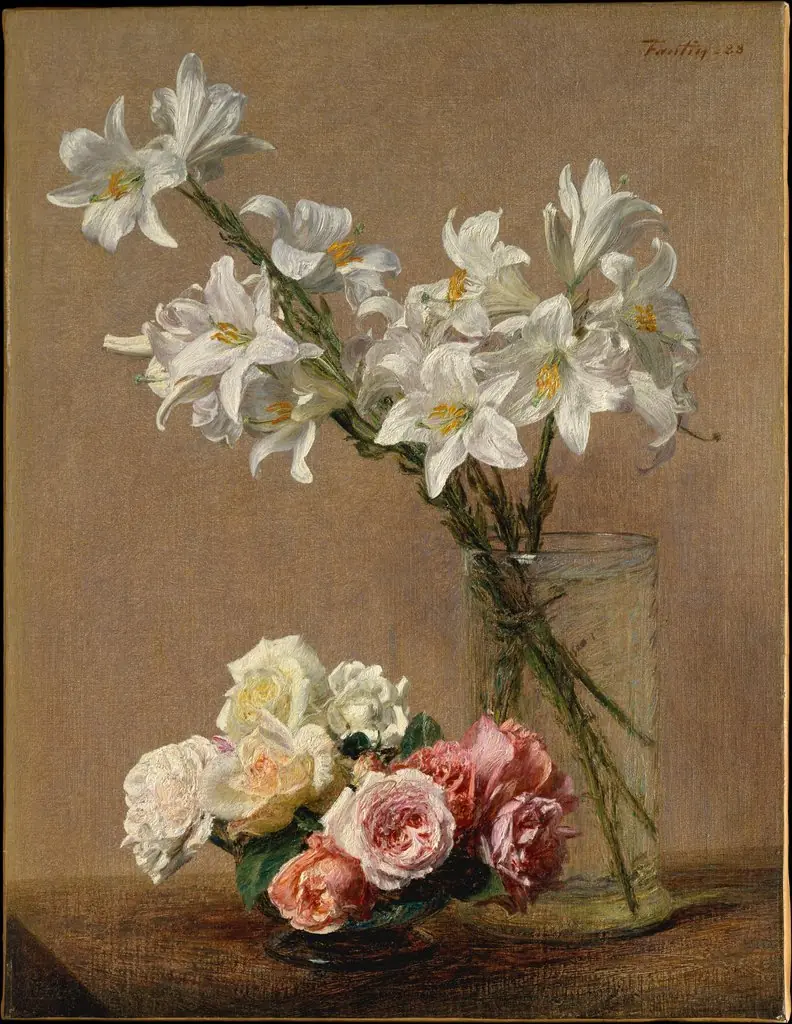 Roses and Lilies
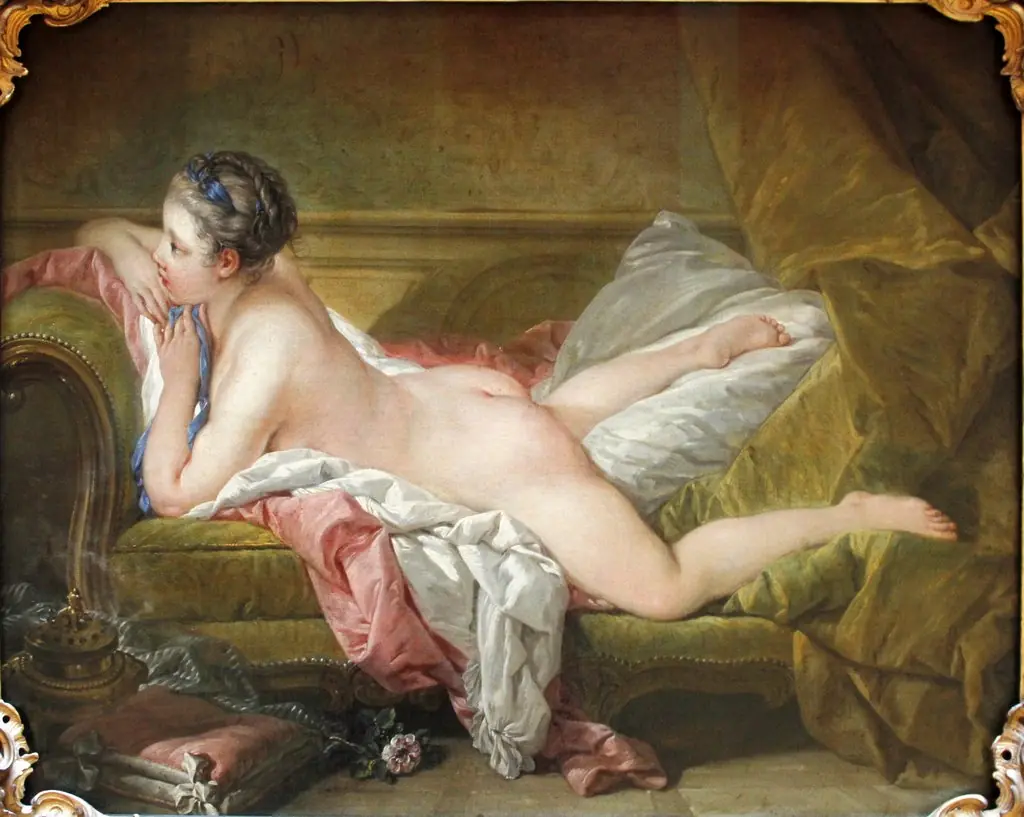 Reclining Girl
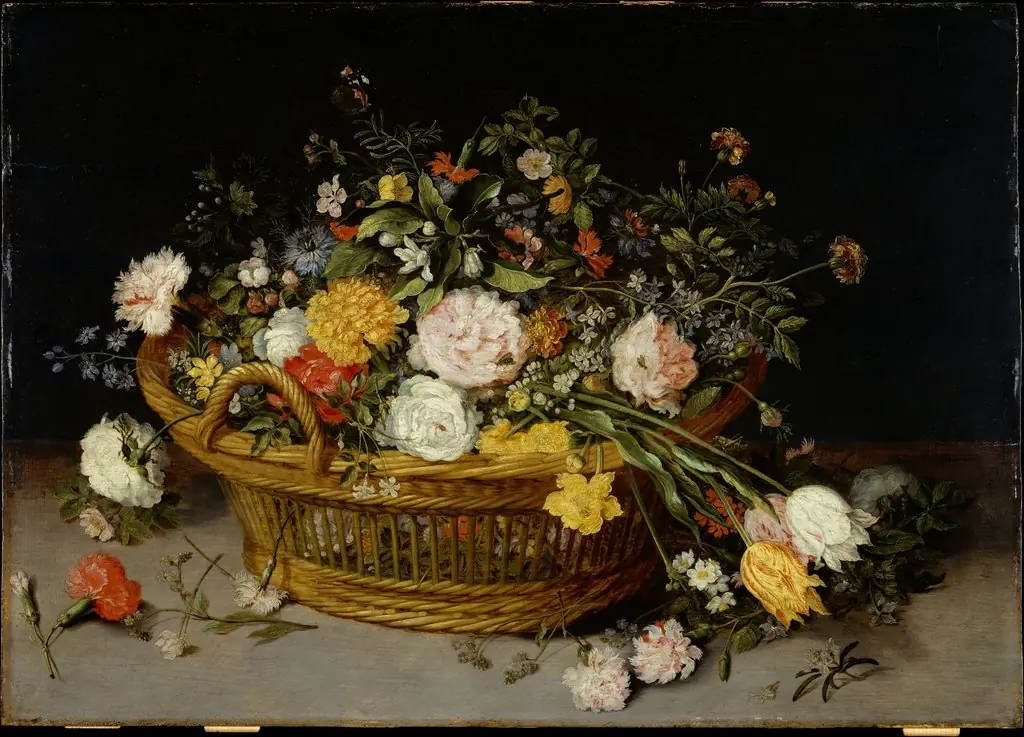 A Basket of Flowers
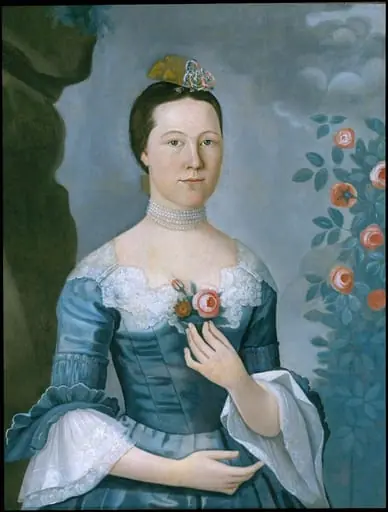 Susannah or Mary Bontecou
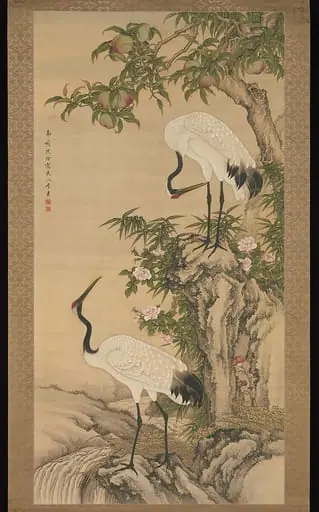 清 沈銓 月季桃鶴圖 軸|Cranes, peach tree, and China rose
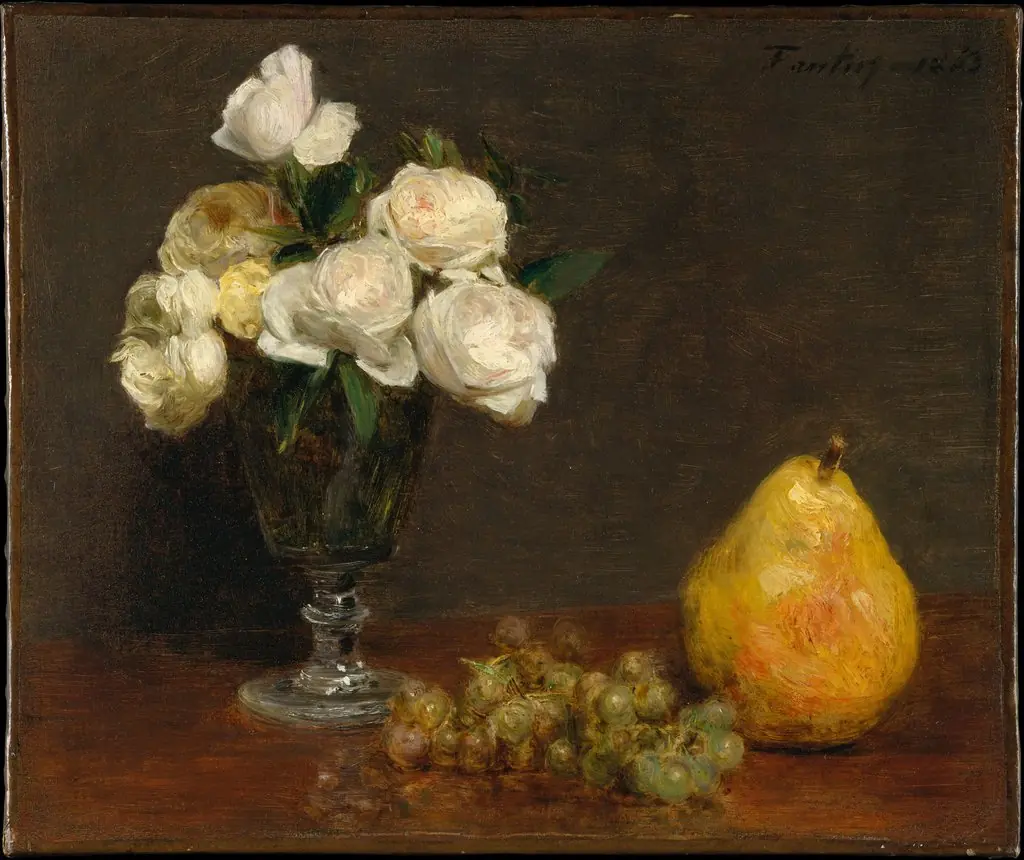 Still Life with Roses and Fruit
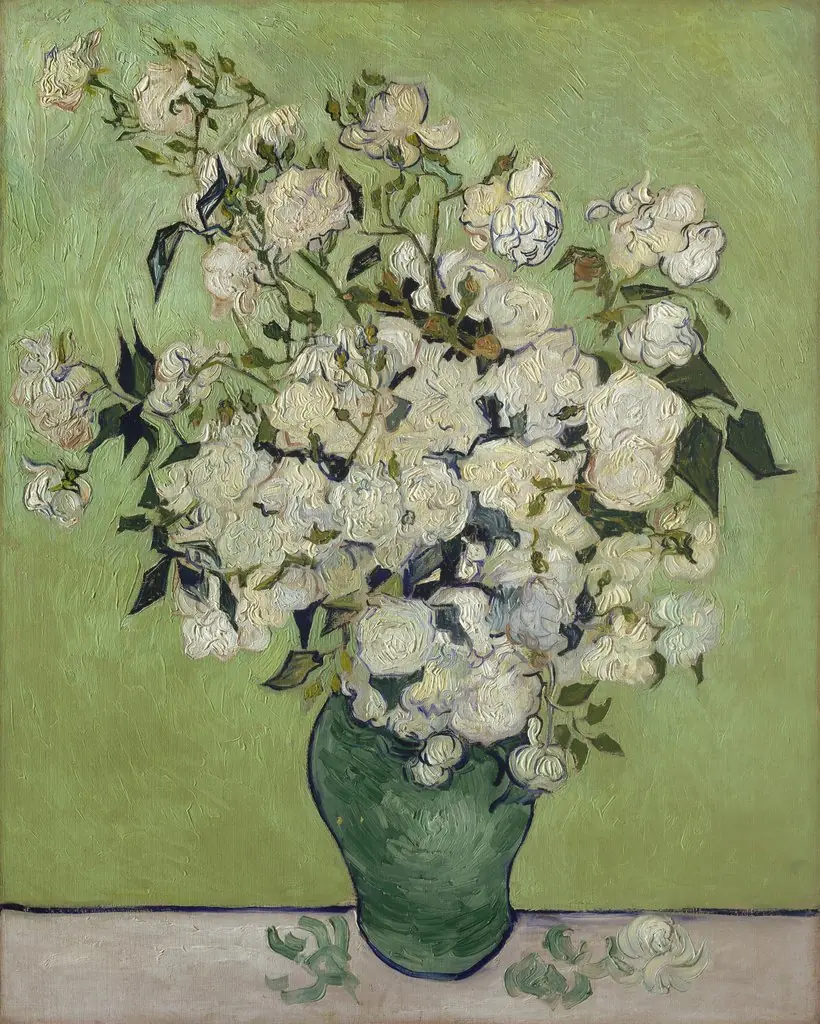 Roses
Roses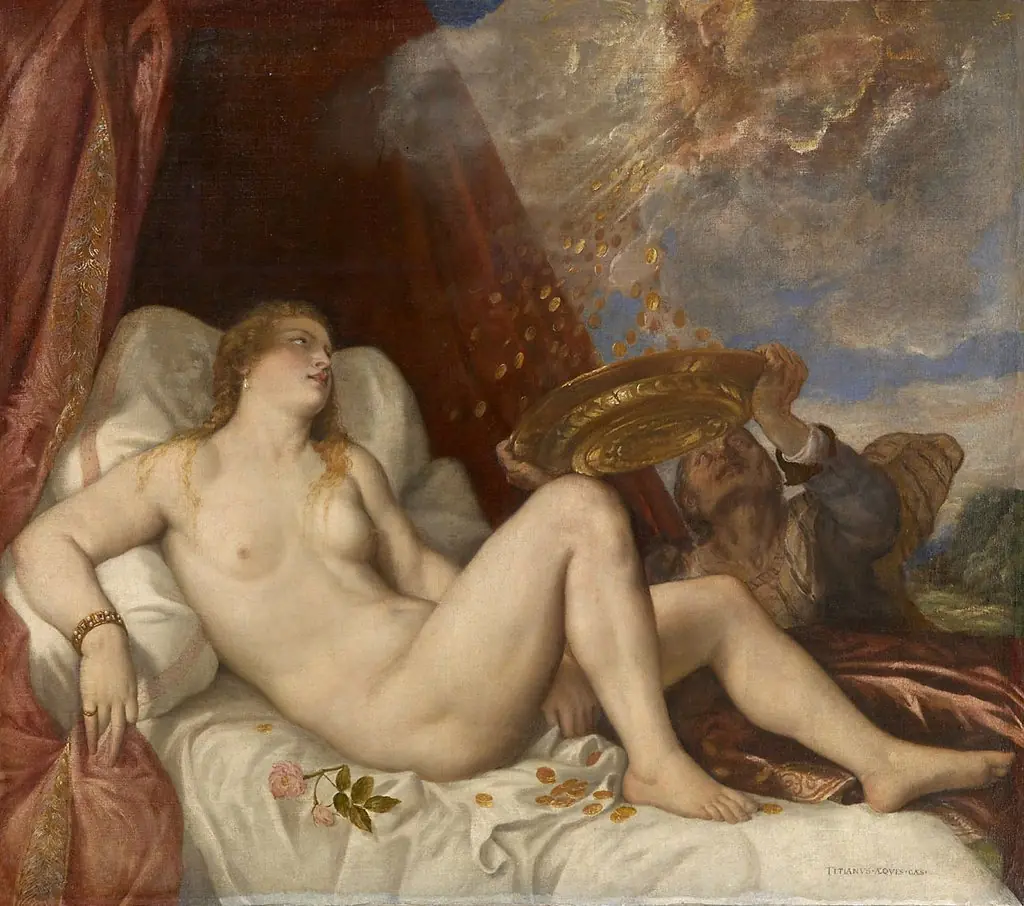 Danaë
Danaë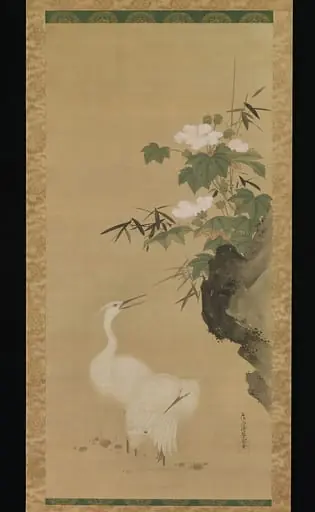 土佐光起筆 芙蓉白鷺図|Egrets and Cotton Roses
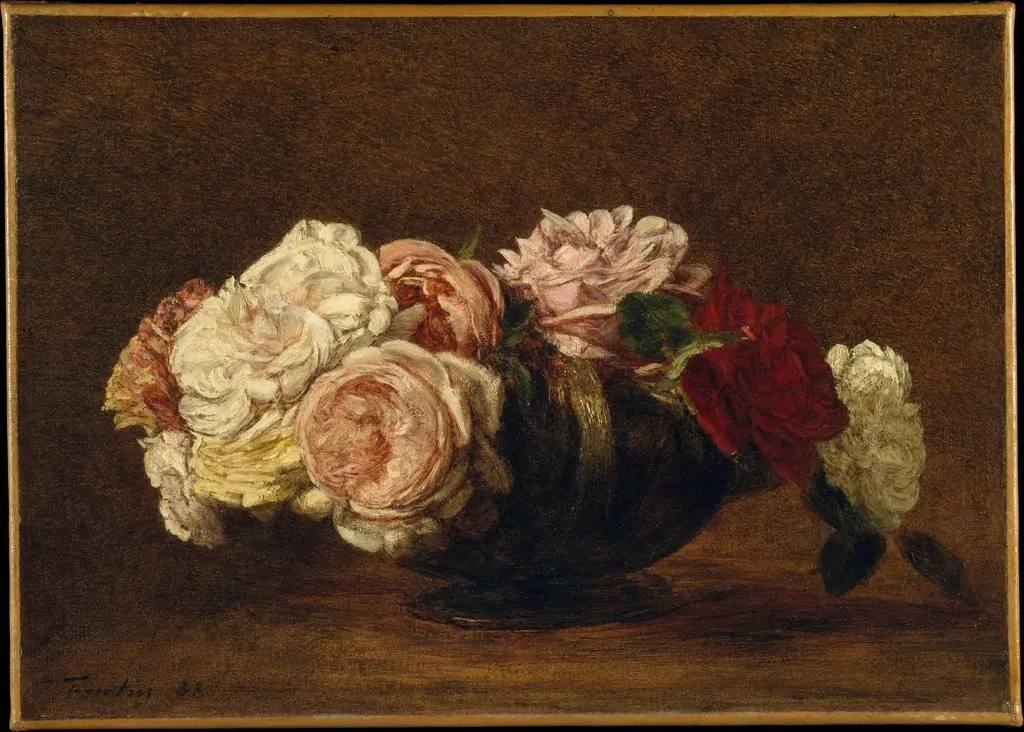 Roses in a Bowl
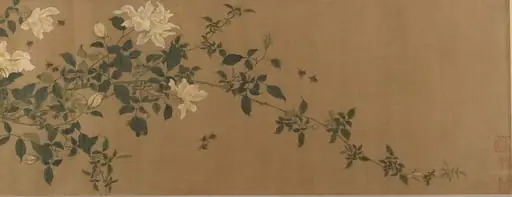 清 佚名 趙昌(僞款) 蜂王圖 卷|Yellow Roses and Bees, Pink Roses and Wasps
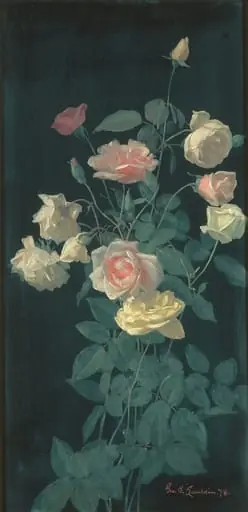 Roses
Roses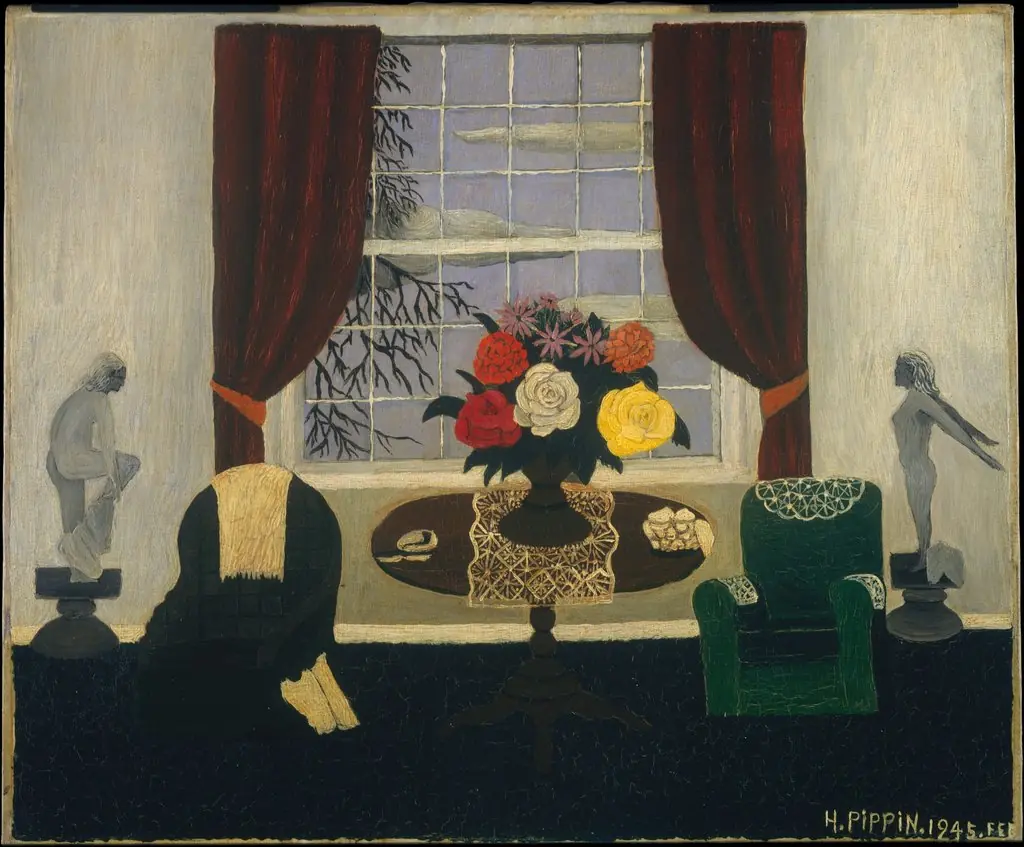 Victorian Interior I
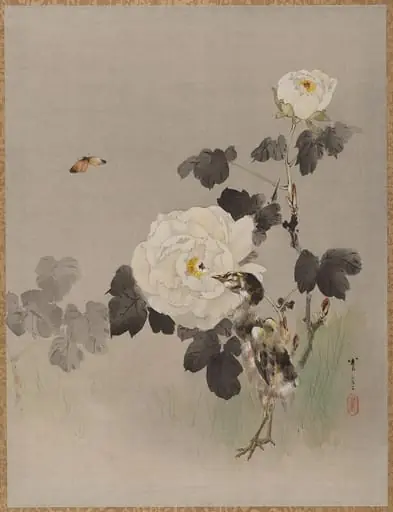 Untitled
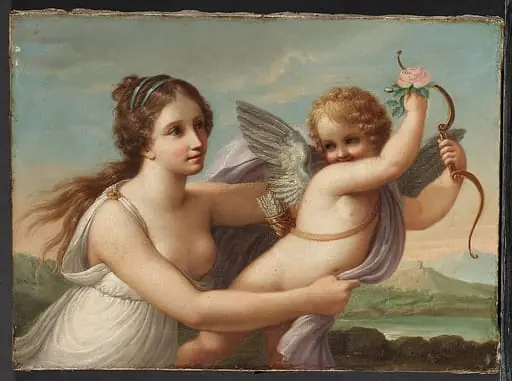 The Victory of Eros
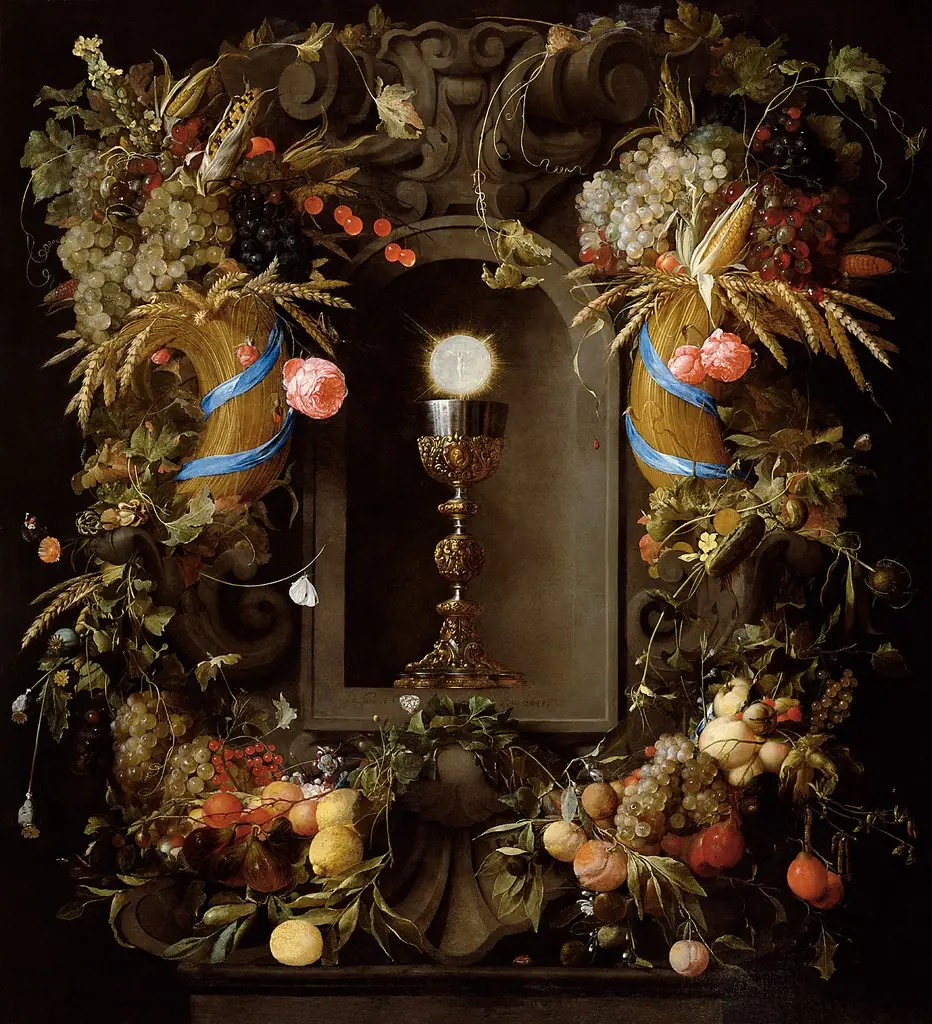 Chalice and Host in a Niche, within a Cartouche of Roses and Fruit
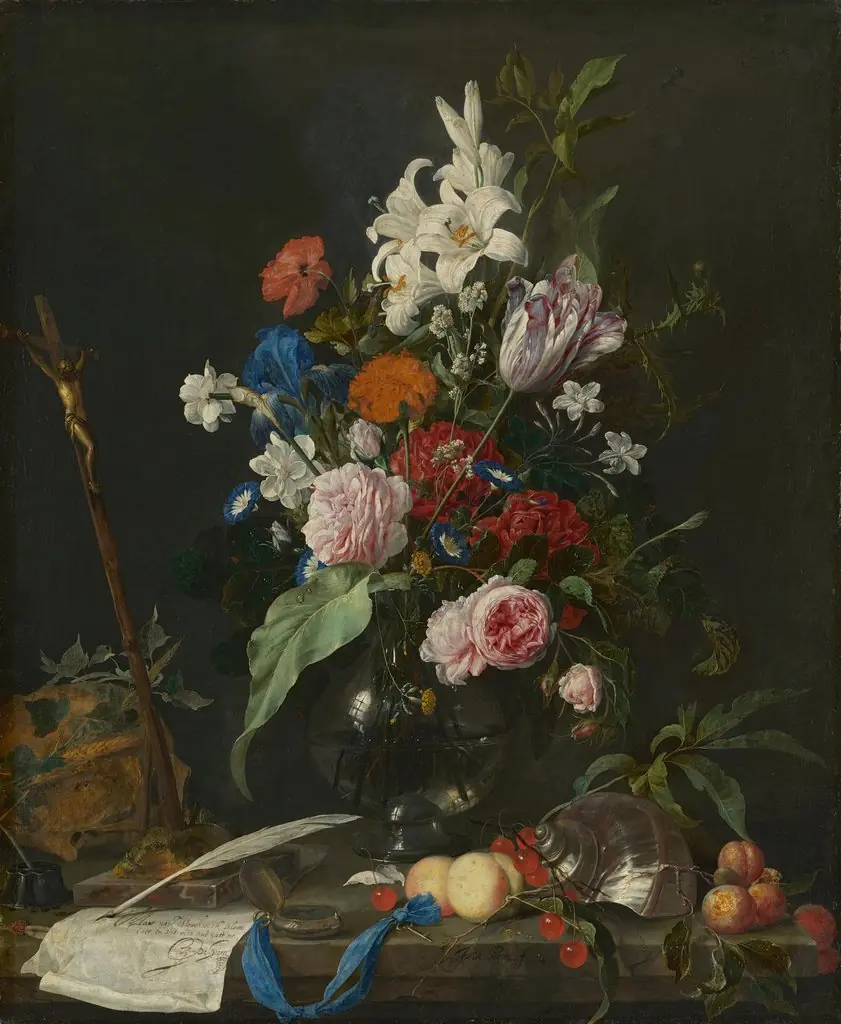 Flower still-life with a skull and crucifix
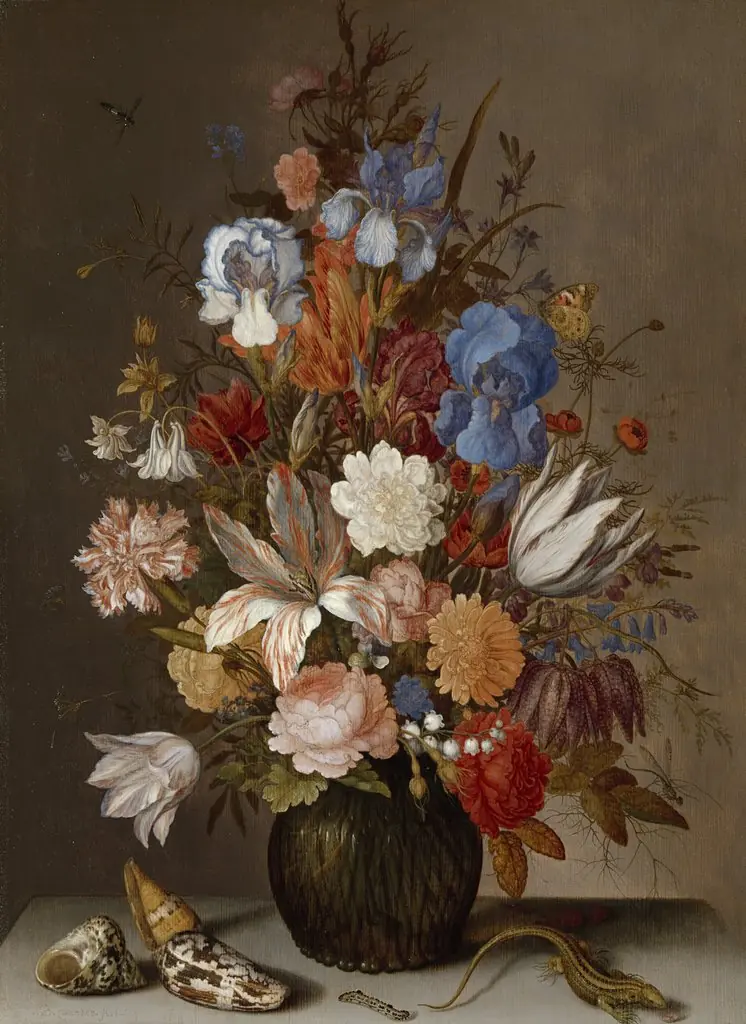 Still Life with Flowers
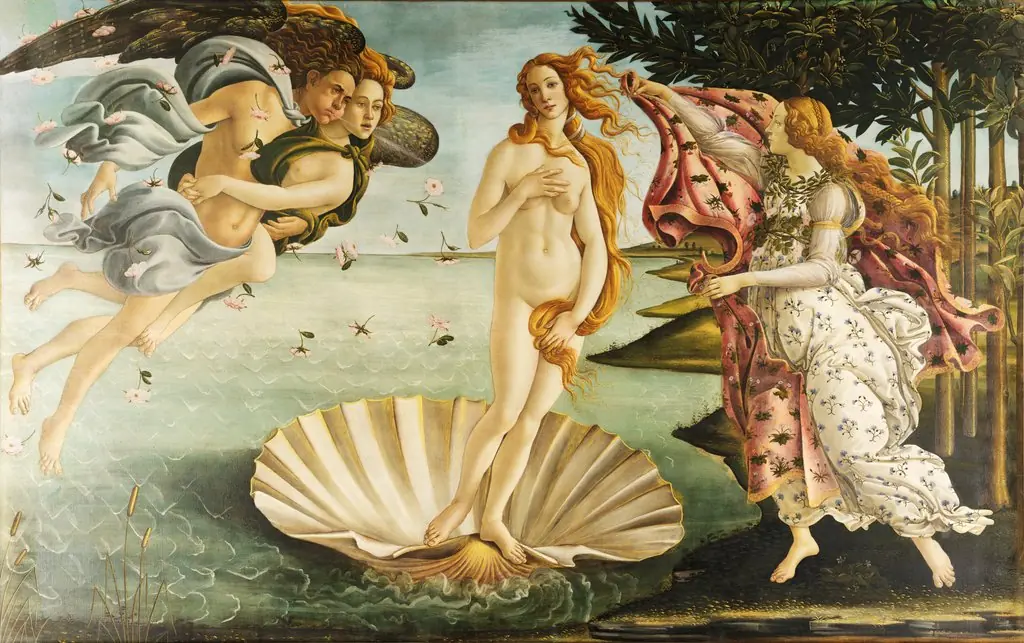 The Birth of Venus
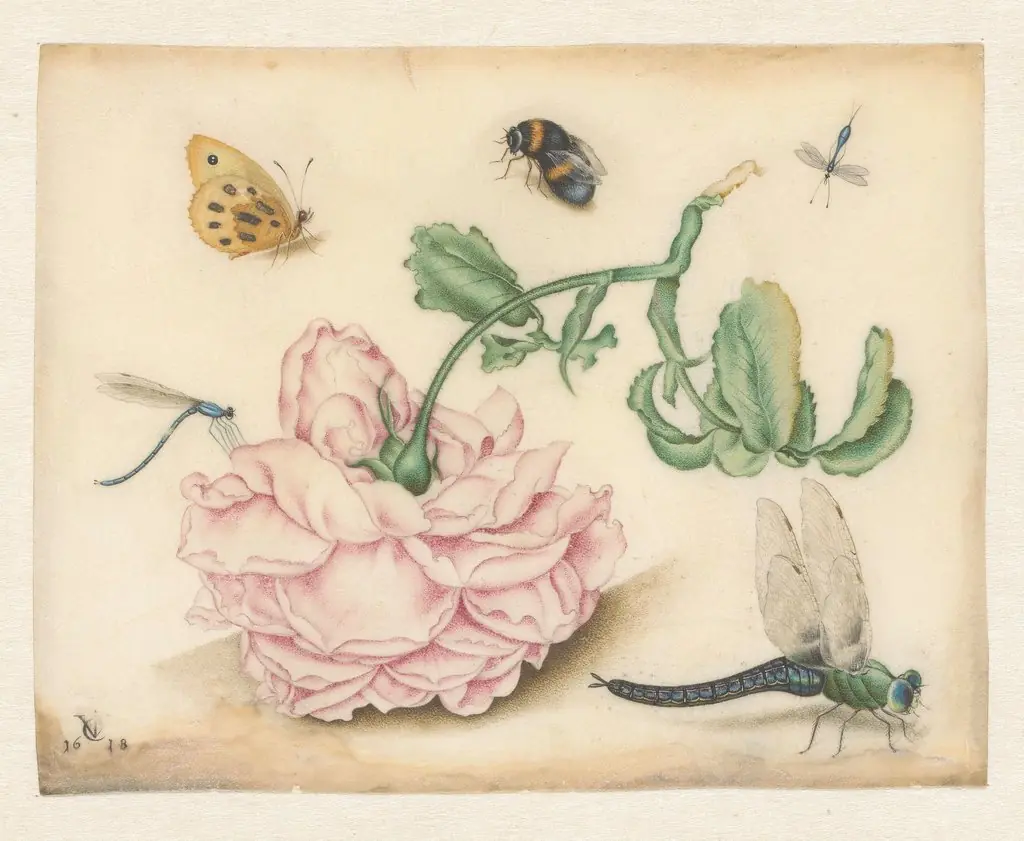 A Rose and Five Insects
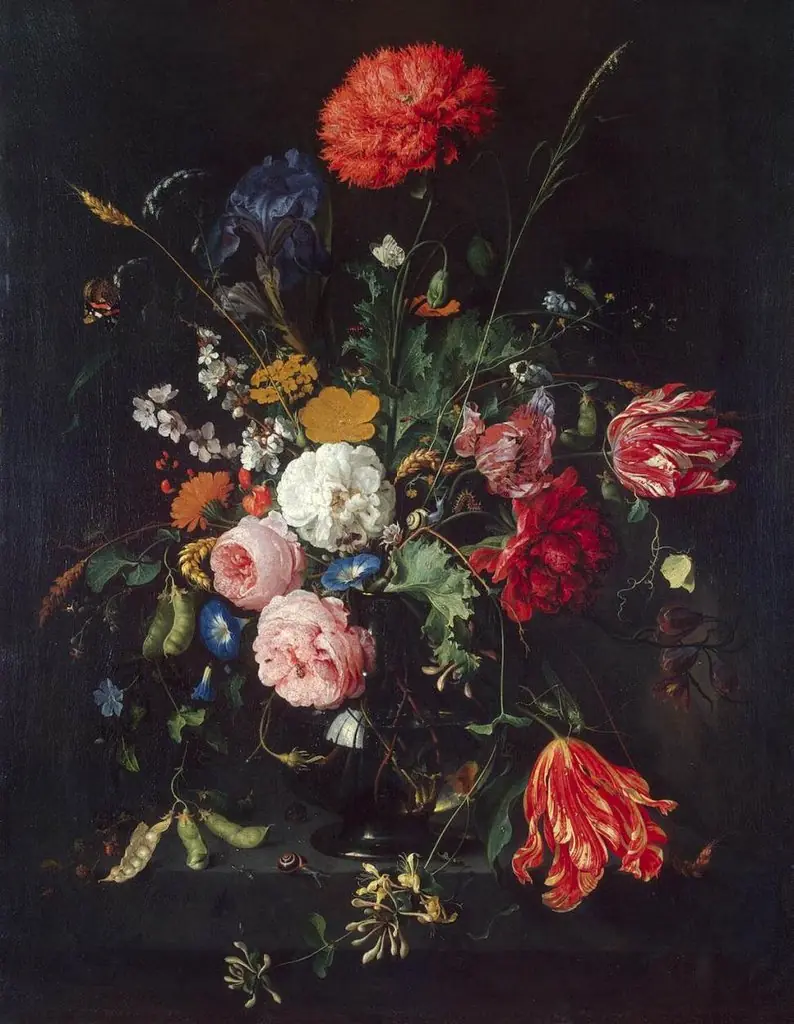 Flowers in a Vase
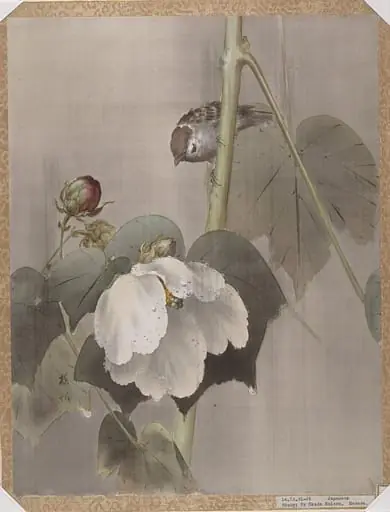 Untitled
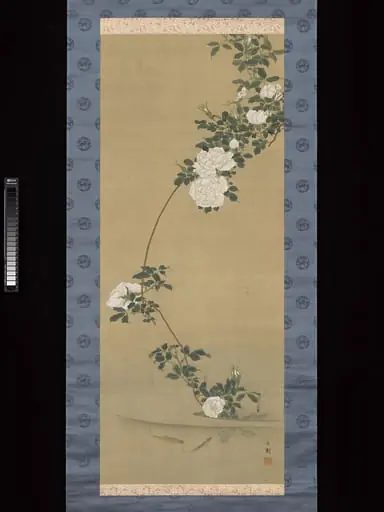 Untitled
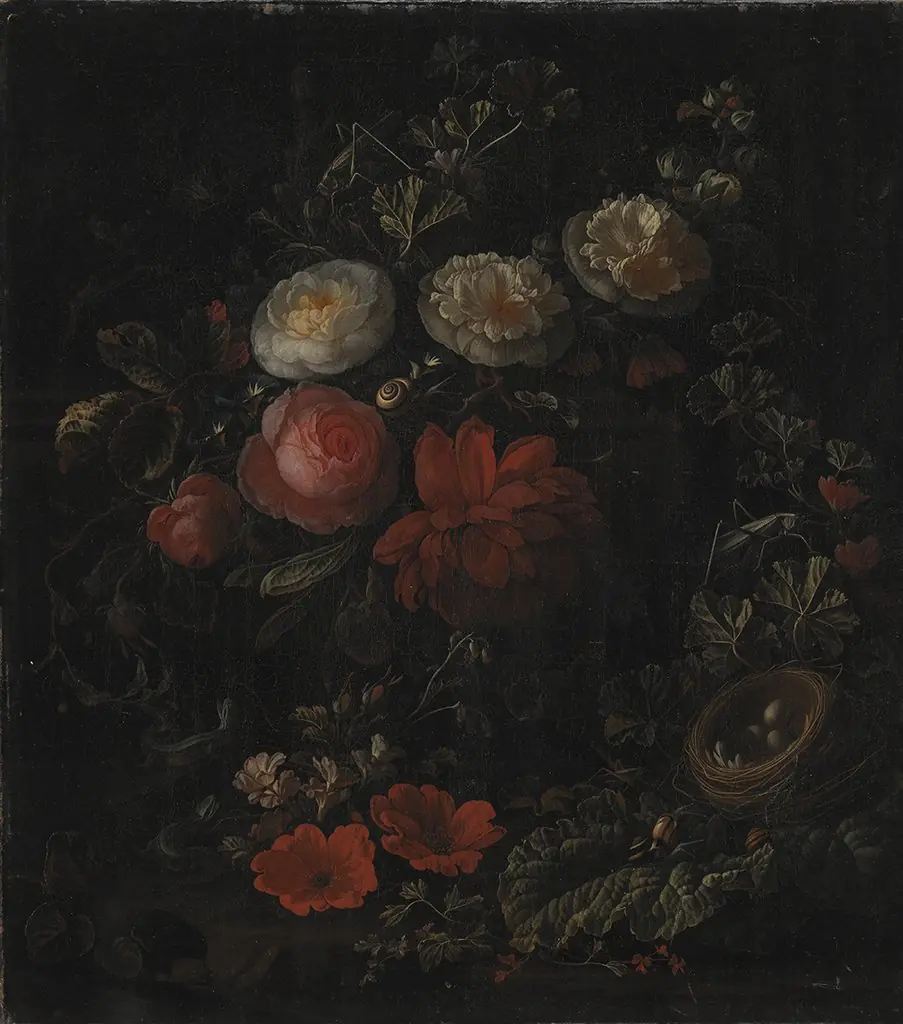 Flowers
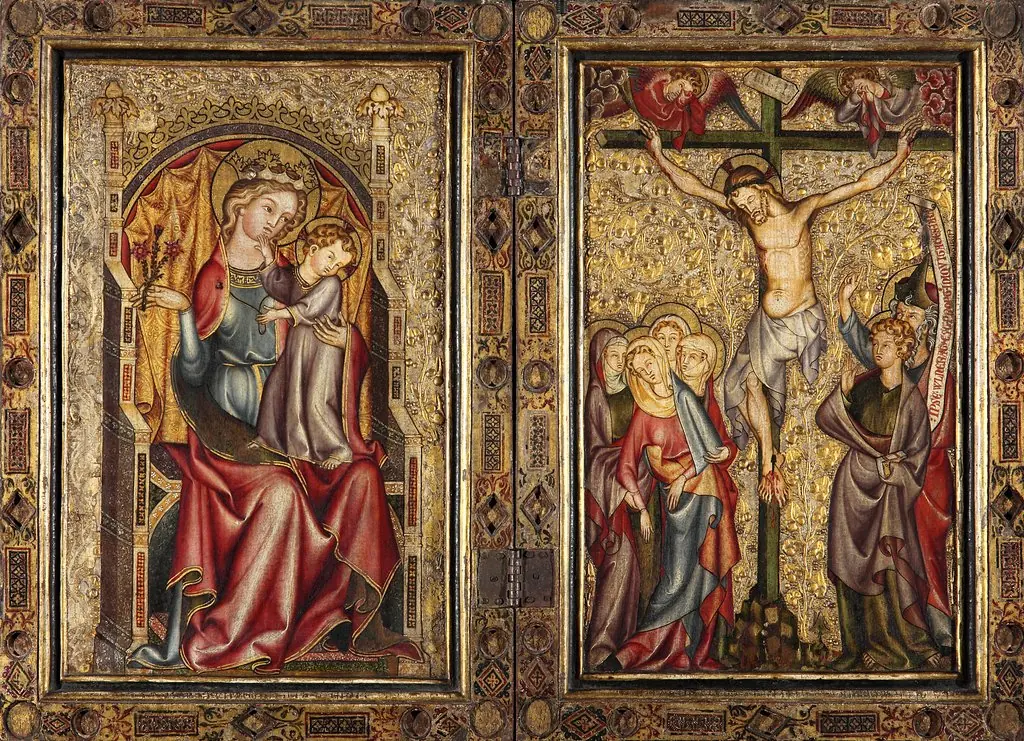 Cologne Diptych
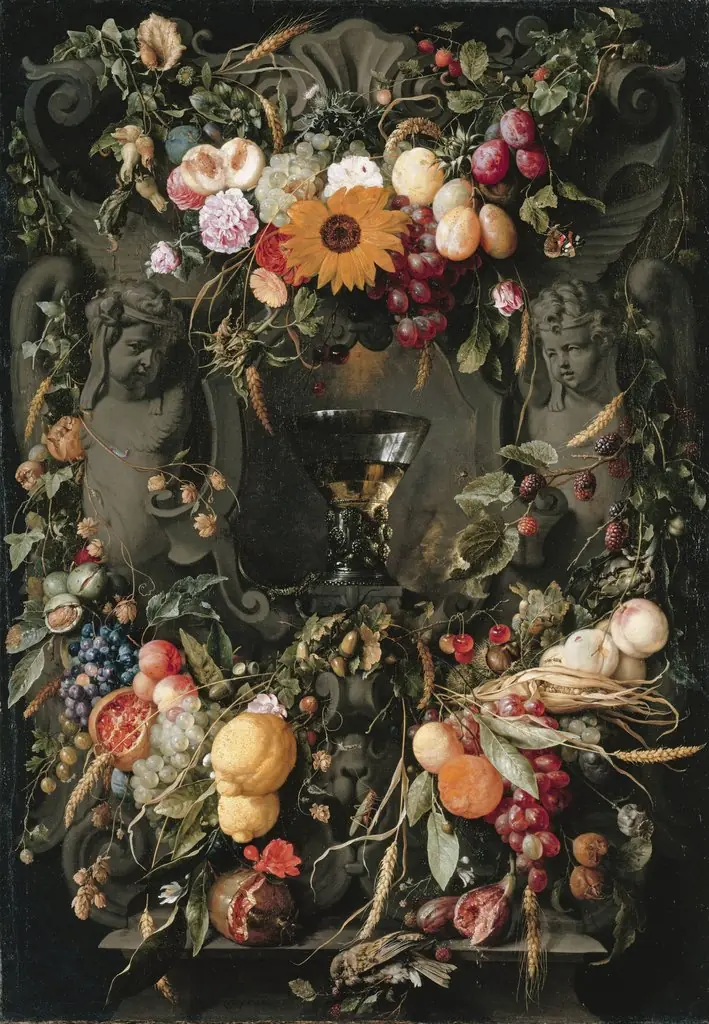 Cartouche with fruit and flowers and wine glass
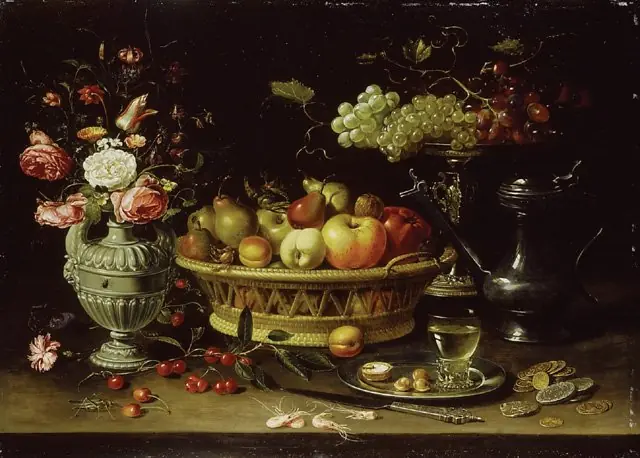 Still life of fruit and flowers
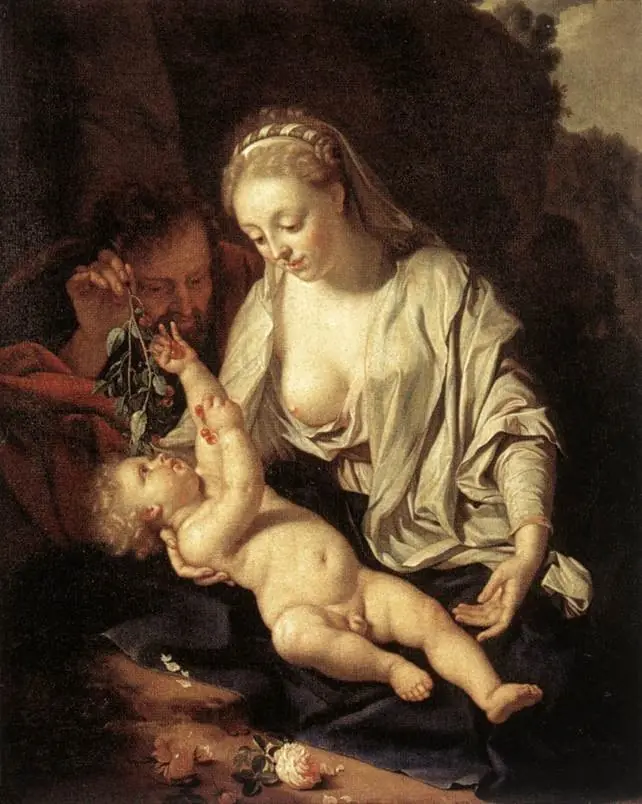 The Holy Family
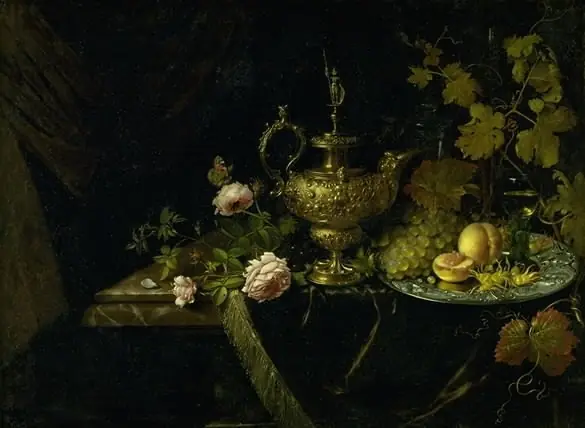 Still Life
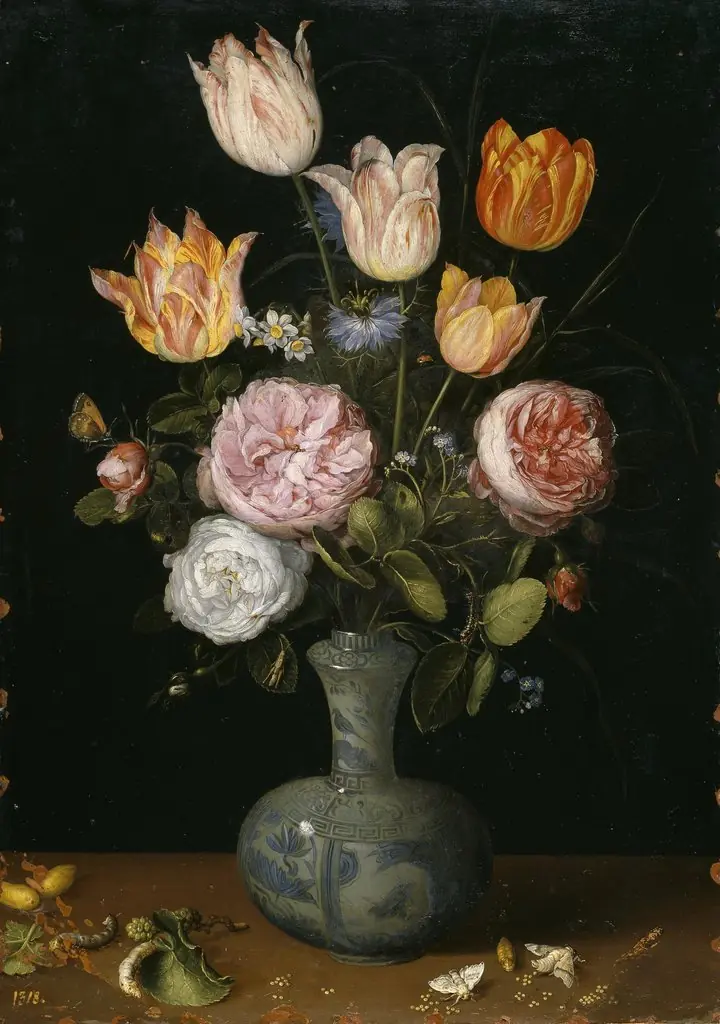 Vase of Flowers
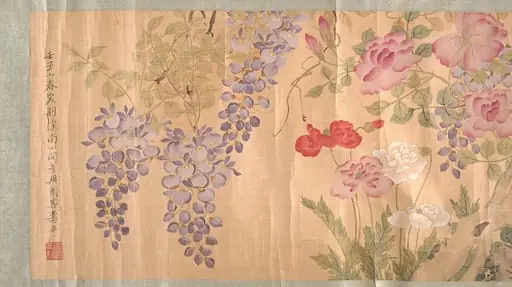 Untitled
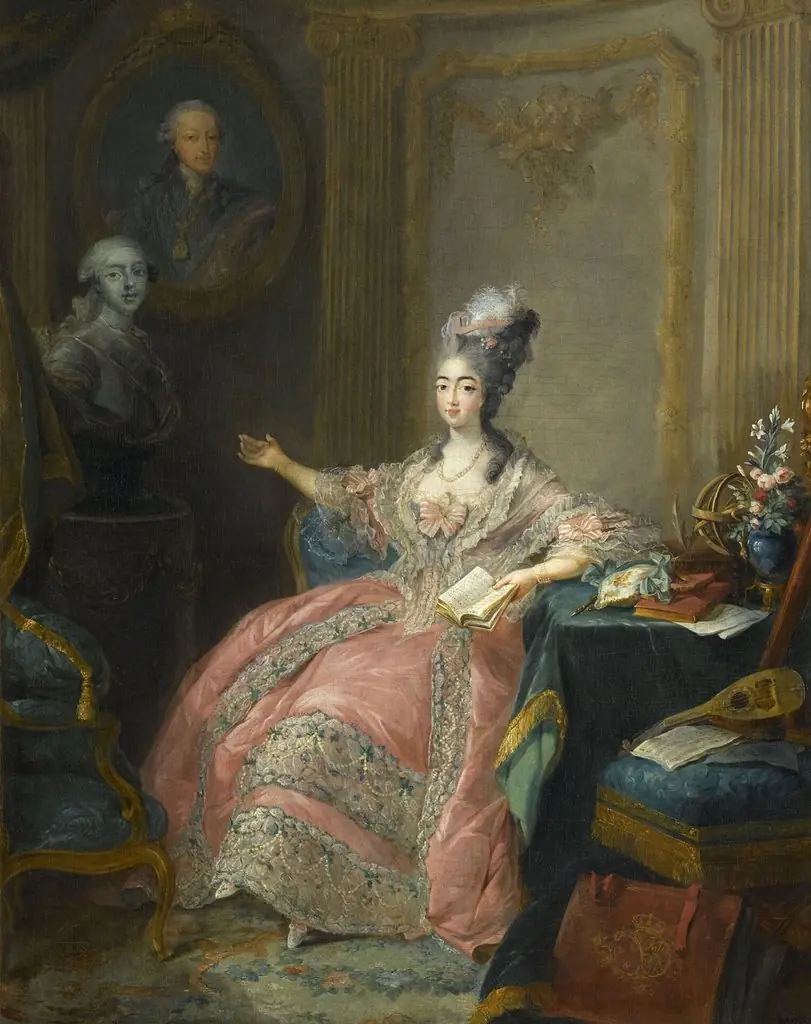 Marie-Joséphine-Louise de Savoie, Countess of Provence
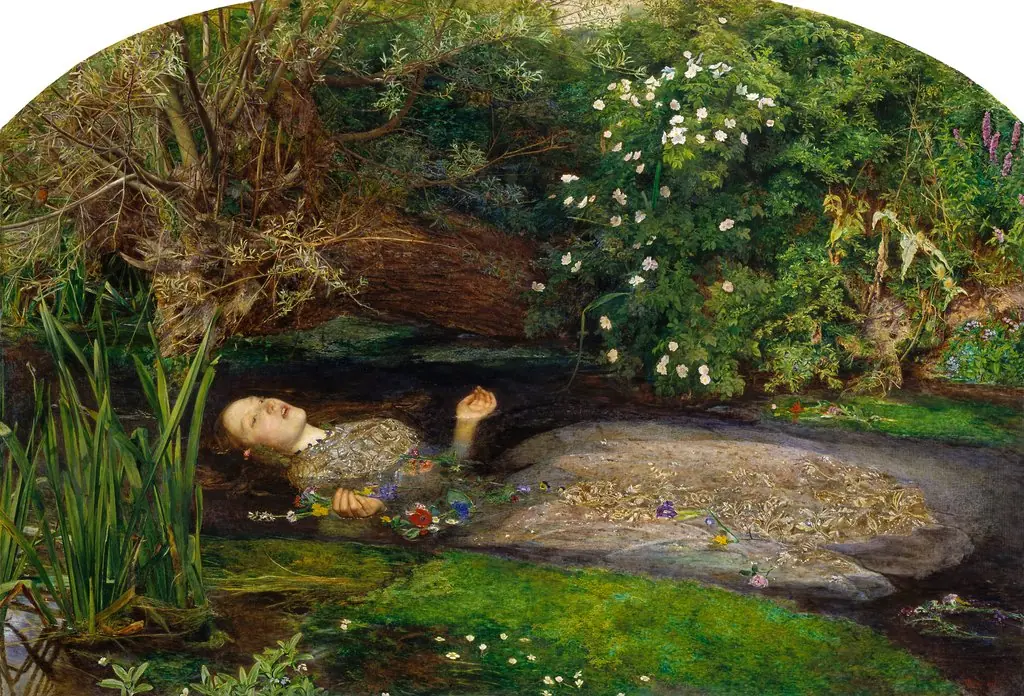 Ophelia
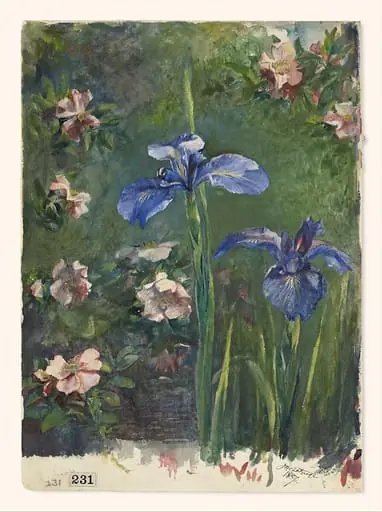 Wild Roses and Irises
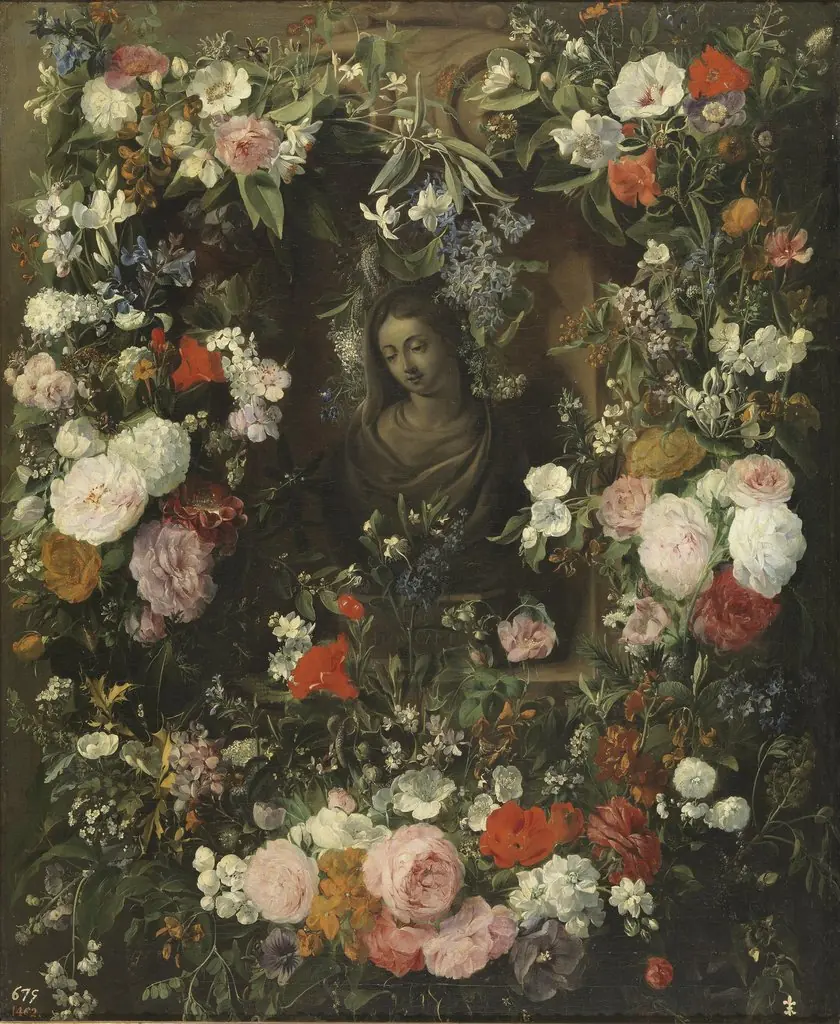 Garland surrounding the Virgin Mary
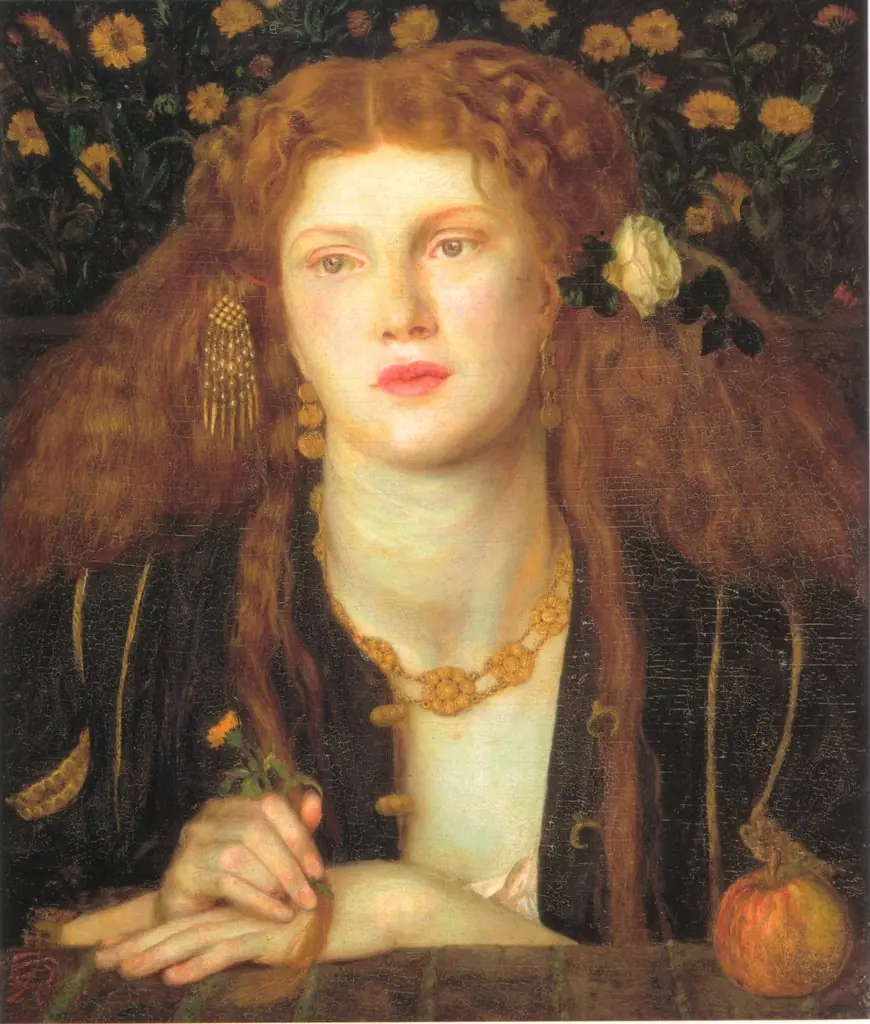 Bocca Baciata
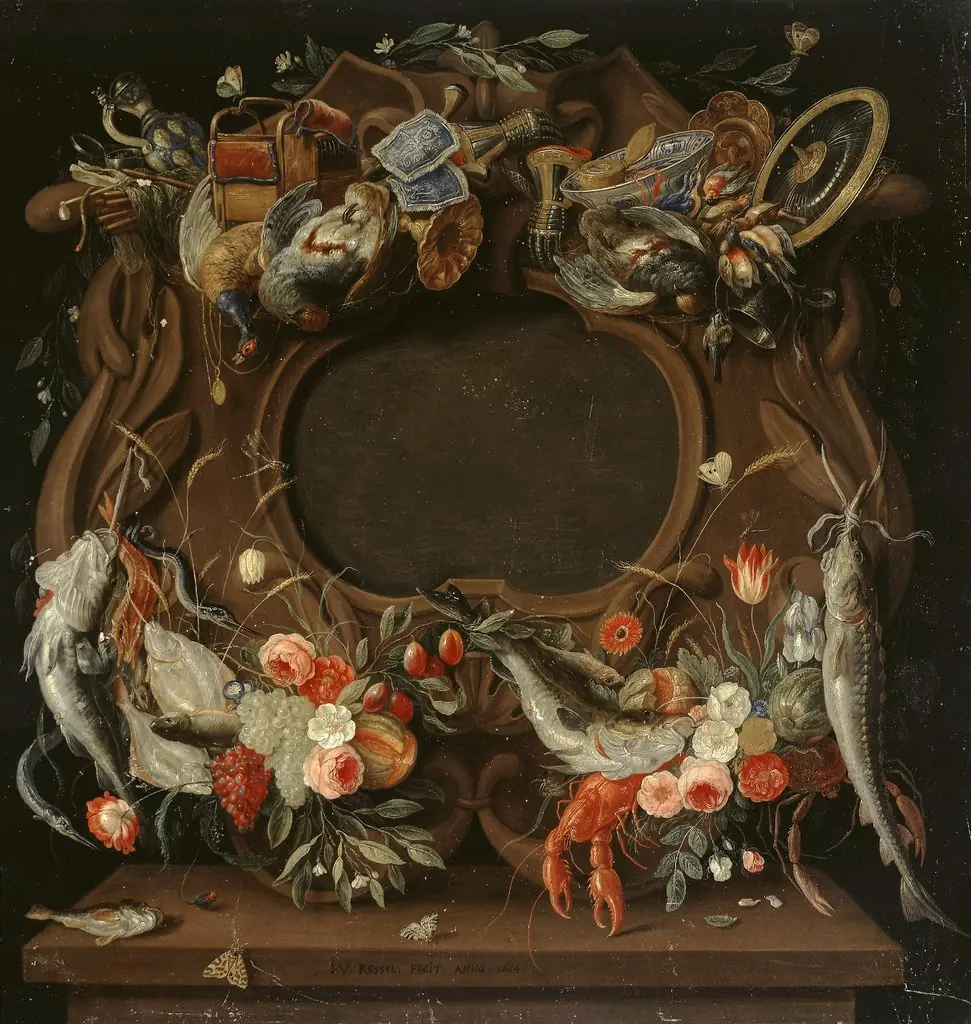 Medallion's Frame with an Allegorical Depiction of the Four Elements
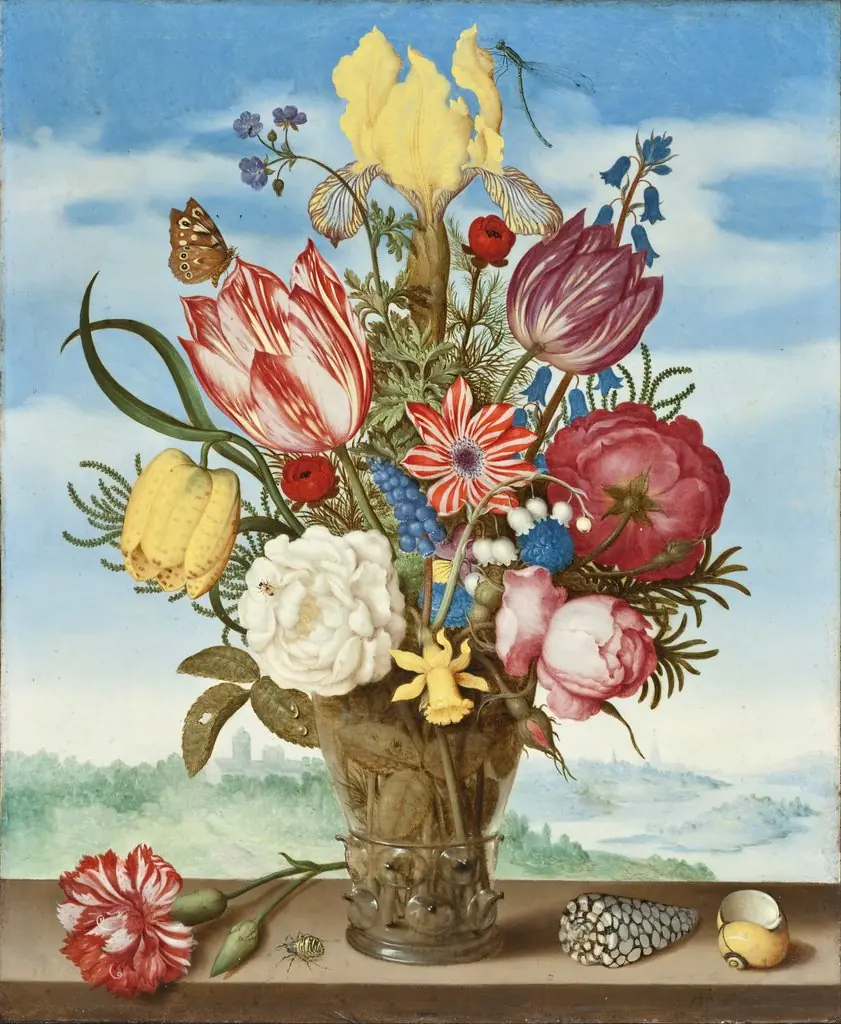 Bouquet of Flowers on a Ledge
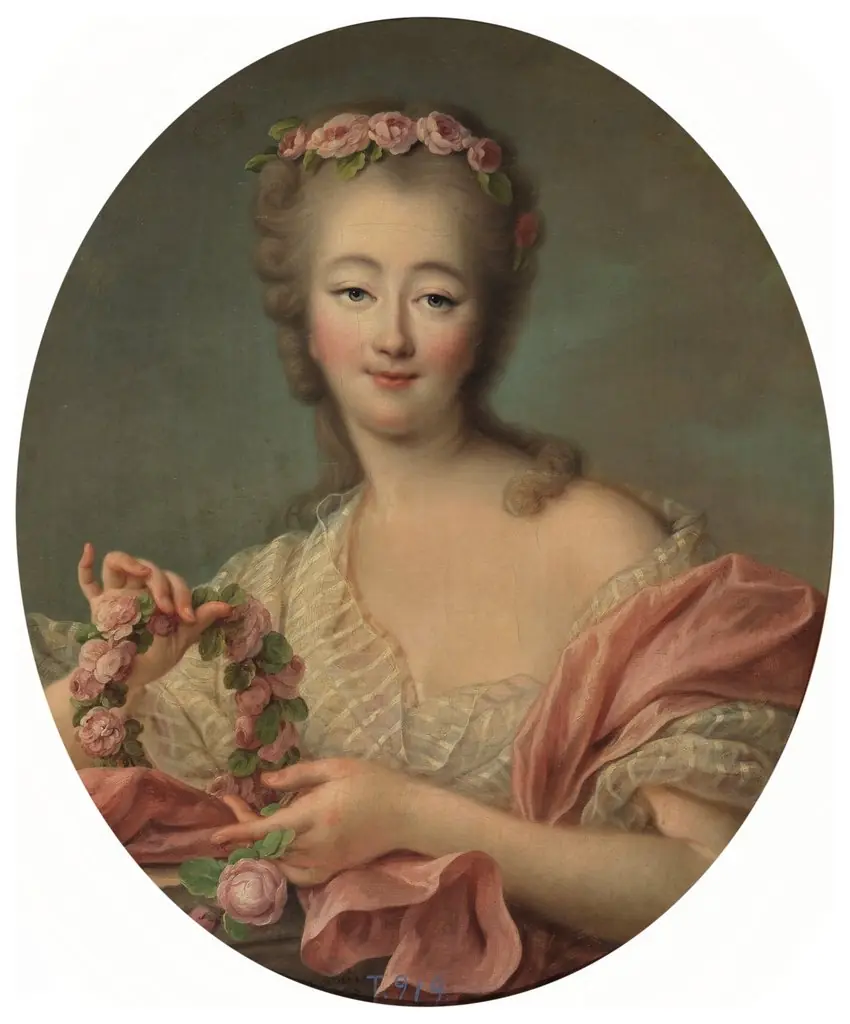 Portrait of Madame du Barry (1743-1793)
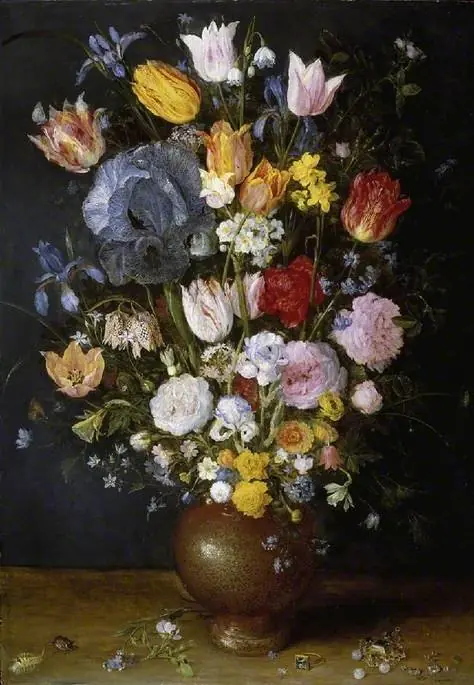 A stoneware vase of flowers
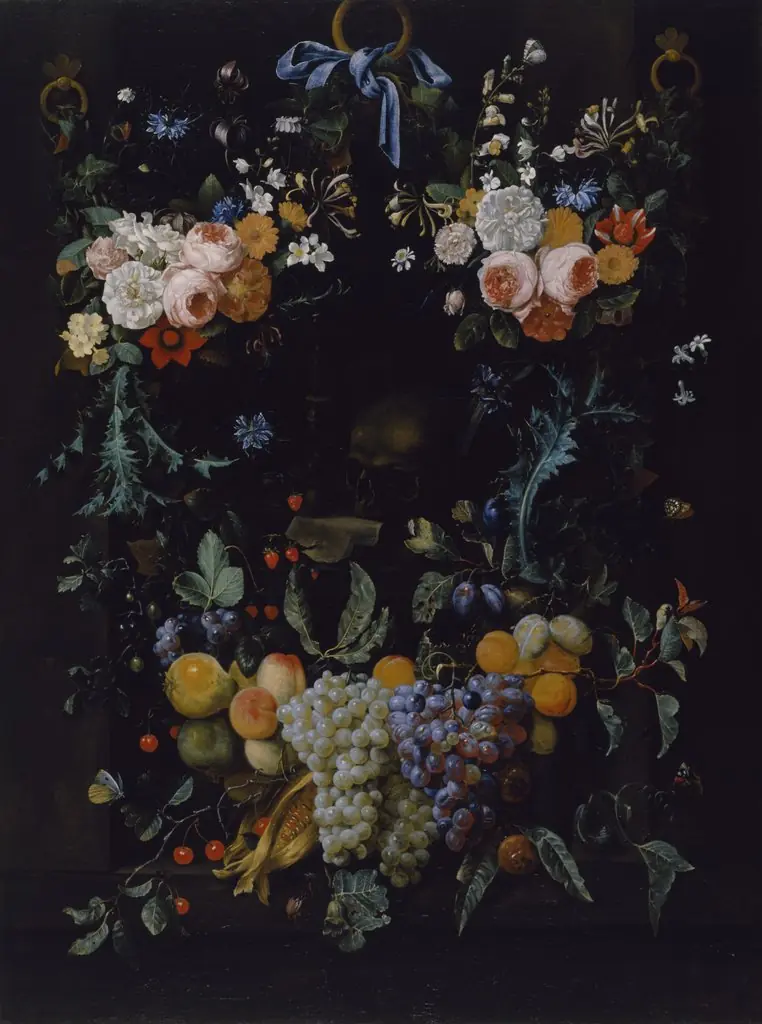 Allegory on Human Life
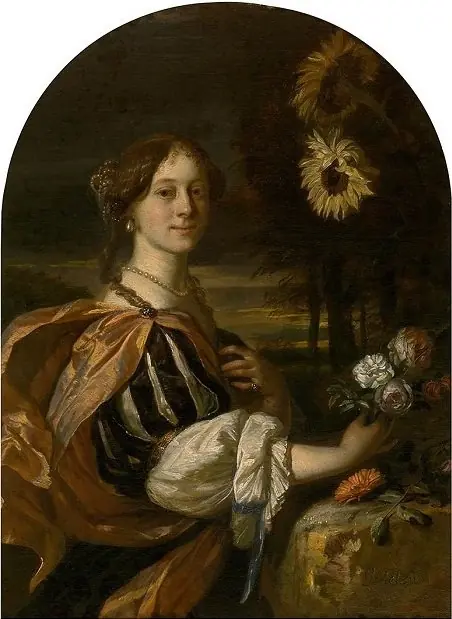 Portrait of a Woman with Sunflowers
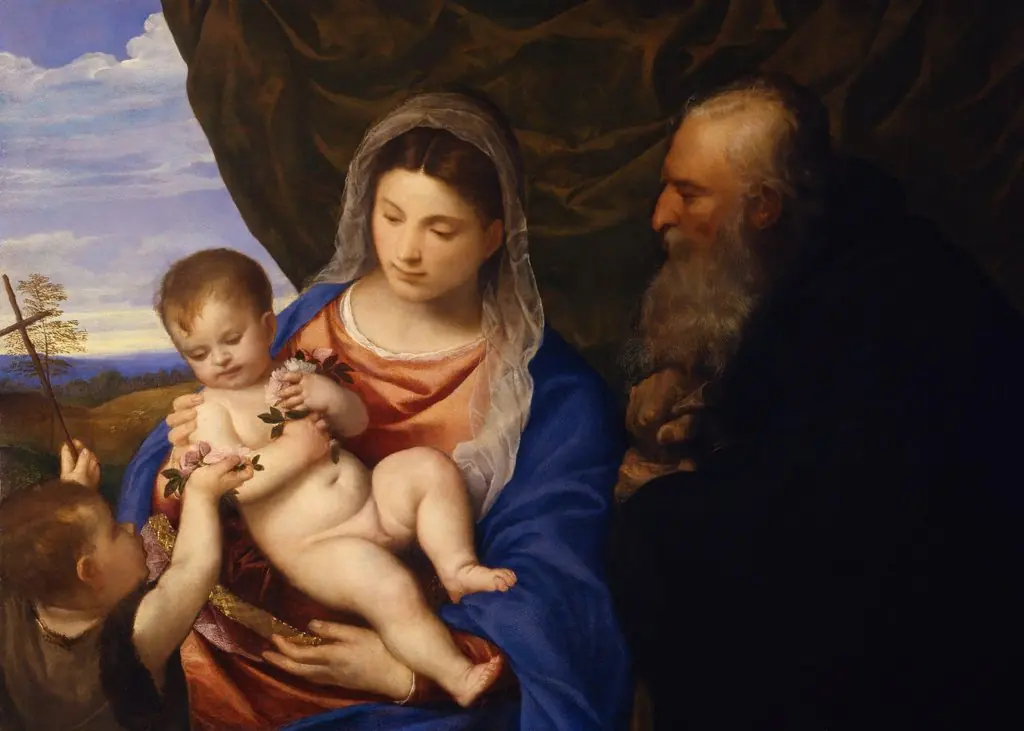 Madonna of the Roses
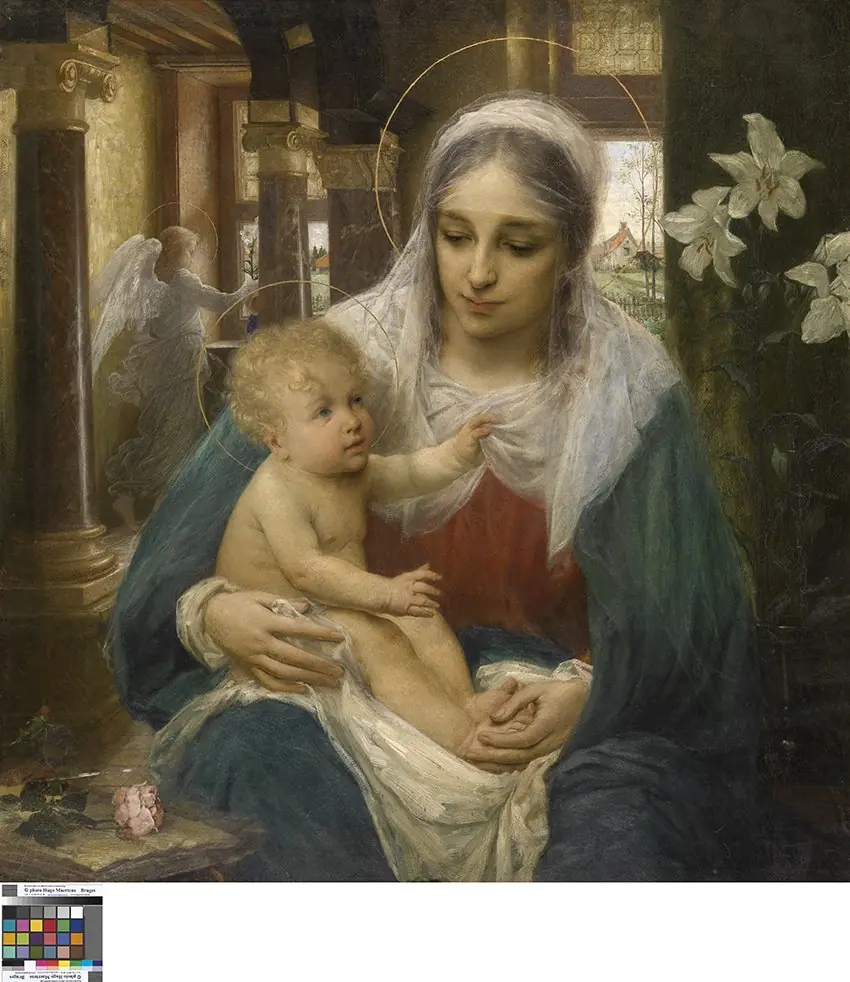 Mater Purissima
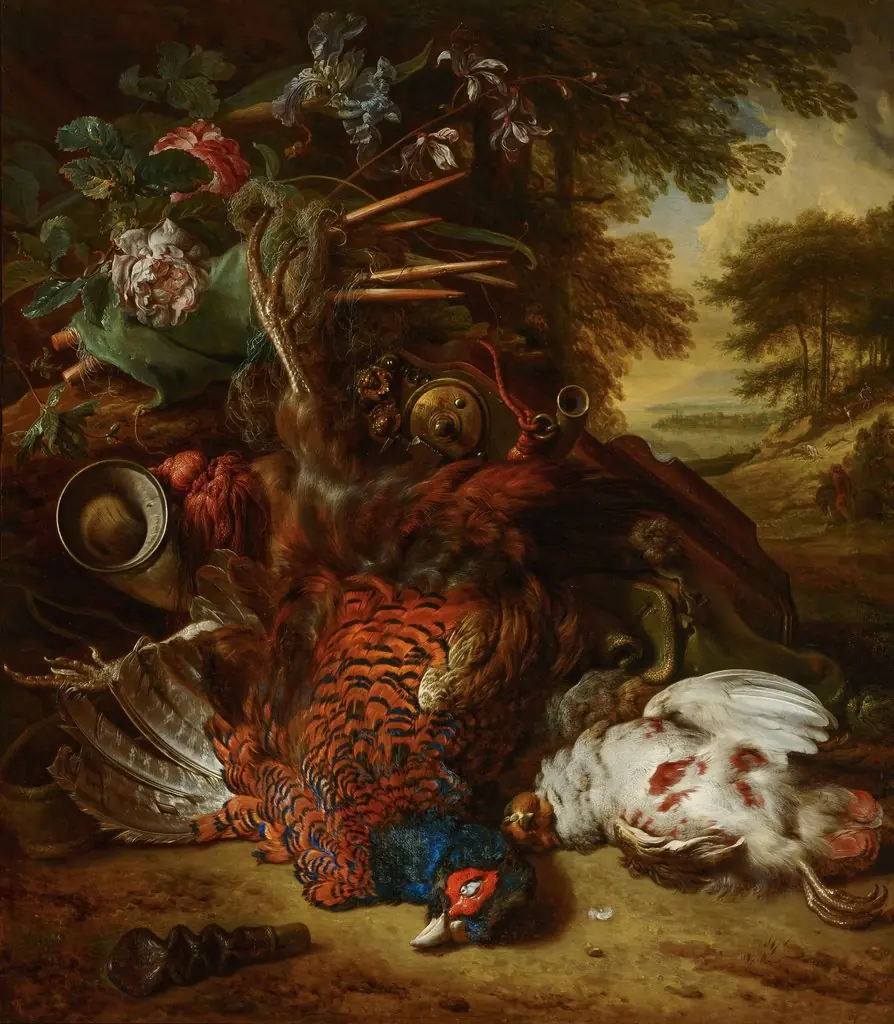 Hunting Still Life
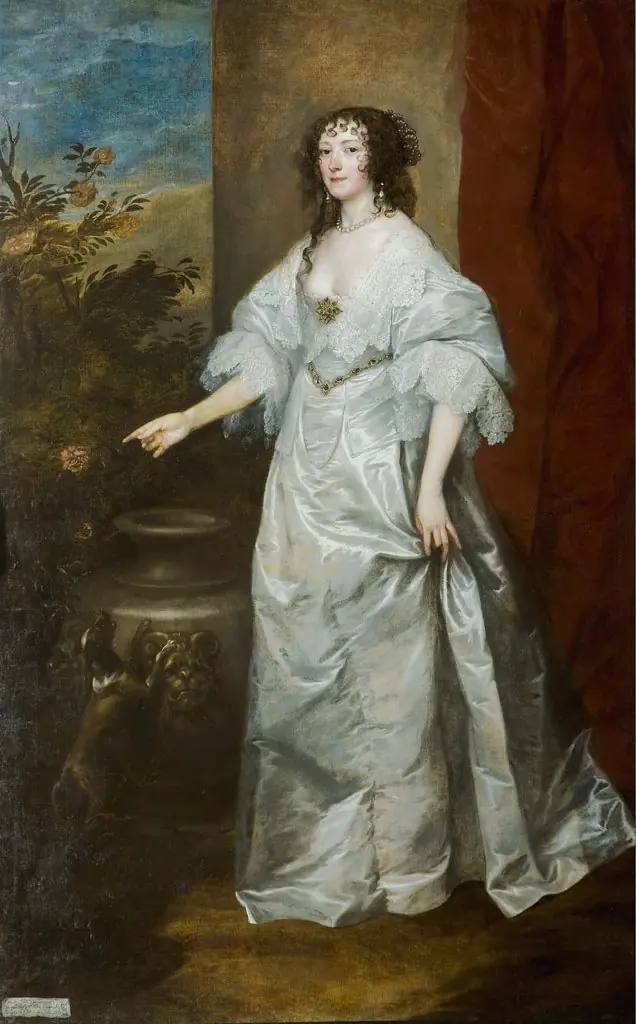 Portrait of Isabella, Lady de La Warr
 Pretiose Recognized
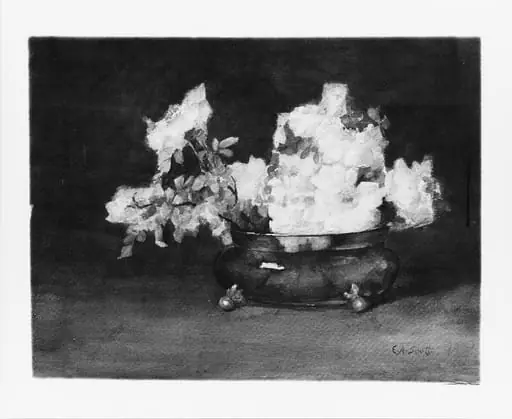 Yellow Roses
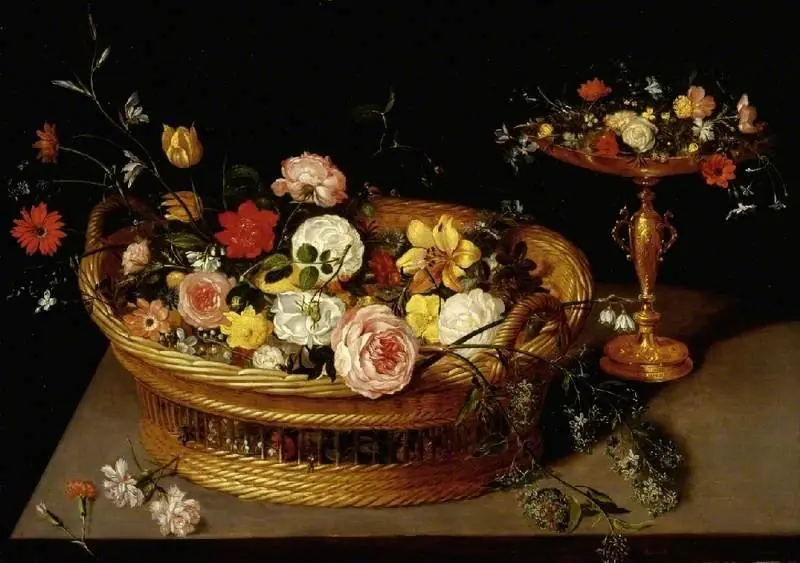 A basket of flowers
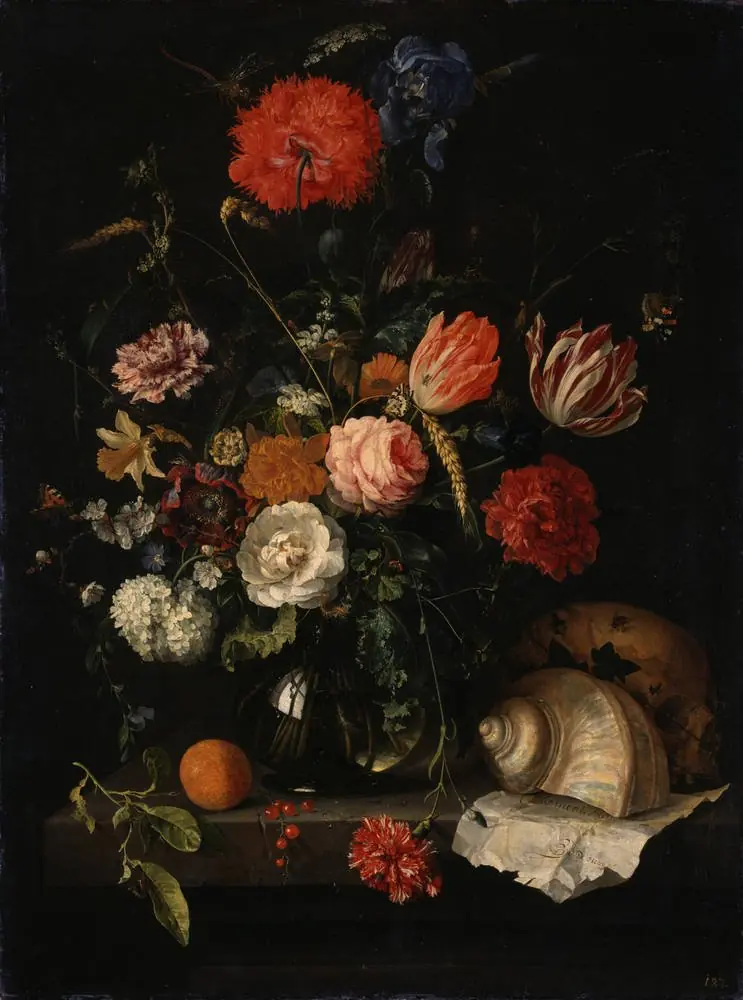 Memento Mori with a Skull under a Vase with Flowers
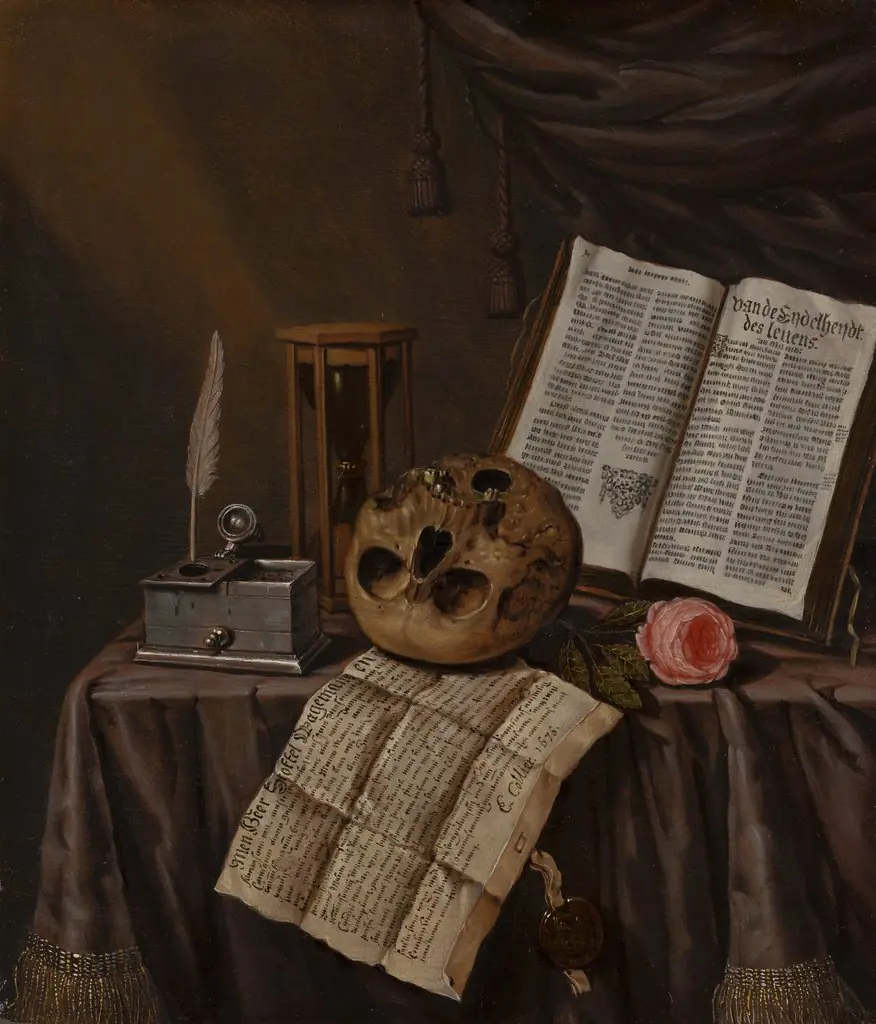 Vanitas Still Life
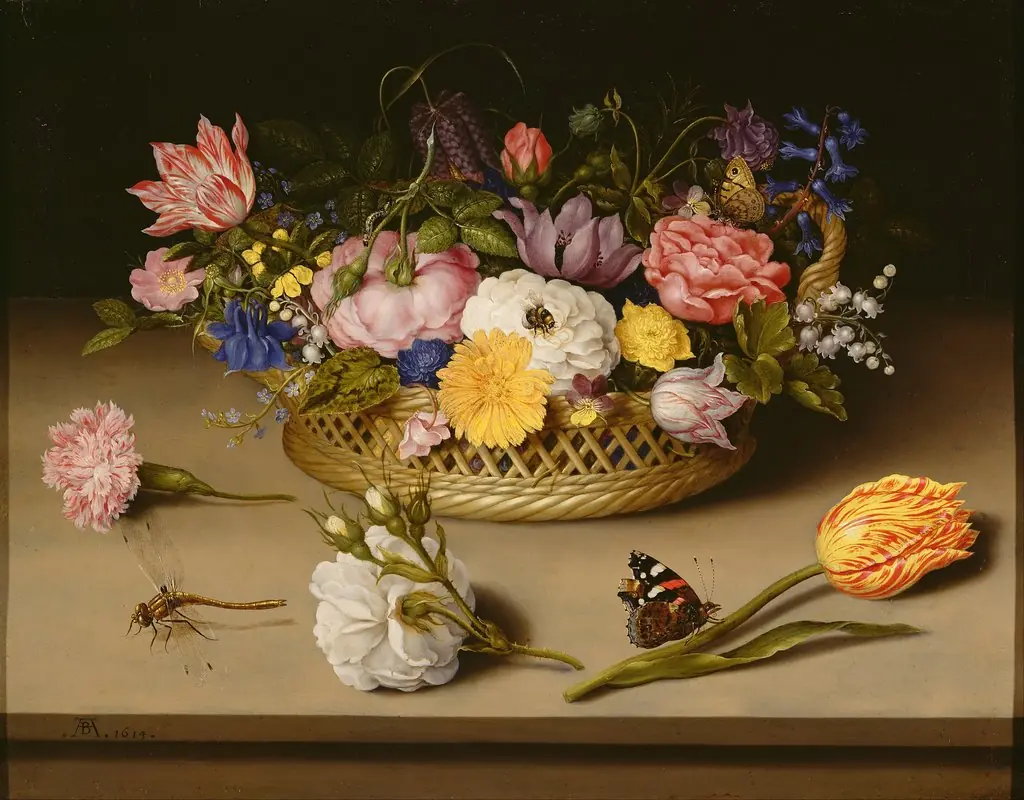 Flower Still Life
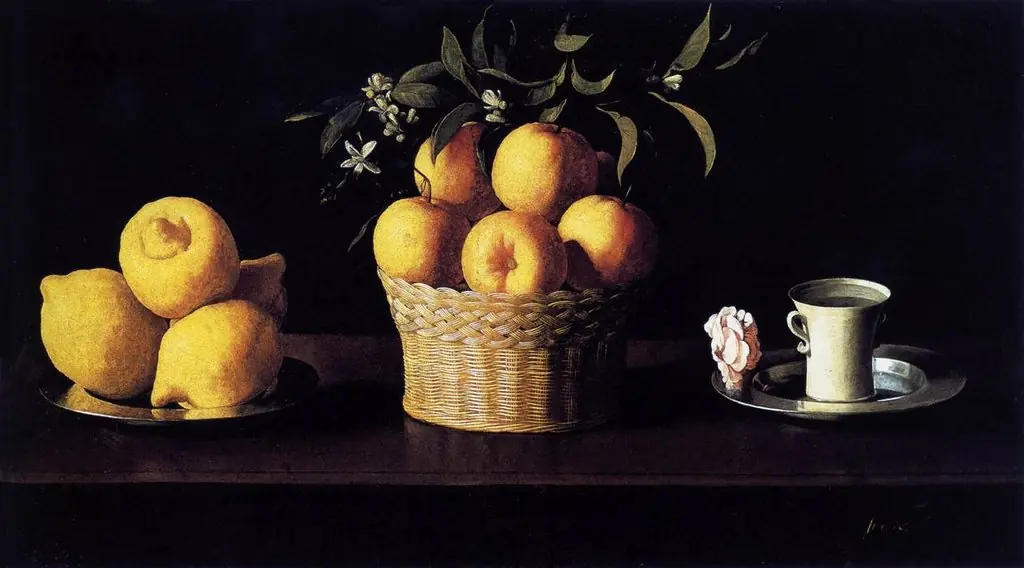 Still Life with Lemons, Oranges and a Rose
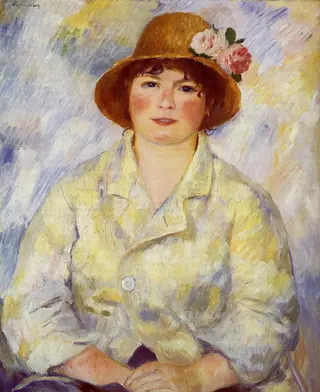 Portrait of Madame Renoir
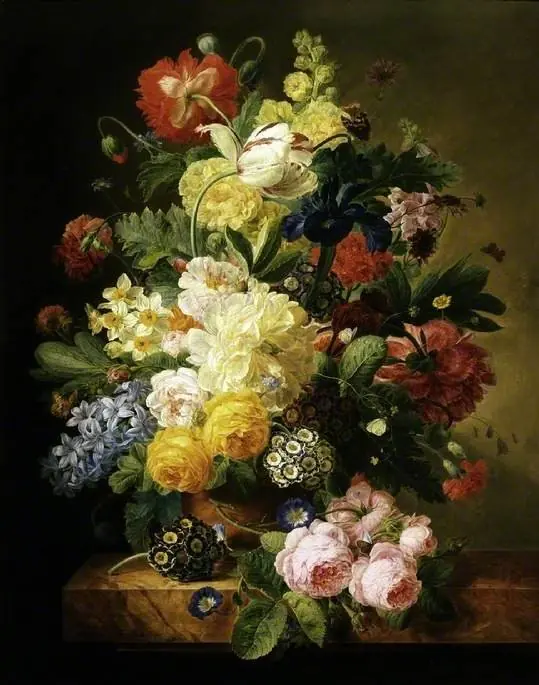 Vase of flowers
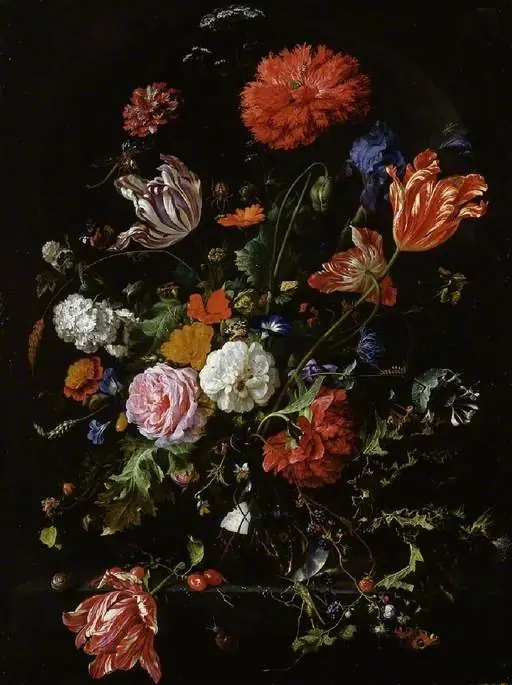 Flowers in a glass vase
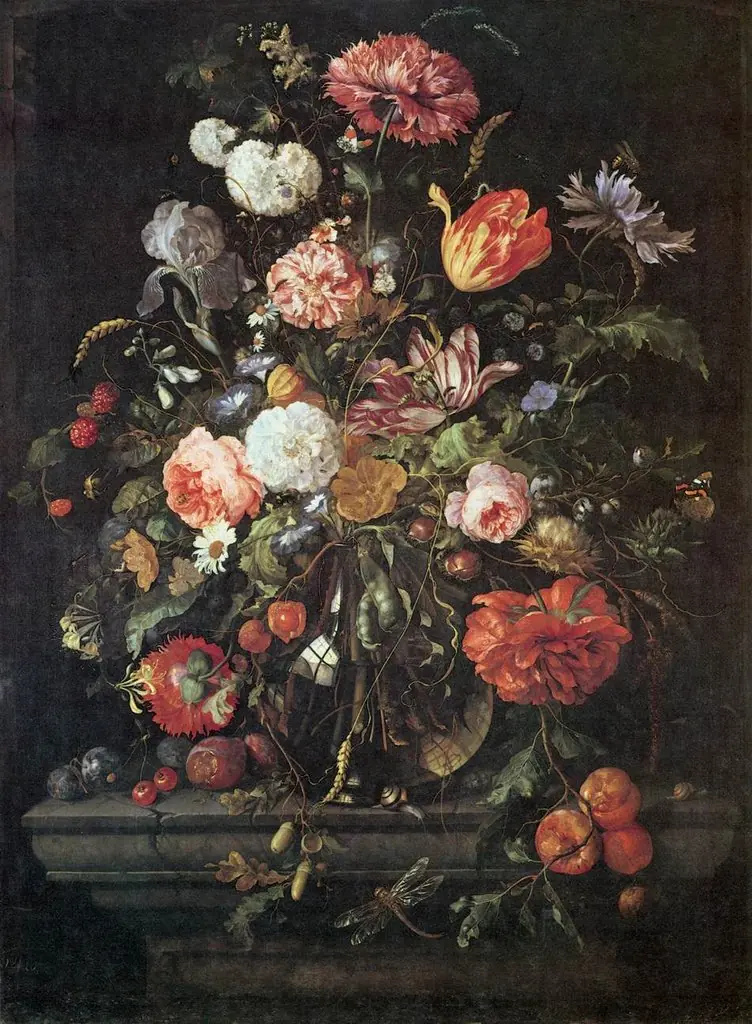 Flowers in a Glass Bowl
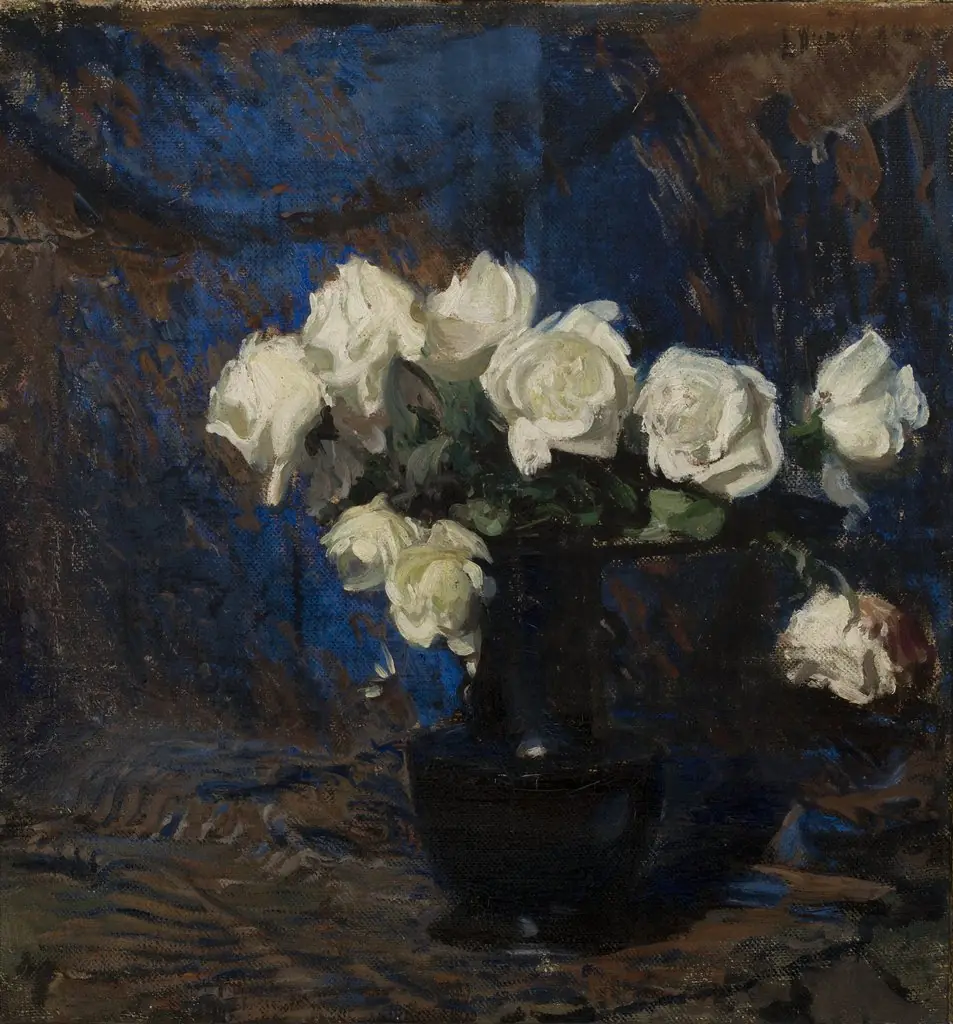 White Roses
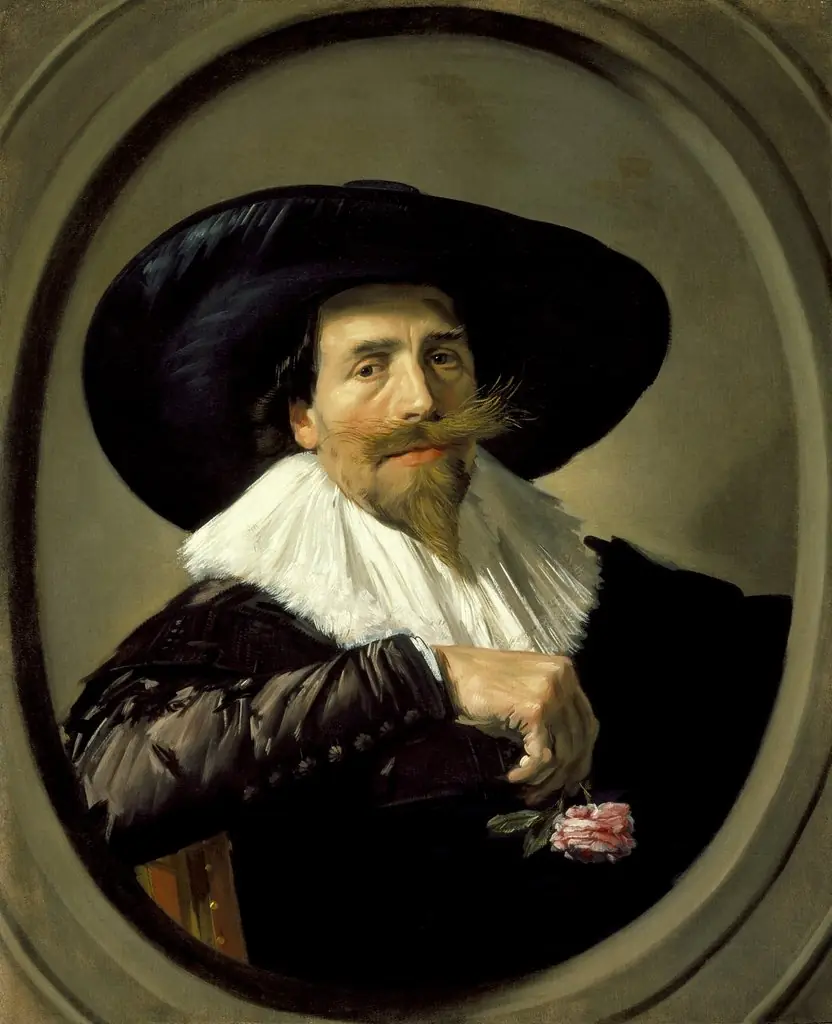 Portrait of Pieter Tjarck
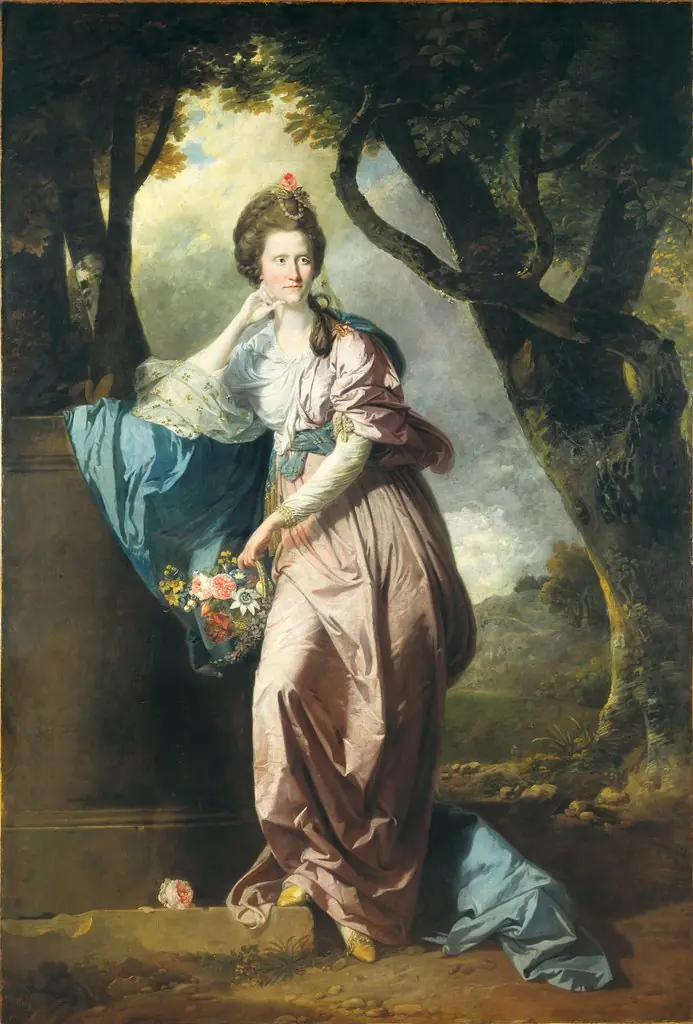 Mrs Woodhull
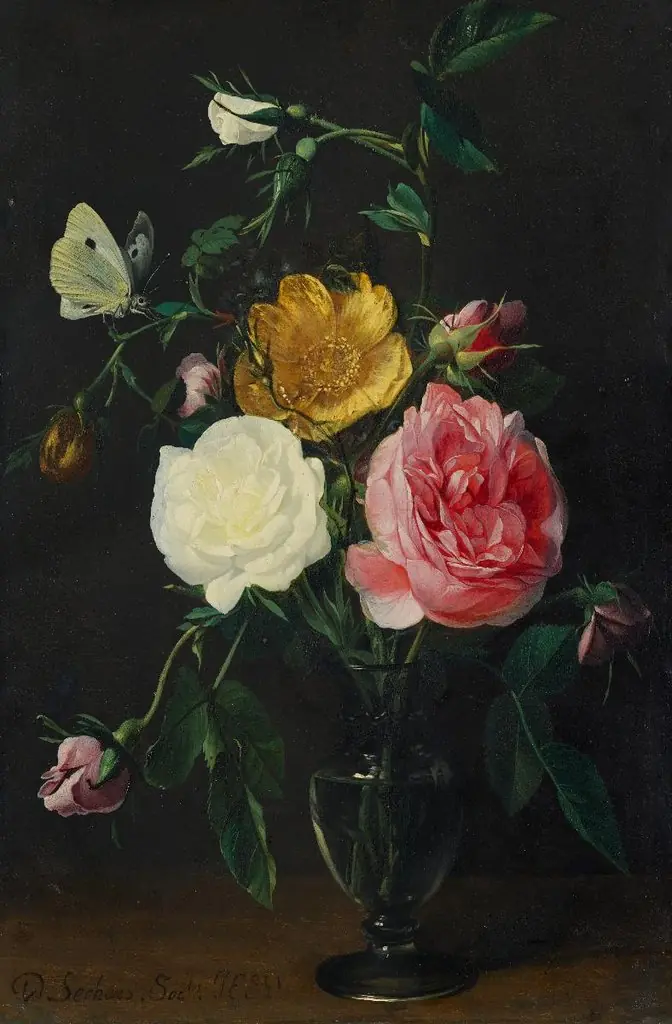 Roses in a glass vase
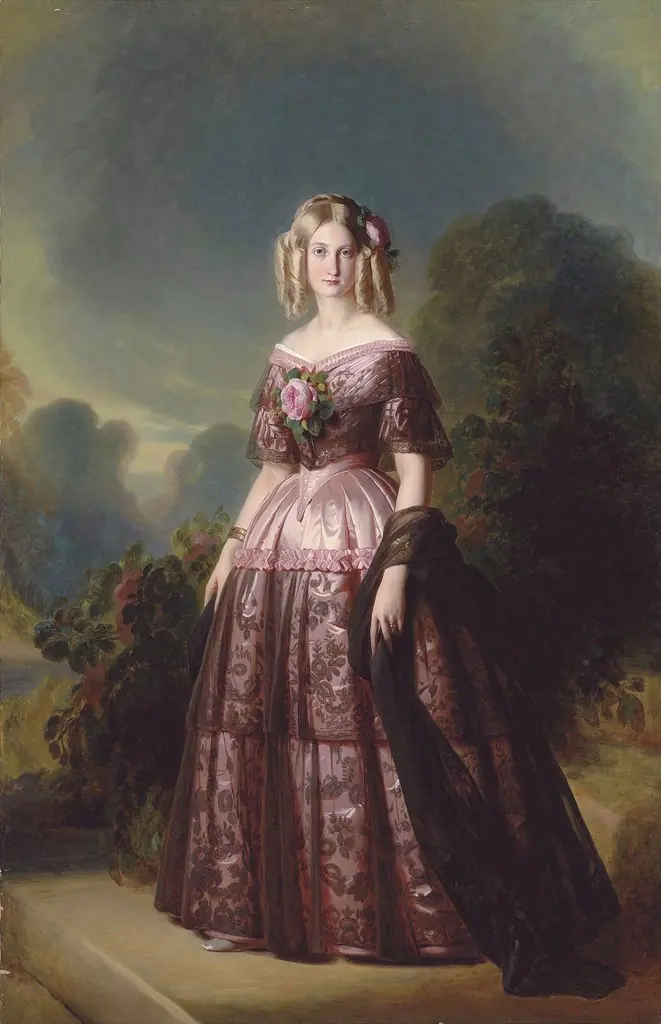 Maria Carolina of Bourbon-Two Sicilies
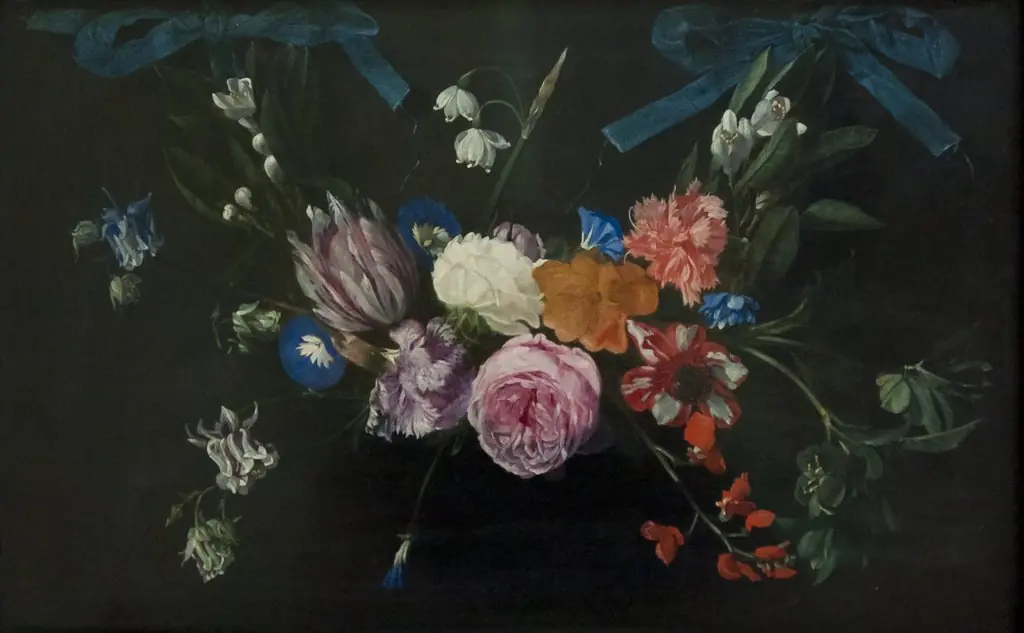 Flower garland
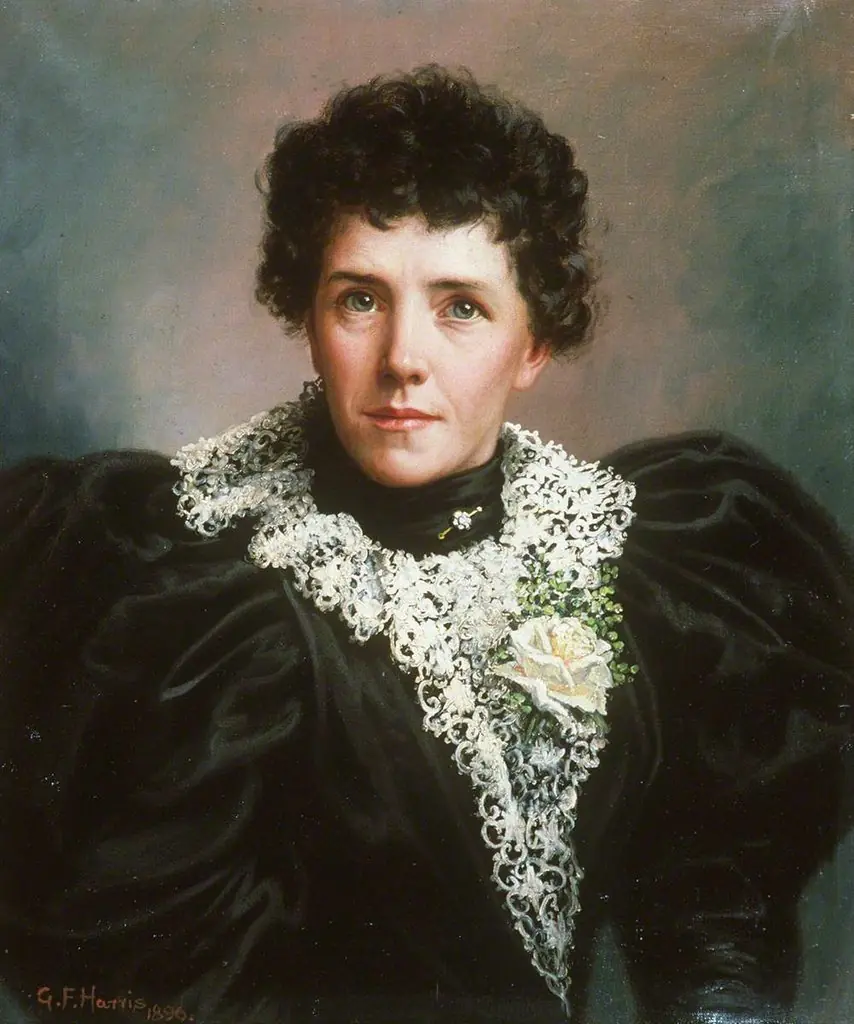 Rosina Davies (1863–1949)
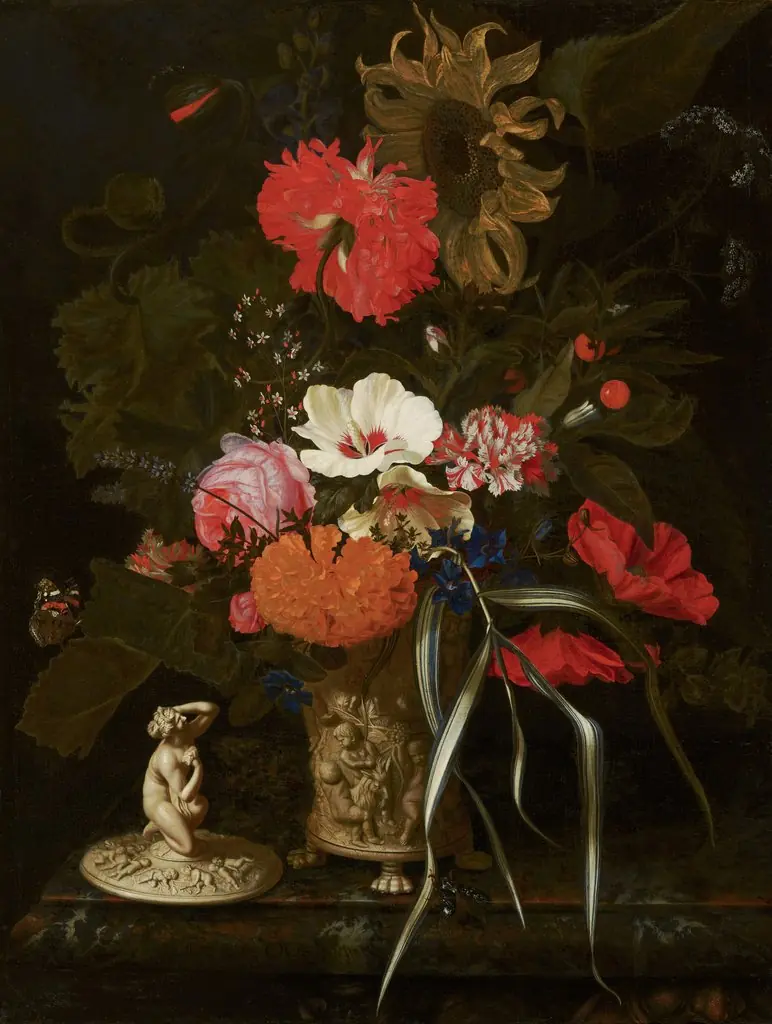 Flowers in an Ornamental Vase
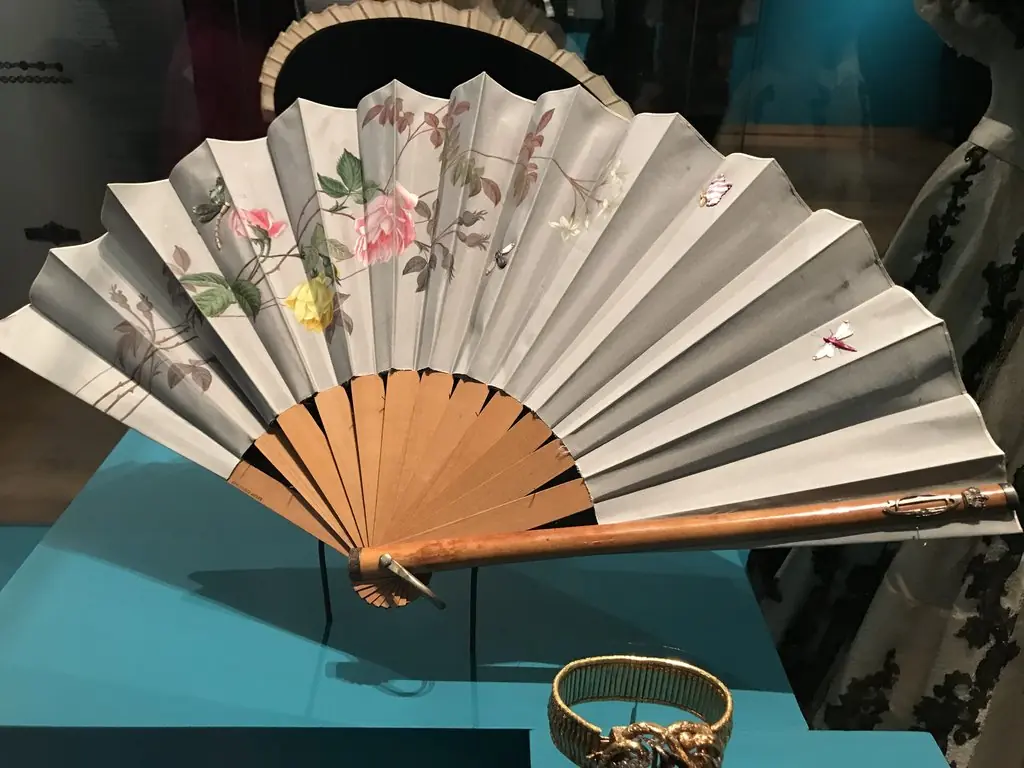 Folding Fan with the Monogram "OD"
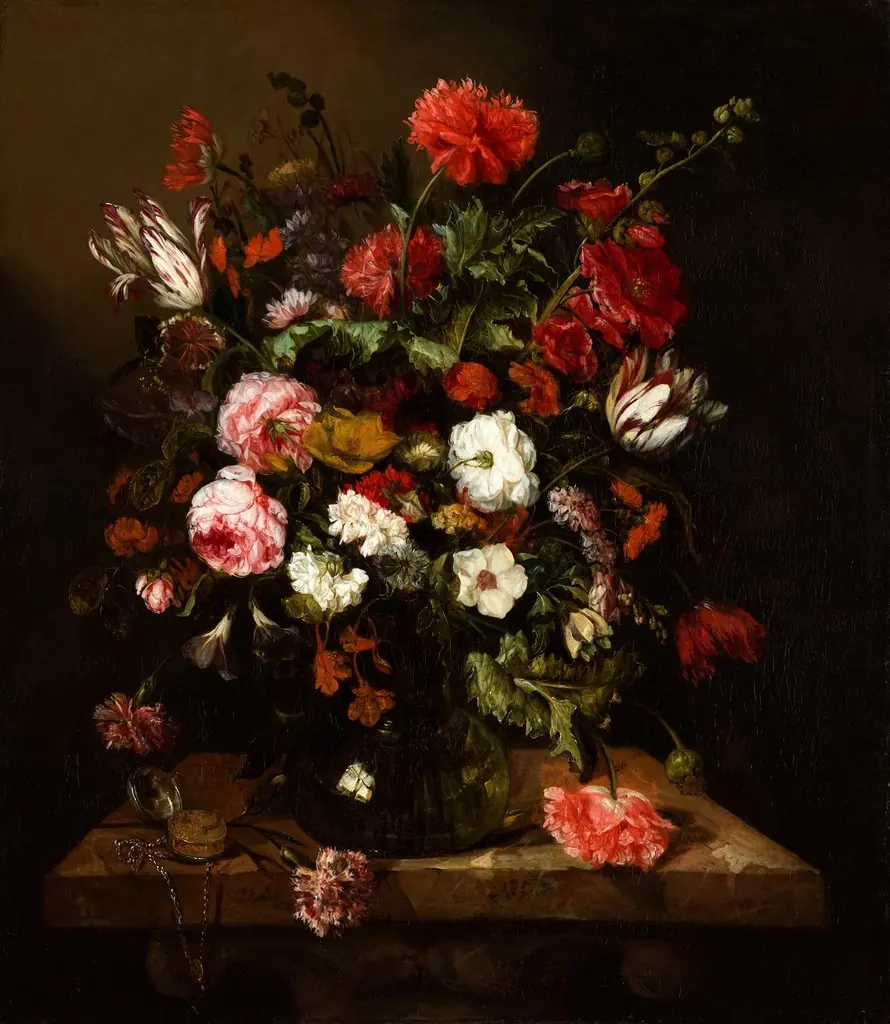 Flower Still Life with a Timepiece
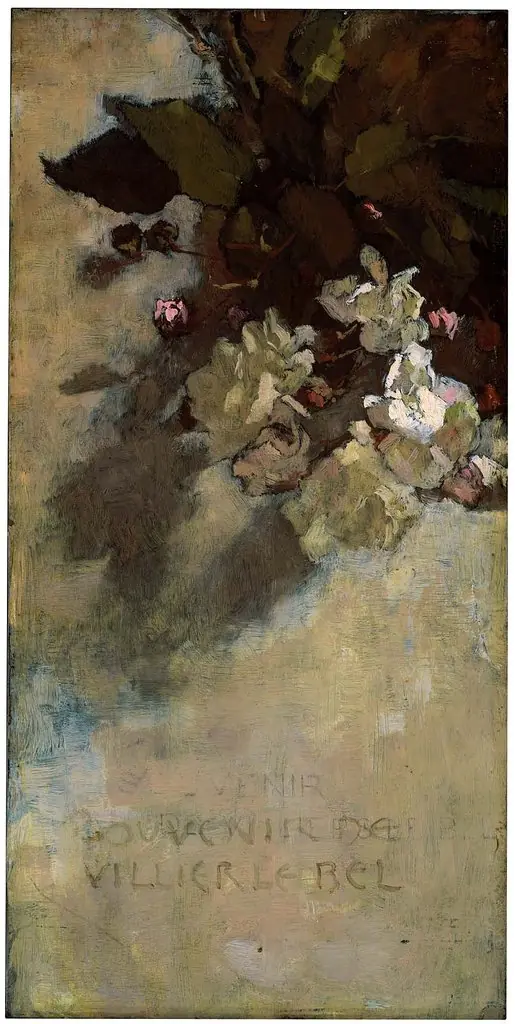 Roses—Souvenir de Villier le bel
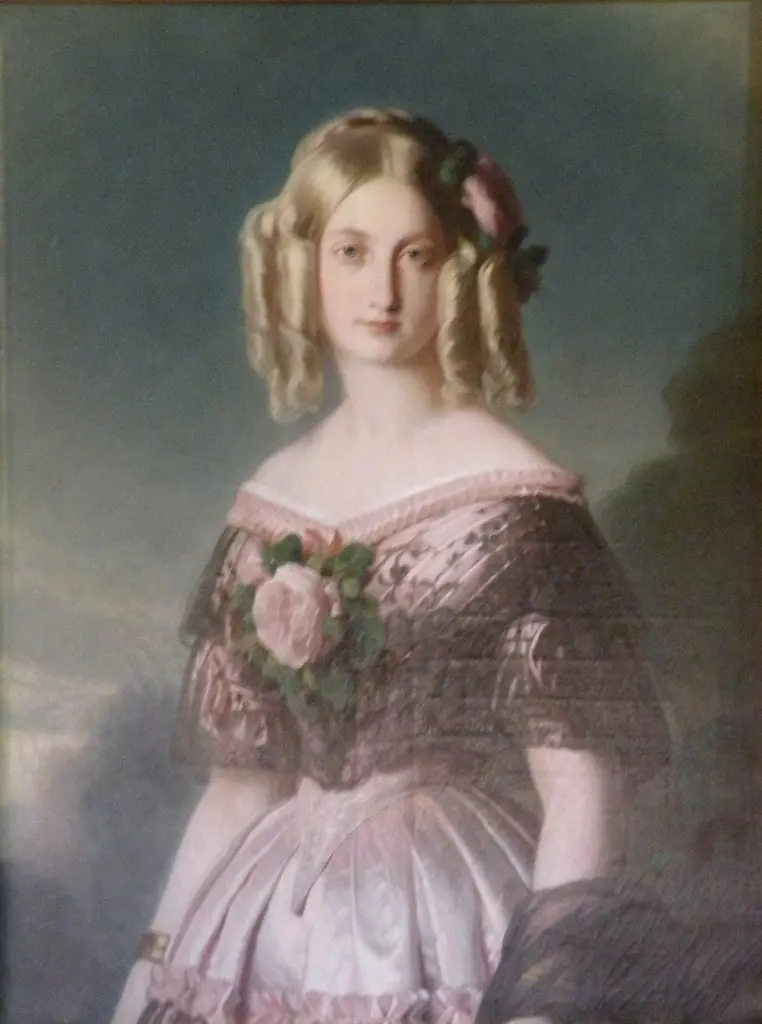 Marie-Caroline-Auguste de Bourbon-Salerne, Duchess of Aumale
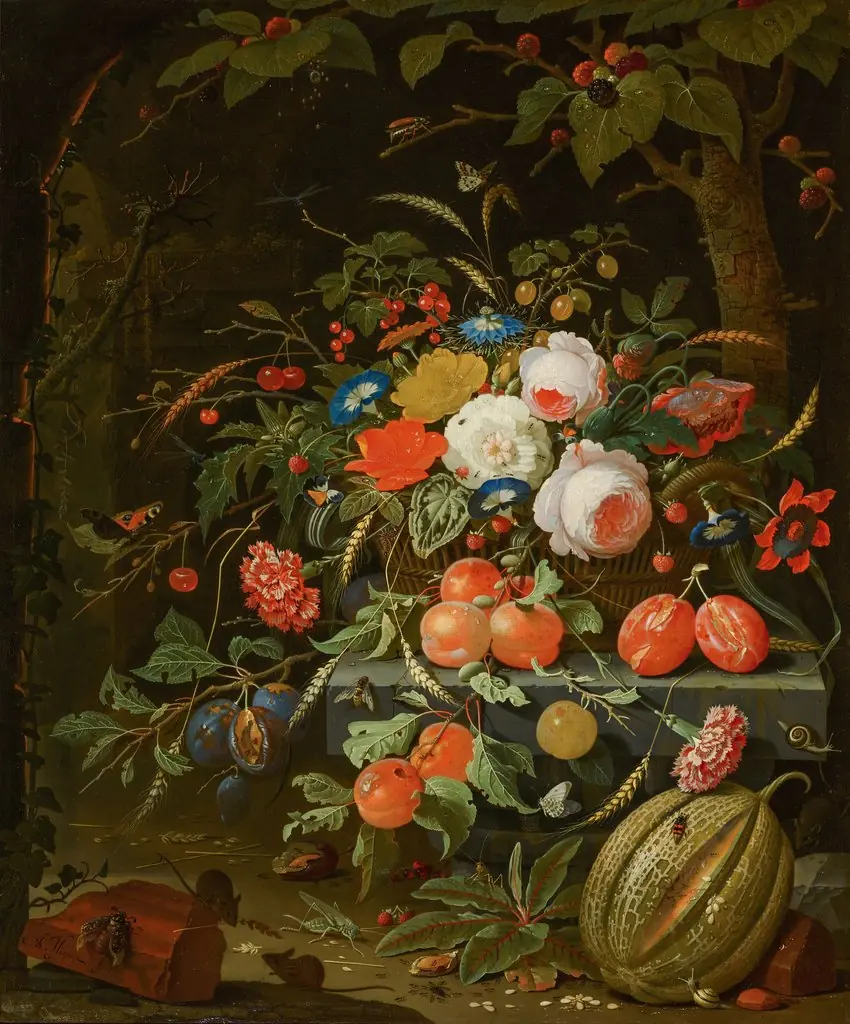 Flowers and Fruit
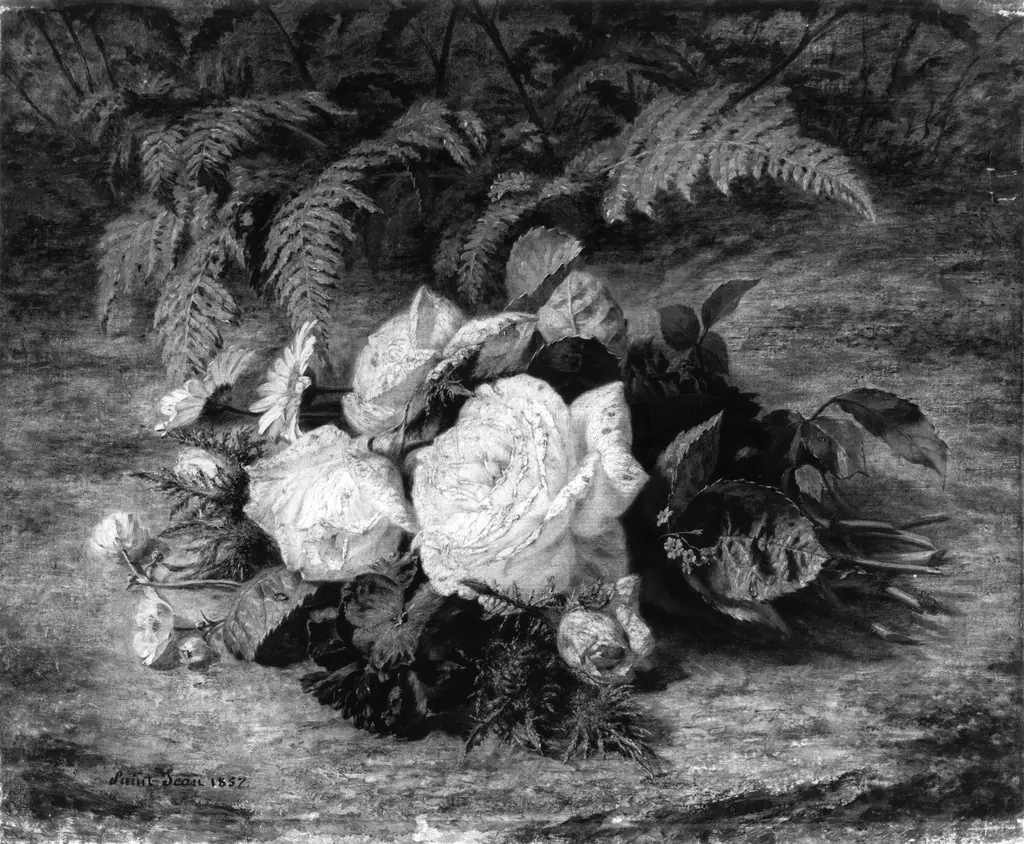 Still Life with Flowers
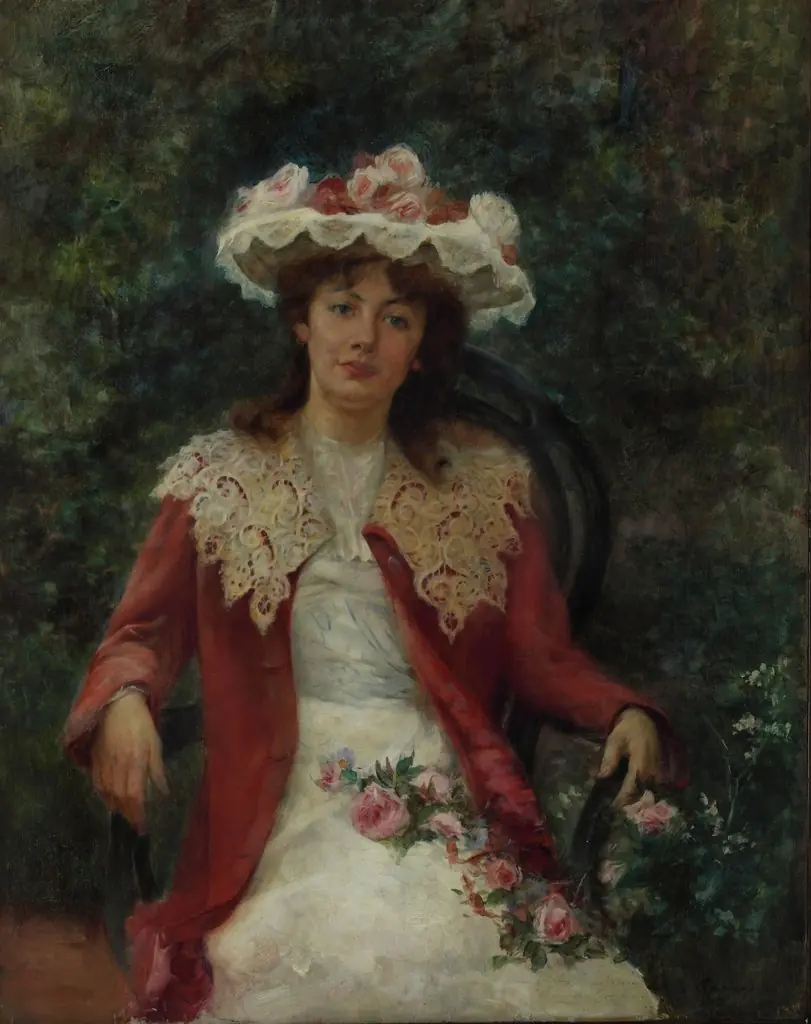 In the Garden
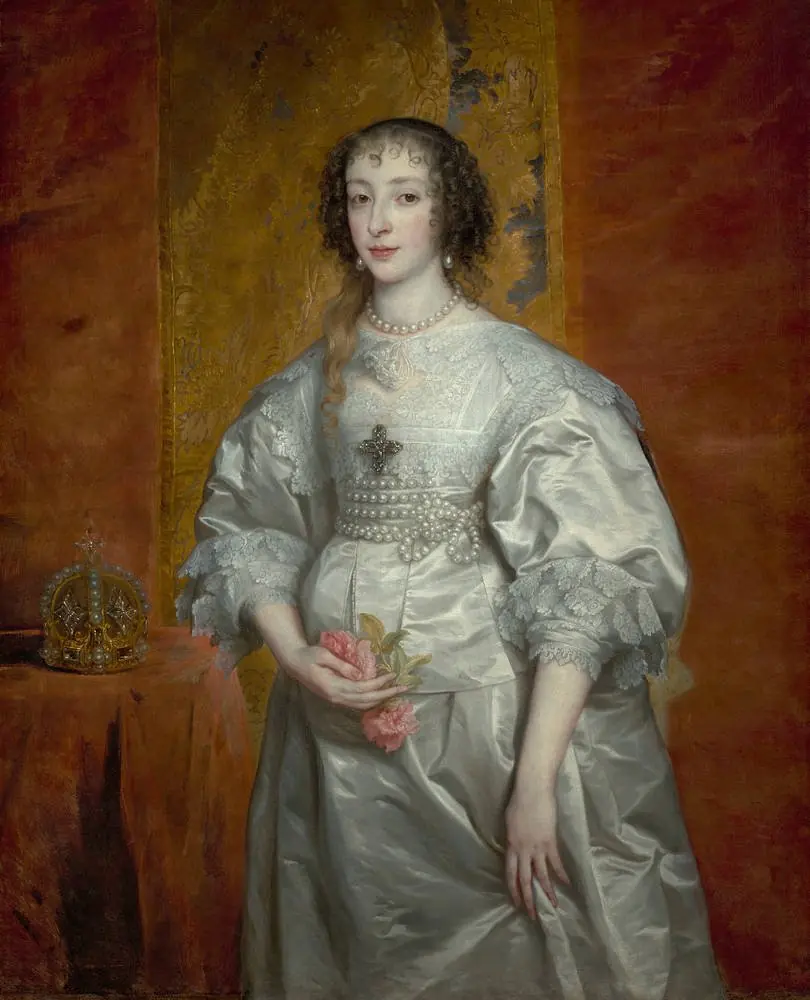 Queen Henrietta Maria
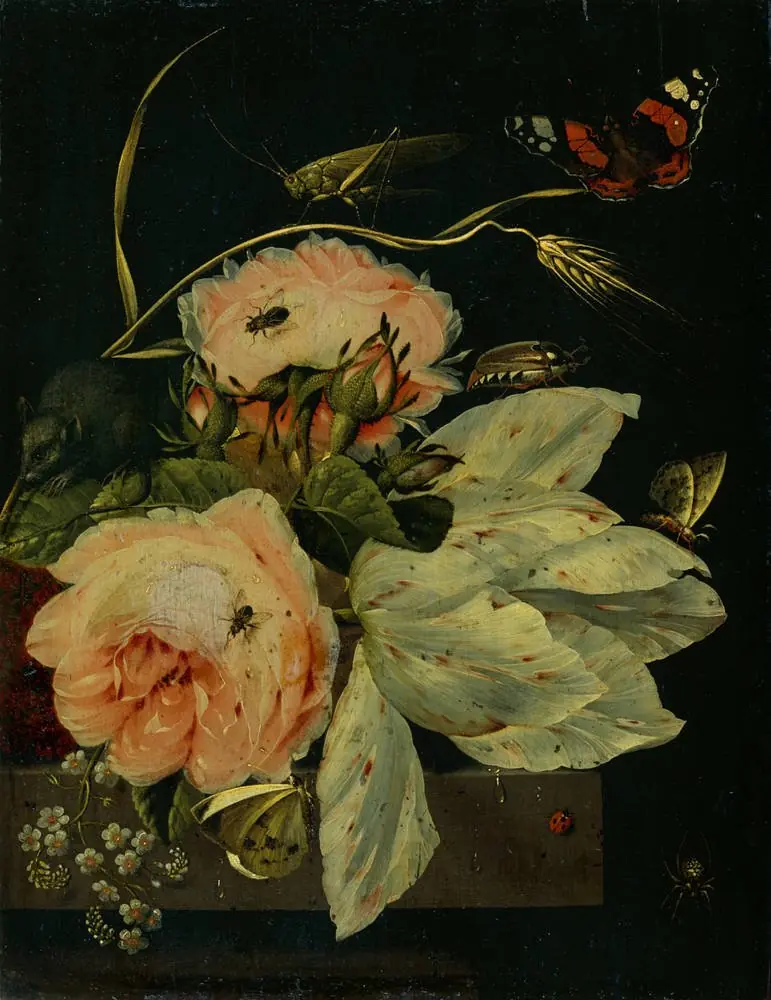 Flower piece with butterflies
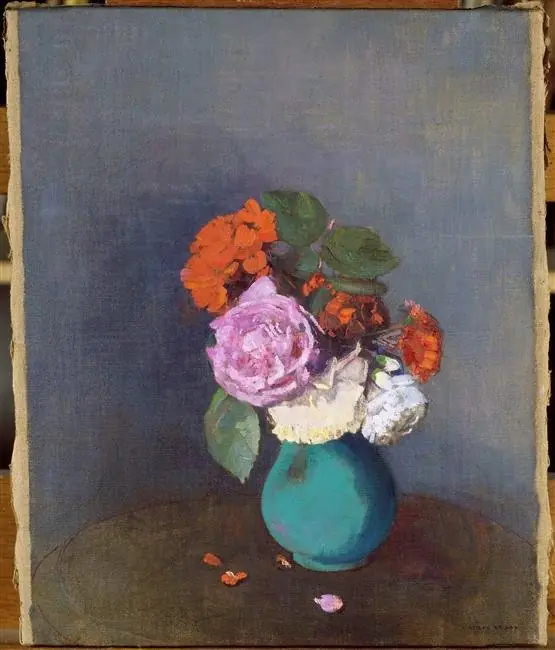 Fleurs
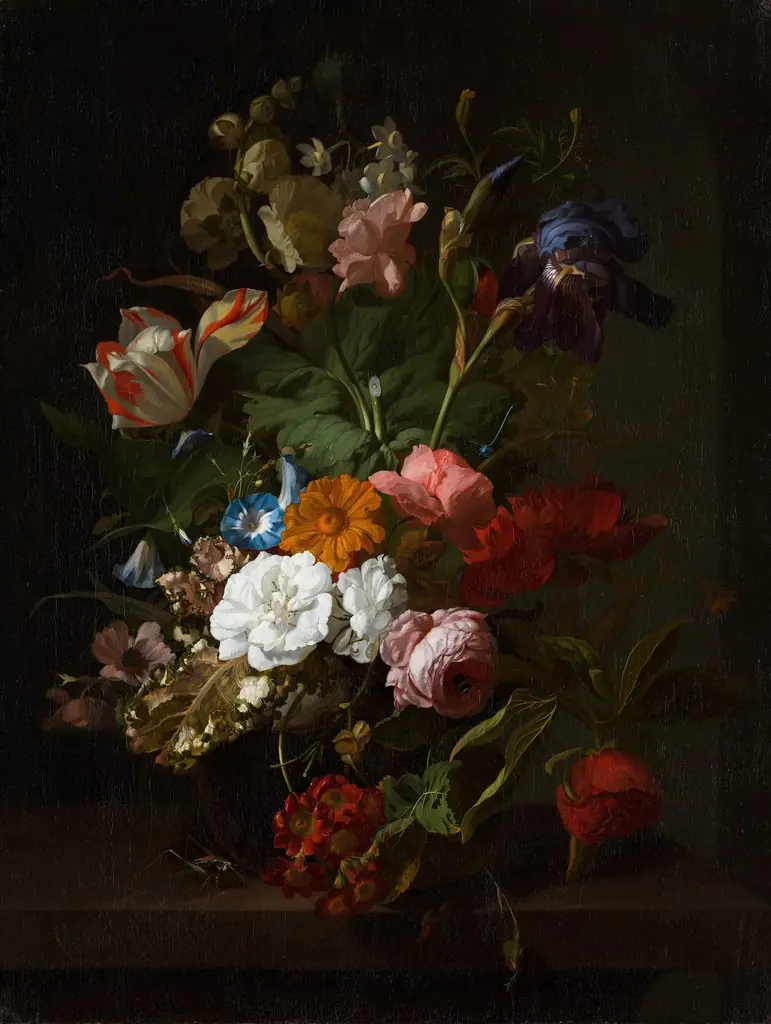 Vase of flowers
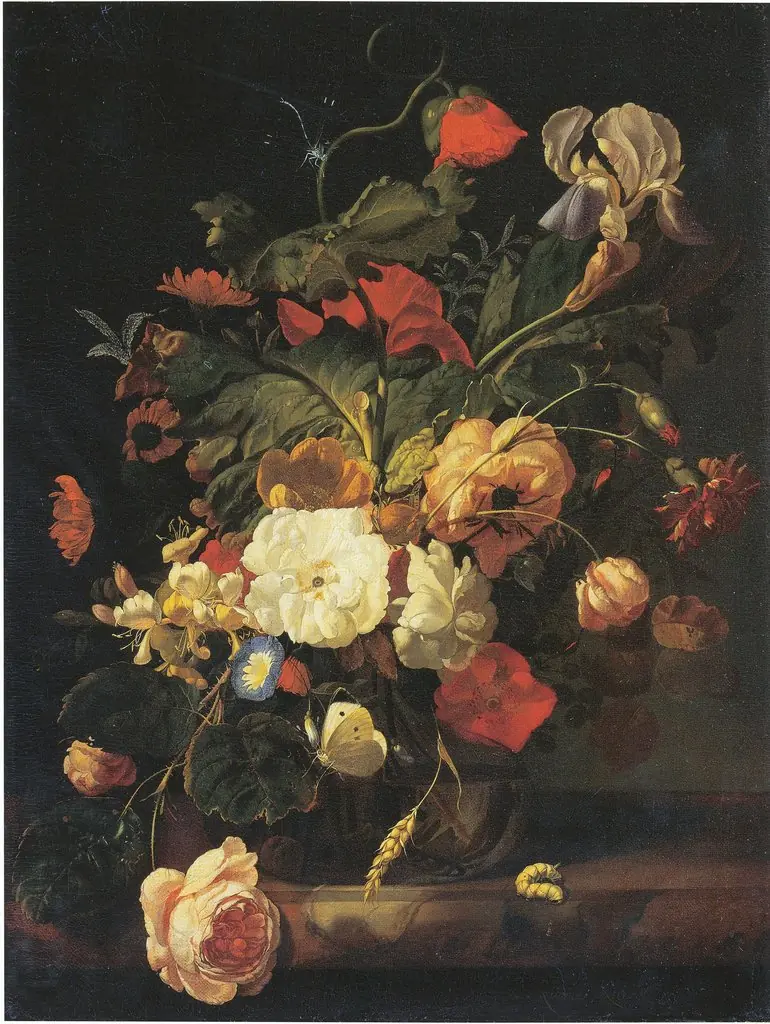 Still Life with Bouquet of Flowers, 1698
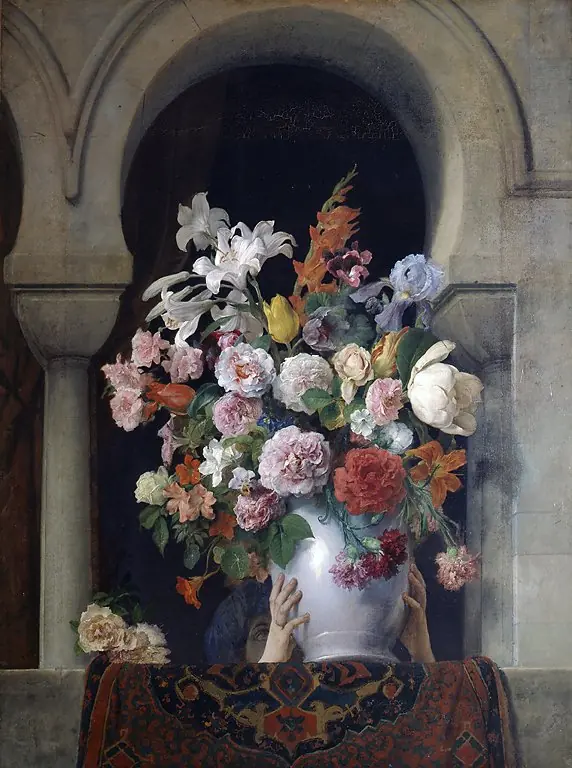 Flowers at the Window of the Harem
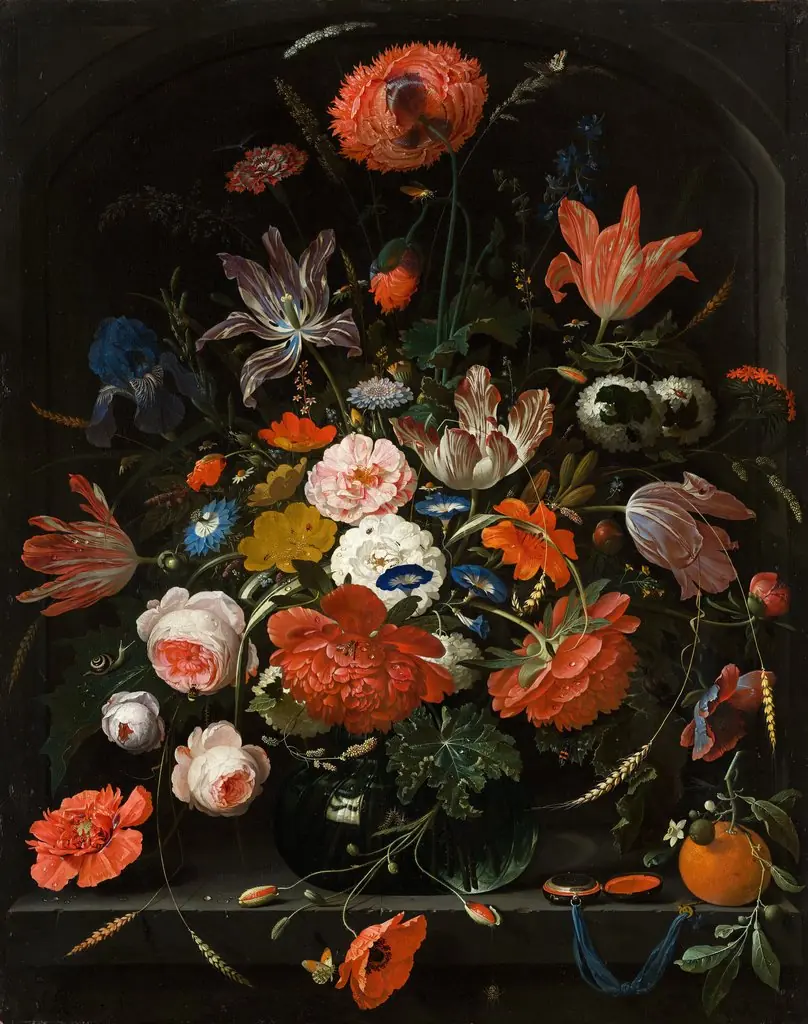 Flowers in a Glass Vase
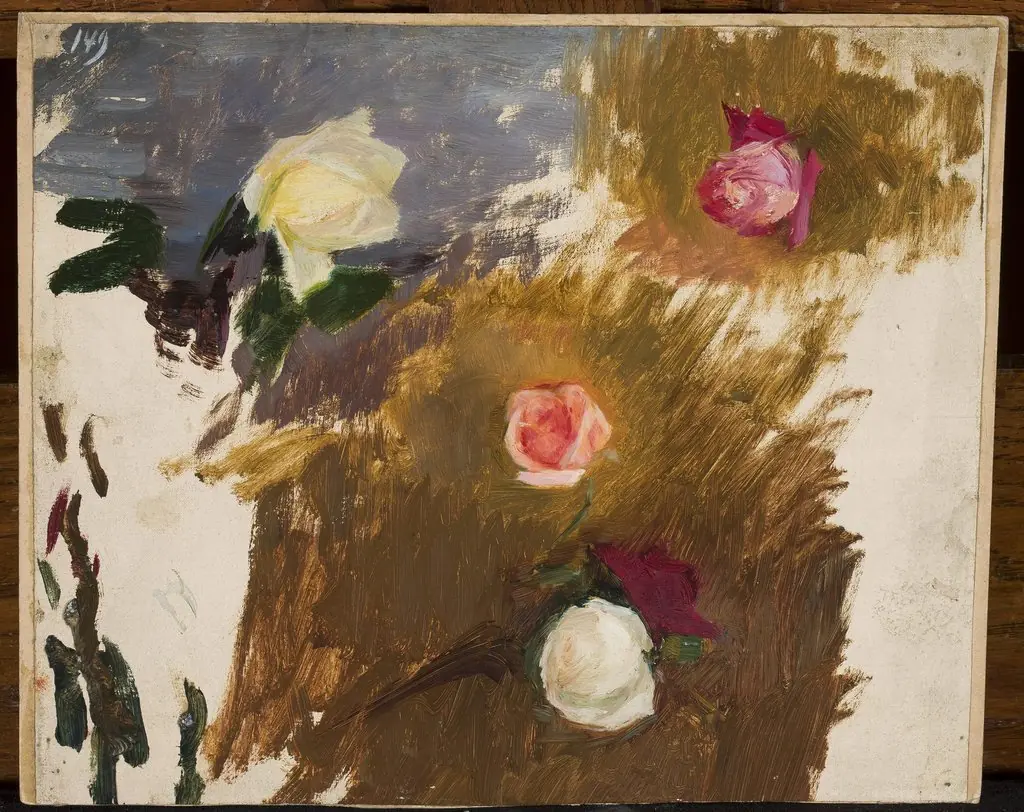 Yalta – flowers
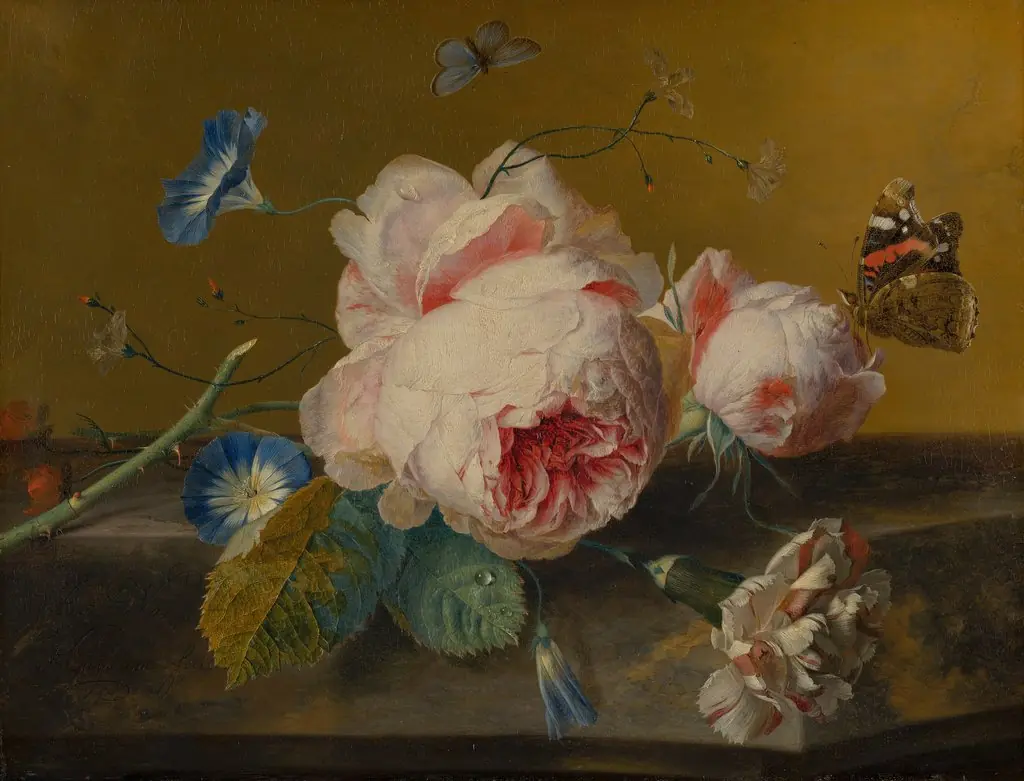 Flower Still Life
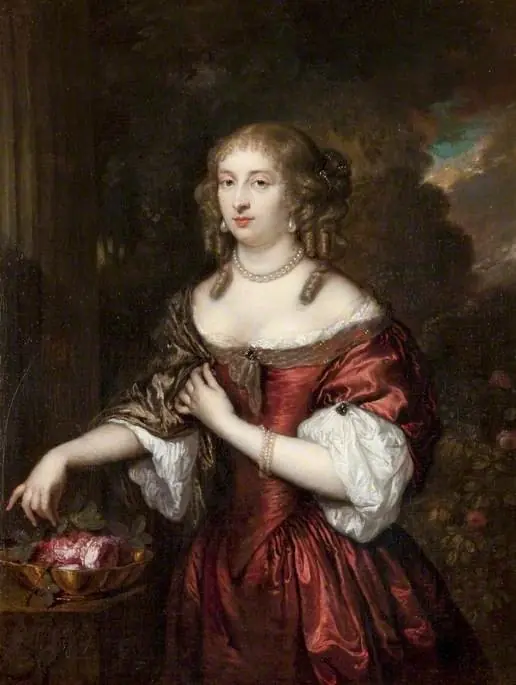 Portrait of a Woman
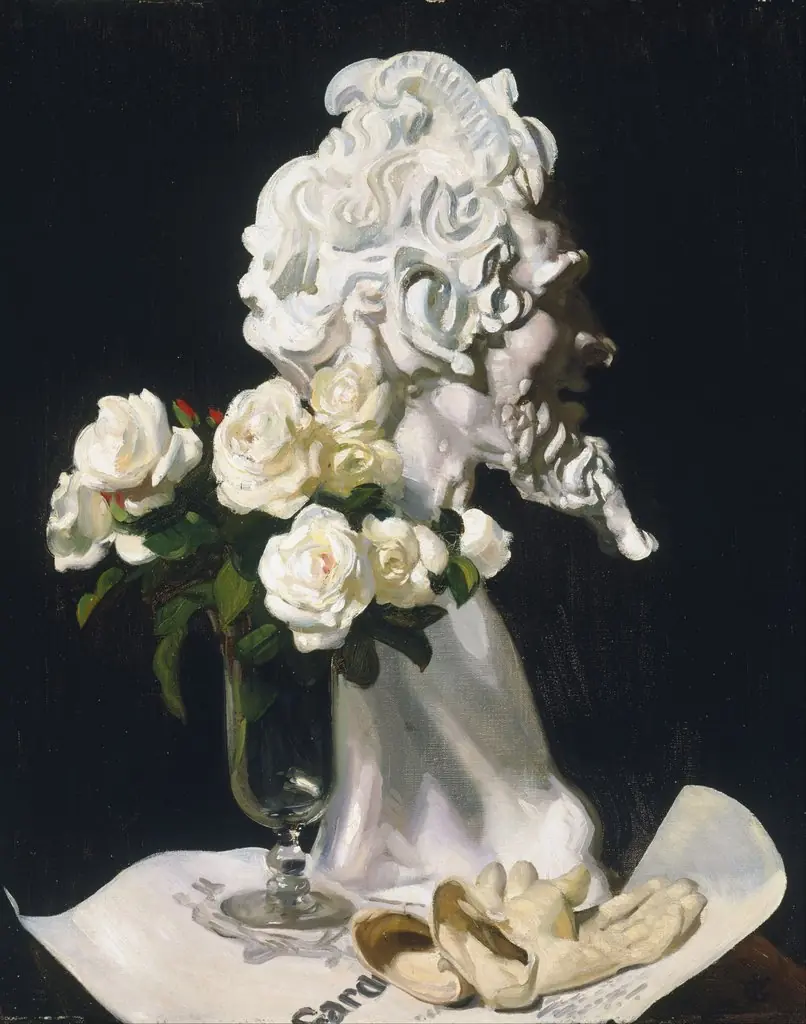 Pan is dead (still life)
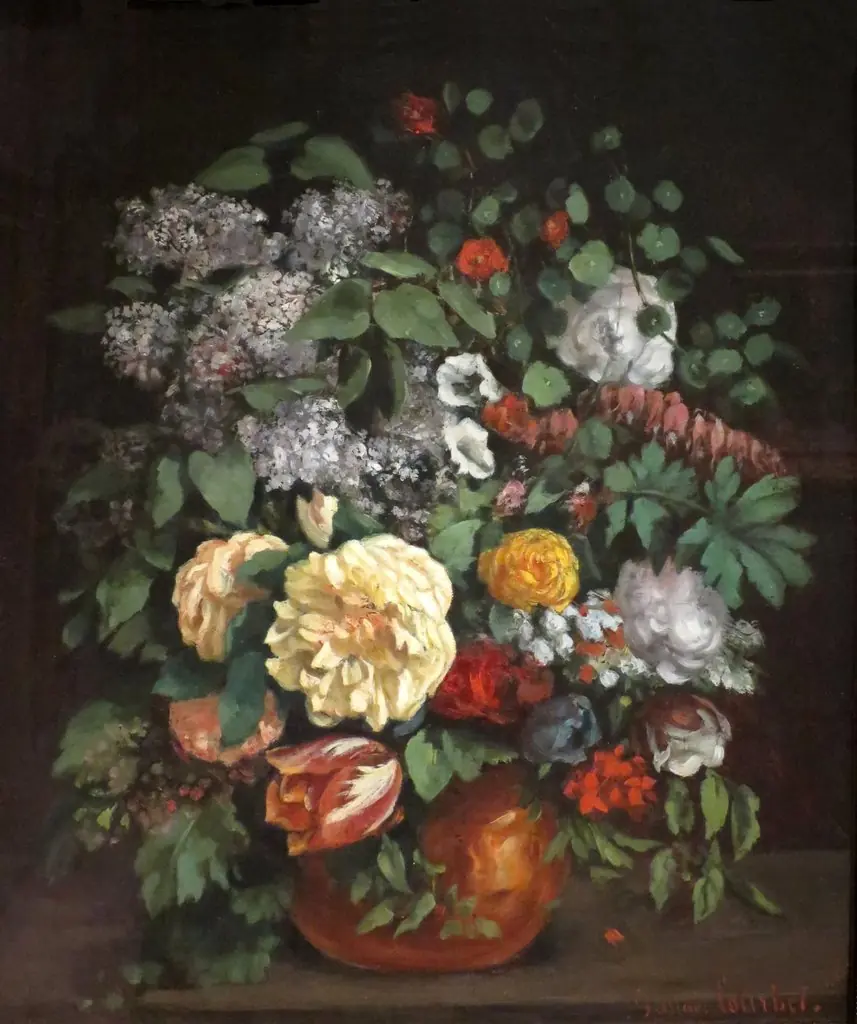 Vase of Lilacs, Roses, and Tulips
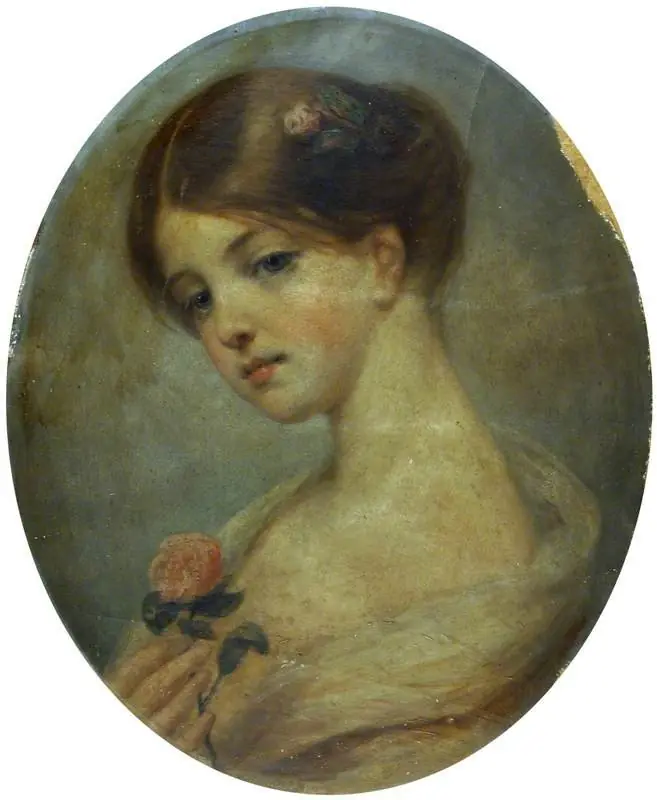 Portrait of a Girl holding a Rose
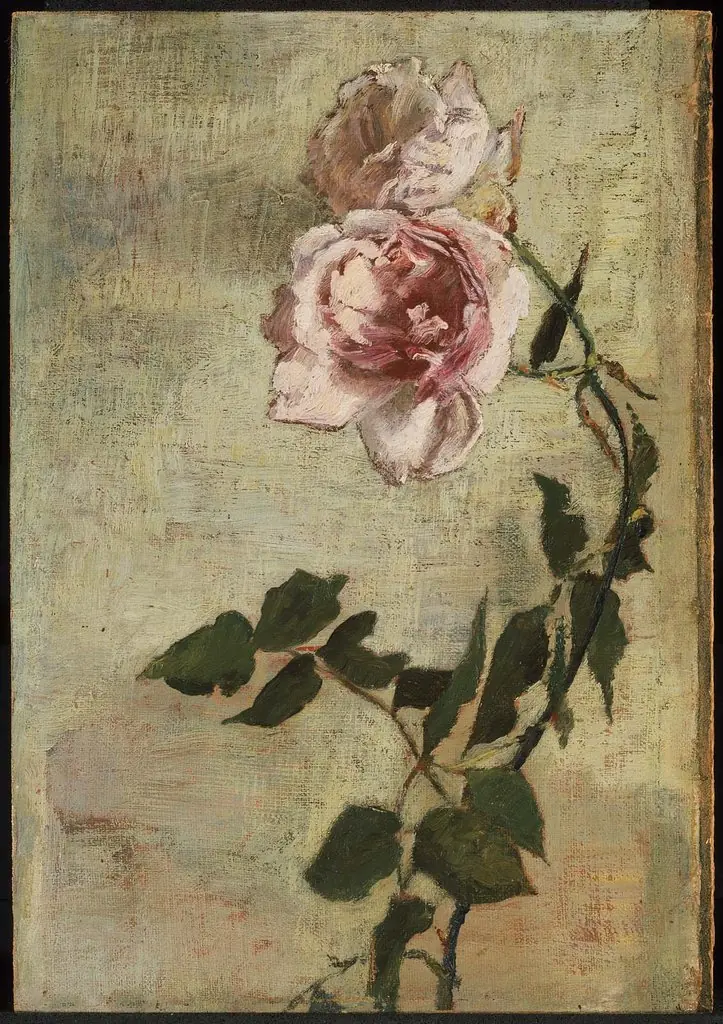 Roses
Roses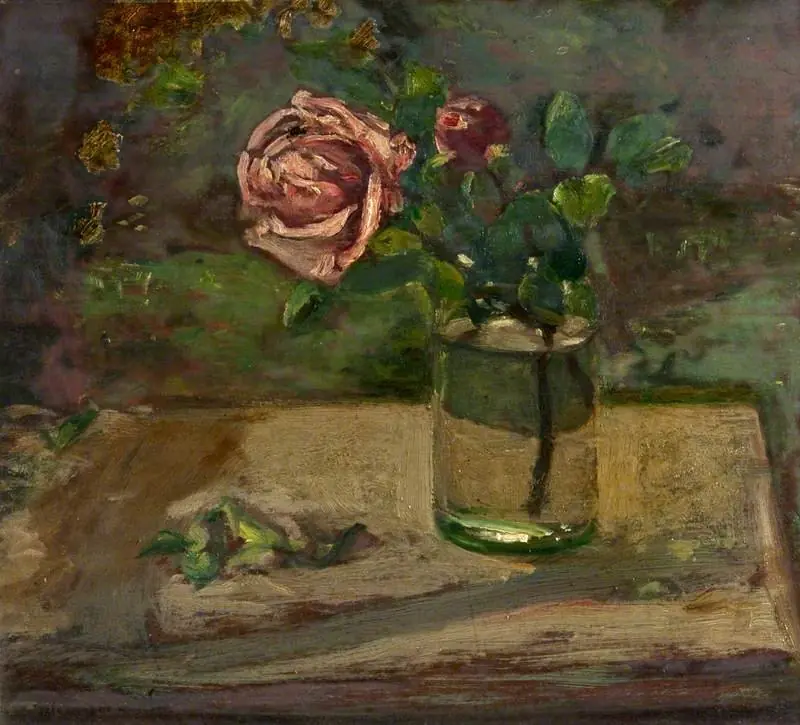 Roses
Roses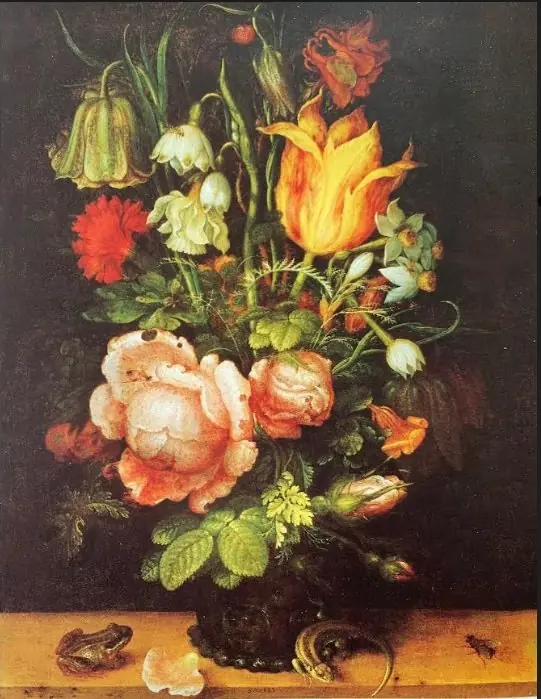 Flowers in a glass vase, 1615
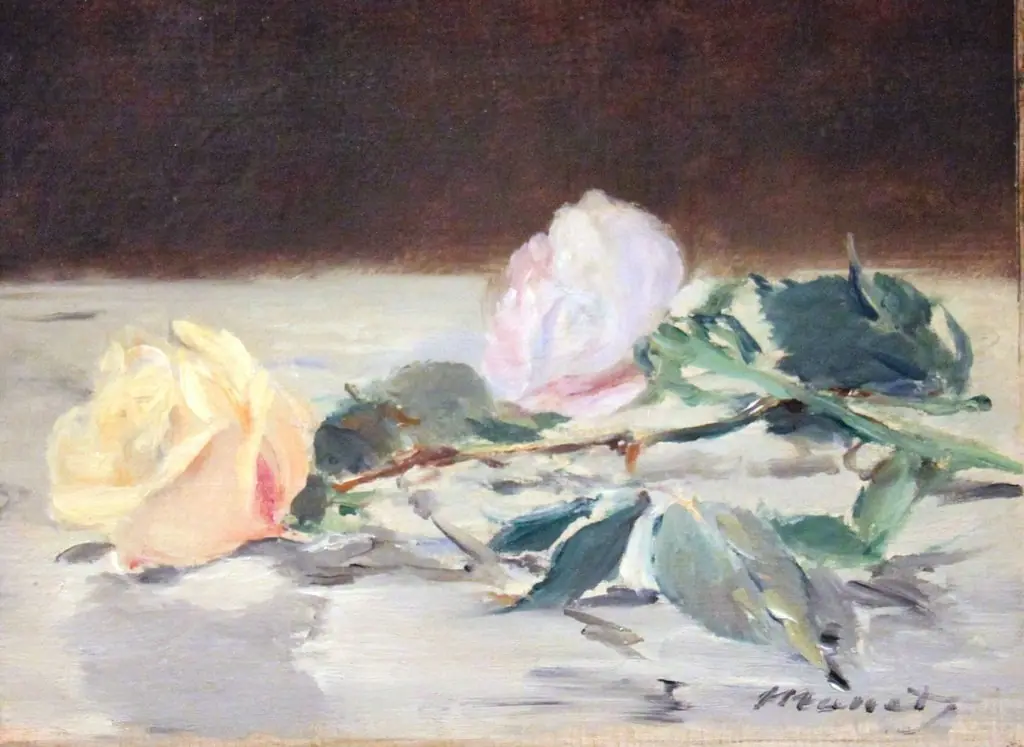 Two Roses on a Tablecloth
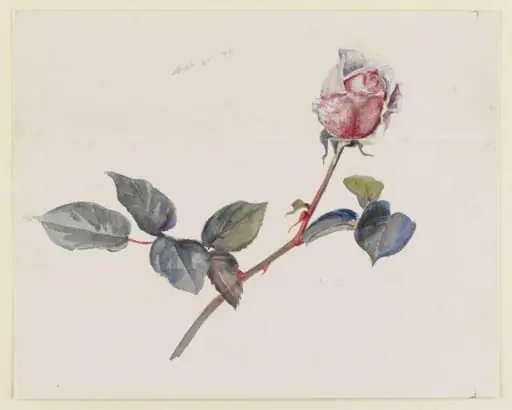 Pink rosebud with leaves
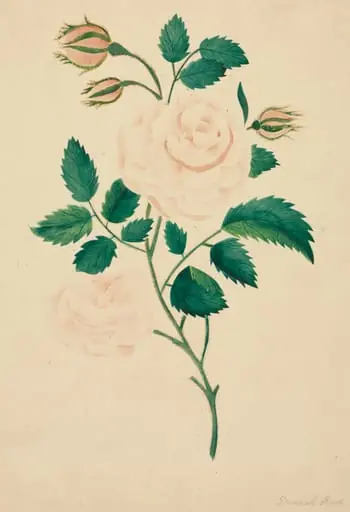 Damask Rose
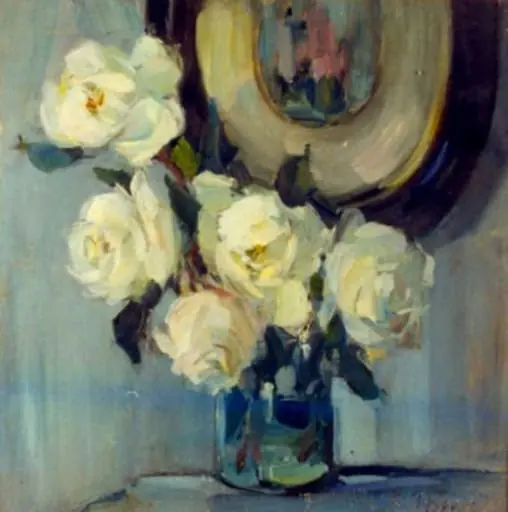 Vas cu flori
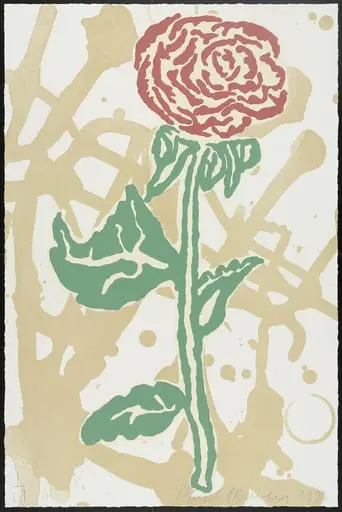 Untitled
Frequently asked questions
What is Rose?
Rose is a female given name.
How many Rose works does Artifact World Gallery have?
Artifact World Gallery holds 111 public-domain Rose works, all free to view and download.
Who are the key Rose artists?
Key Rose artists in the collection include Titian, Lorenzo Lotto and Gustave Courbet.
Where can I see Rose works?
Rose works in the collection are held by Metropolitan Museum of Art, Mauritshuis and Rijksmuseum.