Artwork
Portrait of Gillis Mostaert I (1528-1598)
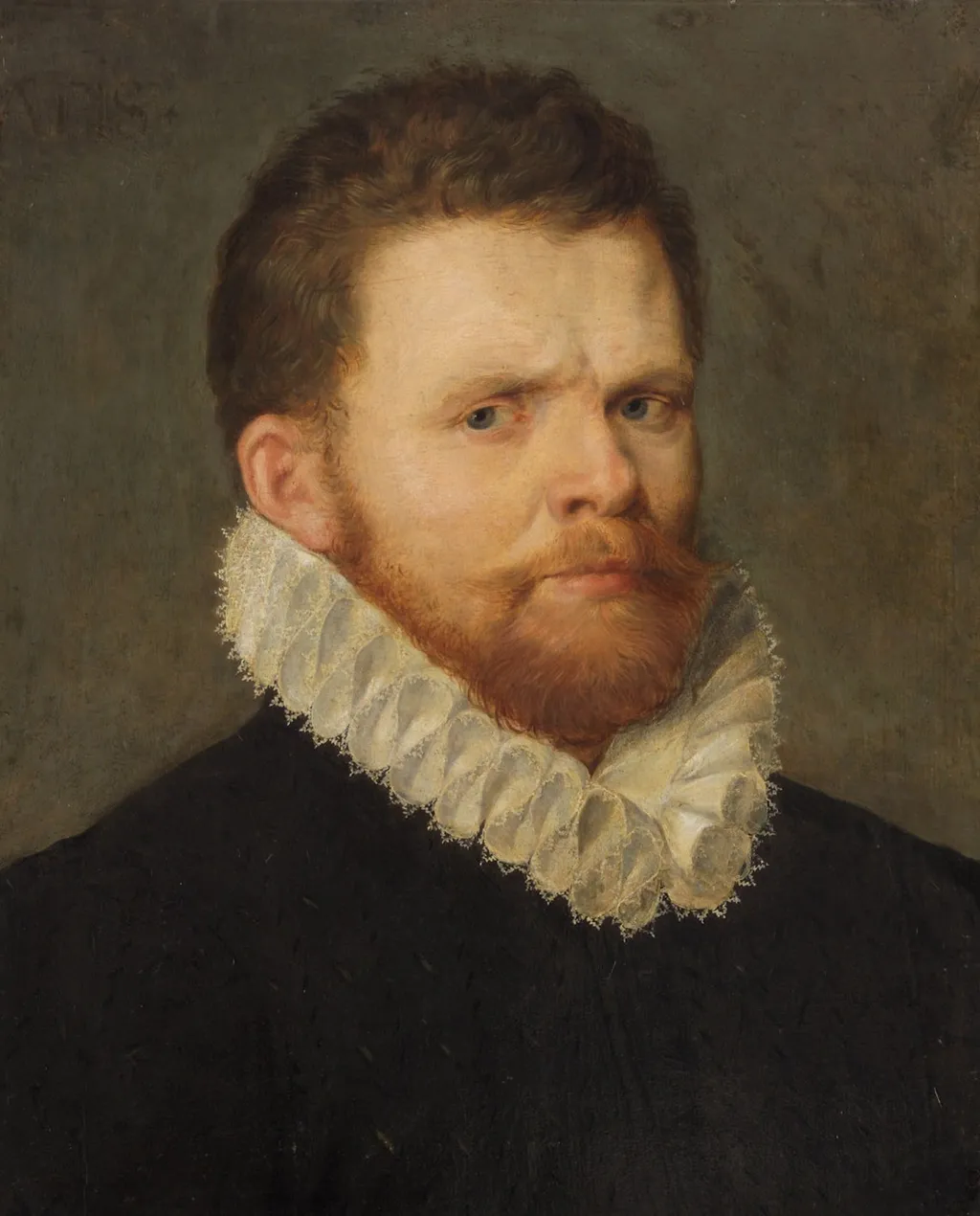
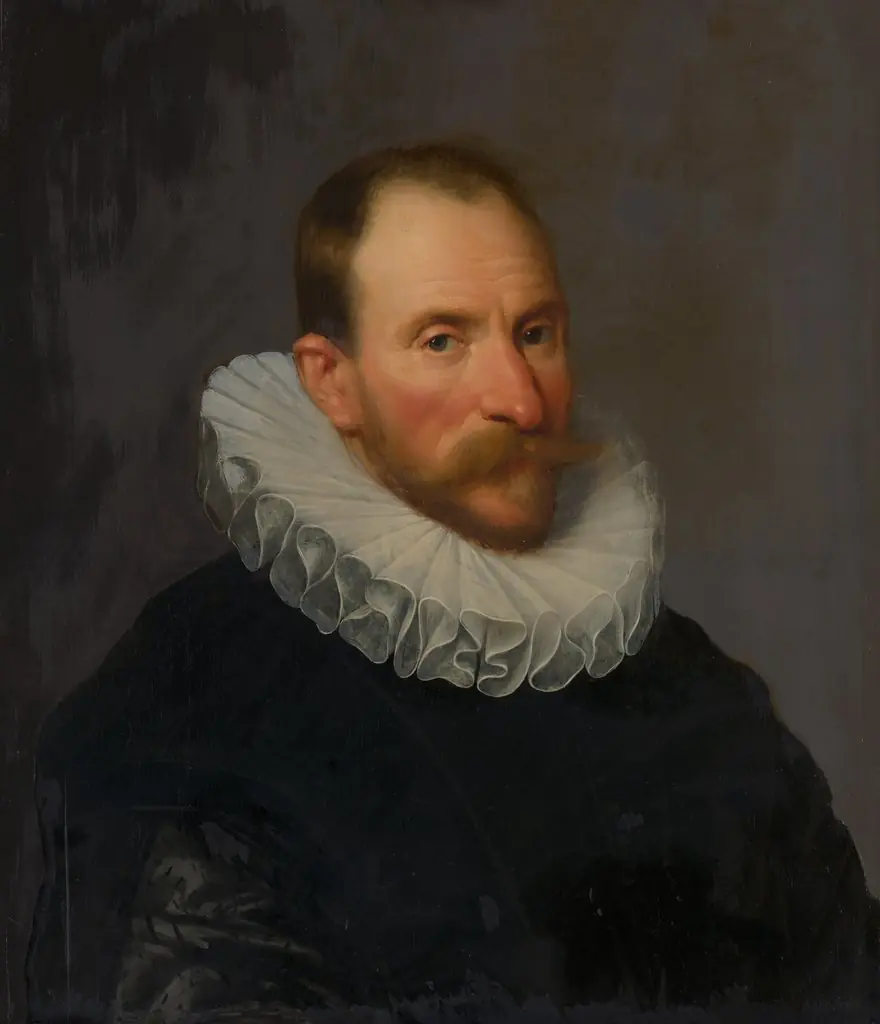
Portrait of Gillis Mostaert I (1528-1598) is an oil painting by the Flemish Baroque painting artist Unknown. It dates from 1590 and is held in the collection of the Kunsthistorisches Museum. The work is an oil painting that presents a seated gentleman with short, curly brown hair and a neatly trimmed red beard and mustache.
About this work
Overview
The Portrait of Gillis Mostaert I (1528-1598) is an oil painting on oak panel dated to 1580, depicting the Flemish Renaissance painter at the age of fifty-two.
The Portrait of Gillis Mostaert I (1528-1598) is an oil painting on oak panel dated to 1580, depicting the Flemish Renaissance painter at the age of fifty-two. The work measures 44 by 36 centimeters and is held in the collection of the Kunsthistorisches Museum in Vienna. Although the artist of the portrait remains unknown, the painting is attributed to a Netherlandish hand. The portrait matters as one of the few visual records of a major Antwerp master whose own oeuvre was dominated by landscapes, genre scenes, and history paintings rather than portraiture. Its existence provides valuable evidence of how a successful painter of the second half of the sixteenth century chose to present himself, and its place in the Kunsthistorisches Museum situates it within one of the most important collections of Habsburg-era art.
Subject & Meaning
The portrait presents a bust-length depiction of Gillis Mostaert the Elder, turned three-quarters toward the viewer with his head slightly to the right. The sitter's appearance is carefully recorded: brown wavy hair, a full reddish-brown beard and mustache, and light-colored eyes. His attire consists of a dark, nearly black garment with a prominent white ruff collar that frames the jawline. The ruff, with its delicate folds and lace-like edges, serves as the primary marker of social status and professional success. The restrained palette of browns, blacks, and creamy whites, with subtle warm tones in the flesh, accords with conventions of Northern European portraiture of the period, where plain backgrounds focused attention on the sitter's physiognomy and costume. Faint lettering visible in the upper left corner likely contains the date or an identifying inscription, though its precise content is not recorded in the available sources. The overall effect is one of sober respectability appropriate to a master painter operating a large workshop in one of Europe's most active artistic centers.
Technique & Style
The painting is executed in oil on oak panel, a support standard for Flemish painting of this period. The handling demonstrates smooth and controlled brushwork, with careful blending in the facial features and more textured application in the hair and background areas. Light falls from the left, illuminating the left side of the face and collar while casting soft shadows on the right, a conventional but effective means of modeling. The polished finish and particular attention to the tactile quality of the ruff suggest a painter skilled in the detailed techniques valued in Netherlandish art. The muted gray-brown background, devoid of landscape or architectural elements, follows the tradition of isolating the sitter that had characterized Flemish portraiture since the fifteenth century. The work's relatively small scale, 44 by 36 centimeters, indicates it was likely intended as a personal keepsake or studio display piece rather than a formal commission for a grand setting.
History & Provenance
The portrait is dated to 1580, a period when Mostaert was at the height of his career and running a thriving workshop in Antwerp. The painting's provenance before its acquisition by the Kunsthistorisches Museum is not documented in the available sources. The museum's collection of Netherlandish paintings, assembled substantially during the Habsburg period, provides an appropriate context for this work. The accession details and specific exhibition history of the portrait are not recorded in the sources provided.
Context
Gillis Mostaert the Elder was born in Hulst in 1528, the son of a painter also named Gillis, and according to Karel van Mander was the twin brother of Frans Mostaert. He joined the Antwerp Guild of Saint Luke around 1554-55 and spent his entire career in that city, where he became one of the most versatile and successful painters of his generation. His workshop supplied works to prominent patrons including Archduke Ernest of Austria, Archduke Leopold Wilhelm of Austria, and François Perrenot de Granvelle. The collector Filips van Valckenisse owned over fifty paintings by Mostaert. Mostaert's own output was remarkably varied: winter landscapes, nocturnal fire scenes, kermesse paintings, biblical and allegorical subjects, and works inspired by Hieronymus Bosch. He frequently collaborated with other Antwerp artists, supplying figures for landscapes by Jacob Grimmer, Cornelis van Dalem, and others. The portrait thus depicts a man whose professional life was defined not by portraiture but by landscape and genre painting, making this image a rare and valuable document of his person. The fact that its authorship is unknown, while Mostaert's own paintings are frequently unsigned and difficult to attribute, creates a parallel between the uncertainty surrounding the painter's hand and that of his portraitist.
Legacy
The portrait's afterlife is bound up with the broader fortunes of Mostaert's reputation. Although he was highly successful in his lifetime, modern scholarship has struggled to establish a secure corpus of works, as he signed few paintings and operated a large workshop with substantial output. The portrait in the Kunsthistorisches Museum serves as a fixed point, a verified likeness against which the artist's personality can be measured. It also testifies to the collecting priorities that placed Netherlandish art in Habsburg collections, where this portrait now resides alongside other works from the period. The image continues to function as the standard identification of Mostaert in scholarly and popular contexts, its value enhanced precisely by the rarity of comparable documents. The unknown authorship of the portrait, meanwhile, reminds viewers of how much sixteenth-century Flemish artistic production remains unattributed, even for works associated with major figures.
Artist & collection









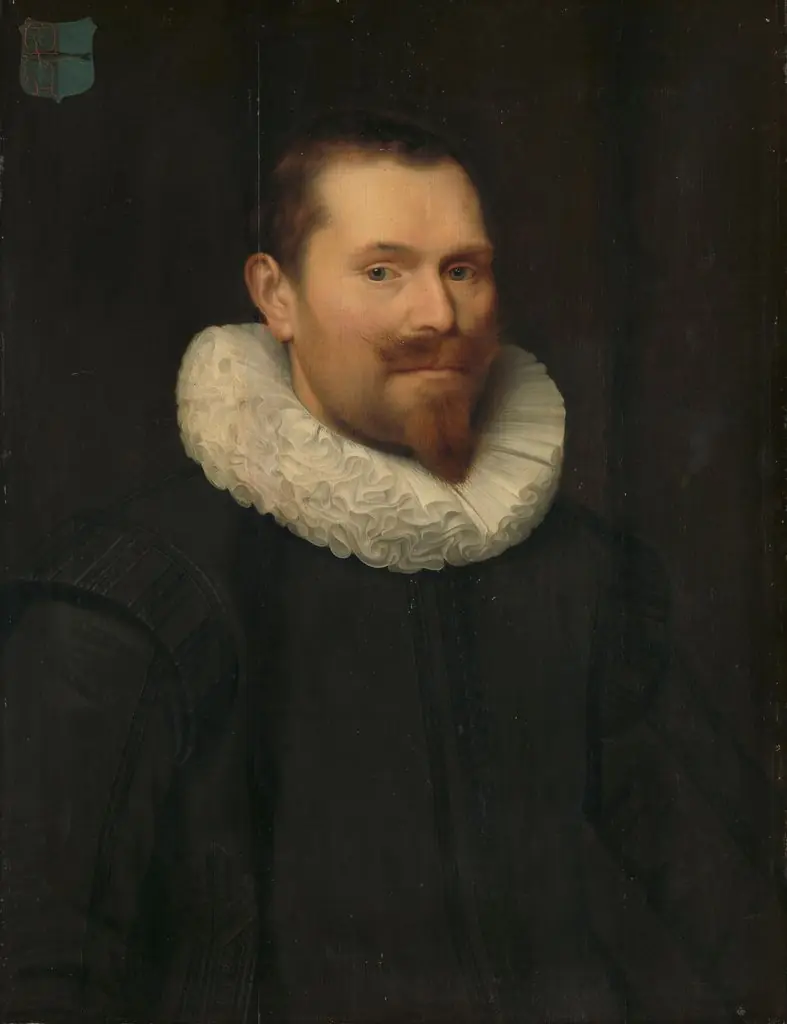
- Portrait of a man
 Untitled
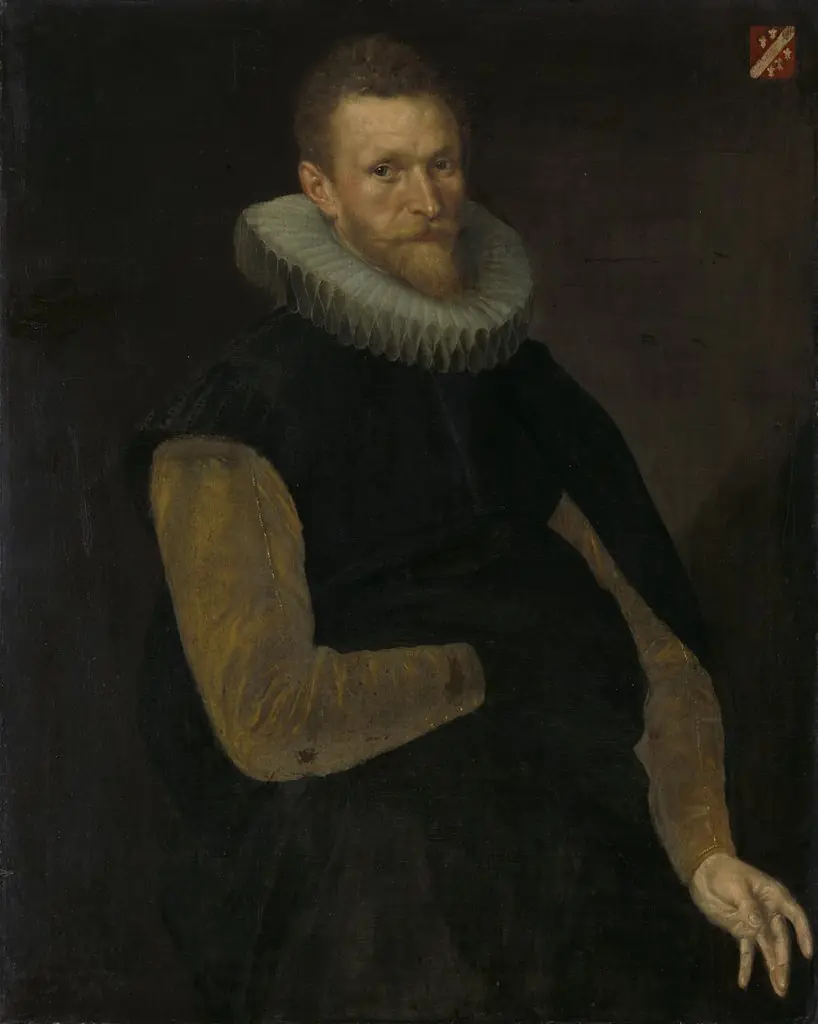 Portrait of Jacob Cornelisz Banjaert, called van Neck (1564-1638). Admiral & mayor of Amsterdam
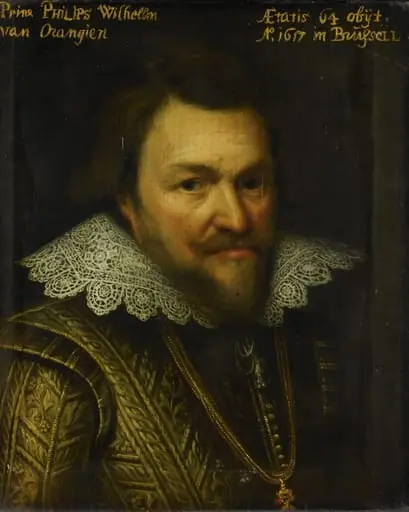
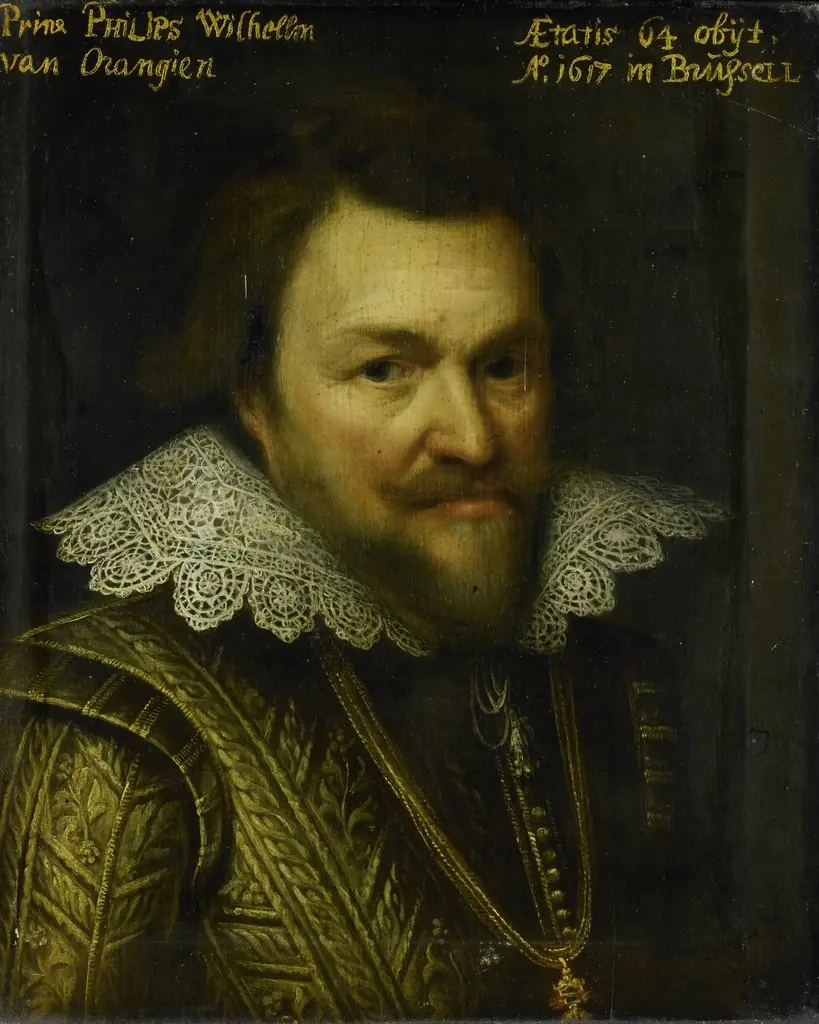 Portrait of Philips Willem (1554-1618), Prince of Orange
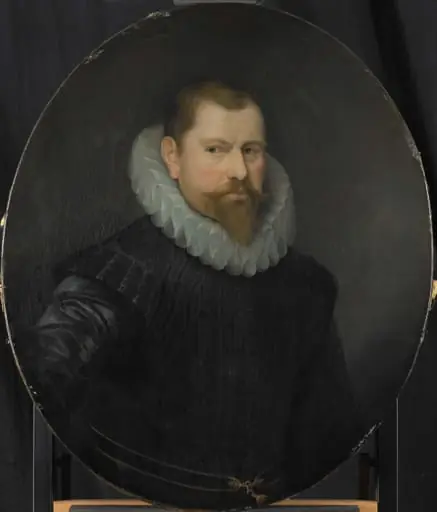 Portrait of Cornelis Matelieff the Younger, Director of the Rotterdam Chamber of the Dutch East India Company, elected 1602
 Portrait of Cornelis Matelieff the Younger, Director of the Rotterdam Chamber of the Dutch East India Company, elected 1602
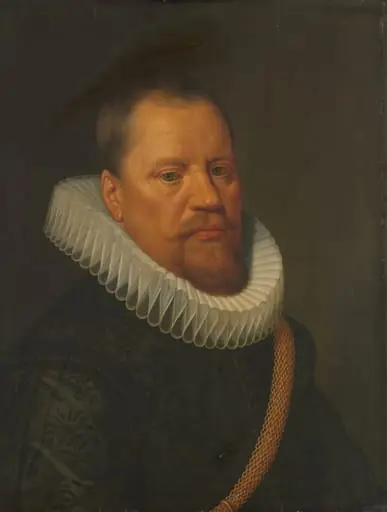 Untitled
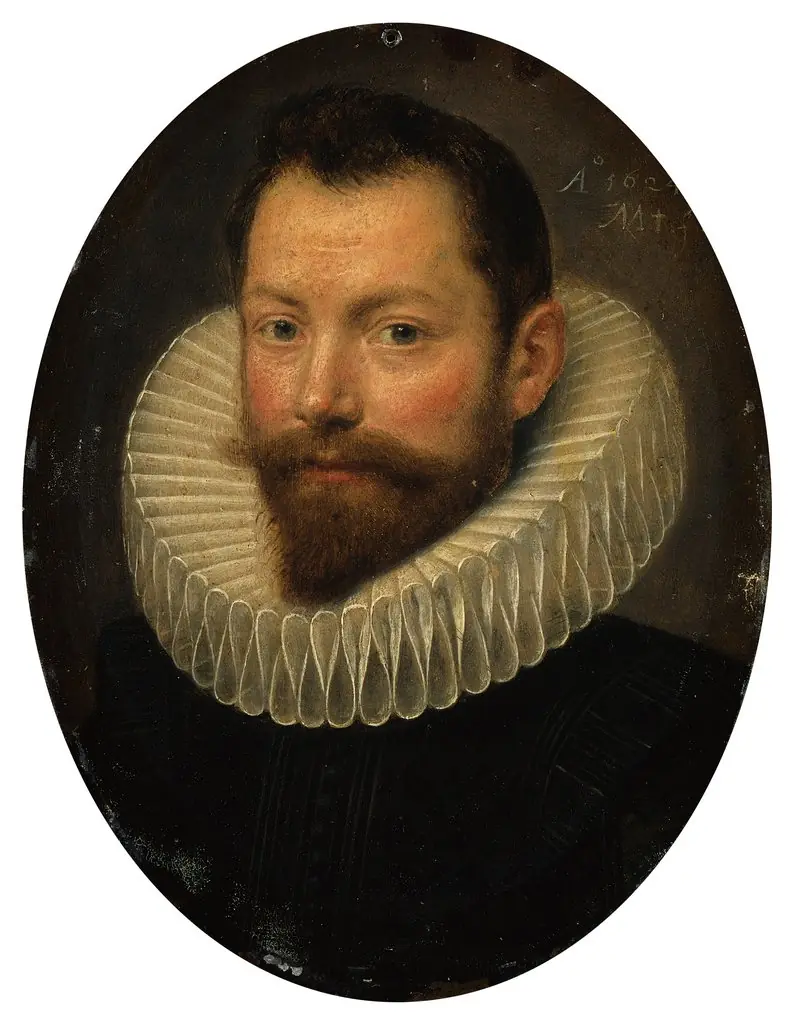 Portrait of young man
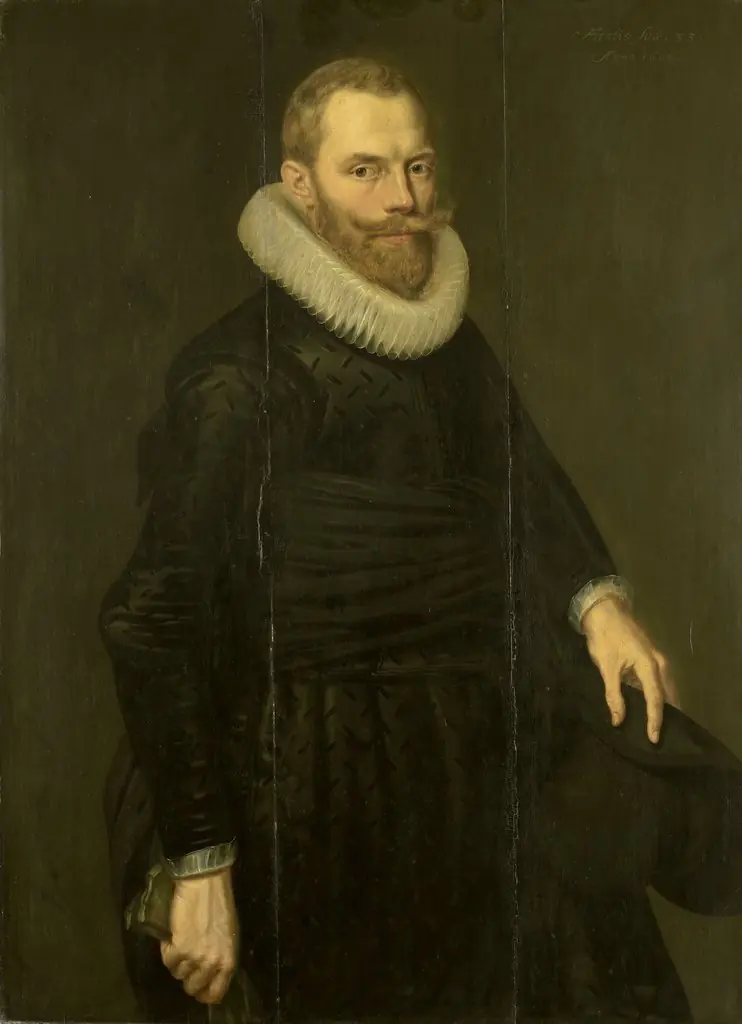 Portrait of Dirck Hasselaer (1581-1645)
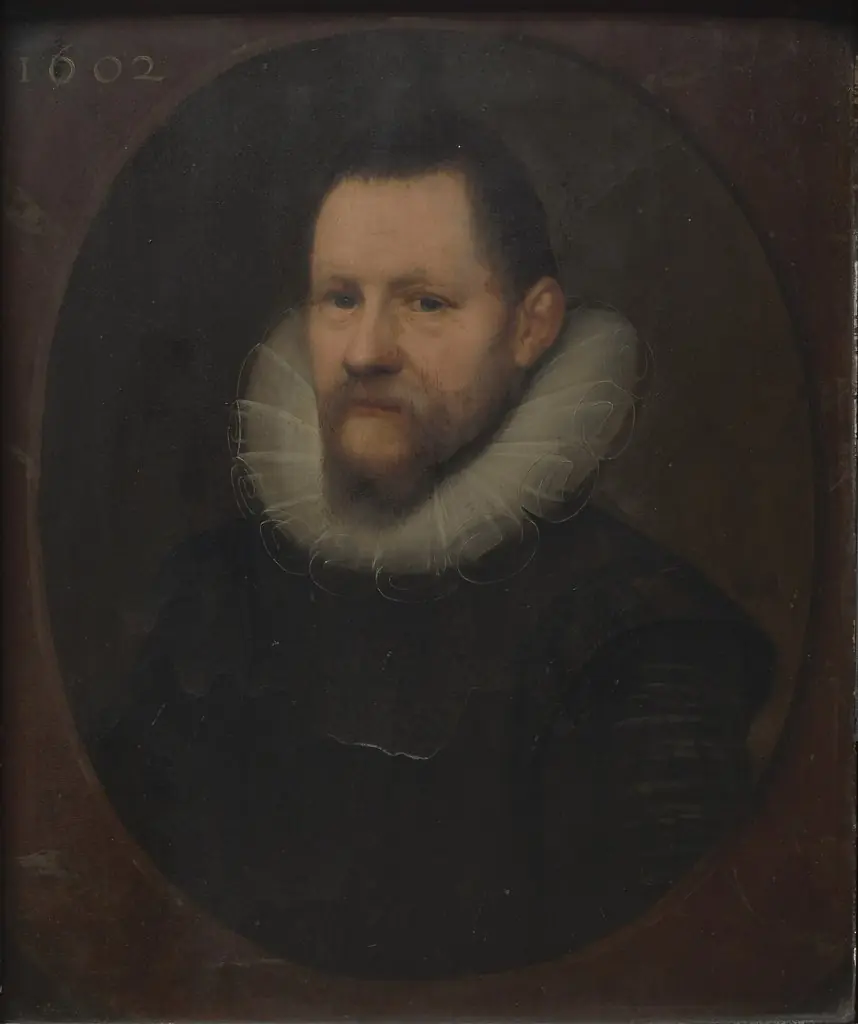 Portrait of a Man
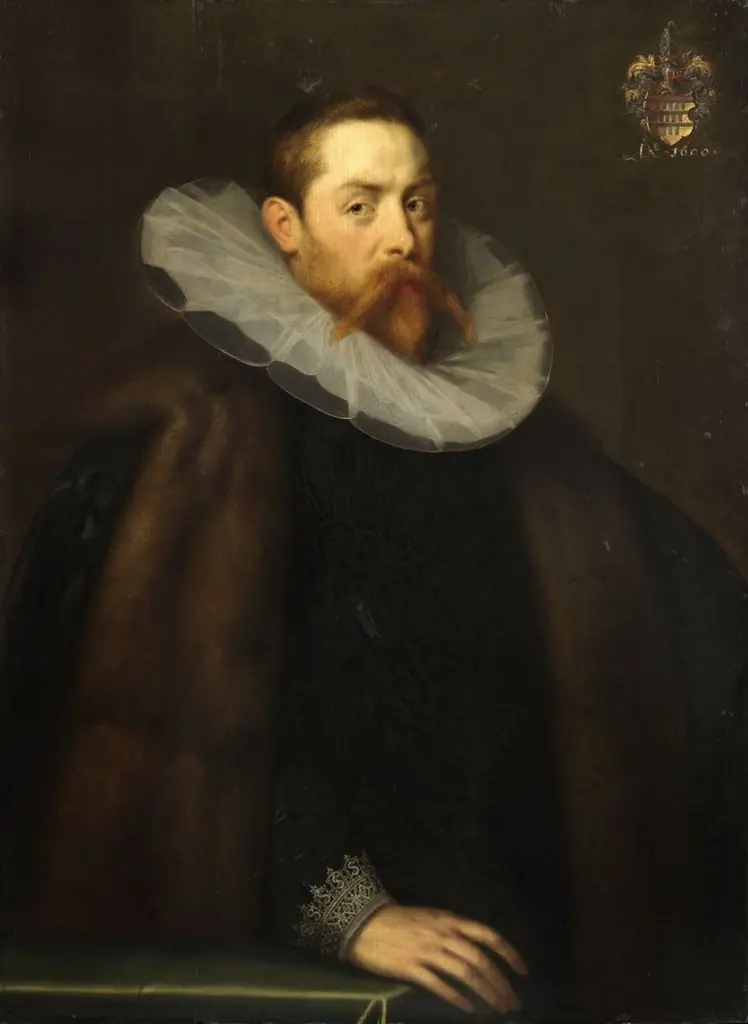 Portrait of a Member of the Lyskirchen Family
 Portrait of Cornelis van Aerssen (1545-1627)