Artwork
Portrait of Wen Zhengming
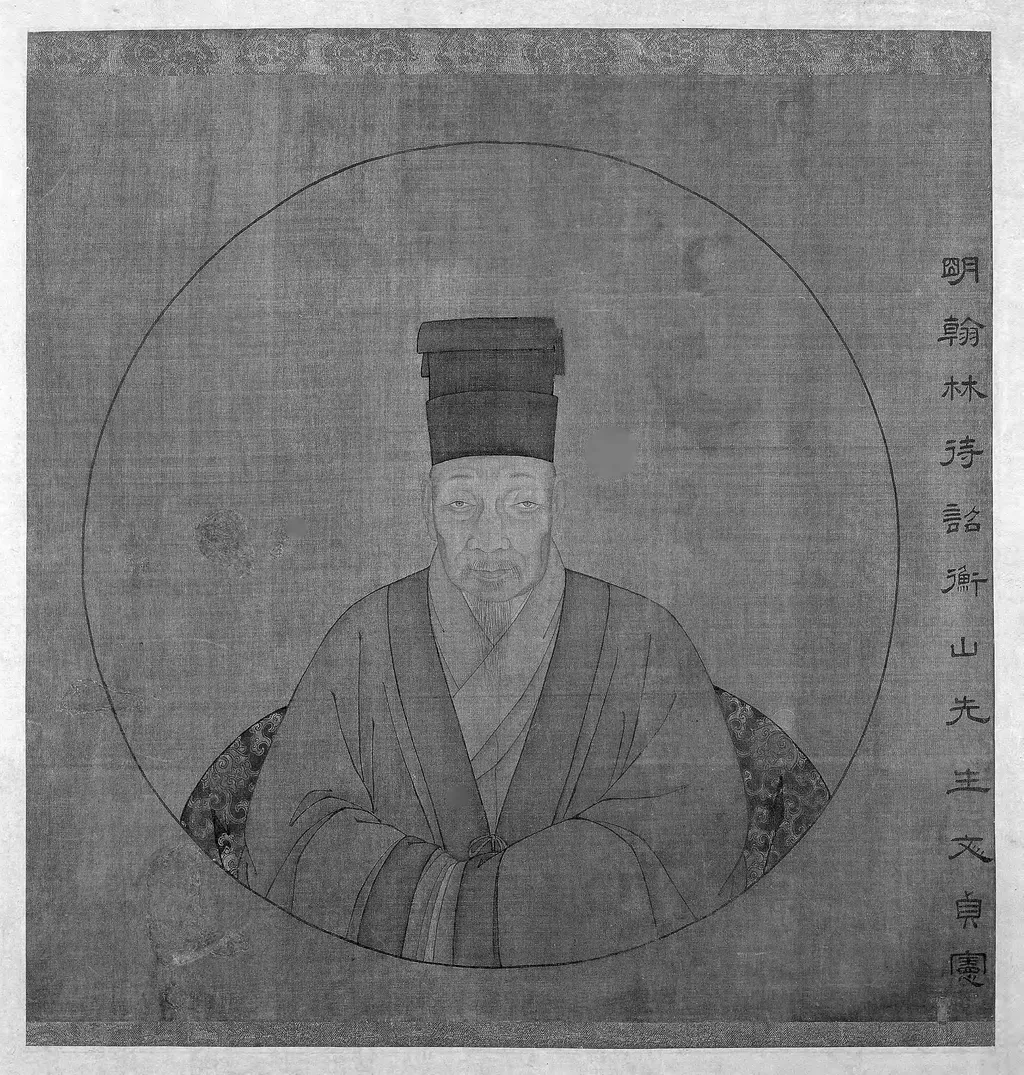
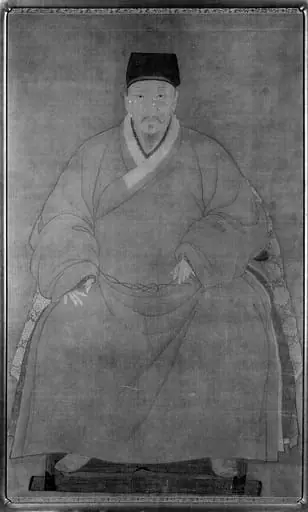
Portrait of Wen Zhengming is an unspecified painting by the Ming dynasty painting artist Unknown. It dates from 1650 and is held in the collection of the Art Institute of Chicago. This portrait depicts Wen Zhengming, a prominent Ming dynasty scholar and artist, seated against a plain gray background.
About this work
Overview
This portrait depicts Wen Zhengming, a prominent Ming dynasty scholar and artist, seated against a plain gray background.
This portrait depicts Wen Zhengming, a prominent Ming dynasty scholar and artist, seated against a plain gray background. His posture is still and composed, emphasizing quiet dignity. The composition focuses entirely on his figure, eliminating distractions to highlight his presence.
Subtle lighting models his form, drawing attention to the texture of his clothing and the stillness of his expression.
Subject & Meaning
Wen Zhengming was a leading intellectual of his time, known for his poetry, calligraphy, and painting. The portrait captures him not as a public official but as a cultivated scholar, his calm demeanor and slight smile suggesting introspection rather than authority. The small object under his arm may signify a personal possession, perhaps a scroll or ritual item, reinforcing his identity as a man of letters and refined taste.
Technique & Style
The artist employs chiaroscuro to define the contours of the figure, using sharp contrasts between light and shadow to model the folds of the robe and the planes of the face. The edges of the garment are rendered with precise, angular lines, enhancing the sense of structure. The background remains unadorned, isolating the subject and directing focus to the interplay of tone and form.
History & Provenance
The portrait likely dates to the mid-16th century, during Wen Zhengming’s later years. It was probably commissioned by a student, colleague, or family member to honor his scholarly status. Its survival suggests it was carefully preserved within a literati circle, possibly passed down through generations as a token of cultural continuity and personal reverence.
Context
In Ming dynasty China, portraits of scholars often avoided theatricality, favoring restraint and simplicity to reflect Confucian ideals of humility and inner virtue. Unlike court portraits, which emphasized rank and ornament, this image aligns with the literati tradition, valuing character over display. The plain background and minimal accessories reflect this aesthetic preference.
Legacy
This portrait contributes to a broader tradition of scholarly portraiture in Chinese art, where likeness served not merely as representation but as moral testament. Its quiet intensity influenced later generations of artists who sought to convey intellectual presence through understated means. It remains a quiet example of how personal identity was expressed through restraint in Ming visual culture.
Artist & collection