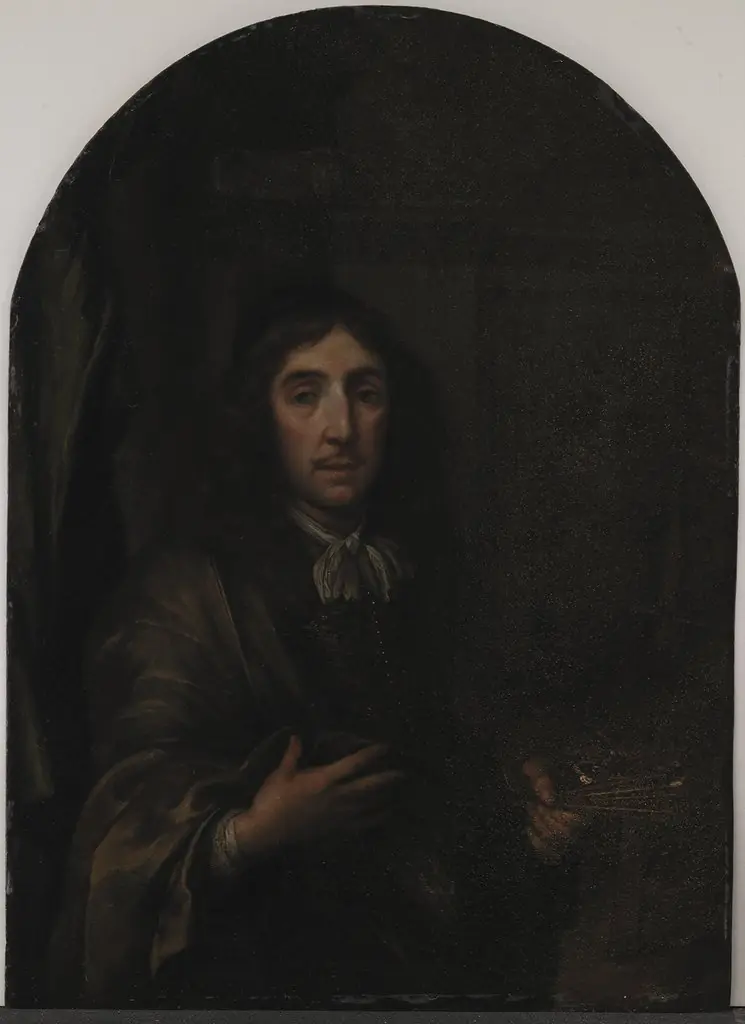
Artwork
Portret van een jonge man
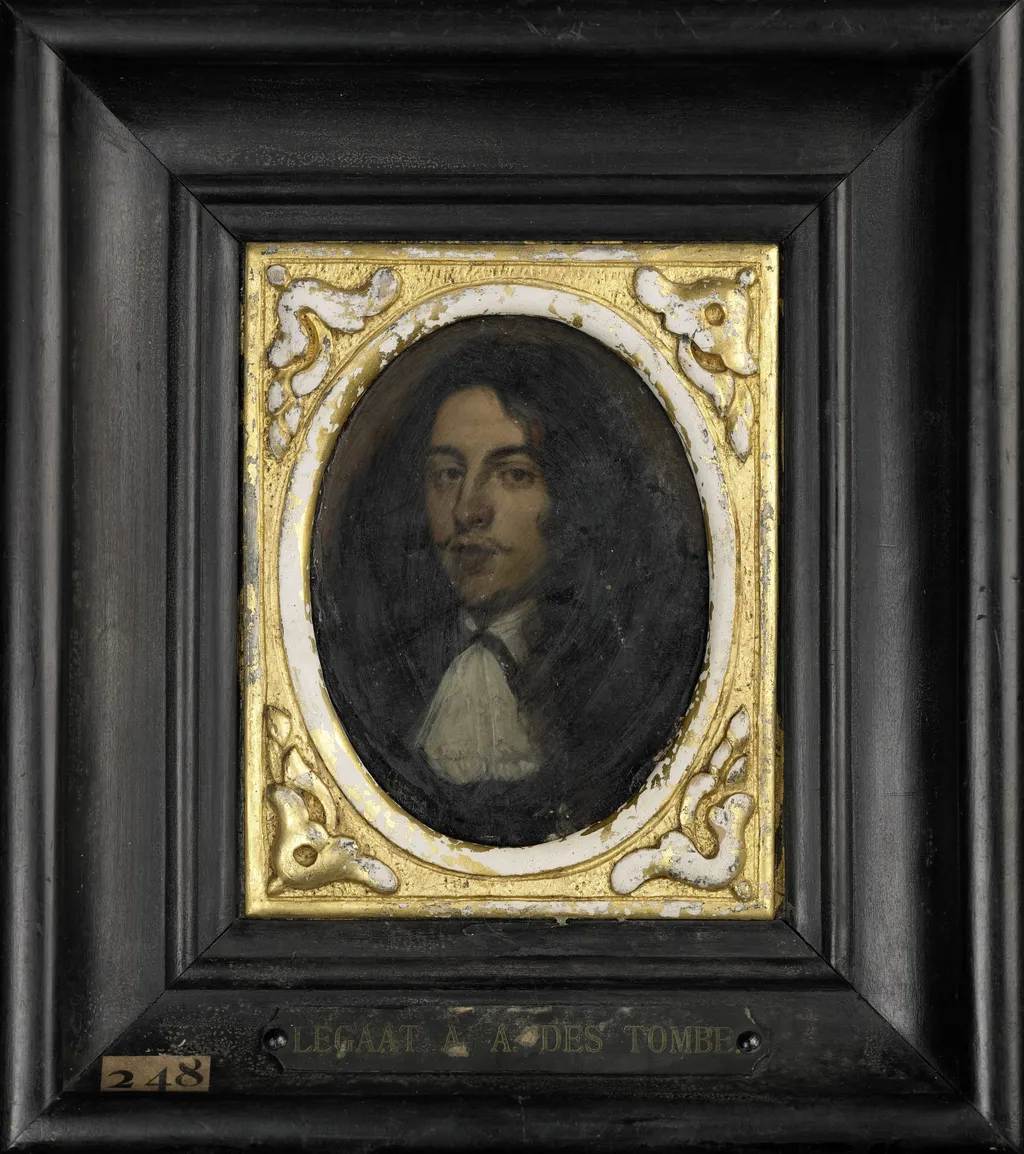
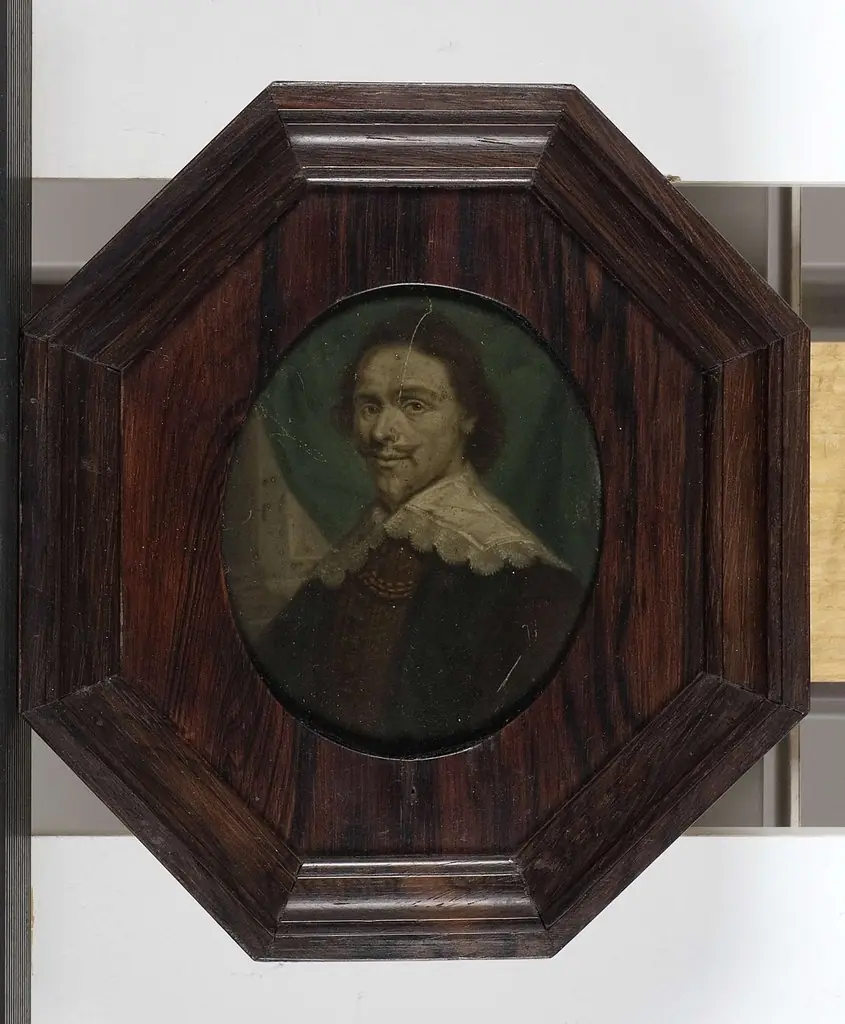
Portret van een jonge man is an oil painting by the Flemish Baroque painting artist Unknown. It dates from 1675 and is held in the collection of the Rijksmuseum.
About this work
Technique & Style
The work is painted on a copper support using oil pigments, a technique typical of 17th-century Dutch panel painting.
The work is painted on a copper support using oil pigments, a technique typical of 17th-century Dutch panel painting. Its small dimensions of 10.5 cm by 8 cm classify it as a miniature portrait, reflecting the precise brushwork and restrained composition characteristic of the Northern Low Countries school. The surface handling shows the smooth finish achieved through careful preparation of the metal ground, contributing to the work's delicate formal balance and realistic rendering of facial features.
History & Provenance
Portret van een jonge man was created in 1675 within the Northern Low Countries. The artwork is an anonymous miniature executed in oil paint on a copper support, measuring 10.5 by 8 centimeters. The specific circumstances of its commission and early ownership chain remain unrecorded in available records. The painting is currently held in the collection of the Rijksmuseum.
The work is held by the Rijksmuseum and is cataloged under its inventory number. It was created in 1675 in the Northern Low Countries using oil paint on copper, measuring 10.5 cm in height and 8 cm in width. The painting has been part of the Rijksmuseum collection since its acquisition and has been displayed in various exhibitions within the museum, including special exhibitions focused on Dutch Golden Age art.
Overview
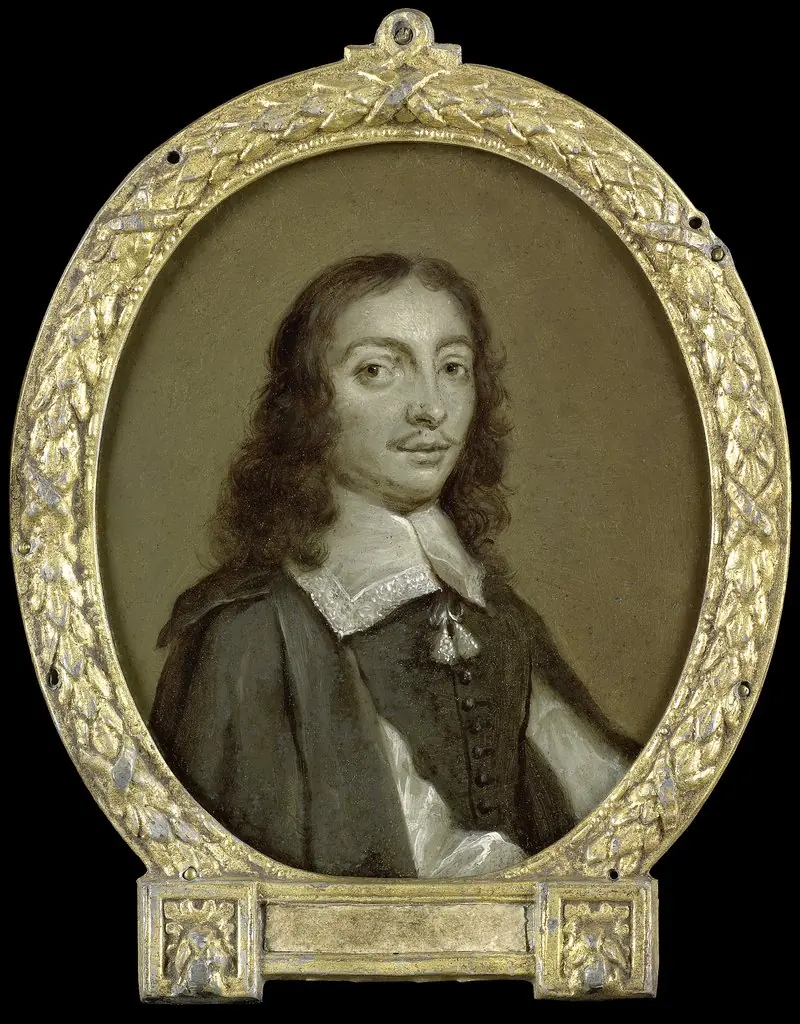
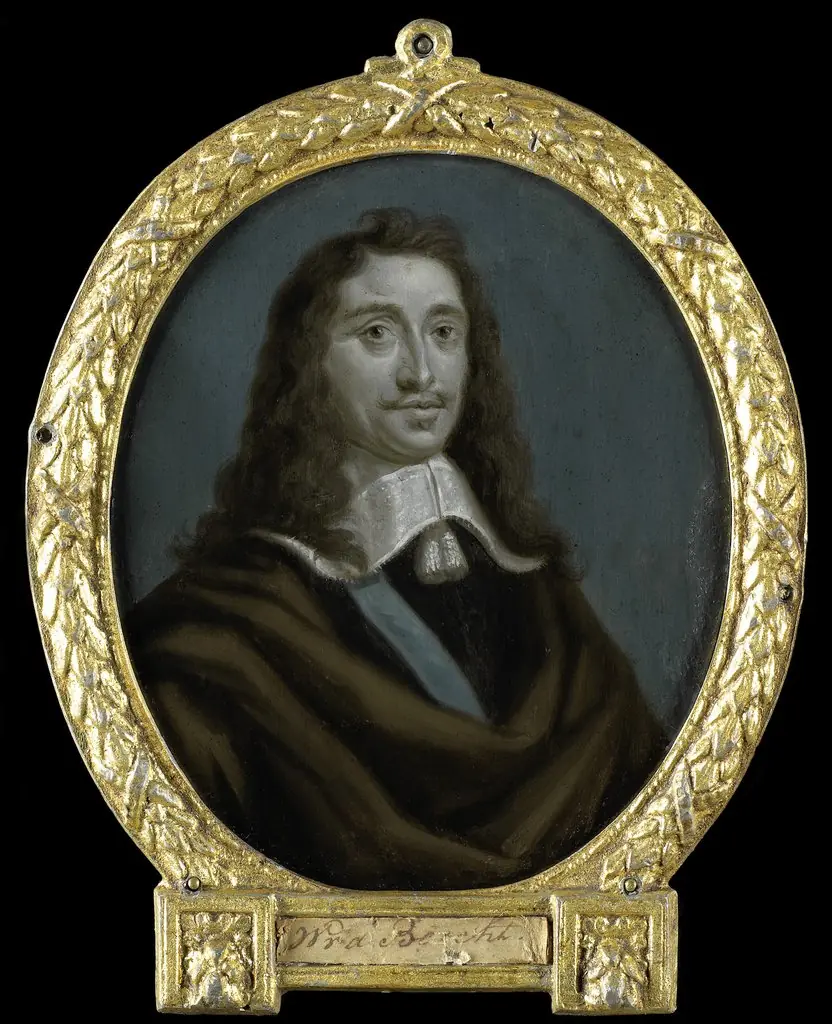
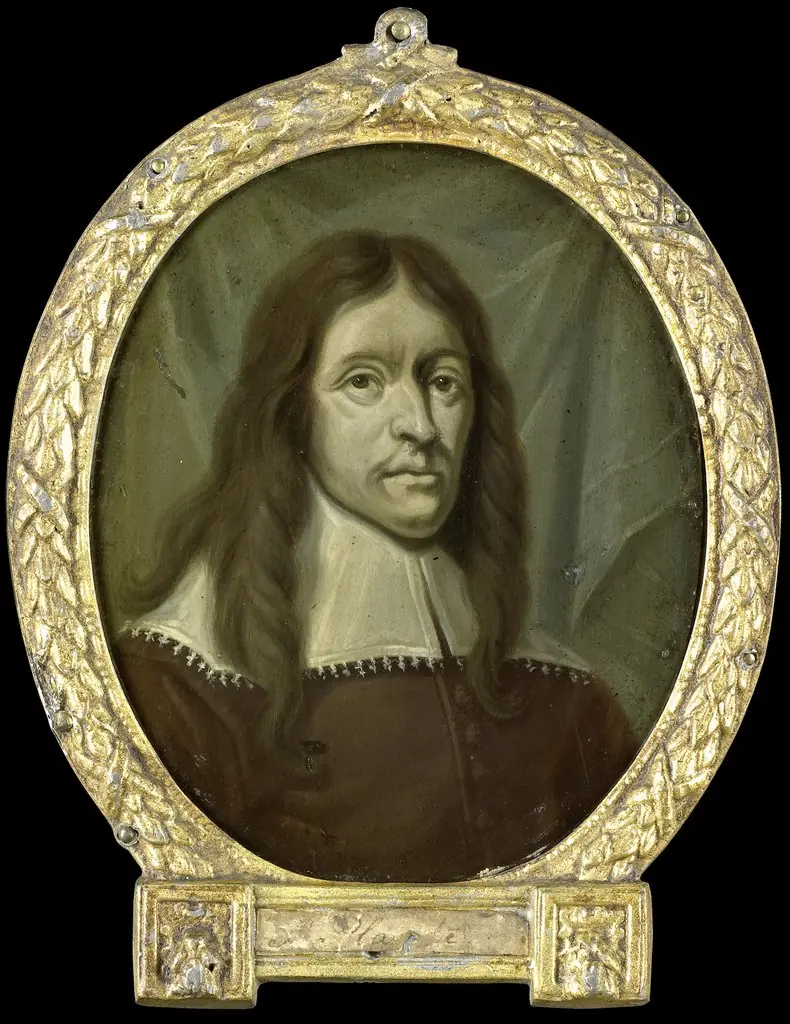
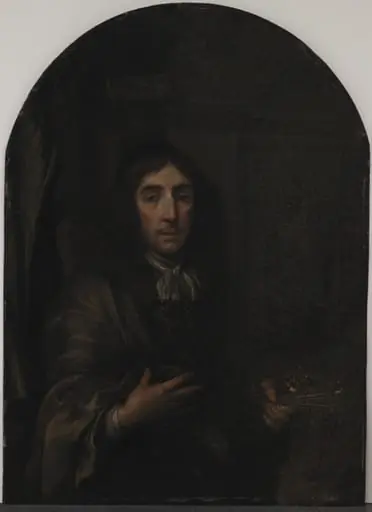
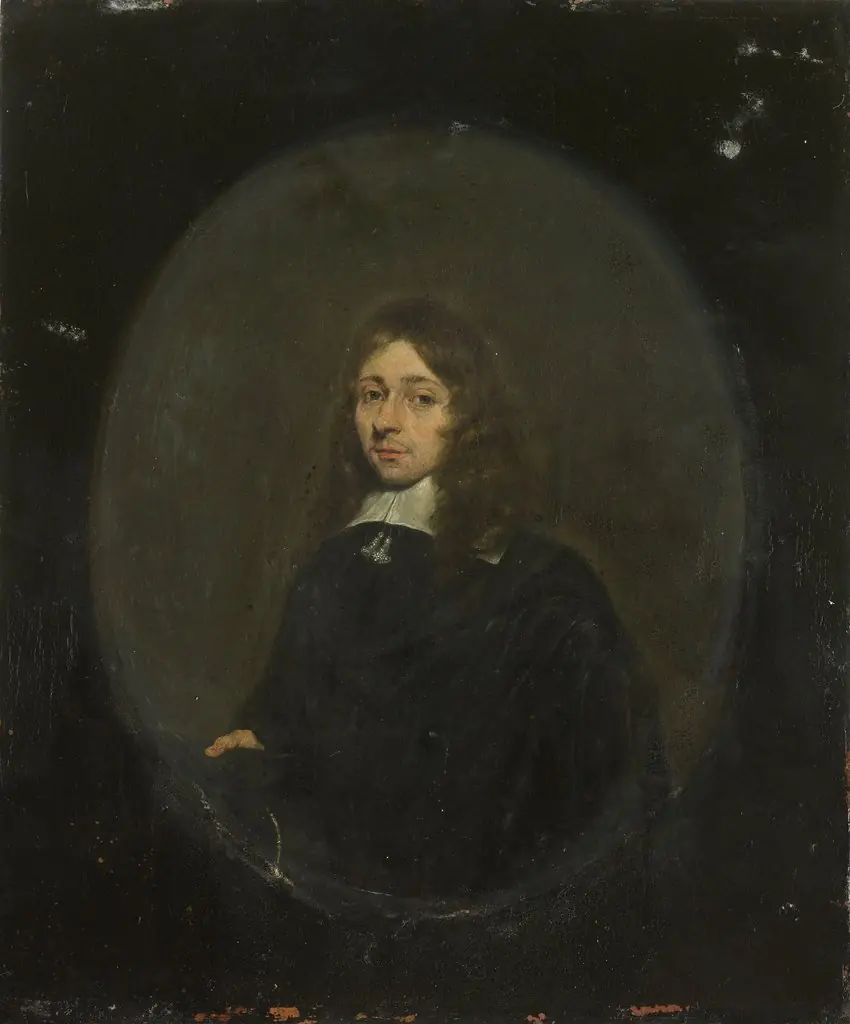
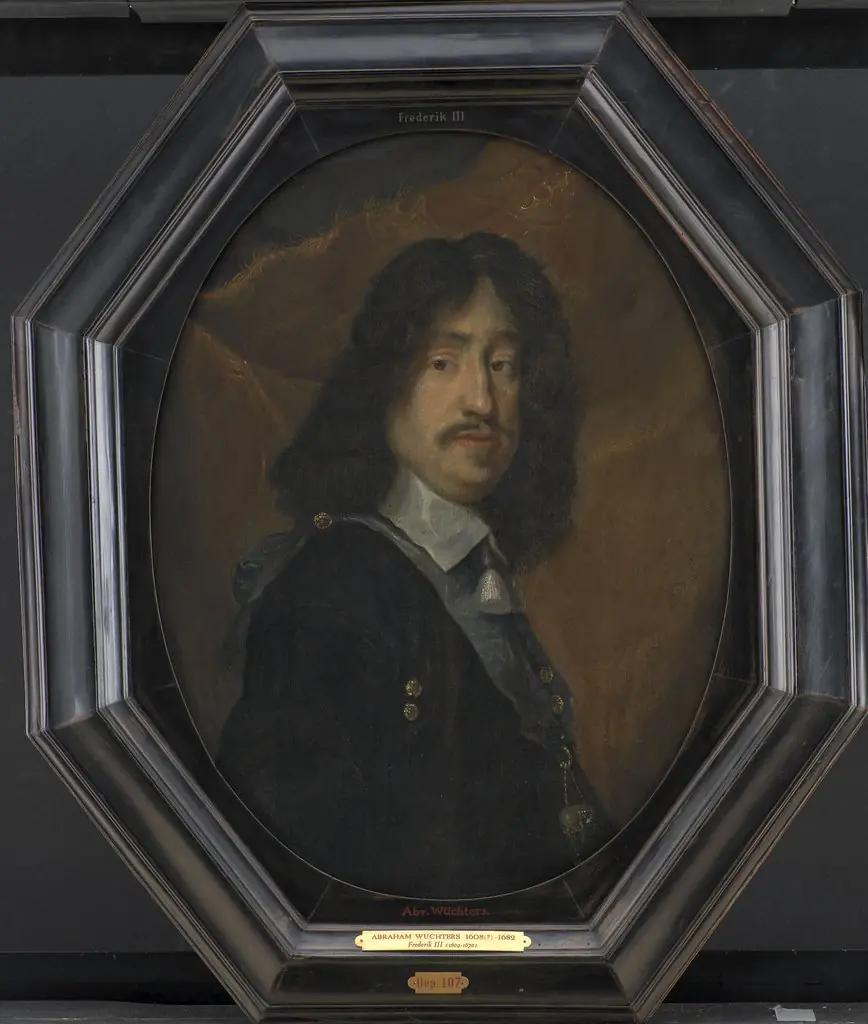
The work is a copper portrait depicting a young man with dark hair and a moustache, dressed in a dark coat trimmed with a light‑coloured collar. The composition is framed by an ornate gold‑and‑white border that shows signs of age and wear, suggesting a historic setting for the piece.
Subject & Meaning
The sitter is presented in half‑light, his face illuminated from one side while the opposite side recedes into shadow. This chiaroscuro effect emphasizes the contours of his features and suggests a contemplative or introspective character, typical of portraiture that seeks to convey personality through controlled lighting.
Context
Copper as a support was favoured in the 16th and 17th centuries for its smooth surface, allowing fine detail and luminous colour. The use of chiaroscuro aligns the portrait with broader European trends where artists explored light to model form, situating the work within that artistic lineage.
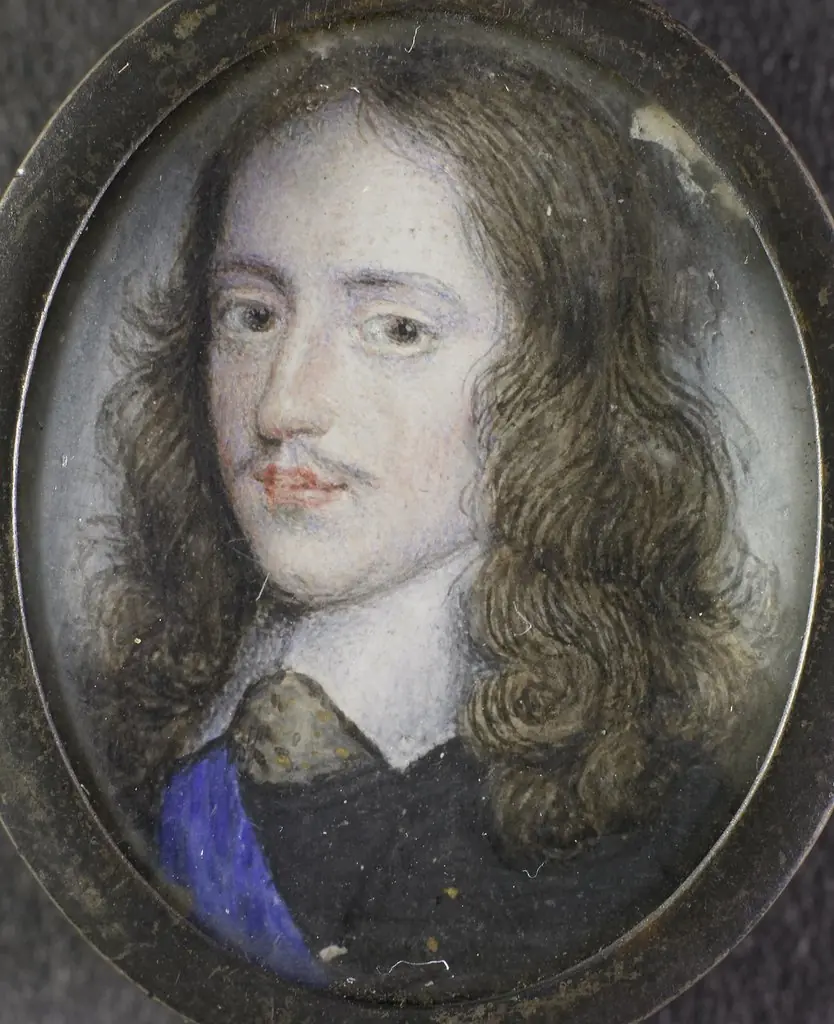
Artist & collection