Artwork
Royal Woman Holding a Flower
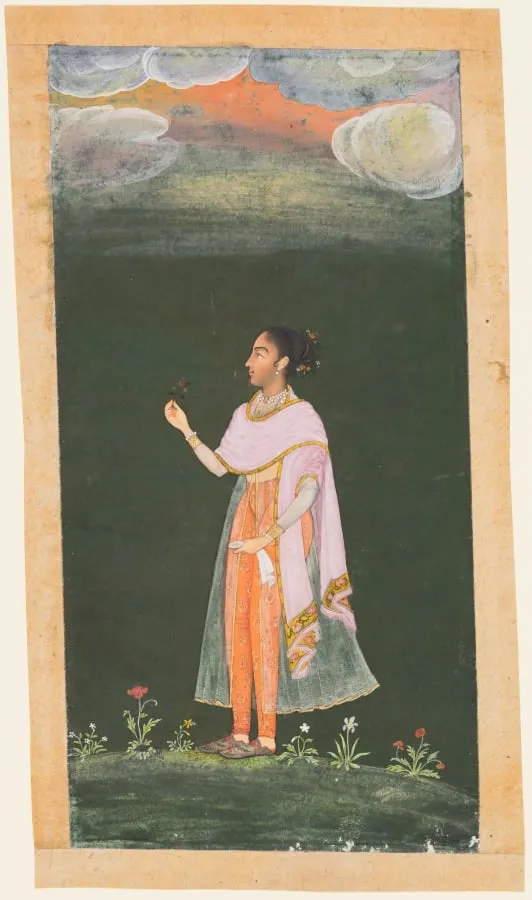
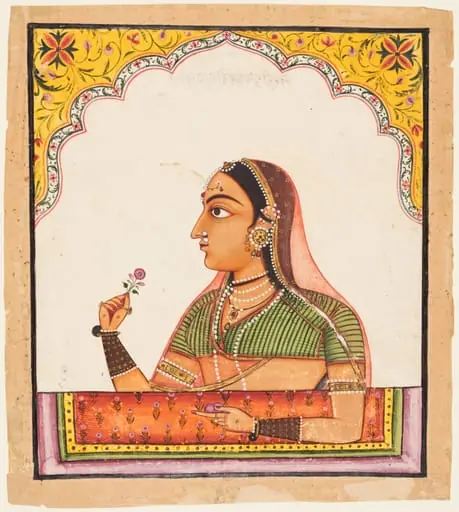
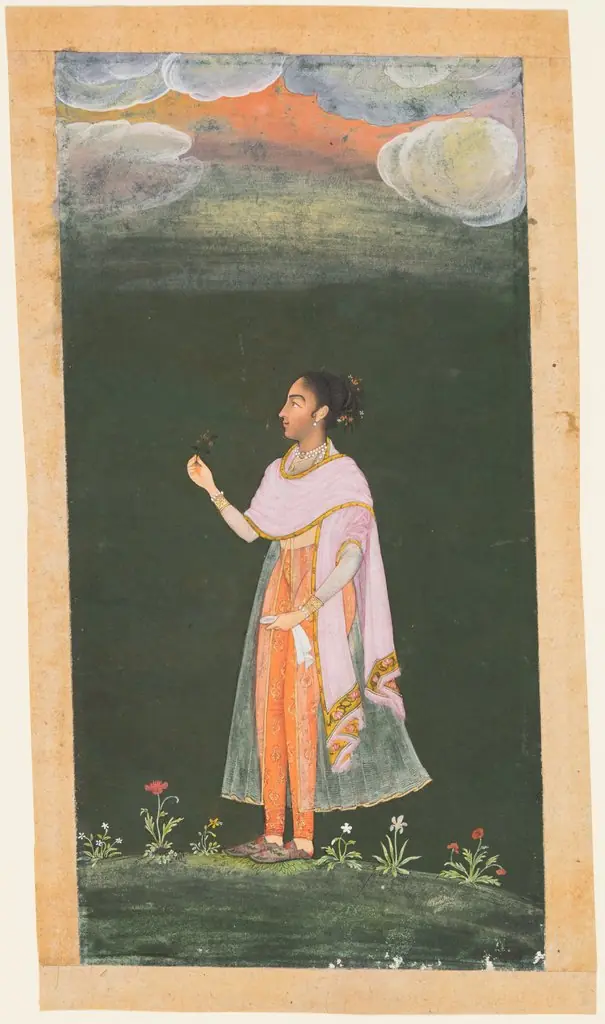
Royal Woman Holding a Flower is an unspecified painting by the Baroque artist Unknown. It dates from 1680 and is held in the collection of the Cleveland Museum of Art. This painting depicts a royal woman from the Rajput court of Bikaner, rendered in the refined style influenced by Mughal portraiture.
- Accession no.
- 2018.194
- Credit line
- Purchase and partial gift from the Catherine and Ralph Benkaim Collection; Severance and Greta Millikin Purchase Fund
About this work
Overview
The work belongs to a tradition where courtly identity was expressed through meticulous visual precision rather than dramatic gesture.
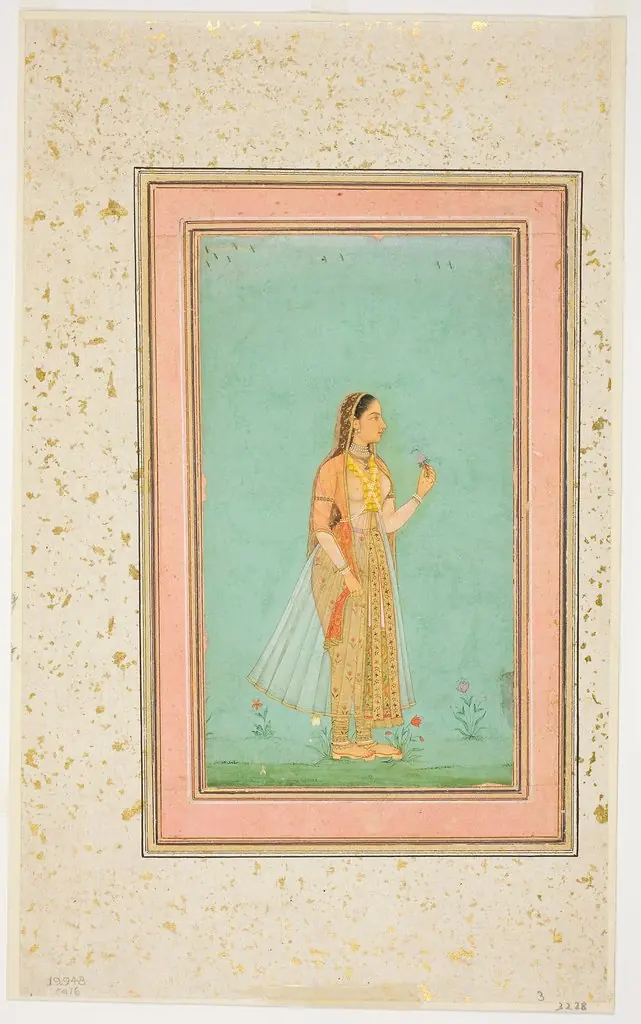
This painting depicts a royal woman from the Rajput court of Bikaner, rendered in the refined style influenced by Mughal portraiture. Her poised demeanor and intricate attire reflect her high status. The artist focuses on subtle facial modeling and textile detail, avoiding overt narrative in favor of quiet dignity.
The work belongs to a tradition where courtly identity was expressed through meticulous visual precision rather than dramatic gesture.
Subject & Meaning
The woman, identified by her jewelry and attire as a member of the royal family, holds a single flower near her face, a gesture that suggests contemplation or private ritual. The flower, unremarkable in species but carefully placed, may symbolize transience or personal devotion. Her adorned hair and ornate shawl signify lineage and refinement, while the absence of other figures emphasizes her solitary, elevated presence within the courtly sphere.
Technique & Style
The artist employs fine brushwork to model the woman’s face with soft gradations of tone, borrowing Mughal techniques to achieve lifelike volume. Every element of her pink shawl, its fringe, lotus-vine border, and woven patterns, is rendered with microscopic precision. Tiny floral sprigs in her hair and the glint of gold jewelry are painted with deliberate care, reflecting a commitment to surface detail as a marker of status and artistic skill.
History & Provenance
Created in the late 17th or early 18th century, the painting originates from the Bikaner court, a Rajput kingdom known for its synthesis of Mughal aesthetics and regional traditions. It likely formed part of a royal album or illustrated manuscript, used to document courtly life. Its survival suggests it was valued within the family or palace collection, preserved through generations as a record of elite identity.
Context
In the Rajput courts, portraiture served to affirm lineage and cultural sophistication. While Mughal influence introduced naturalistic shading, local artists retained distinctive color palettes and decorative motifs. Bikaner painters, in particular, favored delicate textures and intimate compositions, distinguishing their work from the grander imperial style. This painting reflects a broader trend of regional courts adapting foreign techniques to express local aristocratic values.
Legacy
The painting stands as an example of how Rajput artists selectively absorbed Mughal innovations to serve their own aesthetic and social ends. Its emphasis on quiet detail over dramatic narrative influenced later regional styles. Surviving works from Bikaner and similar courts continue to inform scholarly understanding of how power and identity were visually constructed in pre-colonial India.
Artist & collection