Artwork
Tablescreen with Calligraphy of Sima Guang's (1019-1086) Family Instructions
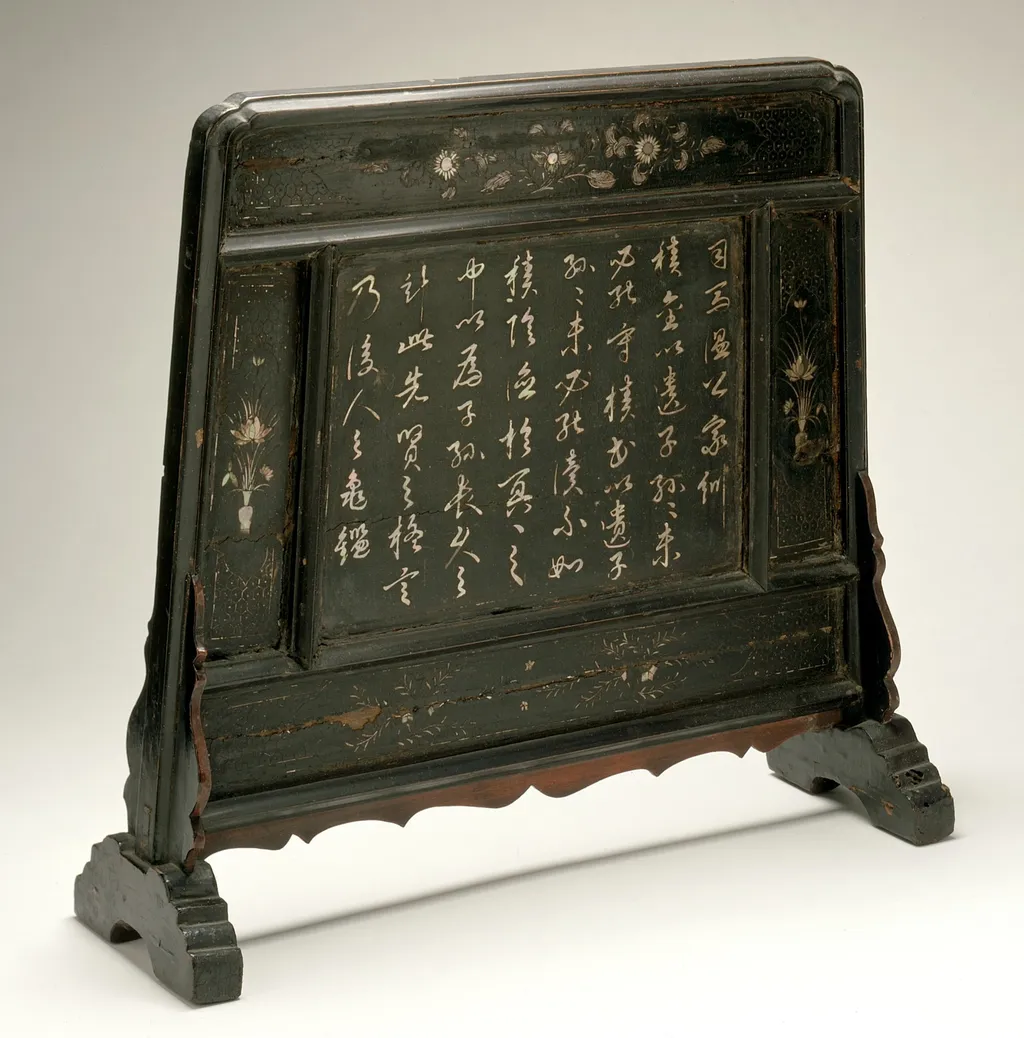
Tablescreen with Calligraphy of Sima Guang's (1019-1086) Family Instructions is an unspecified painting by the Song dynasty painting artist Unknown. It dates from 1203 and is held in the collection of the Los Angeles County Museum of Art. A black lacquered tablescren displays vertical calligraphy in white ink, arranged as a single column.
About this work
Overview
Signs of age, scratches, fading, and wear, indicate prolonged use, likely in a scholarly or domestic setting.
A black lacquered tablescren displays vertical calligraphy in white ink, arranged as a single column. The surface is adorned with delicate floral motifs along the top and sides, framing the text. The piece rests on four slender legs, its scalloped lower edge suggesting refined craftsmanship. Signs of age, scratches, fading, and wear, indicate prolonged use, likely in a scholarly or domestic setting.
Subject & Meaning
The text reproduces family instructions by Sima Guang, a Northern Song statesman and historian known for moral governance and Confucian values. His teachings emphasized filial piety, frugality, and self-discipline. Presented as a decorative screen, the work functioned as both a visual reminder and a moral guide, integrating ethical instruction into daily domestic space.
Technique & Style
Calligraphy is rendered in crisp, monochrome ink against a dark lacquer ground, enhancing legibility and contrast. The floral borders are finely incised or painted, reflecting traditional decorative motifs from Song and later dynasties. The vertical format aligns with classical Chinese reading practices, while the screen’s structure combines utility with aesthetic restraint, typical of literati furnishings.
History & Provenance
The object likely dates from the Ming or Qing dynasty, centuries after Sima Guang’s lifetime, when his writings remained influential in elite education. Its wear suggests it was used in a household or study, not merely displayed. Though its exact origin is undocumented, similar screens appear in museum collections linked to scholar-official families in southern China.
Context
During the Ming and Qing periods, calligraphic screens were common in literati homes, serving as tools for moral education and cultural continuity. Sima Guang’s texts were frequently copied for this purpose, blending Confucian pedagogy with interior design. The tablescreen format allowed the text to be both visible and integrated into furniture, reinforcing daily ritual and reflection.
Legacy
This object exemplifies how classical texts were physically embedded in domestic life to sustain ethical traditions. Though the artist is unknown, the screen’s survival reflects enduring reverence for Sima Guang’s teachings. Similar pieces remain in institutional collections, preserving the material culture of Confucian domestic practice across centuries.
Artist & collection









 Screen with Poems and Paintings
 Untitled
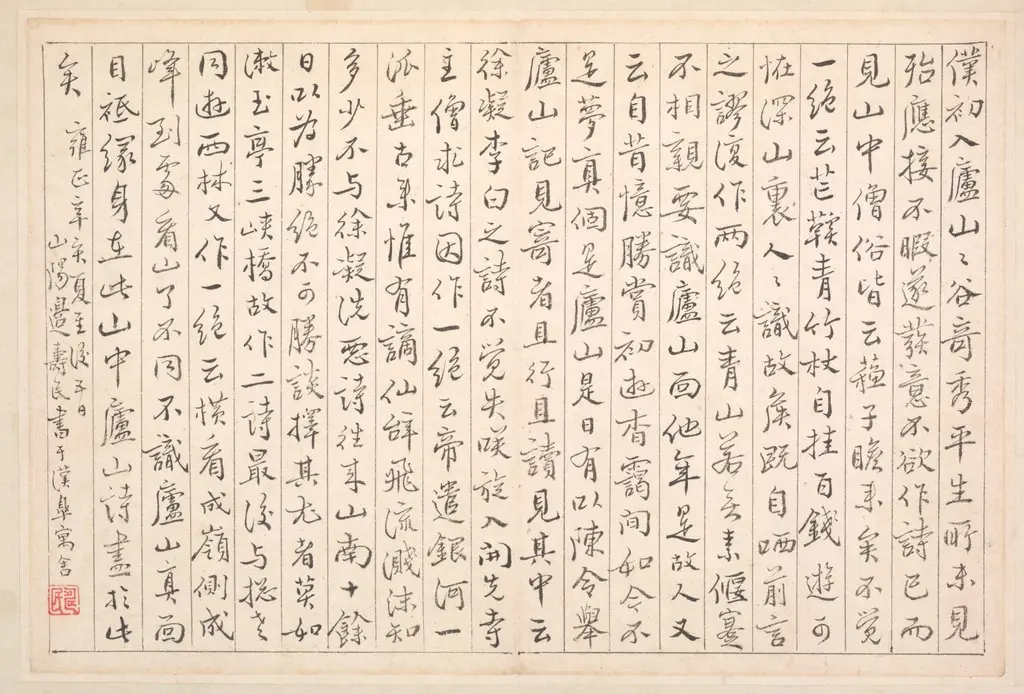 Album of Calligraphy and Paintings
 Album of Calligraphy and Paintings
 Battle Scenes of the Quelling of Rebellions in the Western Regions, with Imperial Poems
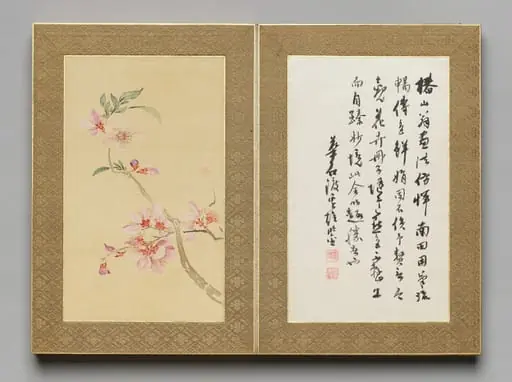 Preface from Flowers and Grasses
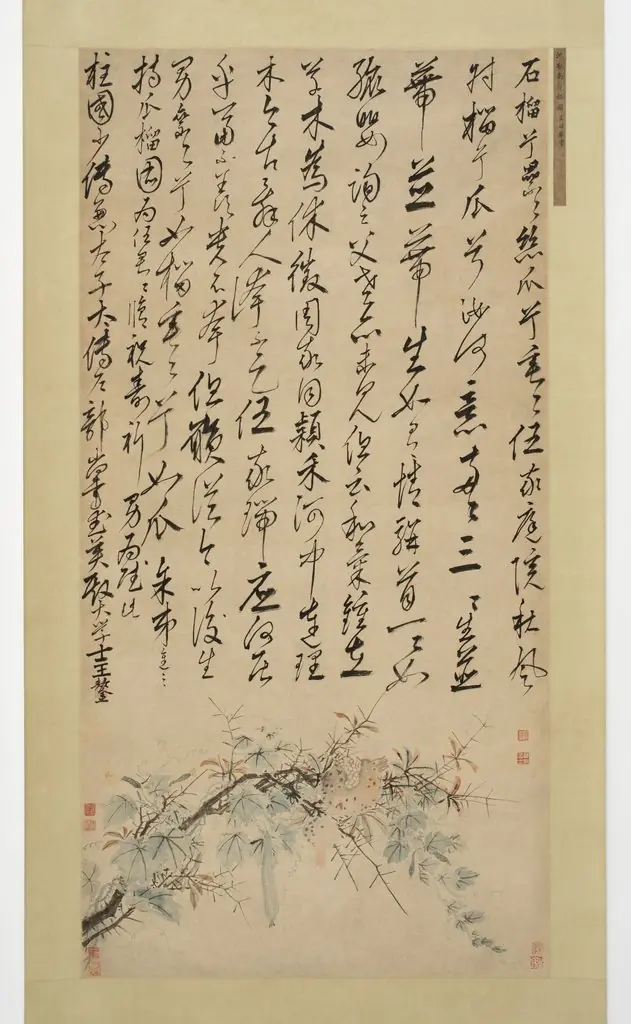 Ode to the Pomegranate and Melon Vine
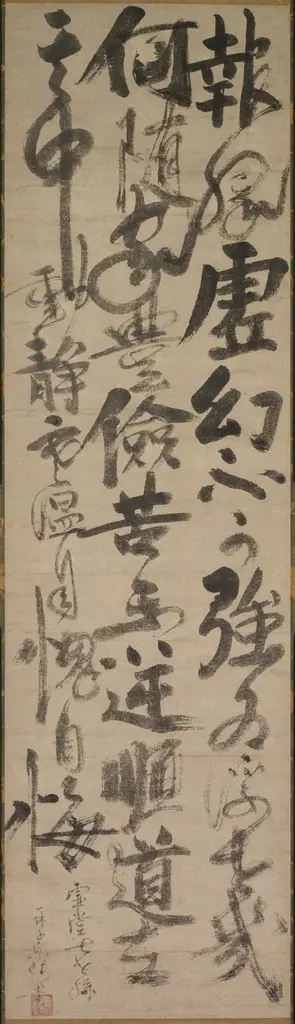 Reflections of Priest Foyen
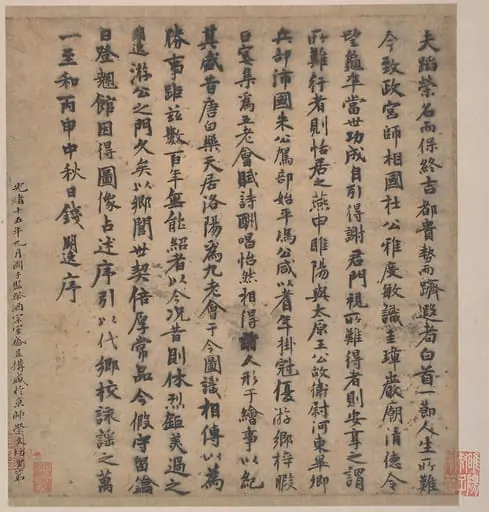 北宋–清 睢陽五老圖引首題跋 冊|Frontispiece and Colophons to the Album "Five Old Men of Suiyang"
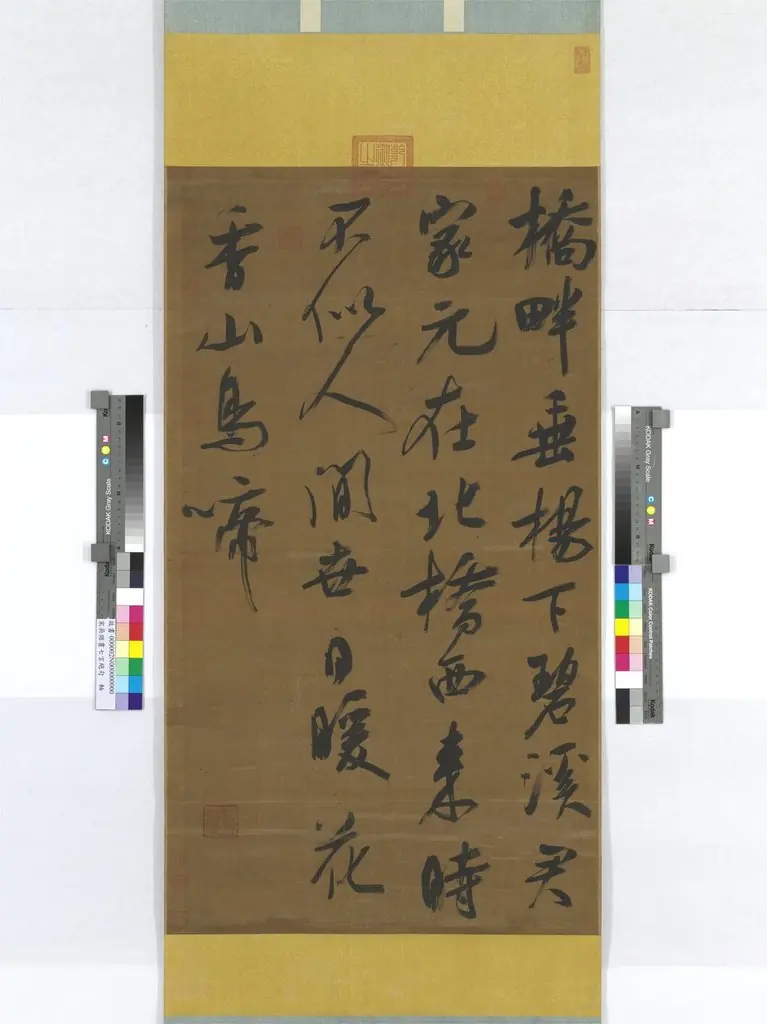 宋吳琚書七言絕句 軸