Artwork
Untitled
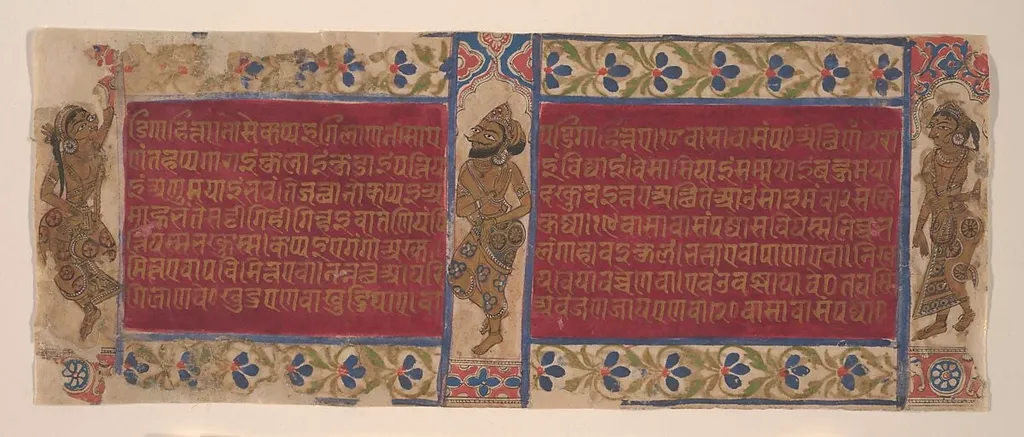
Untitled is a watercolor painting. It dates from 1490 and is held in the collection of the Metropolitan Museum of Art.
About this work
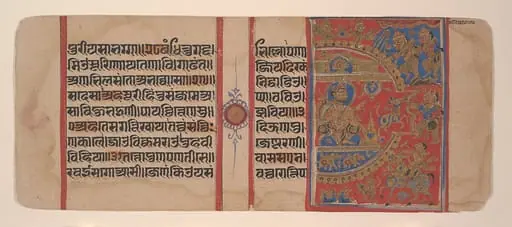
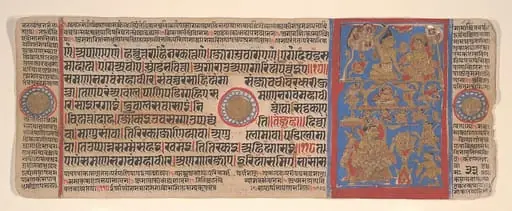
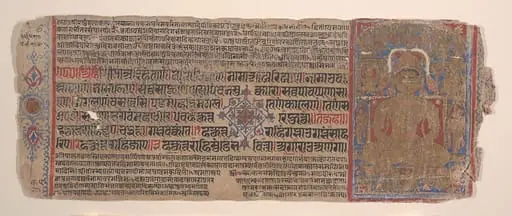
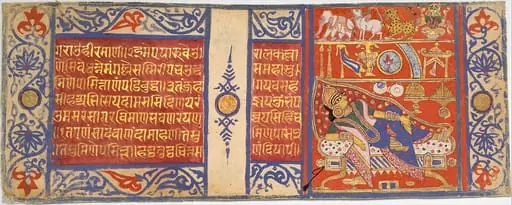
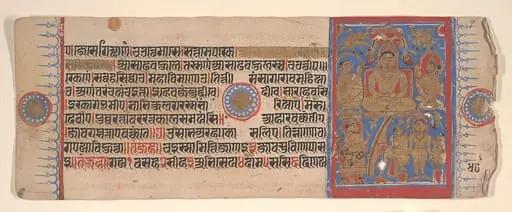
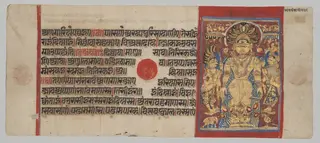
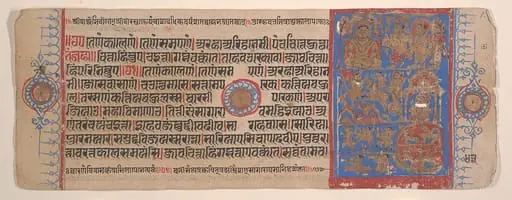
A small, busy scene: men and women in bright clothes twist and leap beneath a golden sky, with tiny white dots floating like fireflies. Painted in Gujarat around 1490 in ink and watercolor on paper, then touched with gold to make the night glow. The artist is unknown, but the dancers feel alive.
Subject & Meaning
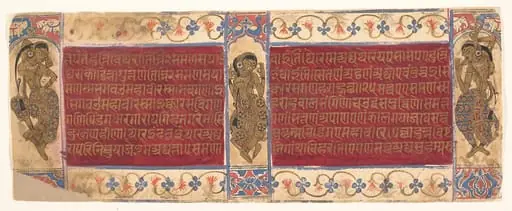
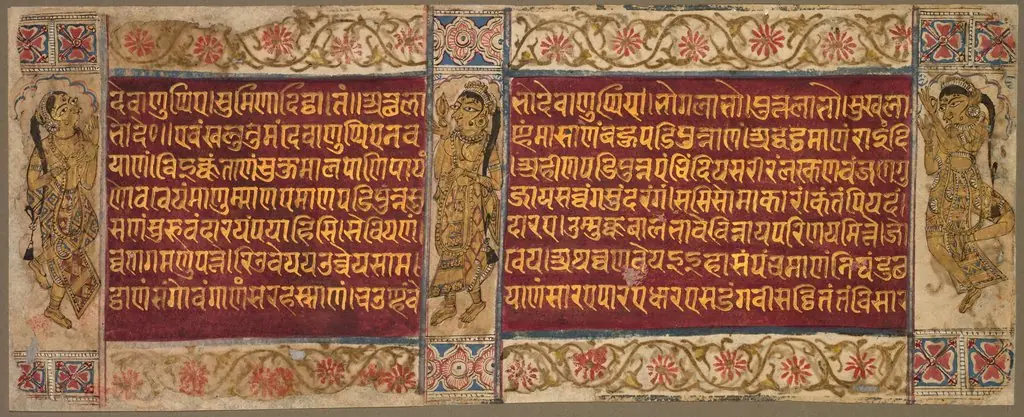
The composition depicts a central dancer flanked by a man and a woman, figures rendered in ink, opaque watercolor, and gold on paper.
Created in 1490 in India, this anonymous work is classified as religious art, though its specific iconographic narrative remains undefined by the available records. The composition depicts a central dancer flanked by a man and a woman, figures rendered in ink, opaque watercolor, and gold on paper. While the genre designation suggests a spiritual or devotional function, the sources do not elaborate on the specific mythological episode, symbolic interpretation, or theological meaning these figures represent.
Consequently, the work's significance is currently understood primarily through its formal classification as a religious painting and the presence of these three human subjects.
Technique & Style
Created in India around 1490, this religious painting utilizes ink, opaque watercolor, and gold applied to a paper support. The work measures 11.4 cm in height by 29.2 cm in width. The composition features figures identified as a man, a woman, and a dancer, rendered through the specific handling of pigments and metallic leaf characteristic of the period.
The integration of gold with opaque colors on paper defines the visual texture and luminosity of the piece. While the specific artist remains anonymous, the technical execution aligns with traditions of Indian manuscript illumination or single-page paintings from the late fifteenth century.
History & Provenance
Created in 1490 in India, this untitled religious painting on paper was executed by an anonymous artist using ink, opaque watercolor, and gold. The work depicts a dancer accompanied by a man and a woman, and measures 11.4 cm in height and 29.2 cm in width. It is currently held in the collection of the Metropolitan Museum of Art; specific commission details and the original ownership chain prior to its acquisition are not documented in the available records.
Context
The painting, dated to 1490 and executed in ink, opaque watercolor, and gold on paper, is classified as a religious work by an anonymous Indian artist and is held in the Metropolitan Museum of Art. Its iconography includes a dancer, a man, and a woman, aligning with devotional subjects of the period. As an unsigned piece attributed to an unnamed master, it exemplifies the anonymous production common in early Indian artistic circles and contributes to scholarly understanding of religious art in South Asia.
The work's presence in a major museum underscores its significance as a rare surviving example of 15th-century devotional painting.
Overview
This untitled painting, created in Gujarat around 1490, depicts a lively gathering of figures. Rendered with ink, opaque watercolor, and gold on paper, the artwork captures a dynamic moment. Men and women, adorned in vibrant attire, engage in dance and movement beneath a luminous, golden sky, punctuated by small white dots that suggest a nocturnal setting.
Artist & collection