Artwork
Untitled
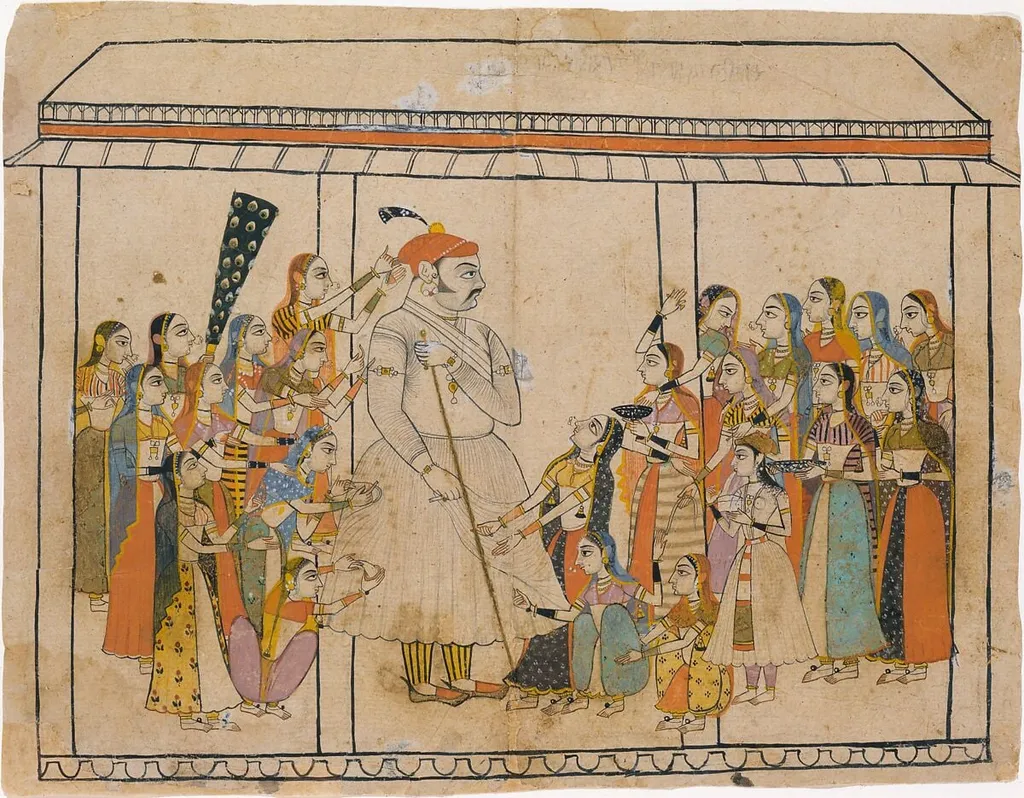
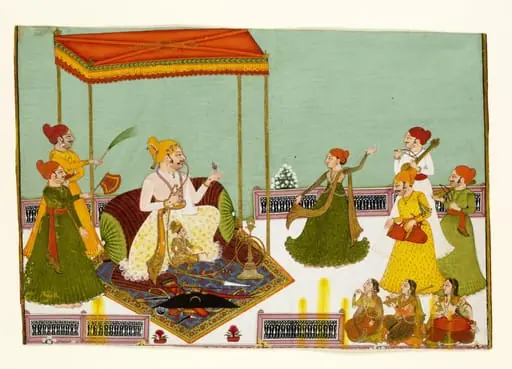
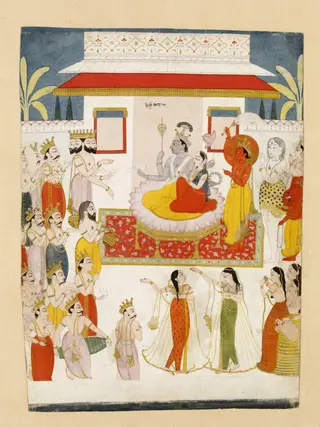
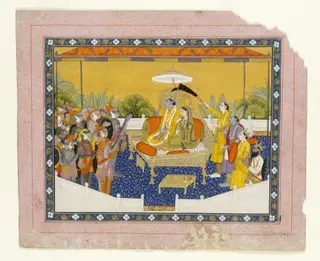
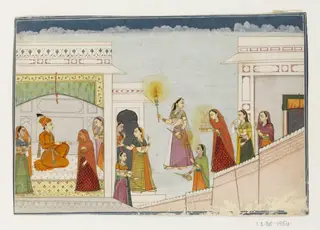
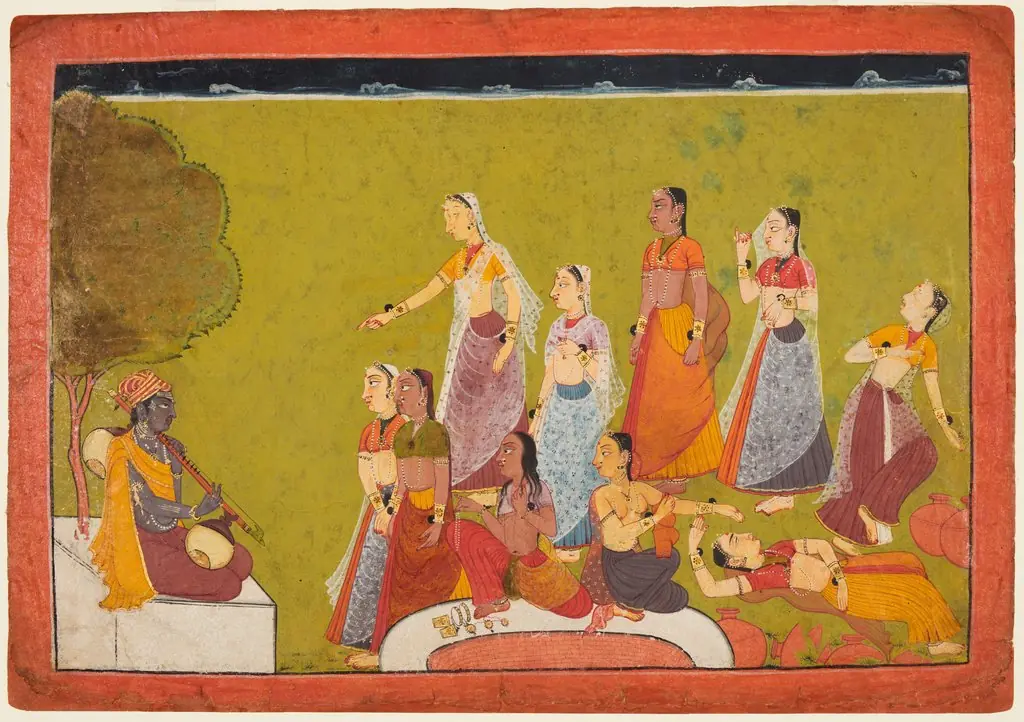
Untitled is a watercolor painting. It dates from 1715 and is held in the collection of the Metropolitan Museum of Art.
About this work
Technique & Style
Created in 1715 in India, this anonymous work is executed in ink and opaque watercolor applied to a paper support.
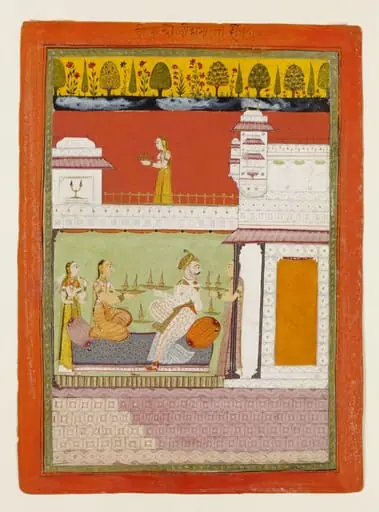
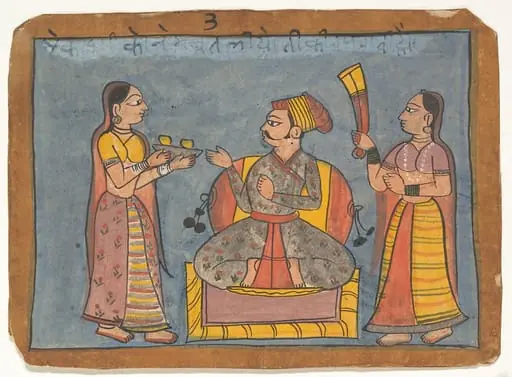
Created in 1715 in India, this anonymous work is executed in ink and opaque watercolor applied to a paper support. As a portrait classification, the piece demonstrates the formal qualities typical of early 18th-century Indian painting through its depiction of a man and a woman. The medium of opaque watercolor suggests a handling technique that allows for solid, layered color application rather than transparent washes, a common characteristic in the region's portraiture of this period. The artwork remains part of the Metropolitan Museum of Art collection.
History & Provenance
The work is an ink and opaque watercolor portrait dated 1715, created in India by an anonymous painter. It depicts a man and a woman and belongs to the genre of portrait painting. The piece is recorded in the collection of the Metropolitan Museum of Art. No commission details, subsequent ownership transfers, or exhibition history are documented in the available sources.
Overview
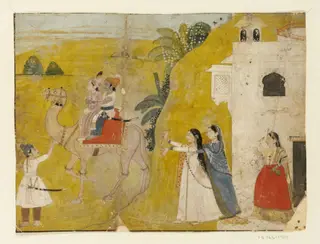
This untitled painting, executed with ink and opaque watercolor on paper, originates from Rajasthan, India, in the early 18th century. It presents a serene scene featuring a woman on horseback accompanied by a male figure. The work exemplifies the distinctive aesthetic of courtly art from the region, characterized by its precise rendering and controlled palette, offering a glimpse into the visual culture of the period.
Subject & Meaning
The composition centers on a woman, elegantly dressed in a red sari, riding sidesaddle on a white horse. Beside her, a man wearing a turban walks, guiding the animal. This arrangement suggests a journey or a formal procession, a common motif in Indian miniature painting.
The figures are depicted with a sense of quiet dignity, their interaction forming a narrative that is implied rather than overtly dramatic.
Context
This painting is representative of the artistic output from Rajasthan, a region known for its rich tradition of miniature painting. While untitled, its stylistic elements align with works produced in centers like Sawar, which developed unique visual characteristics within the broader Rajasthani school. These paintings often captured courtly life, religious narratives, and portraits, reflecting the cultural and aesthetic values of their patrons.
Artist & collection