Artwork
二代目岩井粂三郎の肖像|Portrait of Iwai Kumesaburō II
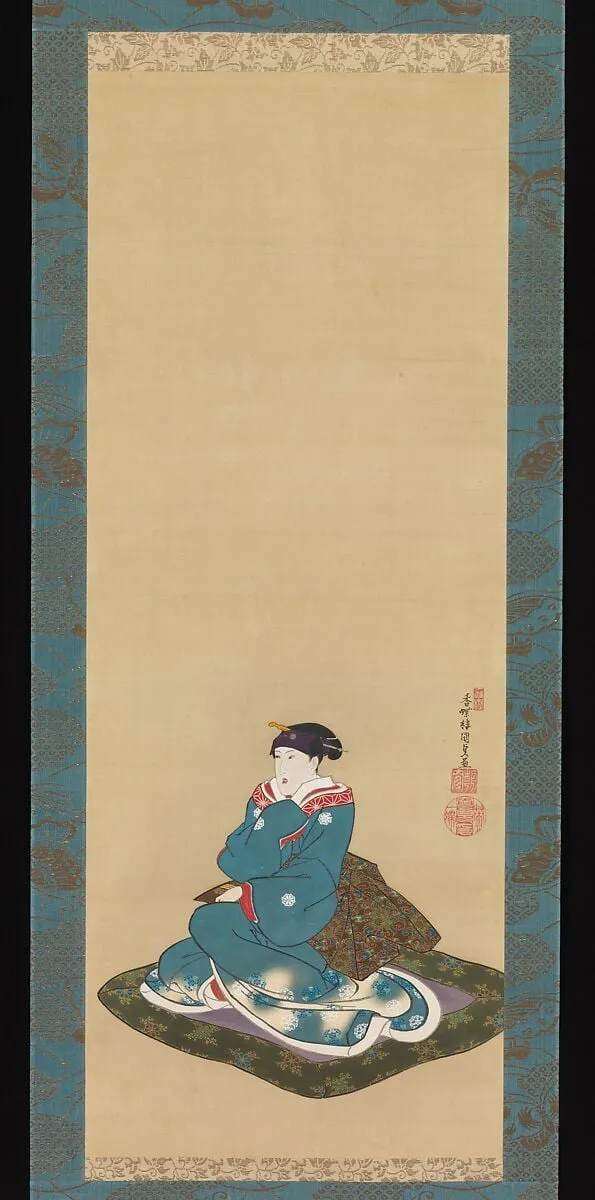
二代目岩井粂三郎の肖像|Portrait of Iwai Kumesaburō II is an ink painting by the Romanticist artist Utagawa Kunisada. It dates from 1828 and is held in the collection of the Metropolitan Museum of Art.
About this work
Subject & Meaning
Its presence in the Metropolitan Museum of Art highlights its significance as an example of Japanese portrait painting from the early nineteenth century.
The work portrays the celebrated kabuki performer Iwai Kumesaburō II, a figure associated with the vibrant world of Edo-era theatre. Rendered by Utagawa Kunisada in 1828 as a hanging scroll, the image functions as a visual record of a specific actor rather than an idealized allegory, emphasizing the individual's prominence within the performance tradition. The composition follows conventional actor portraiture of the period, depicting the sitter in theatrical attire and bearing no overt symbolic attributes, and underscores the cultural value placed on theatrical talent and the transient nature of stage stardom.
Its presence in the Metropolitan Museum of Art highlights its significance as an example of Japanese portrait painting from the early nineteenth century.
Technique & Style
The work is executed as a hanging scroll using ink and color on silk, a traditional East Asian format that combines painting with a vertical mounting suitable for display. The silk support provides a smooth, reflective ground that allows for fine linear definition and layered washes of pigment, qualities well suited to the detailed rendering of a kabuki actor's likeness. The portrait conventions of ukiyo-e painting are evident in the careful attention to facial features and costume.
The piece is held within the Metropolitan Museum of Art's paintings holdings and dates to 1828, a period when Kunisada was producing actor portraits in both painted and printed formats.
History & Provenance
Created in 1828, the hanging scroll portrait of Iwai Kumesaburō II was executed by the artist Utagawa Kunisada in Japan. The work, classified as a portrait, depicts the male actor on a silk support using ink and color. While specific details regarding the original commissioning patron or the initial ownership chain are not documented in the provided records, the painting is held at the Metropolitan Museum of Art, where it is catalogued within the museum's Paintings holdings.
No specific accession number, prior ownership history, acquisition date, or exhibition history is recorded in the consulted sources.
Overview
Utagawa Kunisada created this hanging scroll, titled Portrait of Iwai Kumesaburō II, around 1828. Executed with ink and color on silk, the painting depicts a prominent kabuki actor of the era. This work exemplifies Kunisada's frequent engagement with the theatrical world, capturing the likeness and stage persona of celebrated performers for their admirers.
Context
Kunisada frequently depicted kabuki actors, creating numerous portraits that served a function akin to collectible memorabilia for their devoted fans. These images allowed admirers to connect with their favorite performers outside the theater. The prevalence of such works, particularly in Japanese prints, highlights the significant cultural impact of kabuki and the celebrity status of its stars during the Edo period.
Artist & collection

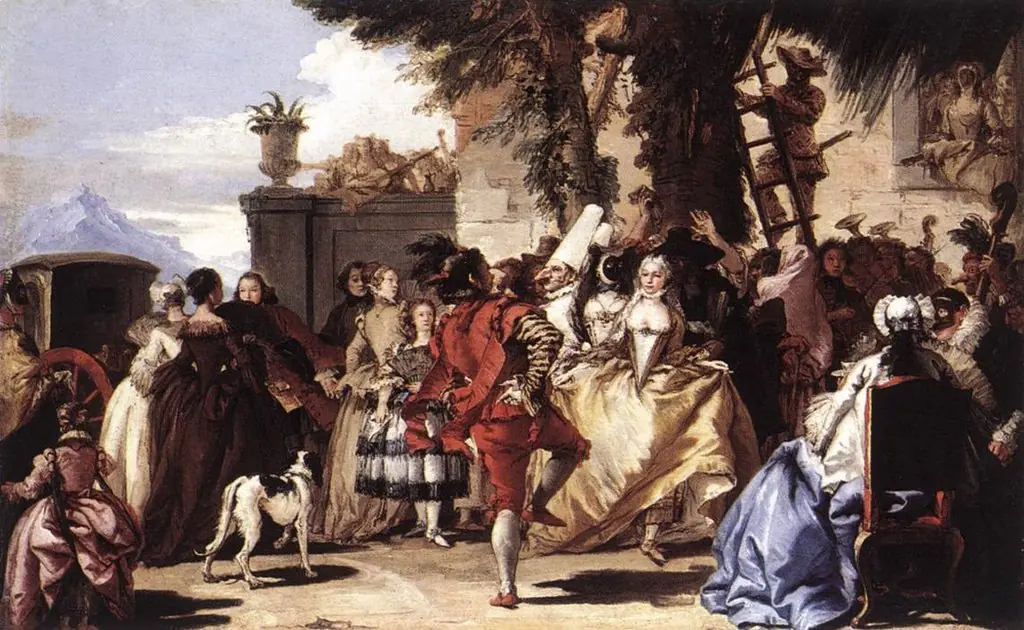 A Dance in the Country
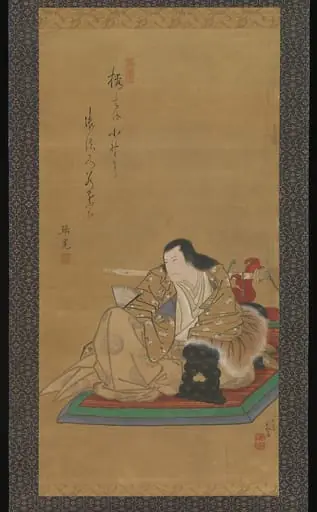 初代嵐橘三郎 (二代目嵐吉三郎) の惟高親王|The Actor Arashi Kitsusaburō I (Kichisaburō II) as Prince Koretaka
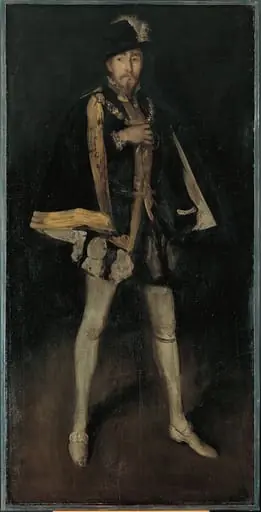 Arrangement in Black, No. 3: Sir Henry Irving as Philip II of Spain
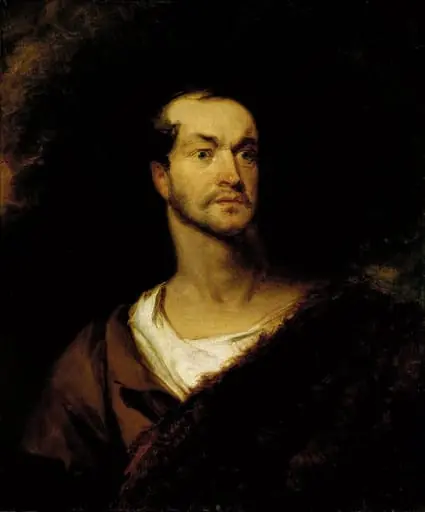 William Charles Macready as William Tell
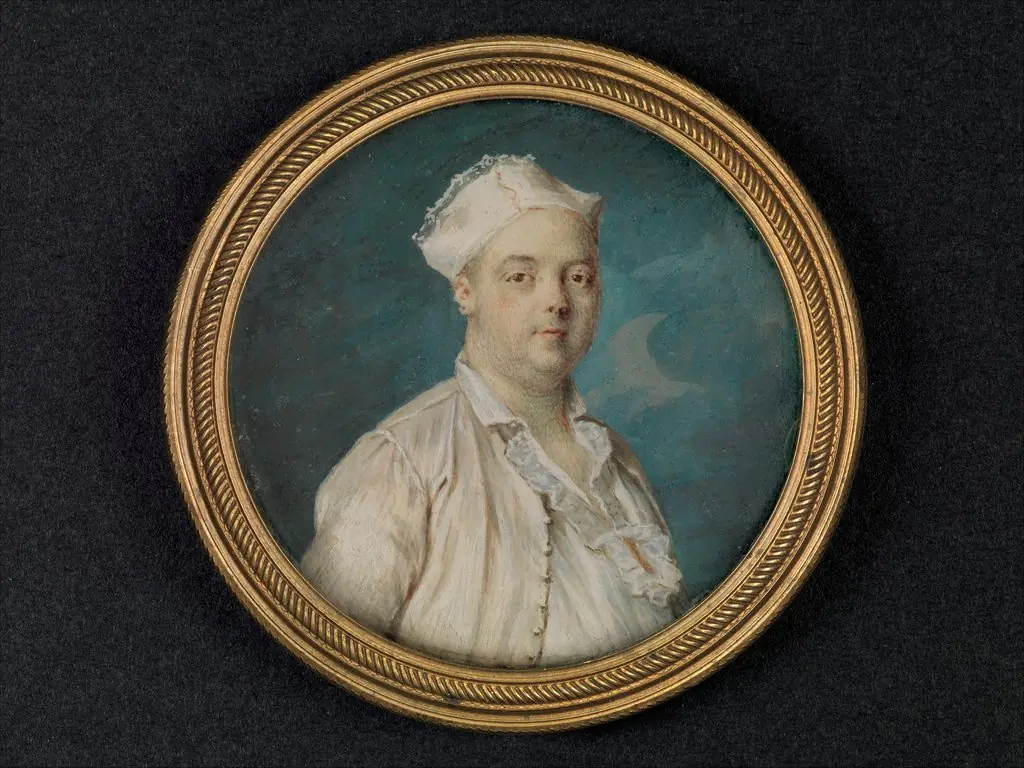 Pierre Louis Dubus (1721–1799), Called Préville, of the Comédie-Française
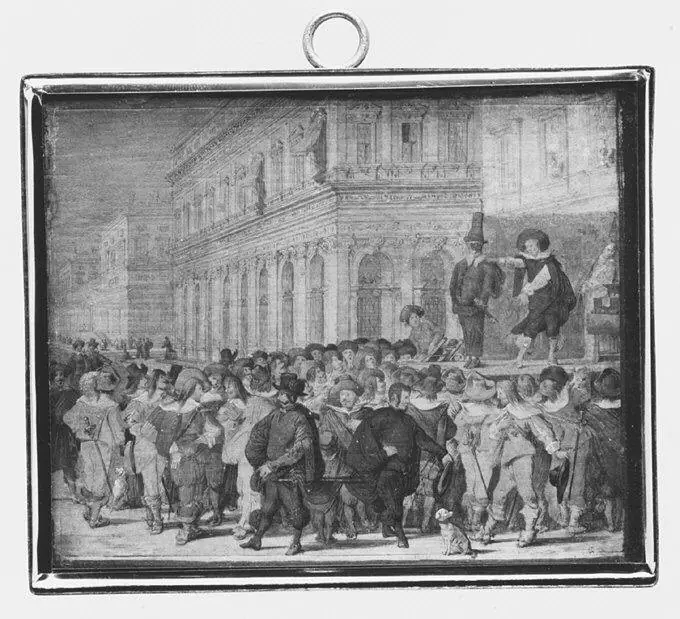 Traveling Players
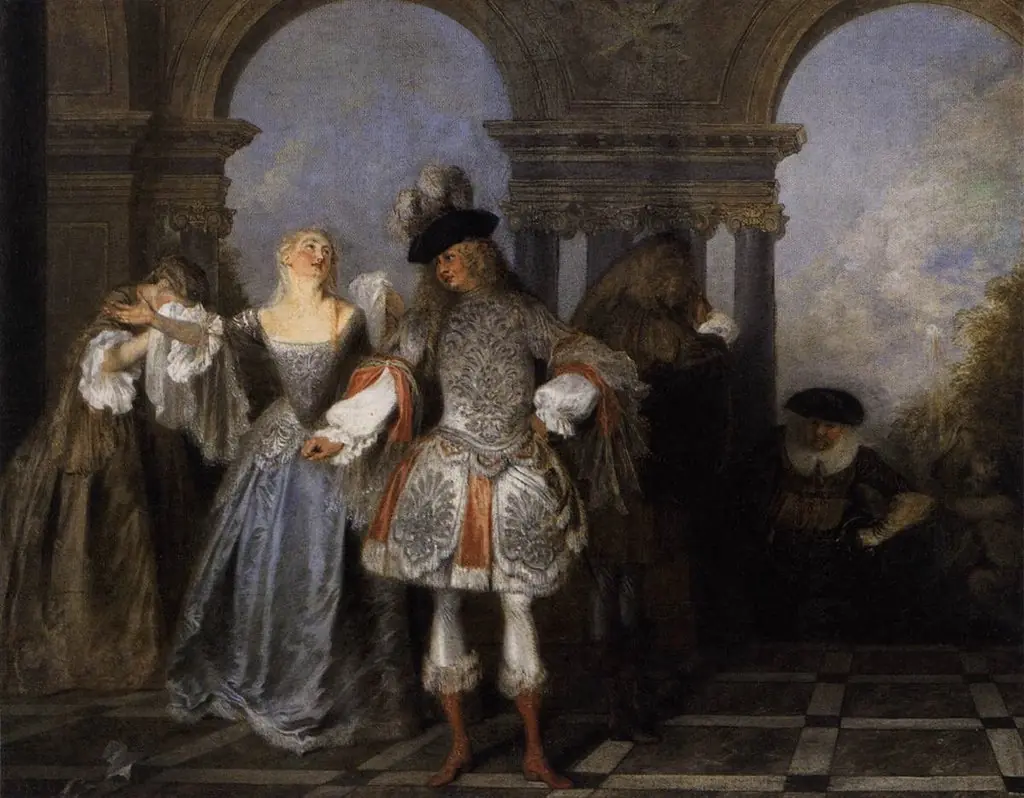 The French Comedians
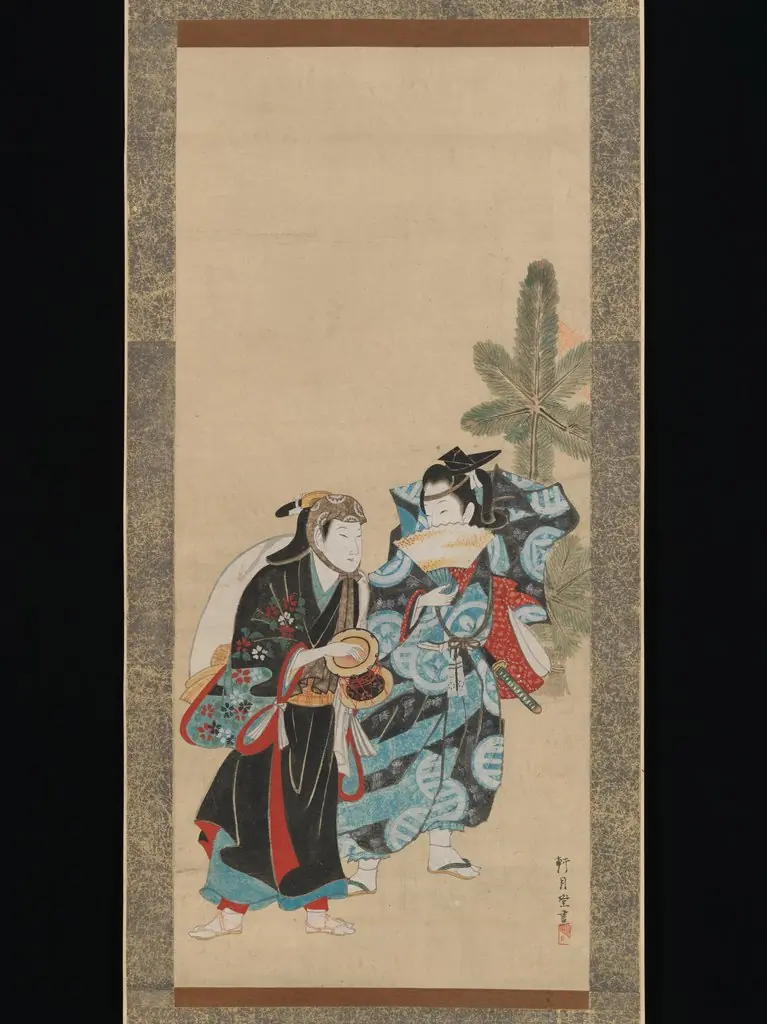 Itinerant Actors