Artwork
Sketch of a Fragment from a Wall in Capri
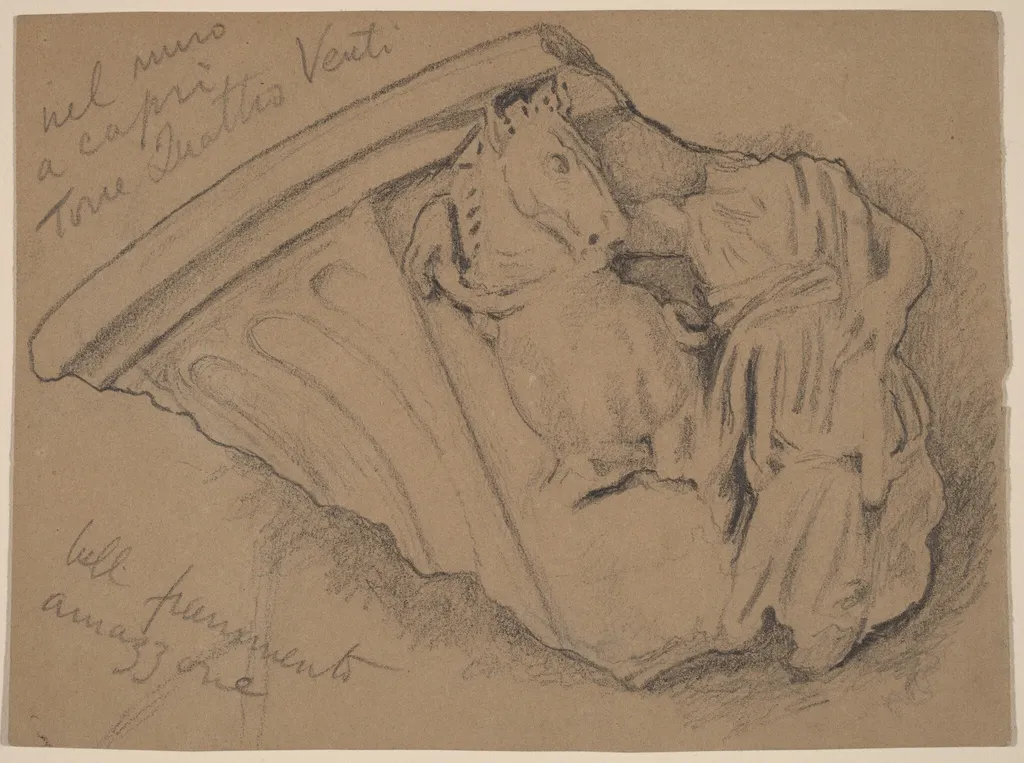
Sketch of a Fragment from a Wall in Capri is a graphite drawing by the Impressionist artist Elihu Vedder. It dates from 1897 and is held in the collection of the National Gallery of Art.
- Inscription
- Inscribed:upper left in graphite: nil muro / a capri / Torre Quattro Venti; lower left in graphite: lull[?] fransmento / amazzone; by later hand, upper left verso in graphite circled: 1 (upside down)
About this work
Overview
The medium and surface enhance the sense of immediacy, reflecting the artist’s habit of recording visual impressions from his journeys.
Created around 1897, this graphite drawing by Elihu Vedder captures a fragment of a weathered wall on the island of Capri. Executed on brown wove paper, the work is a direct observational sketch, not a studio composition. Its informal quality and visible hand movements suggest it was made outdoors, likely during one of Vedder’s travels.
The medium and surface enhance the sense of immediacy, reflecting the artist’s habit of recording visual impressions from his journeys.
Subject & Meaning
The drawing depicts a crumbling stone wall with a partially buried human figure resting on its side. The figure, obscured by cloth or debris, evokes themes of time, decay, and forgotten presence. Vedder does not idealize or dramatize the scene; instead, he presents it with quiet neutrality.
The absence of narrative clarity invites contemplation rather than interpretation, aligning with his broader interest in subtle, enigmatic imagery drawn from the physical world.
Technique & Style
Vedder used loose, energetic graphite strokes to render texture and form, allowing the natural tone of the brown paper to function as mid-tone. Dark lines define the wall’s fissures and the figure’s contours, while uneven pressure and smudges convey the roughness of the surface and the spontaneity of the moment. Handwritten annotations border the image, reinforcing its function as a personal record. The technique prioritizes observation over polish, emphasizing the act of seeing over finished presentation.
History & Provenance
The sketch originates from Vedder’s time on Capri, where he lived intermittently in the late 19th century. It was likely made during one of his frequent excursions to study ancient ruins and natural formations. Though its exact provenance before entering public collections is undocumented, its condition and style suggest it remained in the artist’s possession as a working study. It was later acquired by a museum as part of a broader collection of his drawings.
Context
Vedder’s interest in Capri’s ruins coincided with a broader 19th-century fascination with classical antiquity and the picturesque. Unlike many contemporaries who idealized ancient sites, he focused on their erosion and abandonment. This sketch aligns with his literary sensibilities, echoing the melancholy tone of The Rubaiyat, but here, meaning emerges from direct observation rather than allegory, reflecting a shift toward realism in his later work.
Legacy
This drawing exemplifies Vedder’s transition from symbolic illustration to more grounded, observational art. While less known than his Rubaiyat engravings, such sketches reveal his commitment to recording the tangible world with honesty. They influenced later American artists drawn to plein air practice and the poetic potential of decay.
Today, the work stands as a quiet testament to the value of spontaneous, unembellished study in artistic practice.
Own this work as a print
Artist & collection
Artist
Elihu Vedder (26 February 1836 – 29 January 1923) was an American symbolist painter, book illustrator and poet from New York City.

 The Fable of the Miller, His Son, and the Donkey
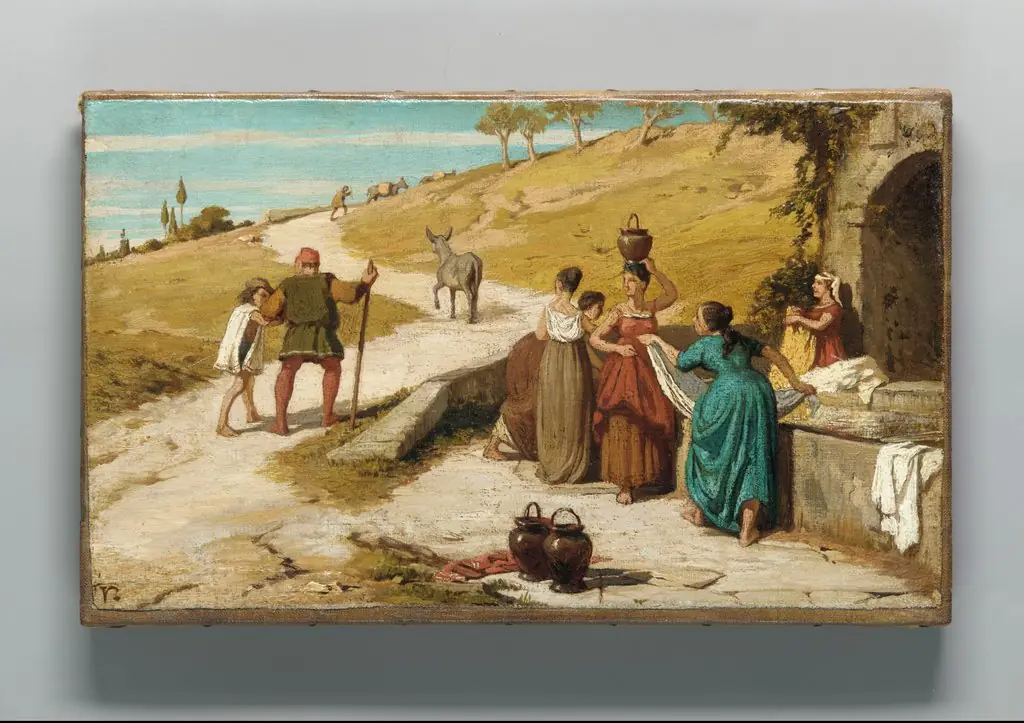 The Fable of the Miller, His Son, and the Donkey
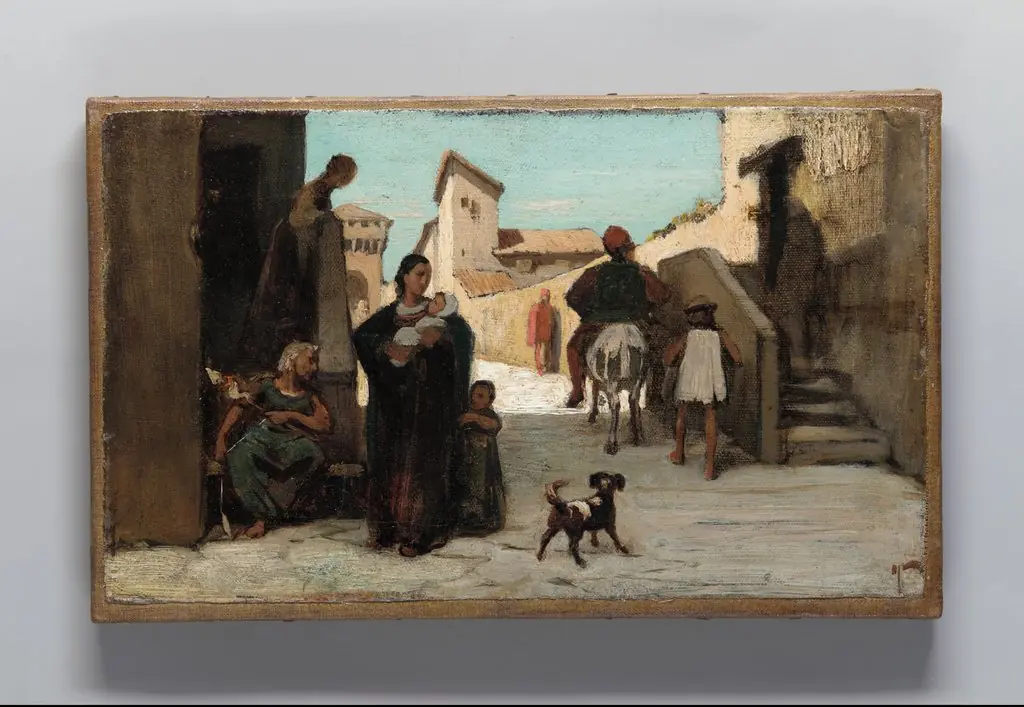 The Fable of the Miller, His Son, and the Donkey
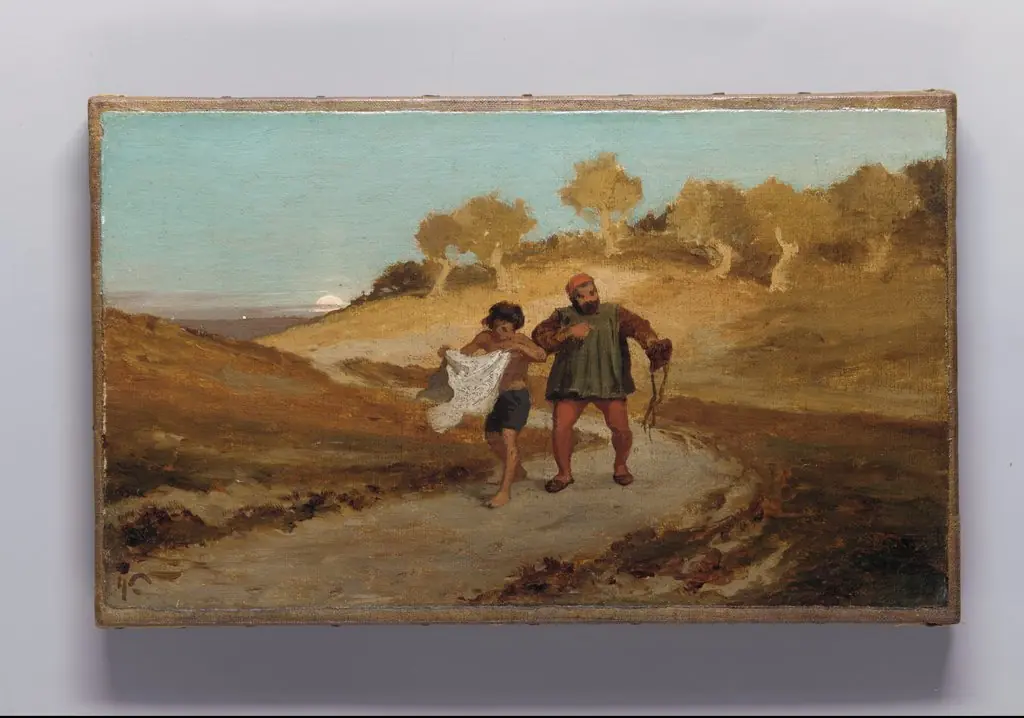 The Fable of the Miller, His Son, and the Donkey
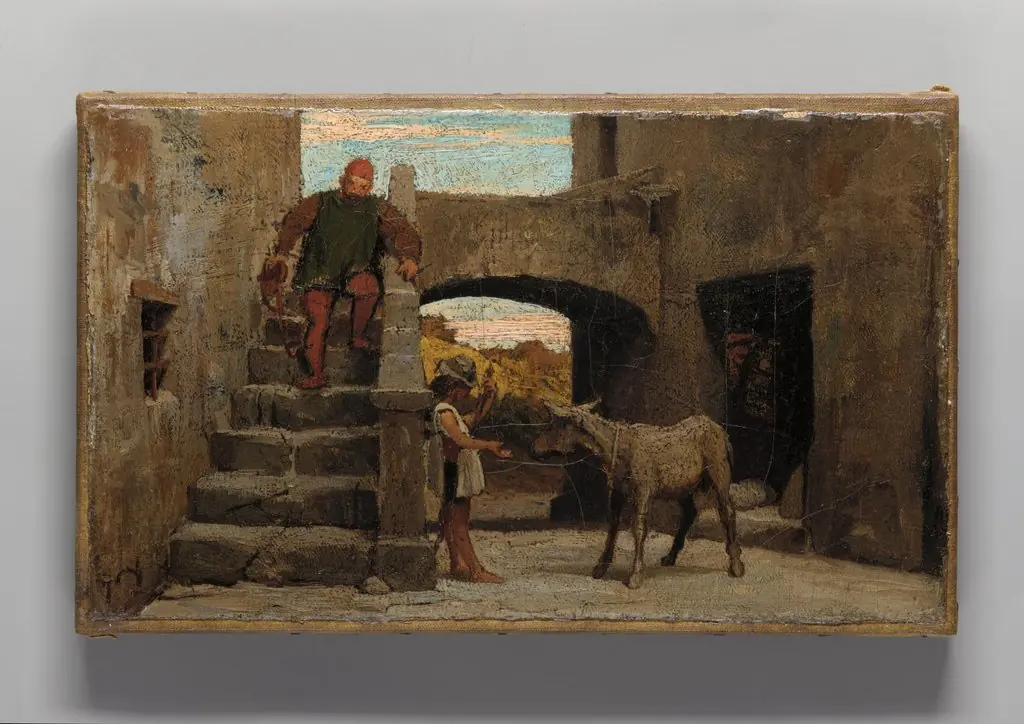 The Fable of the Miller, His Son, and the Donkey
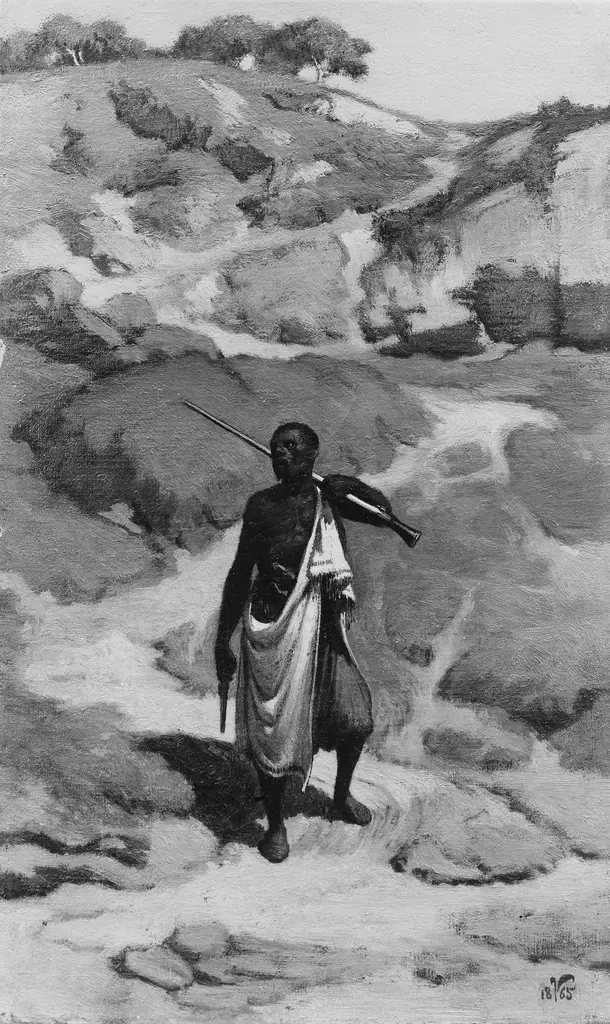 The African Sentinel
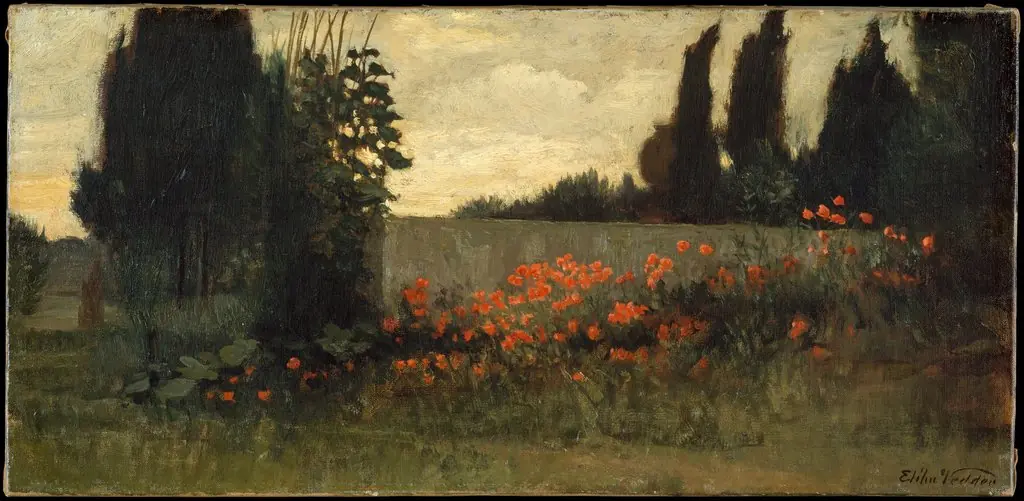 Cypress and Poppies
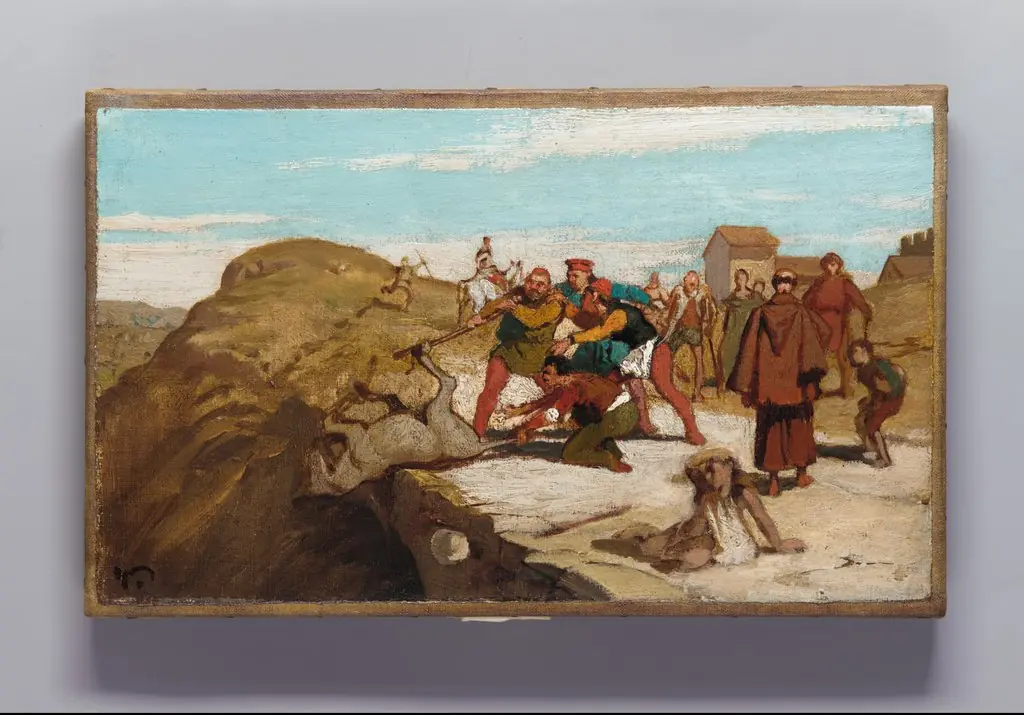 The Fable of the Miller, His Son, and the Donkey
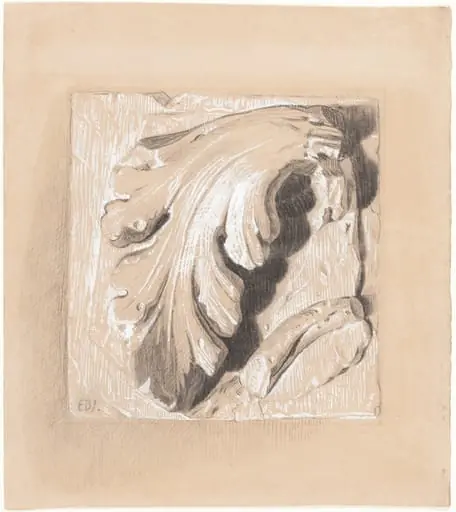 A Fragment from an Antique Frieze
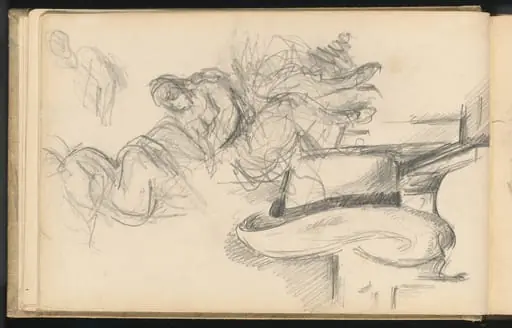 Studies Including a Straw Hat
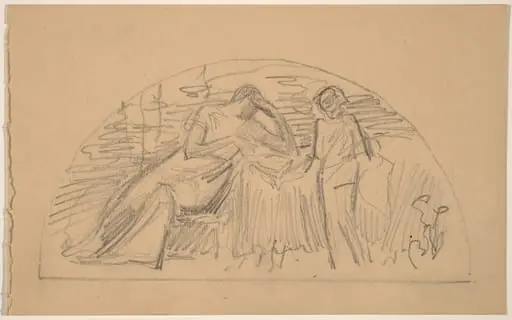 Study for a Lunette
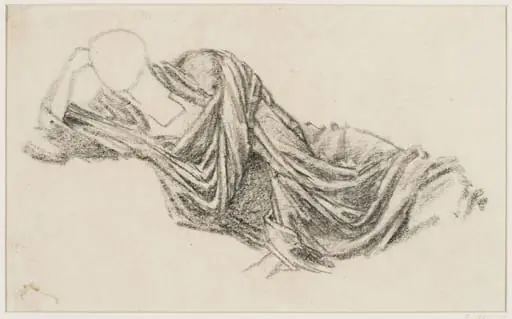 Untitled
![Bedpost [verso], by Paul Cézanne](https://artifactworldgallery.com/img/paul-cezanne--bedpost-verso--1117199781ad2be5-w320.webp) Bedpost [verso]
Bedpost [verso]![Studies of a Cow [verso], by Paul Gauguin](https://artifactworldgallery.com/img/paul-gauguin--studies-of-a-cow-verso--80694066ae3cfdb3-w320.webp) Studies of a Cow [verso]
Studies of a Cow [verso]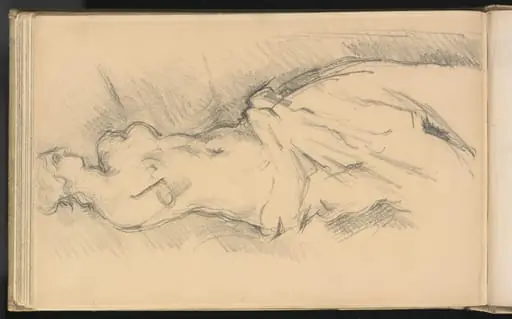 Study of "Venus de Milo"
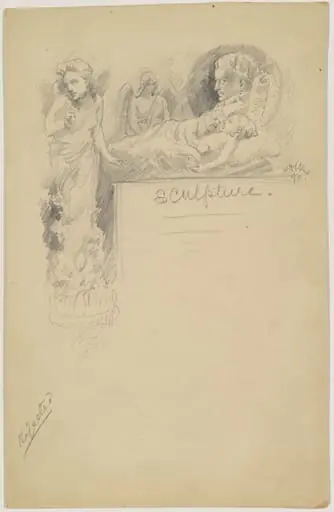 Study for "Sculpture"
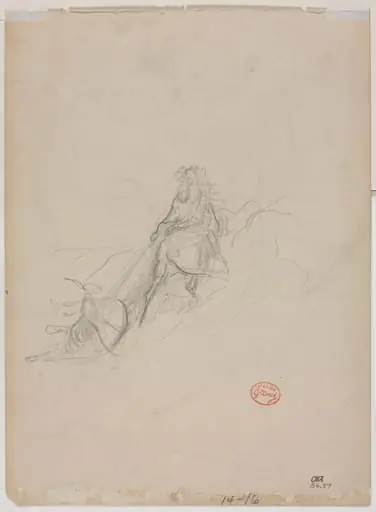 Sketch of Hunting Scene (verso)
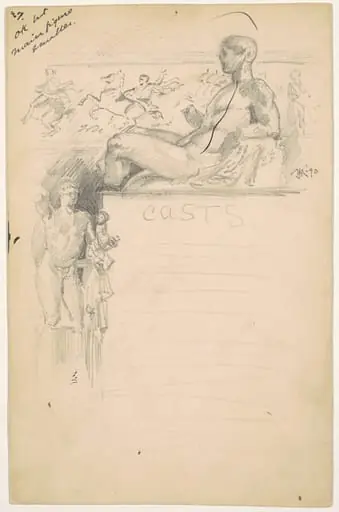 Study for "Casts from Antique Sculpture: The Parthenon"
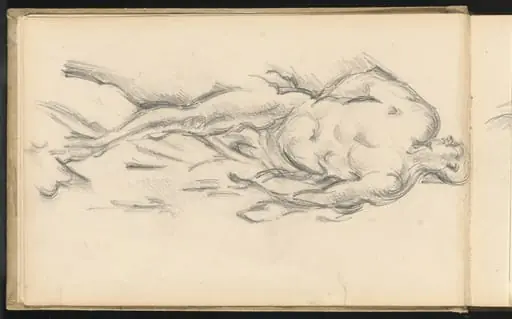 Study of Puget's "Milo of Crotona"
- The Runaway Carriage