Artwork
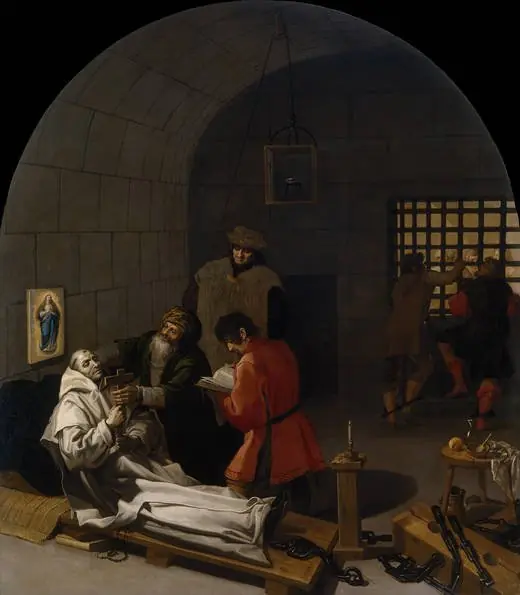
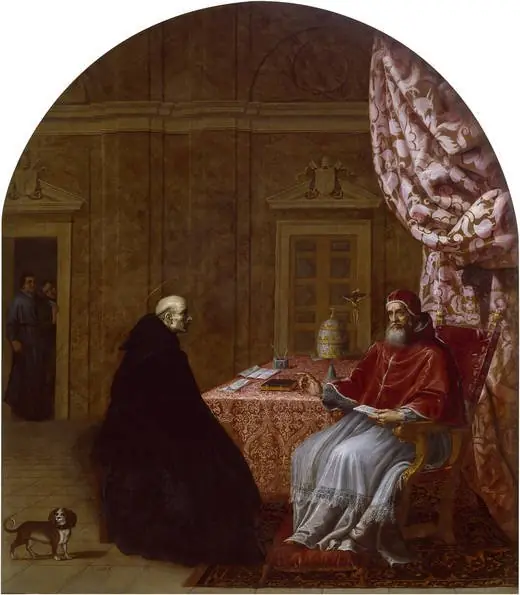
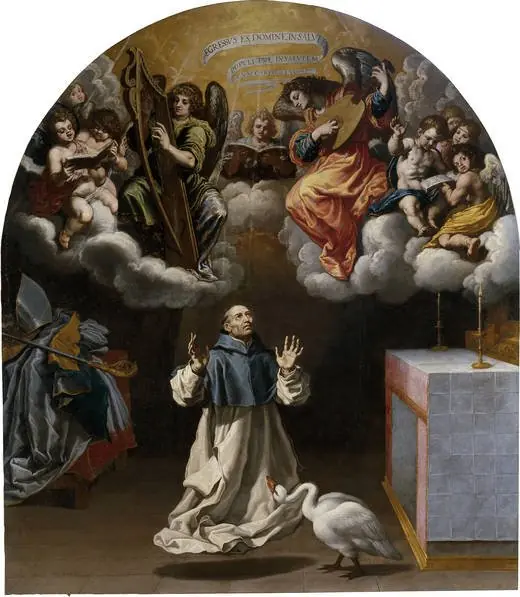
The Martyrdom of the Roermond Carthusians
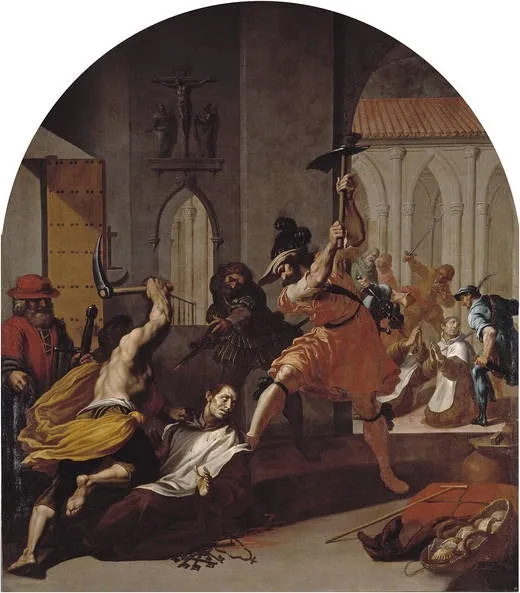
The Martyrdom of the Roermond Carthusians is an oil painting by the Early Baroque Italian artist Vincenzo Carducci. It dates from 1626 and is held in the collection of the Museo de la Trinidad.
About this work
Subject & Meaning
Vincenzo Carducci's oil painting depicts the martyrdom of the Carthusian monks from Roermond, a subject rooted in religious history.
Vincenzo Carducci's oil painting depicts the martyrdom of the Carthusian monks from Roermond, a subject rooted in religious history. The composition incorporates specific iconographic elements including weapons and sculptures, which likely represent the instruments of torture and the sacred context of the monks' execution. Bread also appears within the scene, potentially symbolizing the Eucharist or the sustenance of faith amidst persecution.
As a work of religious art, the piece serves as a visual narrative commemorating the sacrifice of these figures, emphasizing their steadfastness through the inclusion of these symbolic objects alongside the violent implements used against them.
Technique & Style
This large-scale oil painting on canvas depicts the martyrdom of the Roermond Carthusians through a restrained yet dramatic composition executed in Carducci’s characteristic tenebrist manner.
The handling combines sharp chiaroscuro with tightly controlled brushwork, emphasizing sculptural figures and shallow pictorial space. Figures are modeled with precise contours and restrained palette dominated by earthy browns and muted drapery, punctuated by localized highlights to articulate anatomy and drapery folds. The scene’s compressed depth and planar arrangement focus attention on the martyrs’ serene acceptance of violence, aligning with Counter-Reformation ideals of devotional clarity.
The canvas support shows stable adhesion with localized craquelure along high-impact folds, while the paint layer remains intact with minimal abrasion in the central passages.
History & Provenance
The Martyrdom of the Roermond Carthusians was painted by Vincenzo Carducci in 1626, as recorded in contemporaneous sources and confirmed by museum documentation. The work entered the collection of the Museo del Prado in Madrid through the aggregation of holdings from the Museo de la Trinidad, which had itself received it as part of the nationalization of ecclesiastical assets during the 19th century. The canvas measures 337 cm in height and 297.5 cm in width, consistent with Carducci’s large-scale religious compositions produced for Spanish patrons and institutions.
Overview
Vincenzo Carducci’s oil painting The Martyrdom of the Roermond Carthusians was executed in 1626. The work belongs to the early Baroque period in Italy and is currently part of the Museo del Prado’s collection. It presents a violent religious episode rendered with dramatic intensity.
Context
The work reflects Counter‑Reformation concerns, using graphic martyrdom to inspire piety and reinforce Catholic ideals. Carducci’s choice of a contemporary, violent episode aligns with the Baroque tendency to dramatize religious narratives, making the suffering of the Roermond Carthusians a visual sermon on faith under persecution.
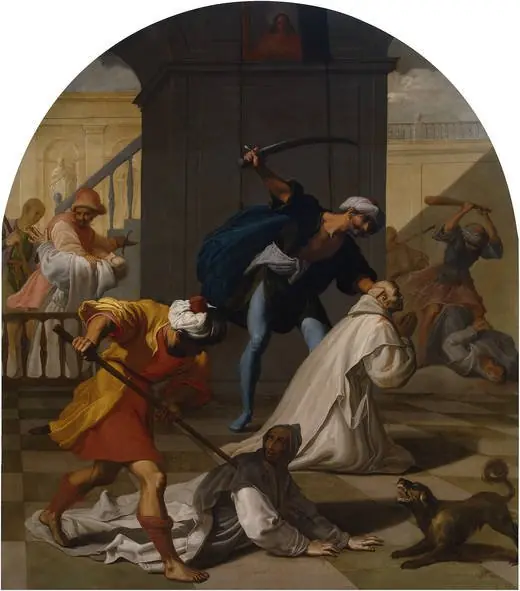
Artist & collection
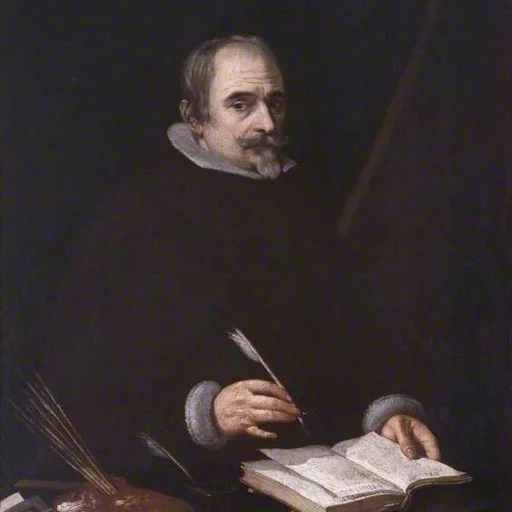
Artist
Vincenzio Carduccio (in Spanish, sometimes Vicencio or Vicente Carducho; 1576 or 1578–1638) was an Italian painter who spent his career in Spain.

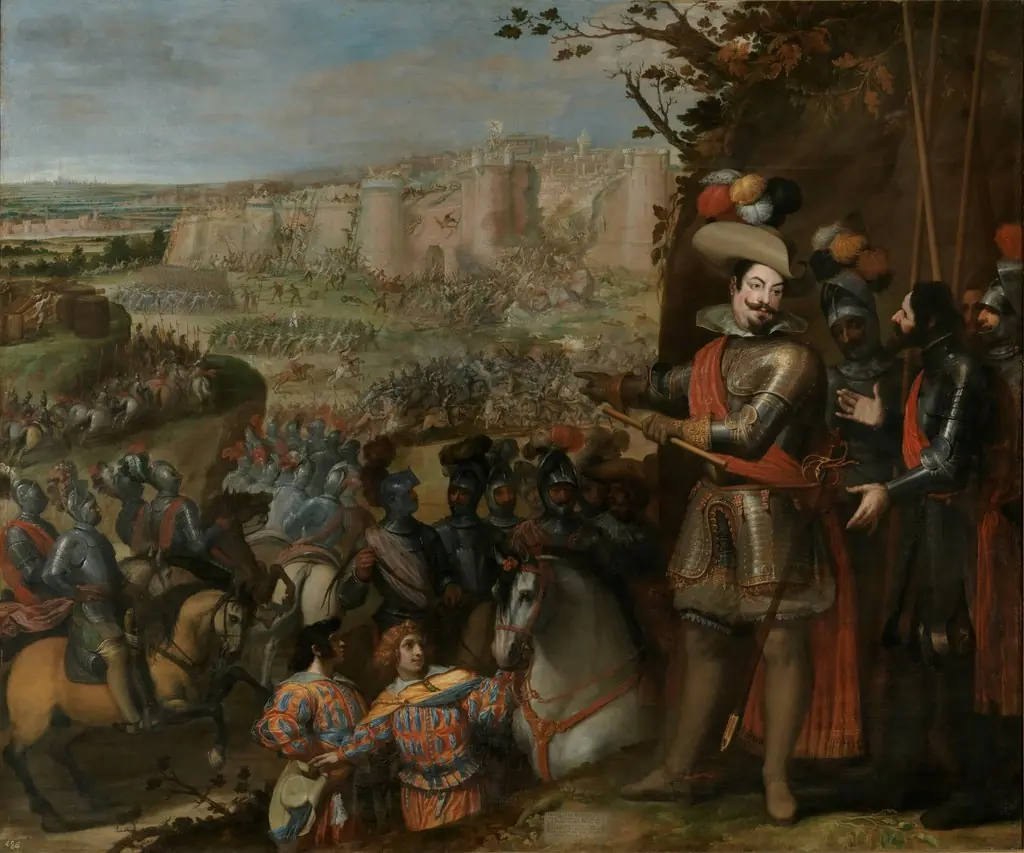
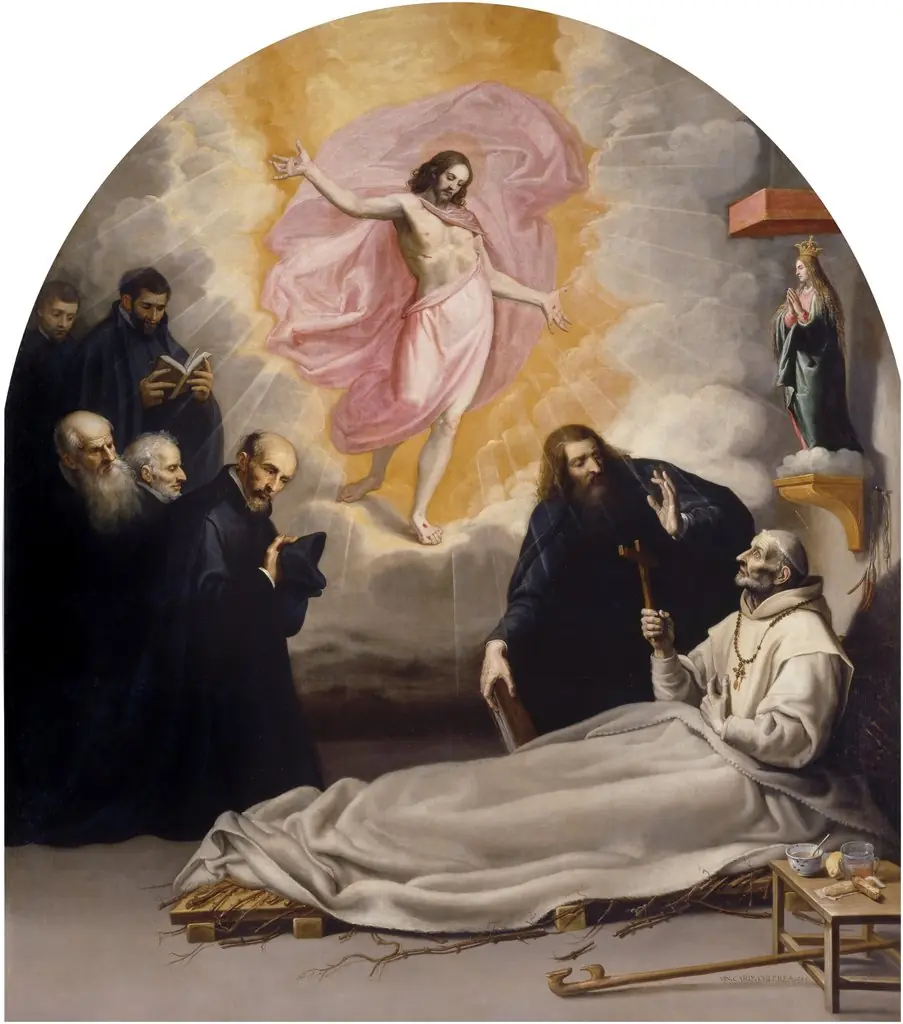
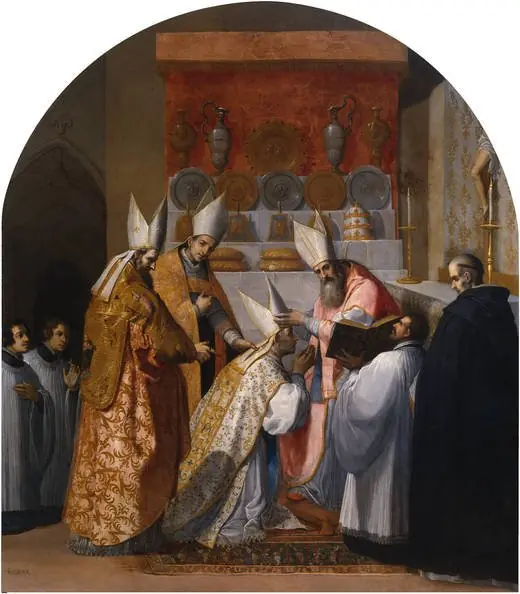
 The Crown of Thorns
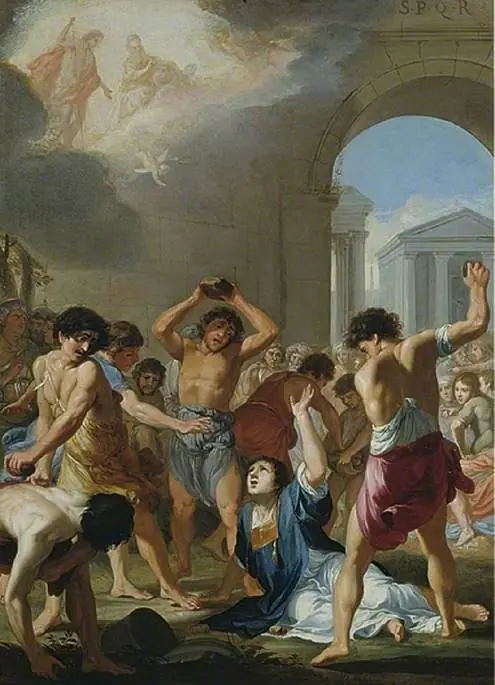 The Martyrdom of St Stephen
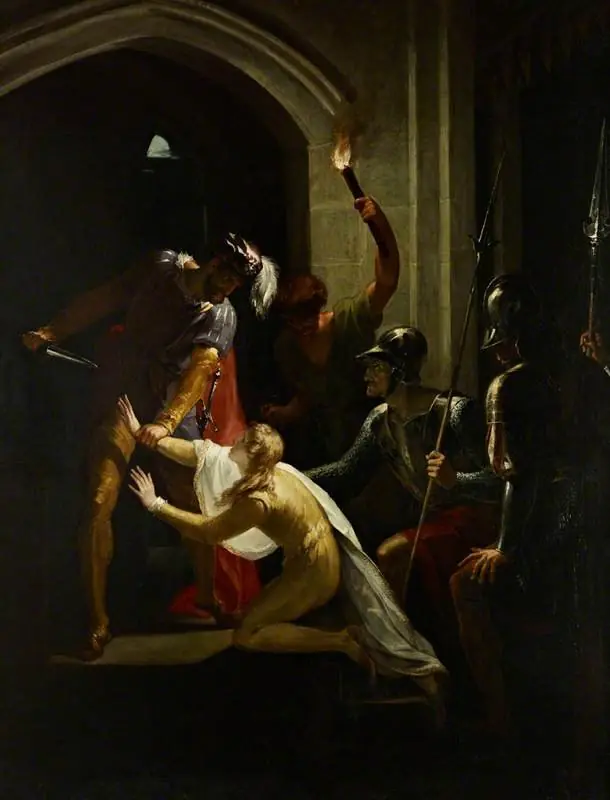 The Death of Arthur
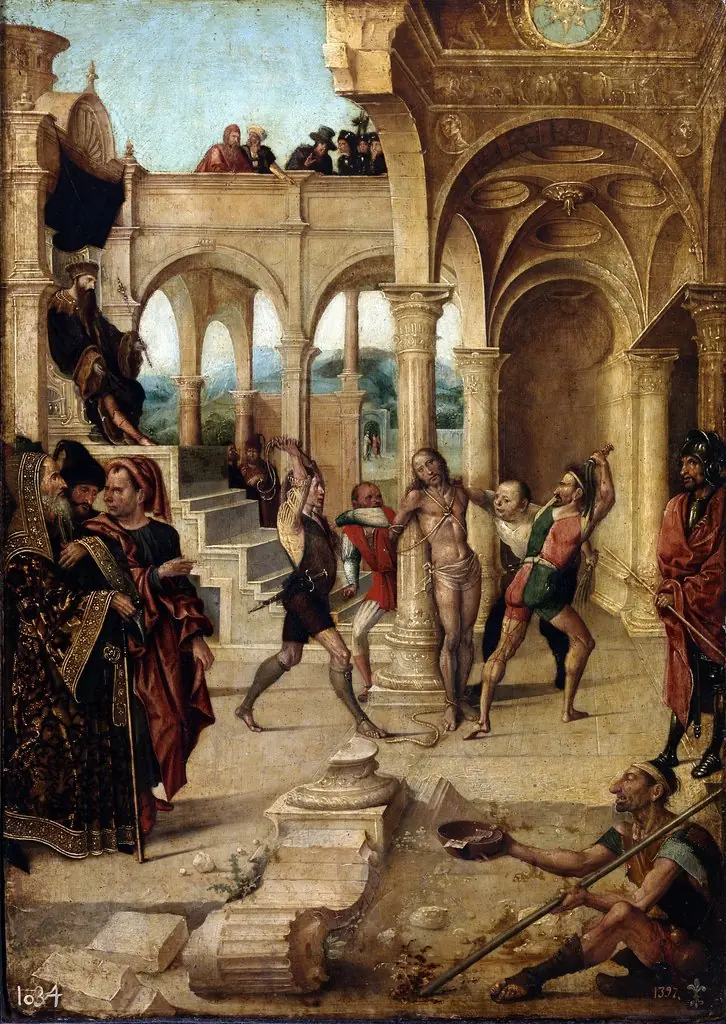 The Flagellation
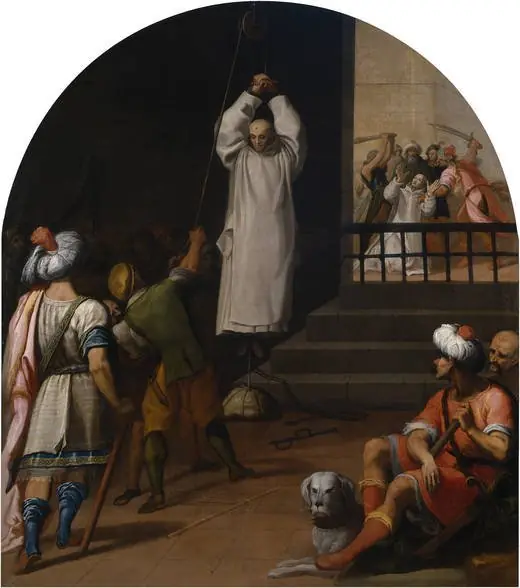 The Martyrdom of Father Andrés Prior of the Seiz Charterhouse
 Martyrdom of St John the Baptist
 Jakobus-Stephanus-Altar: Dornenkrönung Christi
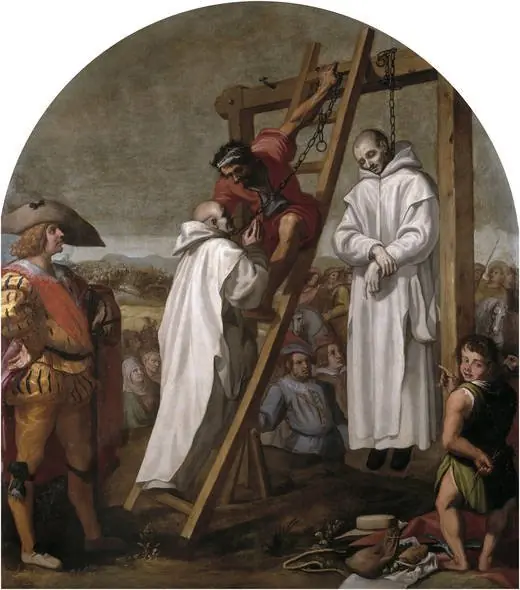 The Martyrdom of Fathers John Rochester and James Walworth
 The Martyrdom of Saint Sebastian of Rome
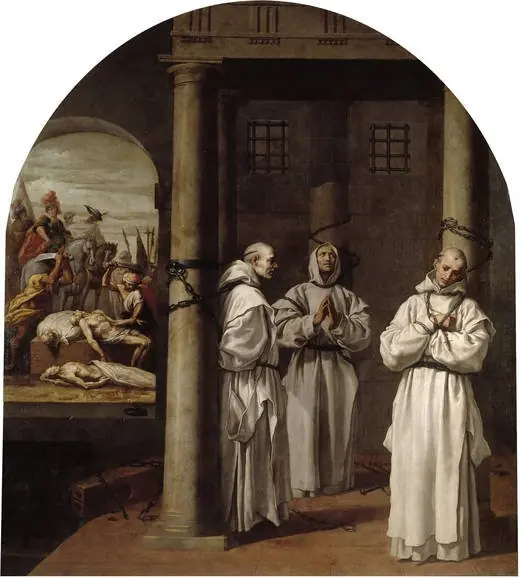 The Martyrdom of the Priors of the English Charterhouses of London Nottingham and Axholme
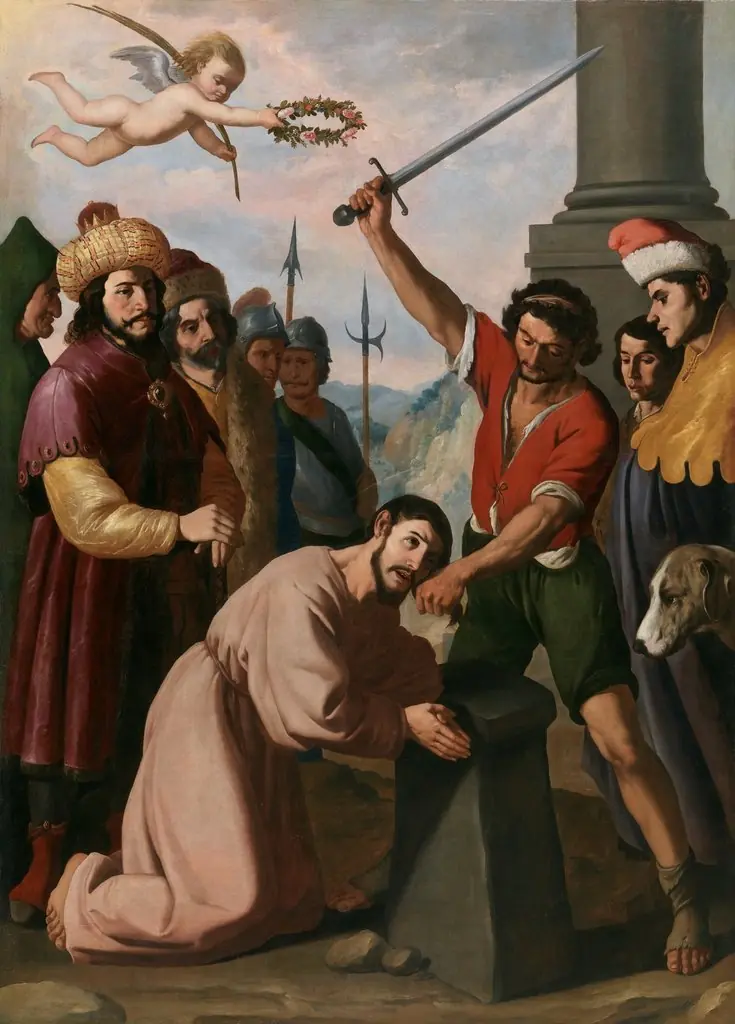 The Martyrdom of Saint James
- The Martyrdom of the Mauerbach Carthusians