Artwork
The Afterglow in Egypt
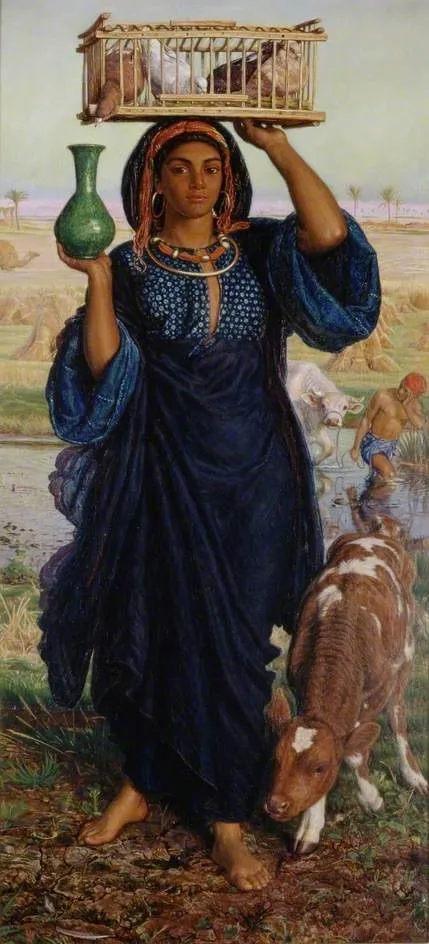
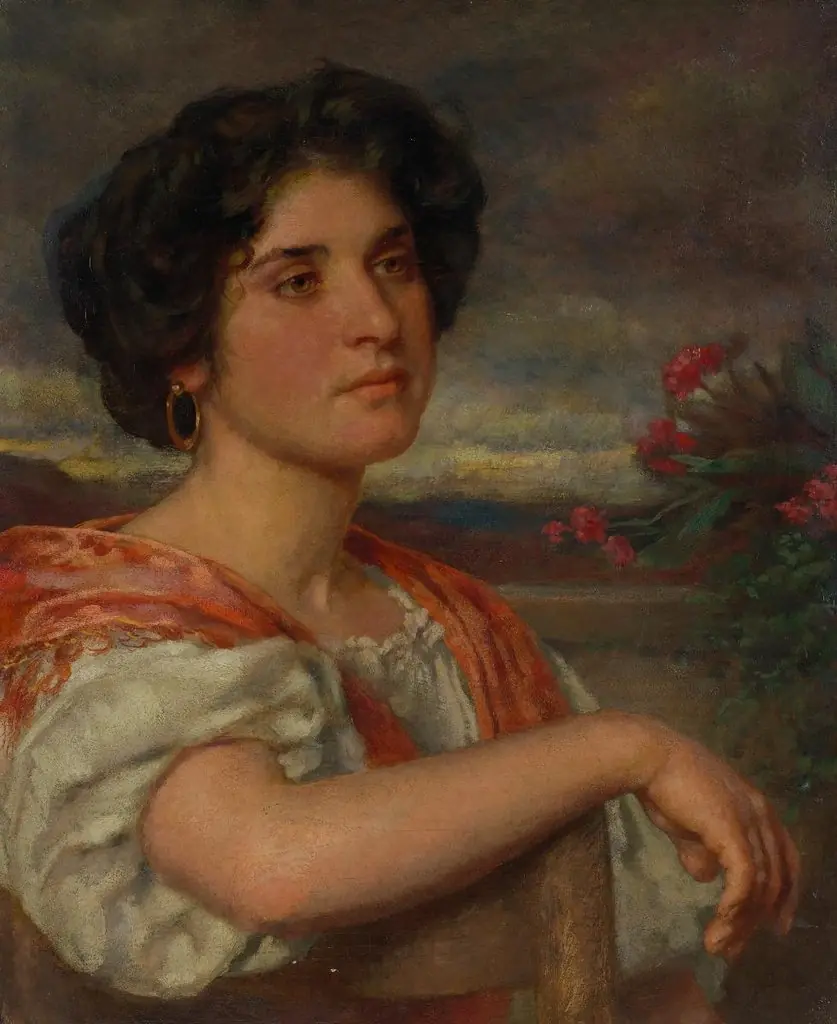
The Afterglow in Egypt is an oil painting by the Orientalist artist William Holman Hunt. It dates from 1861 and is held in the collection of the Ashmolean Museum.
About this work
Overview
The Afterglow in Egypt is a painting created by William Holman Hunt in 1861 using oil paint. It is part of the Ashmolean Museum's collection.
Subject & Meaning
The painting depicts a woman in a field, holding a vase and a birdcage, accompanied by a cow and other animals. She gazes directly at the viewer, conveying a sense of serenity. The scene is characterized by muted colors, with blues and greens predominating.
Technique & Style
The work showcases Hunt's use of chiaroscuro and impasto techniques, consistent with his Pre-Raphaelite style, which emphasizes detailed and symbolic representation.
Context
The Afterglow in Egypt is associated with the Orientalist movement, which presented North African and Middle Eastern scenes through a European perspective.
Artist & collection
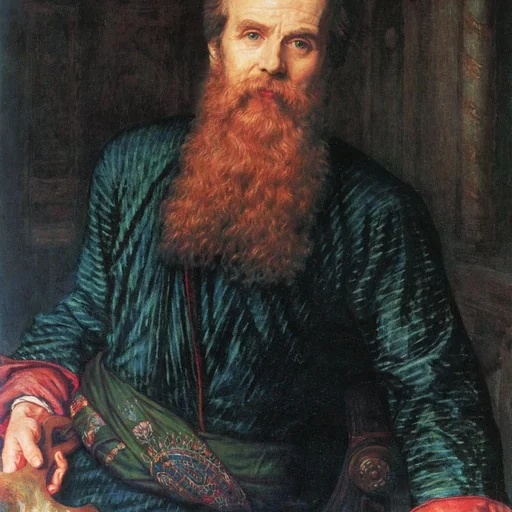
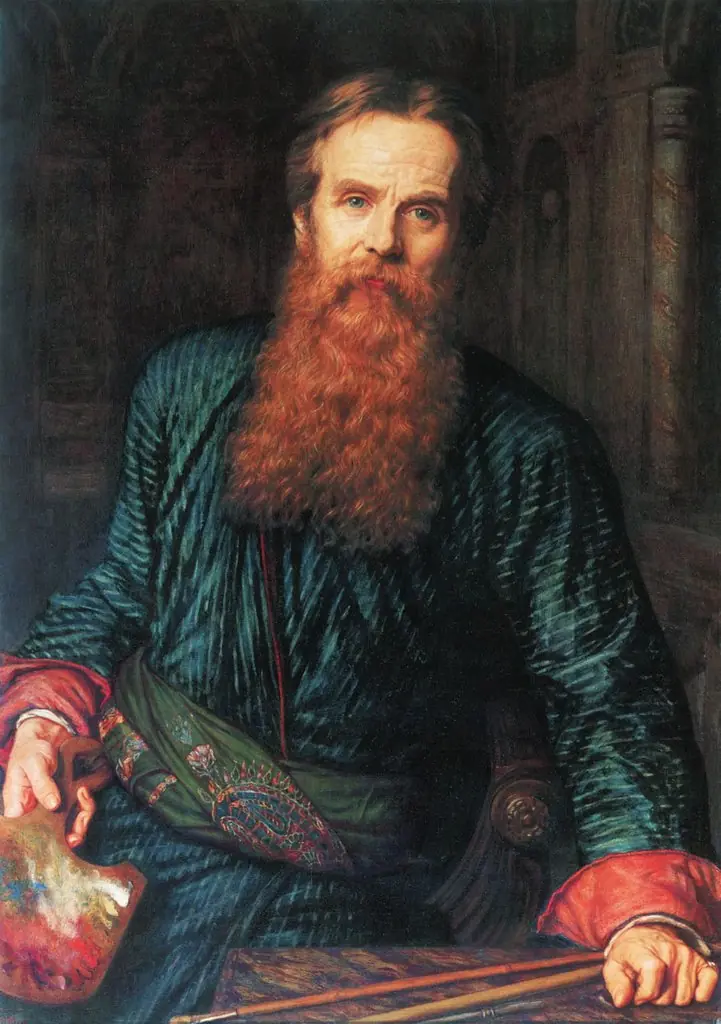
Artist
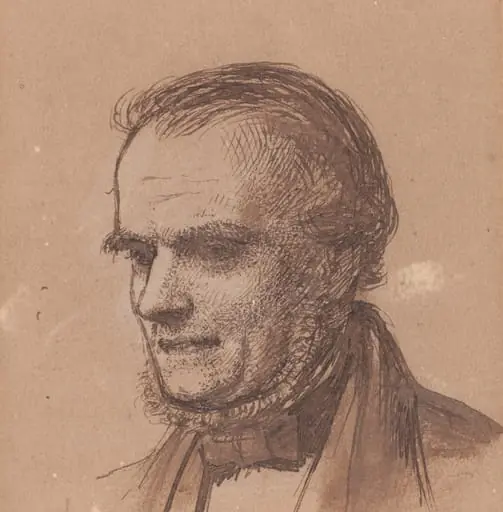
William Holman Hunt (2 April 1827 – 7 September 1910) was an English painter and one of the founders of the Pre-Raphaelite Brotherhood.