Artwork
Baked Pears in Duane Park
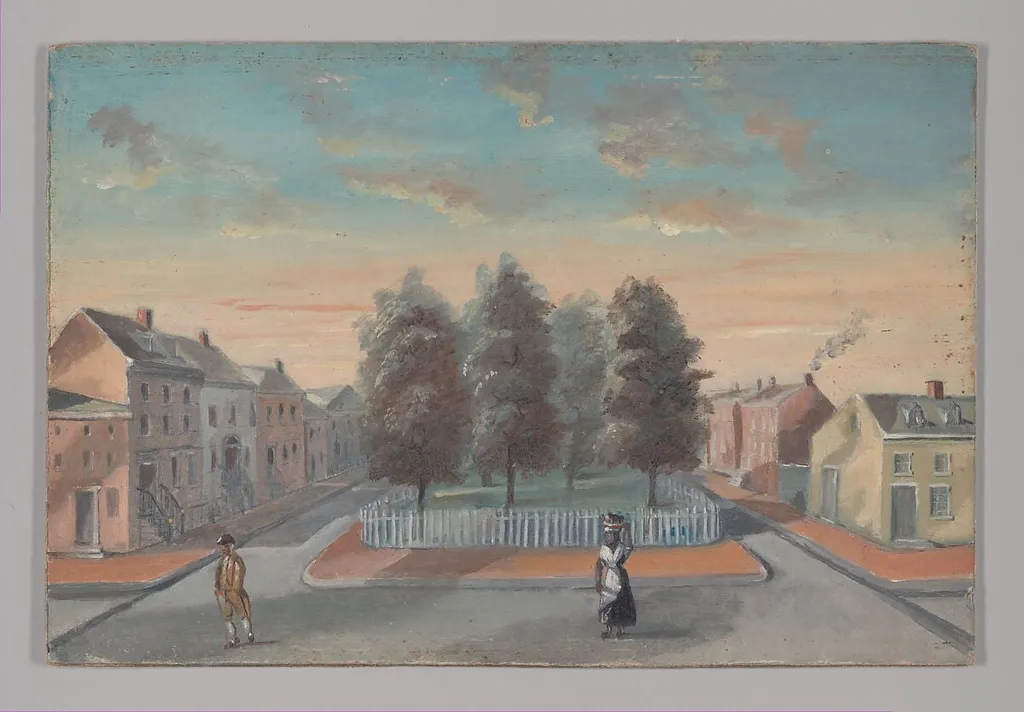
Baked Pears in Duane Park is an oil painting by the Impressionist artist William P. Chappel. It dates from 1874 and is held in the collection of the Metropolitan Museum of Art.
About this work
Technique & Style
The slate paper support would have lent the surface a smooth, slightly cool tonality, influencing the handling of the oil paint applied over it.
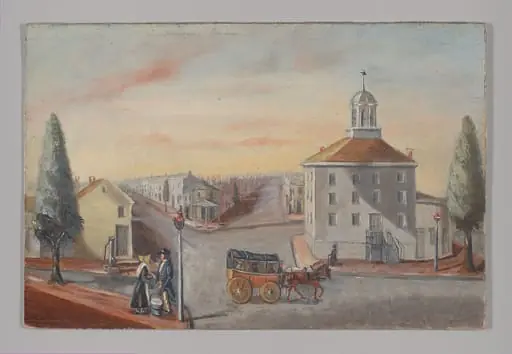
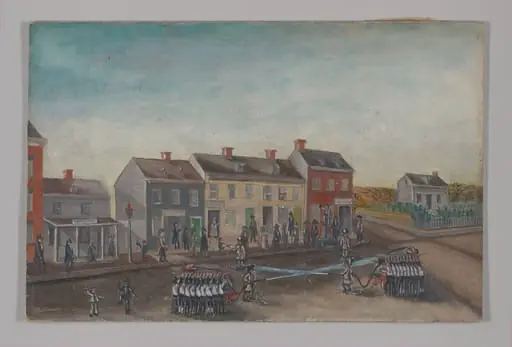
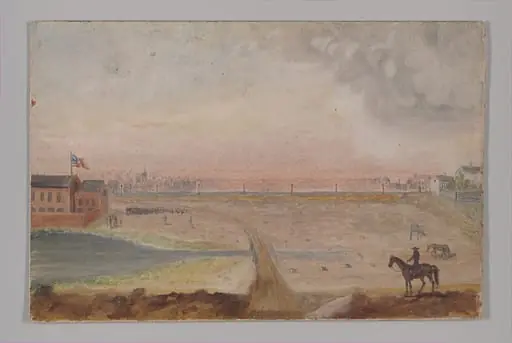
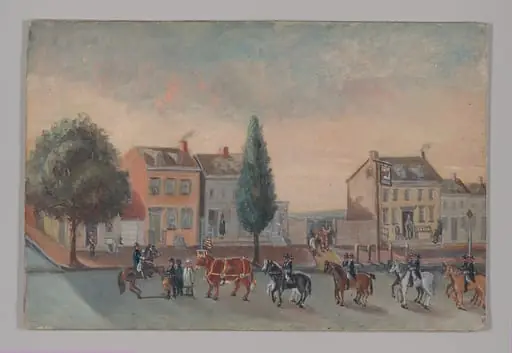
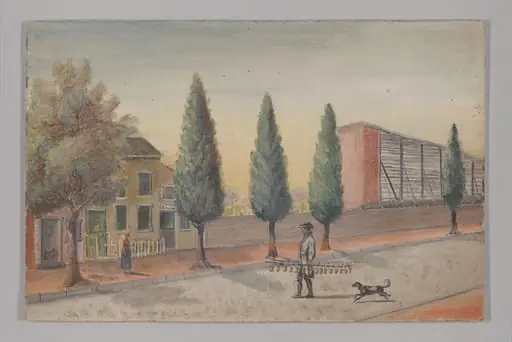
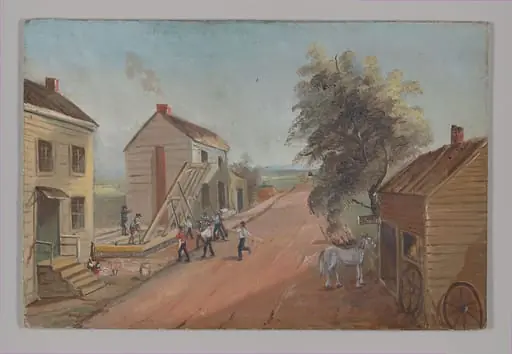
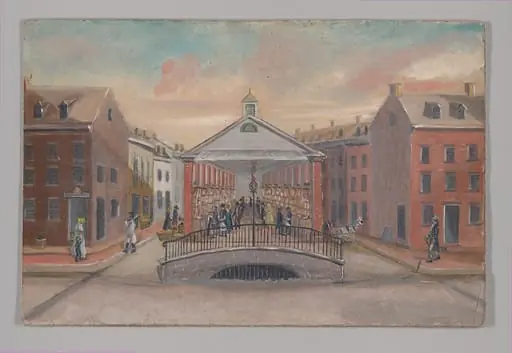
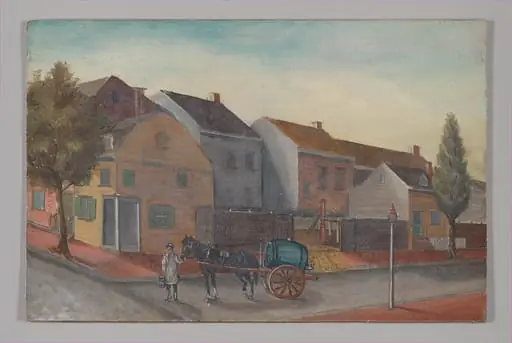
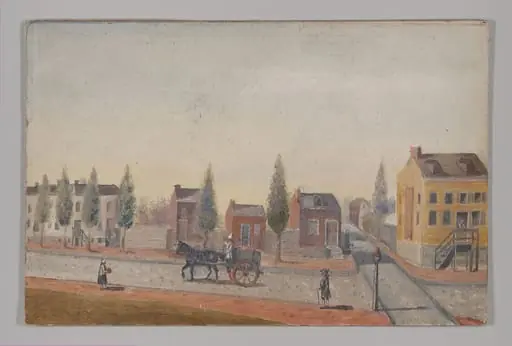
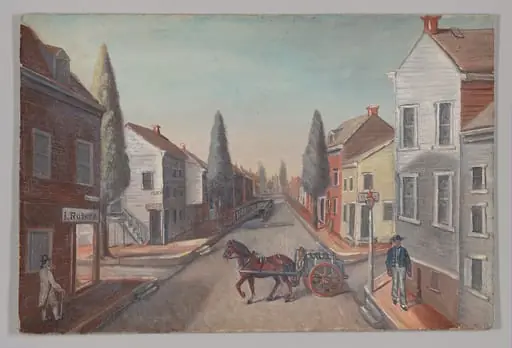
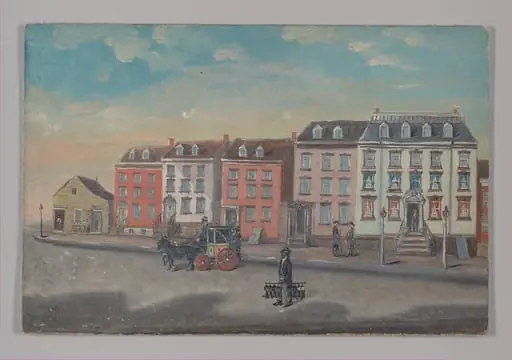
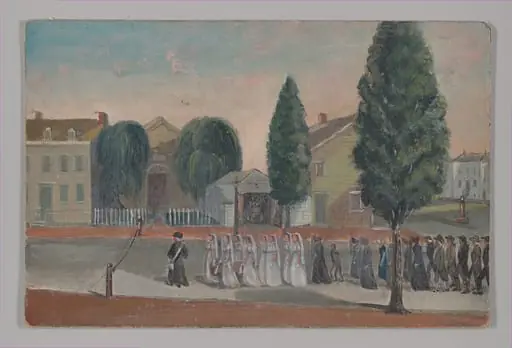
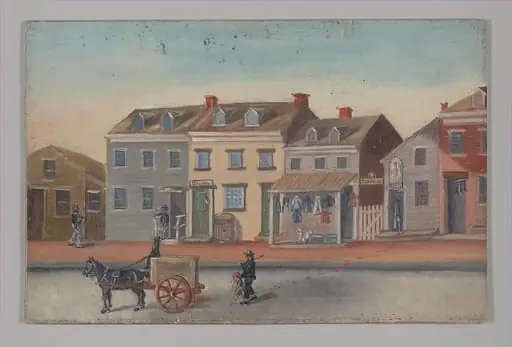
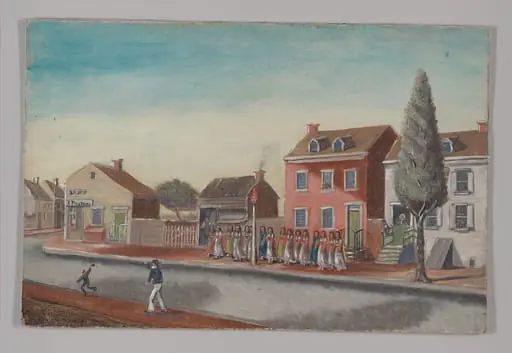
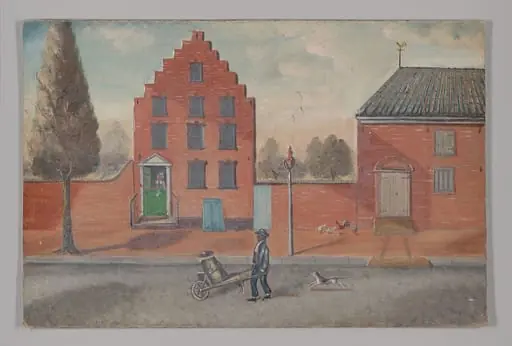
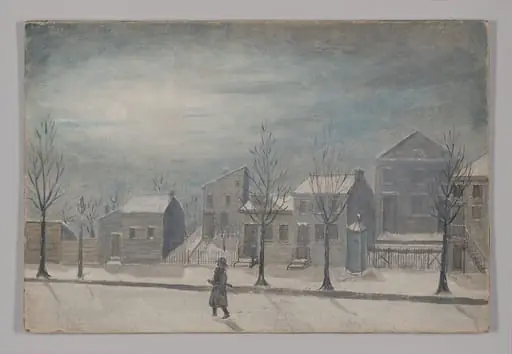
Baked Pears in Duane Park is executed in oil on slate paper, a relatively unusual support that distinguishes it within William P. Chappel's body of work. The work is modest in scale, measuring approximately 15.2 cm in height by 23.2 cm in width, a format suited to the intimate genre of still life and small-scale park scene. Stylistically, the painting belongs to the tradition of American still life and urban park imagery of the 1870s, depicting a house, trees, a man, a woman, and the park setting within a tightly composed format.
The slate paper support would have lent the surface a smooth, slightly cool tonality, influencing the handling of the oil paint applied over it. The work is held in the collection of the Metropolitan Museum of Art's American Wing, where it is classified as a still life.
History & Provenance
William P. Chappel painted Baked Pears in Duane Park in 1870, as established by both internal museum records and the Metropolitan Museum of Art’s cataloguing. The work was executed in oil on slate paper, a support consistent with Chappel’s still-life practice of the period. No commissioning patron or early private owner has been documented; the painting entered the Metropolitan Museum of Art’s collection directly, where it remains housed in the American Wing. Its creation date is securely fixed to 1870, with no evidence of later reworking or alternate dating.
Baked Pears in Duane Park, an 1870 oil on slate paper by William P. Chappel, belongs to the collection of the Metropolitan Museum of Art. It is classified within the institution's American Wing. The painting measures 15.2 by 23.2 centimeters. No accession number, credit line, or specific exhibition history is documented in the available sources.
Context
William P. Chappel’s Baked Pears in Duane Park (1870) is recorded as an oil on slate paper still‑life that portrays a domestic interior with a house, man, woman, tree and park, subjects that recur in his modest body of genre work. The painting’s placement in The American Wing of the Metropolitan Museum of Art underscores its status as a representative example of 19th‑century American domestic realism, a category highlighted in museum catalogues. Scholars examining Chappel’s oeuvre note his focus on everyday household scenes, positioning this piece within the broader development of American still‑life as a vehicle for modest narrative detail. Its inclusion in the museum’s collection reflects contemporary curatorial recognition of the artist’s contribution to the genre.
Overview
Baked Pears in Duane Park is an oil painting on slate paper, a work held within the American Wing collection. The piece captures a quiet, everyday moment in a New York City park, focusing on two discarded pears resting on a bench. In the background, incidental figures in period attire, a man in a top hat and a woman with a parasol, underscore the public setting, all bathed in dappled sunlight filtering through the leaves of nearby trees.
Subject & Meaning
The painting elevates a seemingly mundane subject: two pears, presented not as formal still-life props but as ordinary remnants of a meal, left on a public park bench. This choice reflects an interest in the transient and unidealized aspects of urban life. The presence of a man observing a woman with a parasol further contributes to the portrayal of a typical, unposed city experience unfolding within Duane Park, emphasizing a quiet, observed moment.
Artist & collection