Artwork
Wild Hawk on a Tree 野鷹棲樹図 (Notaka seiju zu)
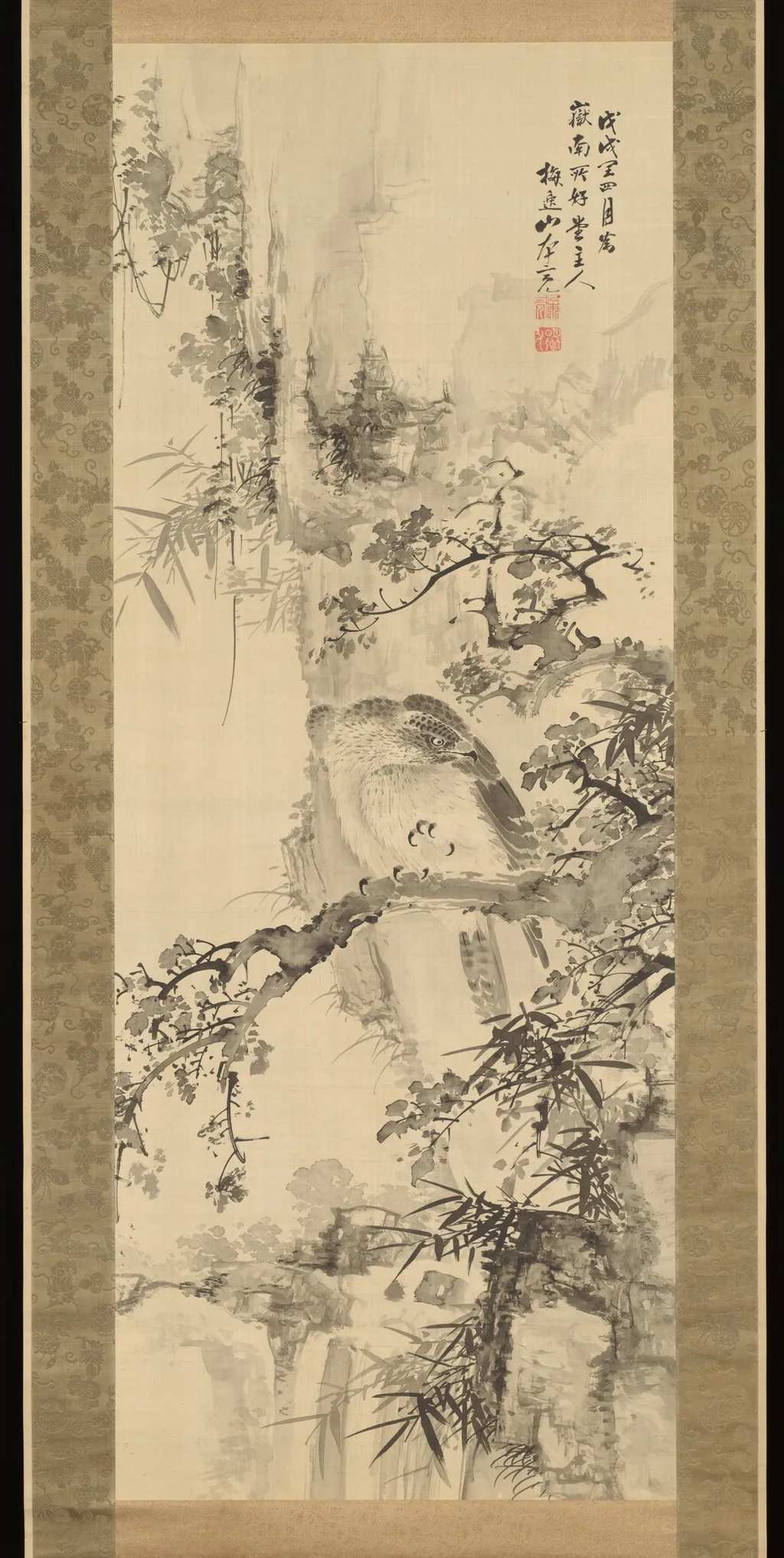
Wild Hawk on a Tree 野鷹棲樹図 (Notaka seiju zu) is an unspecified painting by the Nanga artist Yamamoto Baiitsu. It dates from 1838 and is held in the collection of the Metropolitan Museum of Art.
About this work
Overview
Painted in 1838 by Yamamoto Baiitsu, this ink-and-color work depicts a hawk resting on a gnarled tree branch. Executed in the nanga tradition, it balances natural observation with restrained aesthetic expression. The composition occupies a modest space, framed by subtle tonal gradations and minimal background detail, emphasizing stillness over drama.
Subject & Meaning
The accompanying inscription, likely a poetic verse, deepens the theme of nature’s quiet dignity and the observer’s introspective role.
The hawk, perched with quiet alertness, embodies a classical East Asian motif of solitary vigilance. Its downward gaze and still posture suggest contemplation rather than aggression. The surrounding foliage, neither lush nor sparse, reinforces a mood of quiet endurance.
The accompanying inscription, likely a poetic verse, deepens the theme of nature’s quiet dignity and the observer’s introspective role.
Technique & Style
Baiitsu employed fine, controlled brushwork to render the hawk’s feathers in layered washes of brown and white, suggesting texture without detail. The branch is drawn with flexible, calligraphic lines, echoing the rhythm of natural growth. Background tones are muted, applied with diluted ink to create atmospheric depth. The vertical poem in black ink integrates text and image as a unified expressive element.
History & Provenance
Created during the late Edo period, the painting entered The Metropolitan Museum of Art’s collection through documented acquisition. Its provenance traces to Japanese collectors who valued nanga painting for its scholarly ideals. The work has remained largely unaltered since its creation, preserving its original format and inscriptions.
Context
Baiitsu worked within the nanga school, which drew inspiration from Chinese literati painting and emphasized personal expression over decorative flourish. This piece reflects a broader trend among Edo-period artists who sought spiritual resonance in nature, distancing themselves from the ornate styles of courtly or commercial art. The integration of poetry and image aligns with Confucian and Daoist ideals of harmony between art and nature.
Legacy
Though not widely exhibited, the painting remains a representative example of 19th-century Japanese literati painting. It continues to inform scholarly study of how Japanese artists adapted Chinese traditions to express local sensibilities. Its quiet composition endures as a model of restraint, influencing later generations seeking depth through simplicity.
Artist & collection


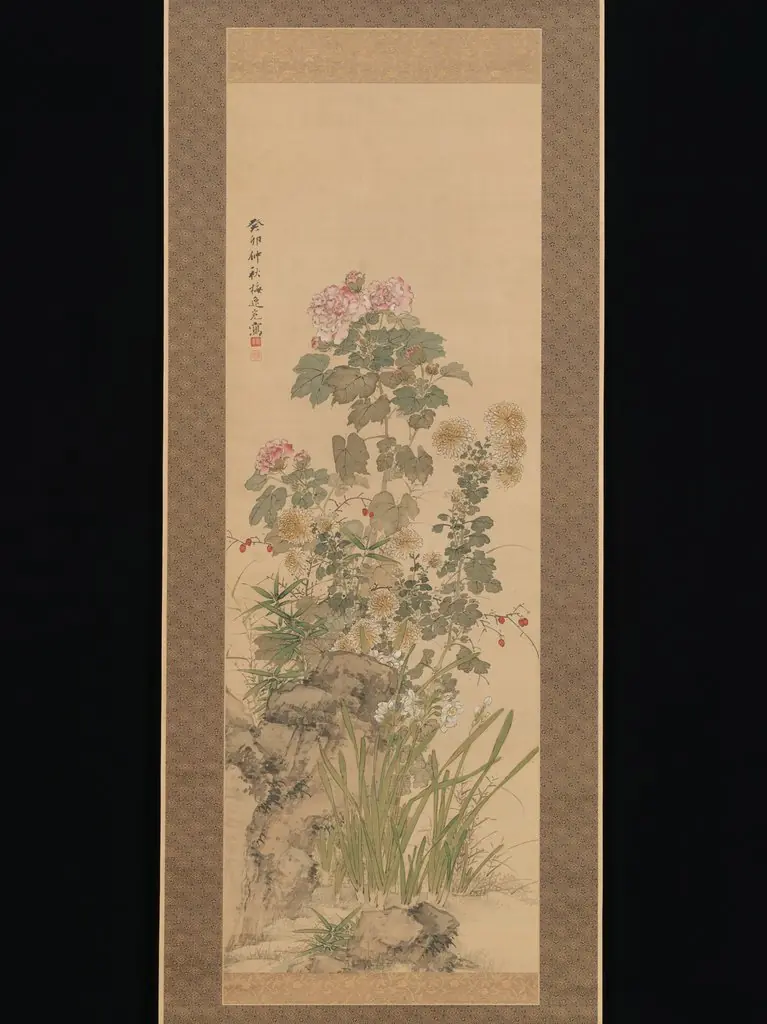
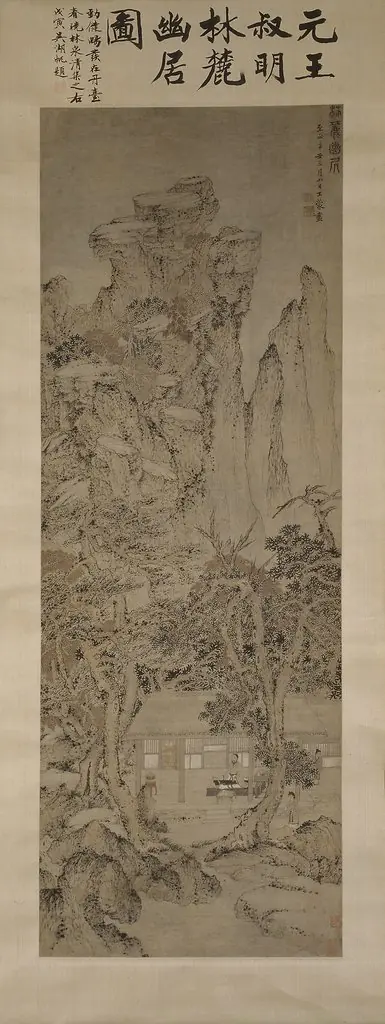
- Quiet Life in a Wooded Glen
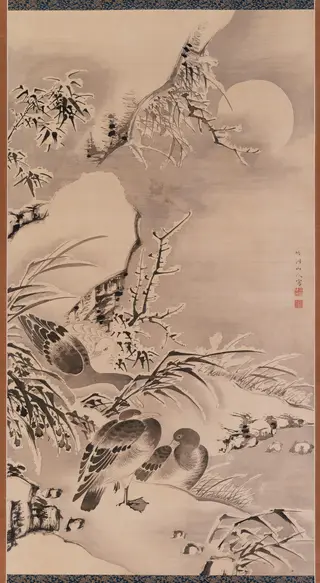 Ducks in the Winter Moonlight
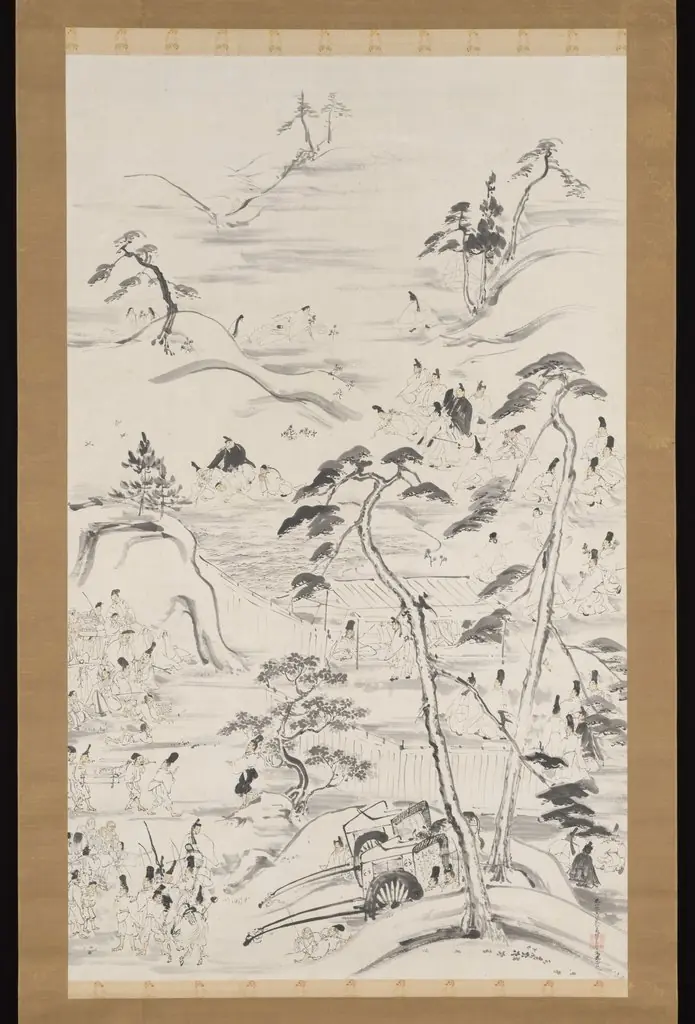 Emperor Enyū’s Outing to Funaokayama on the First Day of the Rat in the New Year
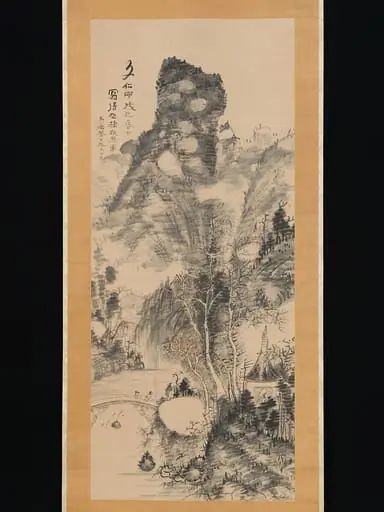 Untitled
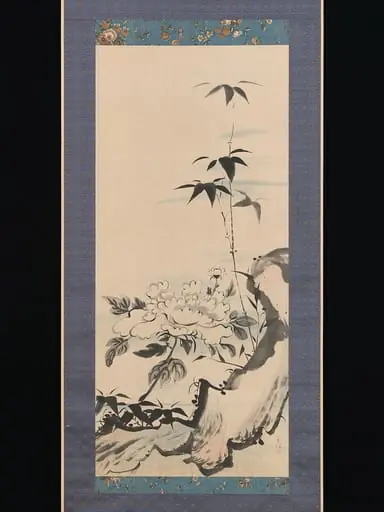 徳山玉瀾筆 牡丹に竹図|Peony and Bamboo
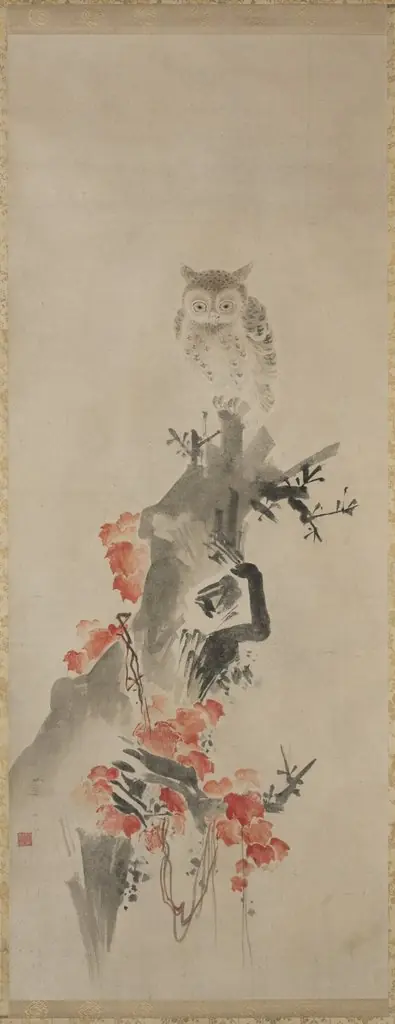 Owl and Red Leaves
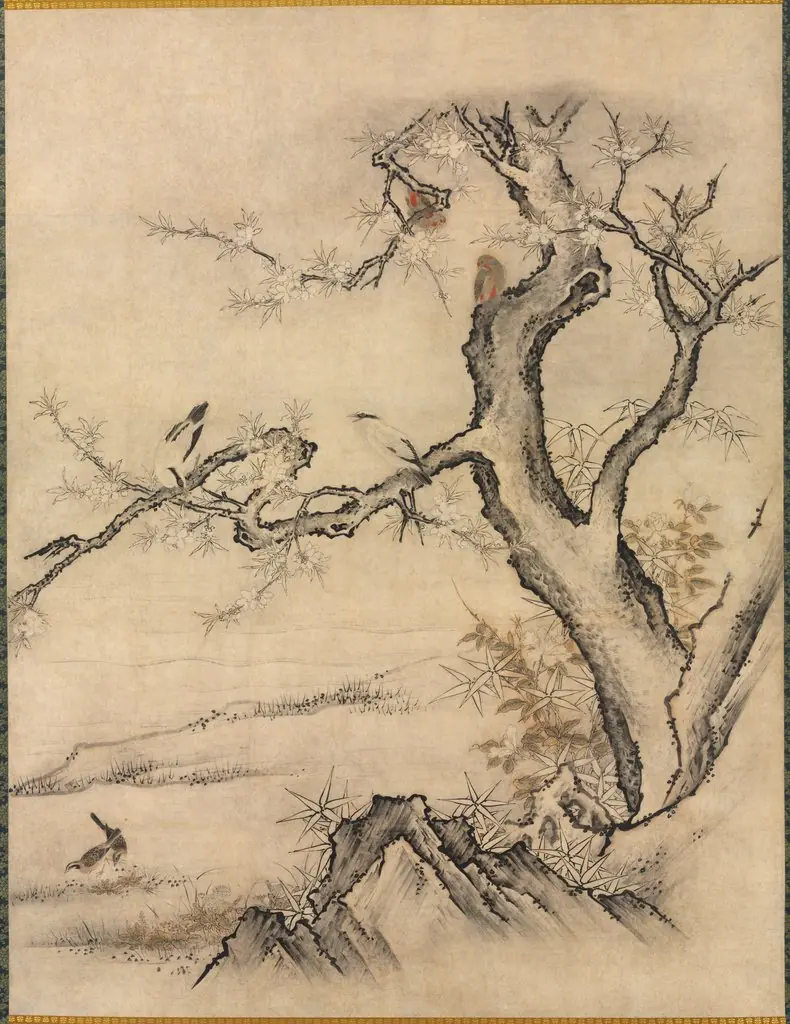 Flowers and Birds in a Spring Landscape
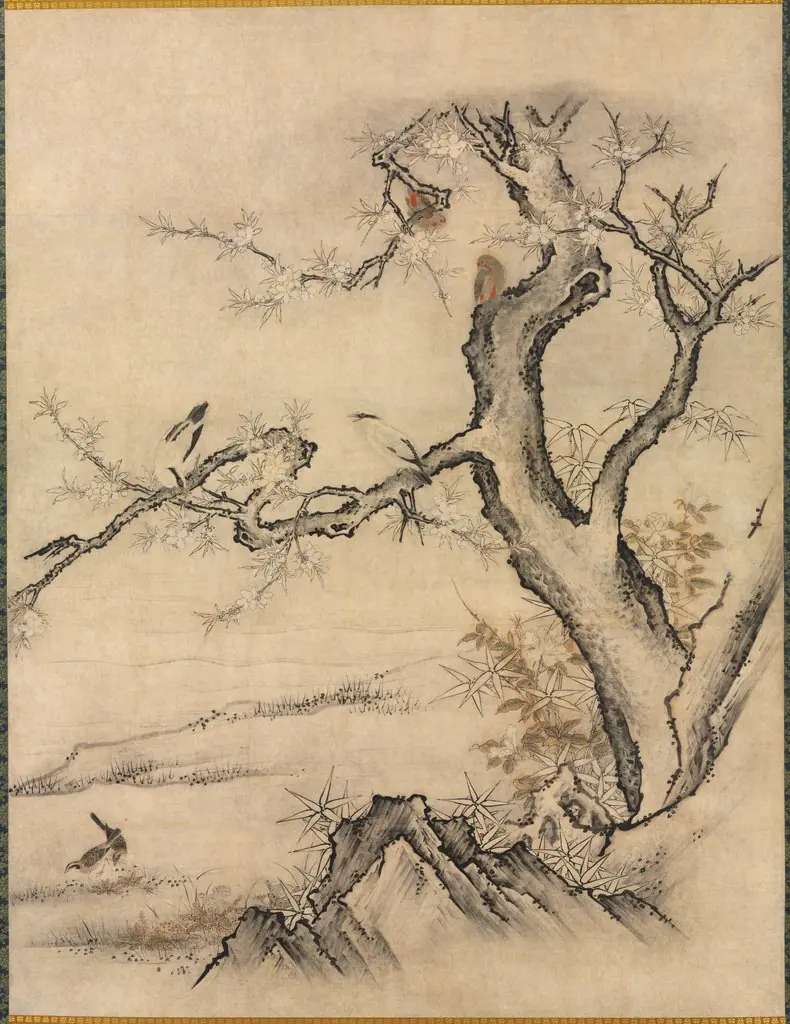 Flowers and Birds in a Spring Landscape
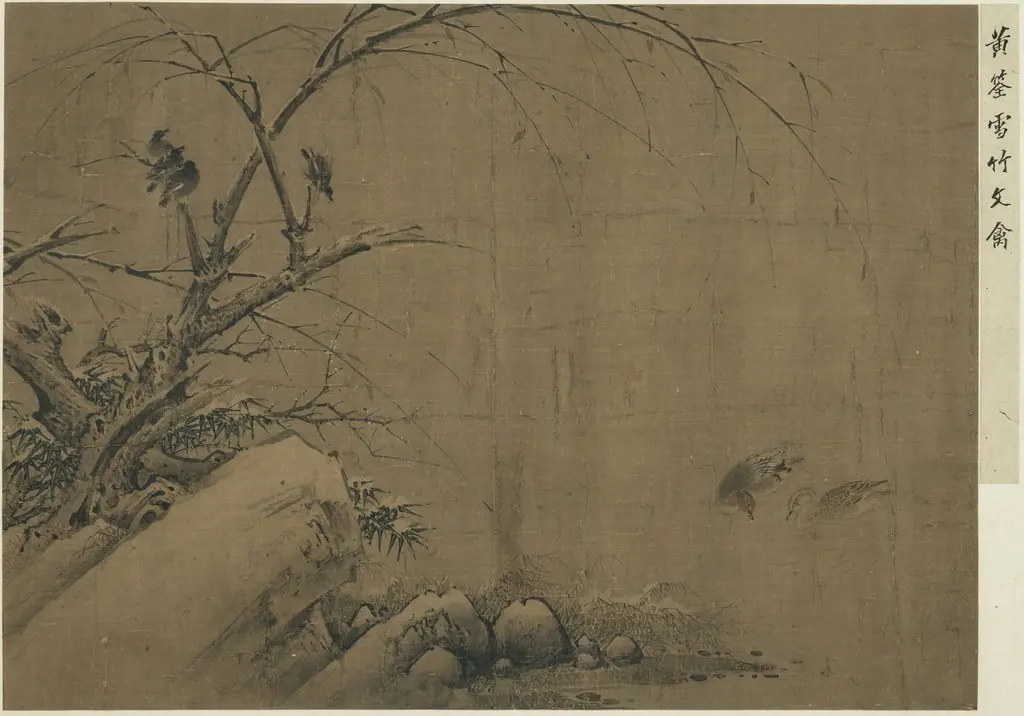 名繪集珍 冊 五代黃筌雪竹文禽
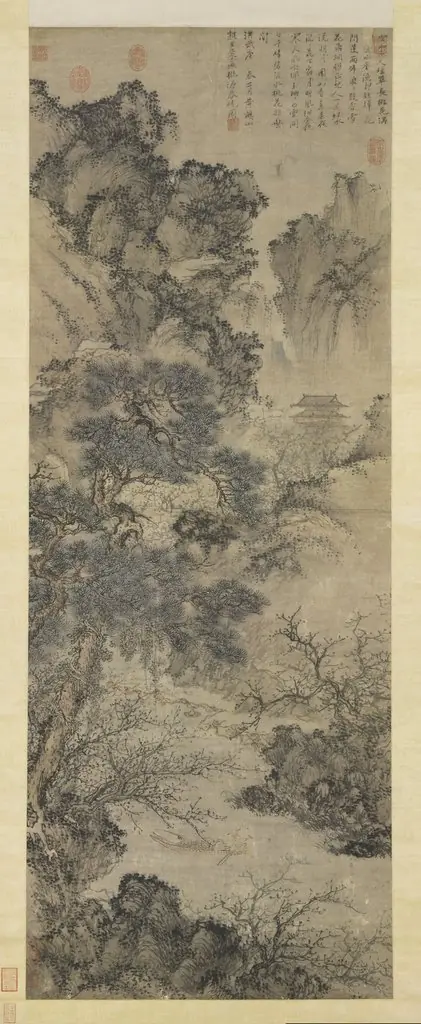 Vernal Dawn at the Peach Blossom Spring
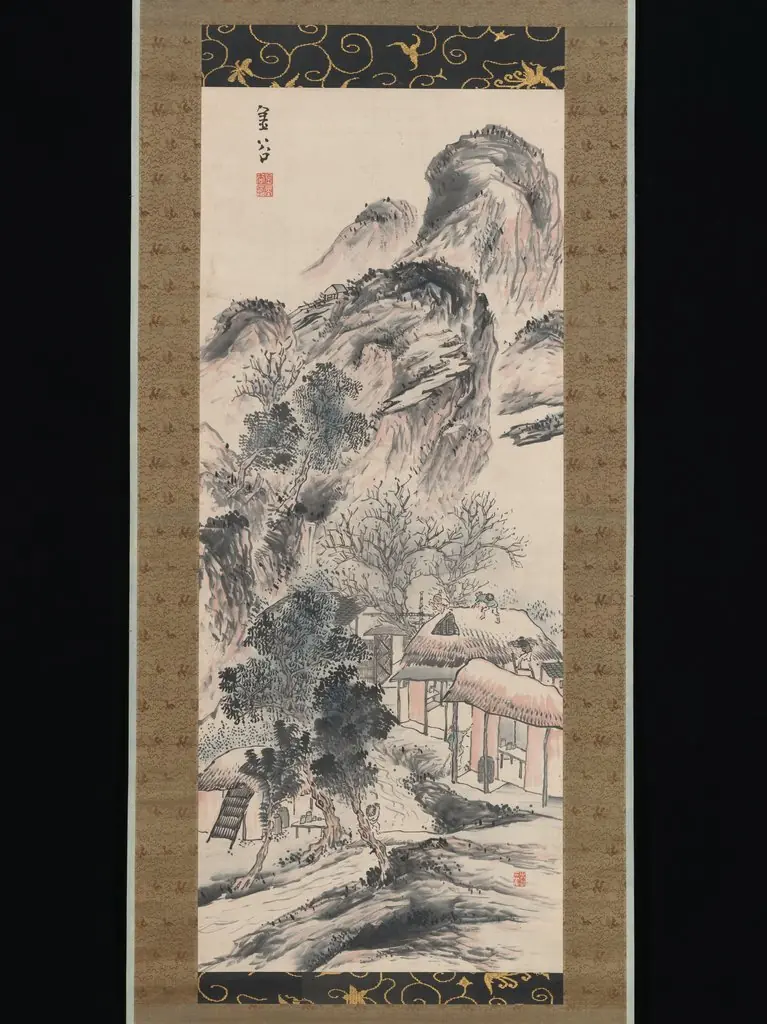 Spring Cleaning