
Subject
Bathsheba
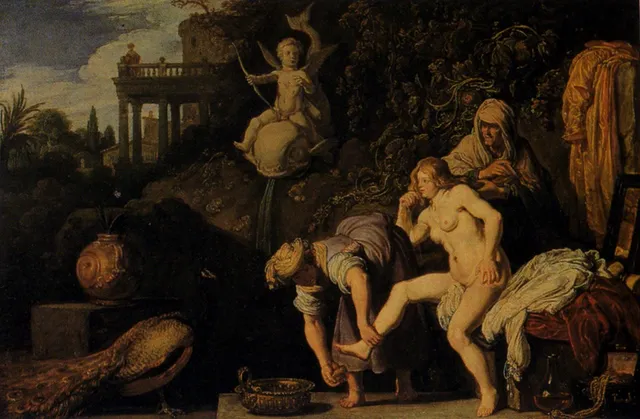
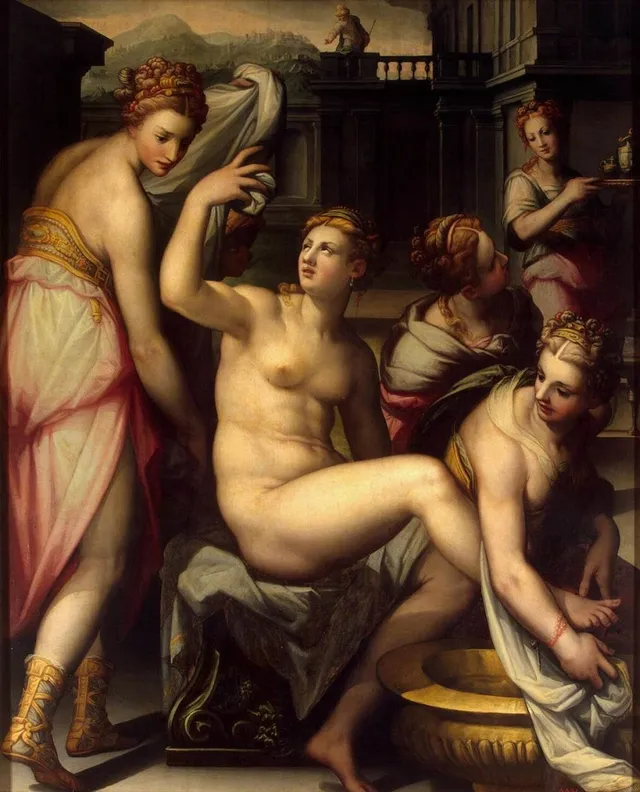
Bathsheba is a subject in art. The gallery holds 24 works in this subject in art, including works by François Boucher, Jan van Scorel and Jan Steen.
Bathsheba (; Hebrew: בַּת־שֶׁבַע Baṯ-šeḇaʿ, lit. 'Daughter of Sheba' or 'Daughter of the Oath') was an Israelite queen consort.
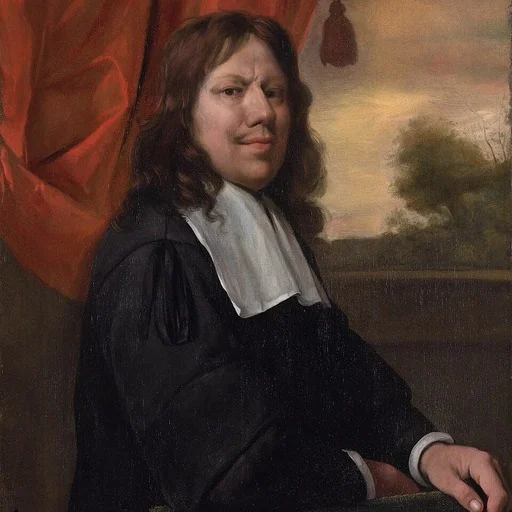
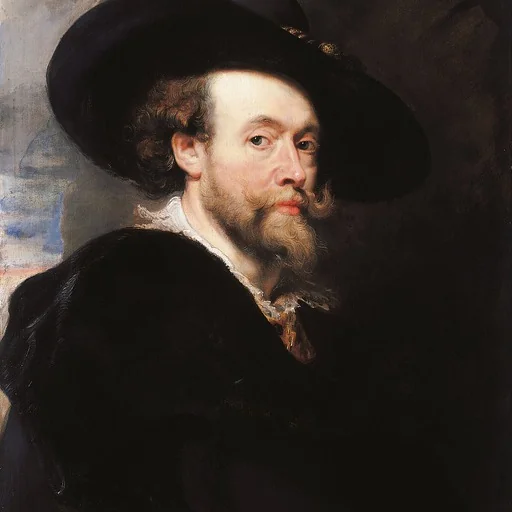
Key artists

Overview
Bathsheba is an Israelite queen consort known from the Hebrew Bible, where her name translates from Hebrew as Daughter of the Oath or Daughter of Abundance. Originally the wife of Uriah the Hittite, she became the wife of King David after he observed her bathing and summoned her, an encounter that led to Uriah's calculated death in battle. Following a period of mourning, she married David and became the mother of Solomon, securing his succession to the throne in David's old age. Her story, primarily recounted in 2 Samuel 11 and 12, marks a pivotal turning point in David's reign, bringing divine punishment and familial turmoil. Bathsheba's narrative has resonated deeply across centuries, becoming a prominent subject in art, literature, and music, where her bathing scene serves as a powerful vehicle for exploring themes of power, desire, and divine judgment.
Iconography & meaning
In visual art, Bathsheba is most commonly depicted at her bath, an iconography derived directly from the biblical account of David observing her from his palace roof. This scene traditionally symbolizes the themes of voyeurism, temptation, and the abuse of royal power. A key attribute in these depictions is the letter, often shown being delivered to Bathsheba by a messenger or servant, announcing David's desire to take her. The iconography frequently positions David in the background on a terrace, contrasting his active gaze with her vulnerability. In Christian typology, Bathsheba is linked to the Virgin Mary and appears in the genealogy of Jesus, while rabbinic lore introduces elements of cosmic interference, describing Satan's role in orchestrating her encounter with David. Scholars remain divided over her agency, debating whether she was a victim of David's abuse of power or a strategic participant, a tension that artists have navigated differently across various periods.
Across movements & periods
The treatment of Bathsheba has shifted significantly across art movements, reflecting changing cultural attitudes toward female agency and biblical narrative. In the Renaissance, artists like Hans Memling approached the subject with detailed, devotional tempera and oil on panel, integrating the scene into broader landscape settings. Mannerist and Baroque artists, such as Cornelis Cornelisz van Haarlem and Rembrandt, emphasized the psychological complexity and the intimate, physical reality of the scene. Rembrandt's 1654 depiction, for instance, focuses on Bathsheba holding David's letter, grounding the narrative in profound personal contemplation. Later, Rococo and Academic painters like Sebastiano Ricci and Jean-Leon Gerome leaned into the sensual and exotic possibilities of the subject. By the 20th century, modernists like Marc Chagall reinterpreted the narrative symbolically, fusing the faces of David and Bathsheba to represent the union of masculine and feminine dualities under the protection of benevolent angels.
Notable depictions
Several canonical depictions of Bathsheba have defined the motif in Western art. Hans Memling painted an early tempera and oil panel of Bathsheba at her bath in 1485, now in the Staatsgalerie Stuttgart. Lucas Cranach the Elder included the subject in his 1526 David and Bathsheba, integrating it into the Exemplum panels for Elector Joachim II. Cornelis Cornelisz van Haarlem's 1594 Bathsheba at her bath is held in the Rijksmuseum in Amsterdam. The year 1654 produced two major interpretations: Rembrandt's Bathsheba at her bath holding David's letter and Willem Drost's Bathsheba receiving David's letter. Other significant works include Jean-Francois de Troy's 1727 painting in the Musee des Beaux-Arts d'Angers, which places David in the background, and Karl Brioullov's 19th-century depiction. In sculpture, Benjamin Victor created a bronze of Bathsheba in 2020.
Legacy
Bathsheba's narrative has maintained a robust cultural afterlife well beyond the visual arts, permeating literature, music, and film. In literature, she is the namesake of the heroine in Thomas Hardy's novel Far from the Madding Crowd, and her story has been adapted into novels by writers such as Pierre Benoit, Torgny Lindgren, and Marek Halter. In music, Leonard Cohen's song Hallelujah references her bathing on the roof, and the band Bastille released a track presenting the story from her perspective. The motif of Uriah's calculated death, ordered via a letter sent to the front lines, entered common parlance as the Uriah letter and has been adapted into modern contexts, such as Jo Nesbo's novel Redbreast and the German film Under You the City. Her name also marks the cosmos, with a Venus crater and the asteroid 592 Bathseba named in her honor.
Works
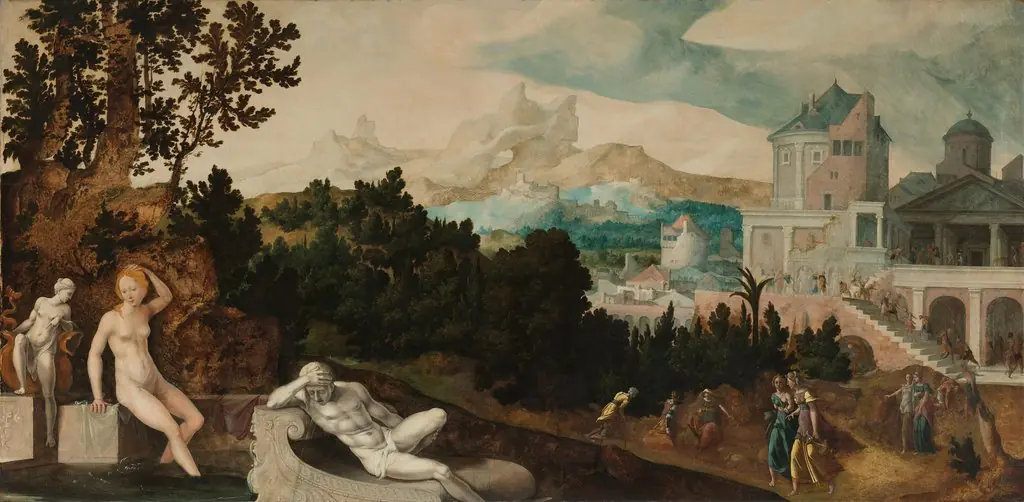 Landscape with Bathsheba
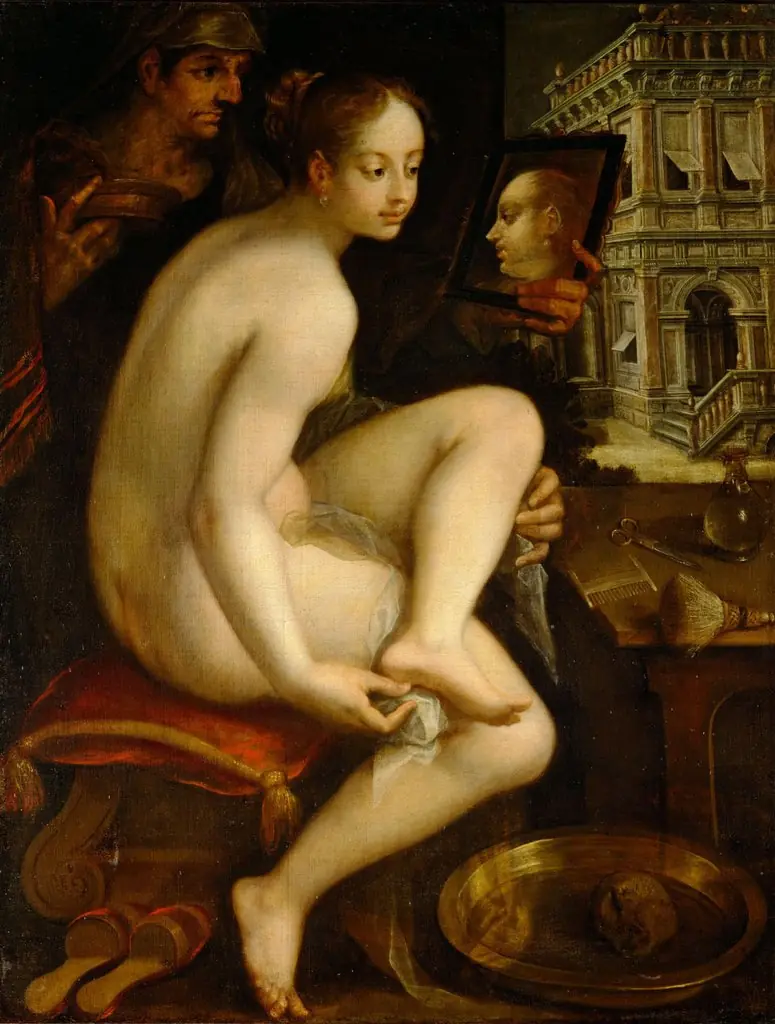 David and Bathsheba
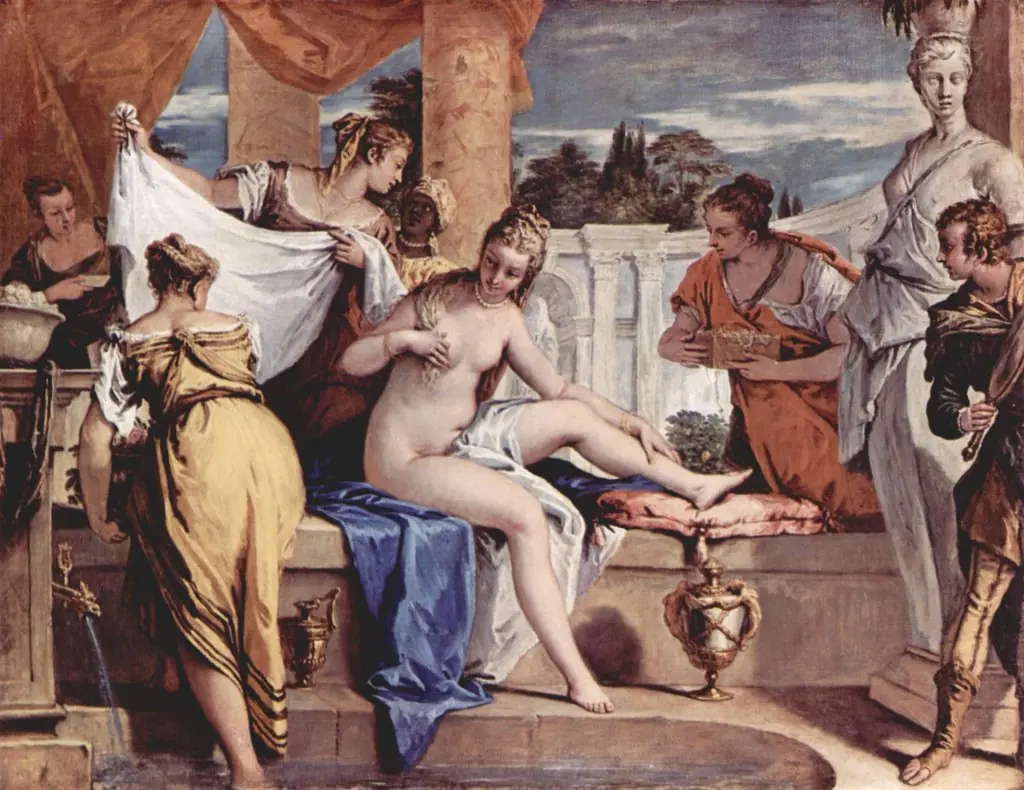 Bathsheba at her bath
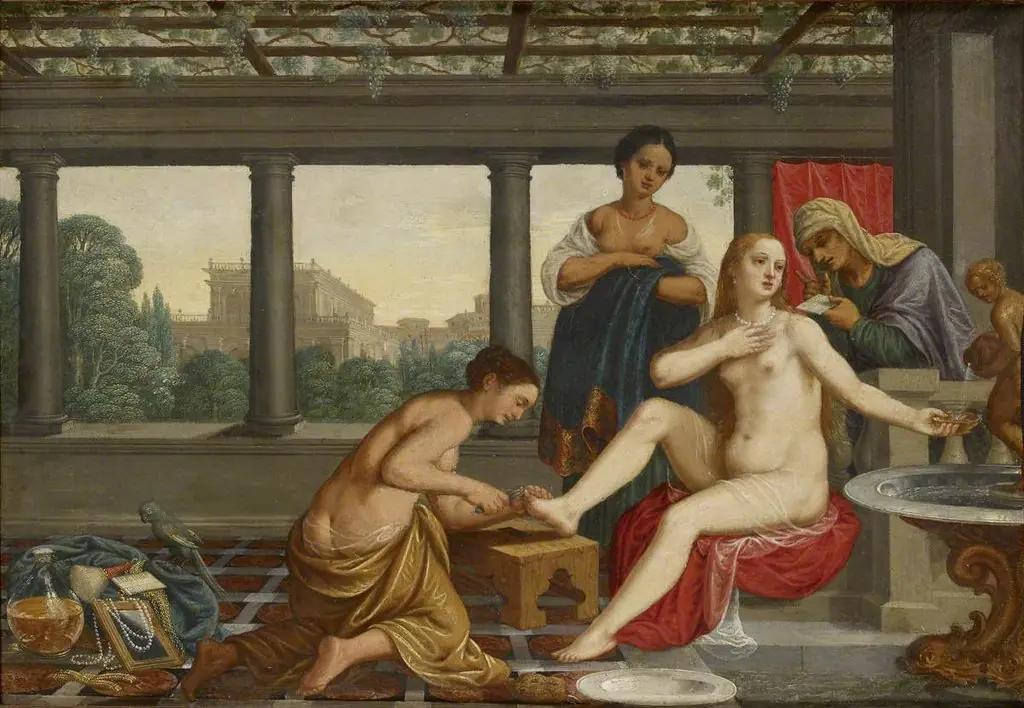 Bathsheba's Bath
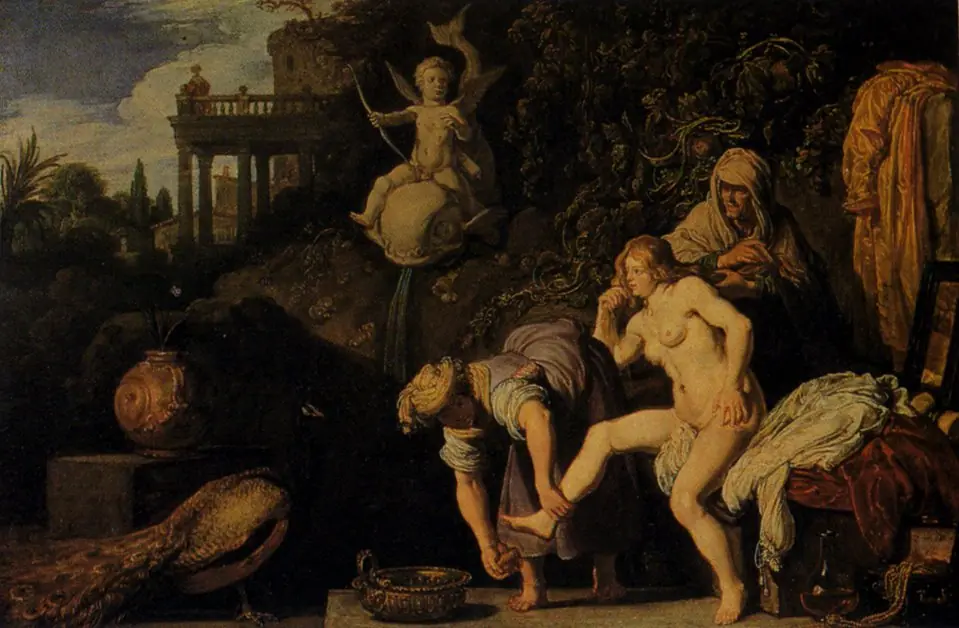 Bathsheba at her Toilette
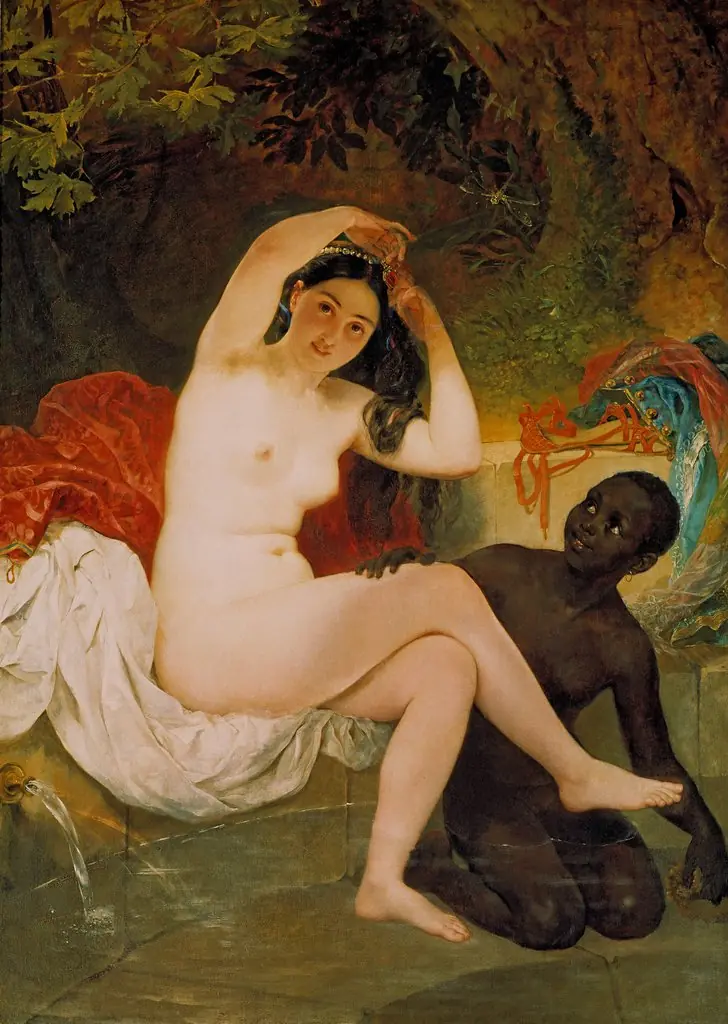 Bathsheba
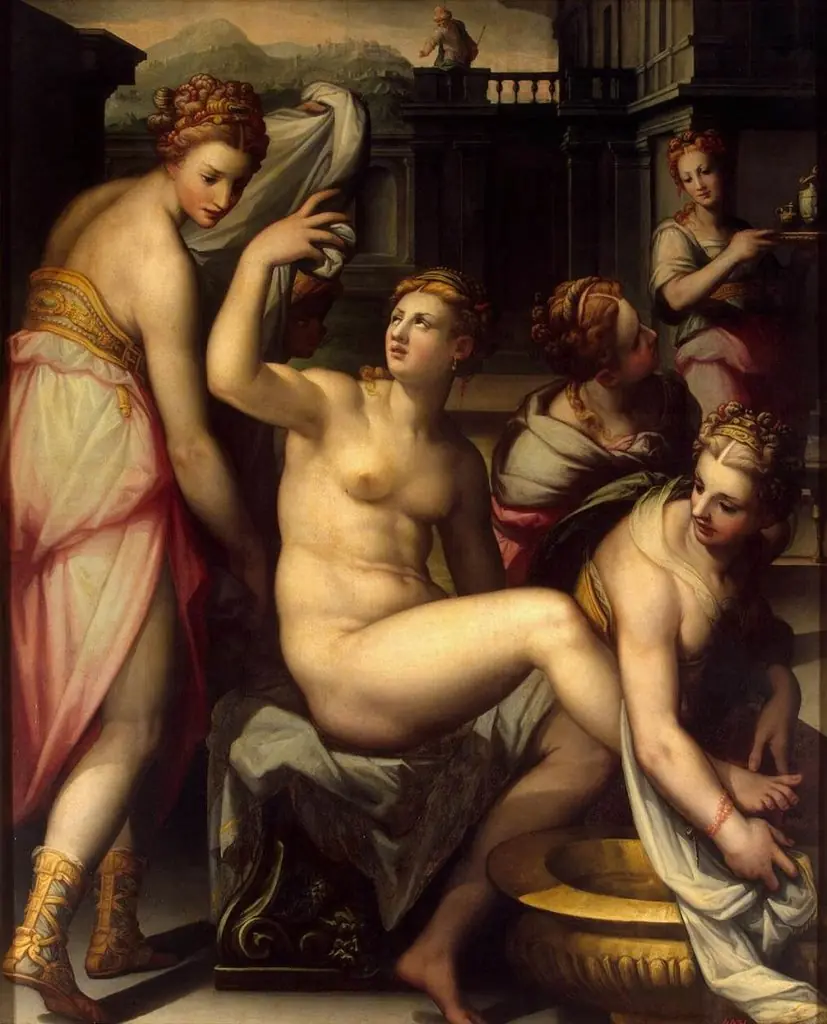 Bathsheba
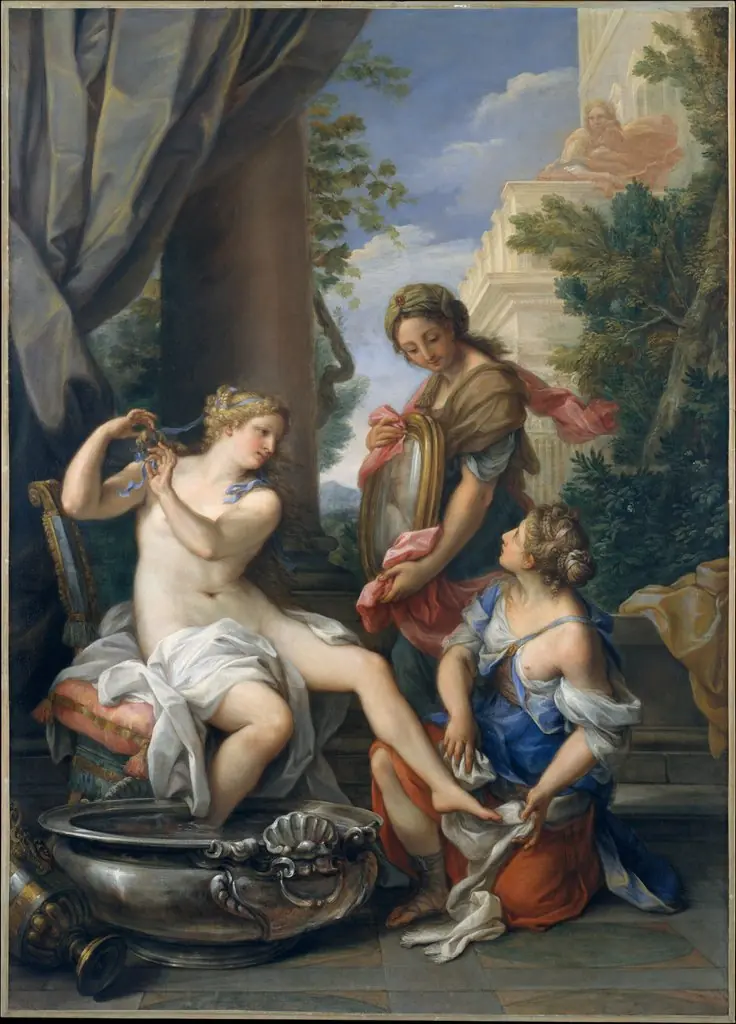 Bathsheba at Her Bath
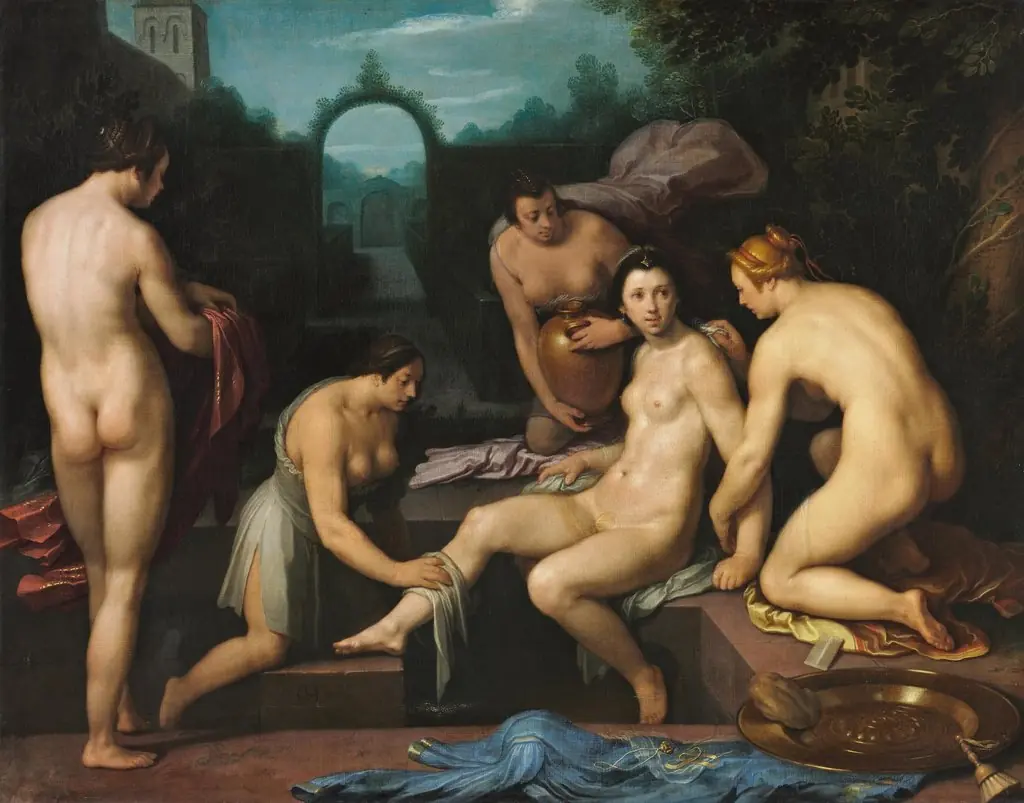 Bathsheba at her toilet
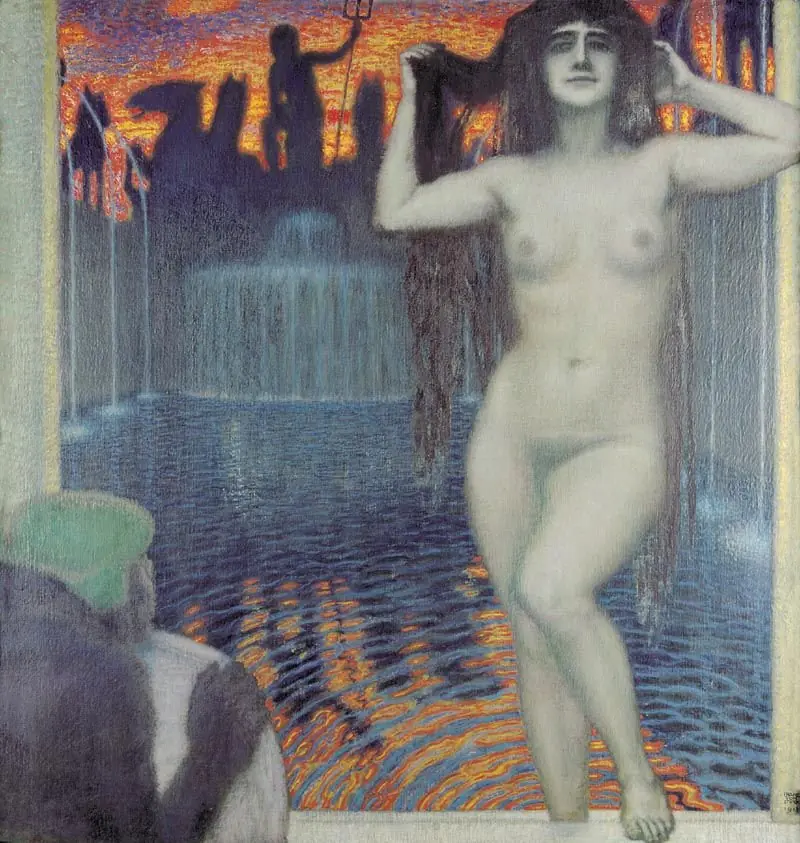 Bathsheba
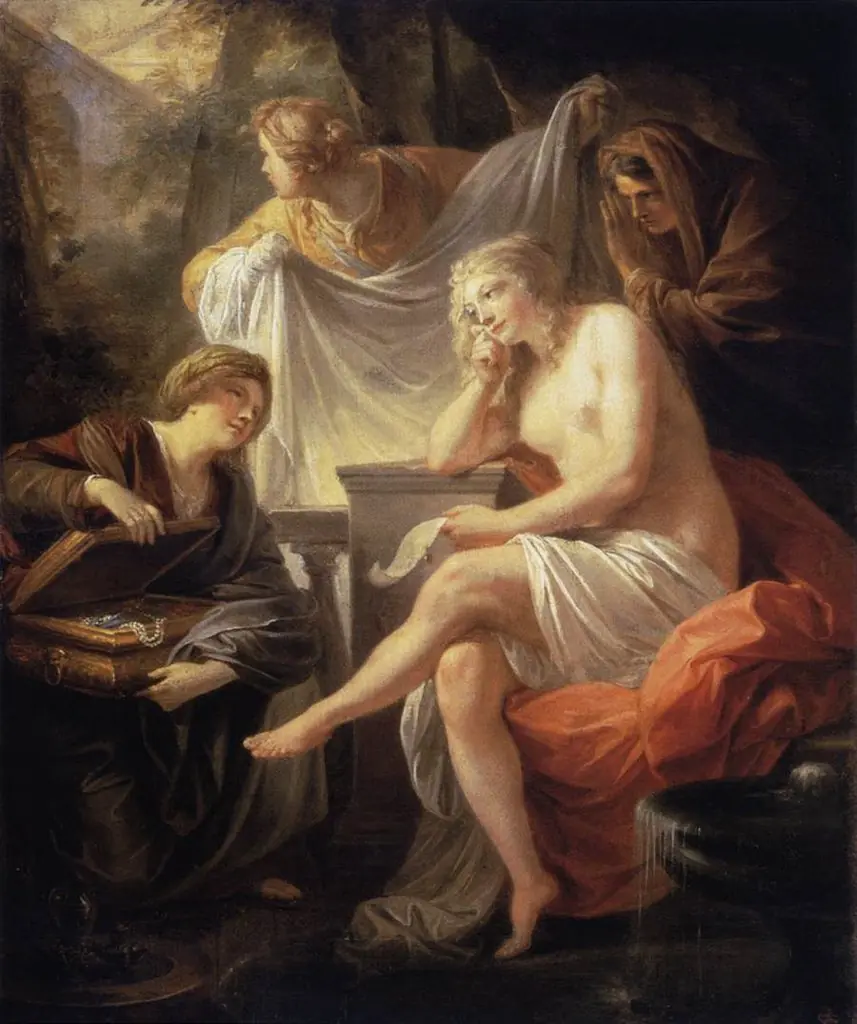 Bathsheba at her bath
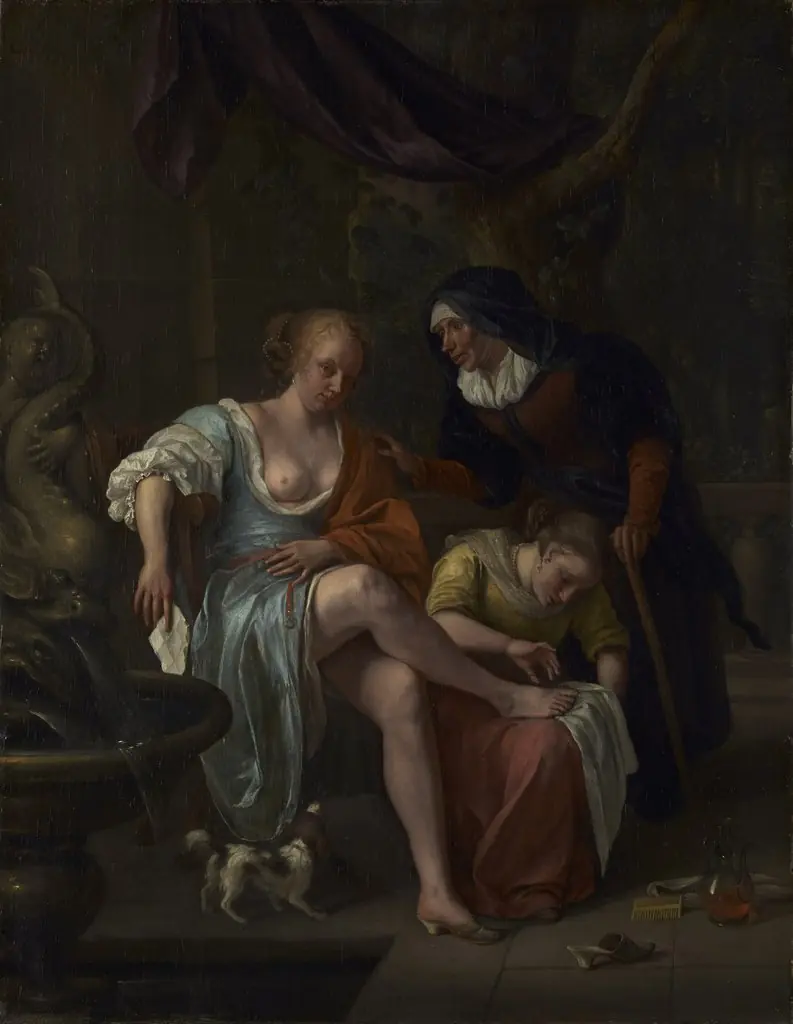 Bathsheba after the Bath
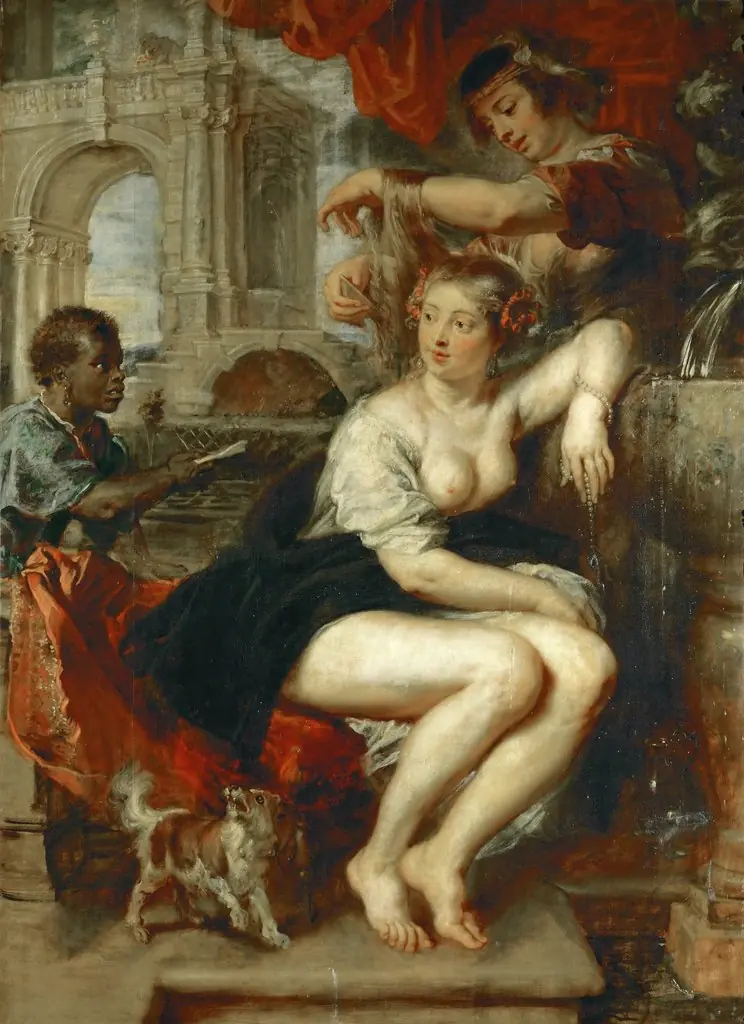 Bathsheba at Her Toilet
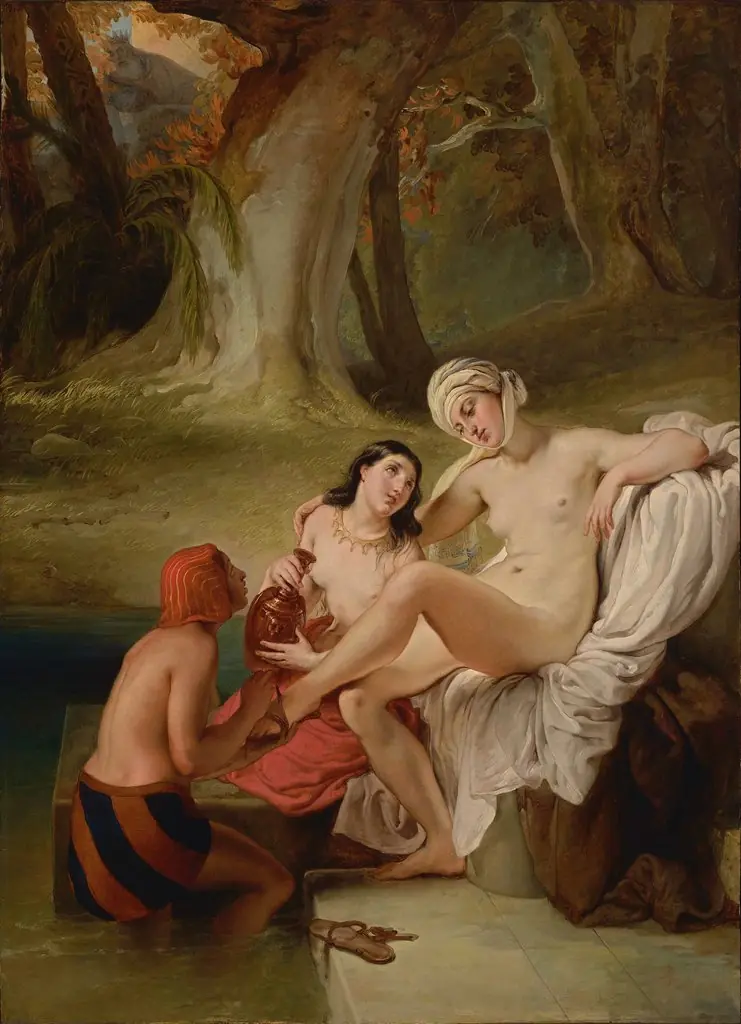 Bathsheba Bathing
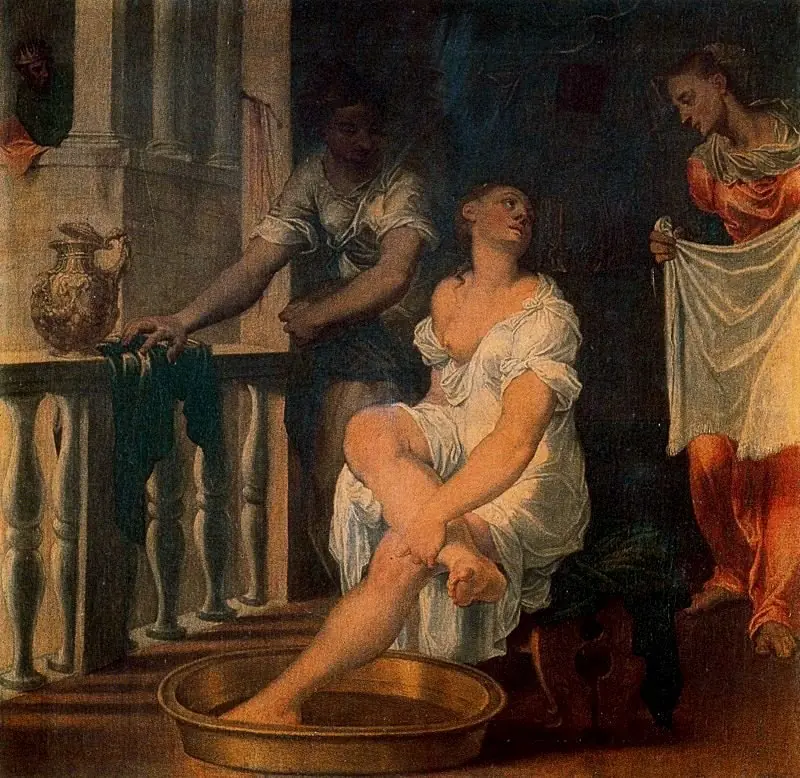 Bathsheba at her bath
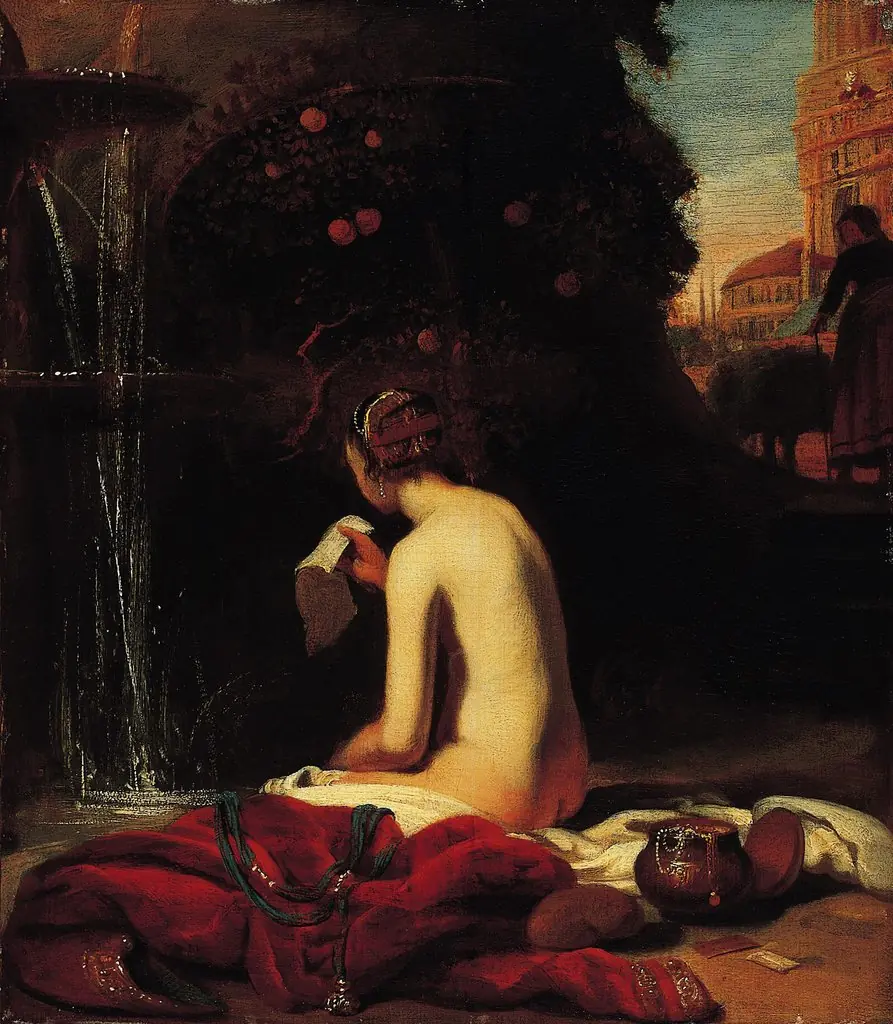 Bathsheba
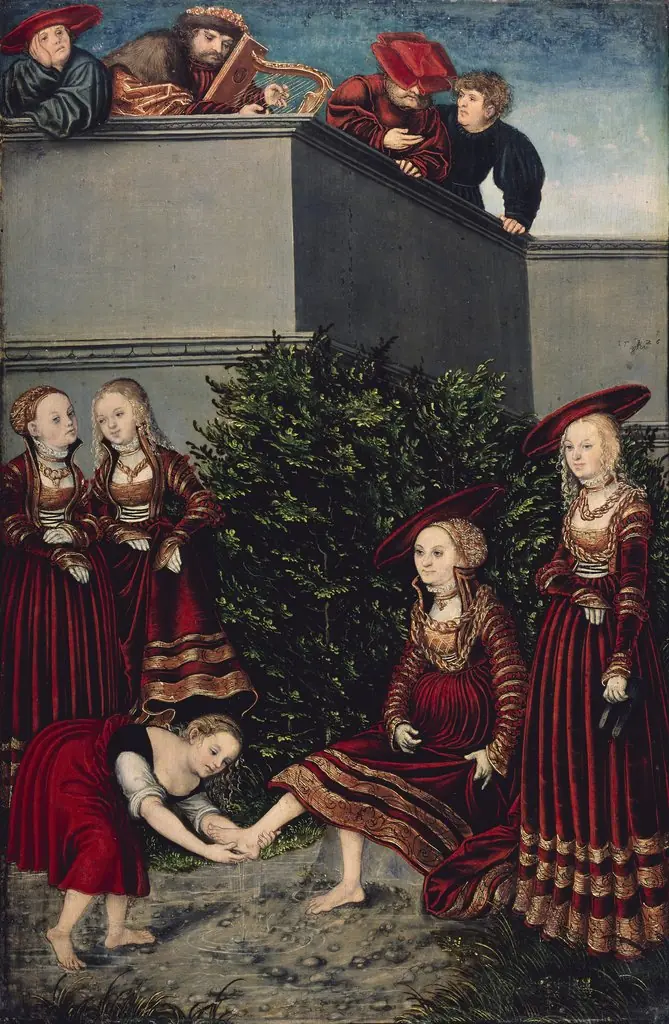 David and Bathseba
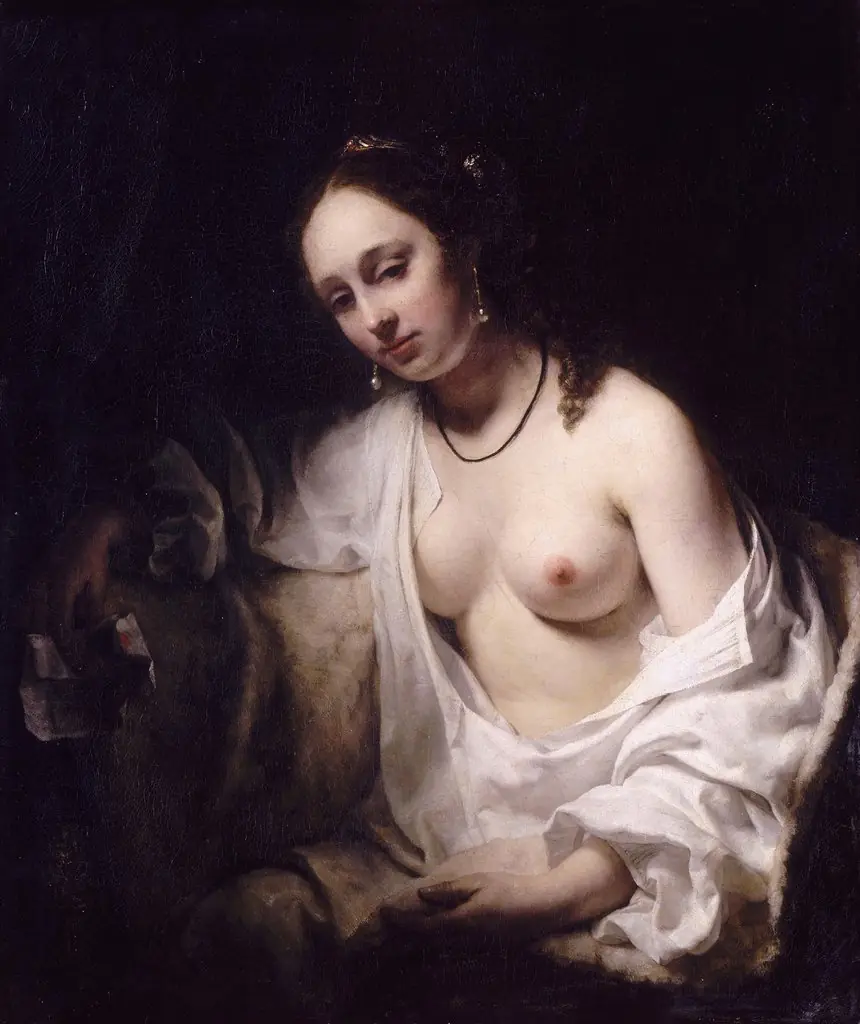 Bathsheba with King David's Letter
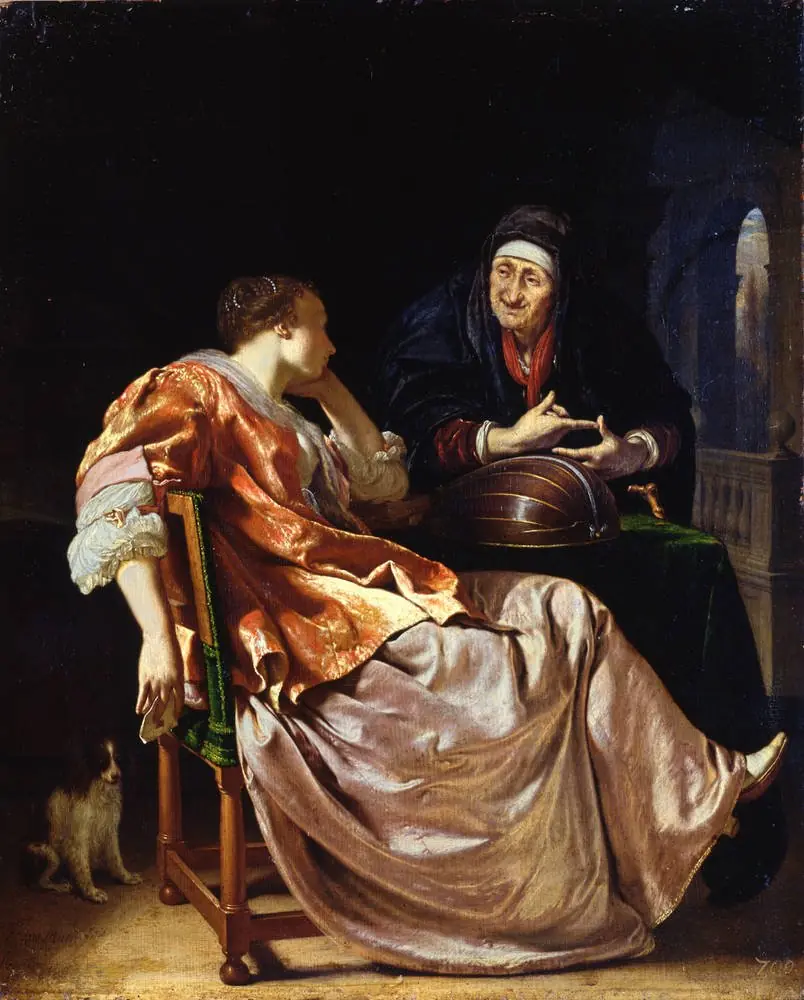 A Woman and a Procuress (Bathsheba)
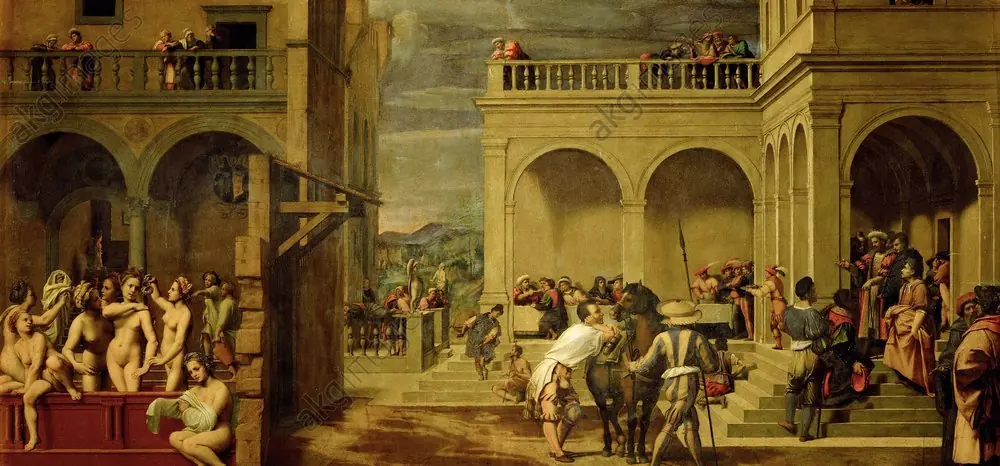 Bathsheba bathing
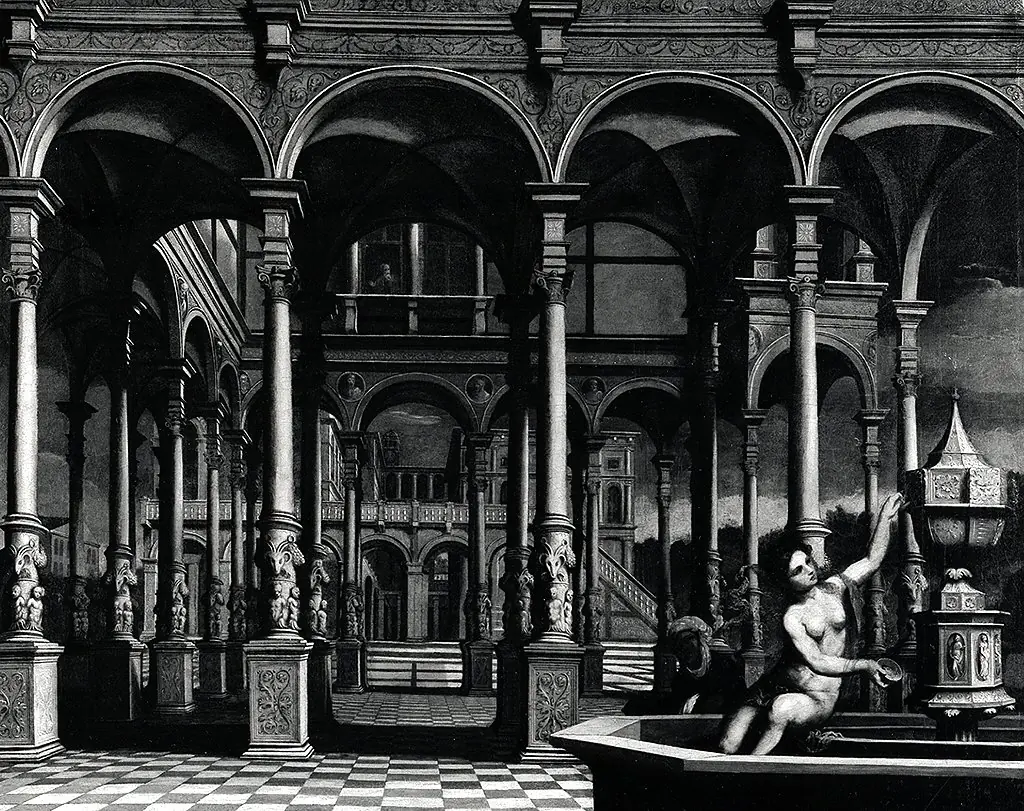 David and Bathsheba
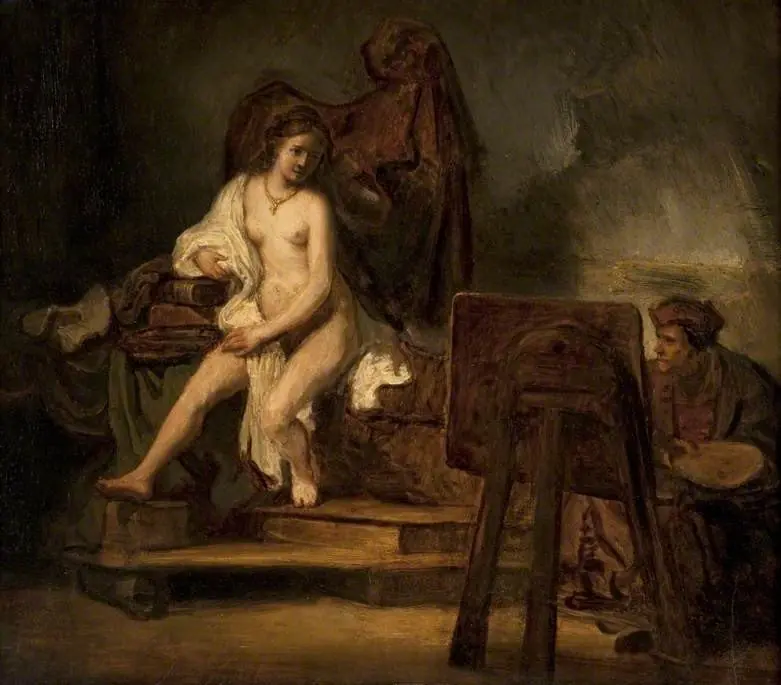 Portrait of Rembrandt painting Hendrickje as his Model
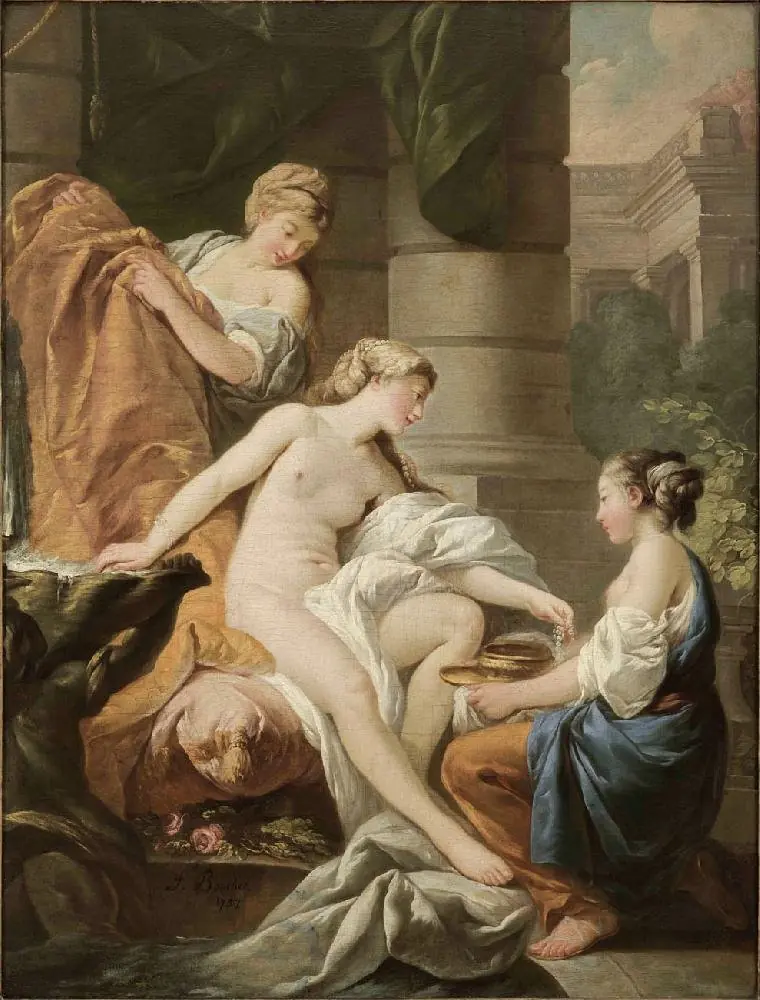 David and Bathsheba
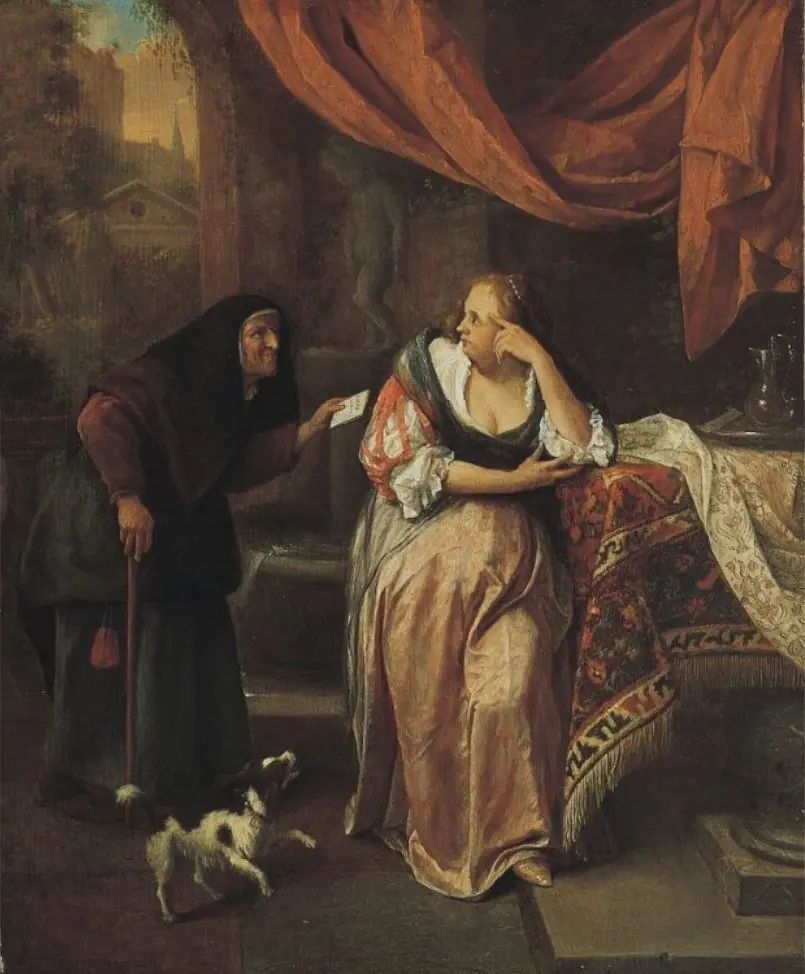 Bathsheba
Frequently asked questions
What is Bathsheba?
Bathsheba (; Hebrew: בַּת־שֶׁבַע Baṯ-šeḇaʿ, lit.
How many Bathsheba works does Artifact World Gallery have?
Artifact World Gallery holds 24 public-domain Bathsheba works, all free to view and download.
Who are the key Bathsheba artists?
Key Bathsheba artists in the collection include François Boucher, Jan van Scorel and Jan Steen.
Where can I see Bathsheba works?
Bathsheba works in the collection are held by Gemäldegalerie Berlin, Staatliche Kunstsammlungen Dresden and Norton Simon Museum.