Subject
Barefoot
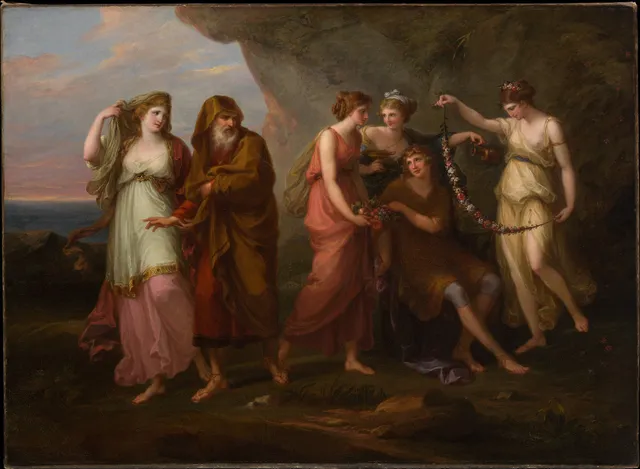
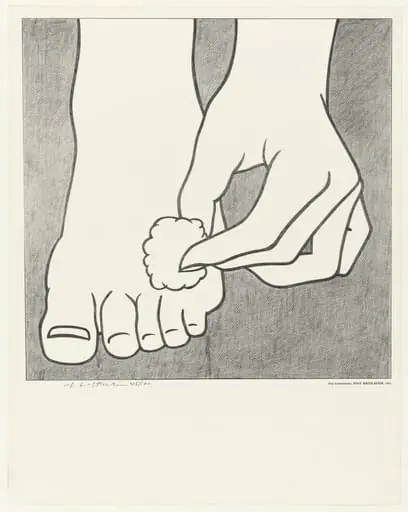
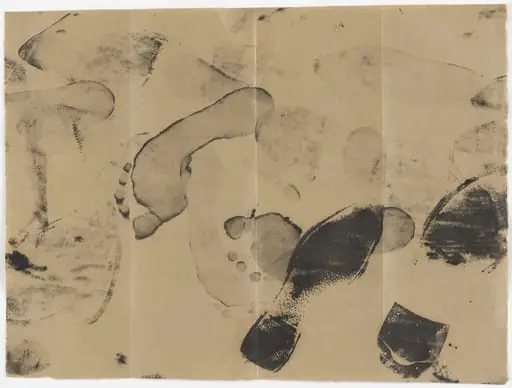
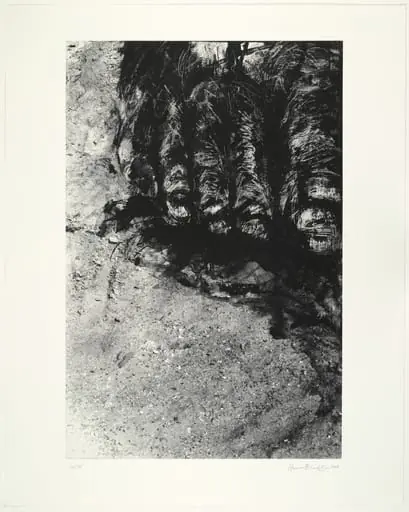
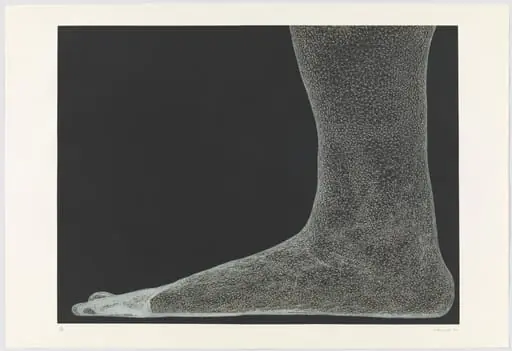
Barefoot is a subject in art. The gallery holds 86 works in this subject in art, including works by Titian, Paolo Veronese and Jean Baptiste Camille Corot.
Being barefoot is the state of not wearing any footwear. There are health benefits and some risks associated with going barefoot.
Key artists
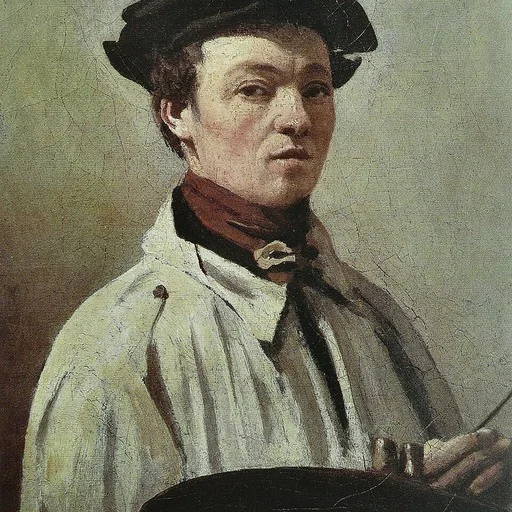
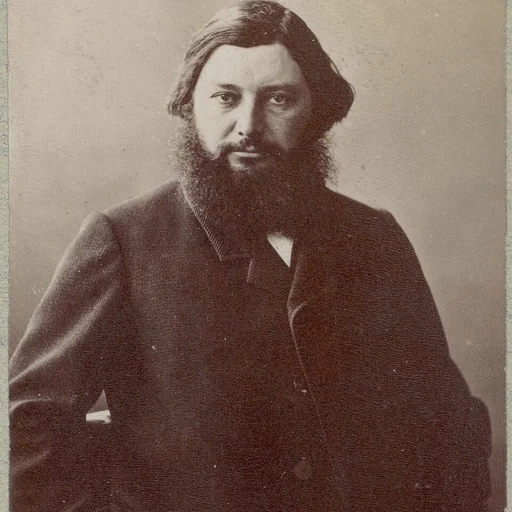
Overview
Barefoot refers to the state of not wearing any footwear. While walking without shoes is the most natural form of human locomotion, allowing for a more rocking motion of the foot and eliminating the hard heel strike, the invention of shoes provided necessary protection against extreme temperatures and rough terrain. Over time, footwear evolved from a practical safeguard into a status symbol and a general commodity. In art, the barefoot motif recurs because the absence of shoes instantly communicates a subject's social standing, spiritual state, or relationship to the natural world, serving as a powerful visual shorthand that transcends cultures and historical periods.
Iconography & meaning
The iconography of the bare foot carries diverse and often contradictory meanings depending on context. In religious traditions, removing footwear signifies humility, veneration, and the recognition of holy ground, as commanded to Moses at the burning bush. Discalceation, the practice of going barefoot or wearing only sandals, became a marker of piety, poverty, and humility among Christian mendicant orders, while Hindu gurus go barefoot to allow followers to demonstrate respect through the ceremonial touching of their feet. Conversely, in secular and historical contexts, bare feet frequently symbolize poverty, subjugation, or slavery. Roman slaves and enslaved people in Suriname and the Cape Colony were forced to go barefoot as a prime mark of distinction between the bonded and the free. During the Inquisition, accused witches were kept barefoot on sanctified ground to inhibit their supposed magical powers. In later counter-cultural movements, going barefoot became an expression of nonconformism, nature connectedness, and rejection of mainstream consumerism.
Across movements & periods
The treatment of the barefoot subject shifted significantly across movements and periods. In ancient Egypt and Greece, going barefoot was common and aesthetically valued; Greek athletes competed unshod, and gods and heroes were primarily depicted barefoot to reflect the Olympic ideal, even as Alexander the Great conquered his empire with a largely barefoot army. The Roman era inverted this perception, treating footwear as a necessity of civilization and a marker of citizenship, thereby reducing bare feet to a sign of slavery or extreme poverty. During the medieval period in Europe, as shoes became commonplace, voluntary barefootedness emerged as a symbol of innocence, asceticism, and religious humility among mendicant orders. By the mid-twentieth century, mass prosperity made shoes ubiquitous, transforming the barefoot state from a symbol of poverty into a deliberate expression of alternative lifestyles and counter-cultural movements.
Notable depictions
Notable depictions of the barefoot motif are deeply rooted in classical antiquity and religious art. Ancient Greek artists consistently portrayed gods, heroes, and Olympic athletes unshod to convey physical perfection and divine aesthetic ideals, a practice famously mirrored by historical figures like Socrates, who preferred going barefoot. In religious art, the motif is central to depictions of Moses removing his sandals on holy ground, and Christian representations of the Passion, where the bare feet of Christ emphasize both his humility and his physical suffering. Artistic representations of the Inquisition and witch trials also canonically depict the accused women barefoot, reflecting the historical mandate that they remain unshod to suppress their alleged magical abilities.
Legacy
The cultural afterlife of the barefoot motif extends from historical subjugation into modern subcultures and health movements. While the phrase barefoot and pregnant emerged in the early twentieth century as a restrictive metaphor for women confined to the home, the later counter-cultural adoption of barefoot walking by groups such as the hippies redefined the motif as a symbol of freedom, nonconformism, and environmental connection. In contemporary East Asia, the legacy of barefoot health practices persists through reflexology pathways in public parks. Furthermore, the concept influenced global health initiatives, notably the barefoot doctors of the People's Republic of China from 1965 to 1981, whose name derived from rural medical workers who worked unshod in rice paddies, demonstrating how the motif transitioned from an indicator of poverty into a symbol of grassroots service.
Works
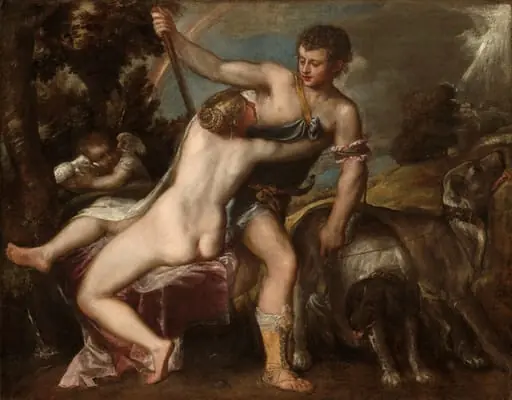 Venus and Adonis
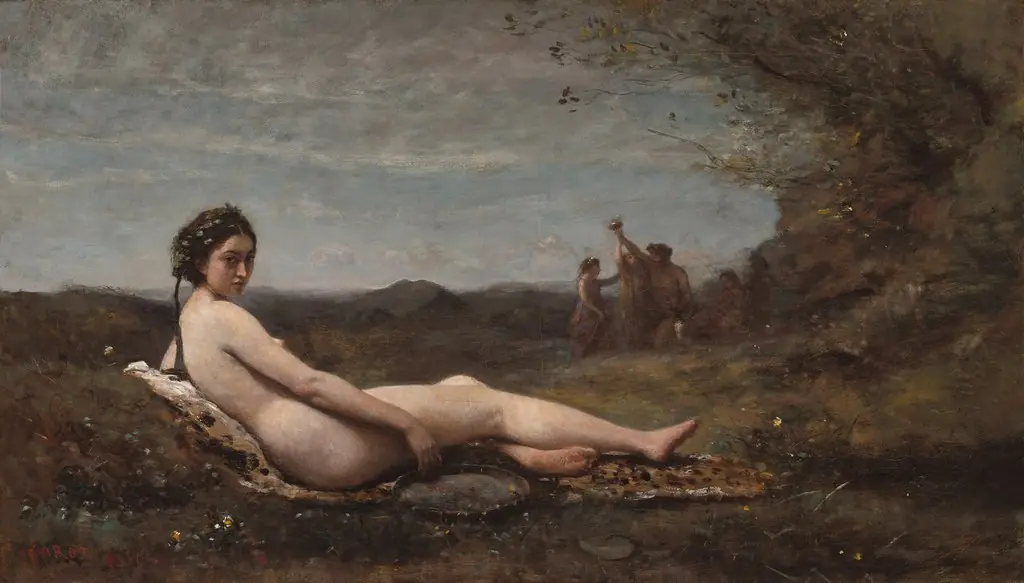 The Repose
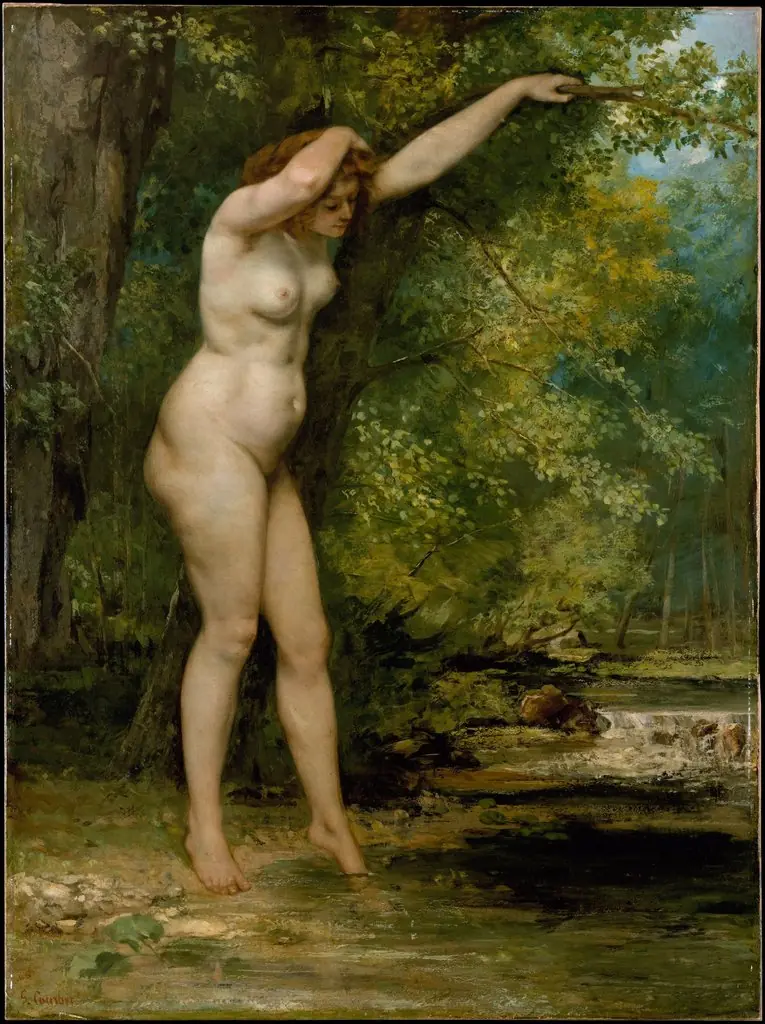 The Young Bather
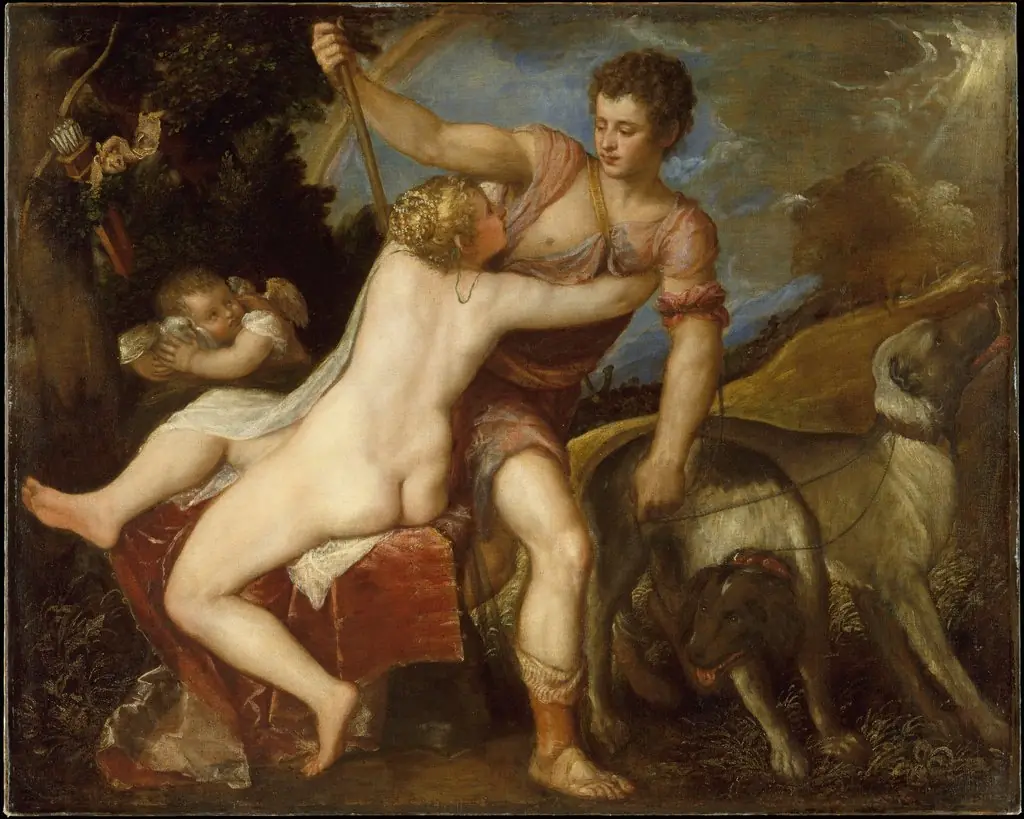 Venus and Adonis
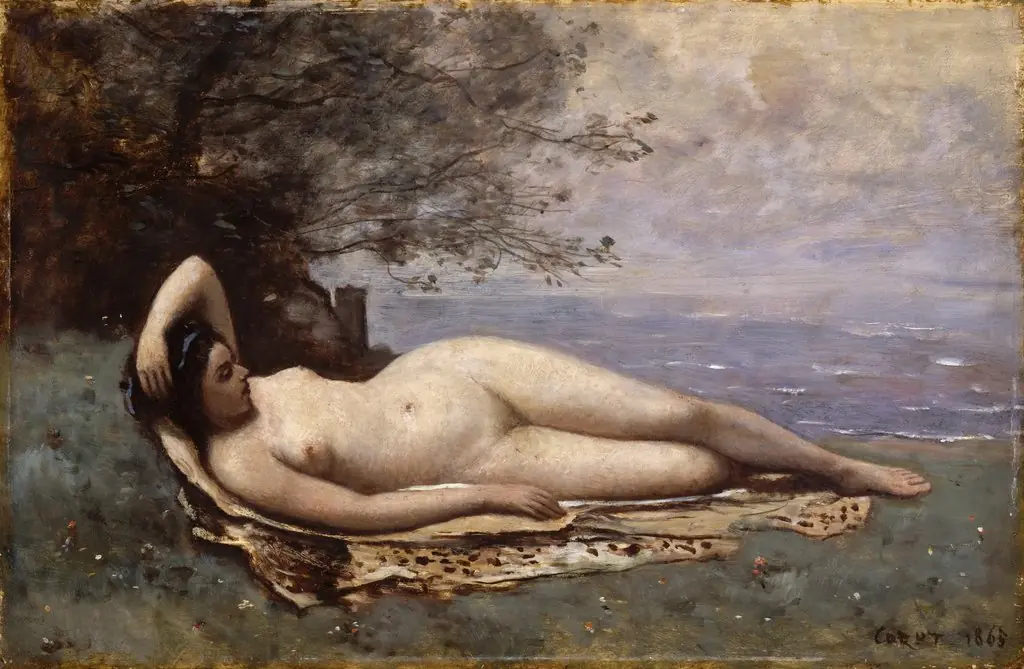 Bacchante by the Sea
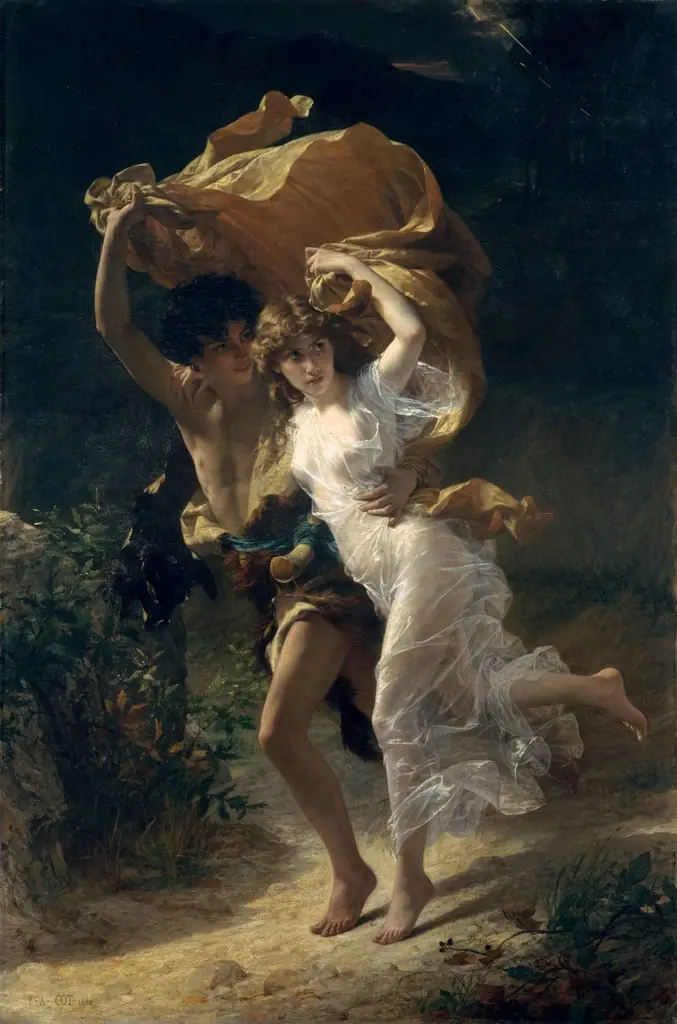 The Storm
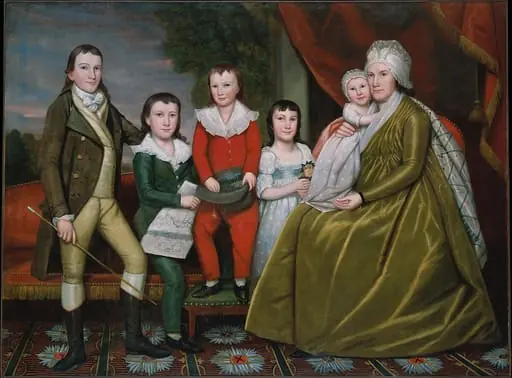 Mrs. Noah Smith and Her Children
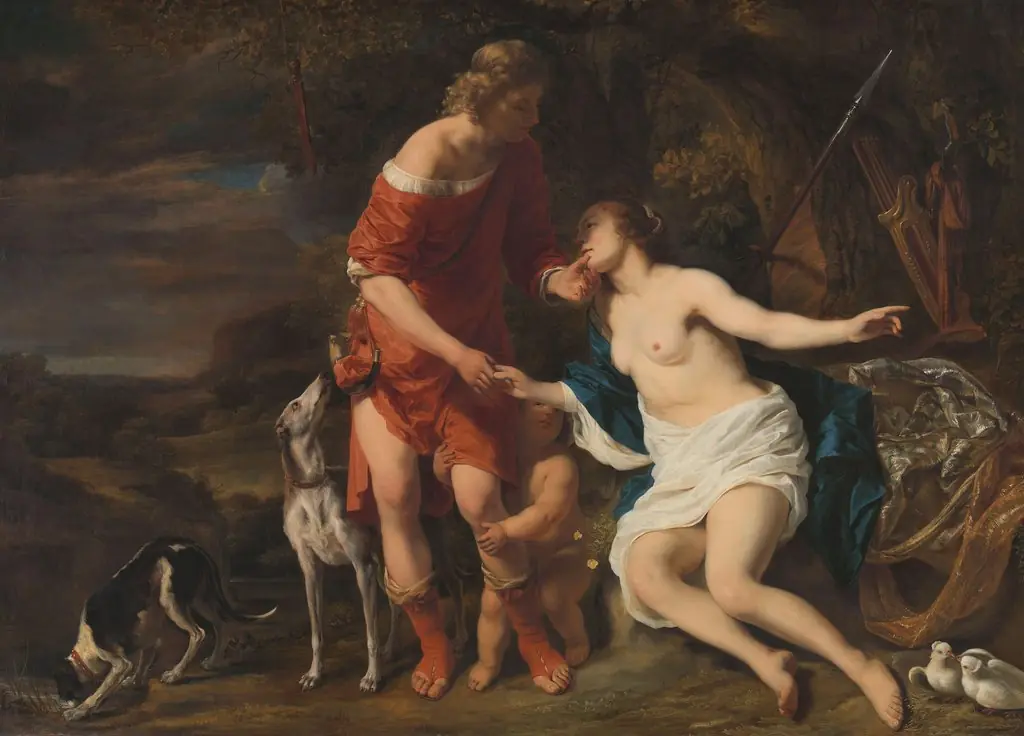 Venus and Adonis
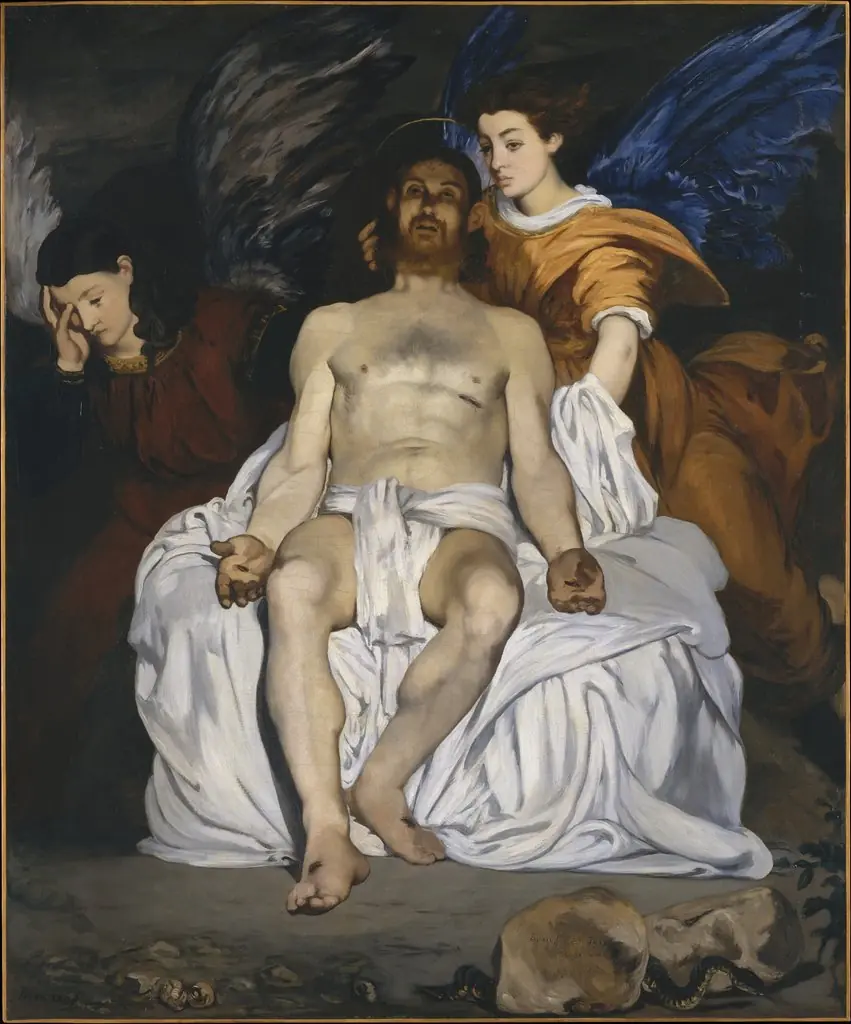 The Dead Christ with Angels
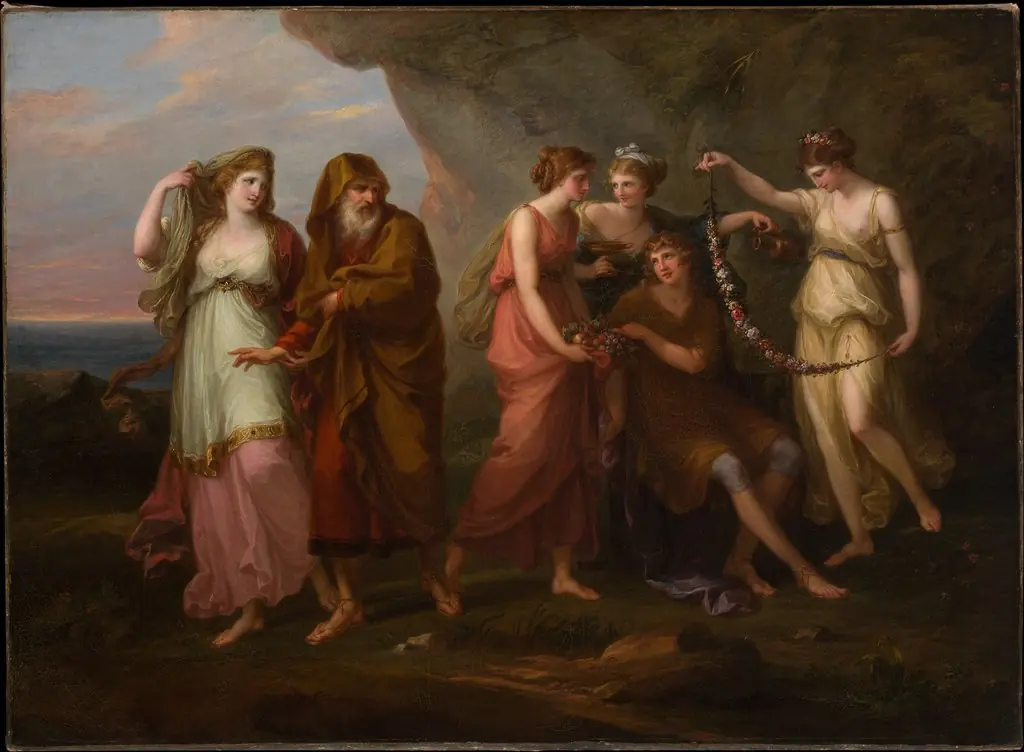 Telemachus and the Nymphs of Calypso
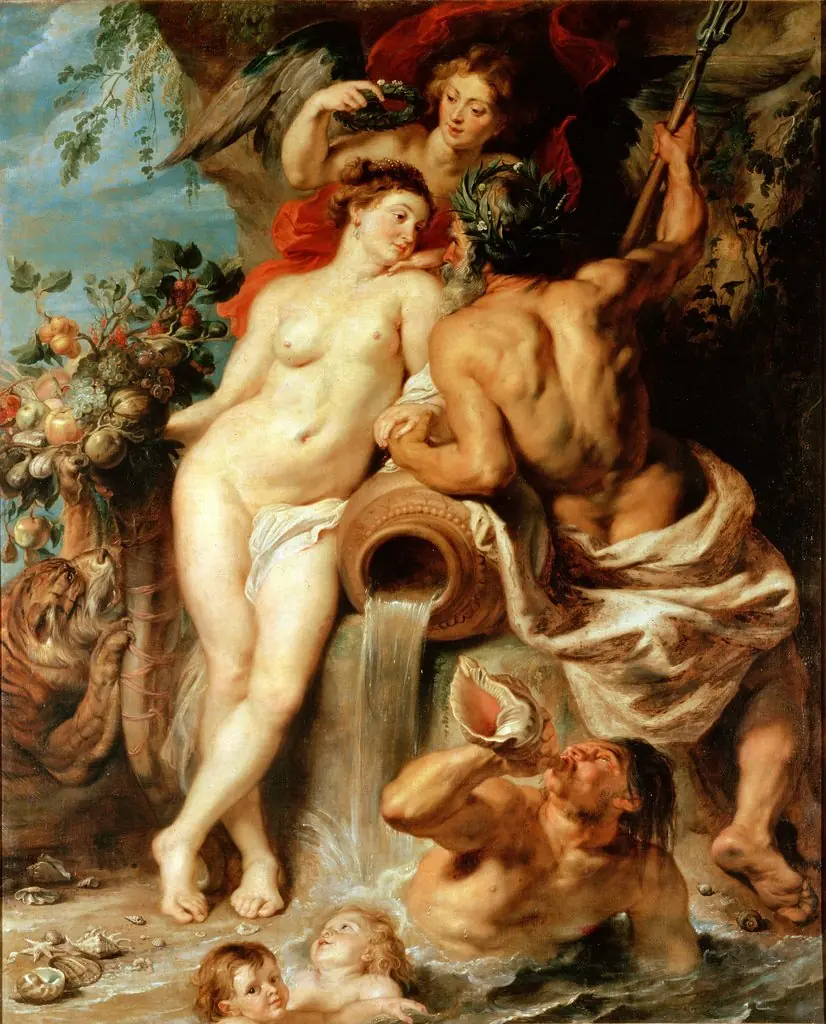 The Union of Earth and Water (Antwerp and the Scheldt)
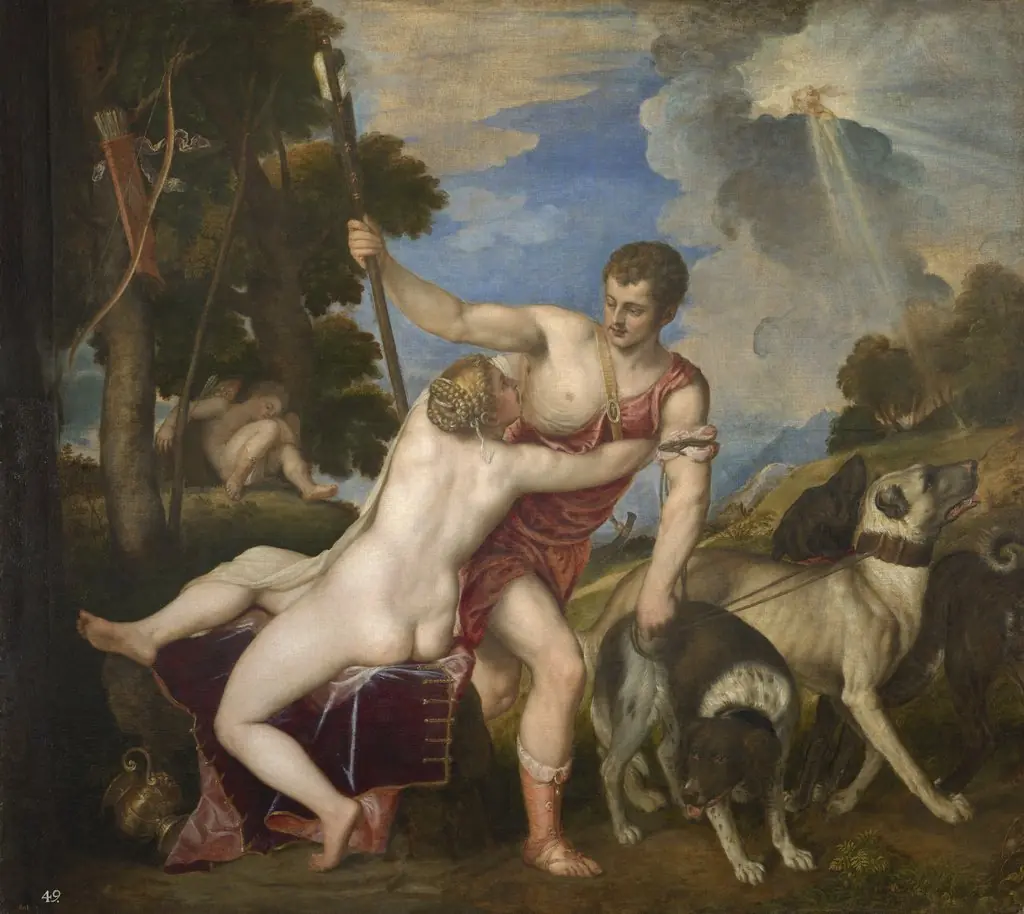 Venus and Adonis
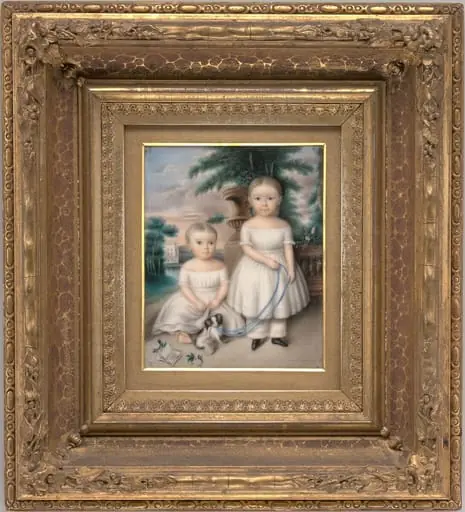 Watson Van Benthuysen II and Thomas Van Benthuysen
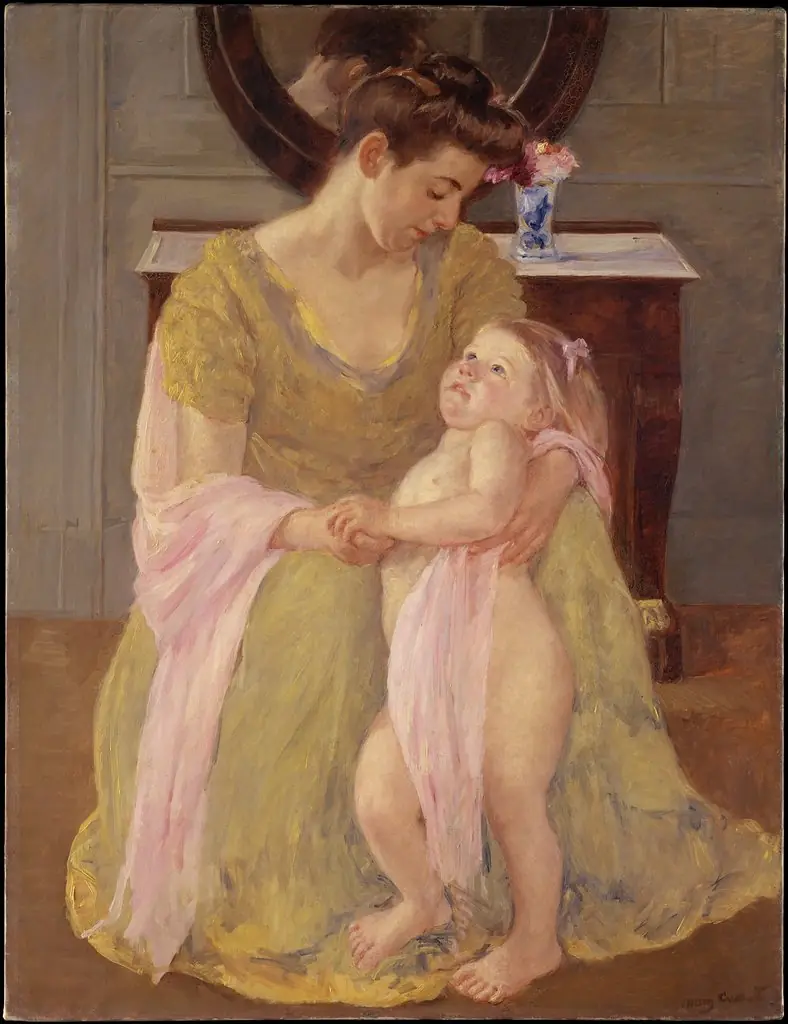 Mother and Child with a Rose Scarf
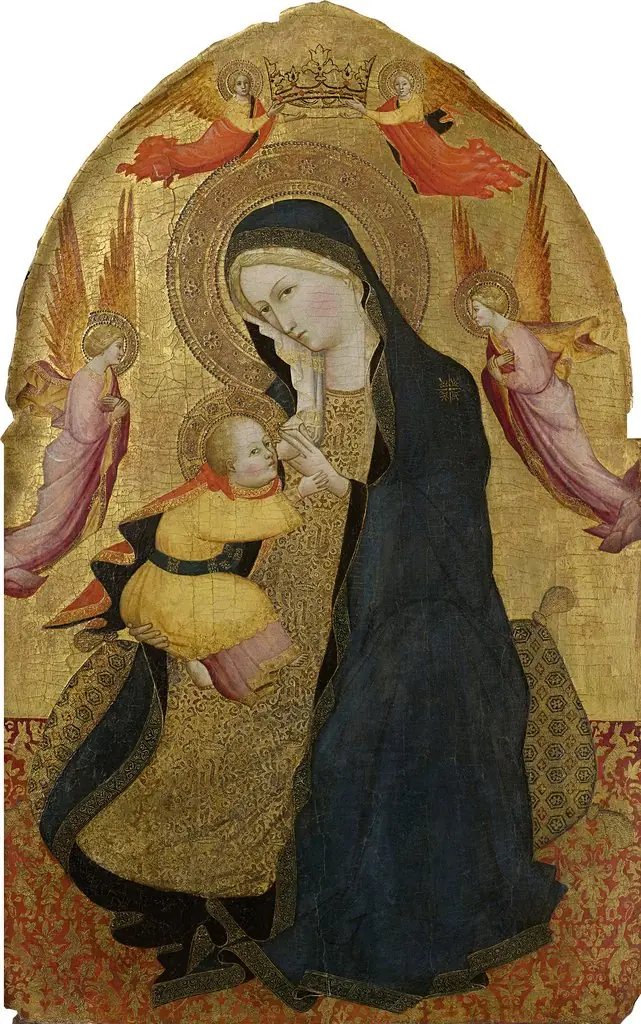 Madonna of Humility (Madonna dell'Umiltà)
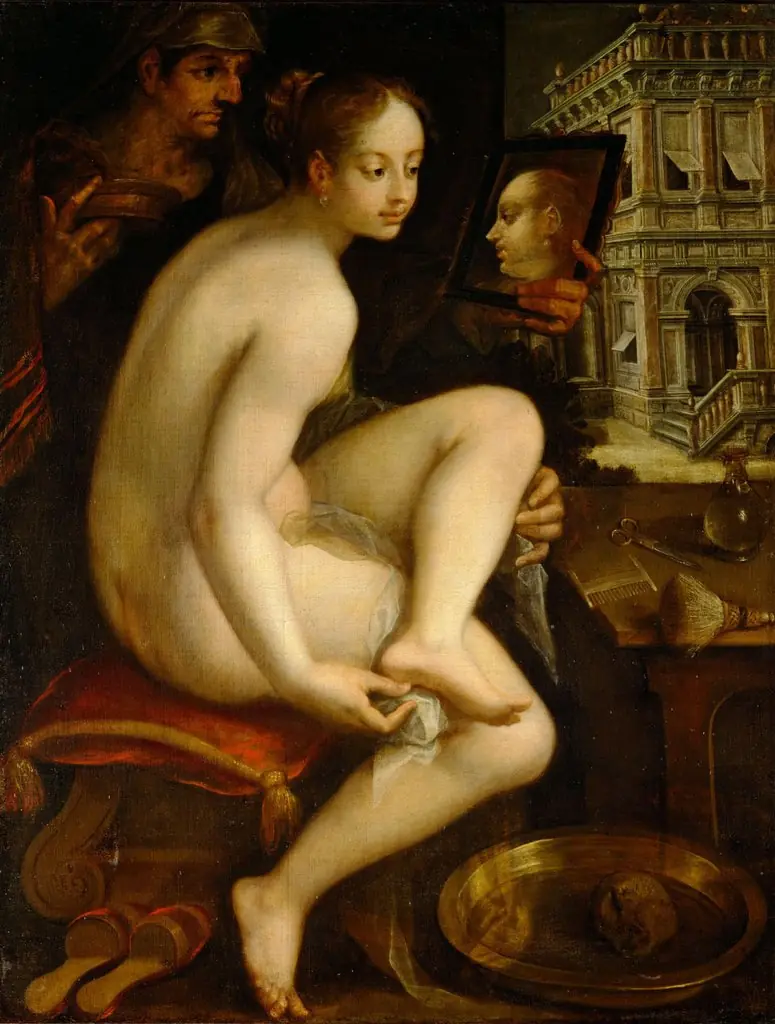 David and Bathsheba
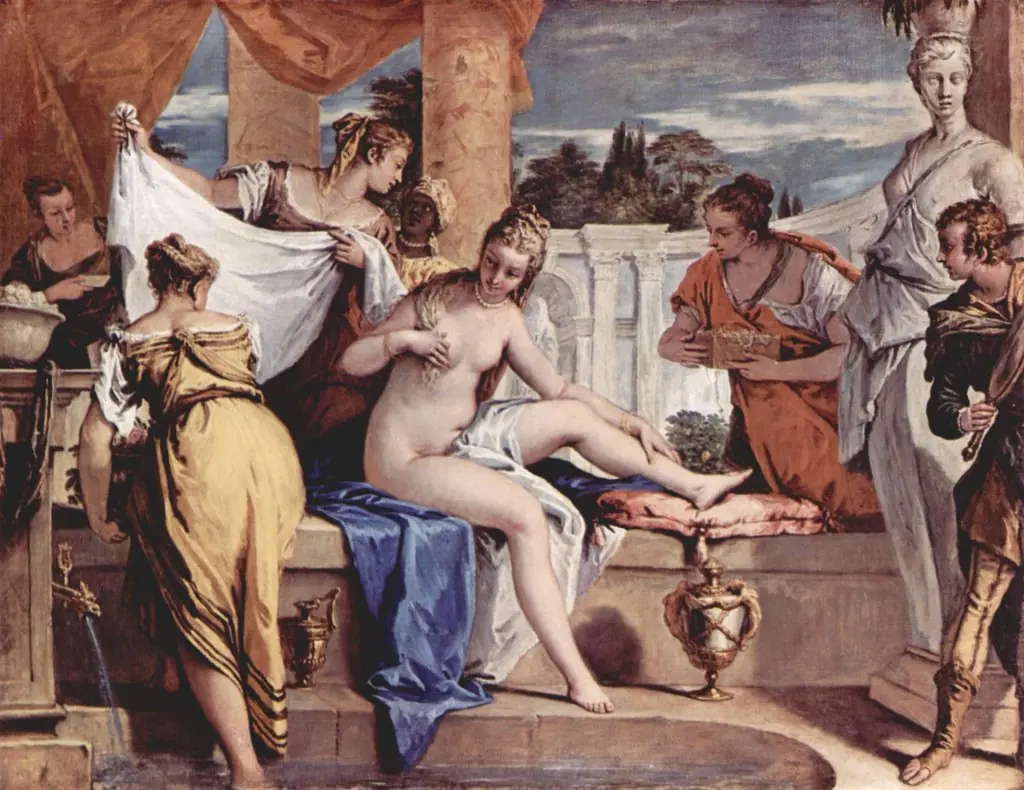 Bathsheba at her bath
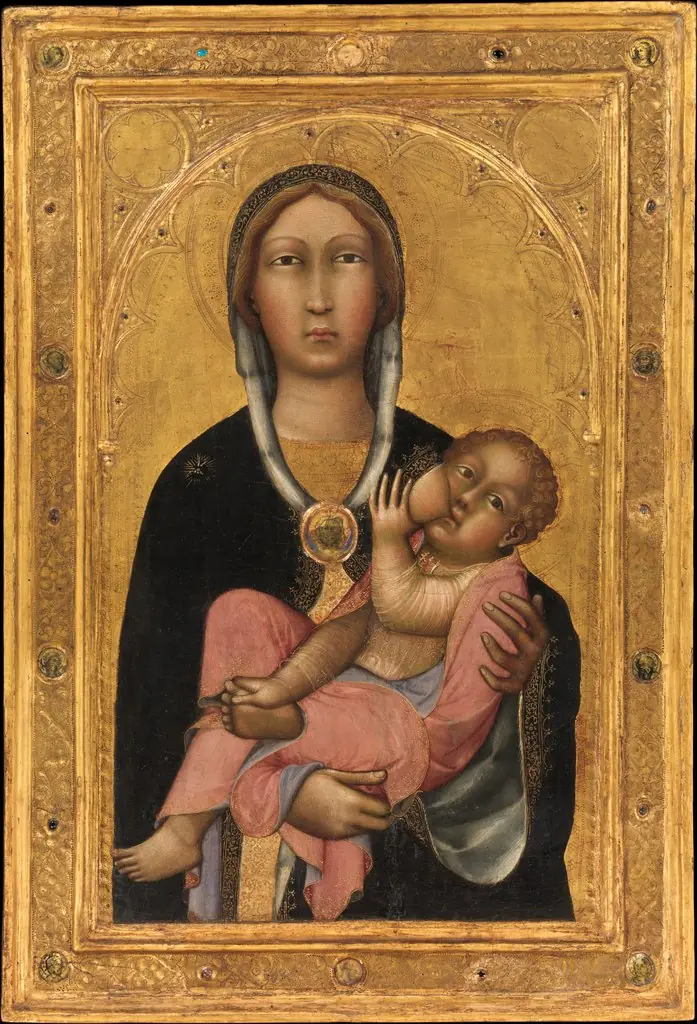 Madonna and Child
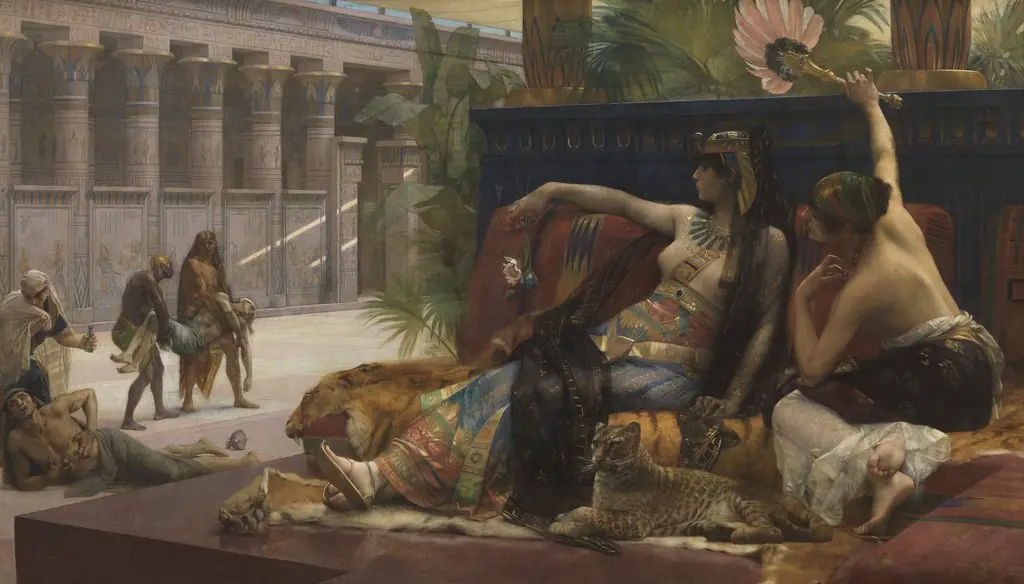 Cleopatra Testing Poisons on Condemned Prisoners
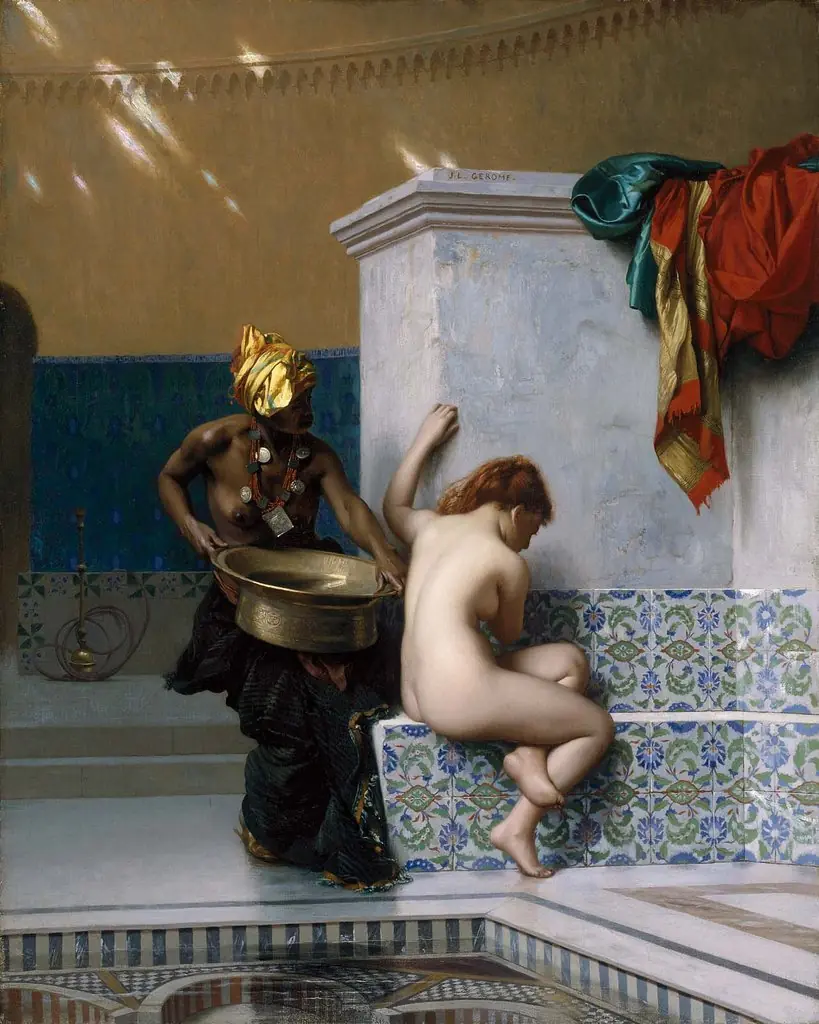 Moorish Bath
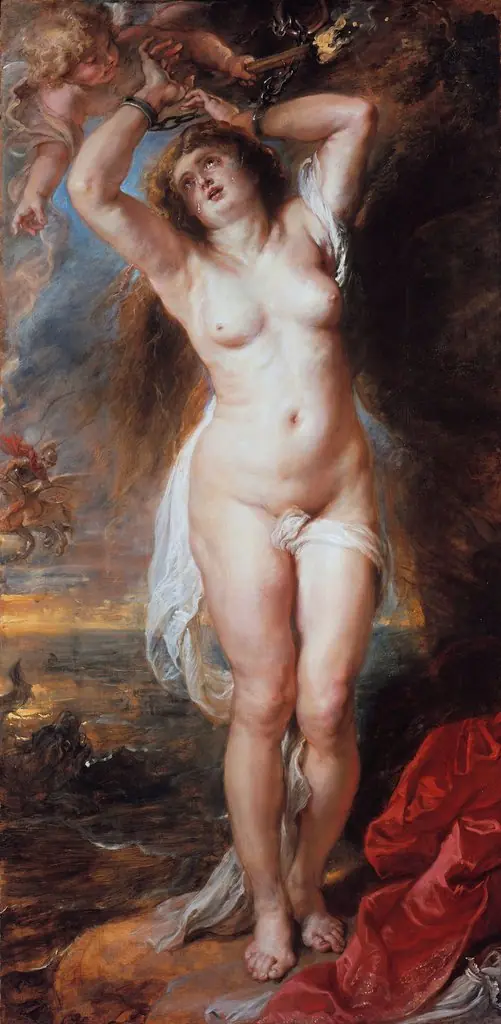 Perseus Freeing Andromeda
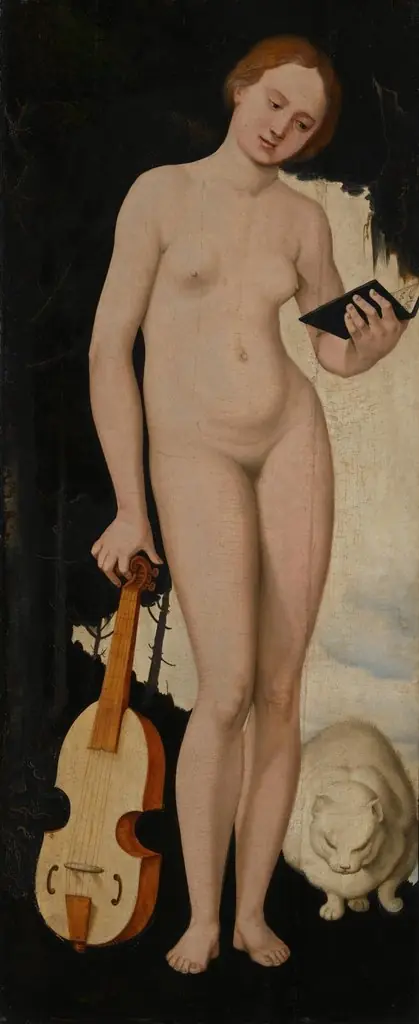 Woman with Cat
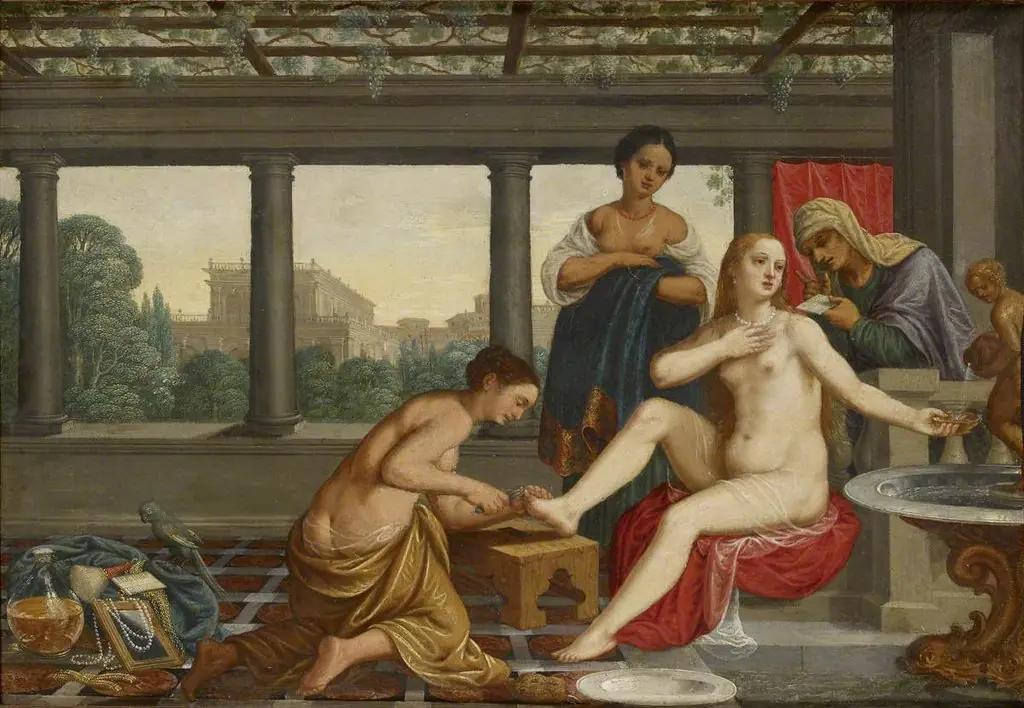 Bathsheba's Bath
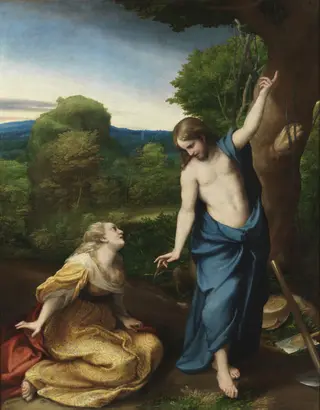 Noli me tangere
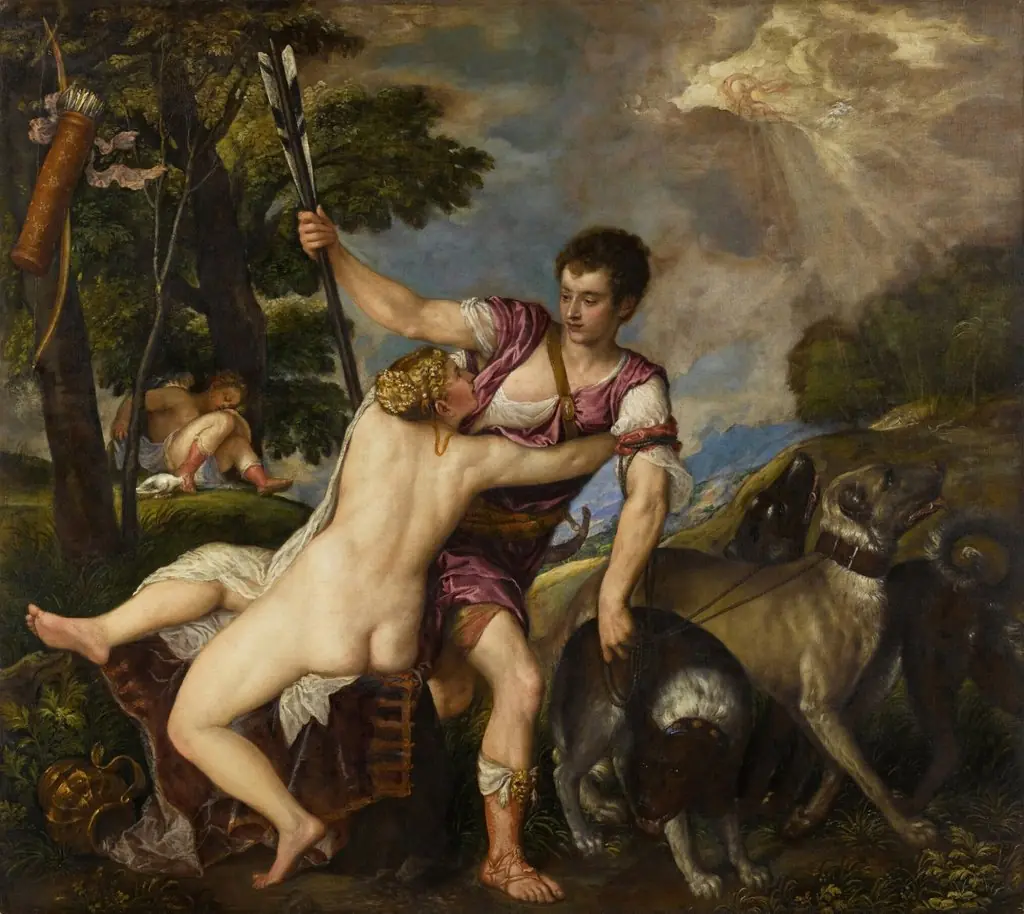 Venus and Adonis
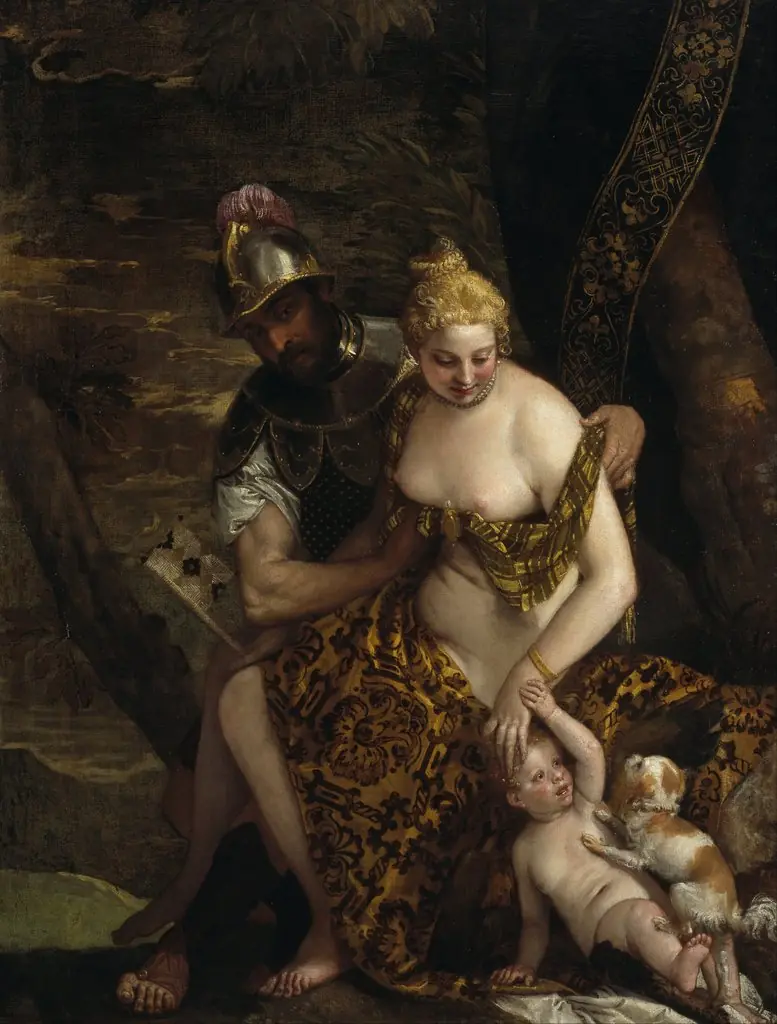 Mars and Venus with Cupid and a Dog
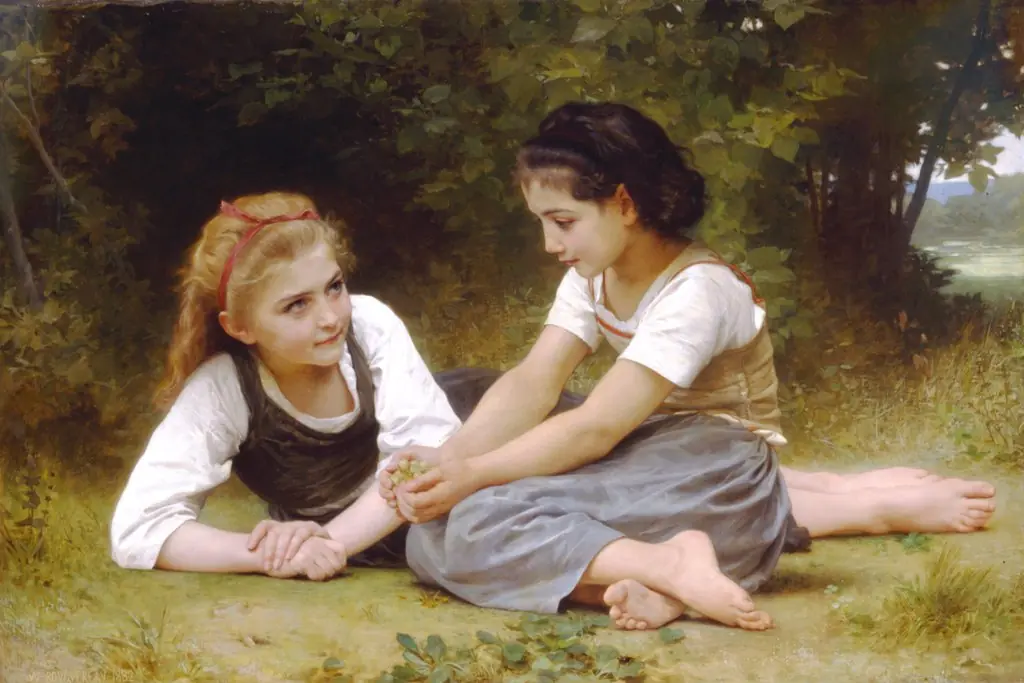 The Nut Gatherers
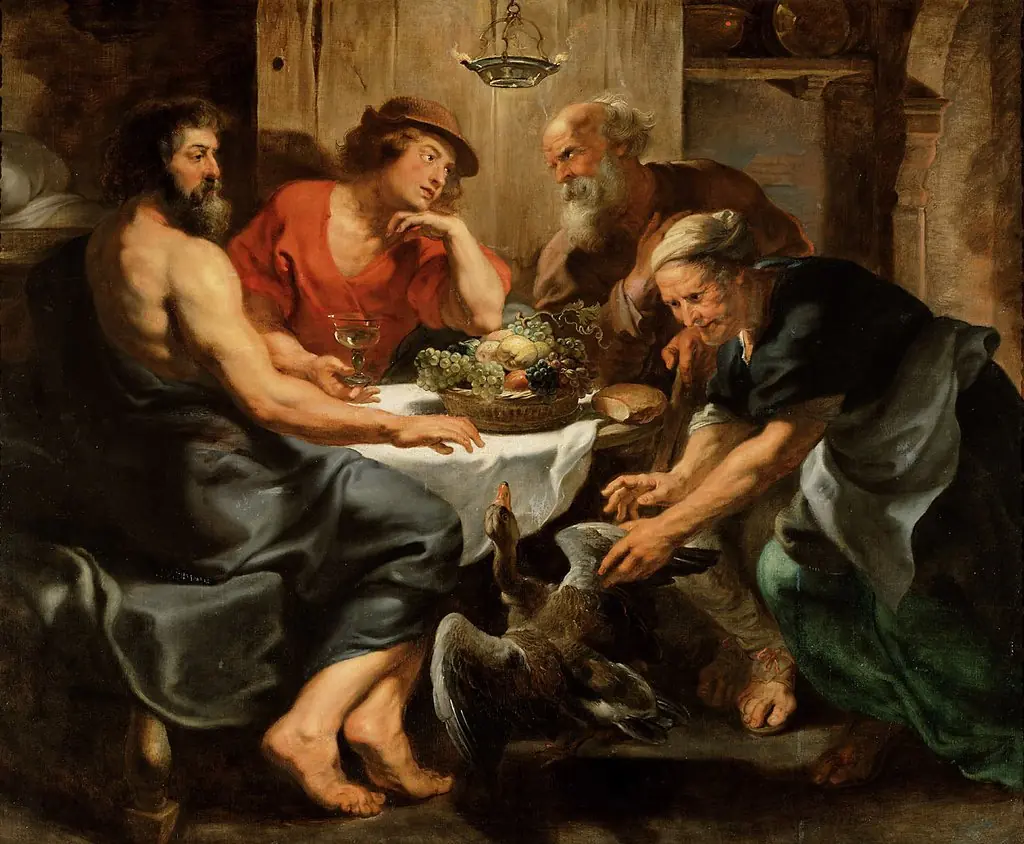 Jupiter and Mercury at Philemon and Baucis
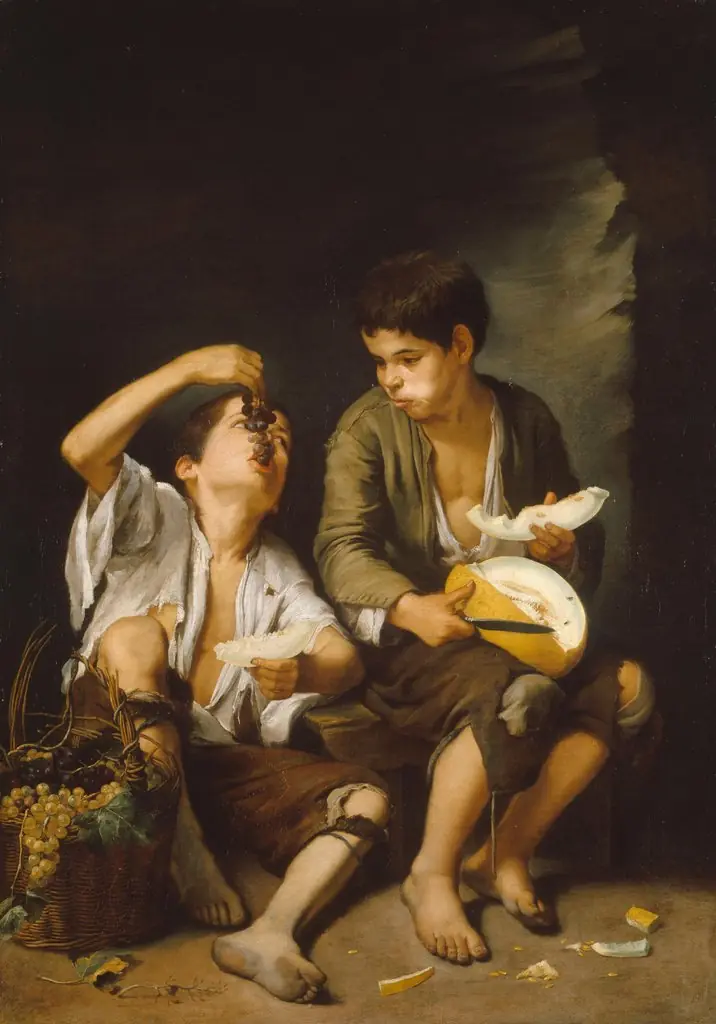 Grape and Melon Eaters
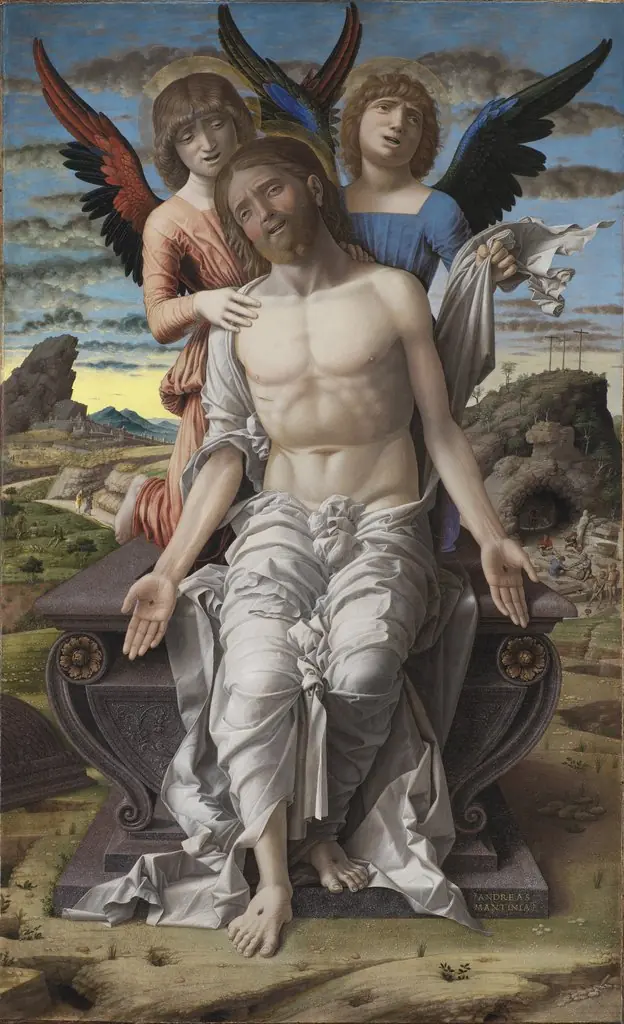 Christ as the Suffering Redeemer
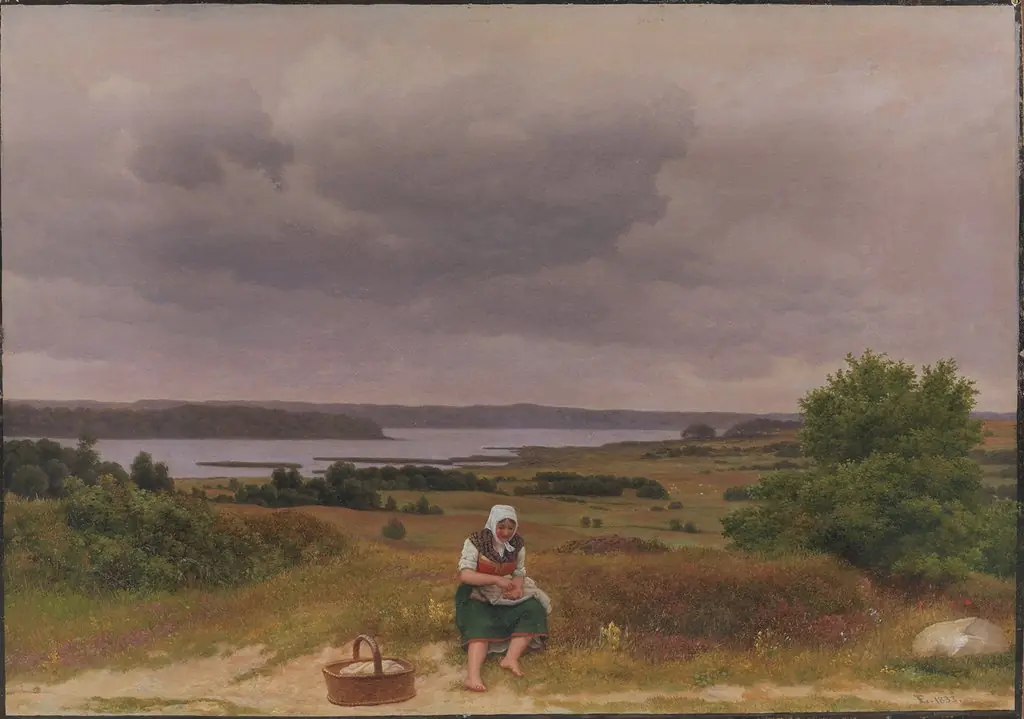 View of Lake Fure near Rudersdal, North Sealand.
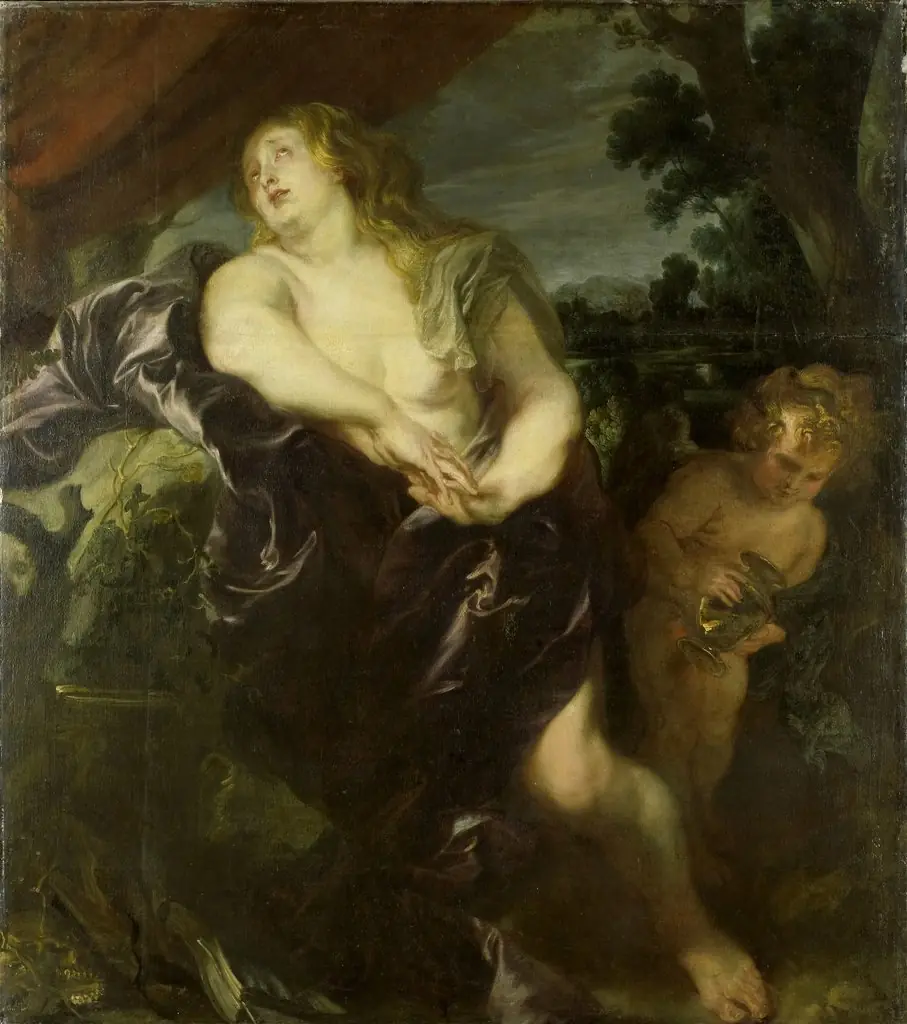 The penitent Mary Magdalene
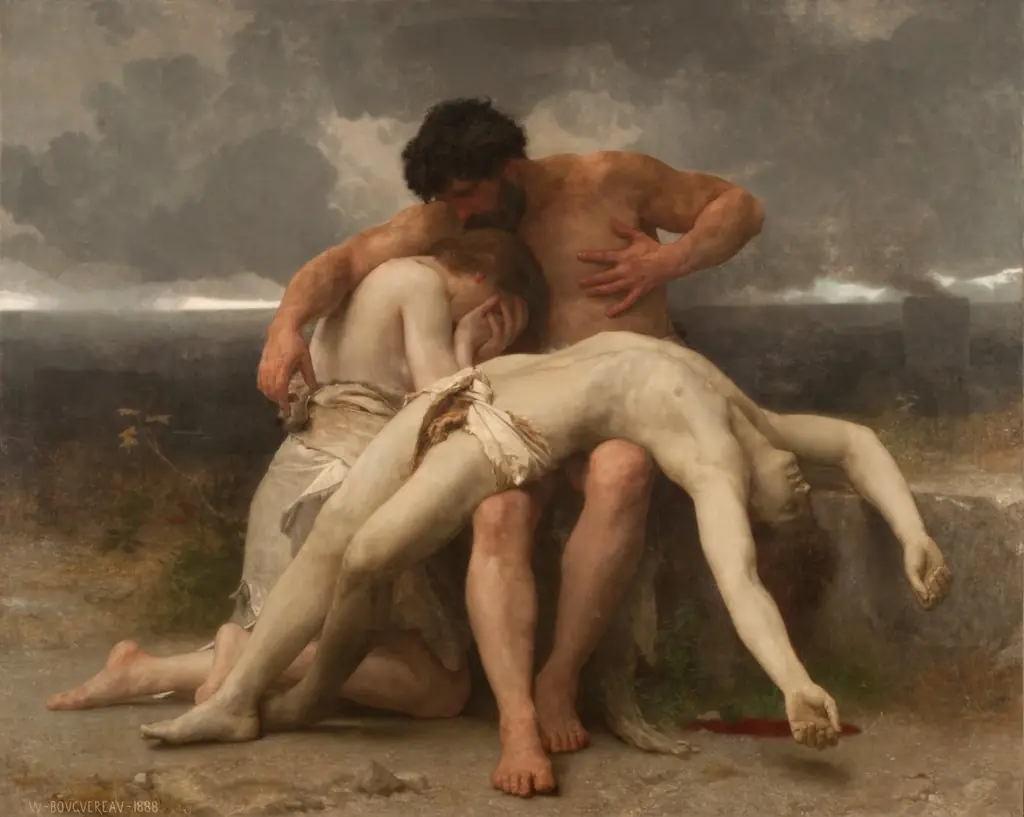 The First Mourning
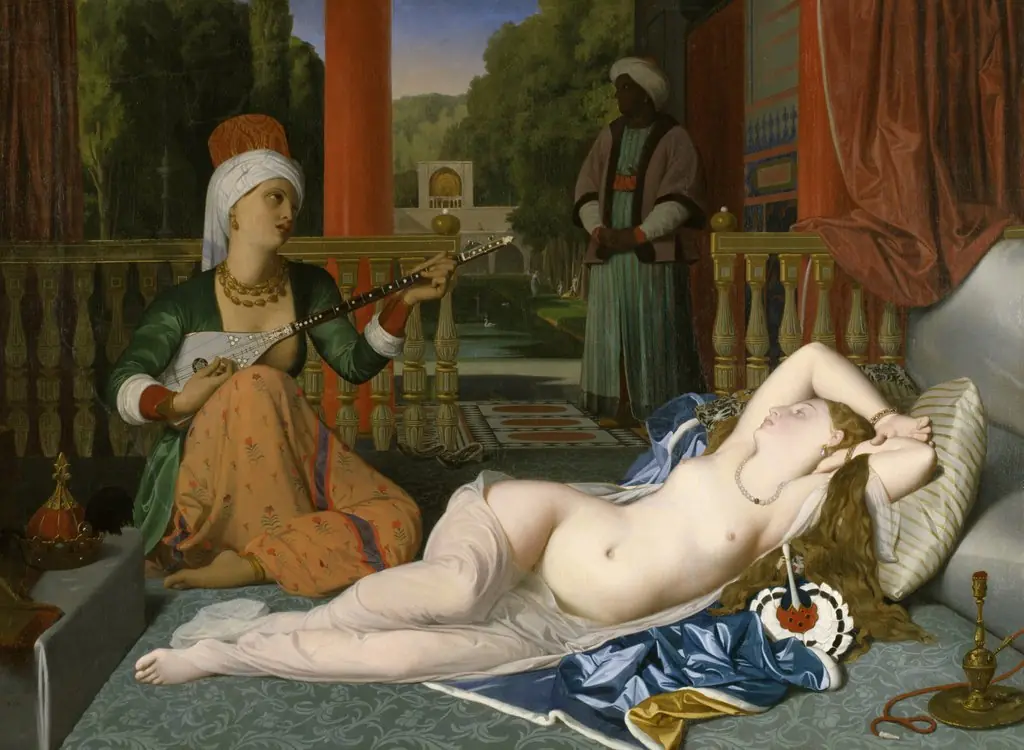 Odalisque with Slave
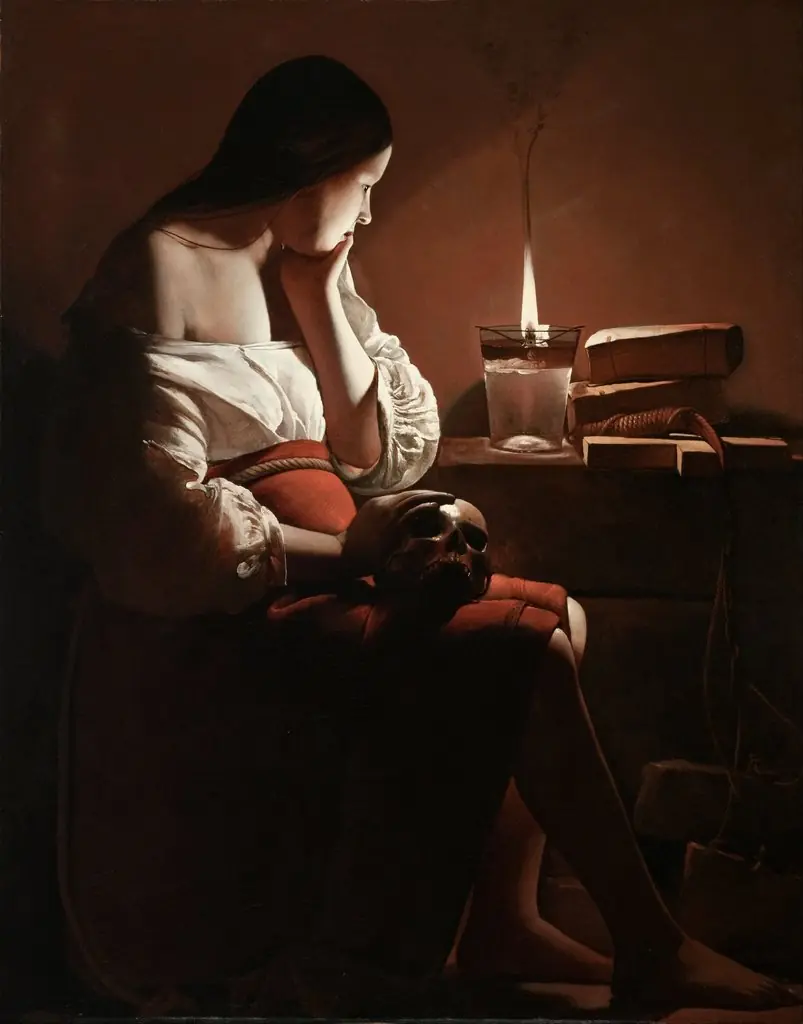 Magdalen with the Smoking Flame
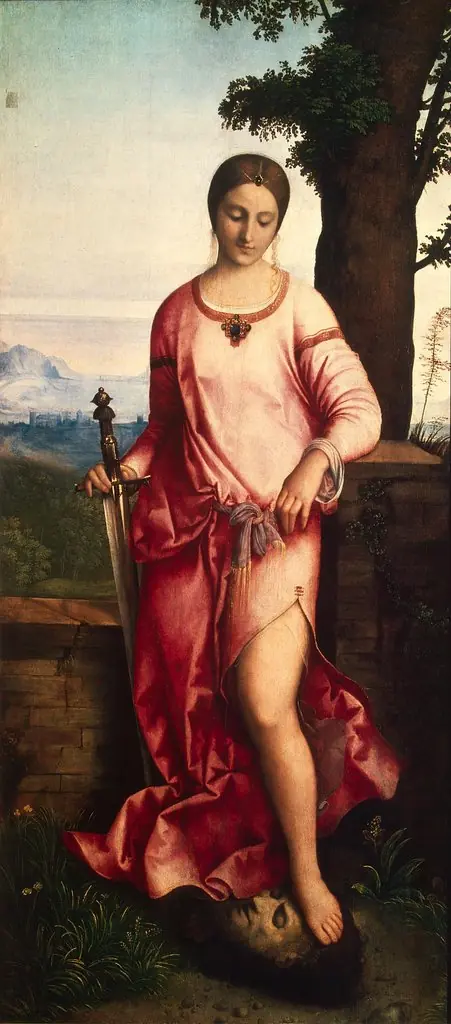 Judith
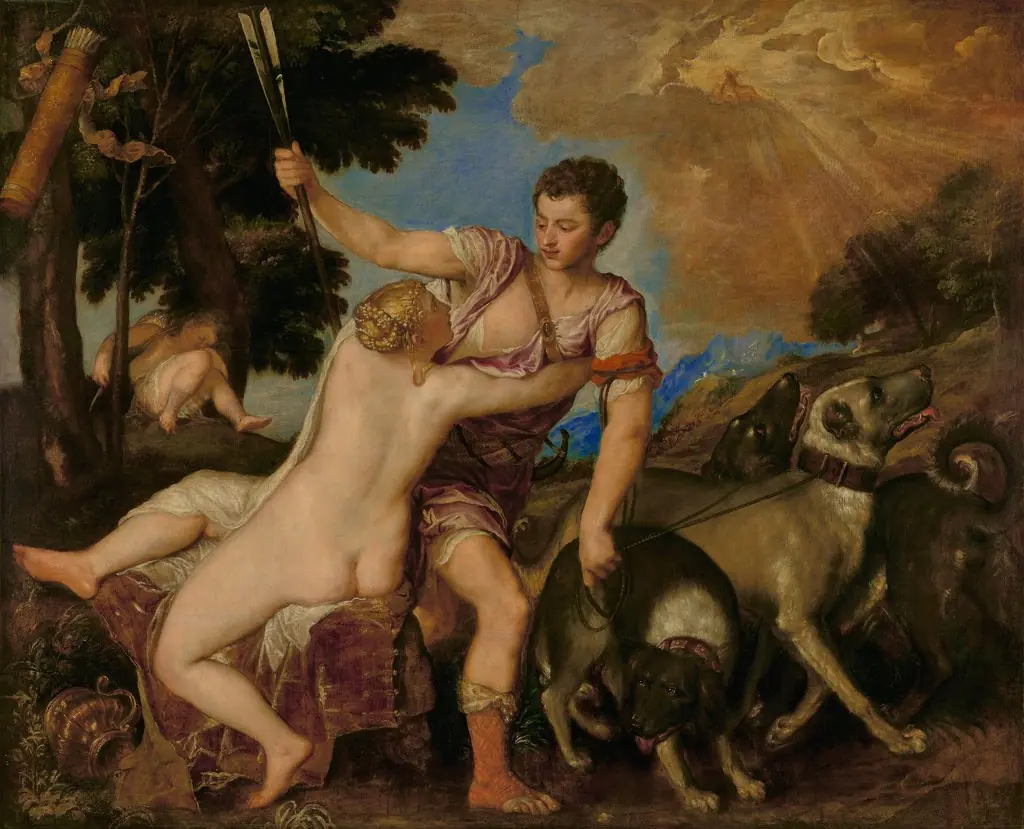 Venus and Adonis
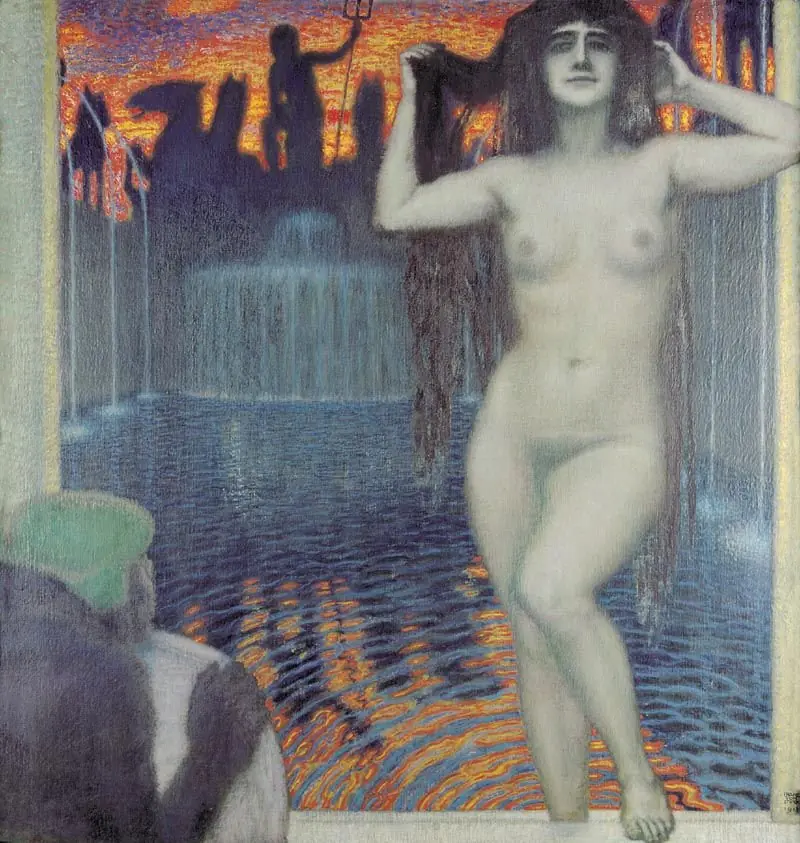 Bathsheba
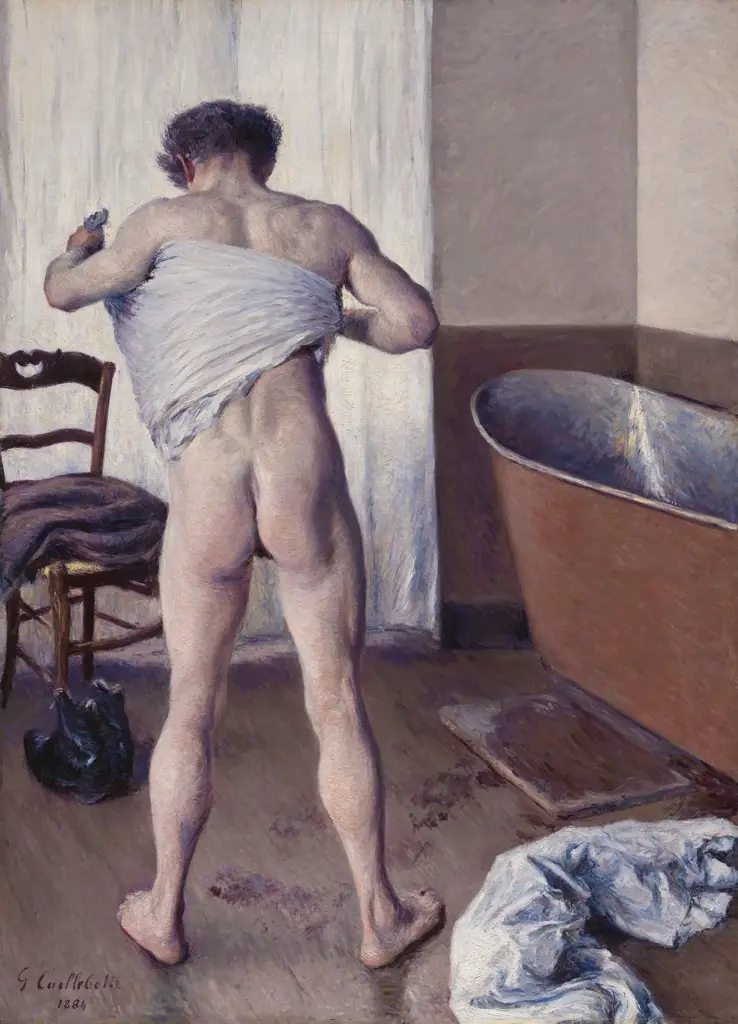 Man at His Bath
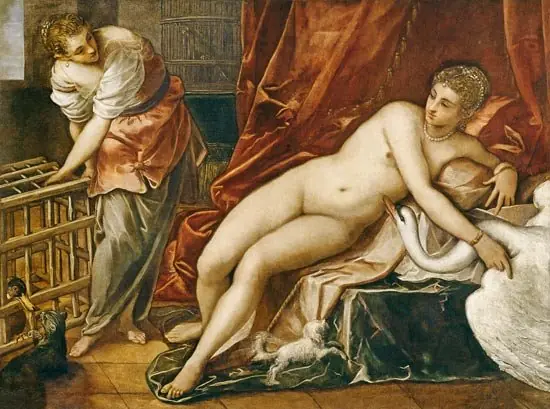 Leda and the Swan
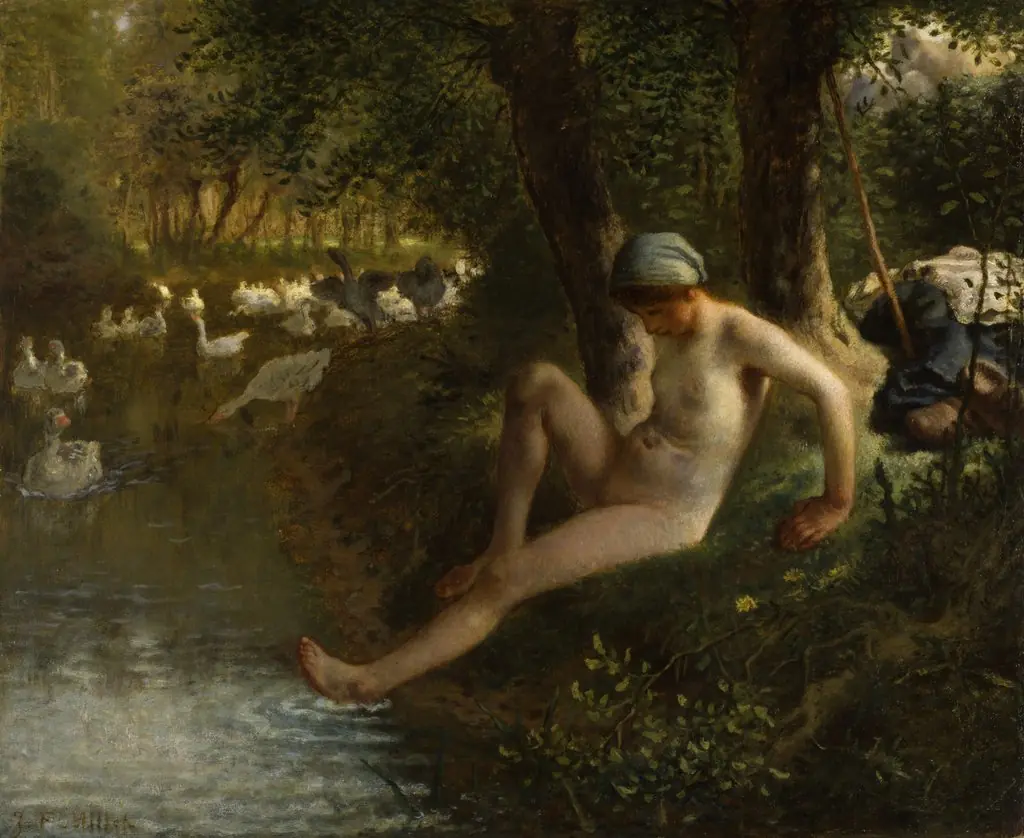 The Goose Girl
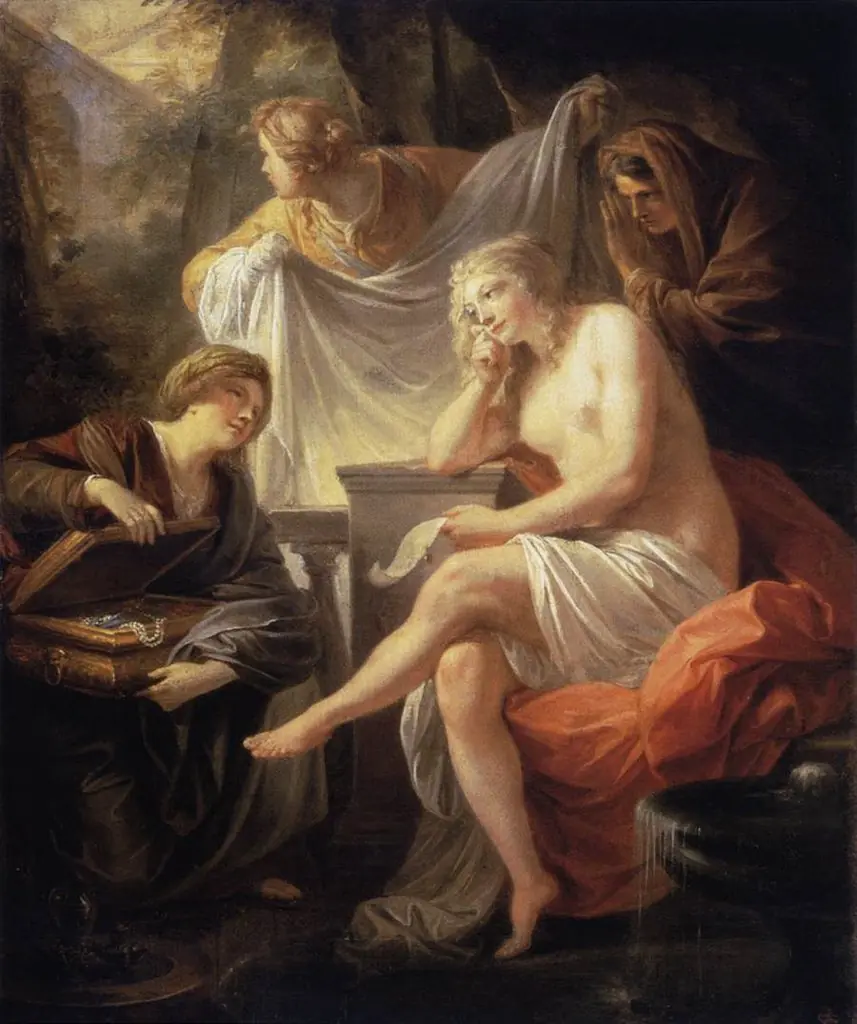 Bathsheba at her bath
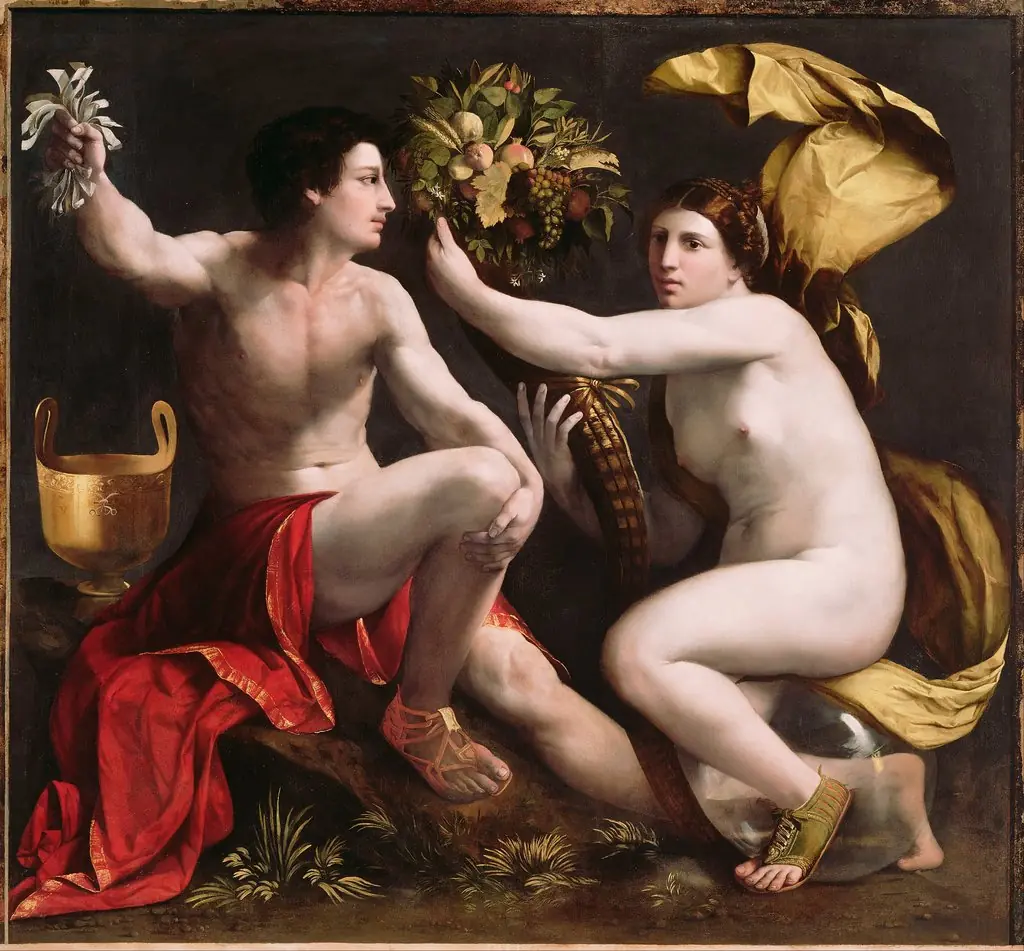 An Allegory of Fortune
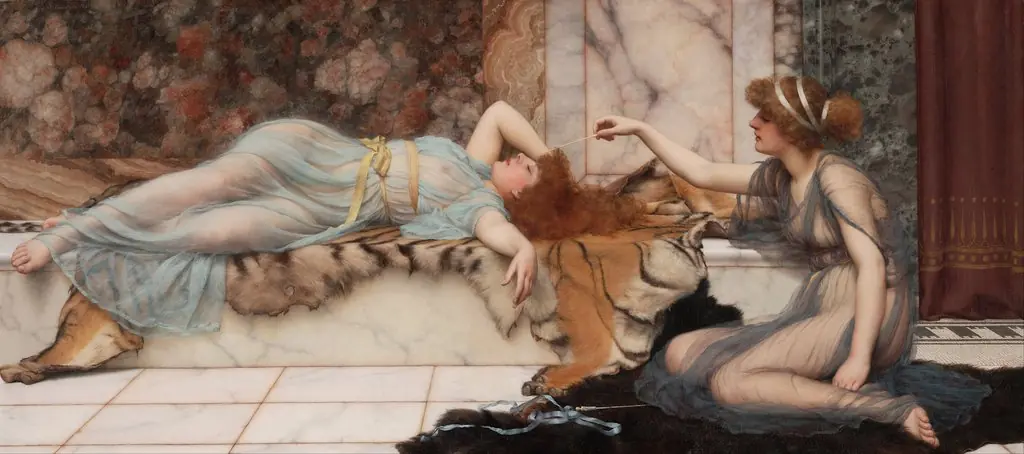 Mischief and Repose
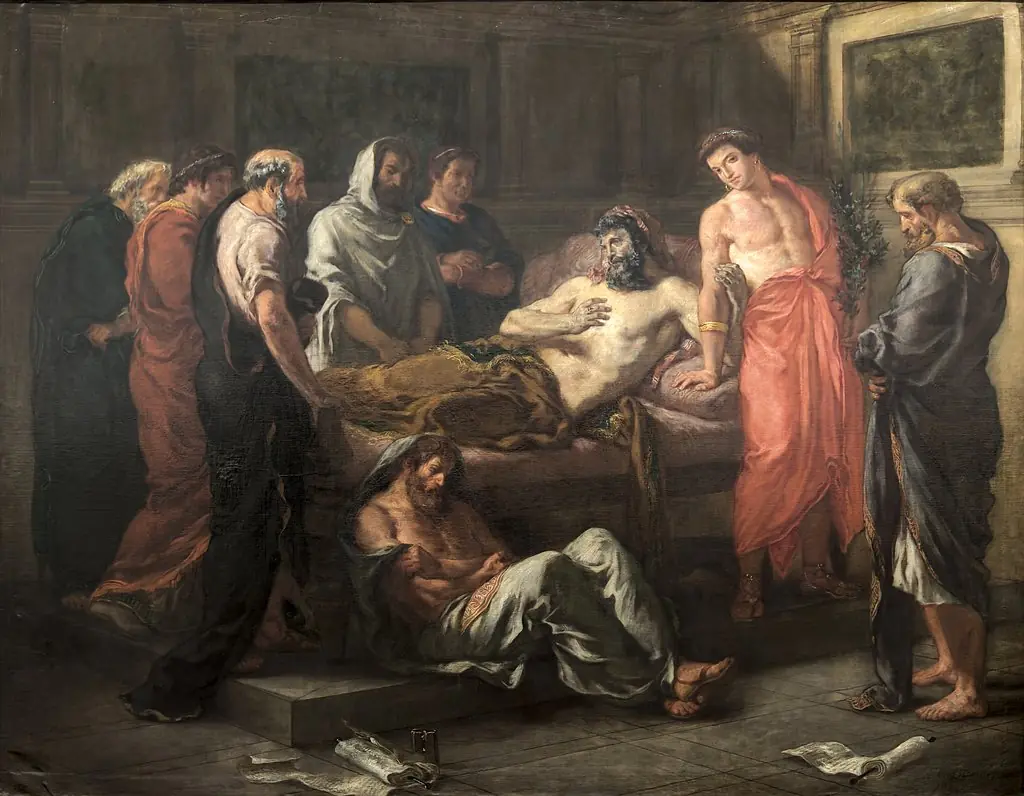 Last Words of the Emperor Marcus Aurelius
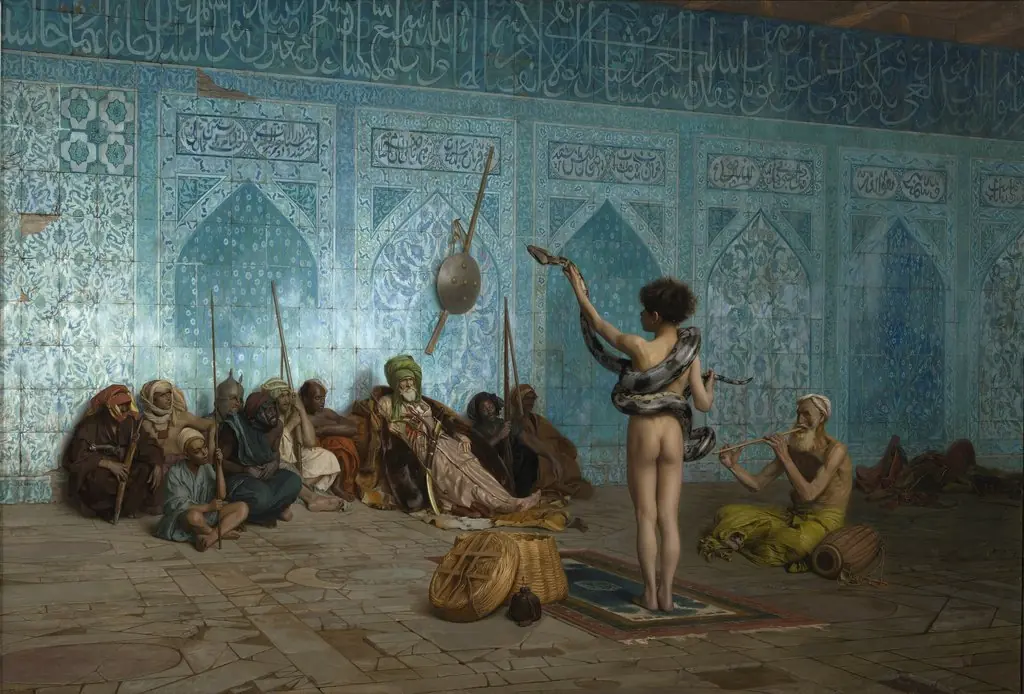 The Snake Charmer
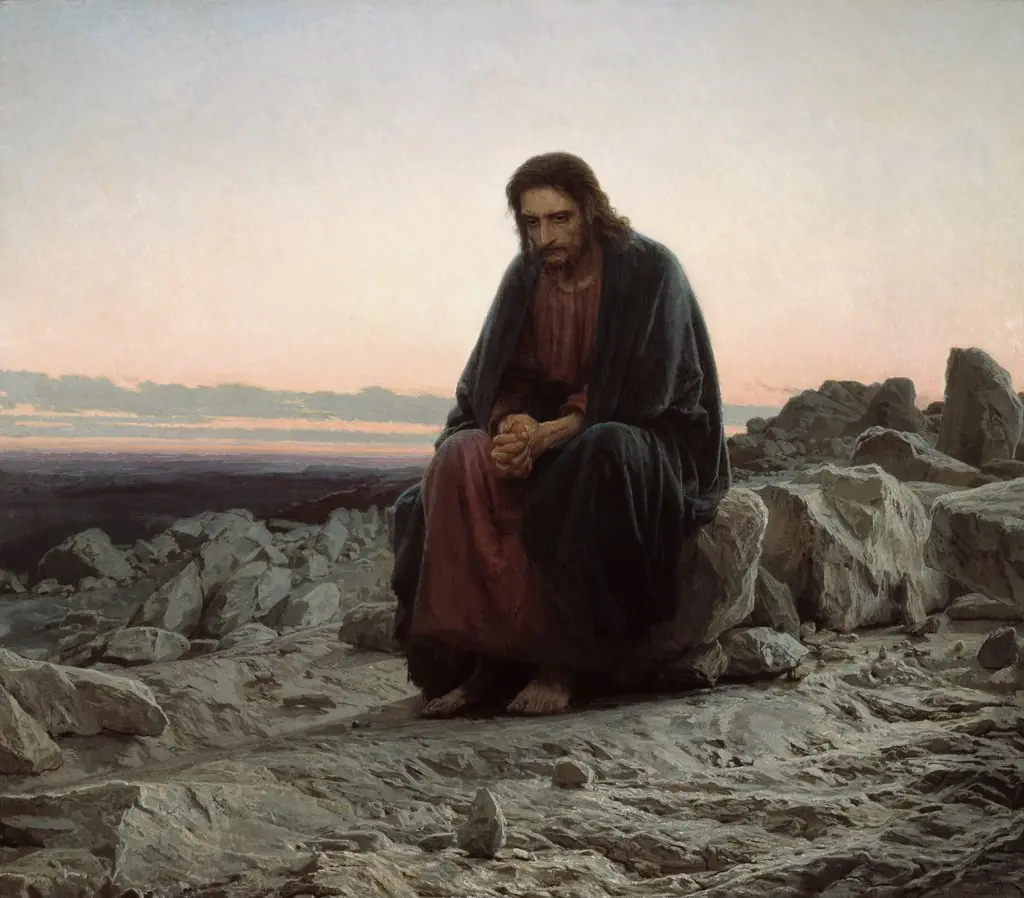 Christ in the Wilderness
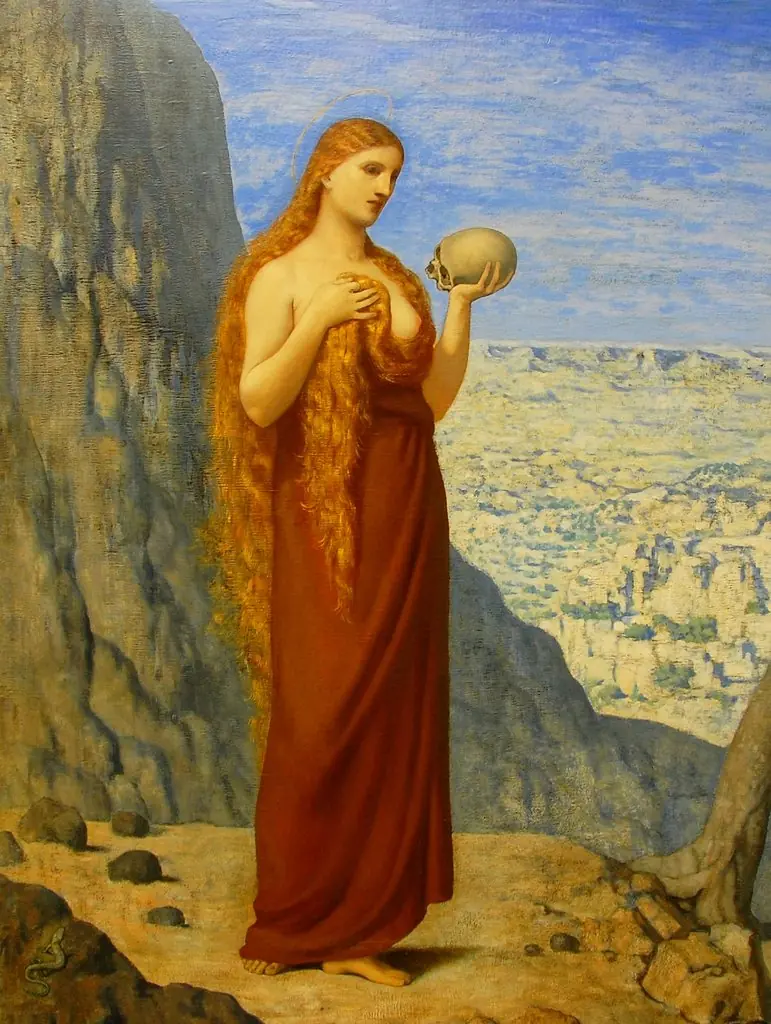 Mary Magdalene in the Desert
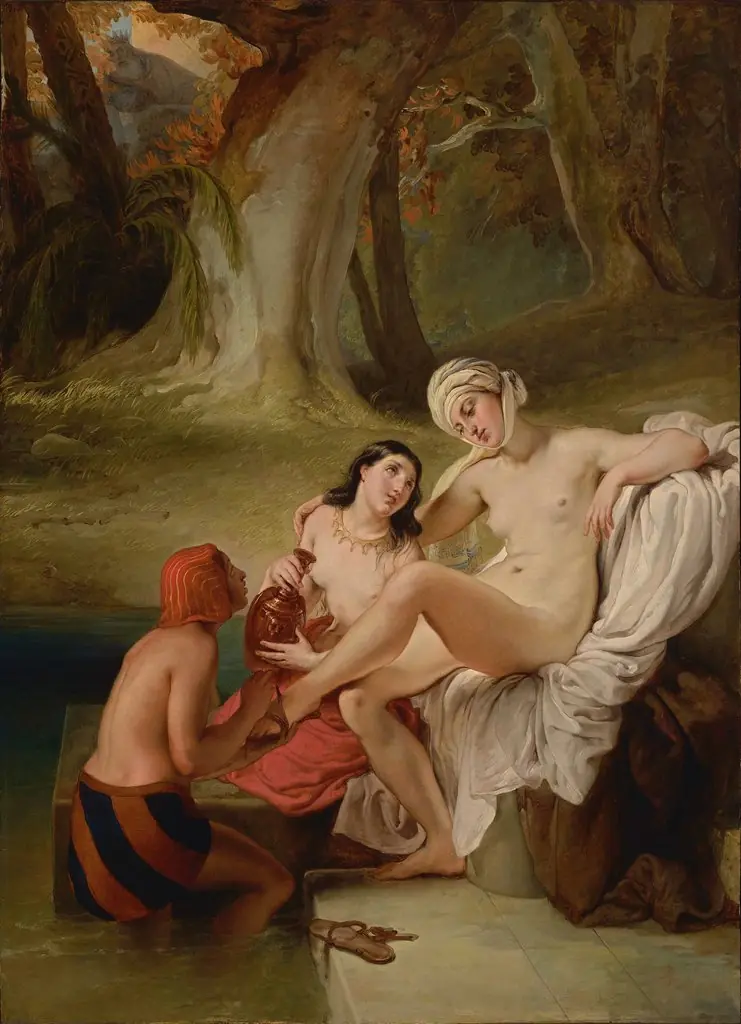 Bathsheba Bathing
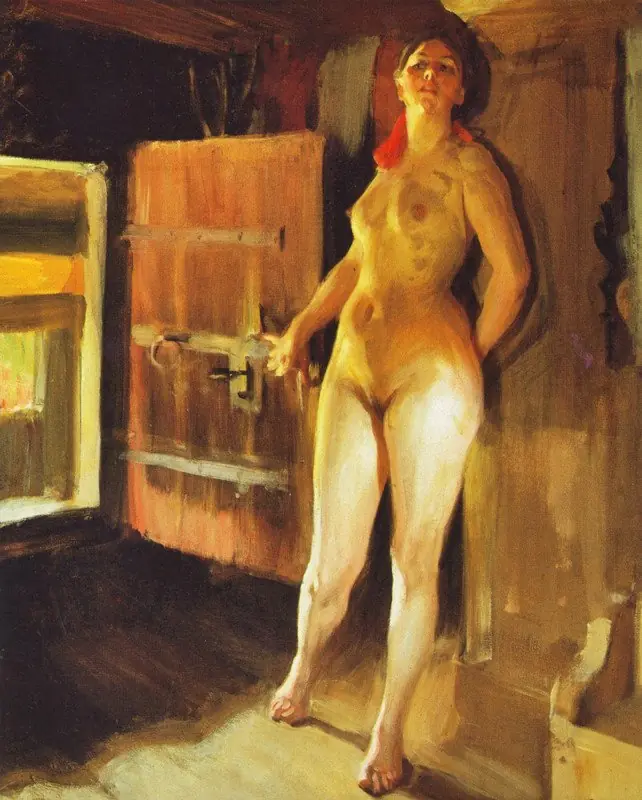 Girl in the Loft
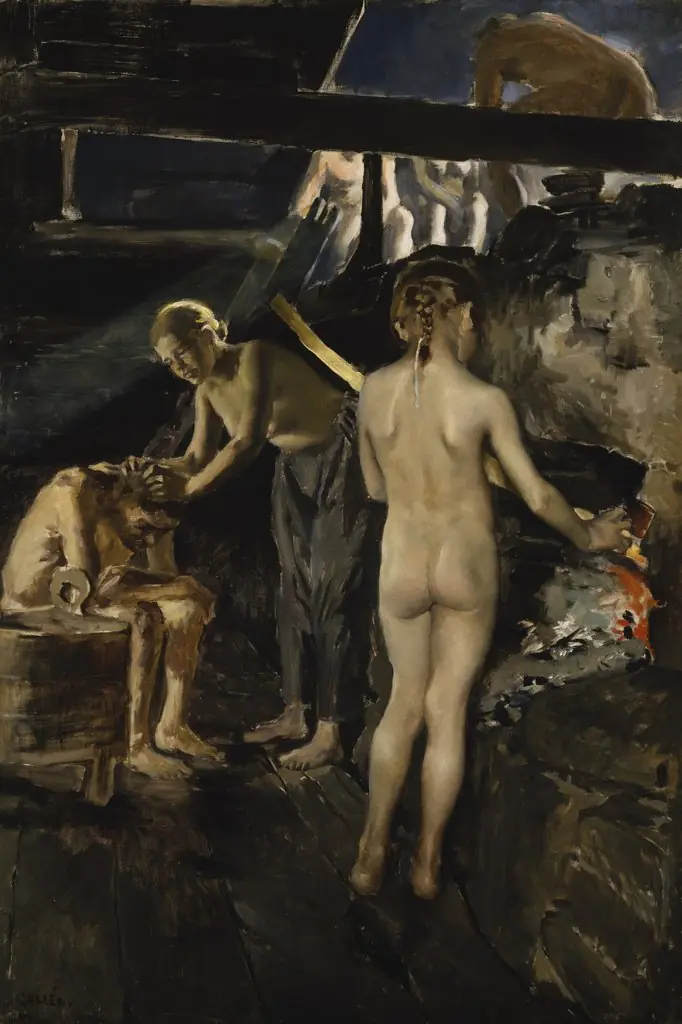 In the Sauna
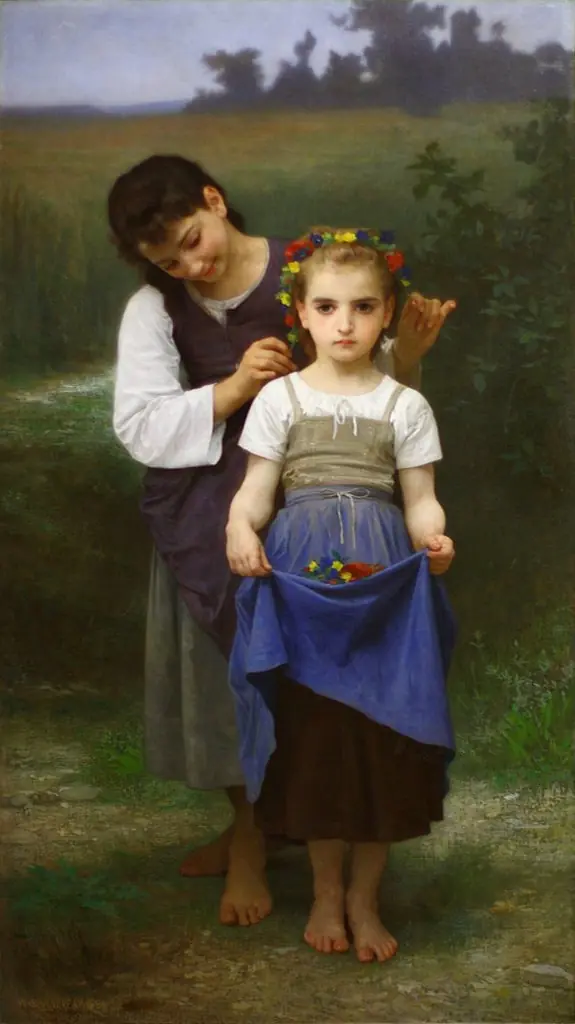 Crown of Flowers
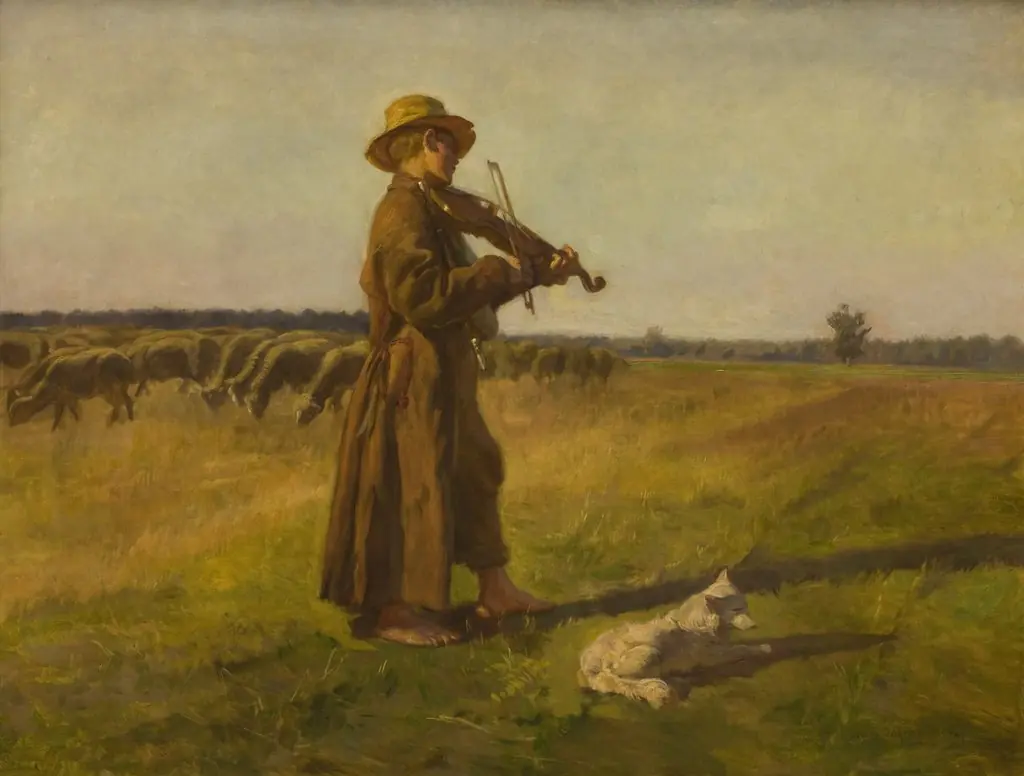 Shepherd
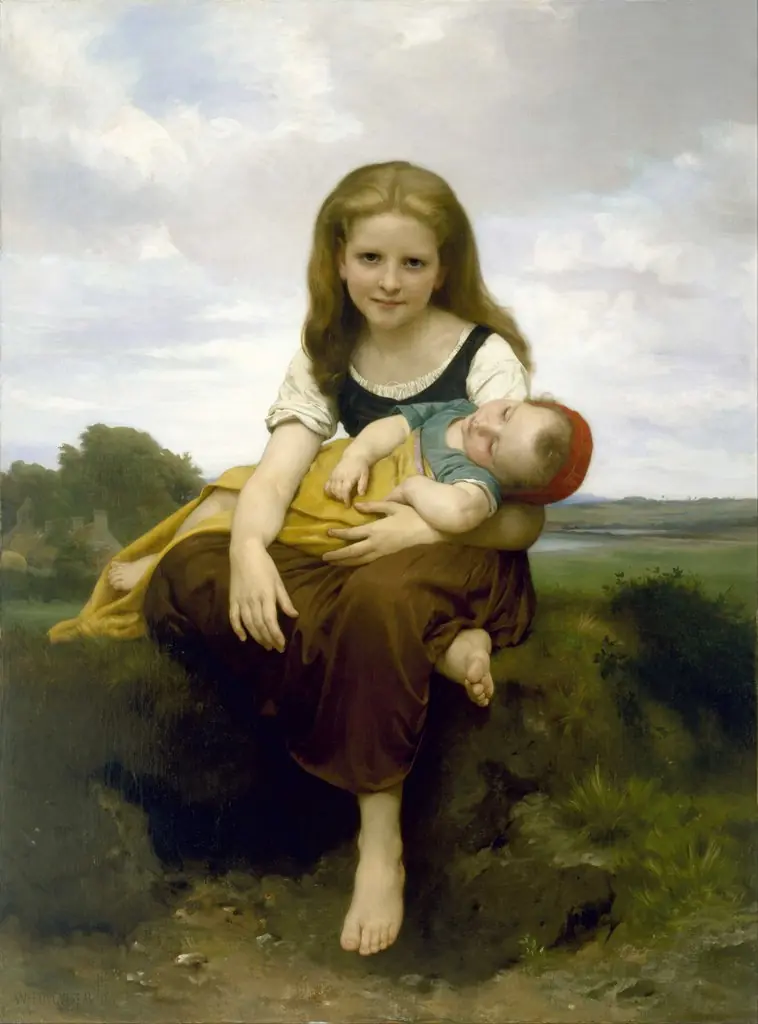 The Elder Sister
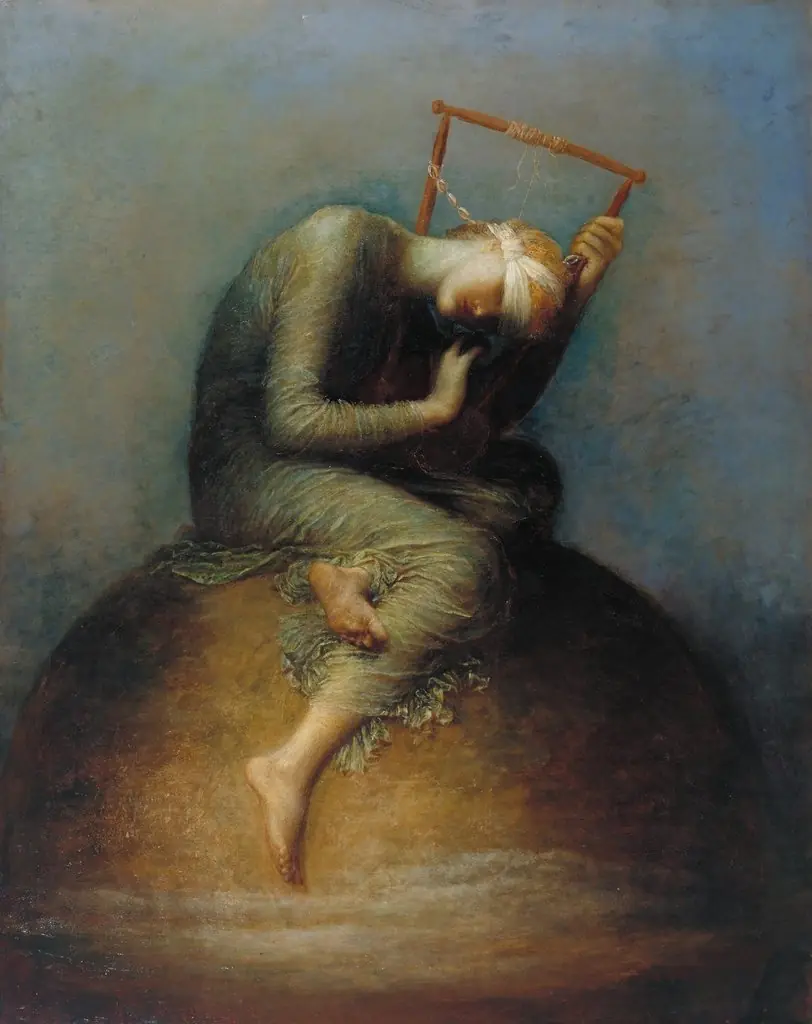 Hope
Hope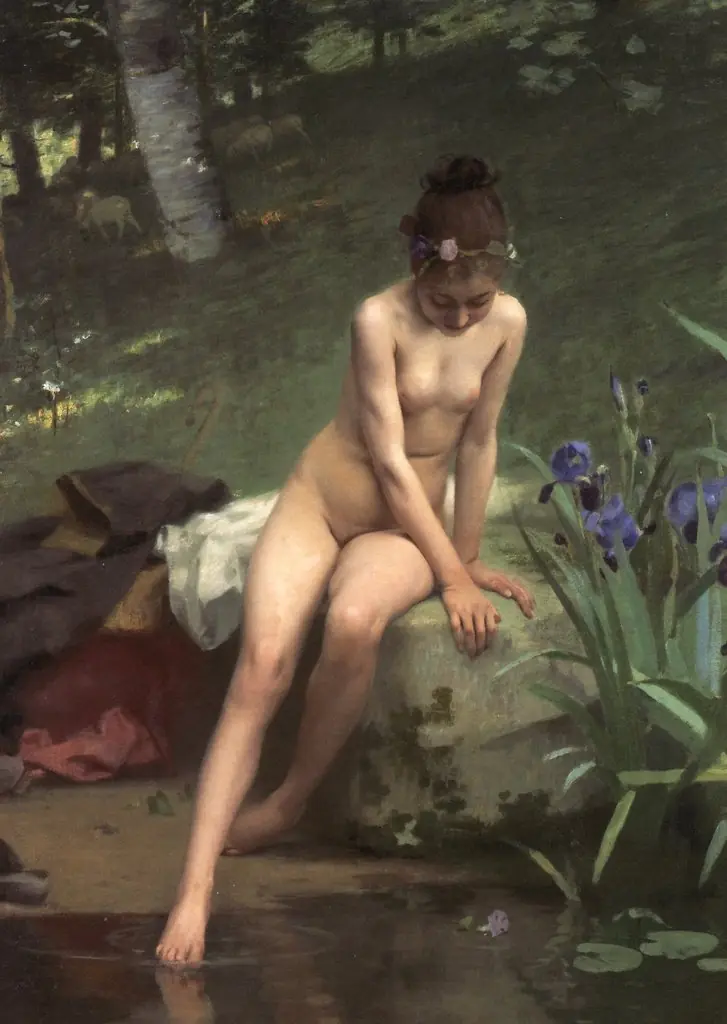 The Young Shepherdess
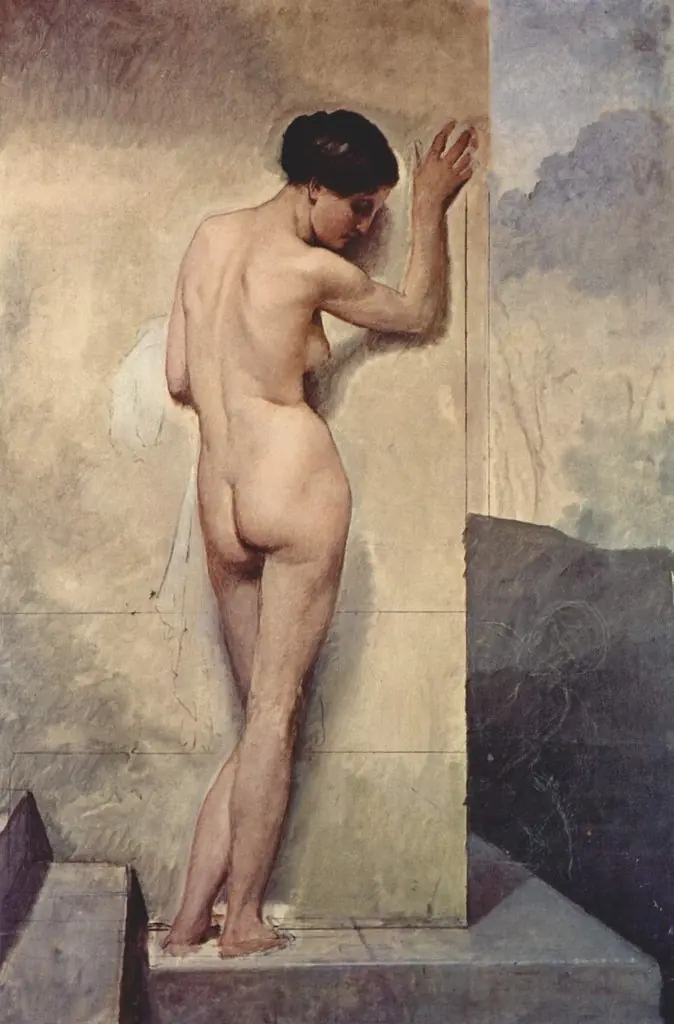 Female Nude
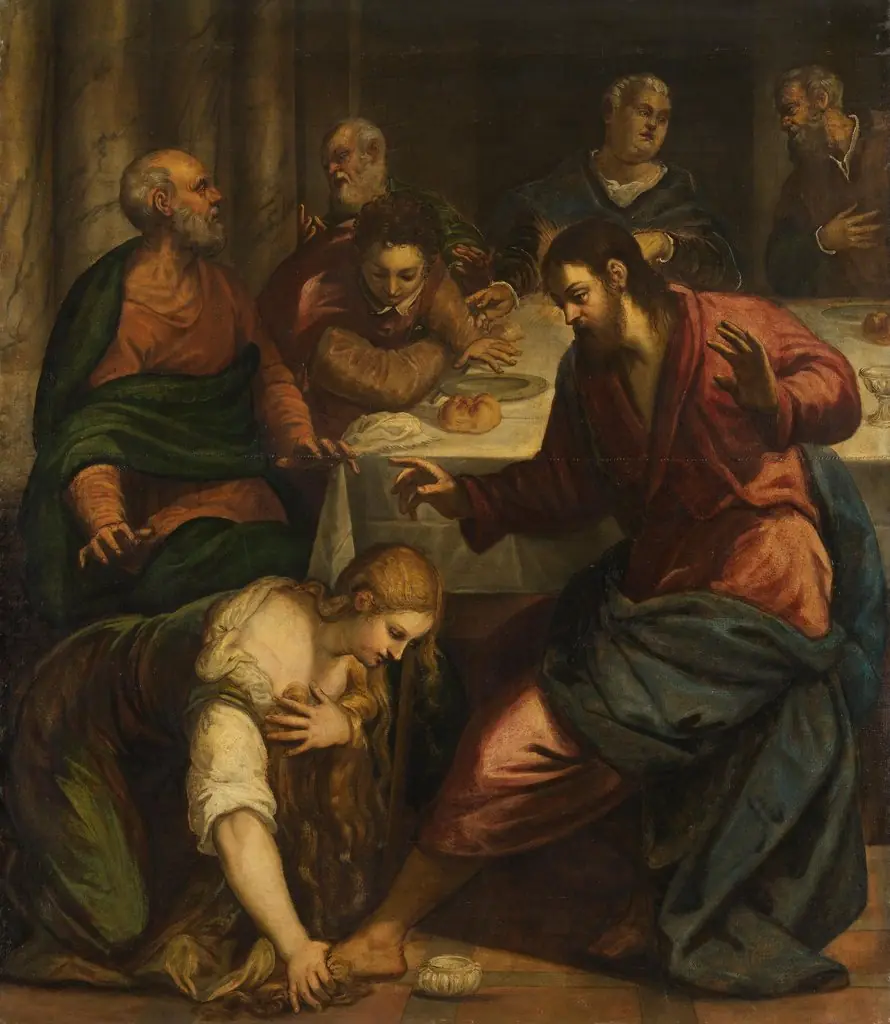 Christus im Hause des Pharisäers Simon (Kopie nach)
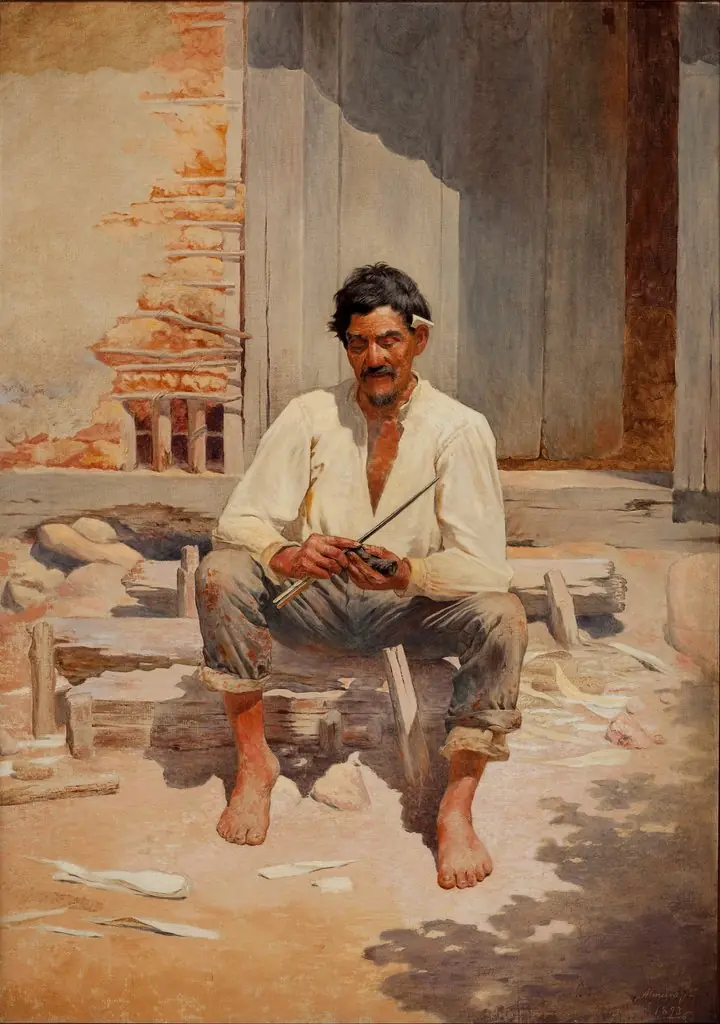 Caipira Cutting Tobacco
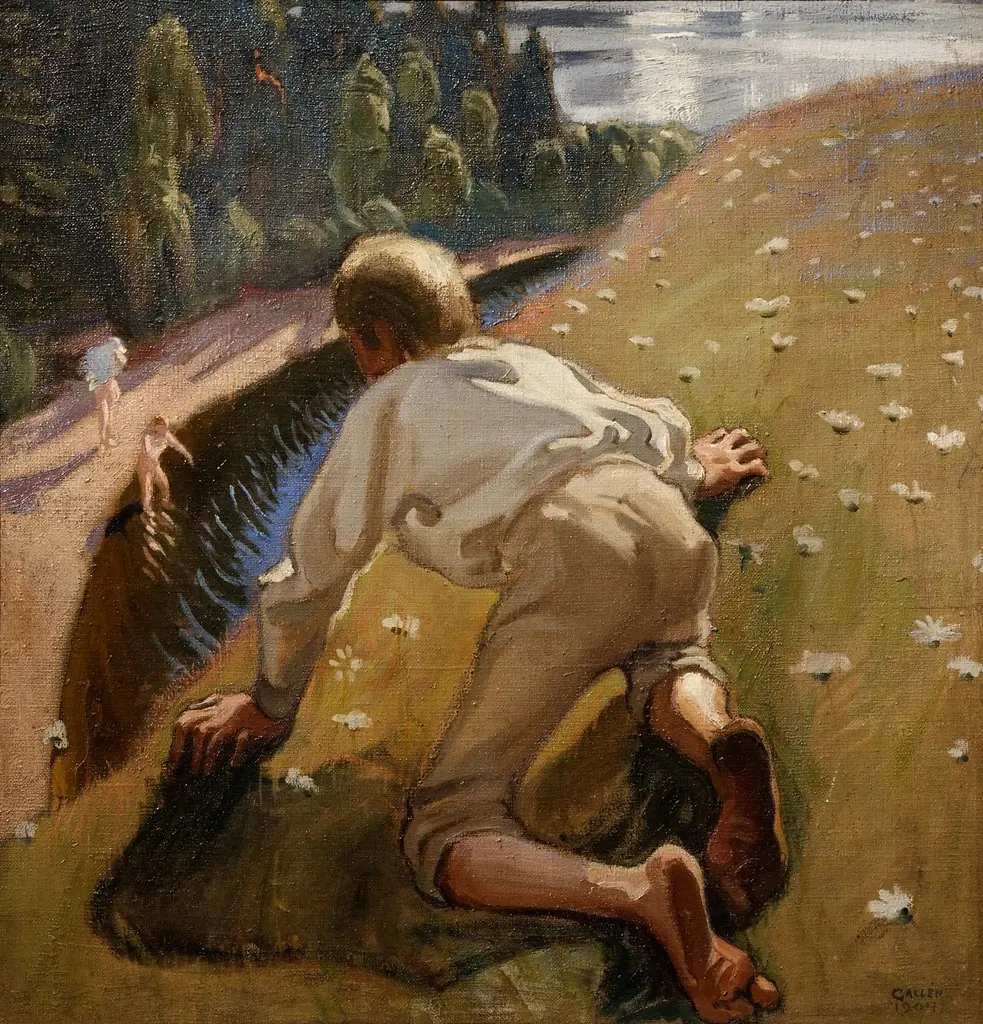 Young faun
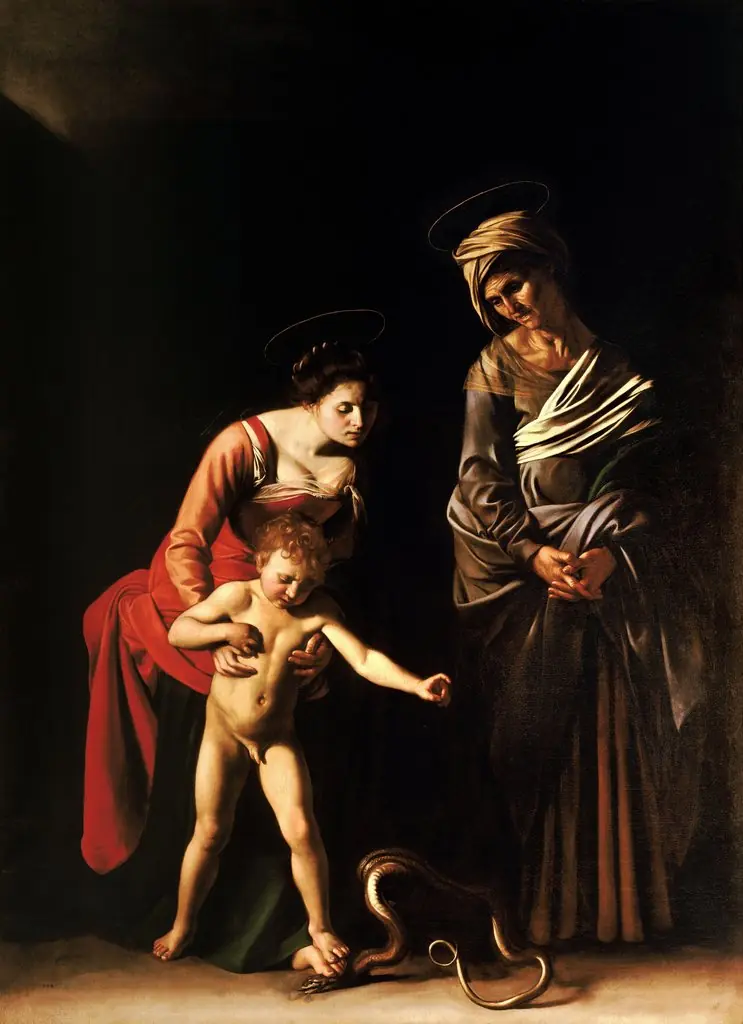 Madonna and Child with Saint Anne
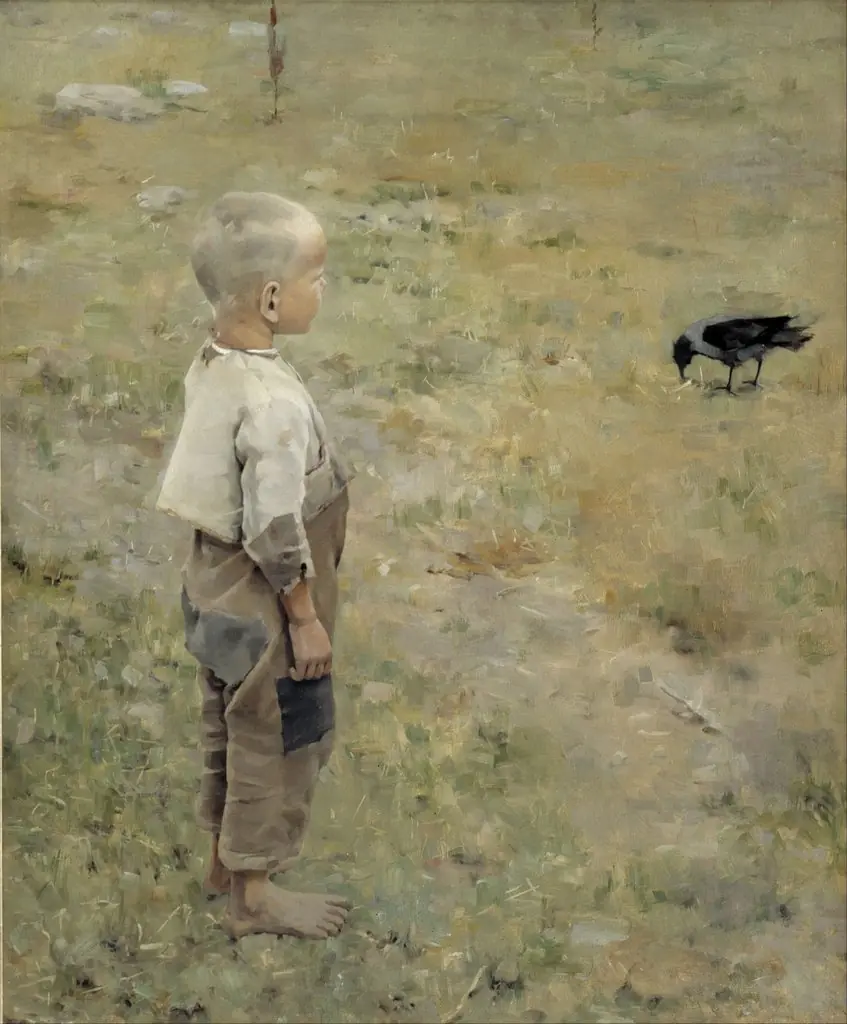 Boy with a Crow
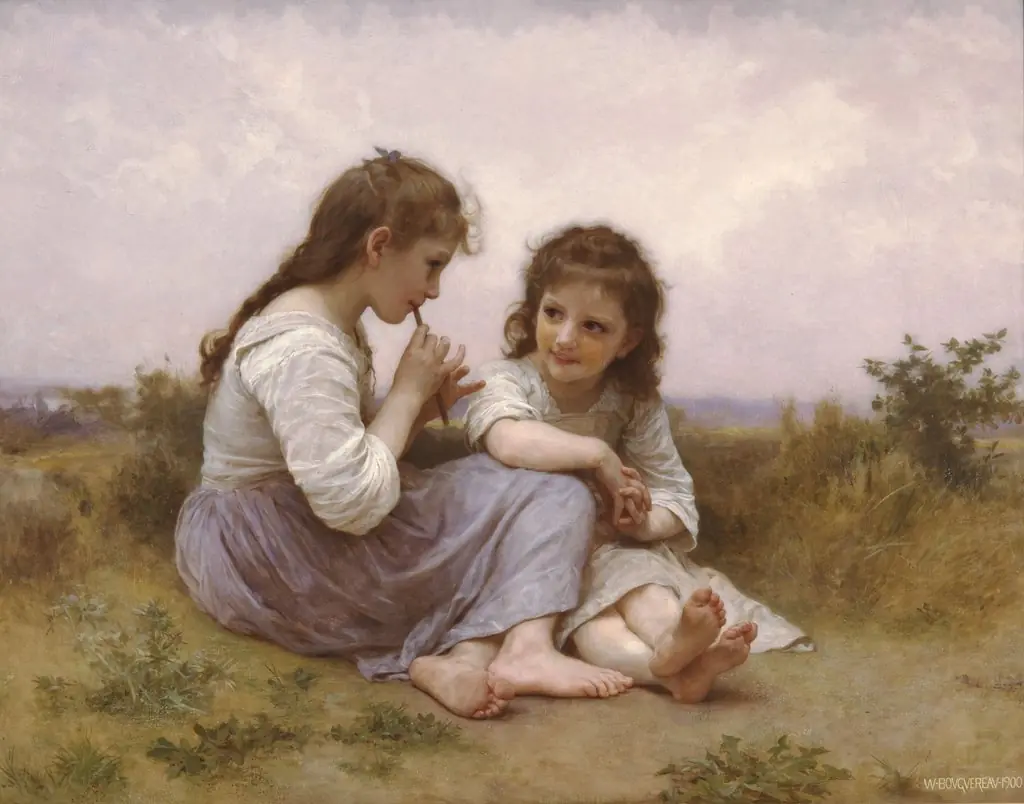 A Childhood Idyll
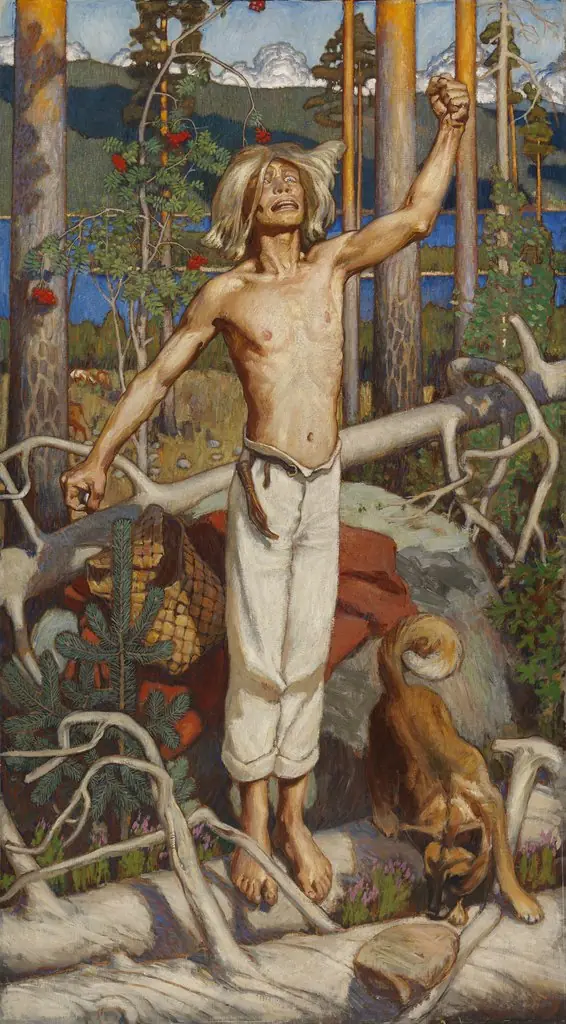 Kullervo Cursing
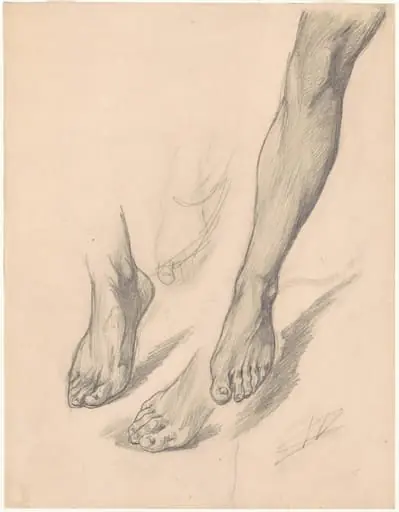 Studies of Feet
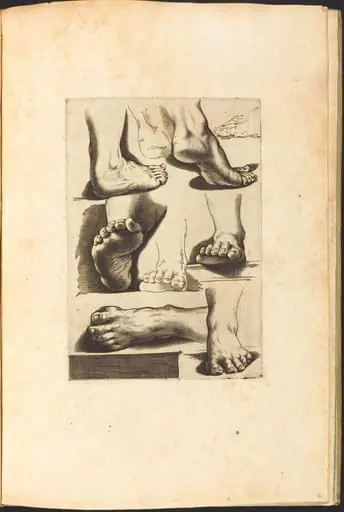 Print from Drawing Book
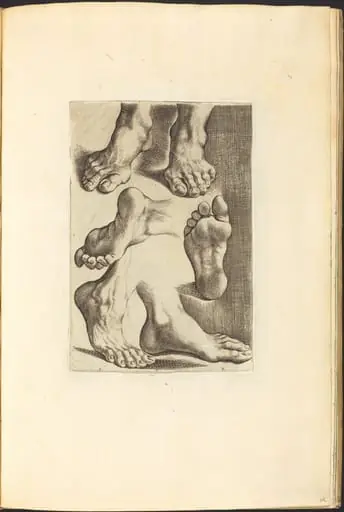 Print from Drawing Book
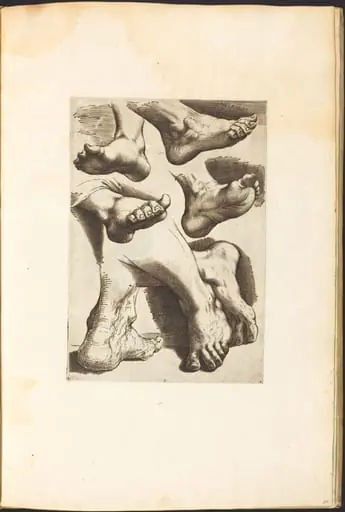 Print from Drawing Book
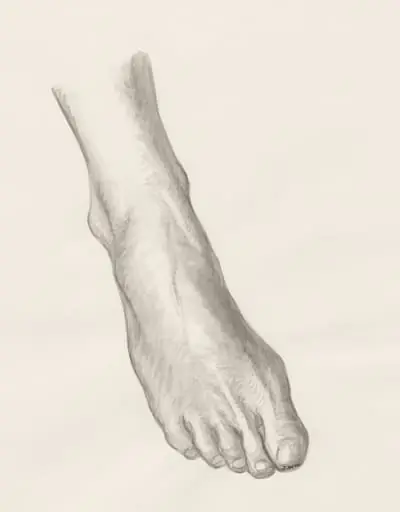 Right foot
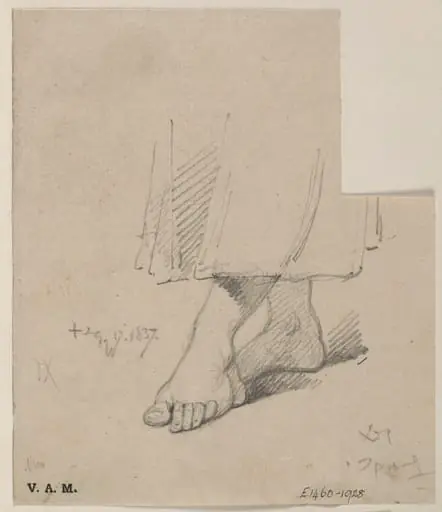 A woman's ankles and feet
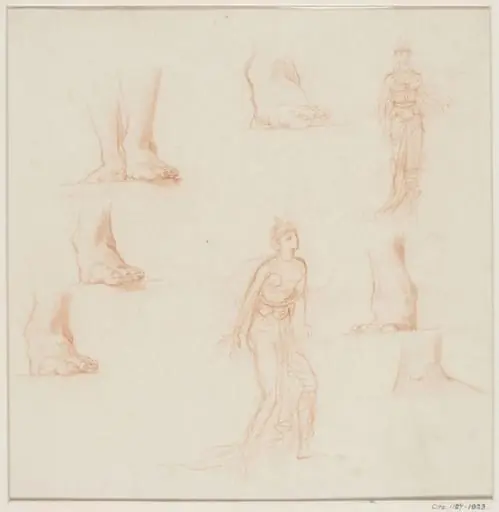 Untitled
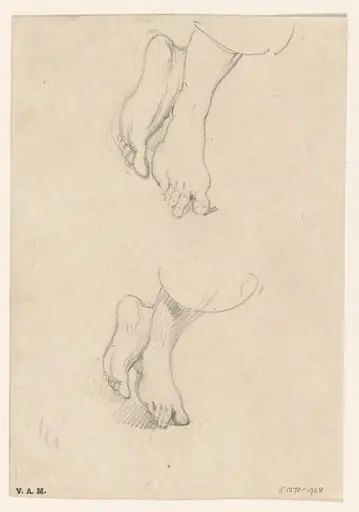 Studies of feet
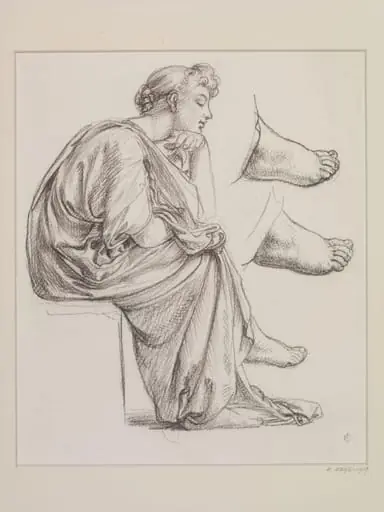 Studies for a Science Certificate, Department of Science and Art
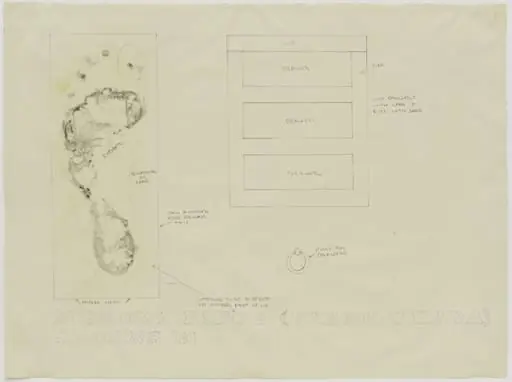 Untitled
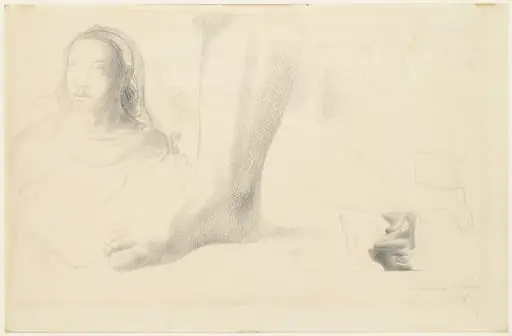 Untitled
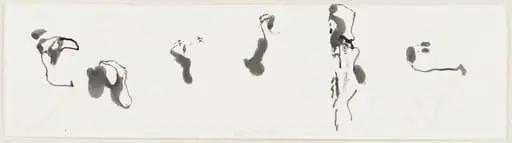 Untitled
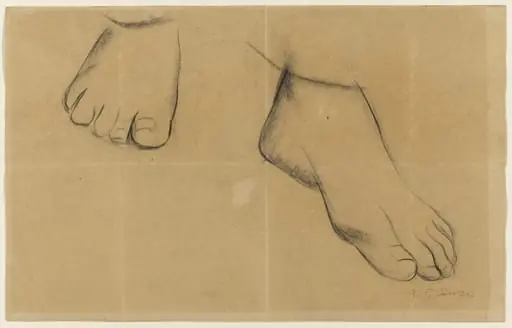 Untitled
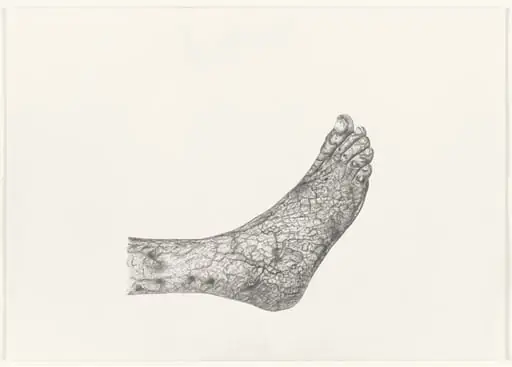 Untitled
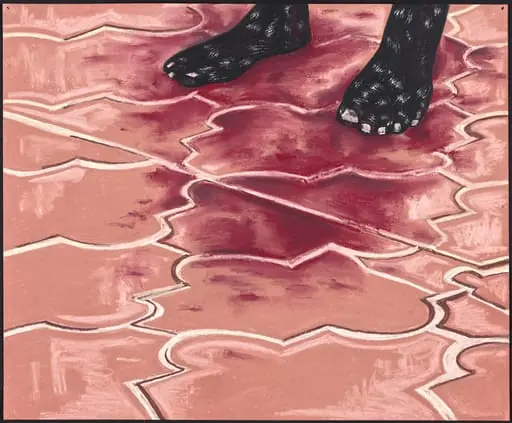 Untitled
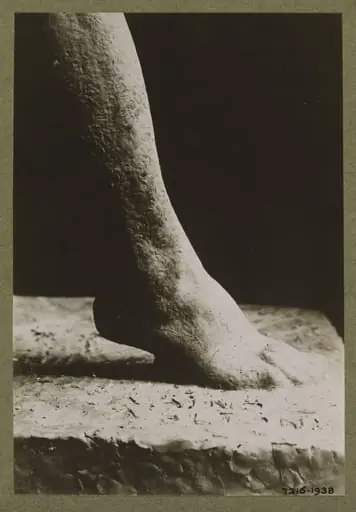 Untitled
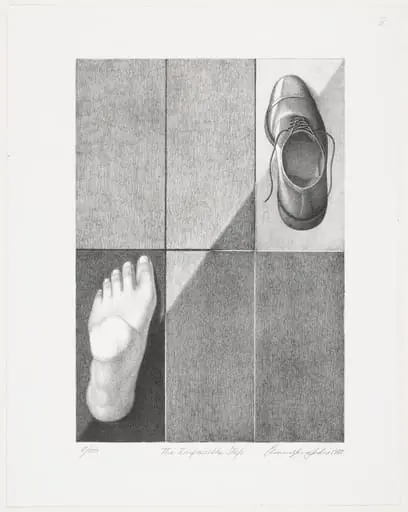 Untitled
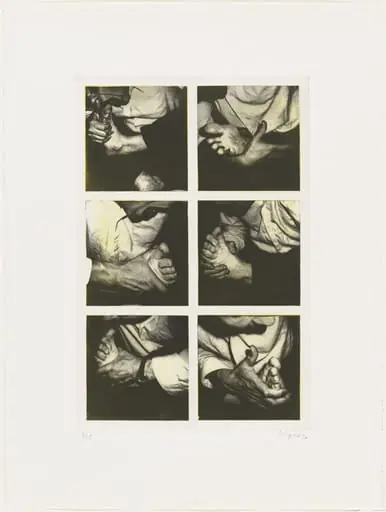 Untitled
 Untitled
 Untitled
 Untitled
 Untitled
Frequently asked questions
What is Barefoot?
Barefoot is a subject in art. Being barefoot is the state of not wearing any footwear.
How many Barefoot works does Artifact World Gallery have?
Artifact World Gallery holds 86 public-domain Barefoot works, all free to view and download.
Who are the key Barefoot artists?
Key Barefoot artists in the collection include Titian, Paolo Veronese and Jean Baptiste Camille Corot.
Where can I see Barefoot works?
Barefoot works in the collection are held by Museum of Modern Art, Metropolitan Museum of Art and National Gallery of Art.