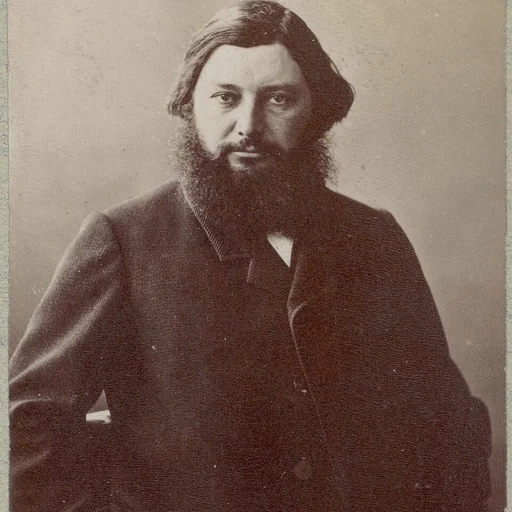
Subject
Wind
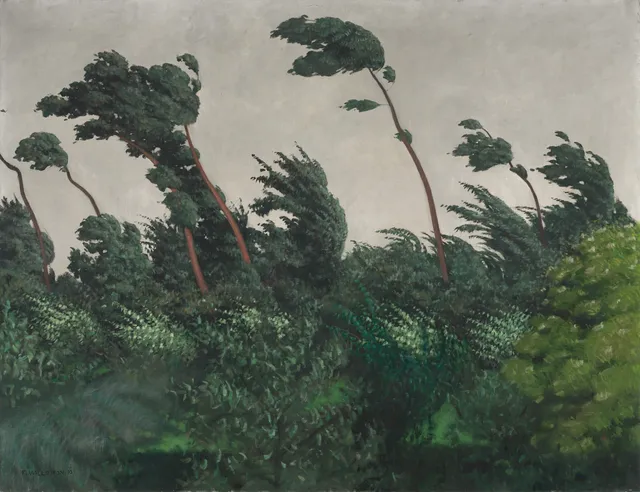
Wind is a subject in art. The gallery holds 31 works in this subject in art, including works by Gustave Courbet, Pierre Auguste Cot and Joseph Mallord William Turner.
Wind is a topographical surname, of English origin, for someone who lived near a pathway, alleyway, or road. It is most popular in North East England, especially in Newcastle upon Tyne and Sunderland.
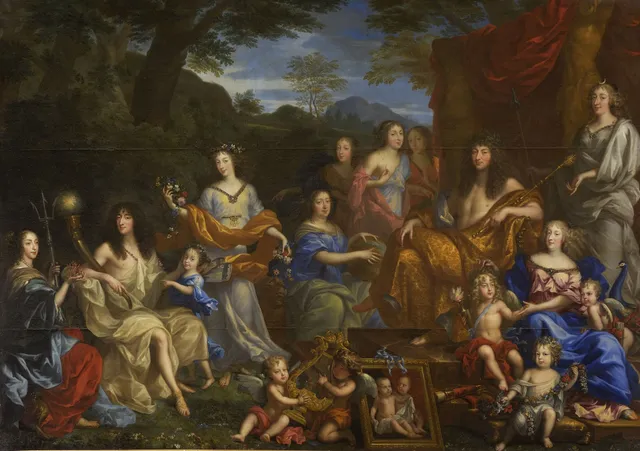
Key artists
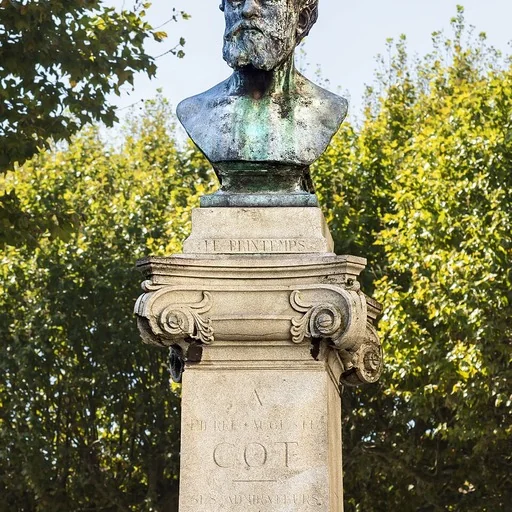
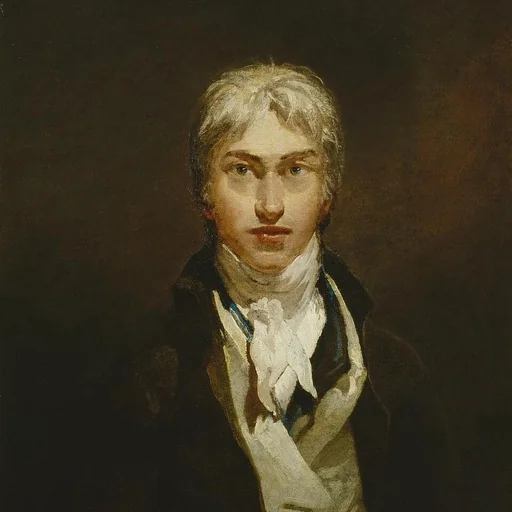
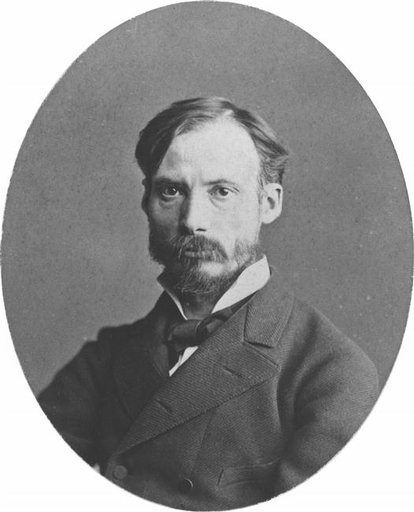
Artist
Overview
As a subject in visual art, wind represents the natural movement of air, a phenomenon caused by differences in atmospheric pressure and the planetary rotation. While inherently invisible, wind recurs as an artistic motif because its force visually activates the environment, shaping landforms, driving sailing ships, and altering the physical state of subjects. Artists depict wind not directly, but through its observable effects on water, foliage, garments, and human figures, translating a meteorological reality into dynamic visual energy on a static surface.
Iconography & meaning
The iconography of wind relies heavily on sensory and emotional associations, which vary dramatically based on the wind's force and sound. Gentle or light winds carry connotations of tranquility, intimacy, and soothing relief, often depicted as caressing petals or stirring leaves. Conversely, howling, fierce, or blustery winds symbolize chaos, emotional turmoil, or impending doom, visually communicated through uprooted trees or turbulent seas. The speed of the wind further dictates symbolic meaning, where slow, meandering breezes suggest languid peace, while fast, gusty winds inject urgency and energy into a composition.
Across movements & periods
The treatment of wind in art shifts significantly depending on the meteorological and cultural focus of the period. Global wind patterns, such as the constant trade winds and seasonal monsoons that dictated oceanic voyages and agricultural cycles, historically anchored wind in grand maritime and narrative compositions. In contrast, the detailed observation of local winds, such as the destructive mistral or the daily sea breeze, allowed artists in specific regions to ground their work in localized topography and everyday atmospheric effects. As artistic focus shifted from global exploration to localized realism, depictions of wind moved from broad narrative symbols to precise studies of regional weather phenomena and their immediate environmental impact.
Works
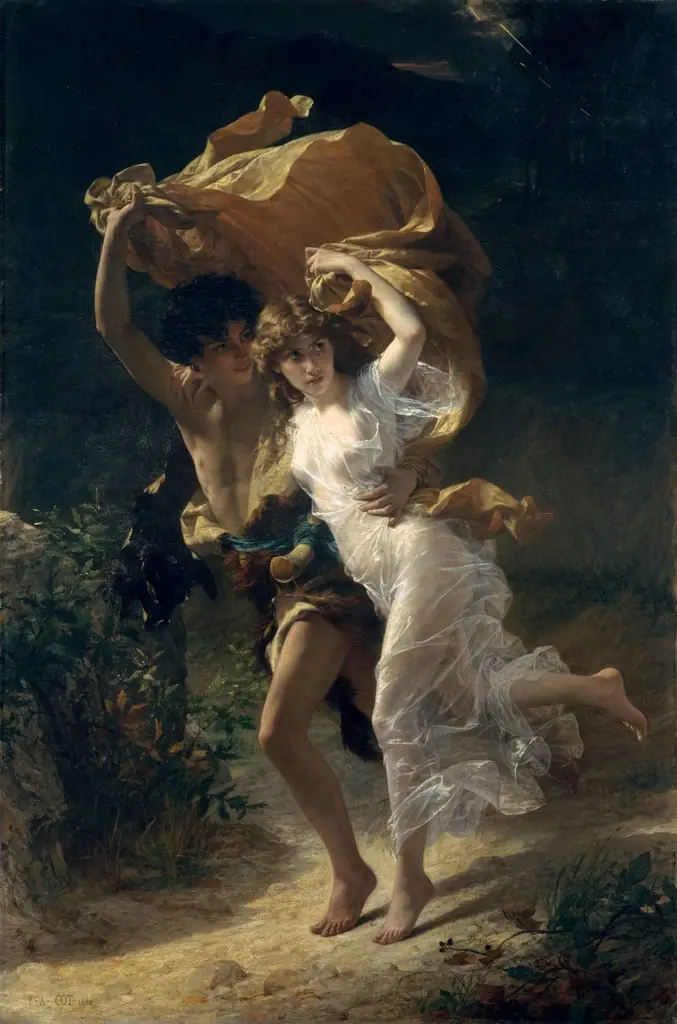 The Storm
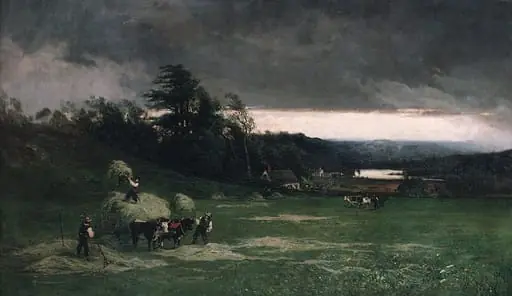 Approaching Storm
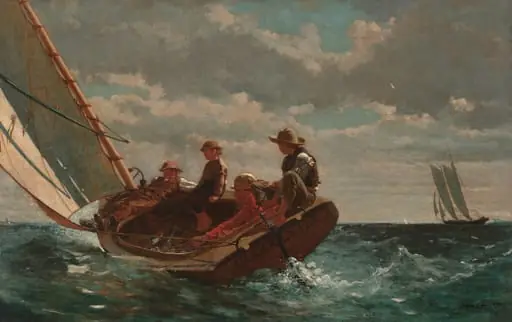 Breezing Up (A Fair Wind)
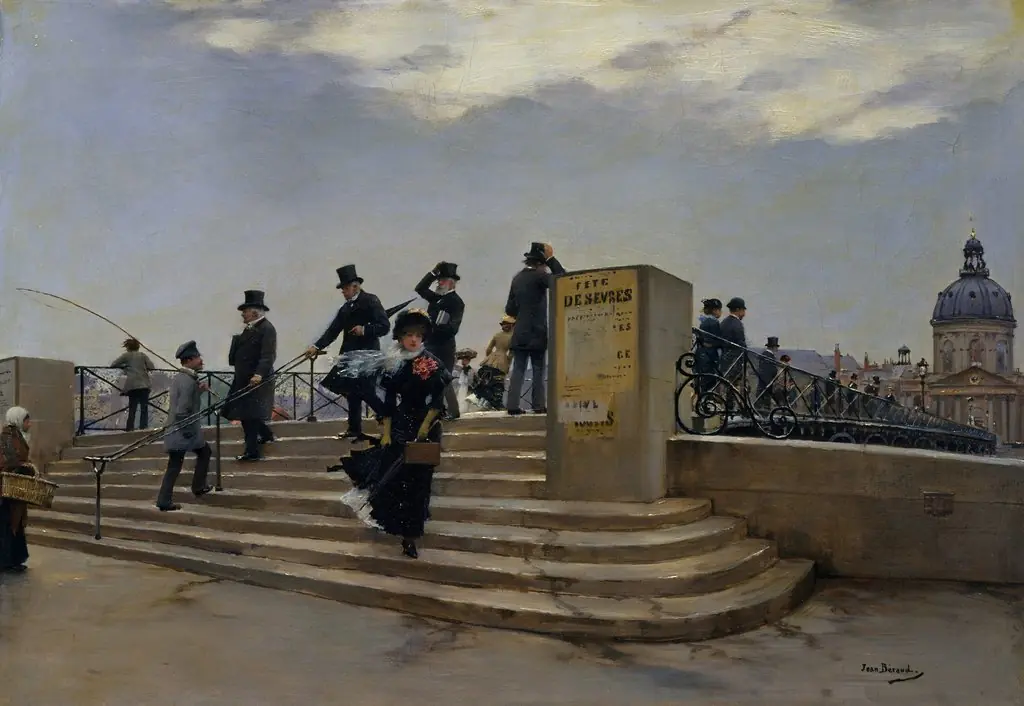 A Windy Day on the Pont des Arts
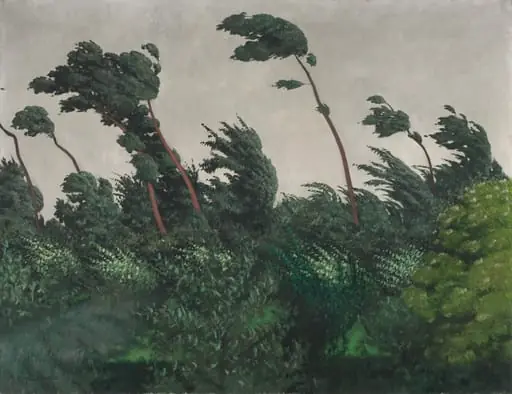 The Wind
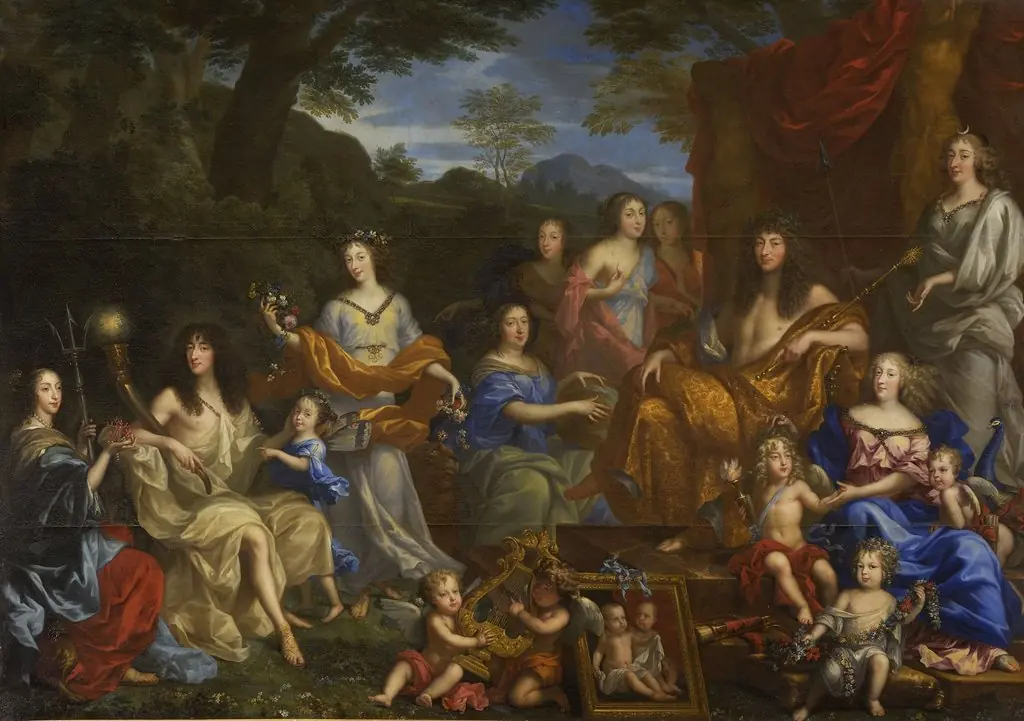 Mythological portrait of Louis XIV and the royal family
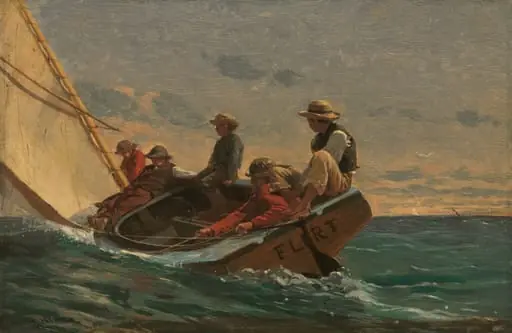 The Flirt
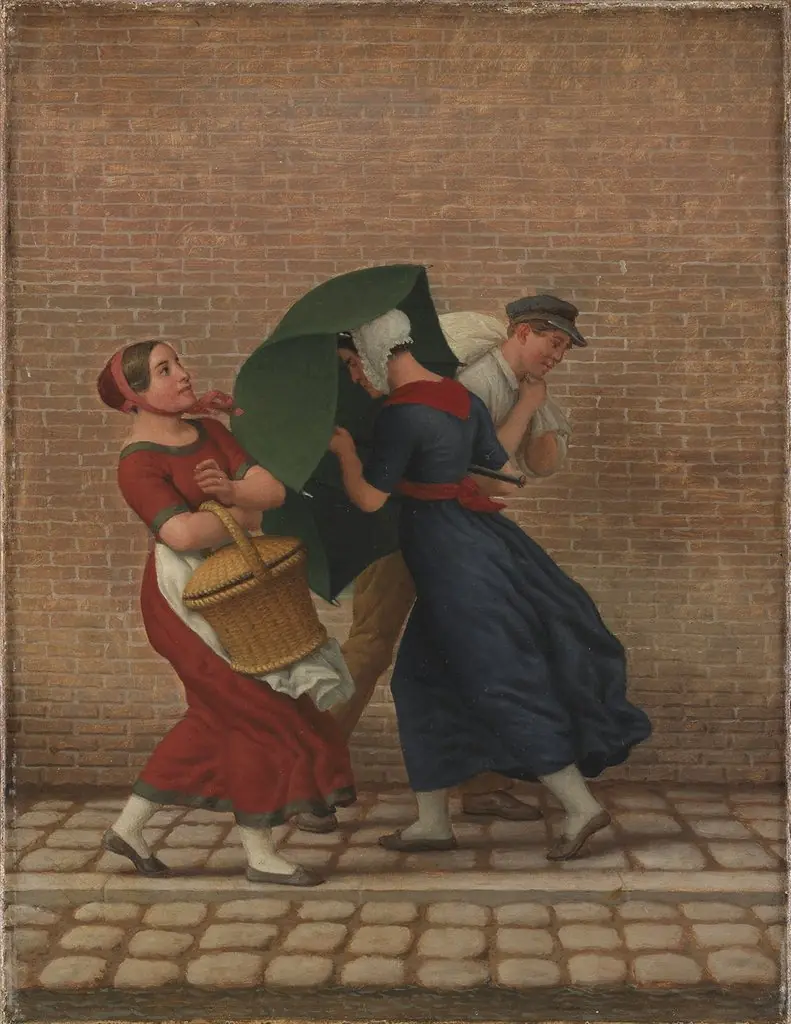 Street Scene in Windy and Rainy Weather
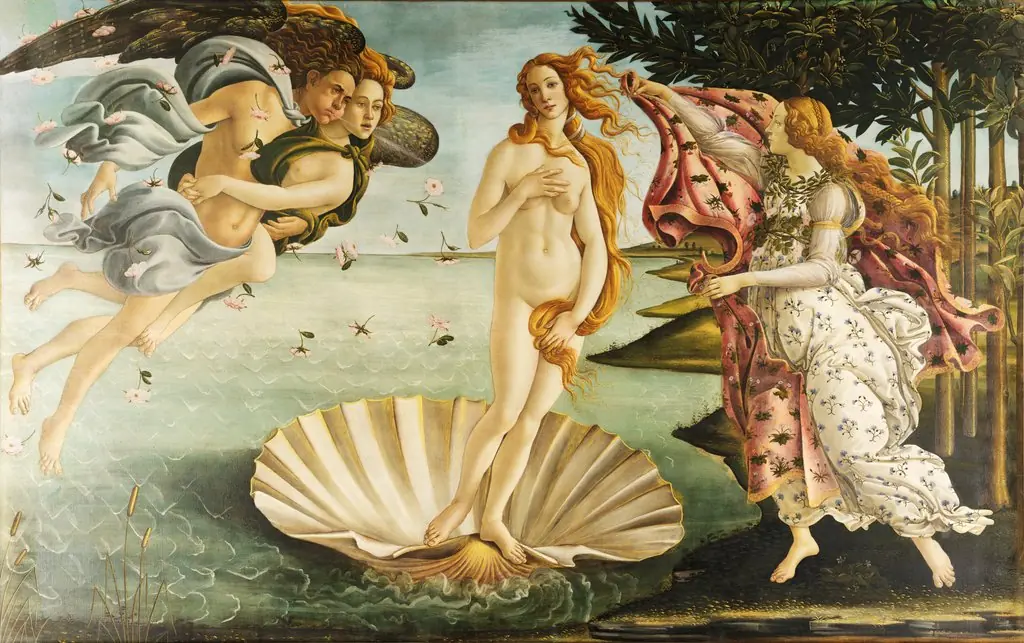 The Birth of Venus
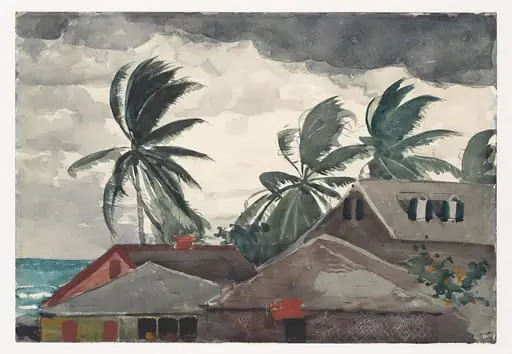 Hurricane, Bahamas
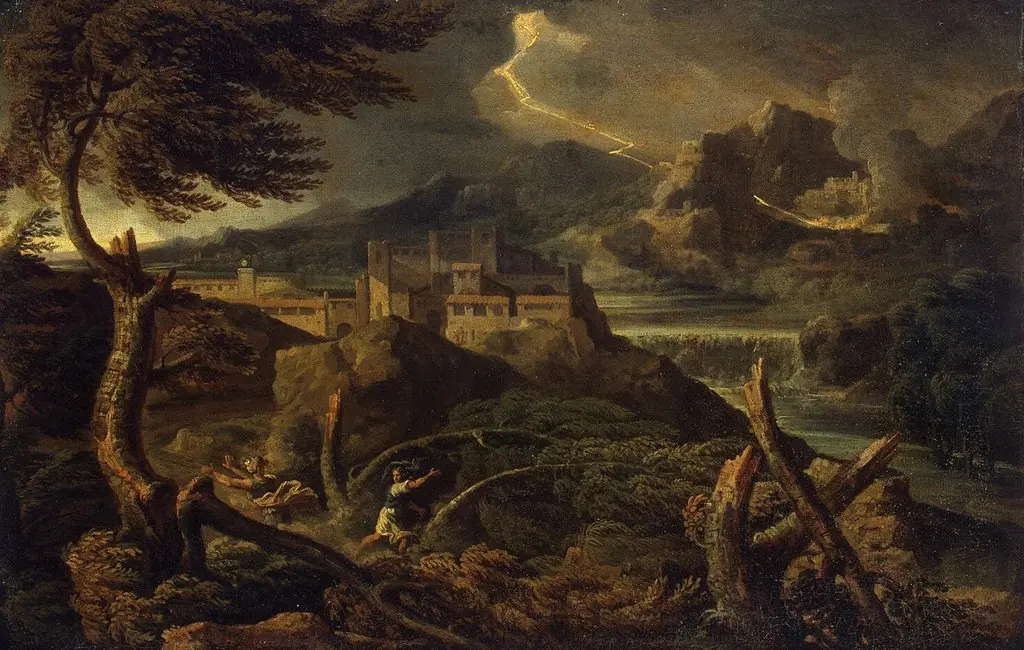 Landscape with Lightning
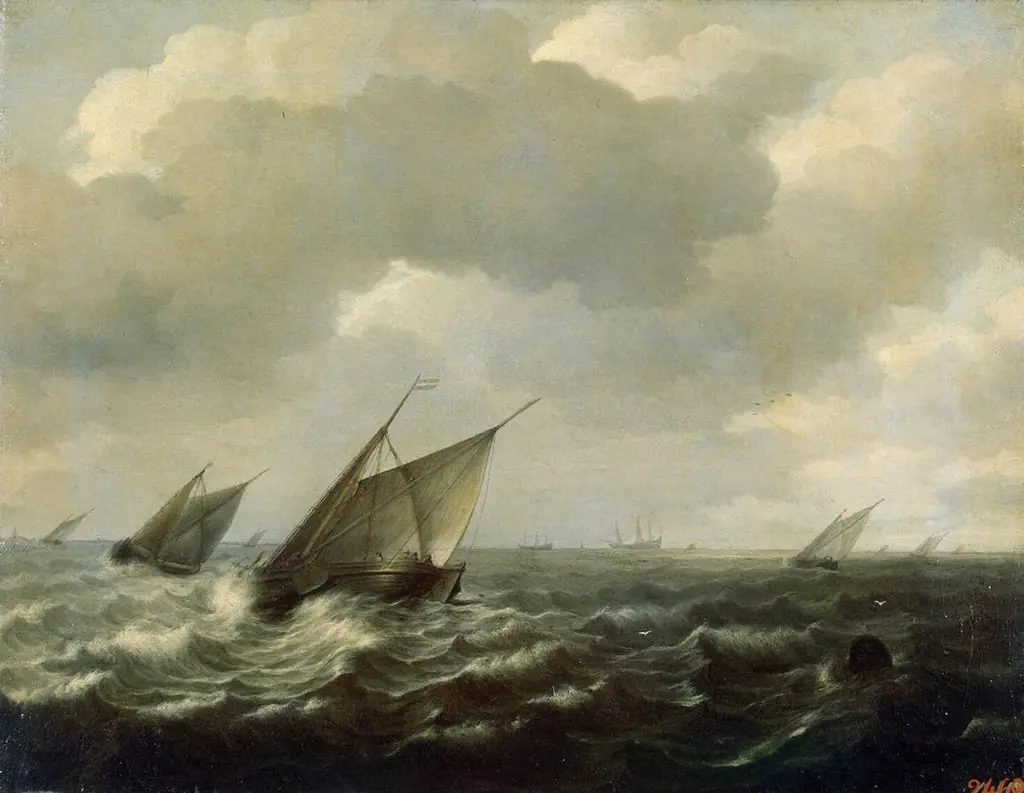 Sailing Vessels in a Strong Wind
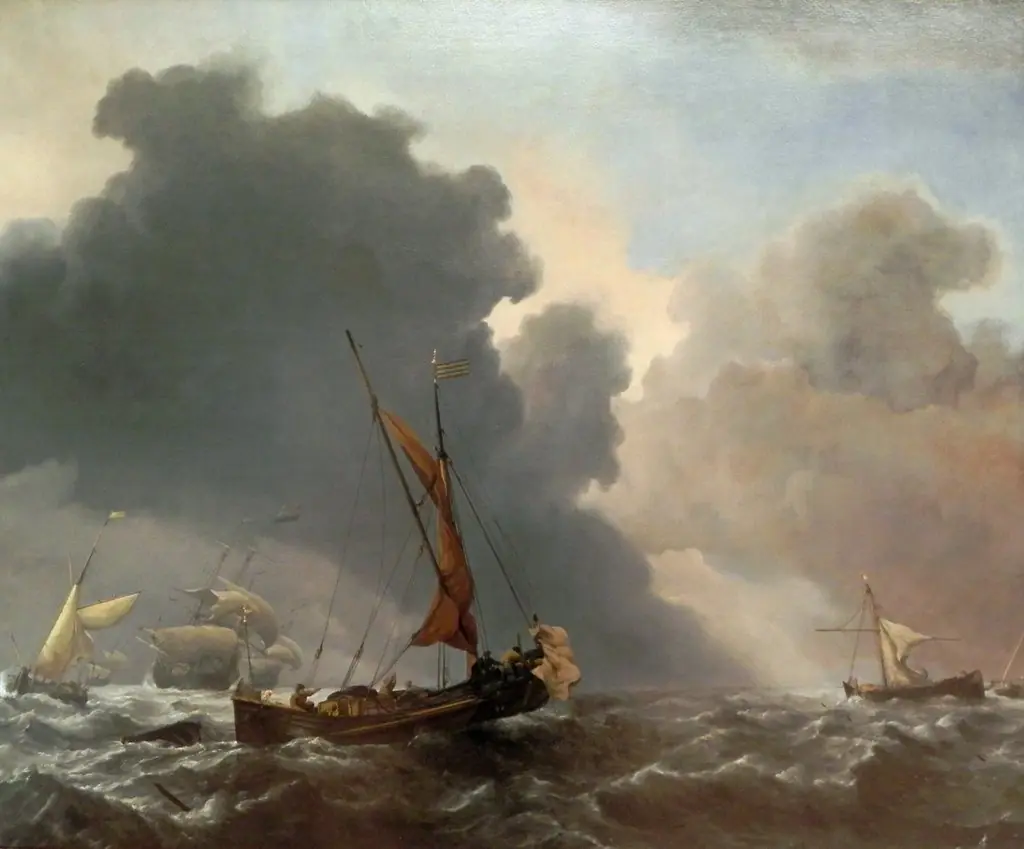 Eine Karg und andere Segler bei auffrischendem Wind
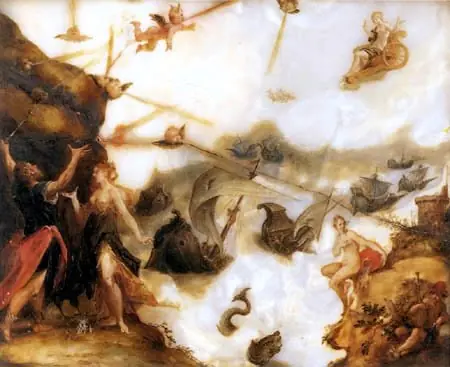 The Unleashing of the winds
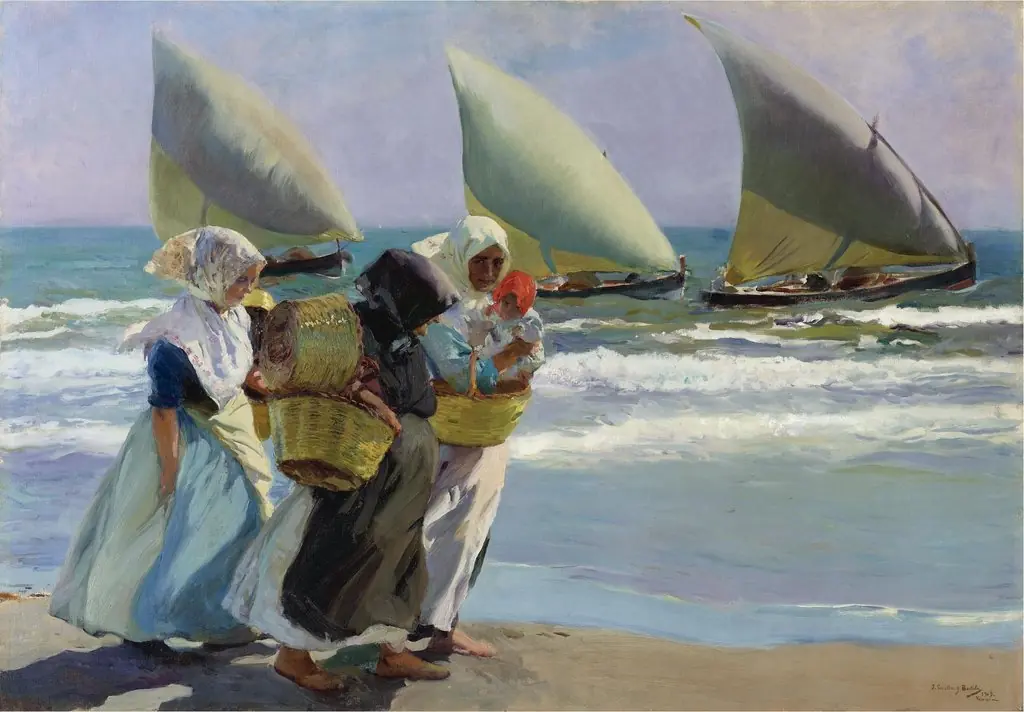 Las tres velas
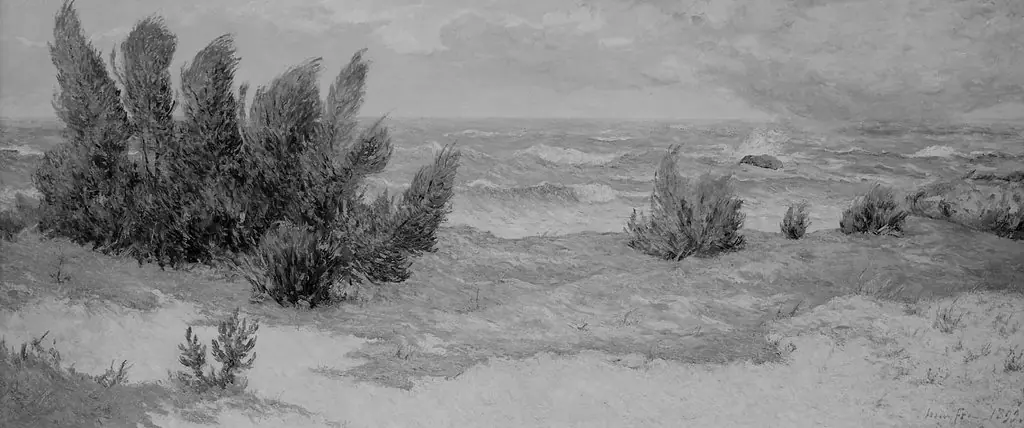 Gust of Wind
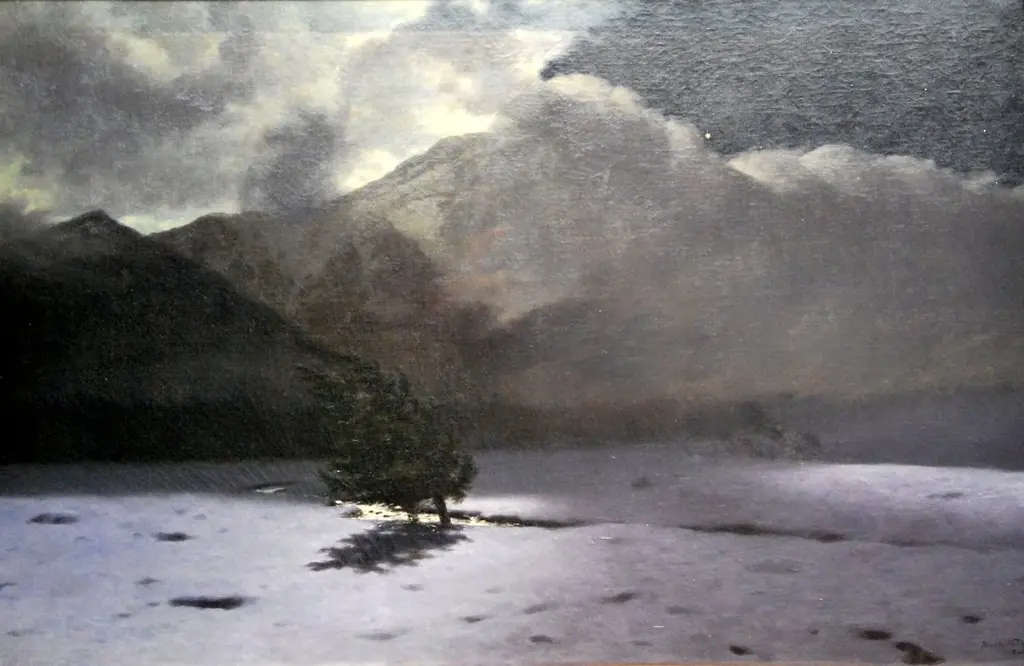 Halny wind
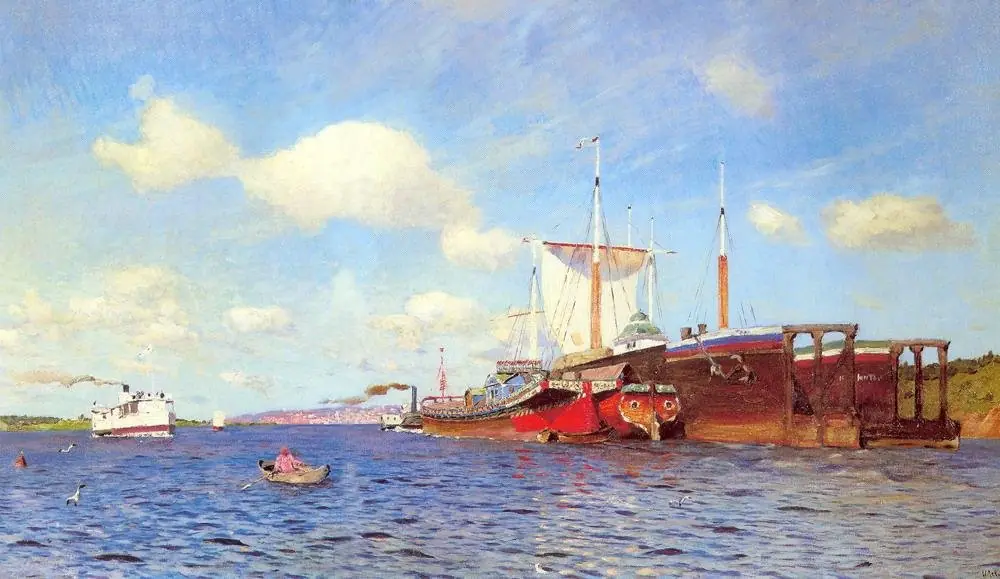 Fresh Wind. Volga
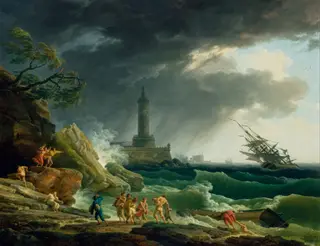 A Storm on a Mediterranean Coast
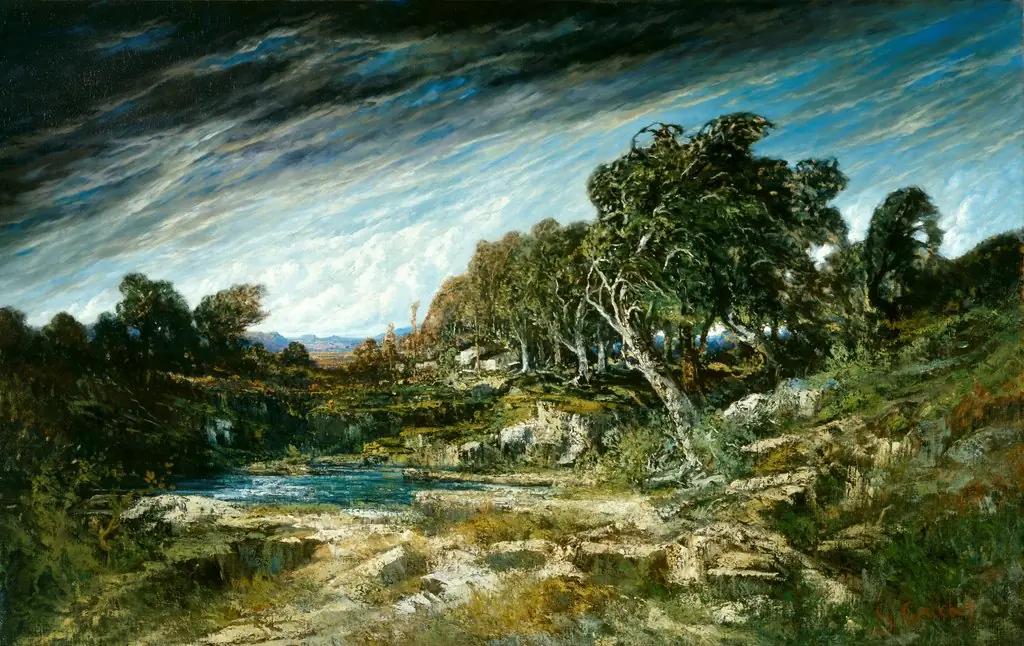 The Gust of Wind
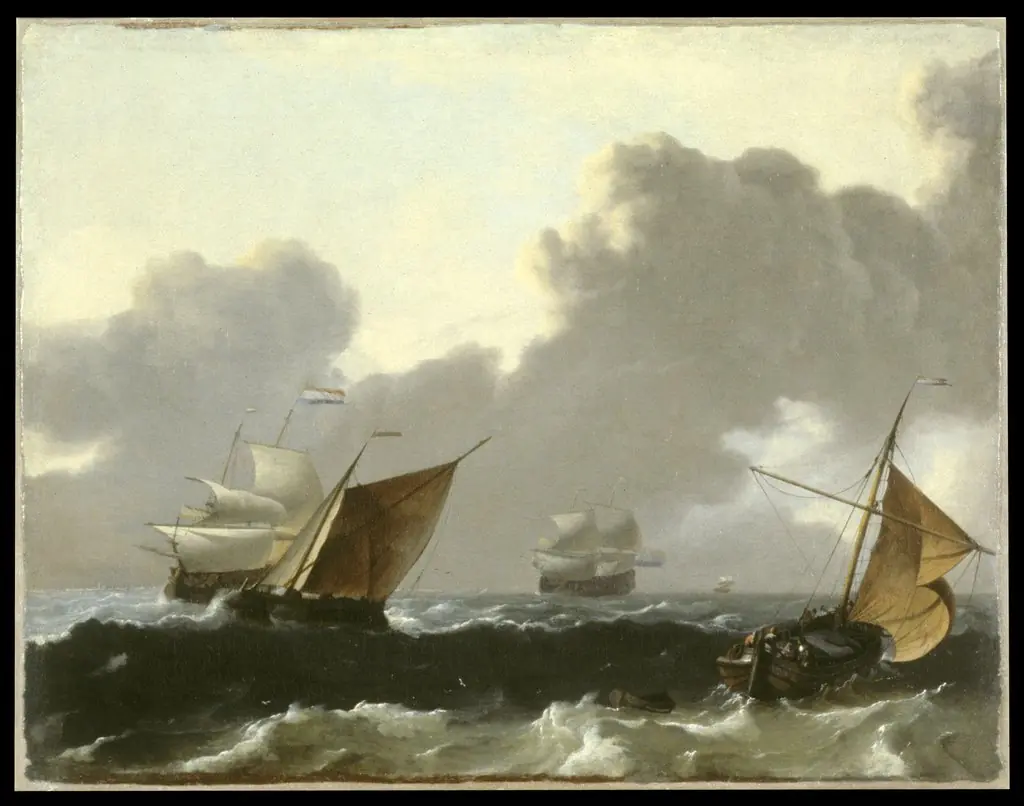 Storm At Sea
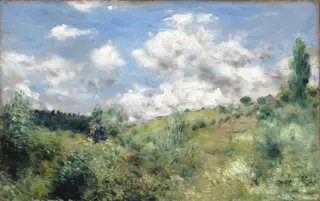 The Gust of Wind
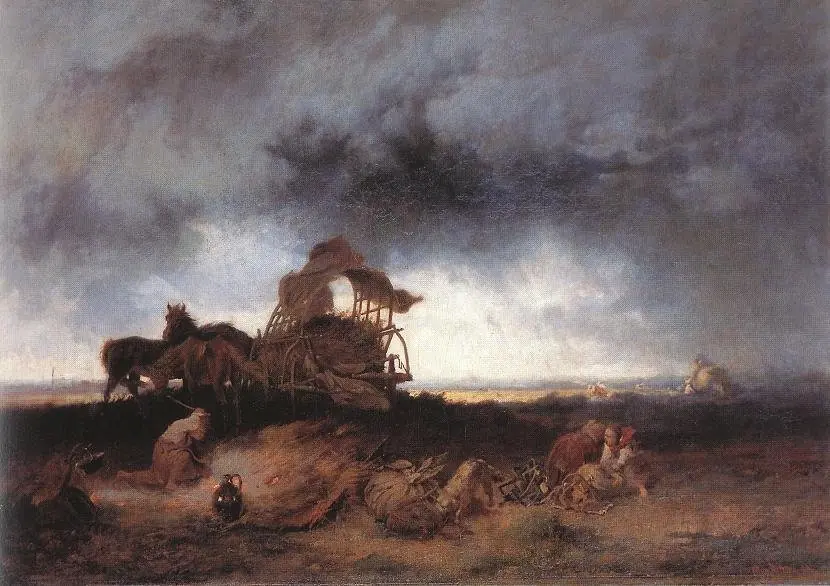 Storm at the Puszta
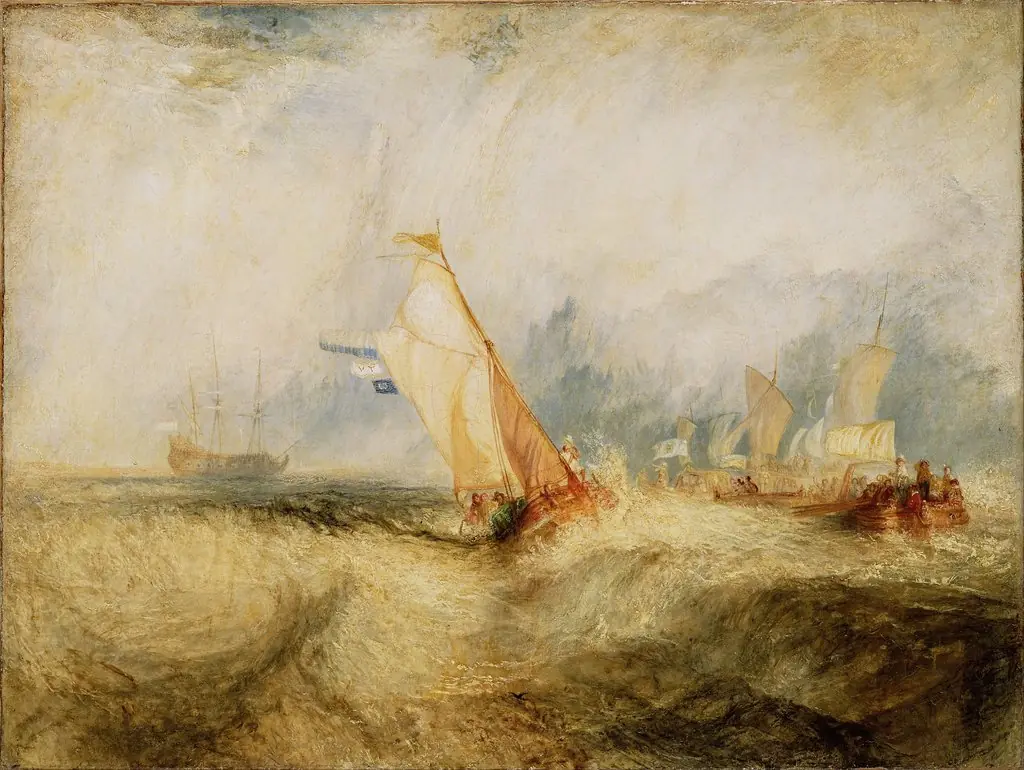 Van Tromp
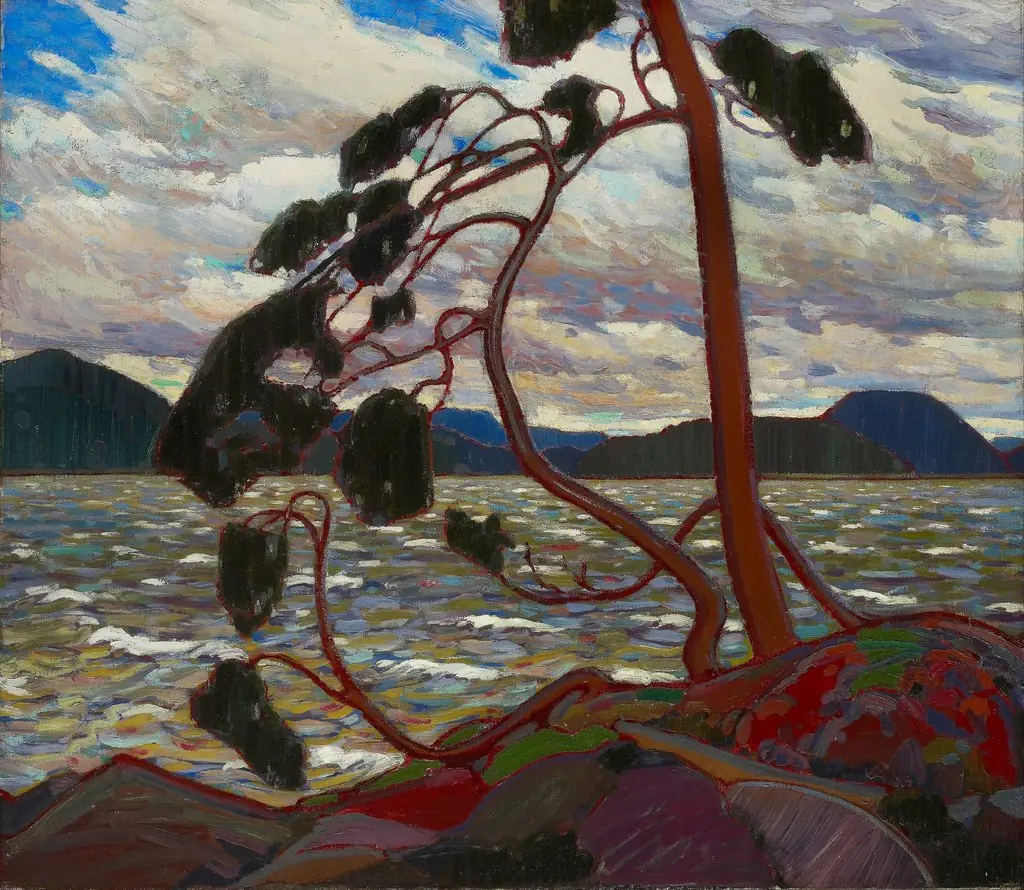 The West Wind
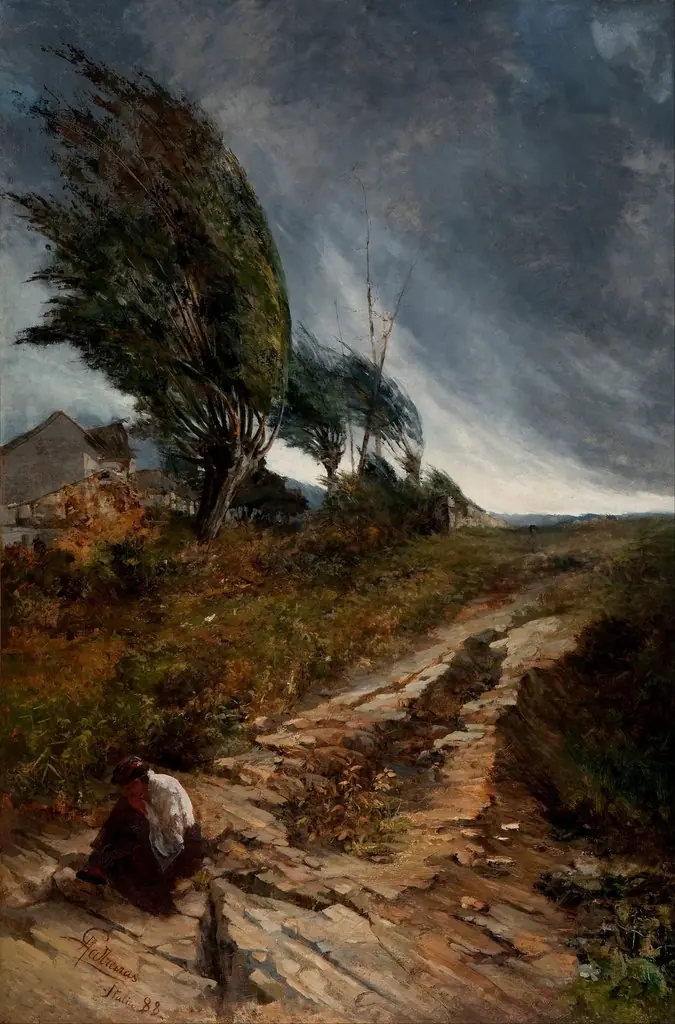 The Windstorm
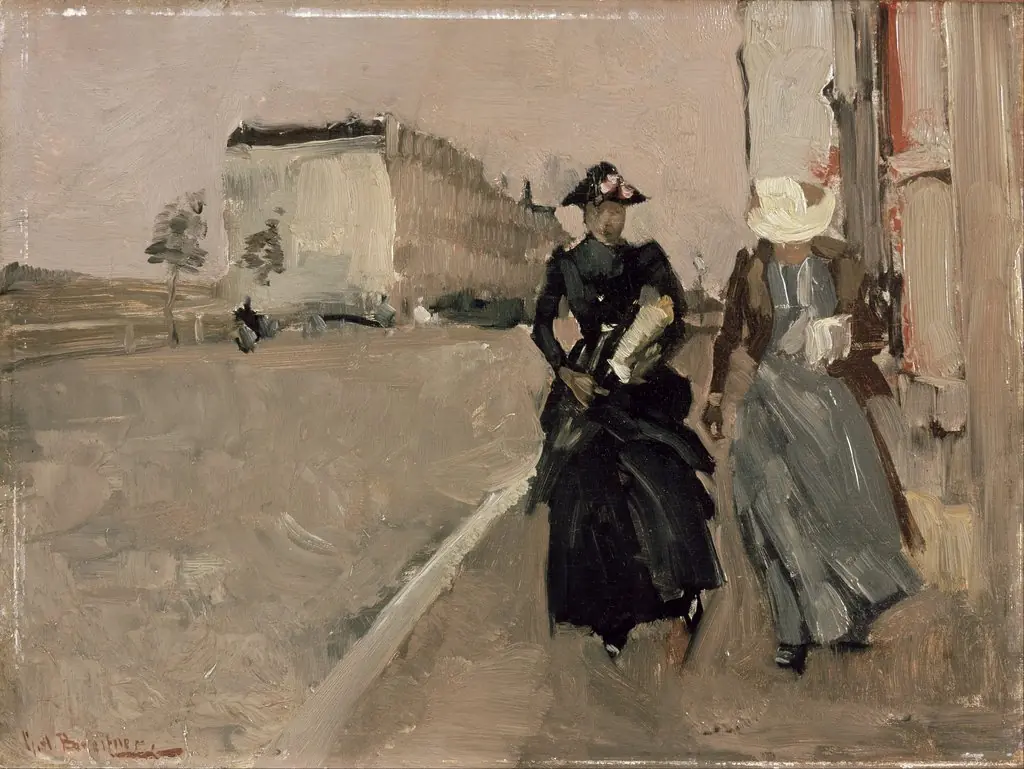 Gust of wind
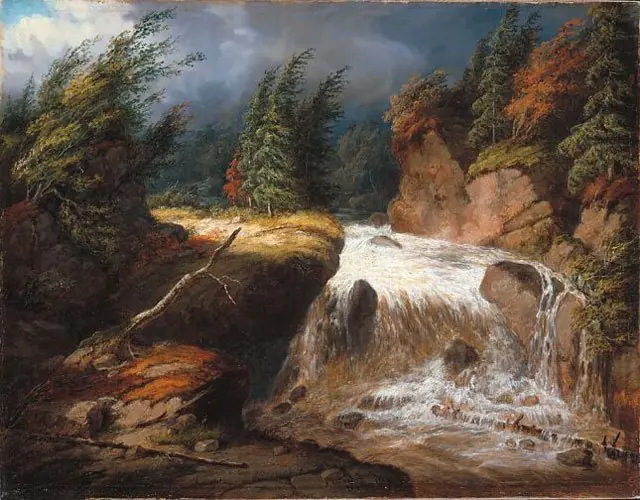 The Passing Storm, Saint-Ferréol
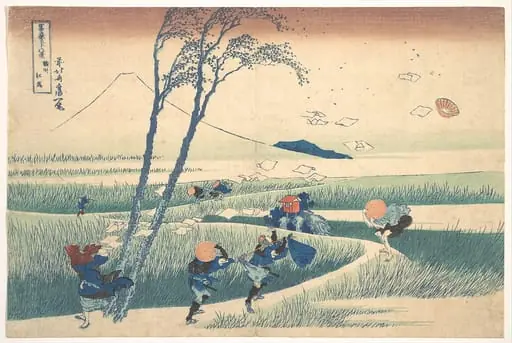 冨嶽三十六景 駿州江尻|Ejiri in Suruga Province (Sunshū Ejiri), from the series Thirty-six Views of Mount Fuji (Fugaku sanjūrokkei)
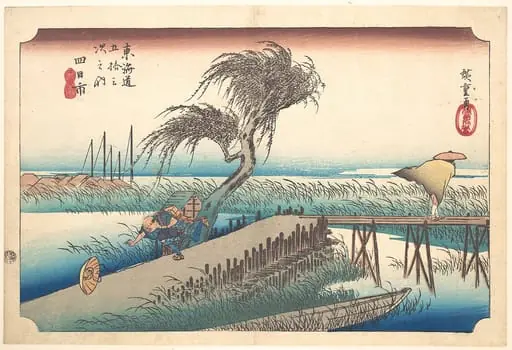 東海道五十三次之内 四日市 三重川|Mie River at Yokkaichi
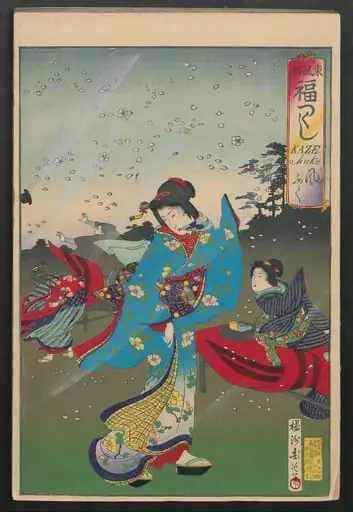 Untitled
Frequently asked questions
What is Wind?
Wind is a topographical surname, of English origin, for someone who lived near a pathway, alleyway, or road.
How many Wind works does Artifact World Gallery have?
Artifact World Gallery holds 31 public-domain Wind works, all free to view and download.
Who are the key Wind artists?
Key Wind artists in the collection include Gustave Courbet, Pierre Auguste Cot and Joseph Mallord William Turner.
Where can I see Wind works?
Wind works in the collection are held by Metropolitan Museum of Art, National Gallery of Art and J. Paul Getty Museum.