
Subject
Aphrodite
Aphrodite is a subject in art. The gallery holds 49 works in this subject in art, including works by Titian, Paolo Veronese and Lorenzo Lotto.
Aphrodite ( , AF-rə-DY-tee) is an ancient Greek goddess associated with love, lust, beauty, pleasure, passion, procreation, and as her syncretised Roman counterpart Venus, desire, sex, fertility, prosperity, and victory. Aphrodite's major symbols include seashells, myrtles, roses, doves, sparrows, and swans.
Key artists



Overview
Aphrodite is the ancient Greek goddess of love, lust, beauty, pleasure, passion, and procreation. As the syncretized Roman counterpart Venus, her domain expanded to include desire, sex, fertility, prosperity, and victory. She recurs throughout Western art as the paramount symbol of female beauty and erotic allure, inspiring countless depictions from antiquity to the present. Her mythology, characterized by divine adulteries and pivotal interventions like the Judgment of Paris, provided artists with dramatic narratives of seduction, jealousy, and catastrophe. Her major symbols include seashells, myrtles, roses, doves, sparrows, and swans, which serve as visual shorthand for her attributes across centuries of representation.
Iconography & meaning
The iconography of Aphrodite draws heavily from her dual birth myths and complex epithets. In Hesiod's Theogony, she is born from the sea foam generated by the severed genitals of Uranus, an origin that establishes her visual association with the sea, shells, and the epithet Anadyomene, she who rises from the water. Alternatively, in Homer's Iliad, she is the daughter of Zeus and Dione. Plato's Symposium split her into two distinct entities: Aphrodite Urania, a transcendent heavenly goddess, and Aphrodite Pandemos, the goddess of common, sensual desire. A third aspect, Aphrodite Areia, reveals her warlike nature, particularly worshipped in Laconia. Her irresistible charm is often iconographically tied to her magically embroidered girdle, the kestos himas poikilos, which she occasionally lent to others, such as Hera. She is frequently accompanied by her retinue, including Eros, Himeros, Peitho, and the Charites, who weave her garments and amplify her association with persuasion and desire.
Across movements & periods
The treatment of Aphrodite has shifted significantly across cultures and periods. Her cult likely originated from the Phoenician goddess Astarte, a cognate of the East Semitic Ishtar, whose cult was based on the Sumerian Inanna, bringing early Near Eastern attributes of androgyny and aggressive sexuality. Some scholars argue for an Indo-European root, linking her to the dawn goddess Eos, based on shared epithets like Daughter of Heaven and the motif of rising from the ocean, though modern consensus views this as a secondary influence on a primarily Semitic deity. In ancient Greece, her worship varied regionally, from the patron of prostitutes to a warrior goddess. By the Renaissance, her identity had fully merged with Venus, and her image shifted from a multifaceted deity to a secularized symbol of female beauty and eroticism in Western art, a tradition that extended into modern Neopagan religions like Wicca and Hellenism.
Notable depictions
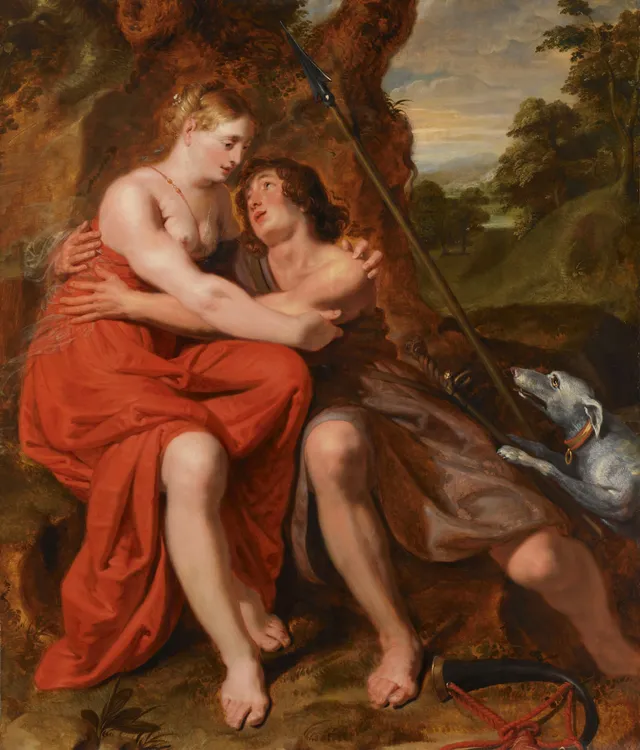
Canonical depictions of Aphrodite frequently center on her birth and her romantic entanglements. The sculptor Phidias famously represented her reception by Eros and Peitho as she emerged from the sea. The motif of her birth, rising from the foam, became a cornerstone of ancient Greek art and literature, cementing her visual identity as Anadyomene. In later Western painting, Peter Paul Rubens notably depicted the goddess in his 1614 Venus and Adonis, capturing the dramatic moment of the mortal hunt. Ancient literary sources, such as Sappho's Ode to Aphrodite from the Archaic period and the Homeric Hymn to Aphrodite, which details her seduction of the mortal shepherd Anchises, provided the foundational narratives that artists continuously adapted into visual form.
Legacy
The legacy of Aphrodite extends deeply into the cultural and linguistic fabric of the Western world. Her name survives in the calendar, as the month of April derives from the Etruscan Apru, a clipped form of her Greek name. The medieval Etymologicum Magnum attempted to derive her name from the Greek compound habrodiaitos, meaning she who lives delicately, though modern scholars largely favor a Semitic origin, possibly an epithet meaning unique or excellent. Her syncretism with Venus cemented her status as a Roman deity of victory and prosperity. Historically, early scholars erroneously proposed the concept of sacred prostitution in Greco-Roman culture based on her patronage of prostitutes, an idea now debunked. Today, her enduring presence in art and literature continues, and she remains a major deity in modern Neopagan religions, including the Church of Aphrodite, Wicca, and Hellenism.
Works
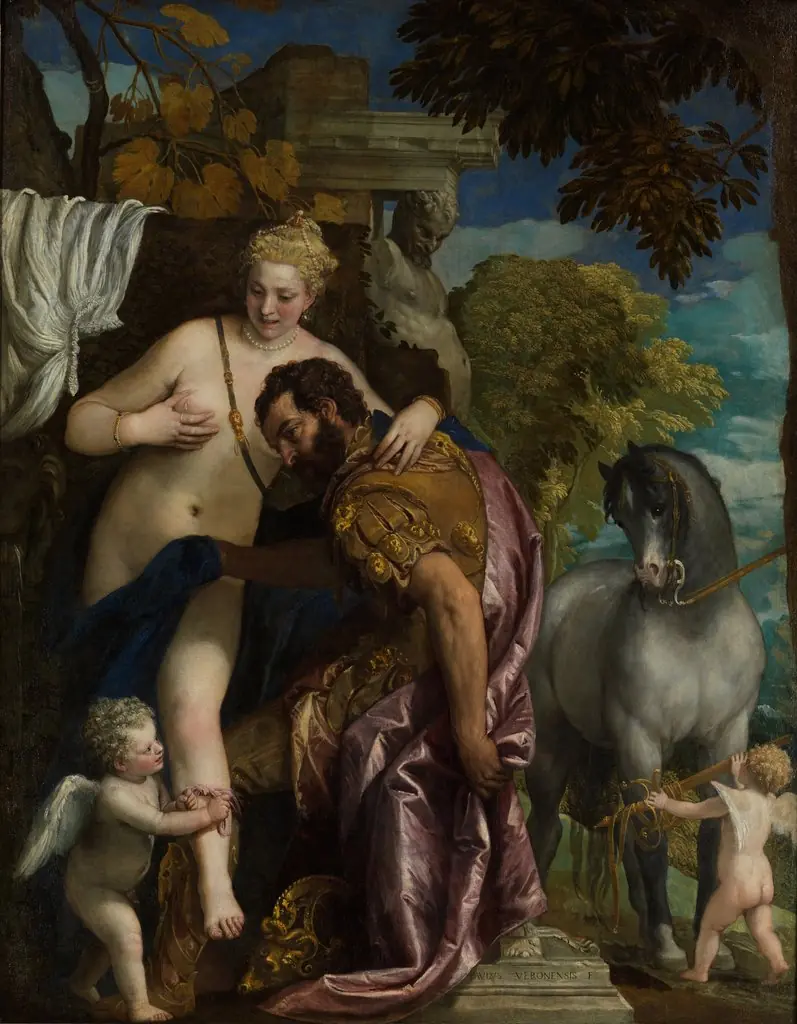 Venus and Mars
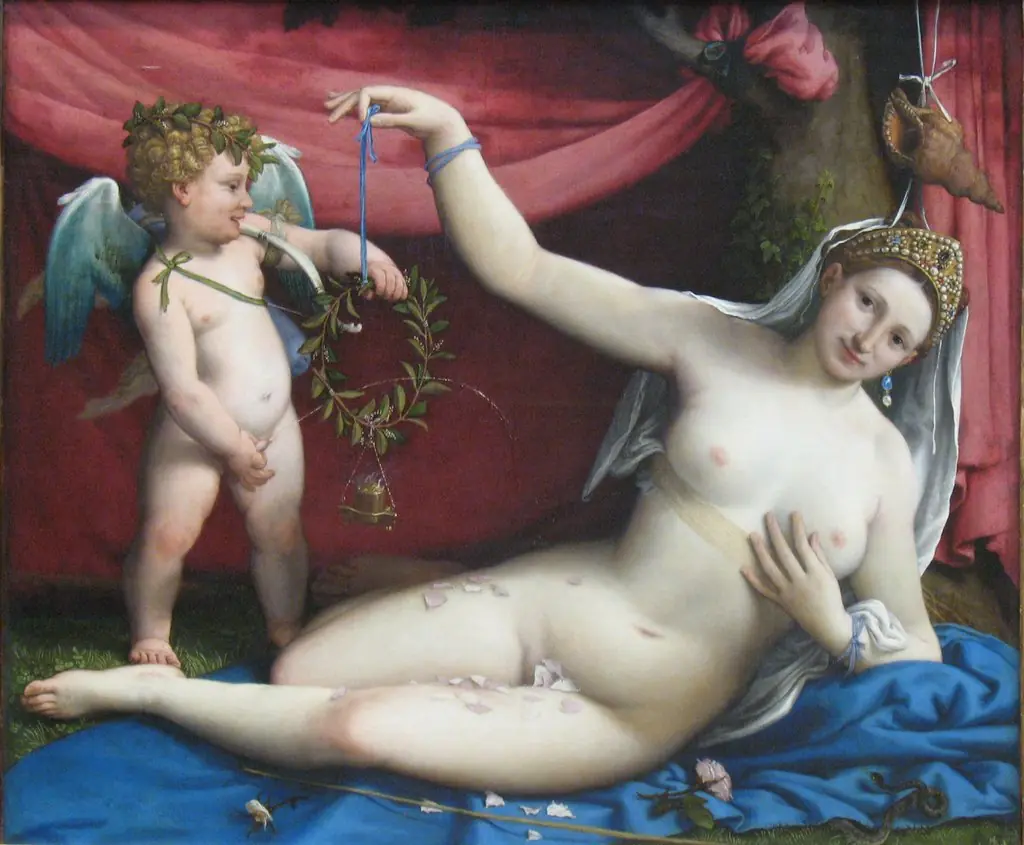 Venus and Cupid
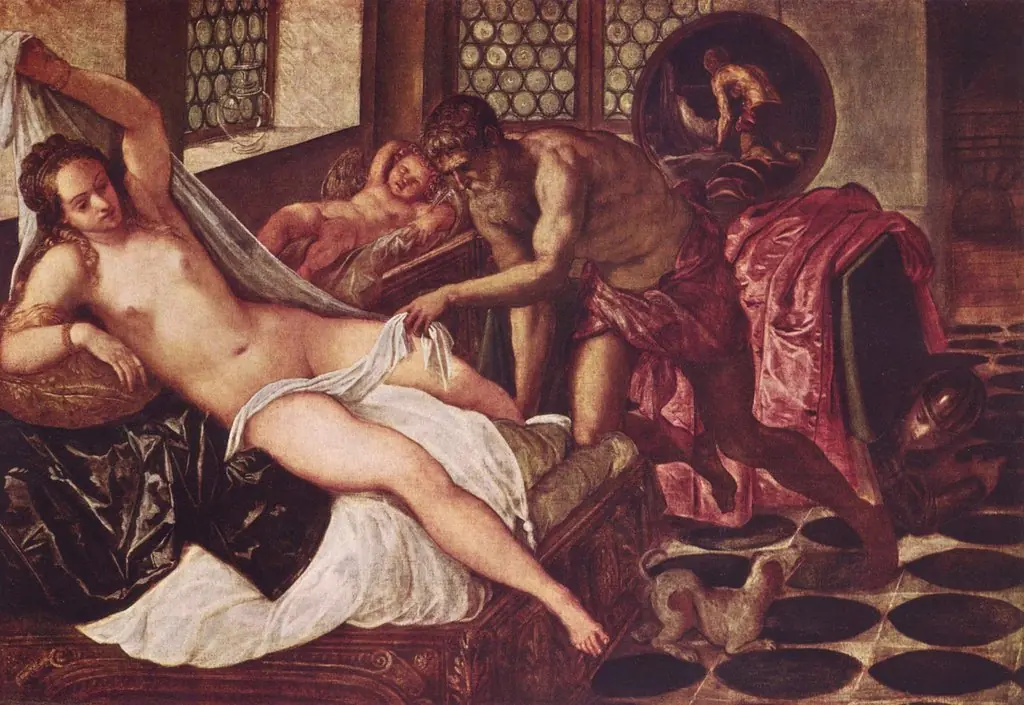 Venus and Mars Surprised by Vulcan
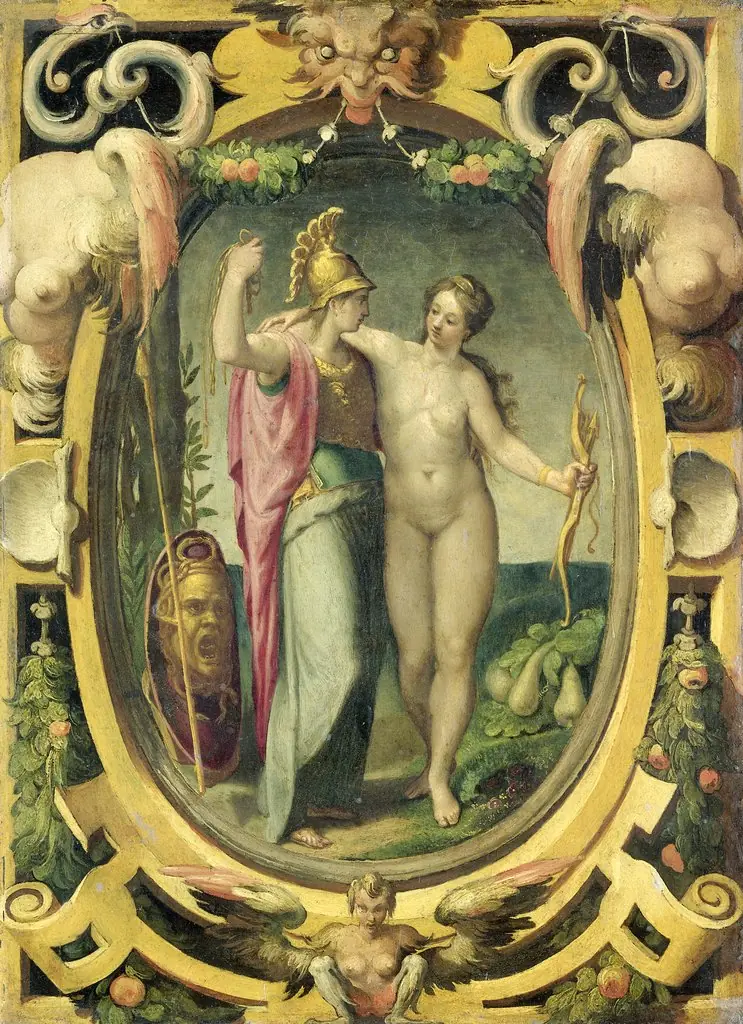 Venus and Minerva
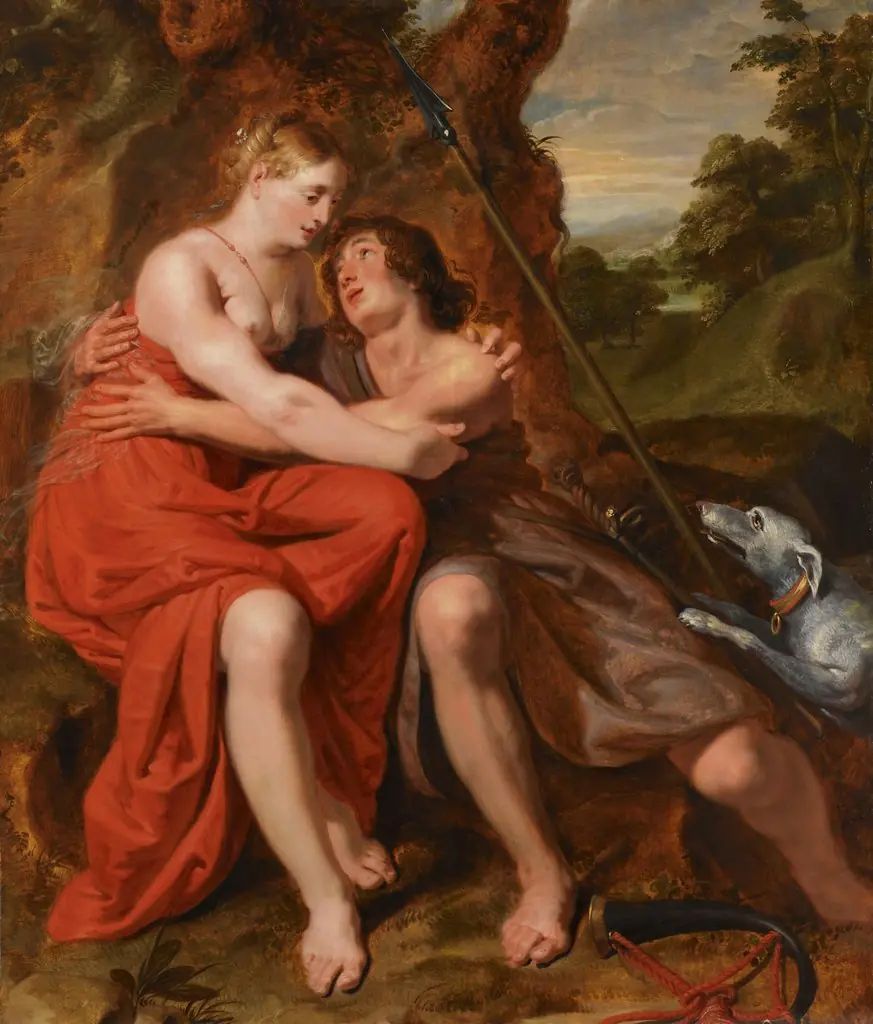 Venus and Adonis
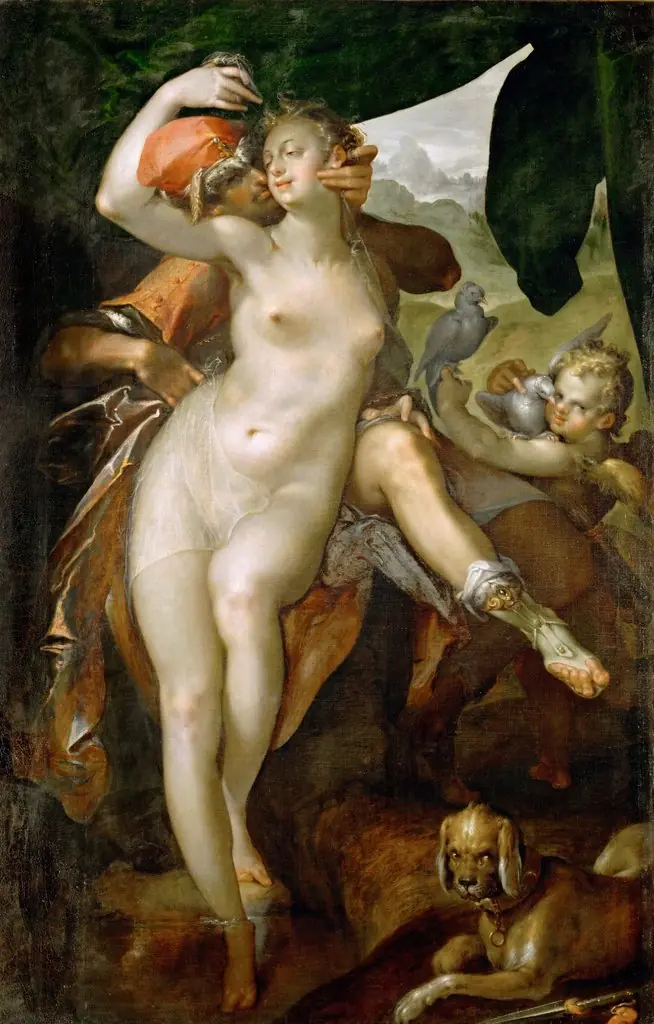 Venus and Adonis
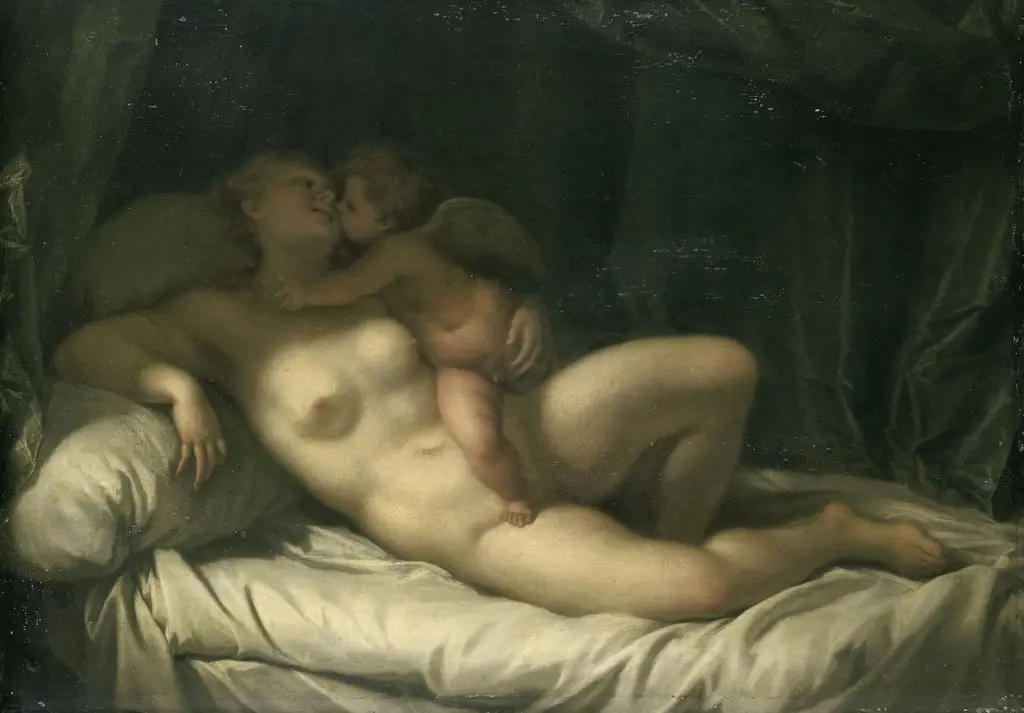 Cupid Kissing Venus (Venus Kissed by Amor)
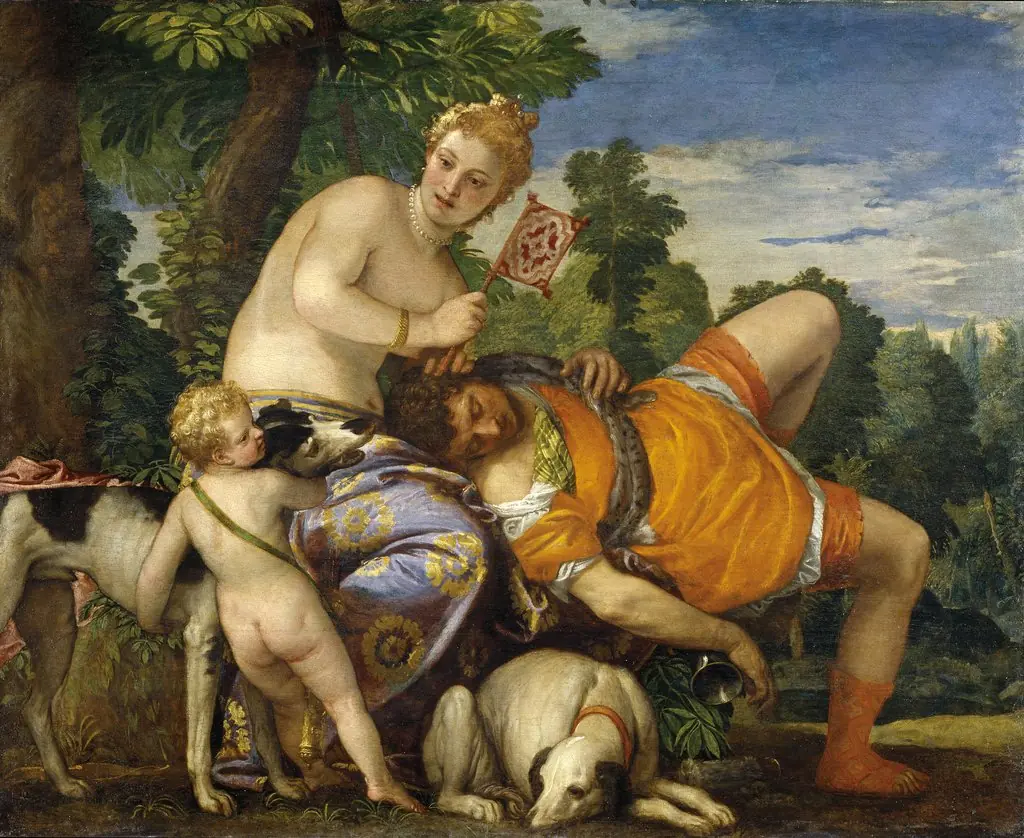 Venus and Adonis
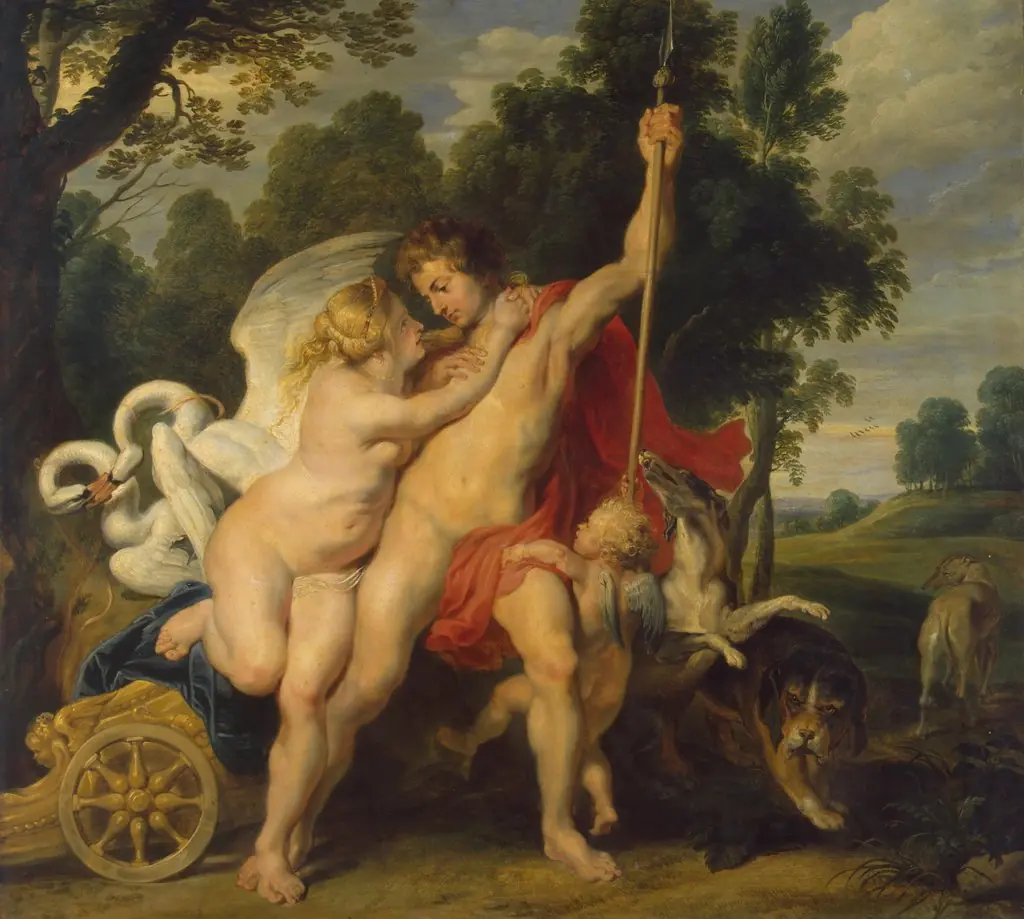 Venus and Adonis (Rubens, 1614)
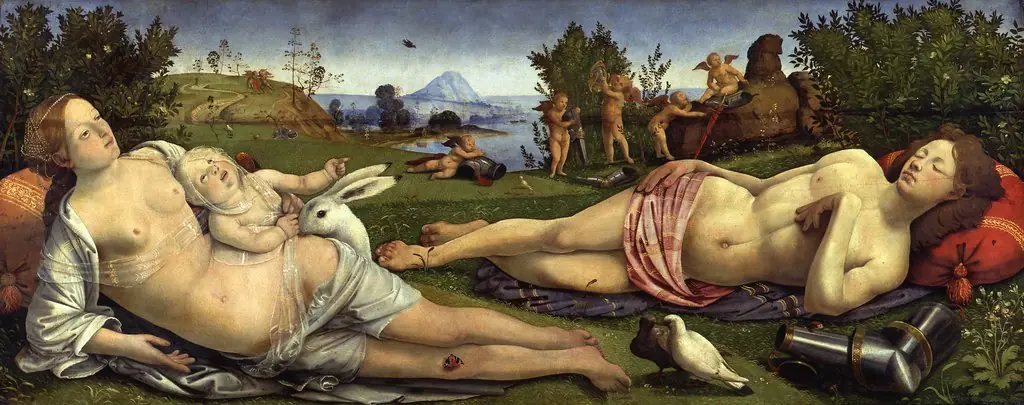 Venus, Mars and Cupid
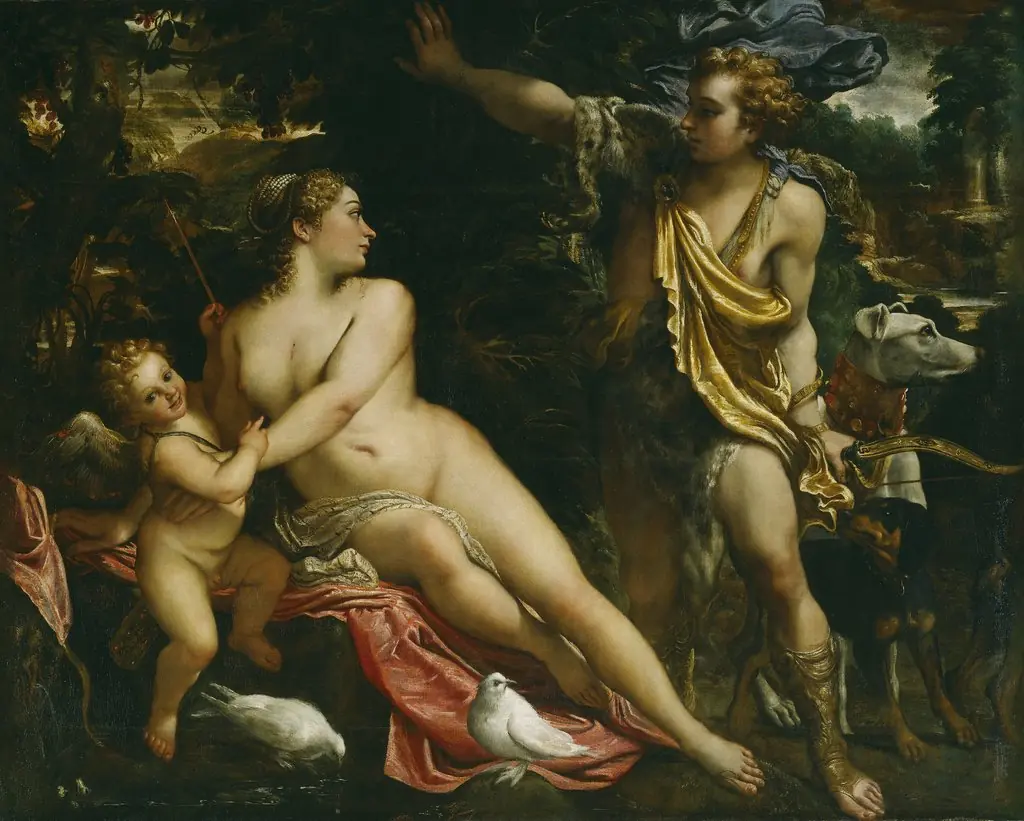 Venus, Adonis and Cupid
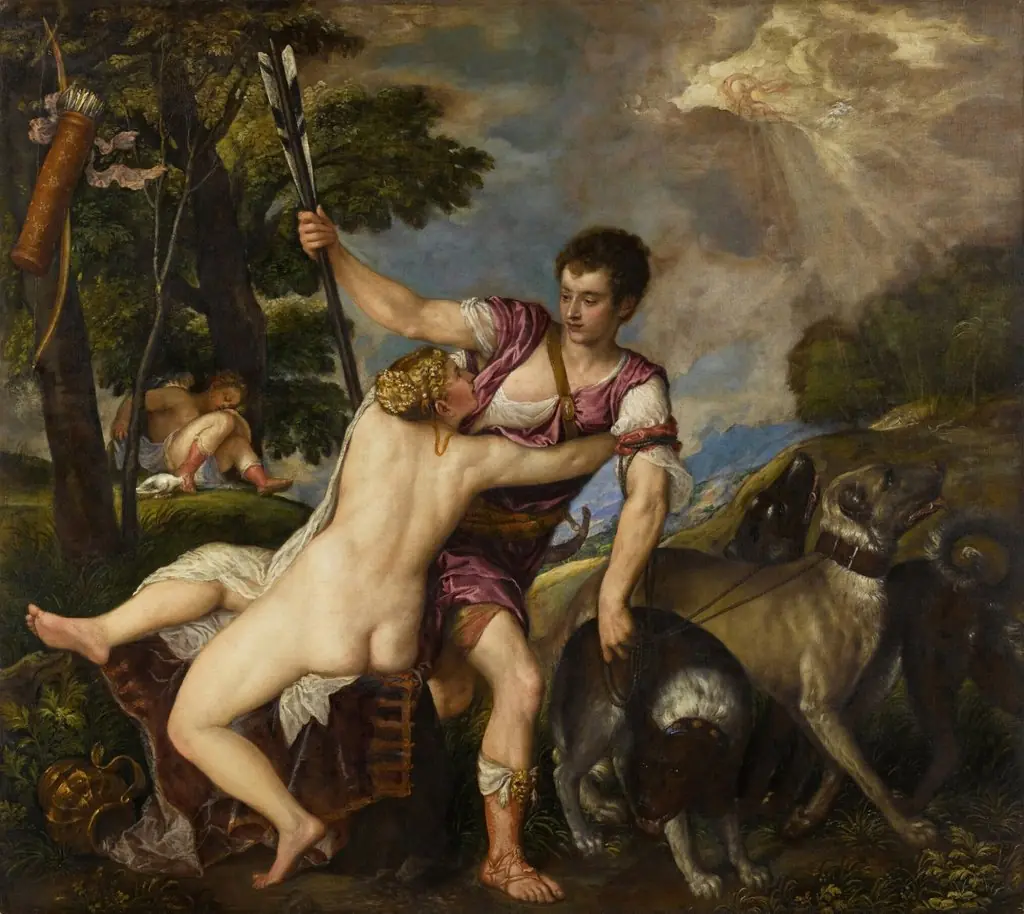 Venus and Adonis
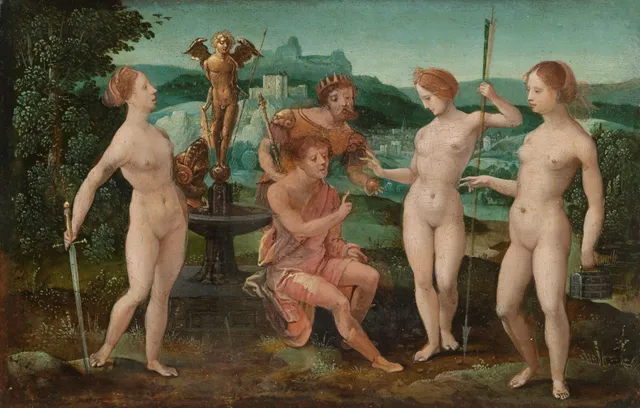
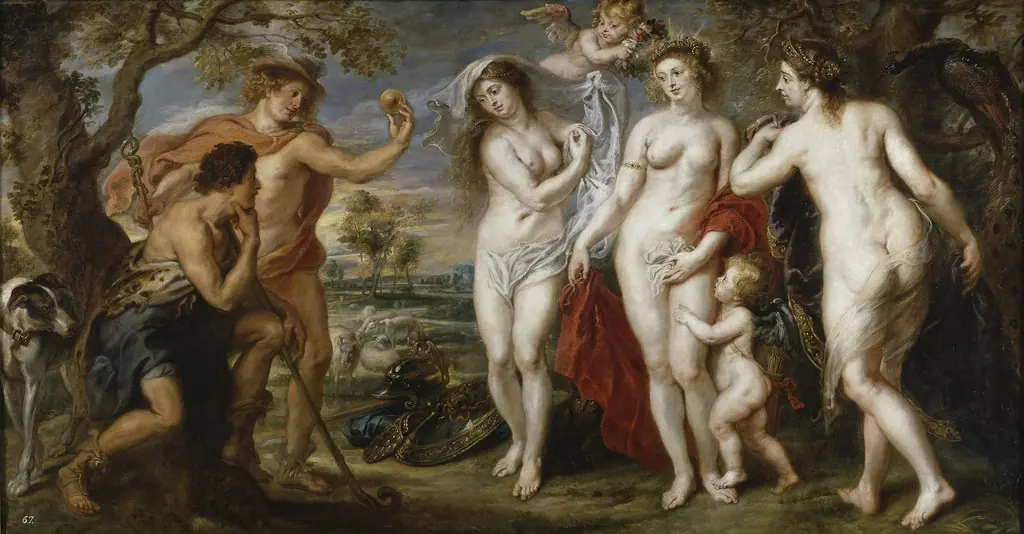 The Judgement of Paris
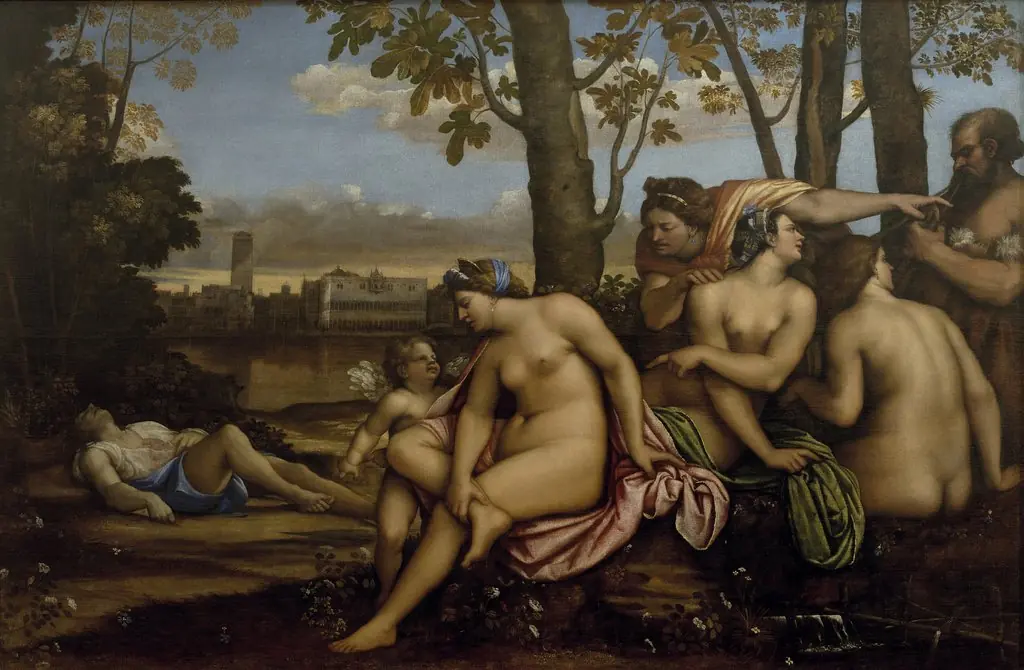 Death of Adonis
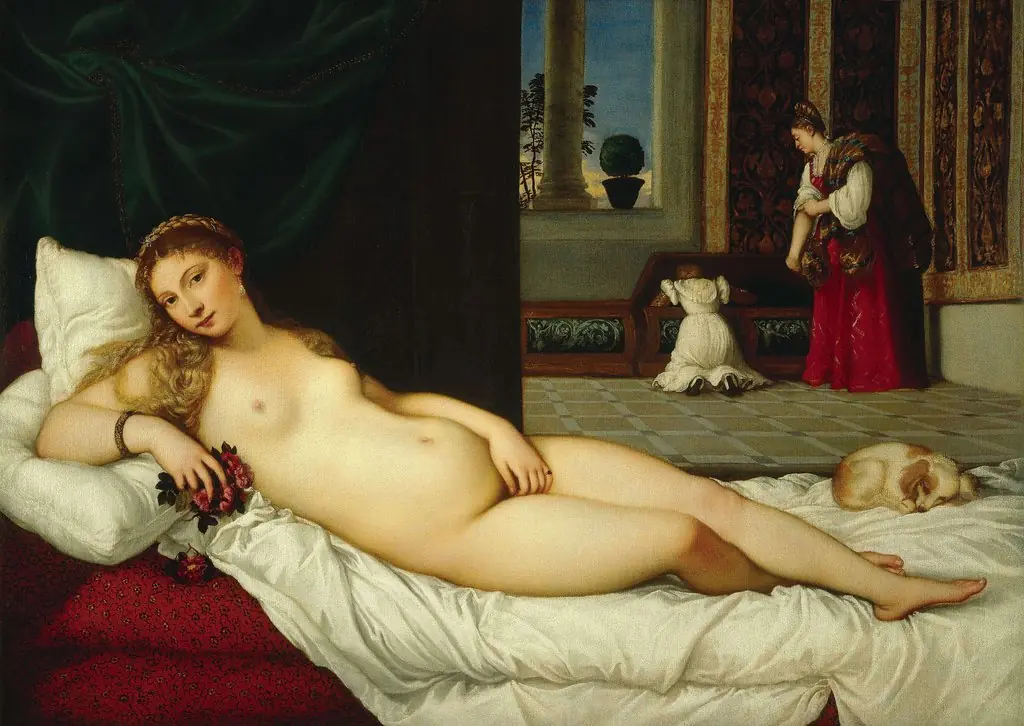 Venus of Urbino
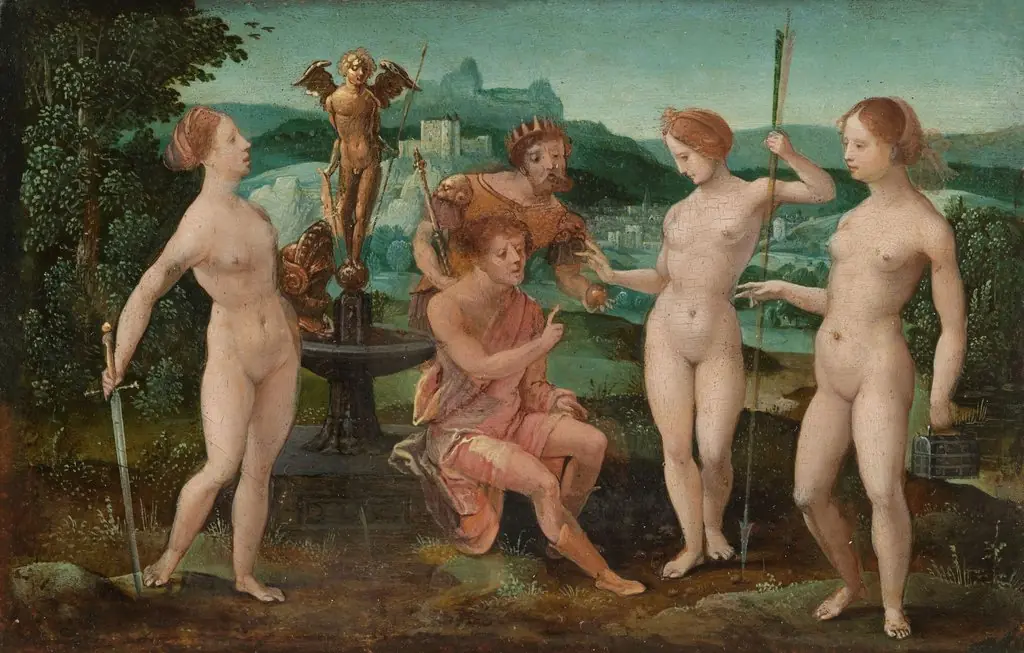 The judgement of Paris
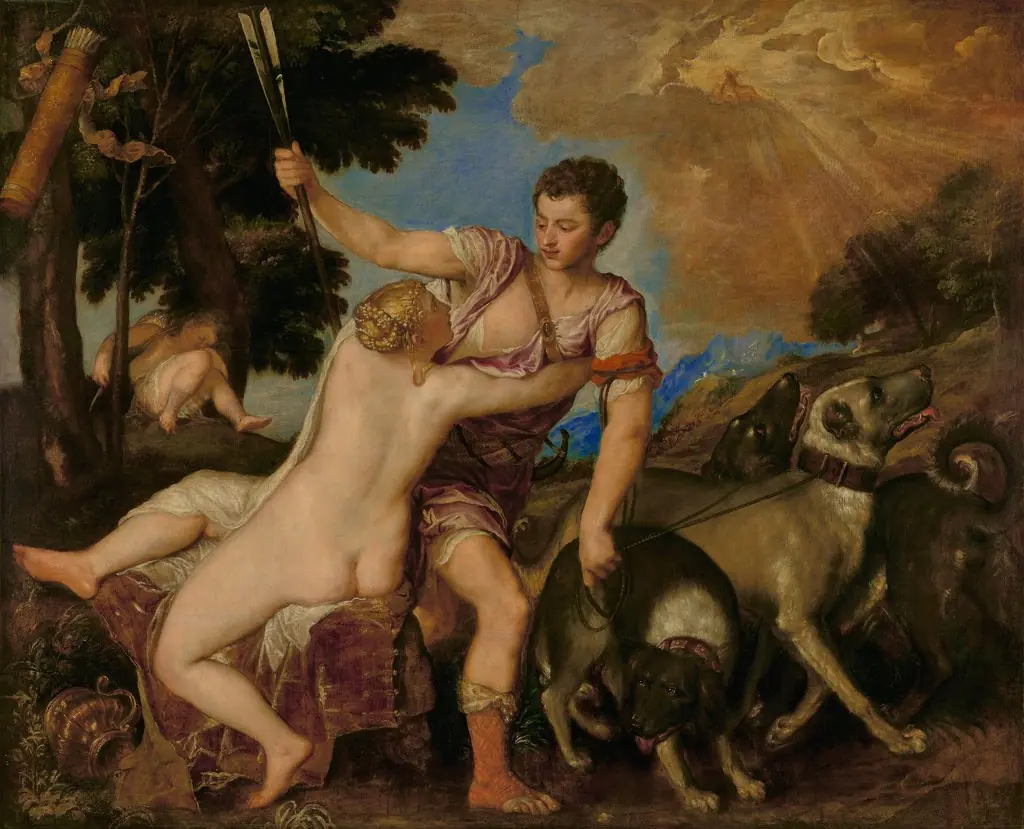 Venus and Adonis
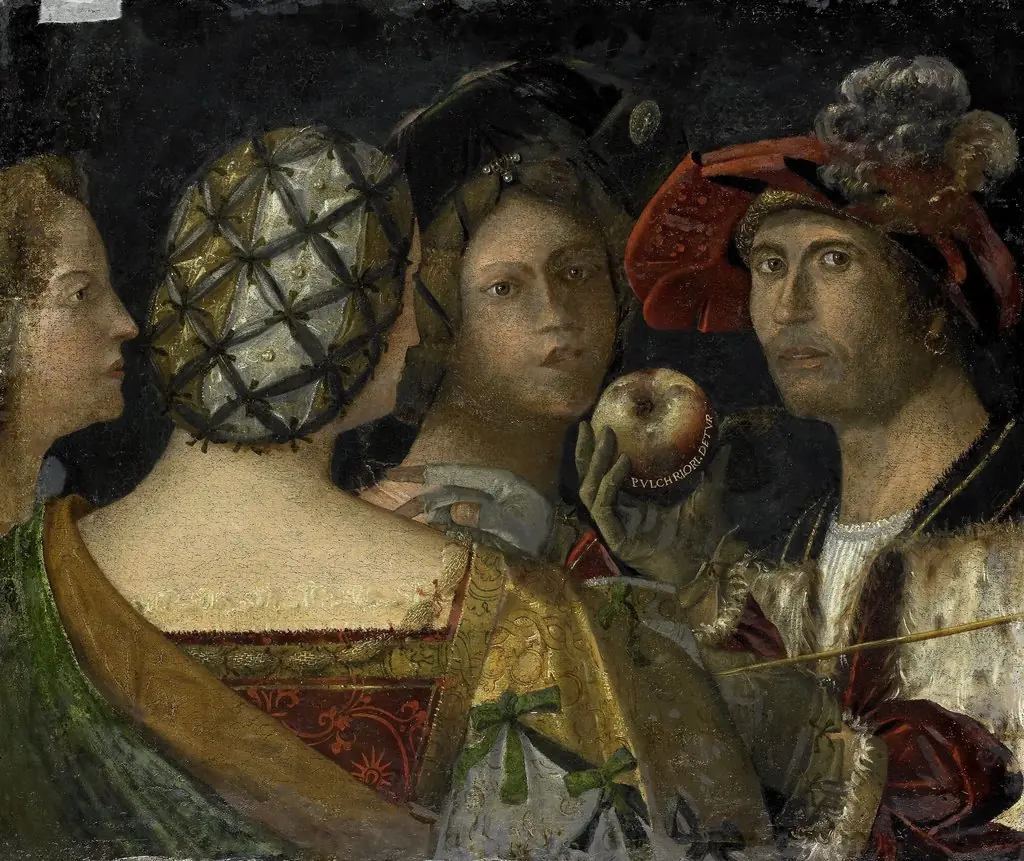 Judgment of Paris
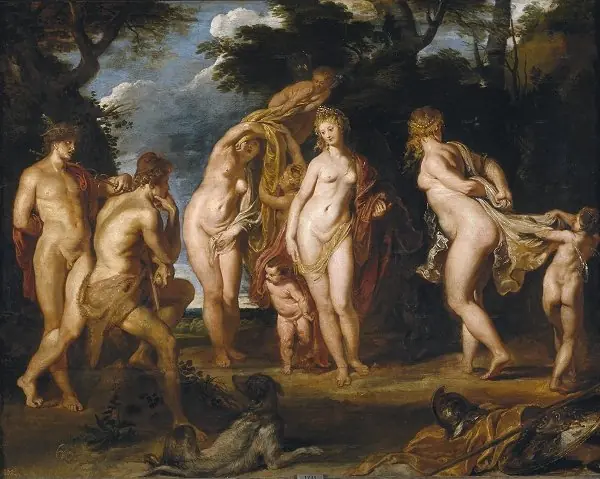 The Judgement of Paris
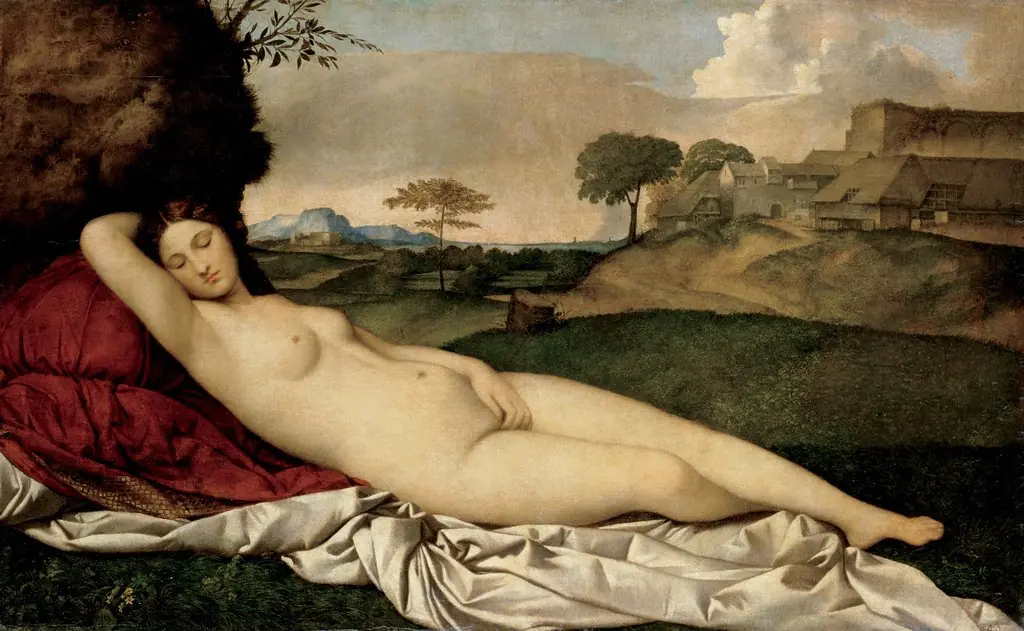 Sleeping Venus
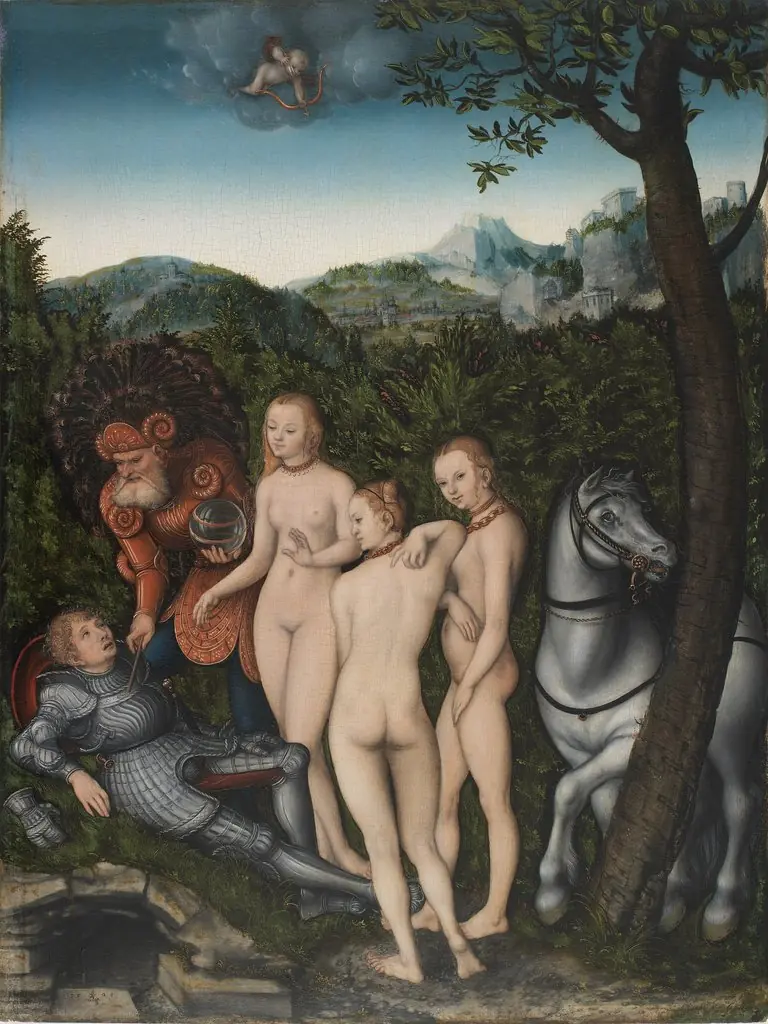 The Judgement of Paris
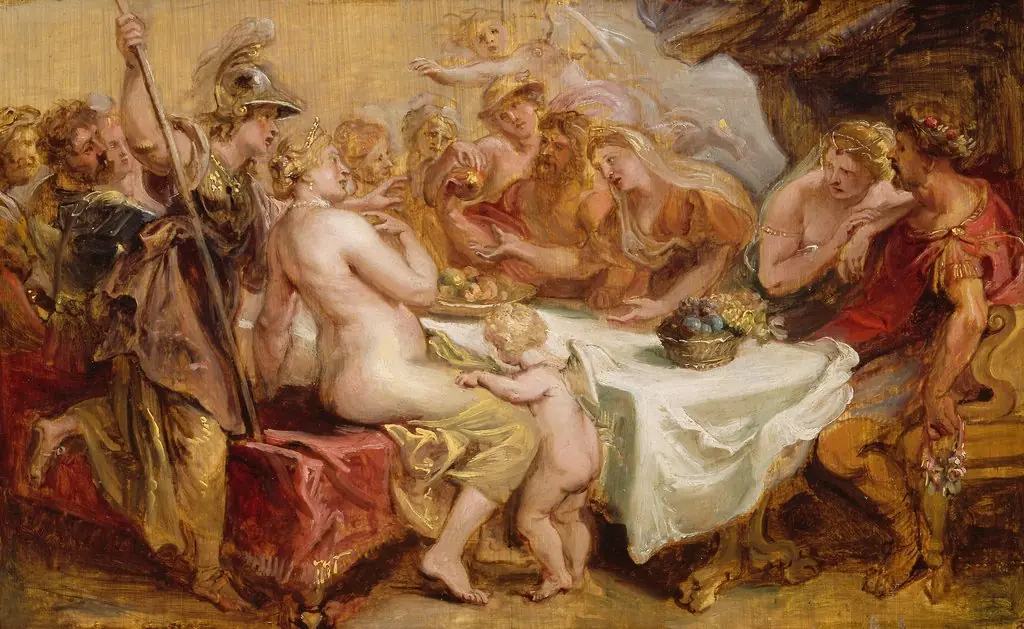 The Wedding of Peleus and Thetis
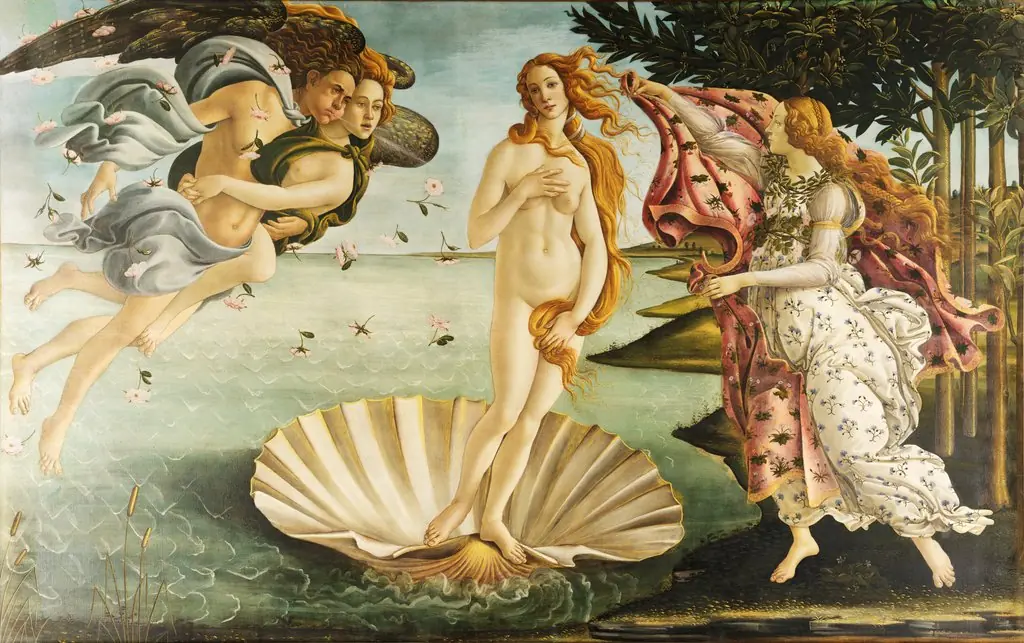 The Birth of Venus
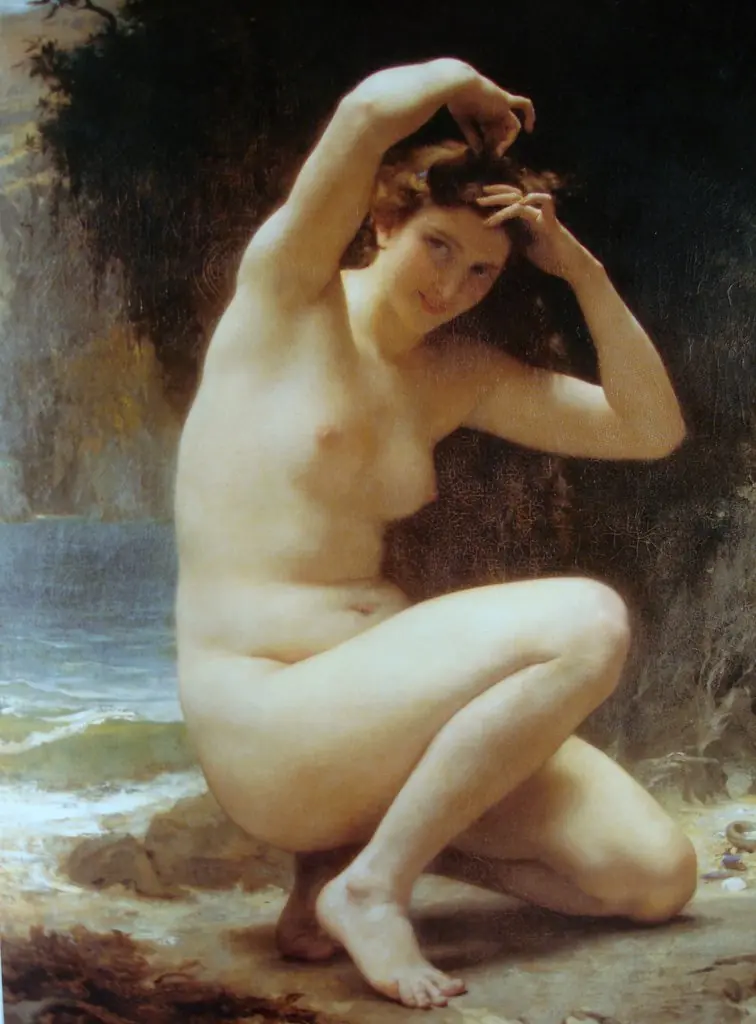 The toilette of Venus
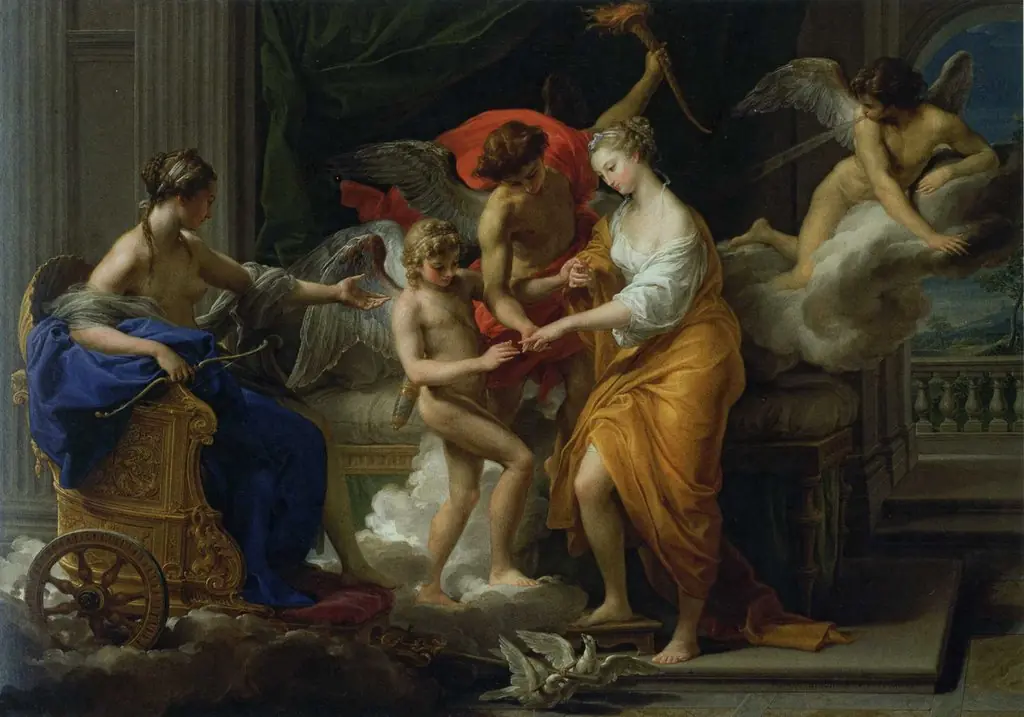 The Marriage of Cupid and Psyche
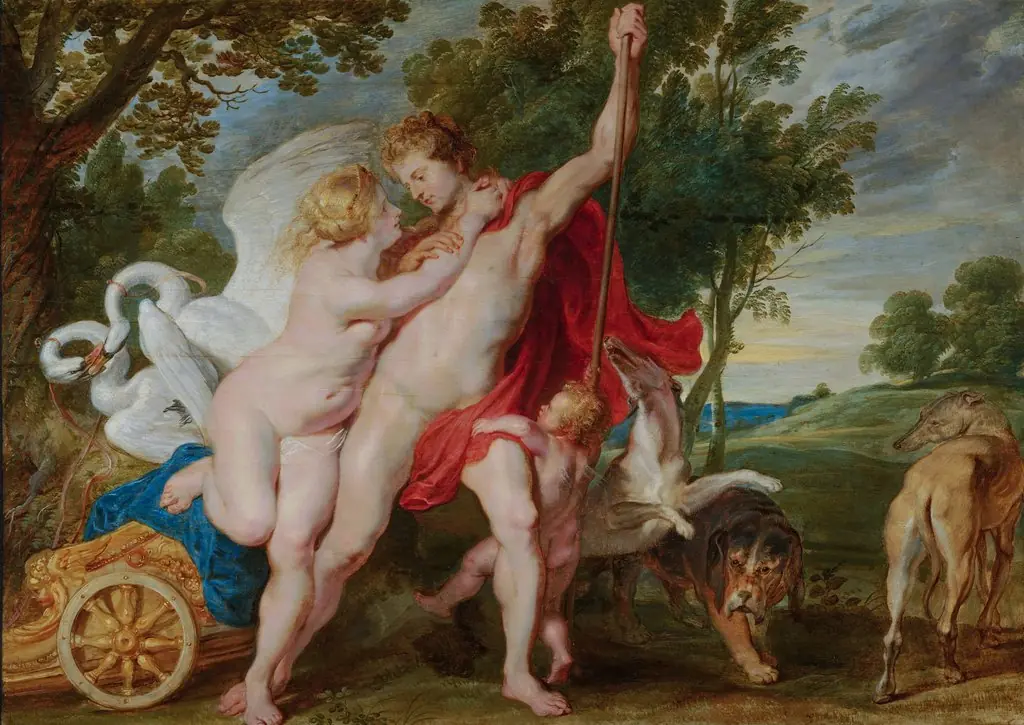 Venus trying to prevent Adonis from going hunting
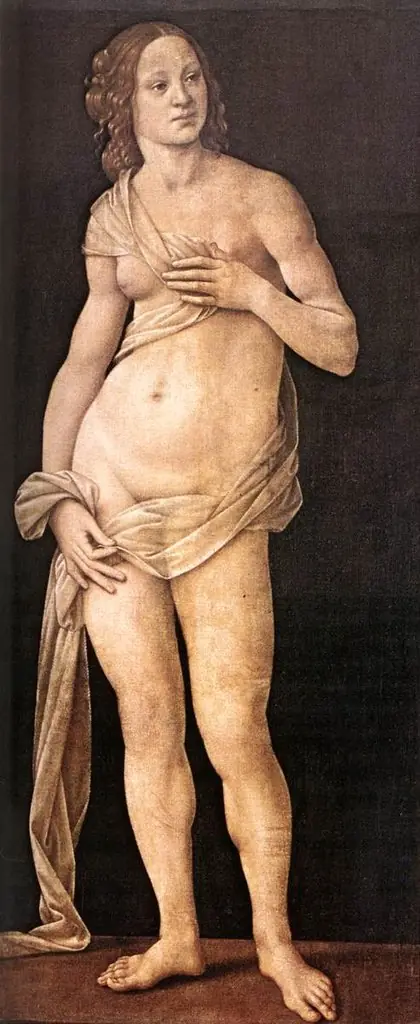 Venus
Venus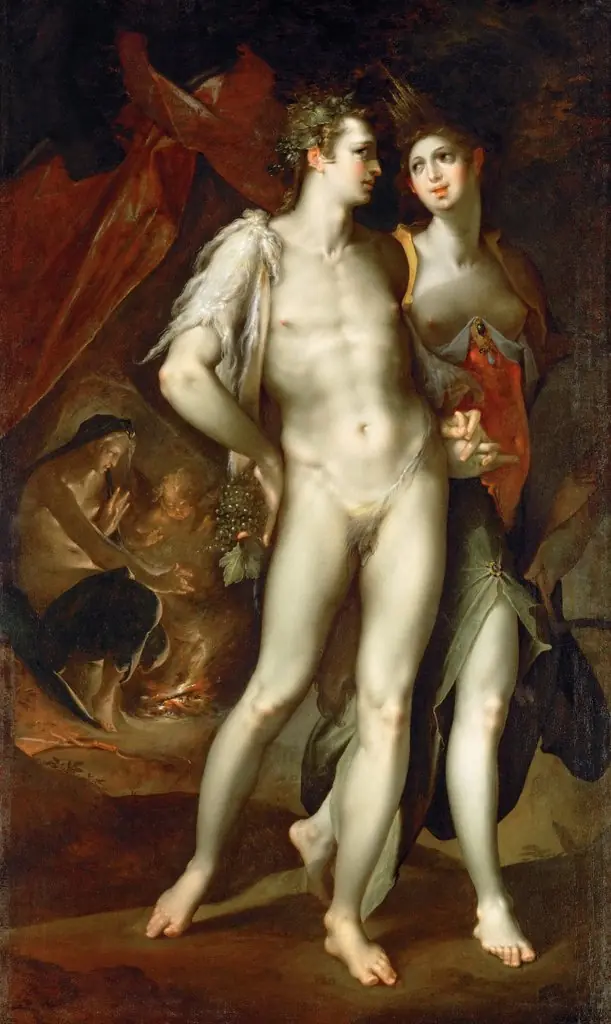 Sine Cerere et Baccho friget Venus
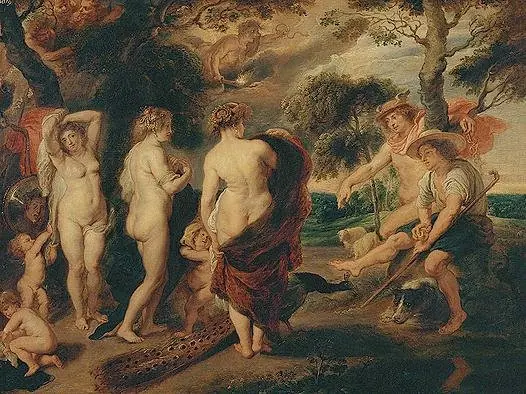 The Judgement of Paris
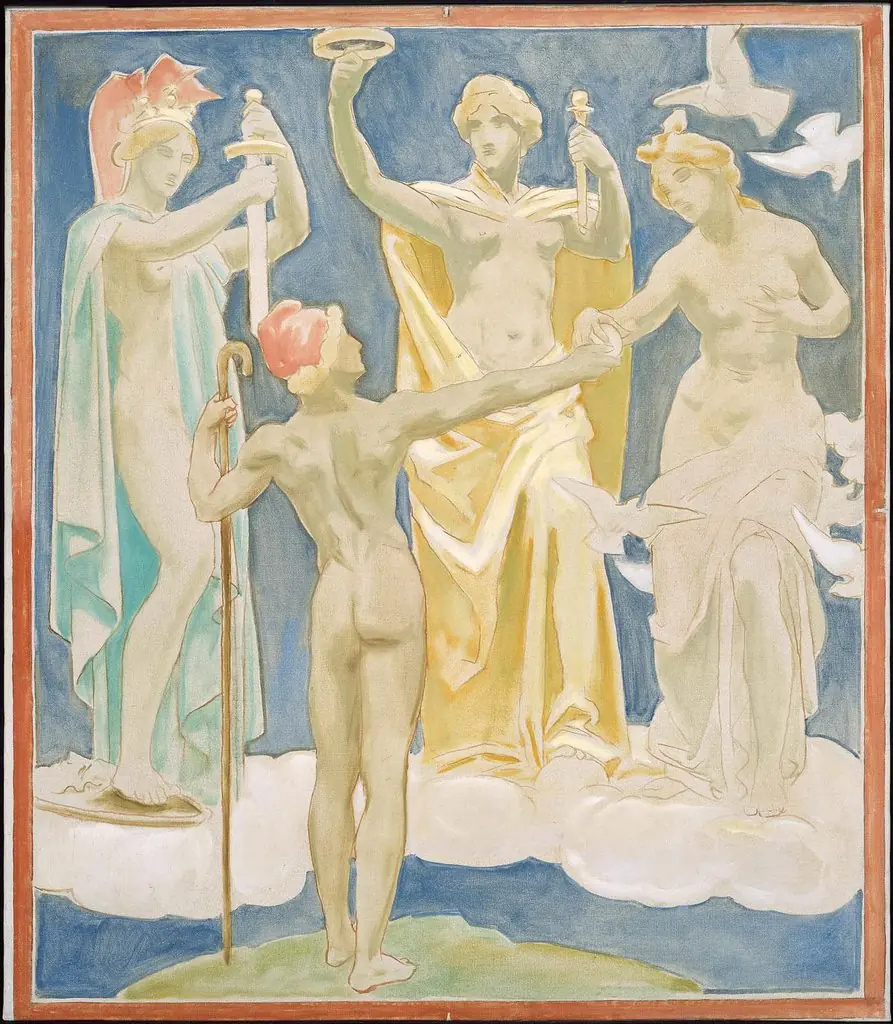 The Judgement of Paris
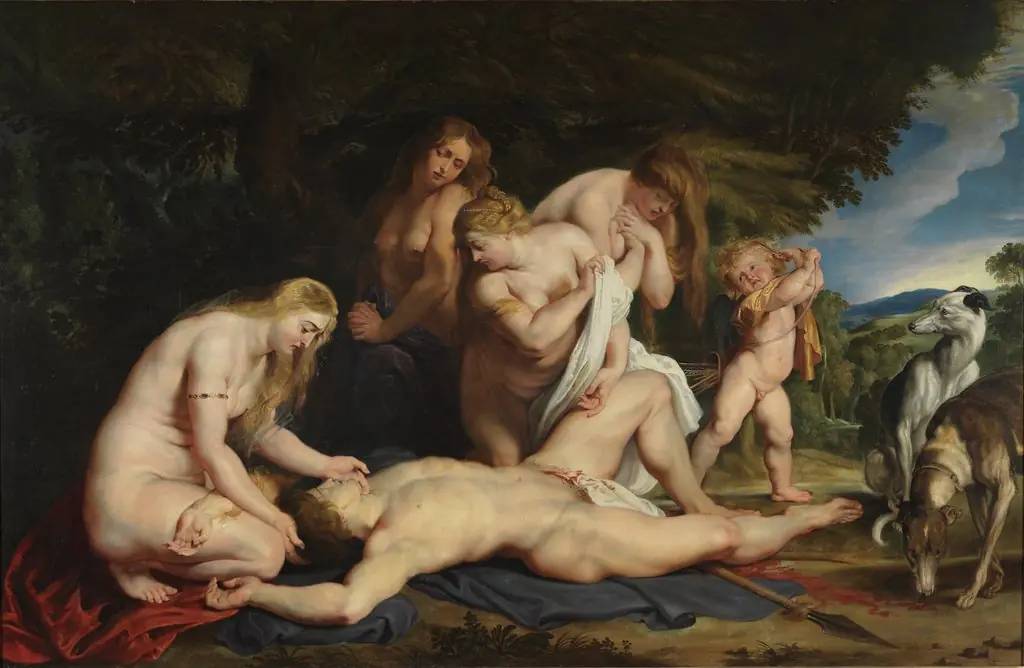 The Death of Adonis
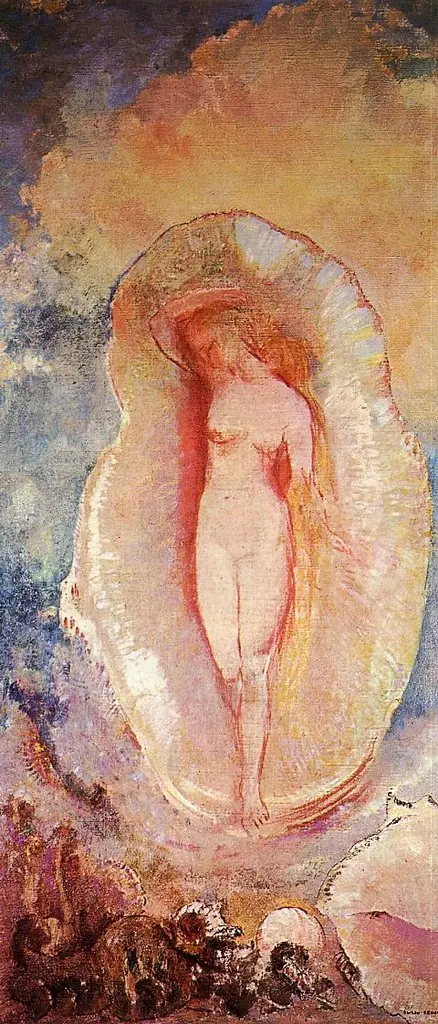 The Birth of Venus
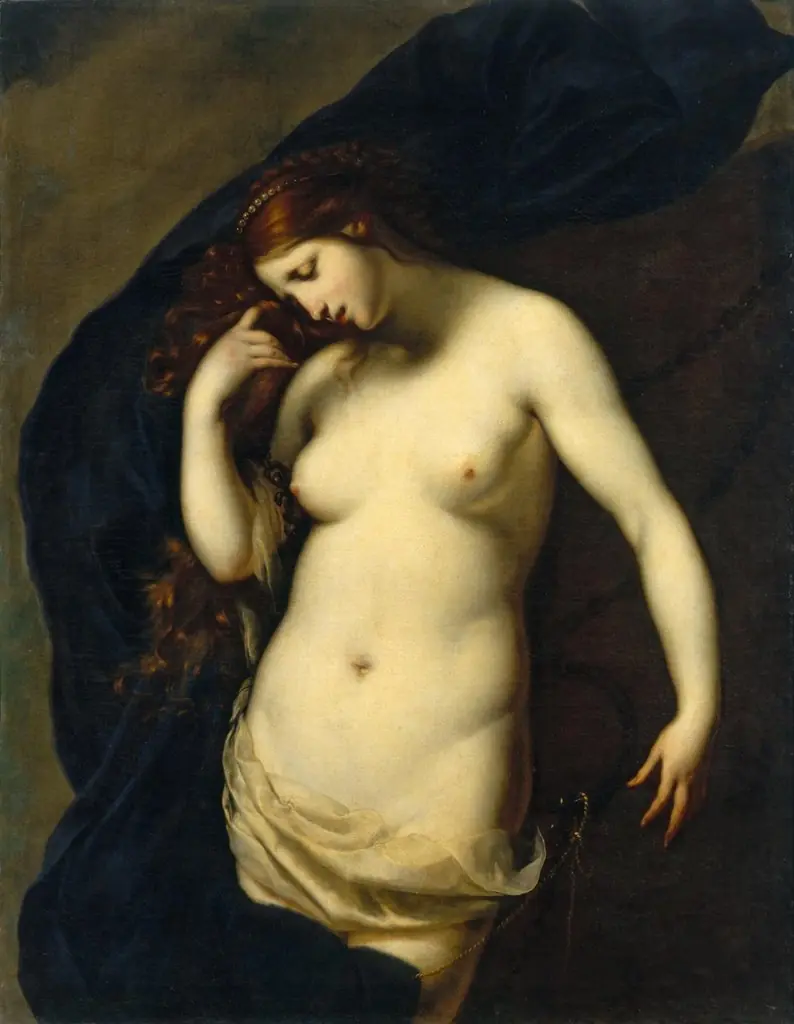 Andromeda
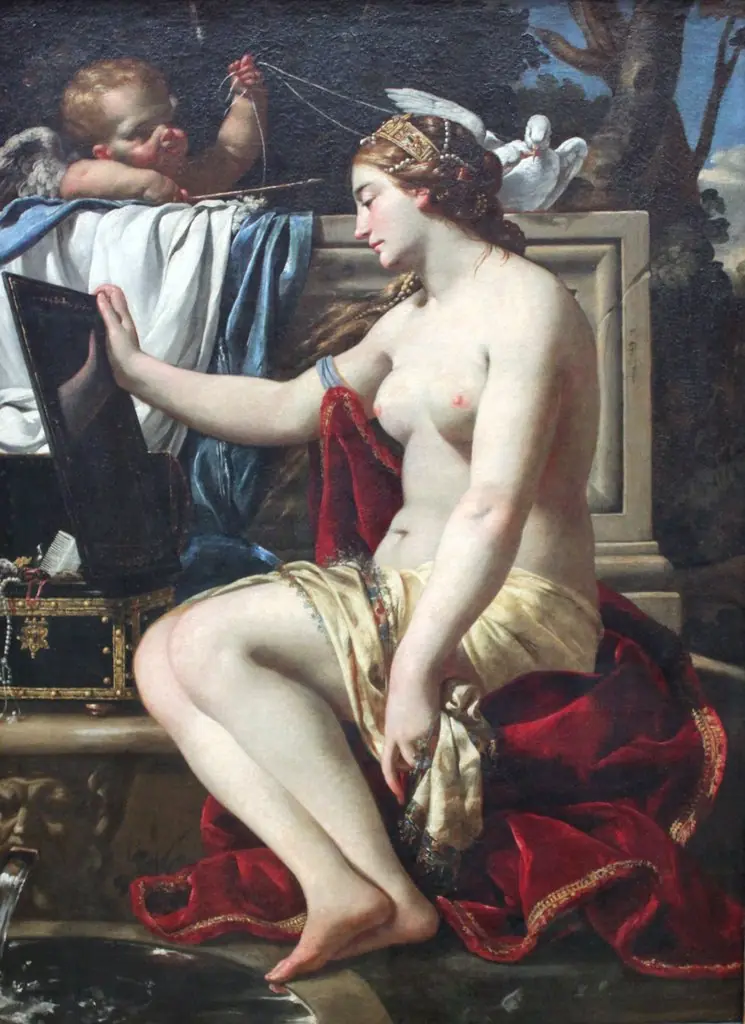 The Toilet of Venus
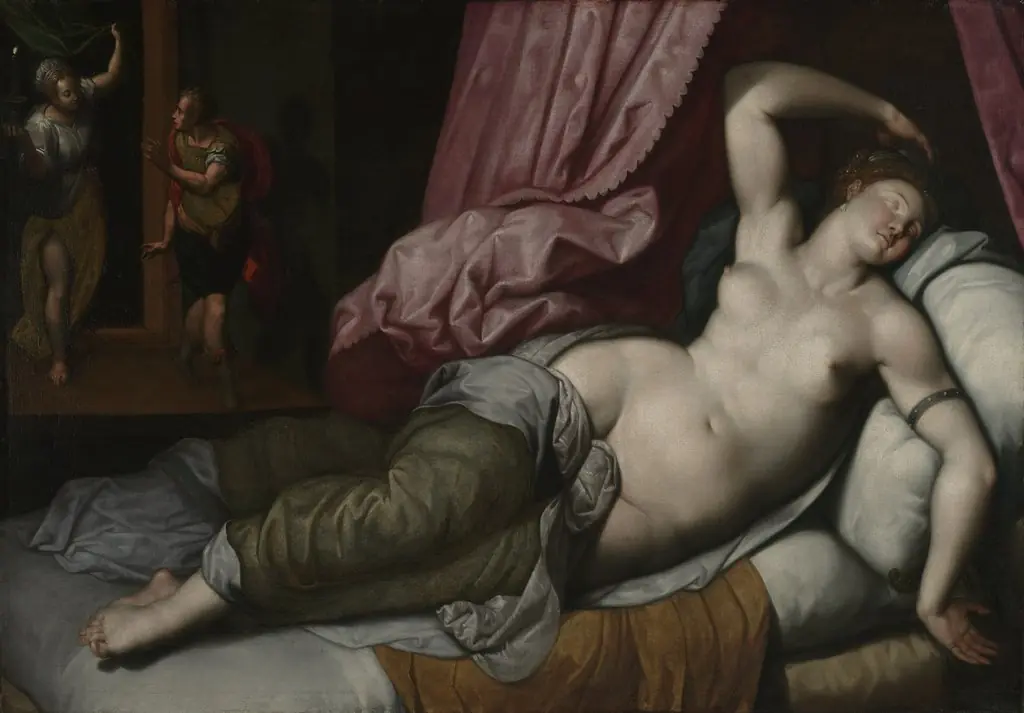 Paris Being Admitted to the Bedchamber of Helen
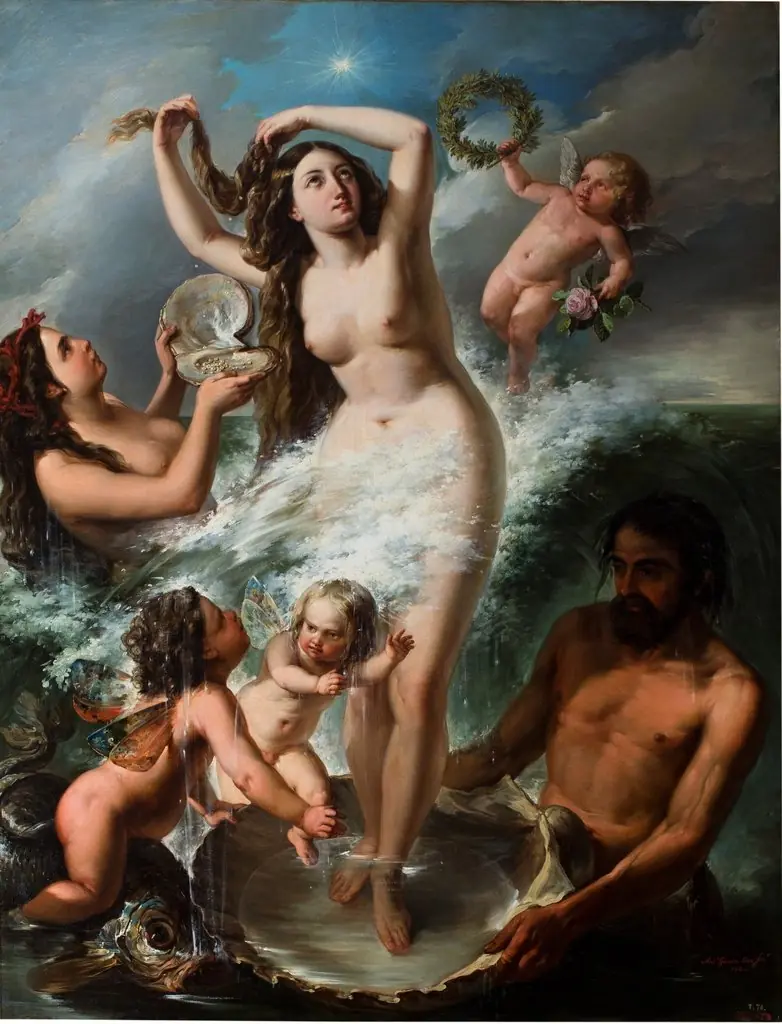 The Birth of Venus
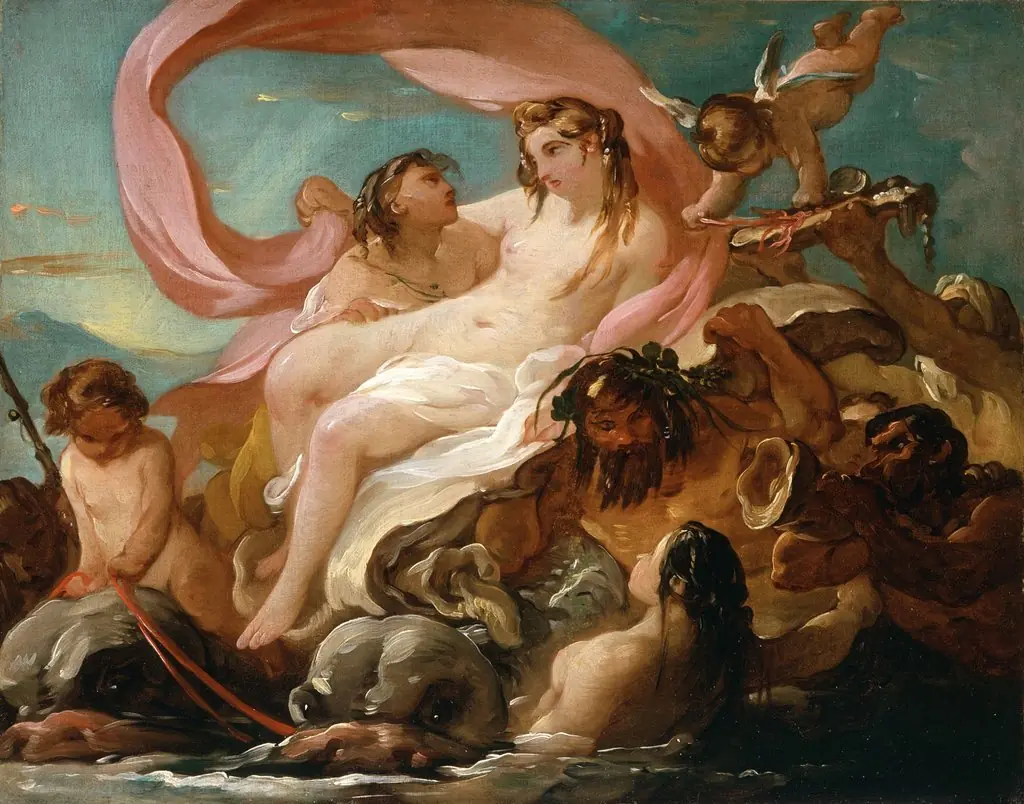 Venus Emerging from the Sea
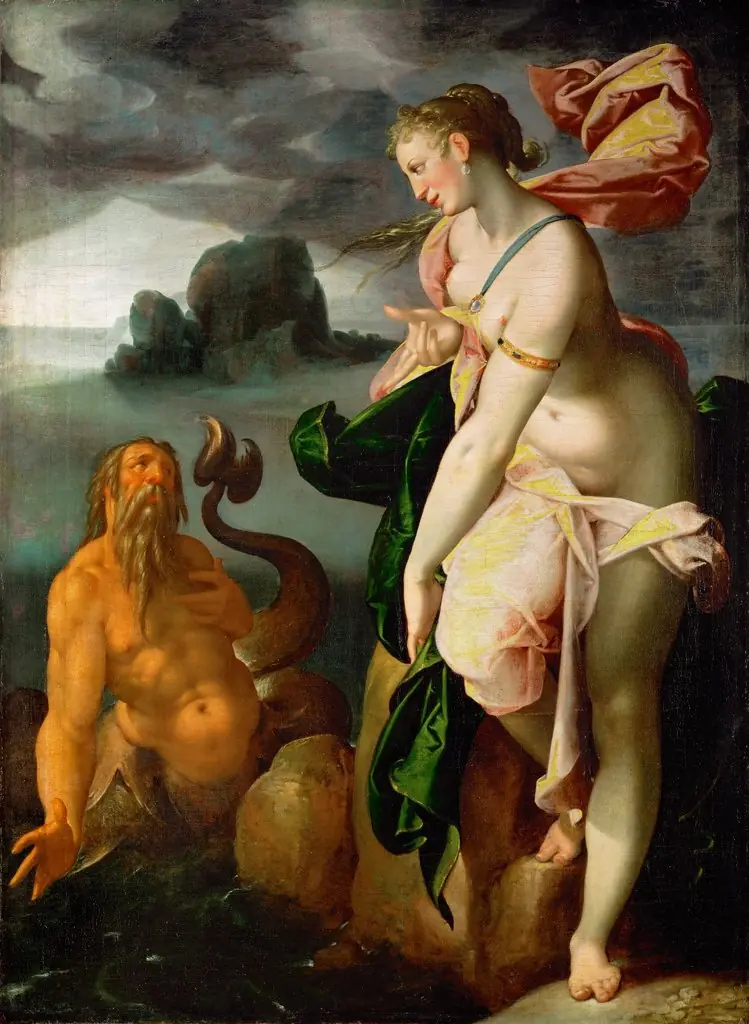 Glaucus   and  Scylla
 The Bath of Psyche
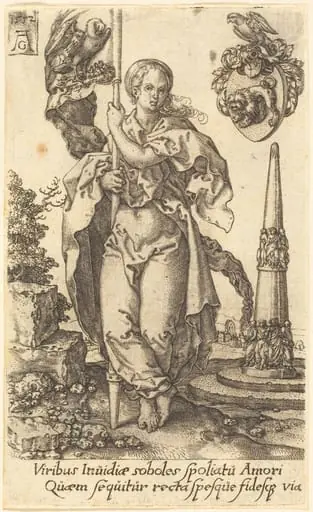 Charity
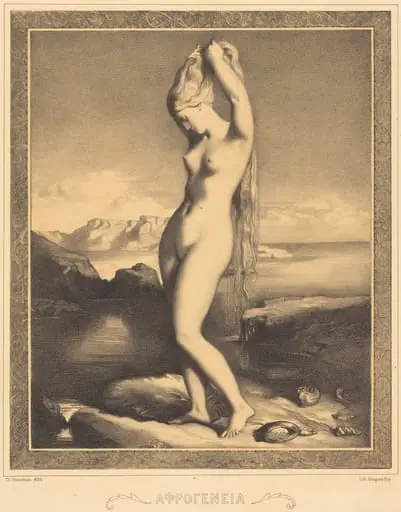 Venus Anadyomene
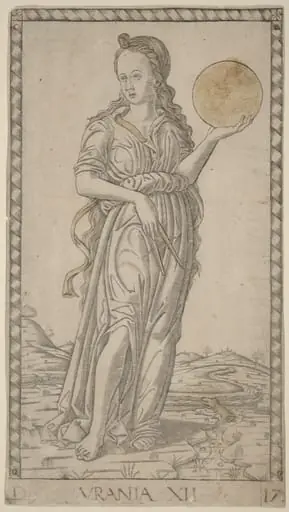 Urania
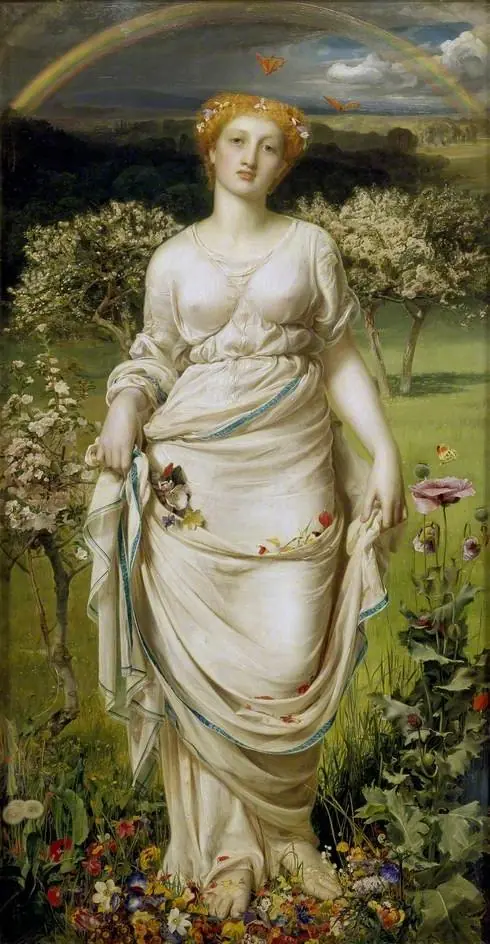 Gentle Spring
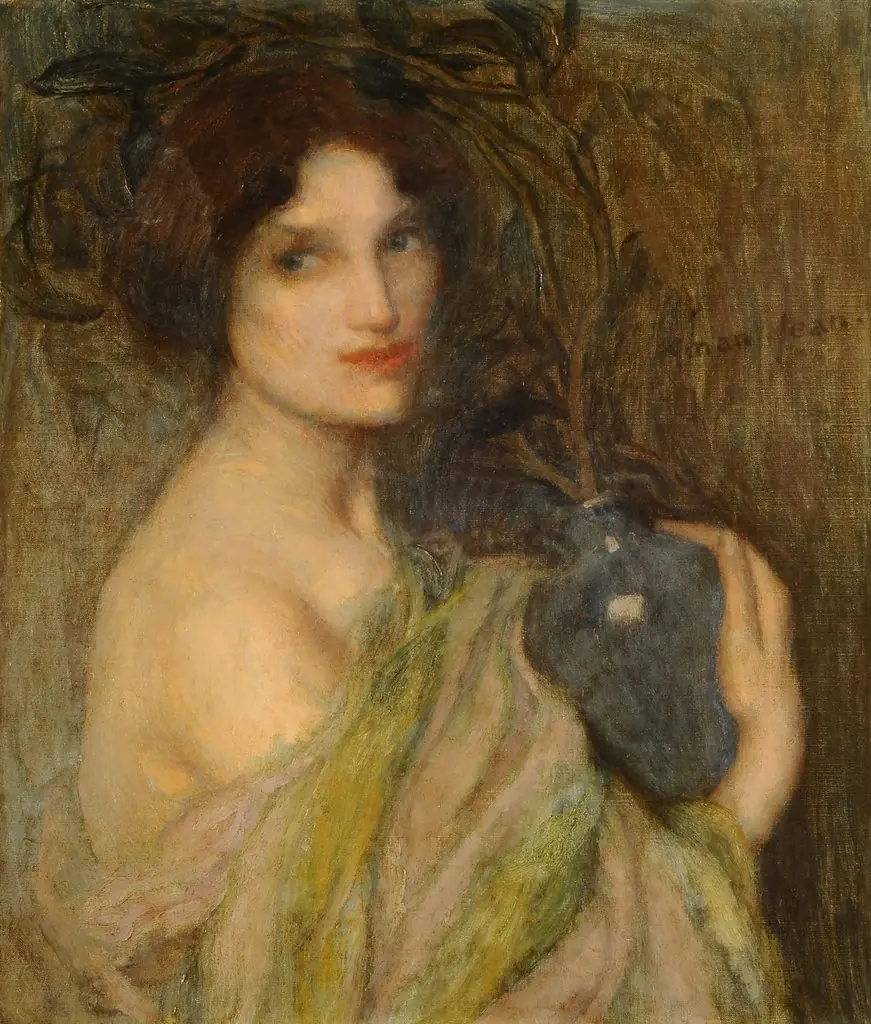 La mujer del vaso azul ó Mujer con el vaso azul
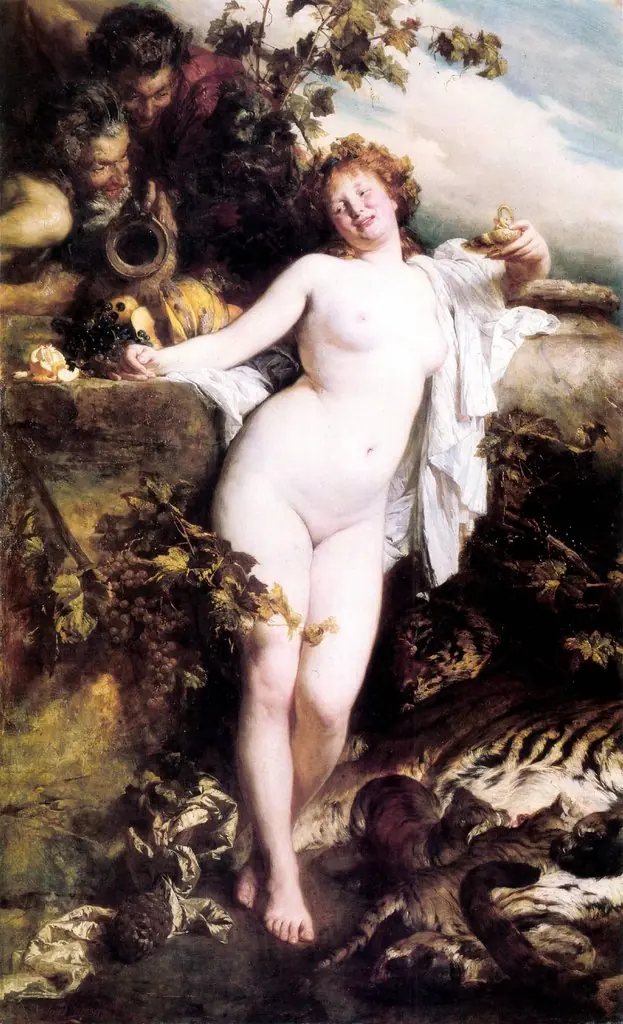 Bacchante
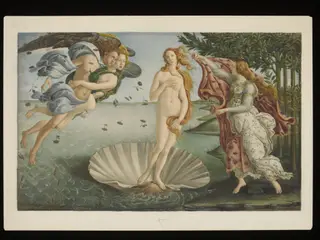 Copy after the Birth of Venus by Sandro Botticelli in the Uffizi (Florence)
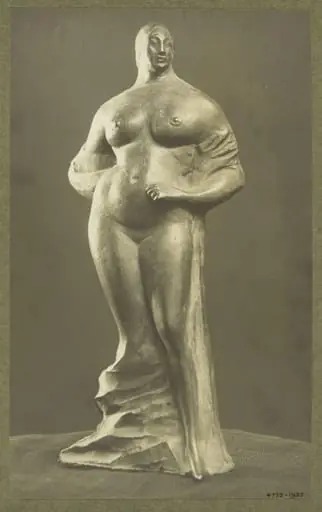 Untitled
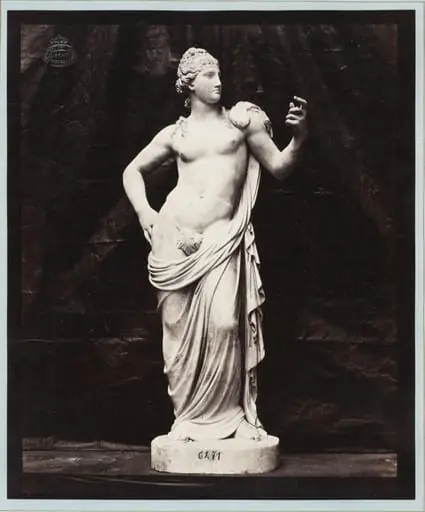 Unidentified marble statue
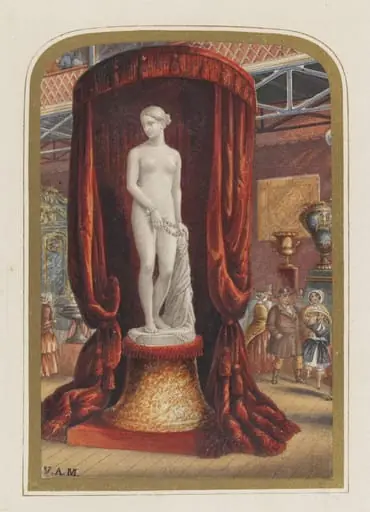 The Greek Slave
Frequently asked questions
What is Aphrodite?
Aphrodite ( , AF-rə-DY-tee) is an ancient Greek goddess associated with love, lust, beauty, pleasure, passion, procreation, and as her syncretised Roman counterpart Venus, desire, sex, fertility, prosperity, and victory.
How many Aphrodite works does Artifact World Gallery have?
Artifact World Gallery holds 49 public-domain Aphrodite works, all free to view and download.
Who are the key Aphrodite artists?
Key Aphrodite artists in the collection include Titian, Paolo Veronese and Lorenzo Lotto.
Where can I see Aphrodite works?
Aphrodite works in the collection are held by Museo del Prado, Uffizi Gallery and Victoria and Albert Museum.