Subject
Black Hair
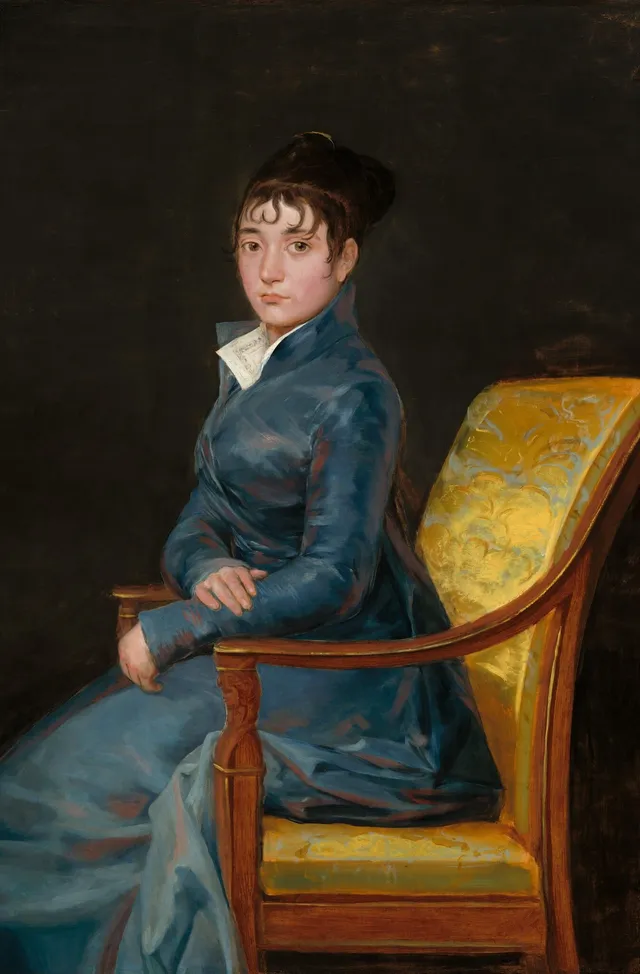
Black Hair is a subject in art. The gallery holds 32 works in this subject in art, including works by Pierre Auguste Cot, Henri Regnault and Jean Léon Gérôme.
Black hair is the darkest and most common of all human hair colors globally, due to large populations with this trait. This hair type contains a much more dense quantity of eumelanin pigmentation and no levels of pheomelanin in comparison to other hair colors, such as brown, blonde and red.
Key artists

Overview
Black hair is the darkest and most common human hair color, appearing in 33 works across the collection. Its prevalence in art reflects its global demographic dominance, rooted in dense eumelanin pigmentation and the absence of pheomelanin. The motif spans portraits, biblical scenes, Orientalist fantasies, and mythological subjects, serving both descriptive and symbolic functions. Artists have exploited its visual properties, deep tone, and cultural associations to construct identity, evoke sensuality, signal otherness, or anchor compositions through dramatic contrast.
Iconography & meaning
In visual art, black hair carries layered significance. Its natural variants, soft-black, raven black, and jet-black, offer distinct iconographic registers. Raven black, named for the bird's wing, can appear almost blue in certain light, a quality artists have exploited for iridescent effects. Jet-black references the precious stone, suggesting polished darkness and luxury. Western popular culture has stereotyped black-haired figures as introverted, mysterious, or sophisticated, associations that artists have drawn upon or subverted. In Brazilian Umbanda tradition, Rosa Caveira appears as a young woman with black hair, where the skull and black hair symbolize death and transformation, while roses represent earthly beauty and fragility, creating a visual meditation on life's transition. The Gothic subculture has adopted black hair as a dominant marker, with adherents often dyeing their hair to signal affiliation. In religious and mythological contexts, black hair could denote exoticism, virtue under threat, or dangerous femininity, depending on the subject and period.
Across movements & periods
The treatment of black hair has varied significantly across artistic movements and cultures. In European art, its frequency in depiction partly tracks actual demographic distribution, concentrated in southern Europe, Greece, Italy, Portugal, Spain, and parts of the British Isles including Wales, Cornwall, and southwestern Ireland, where theories of Mediterranean admixture, notably the Black Irish hypothesis, were proposed though modern genetics finds little support. Renaissance and Baroque artists exploited black hair's capacity for dramatic chiaroscuro, while nineteenth-century Orientalists used it to construct visual otherness. The derived EDAR gene allele, arising approximately 30,000 years ago in China, produces thicker and straighter black hair in East Asian, Southeast Asian, and Native American populations, creating phenotypic variation that artists recorded or exaggerated. African and Melanesian black hair typically presents as coiled or curly, while Asian and Indigenous American black hair tends toward straightness, distinctions that artists from different traditions rendered with varying degrees of accuracy or stereotype. Gothic subcultural adoption of dyed black hair represents a modern repurposing of the color's established associations with mystery and transgression.
Legacy
Black hair persists as a charged visual signifier in contemporary visual culture, its artistic treatment informed by centuries of accumulated meaning. The scientific understanding of its genetic basis, the MC1R gene active in producing eumelanin, and the EDAR gene's role in hair texture, has replaced earlier anthropological speculations about racial origins and admixture. The Gothic subculture's embrace of artificially blackened hair demonstrates how artistic tradition feeds subcultural identity formation. In global perspective, the recognition that black hair remains the most common human hair color challenges Eurocentric art historical narratives that have often treated it as marked or exceptional rather than normative. The collection's sustained attention to black hair across varied subjects and periods documents this gradual shift from exoticism toward demographic accuracy, even as individual works continue to mobilize the motif's older symbolic resonances.
Works
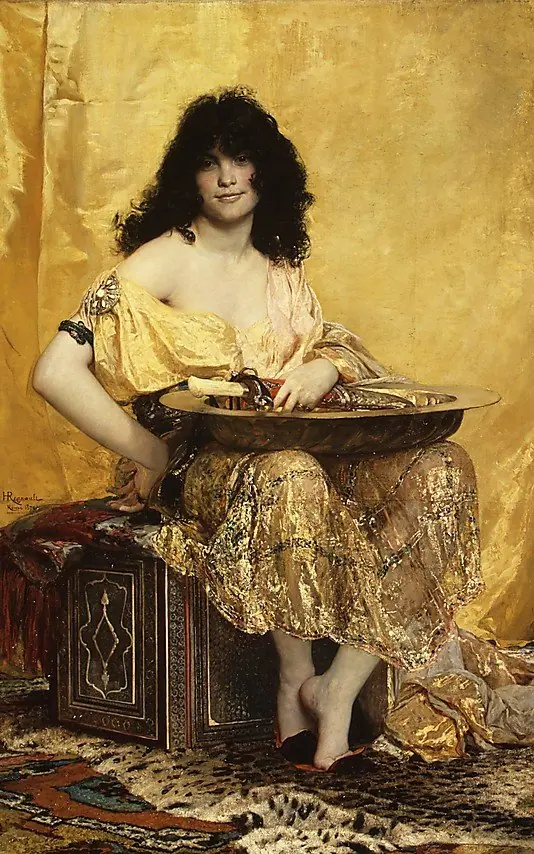 Salome
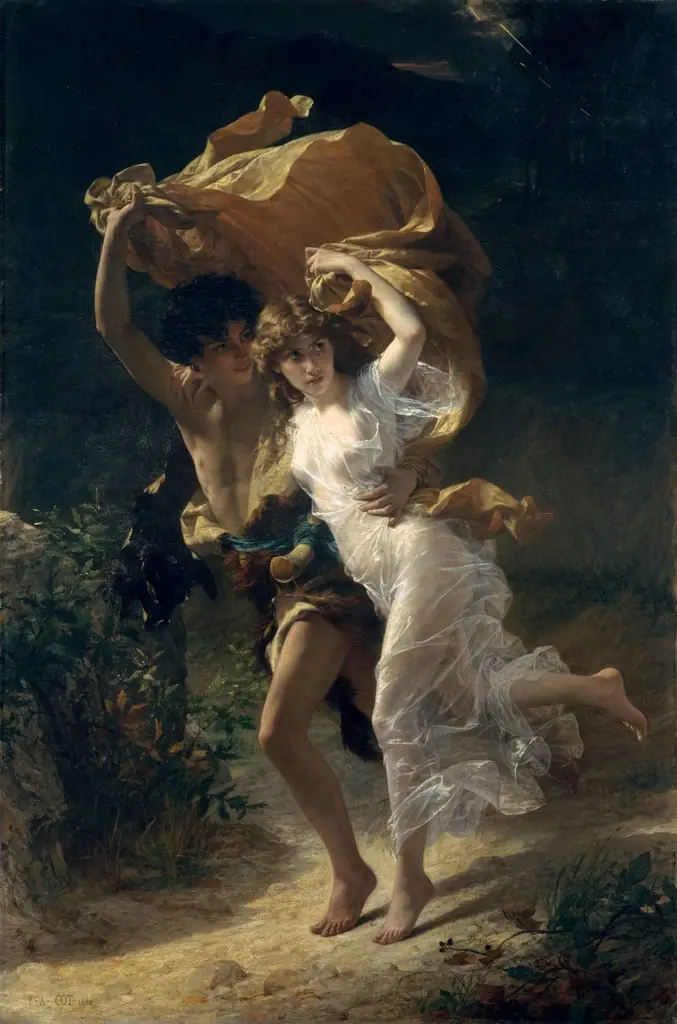 The Storm
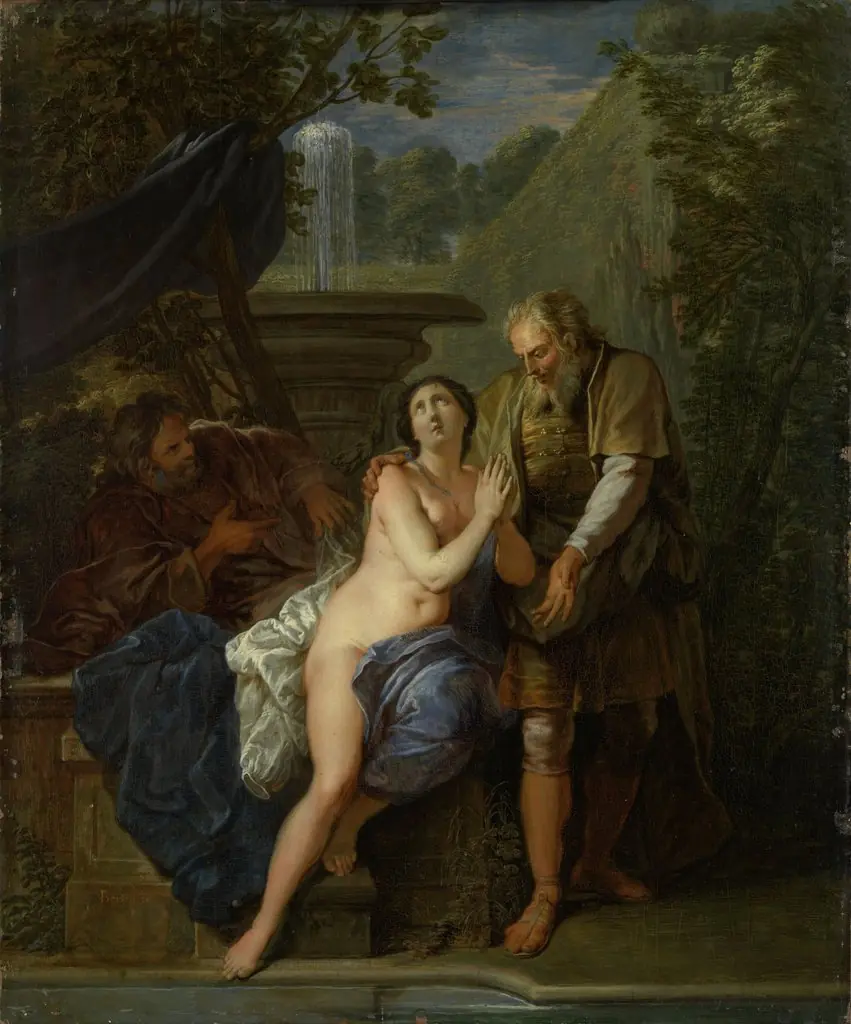 Susanna and the Elders
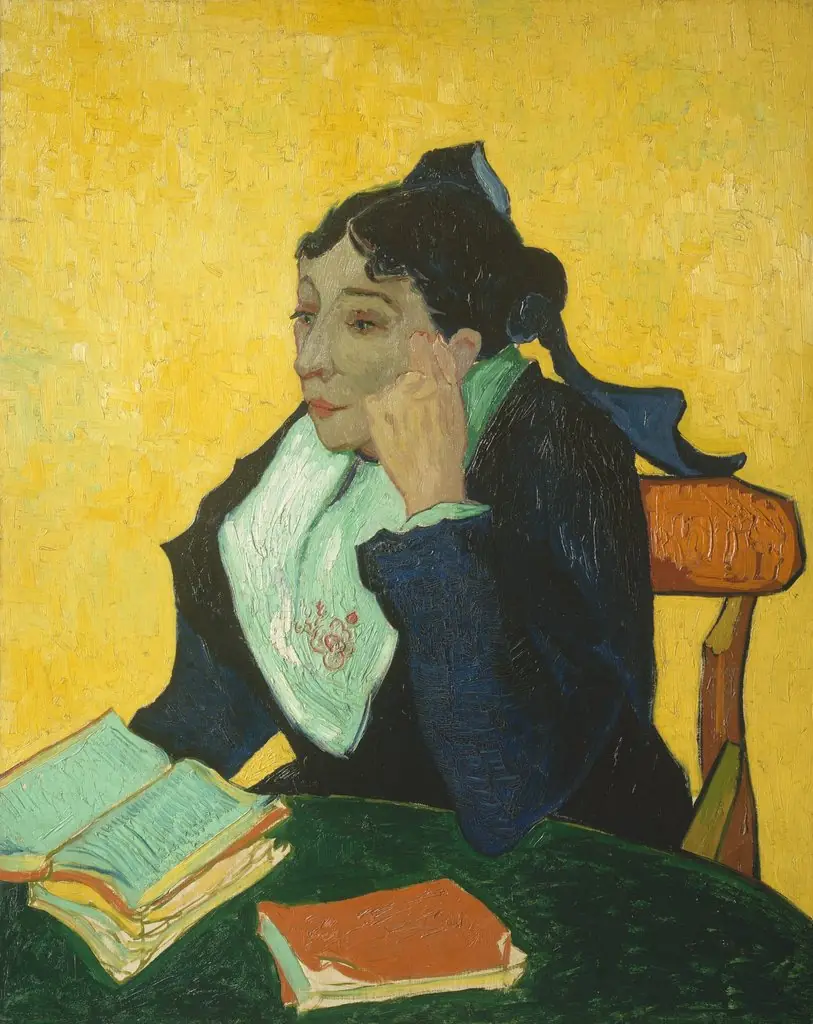 L'Arlésienne
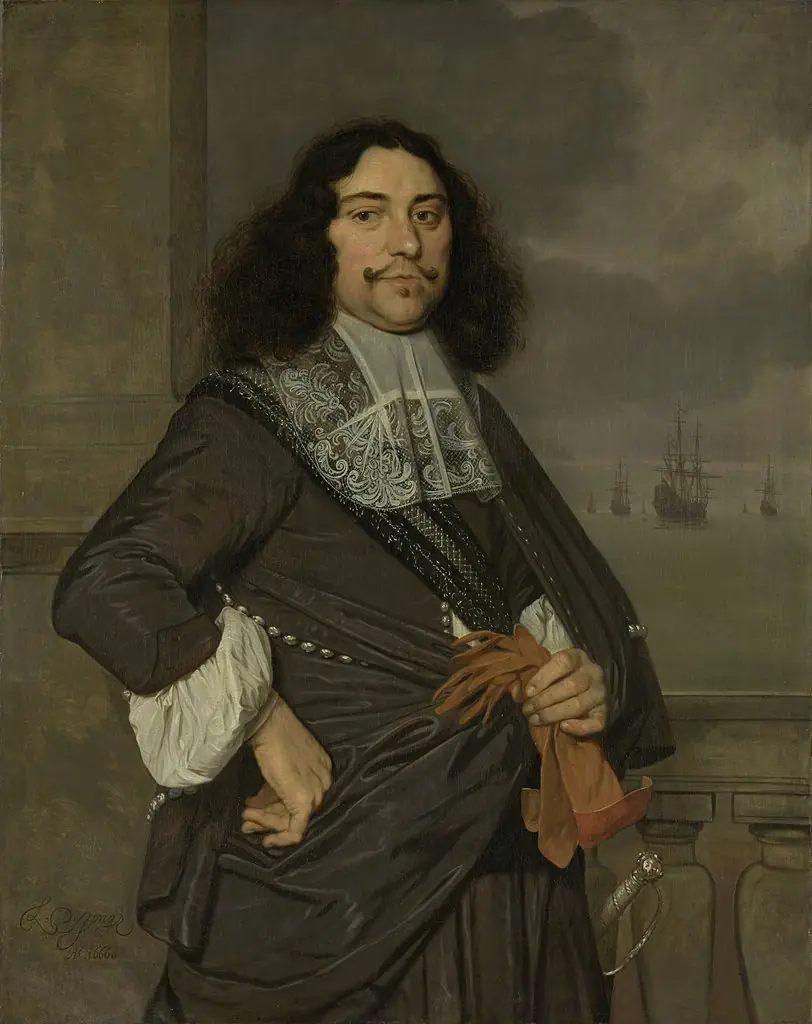 Portrait of Jan van Nes (1631-80). Vice admiral of Holland and West-Friesland
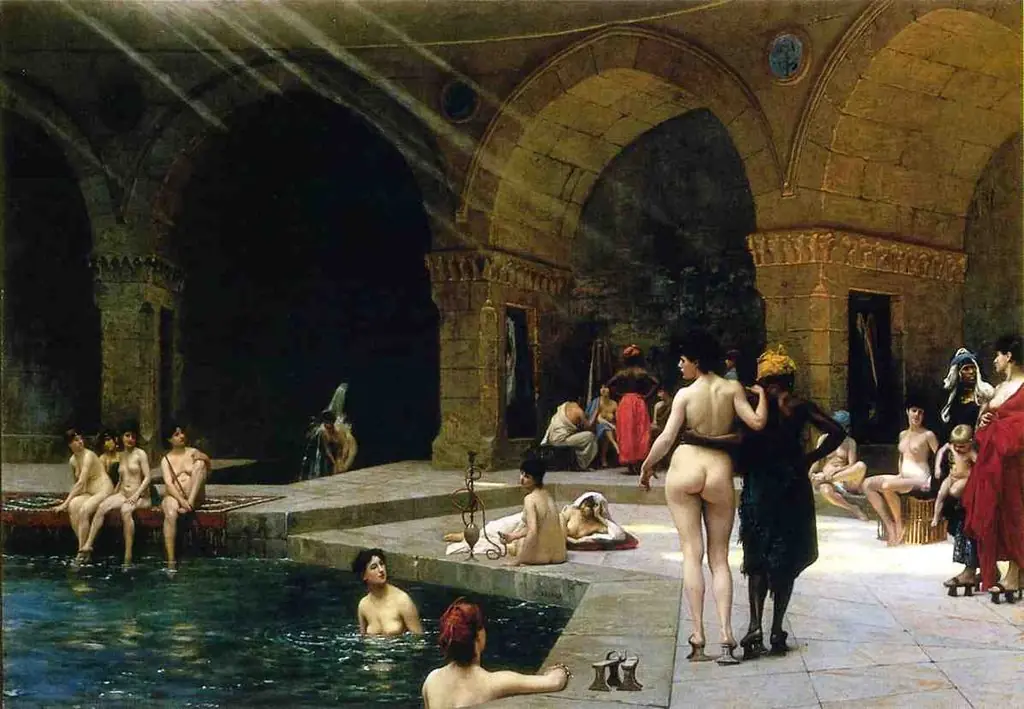 The Great Bath at Bursa
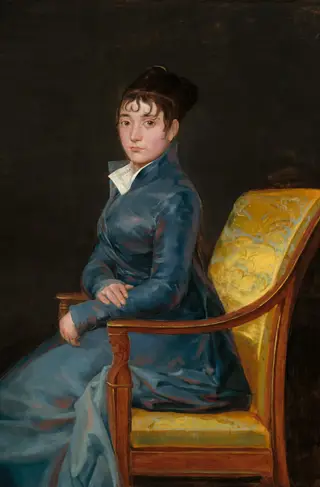 Thérèse Louise de Sureda
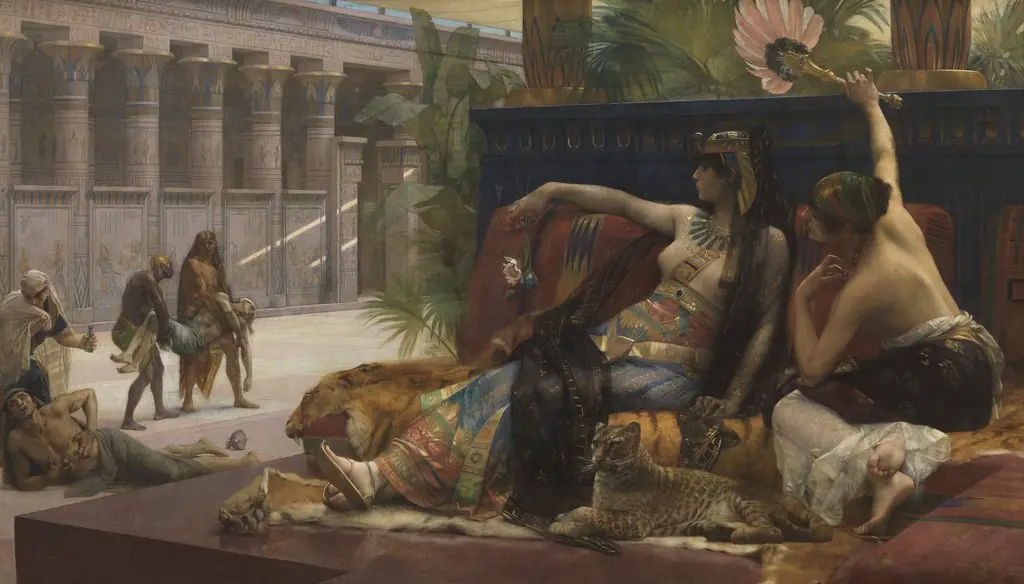 Cleopatra Testing Poisons on Condemned Prisoners
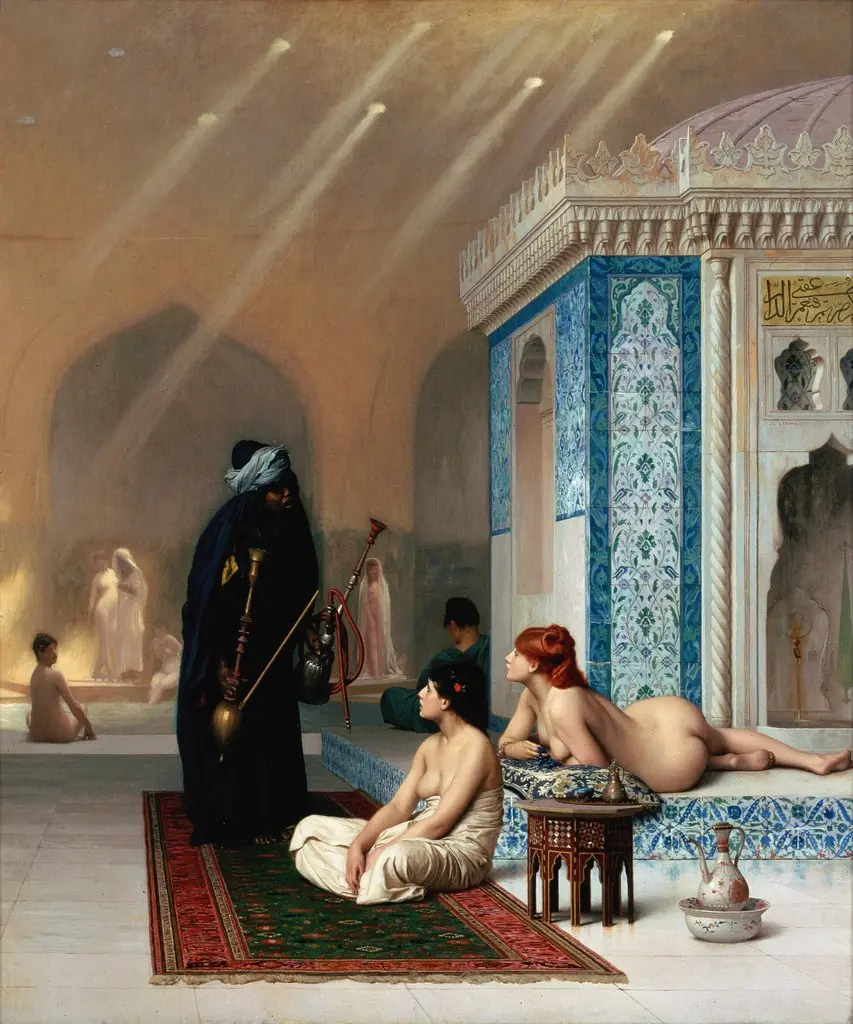 Pool in a Harem
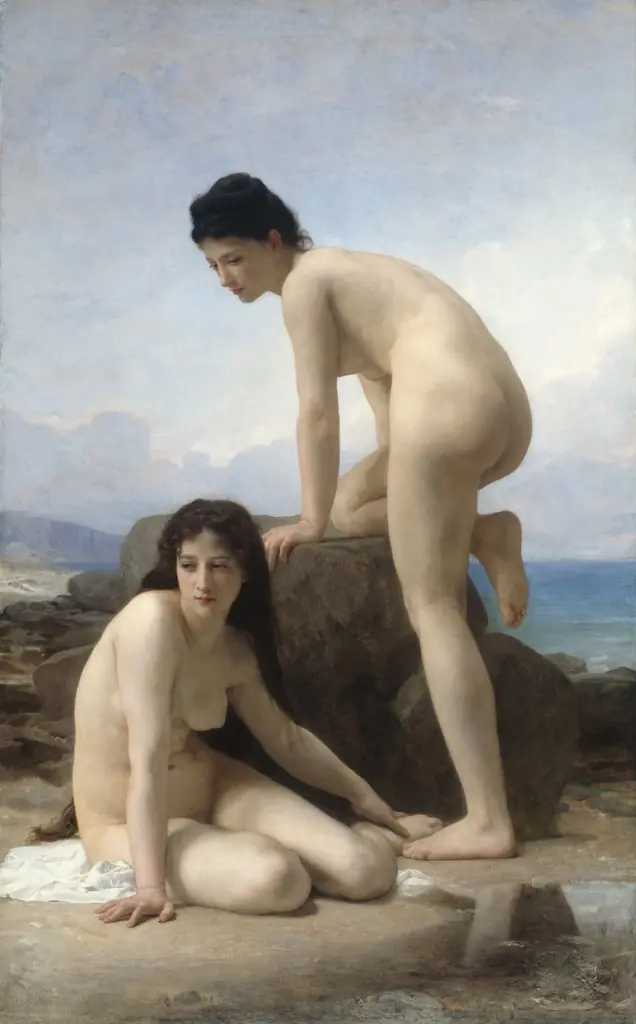 The Two Bathers
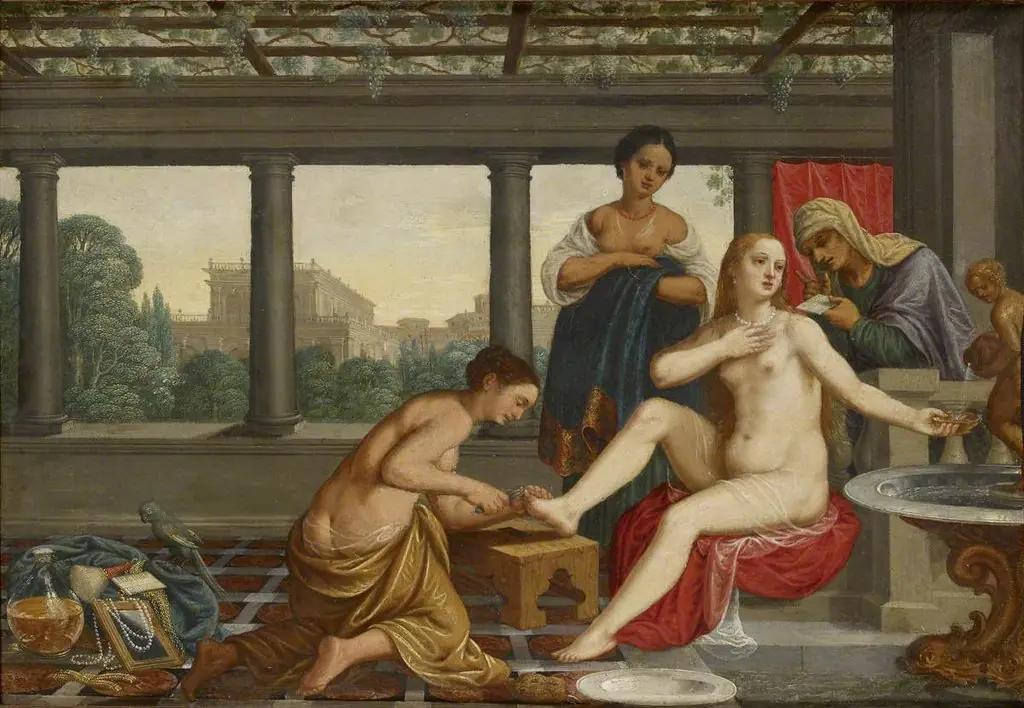 Bathsheba's Bath
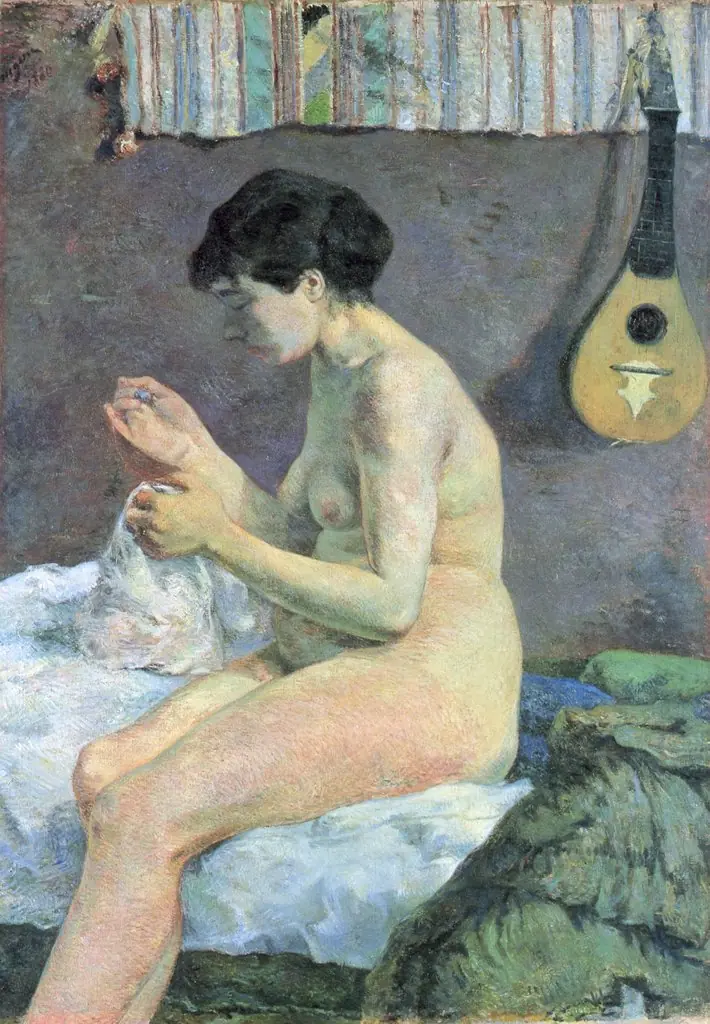 Study of a Nude
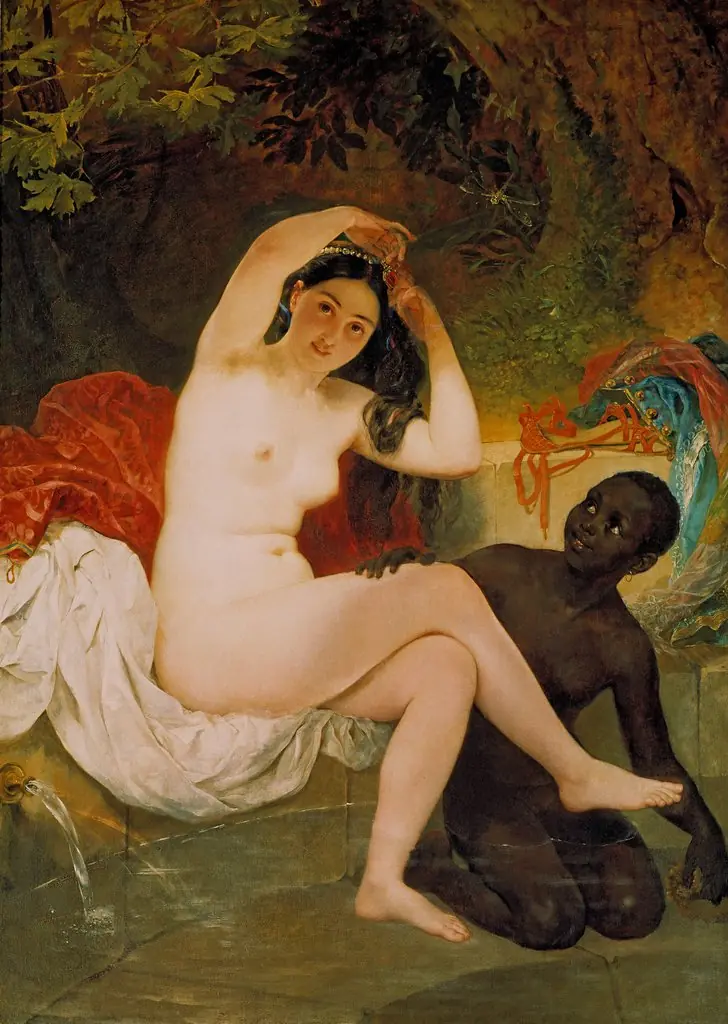 Bathsheba
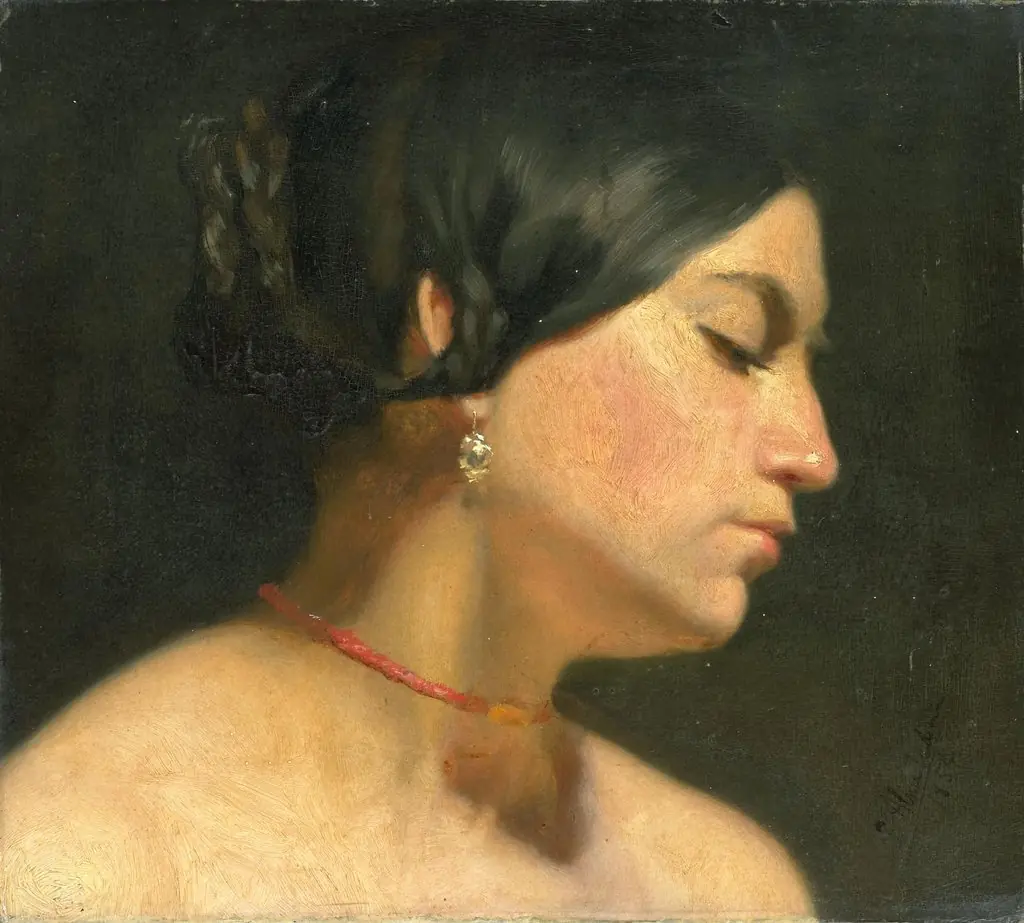 Mary Magdalene
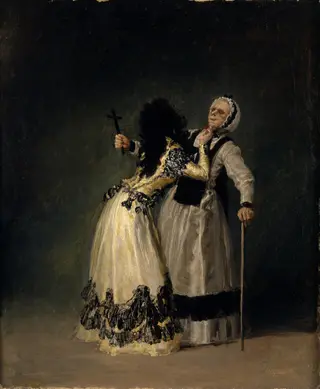 The Duchess of Alba and la Beata
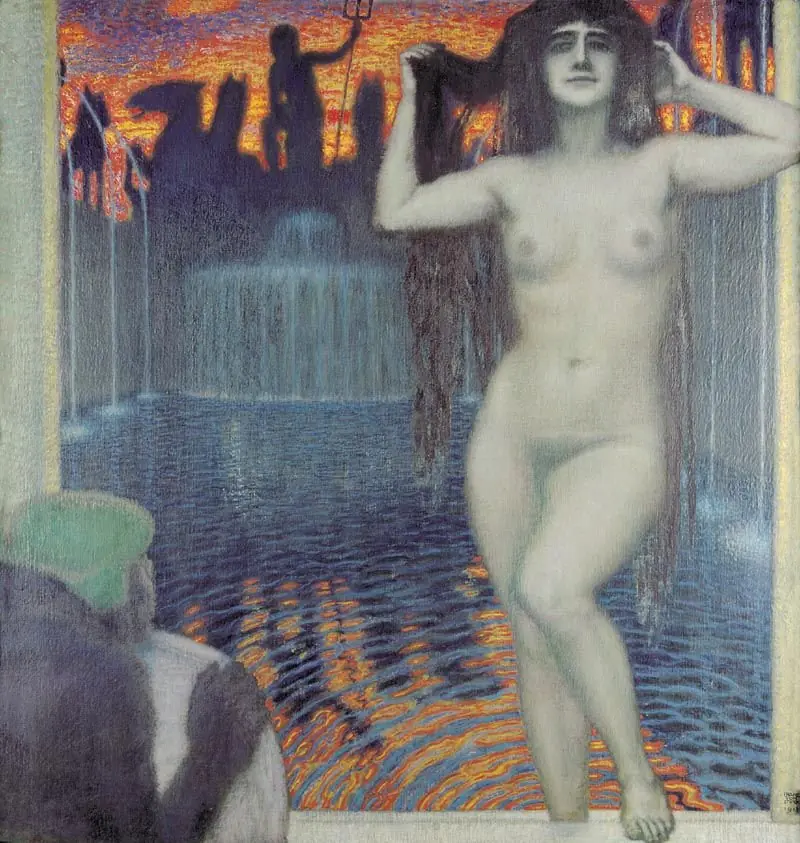 Bathsheba
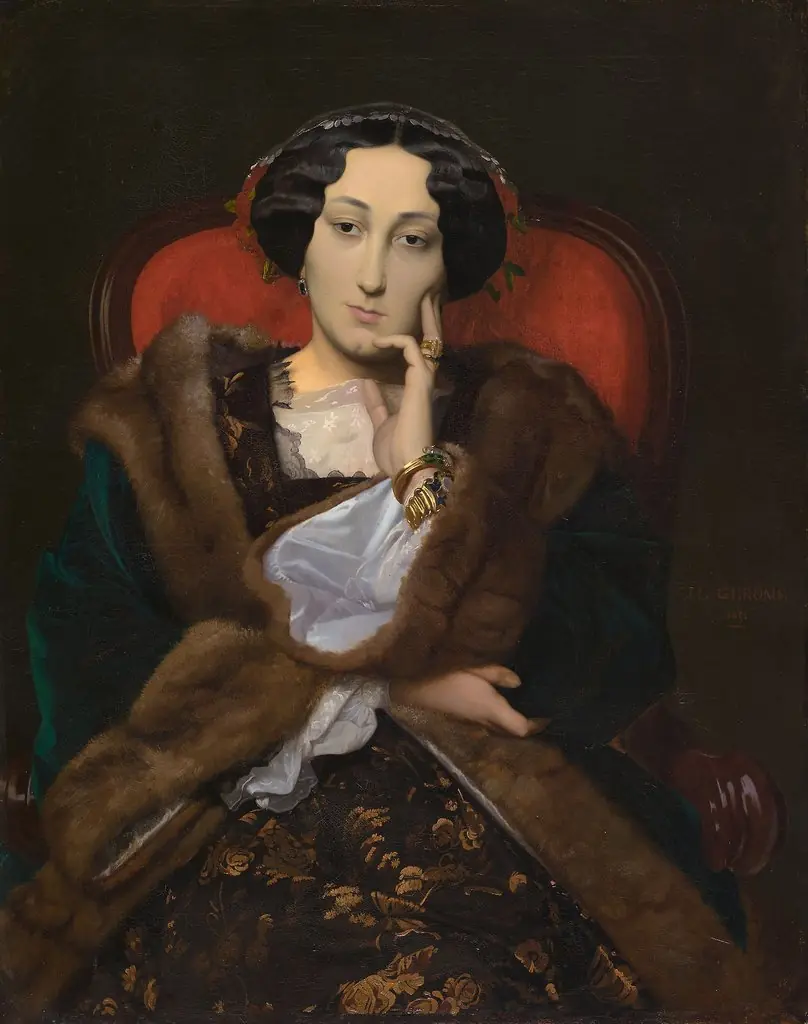 Portrait of a Woman
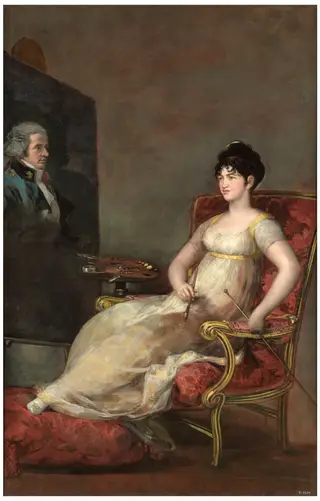 The Marchioness of Villafranca Painting her Husband
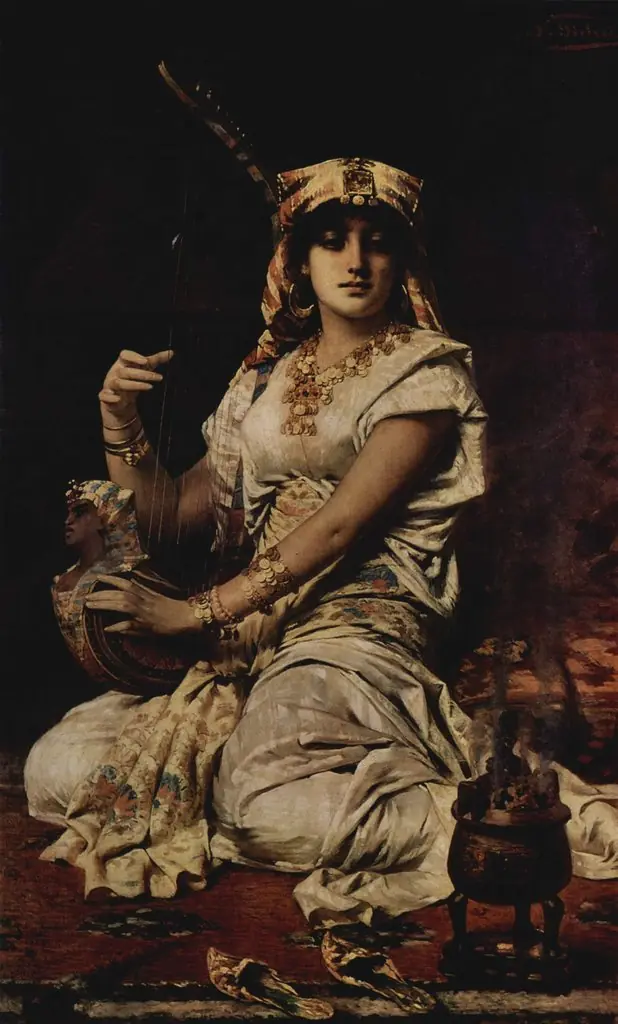 Almée
Almée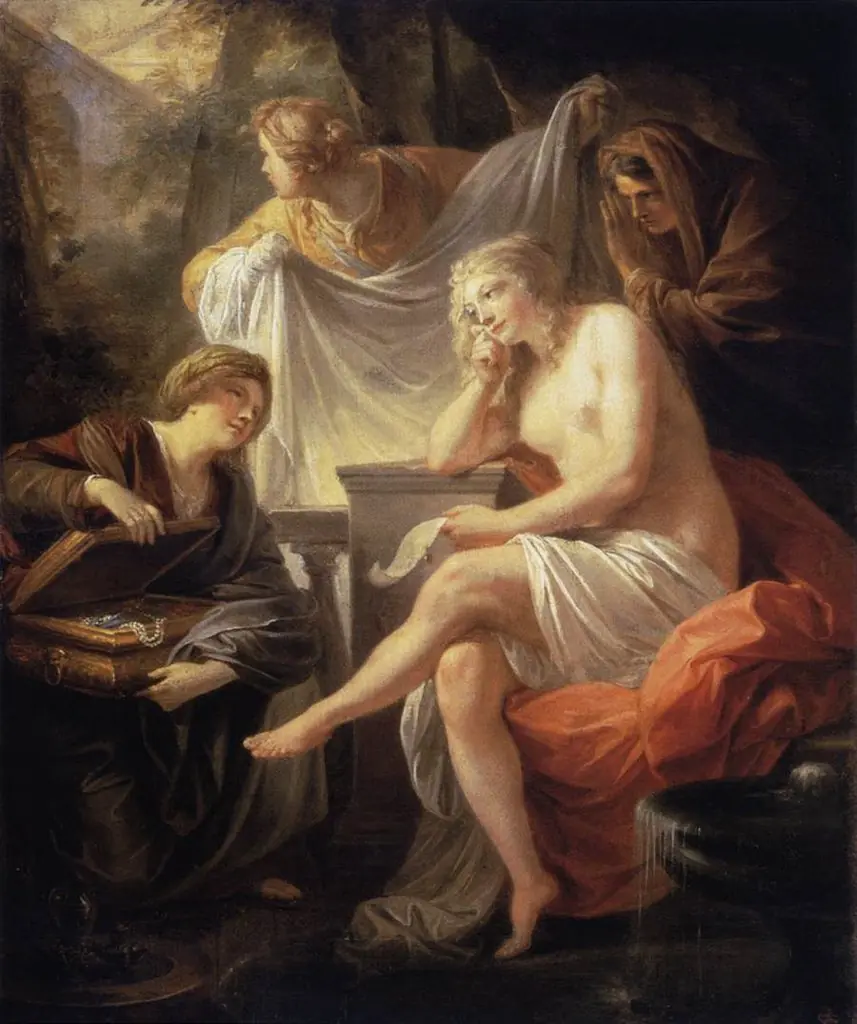 Bathsheba at her bath
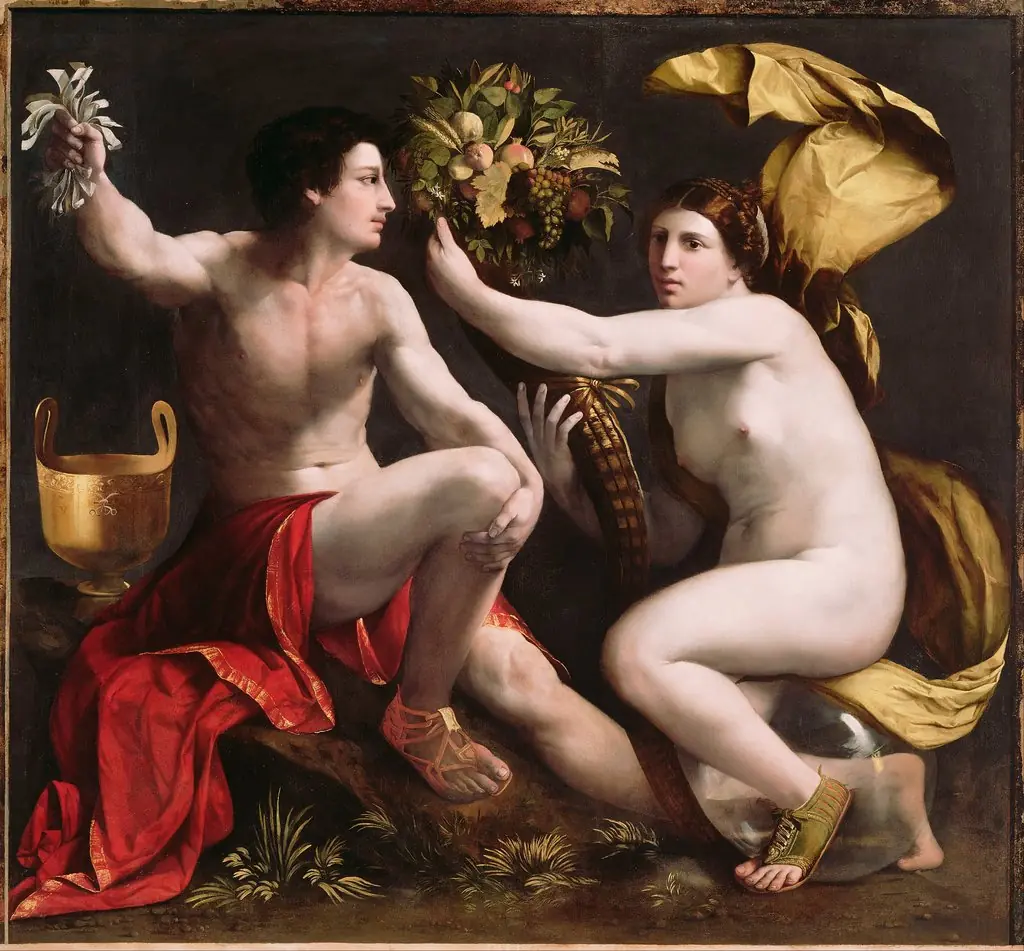 An Allegory of Fortune
 La Promenade
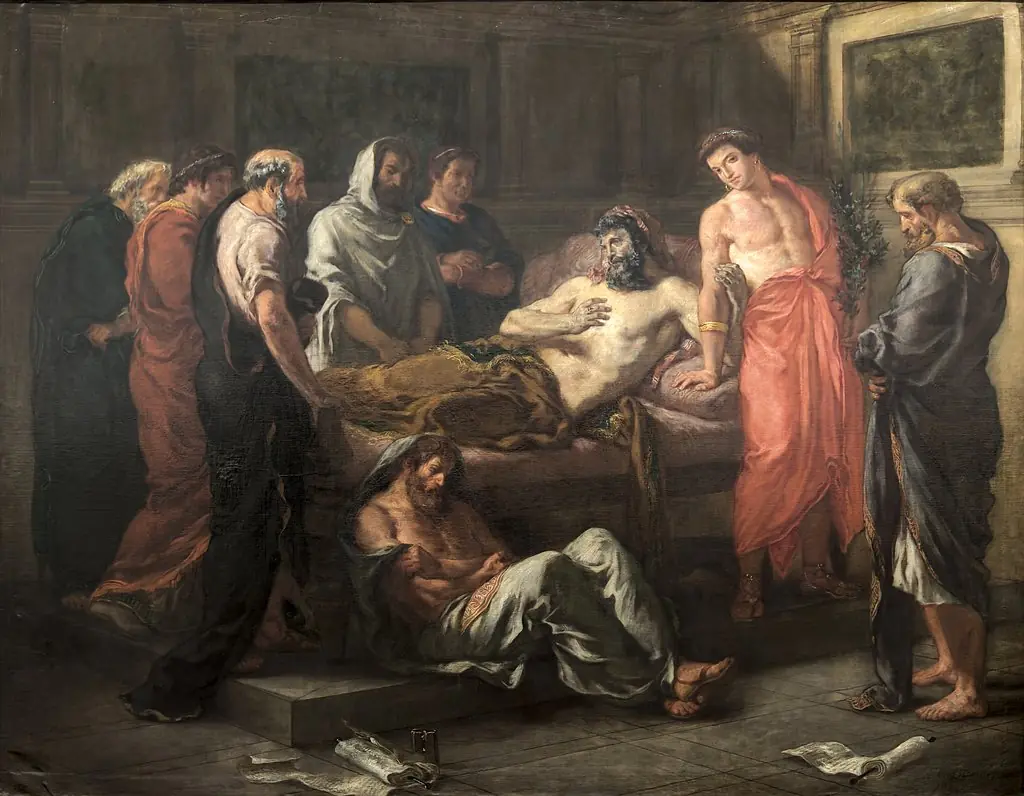 Last Words of the Emperor Marcus Aurelius
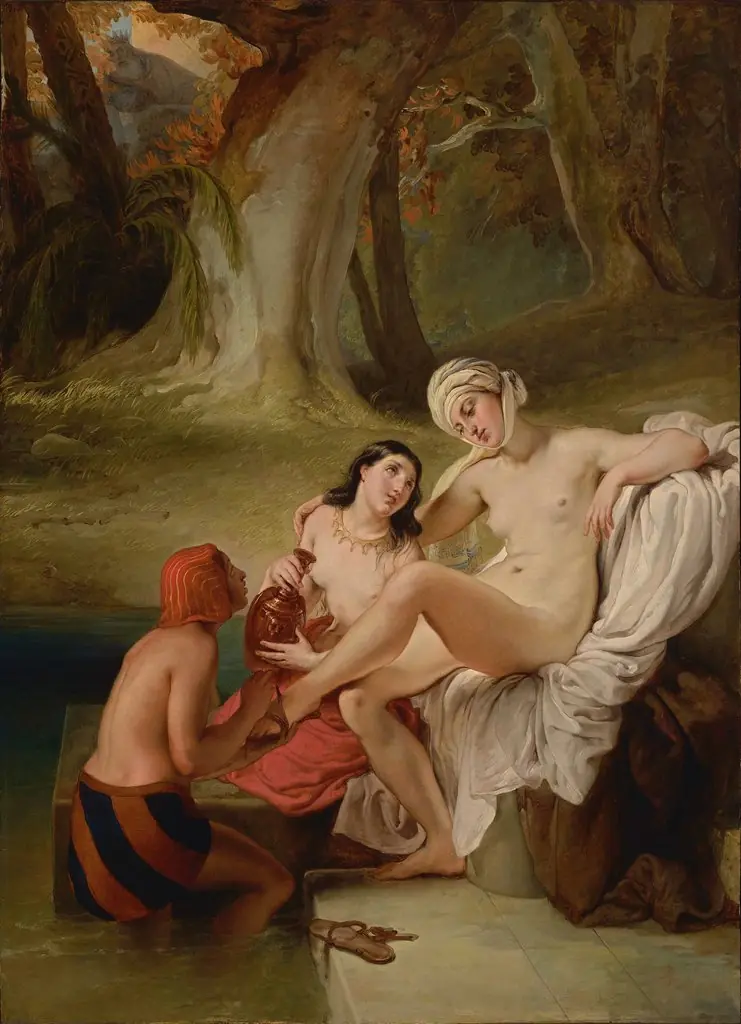 Bathsheba Bathing
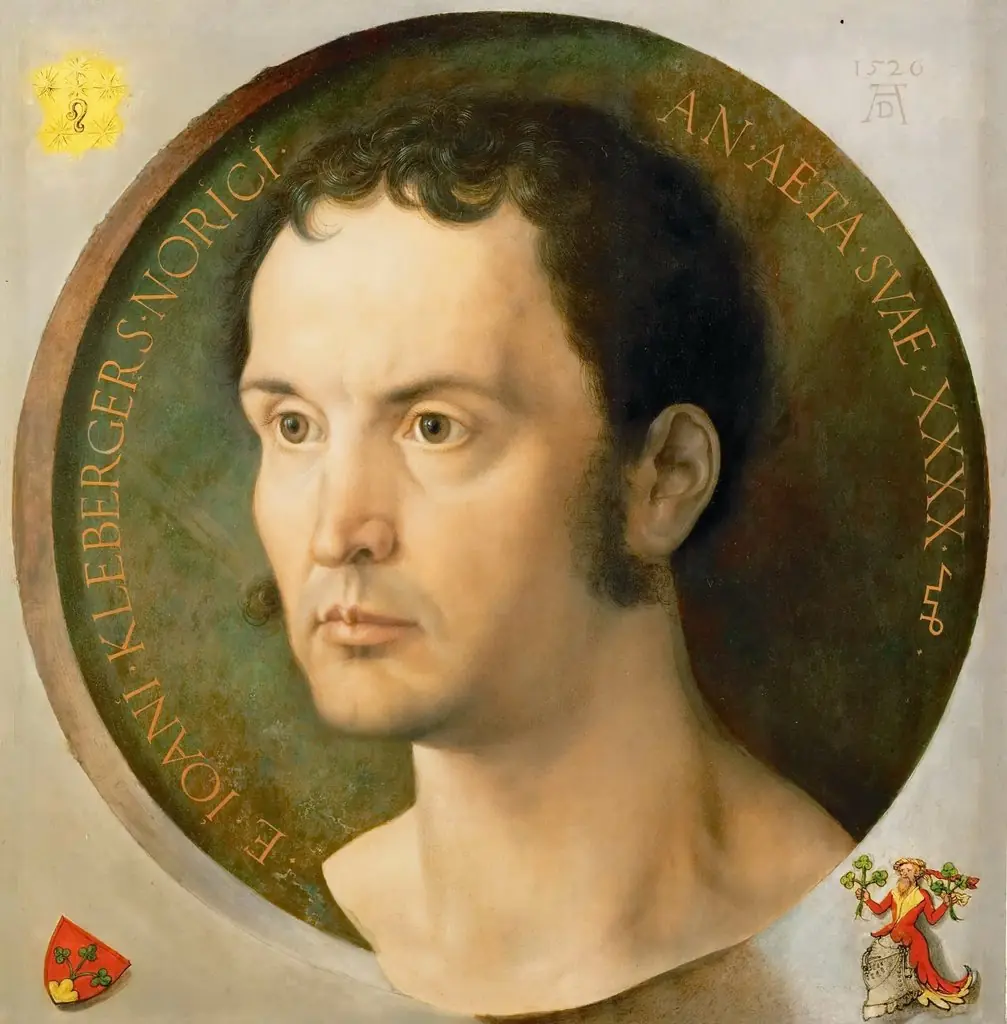 portrait of Johann Kleeberger
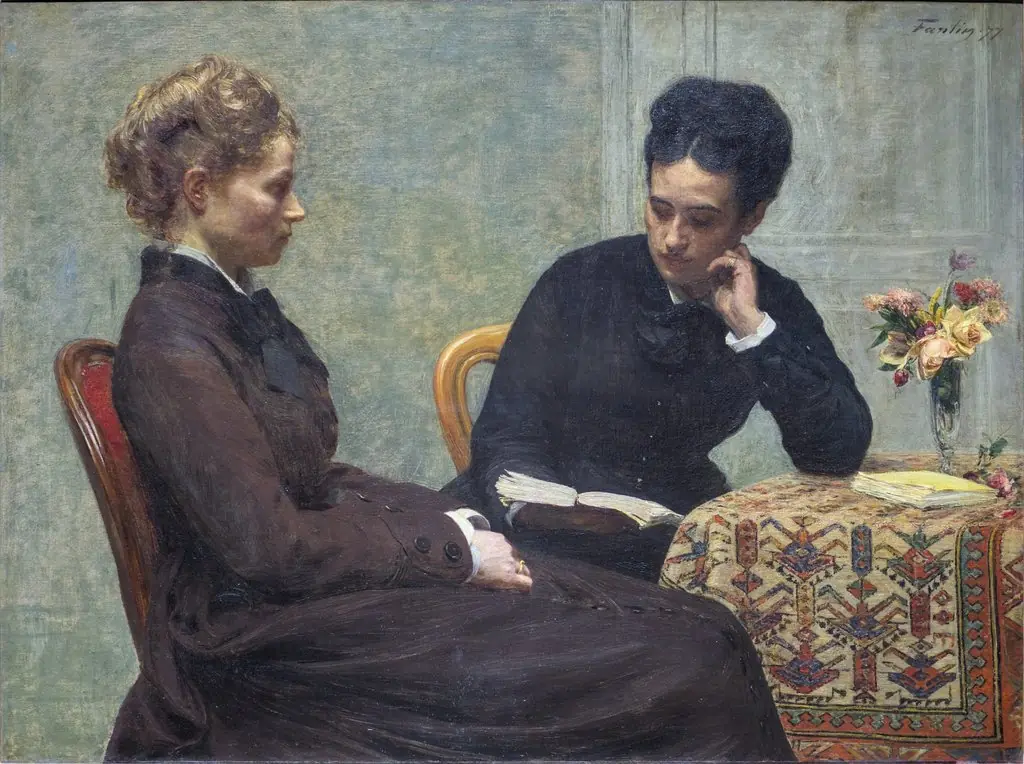 The Reading
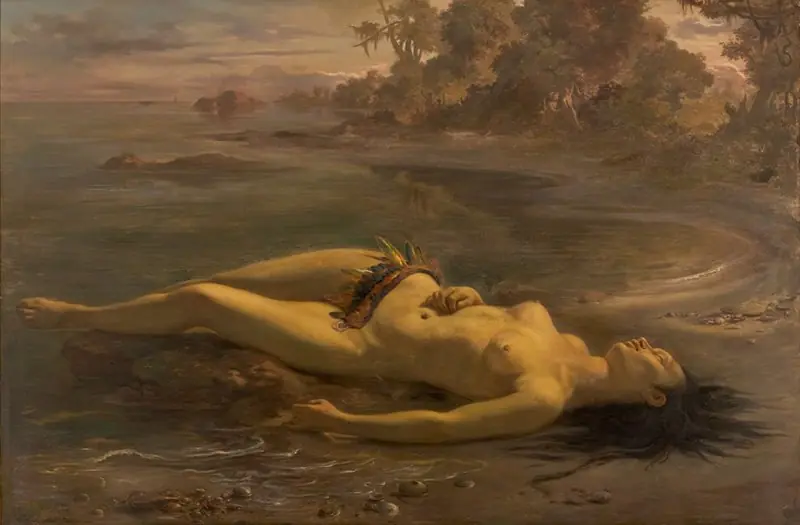 Moema
Moema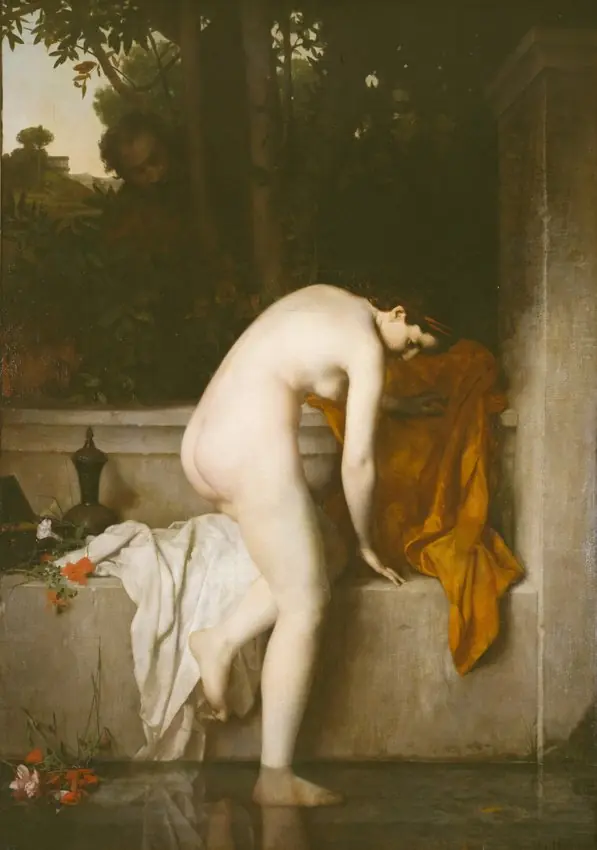 The Chaste Susannah
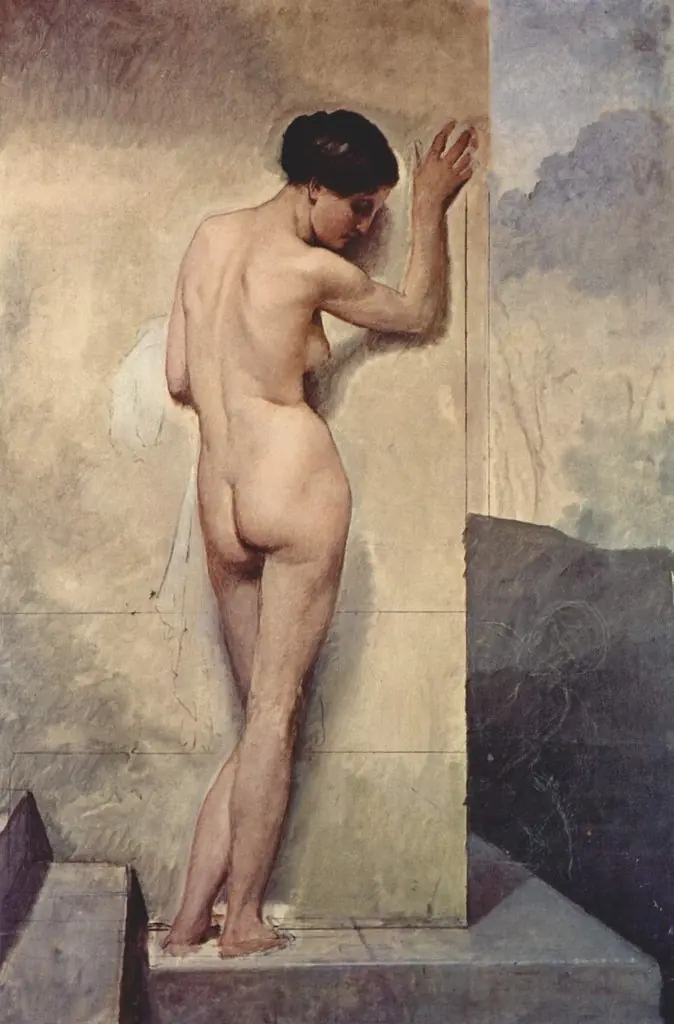 Female Nude
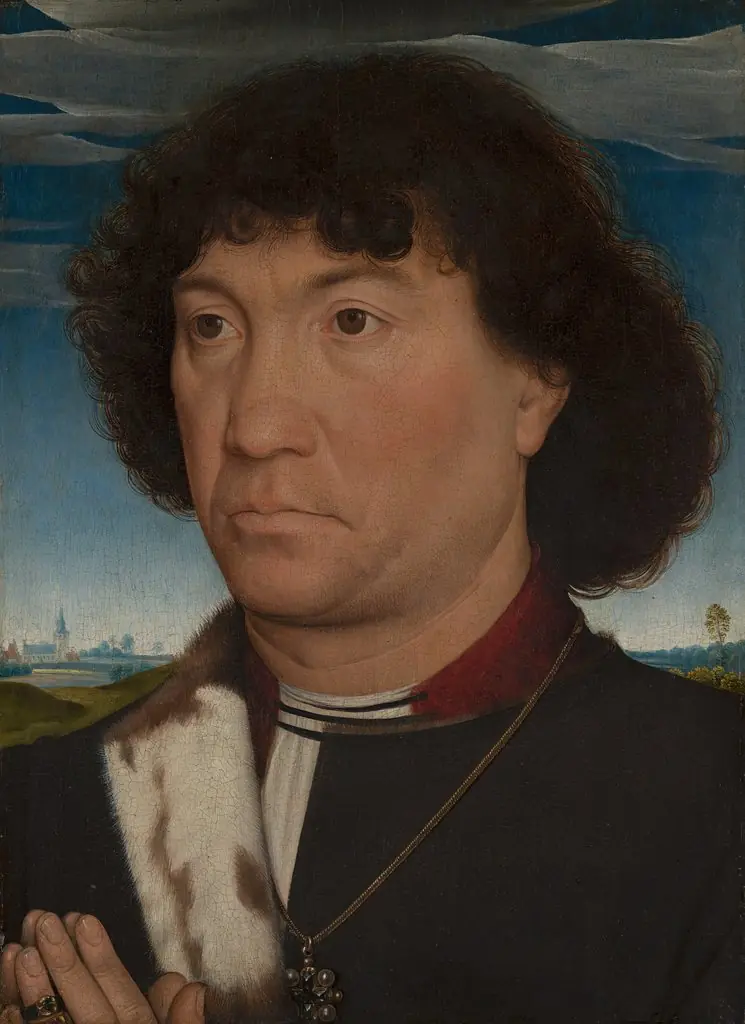 Portrait of a man of the family Lespinette
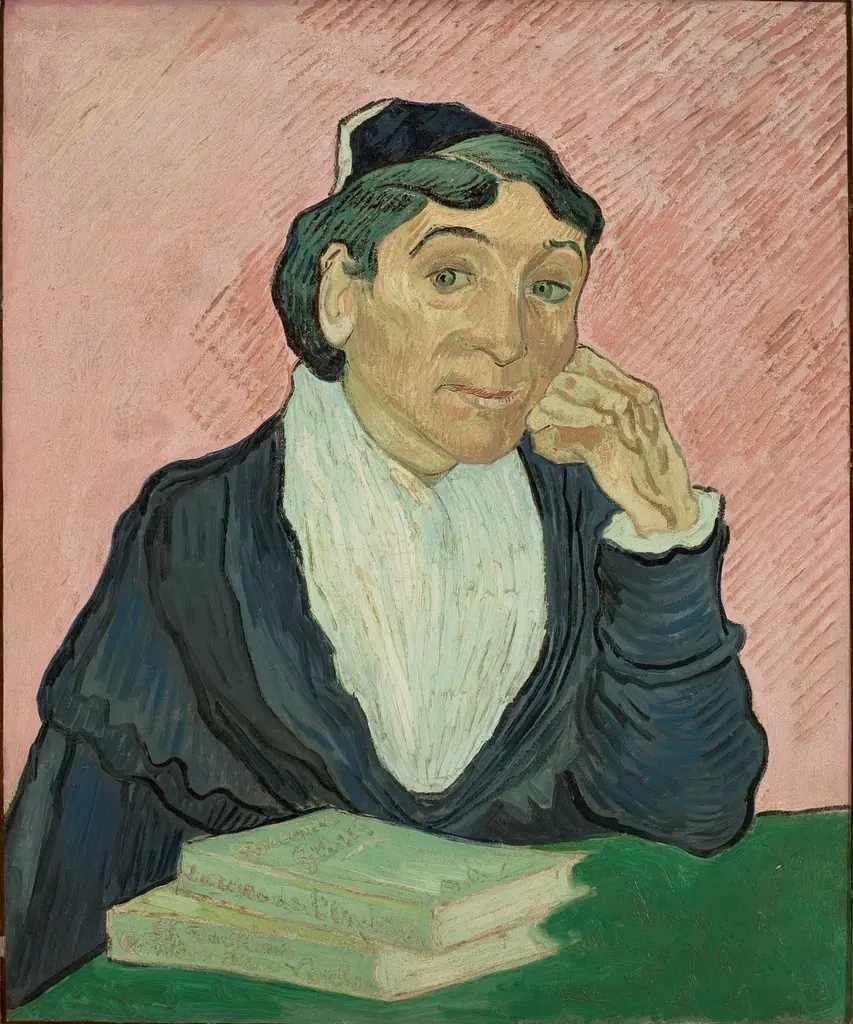 L'Arlésienne
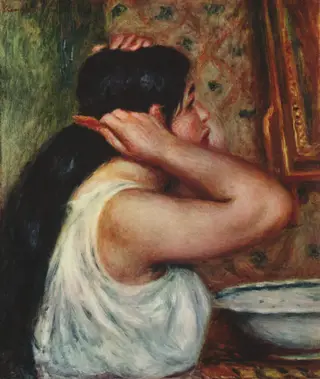 La Toilette
Frequently asked questions
What is Black Hair?
Black hair is the darkest and most common of all human hair colors globally, due to large populations with this trait.
How many Black Hair works does Artifact World Gallery have?
Artifact World Gallery holds 32 public-domain Black Hair works, all free to view and download.
Who are the key Black Hair artists?
Key Black Hair artists in the collection include Pierre Auguste Cot, Henri Regnault and Jean Léon Gérôme.
Where can I see Black Hair works?
Black Hair works in the collection are held by Rijksmuseum, Metropolitan Museum of Art and Hermitage Museum.